Attractions and Places To See around Tierra de Badajoz - Top 20
Best attractions and places to see around Tierra de Badajoz include a diverse array of historical landmarks, cultural sites, and natural landscapes within the province of Badajoz, Extremadura, Spain. The region is characterized by its rich history, with significant Moorish and Roman influences, alongside impressive natural features. Visitors can explore ancient fortresses, historic city centers, and unique geological formations. The area offers a blend of historical depth and natural beauty, providing various points of interest for exploration.
Best attractions and…
Last updated: October 11, 2026
Plaza Alta
Highlight • Historical Site
Translated by Google •
Tip by

Puente de Palmas
Highlight • Bridge
Translated by Google •
Tip by
Sign up now to discover places like this
Get recommendations on the best single tracks, peaks, & plenty of other exciting outdoor places.
Alcazaba of Badajoz
Highlight • Castle
Translated by Google •
Tip by
Castle of Luna
Highlight • Castle
Translated by Google •
Tip by
Puente Real
Highlight • Bridge
Translated by Google •
Tip by
Cathedral of Saint John the Baptist
Highlight • Religious Site
Translated by Google •
Tip by
Bridge over the Gévora River
Highlight • Bridge
Translated by Google •
Tip by

Views of the Alcazaba of Badajoz
Highlight • Viewpoint
Showing Translation
Tip by
Calle San Juan
Highlight • Settlement
Translated by Google •
Tip by

Cañada Real Sancha Brava
Highlight (Segment) • Trail
Showing Translation
Tip by

Sign up for free to discover even more attractions around Tierra de Badajoz.
Already have an account?
Start today with a free account
Your next adventure awaits.
Popular around Tierra de Badajoz
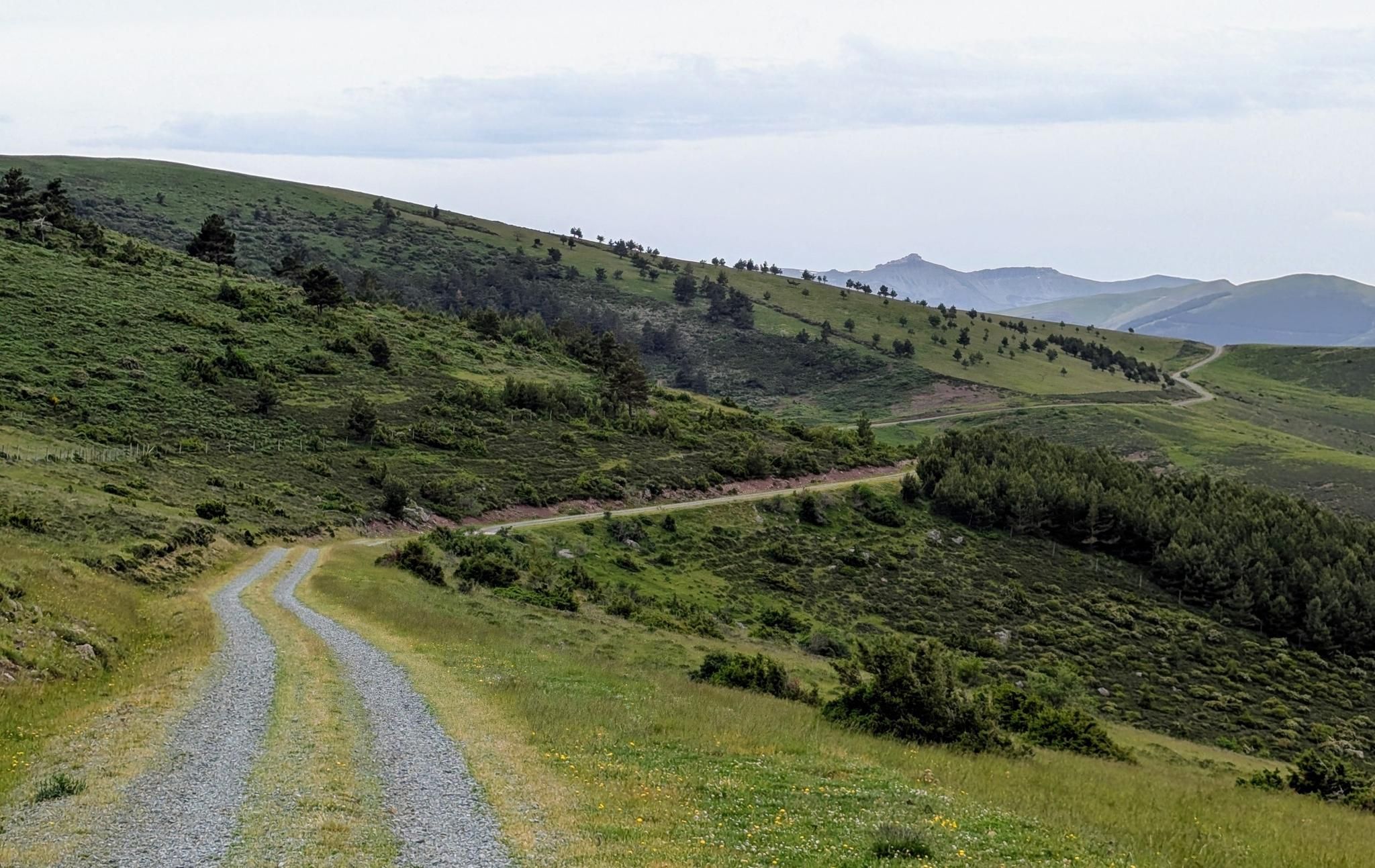
MTB Transhumance — Cañada Real Soriana Occidental
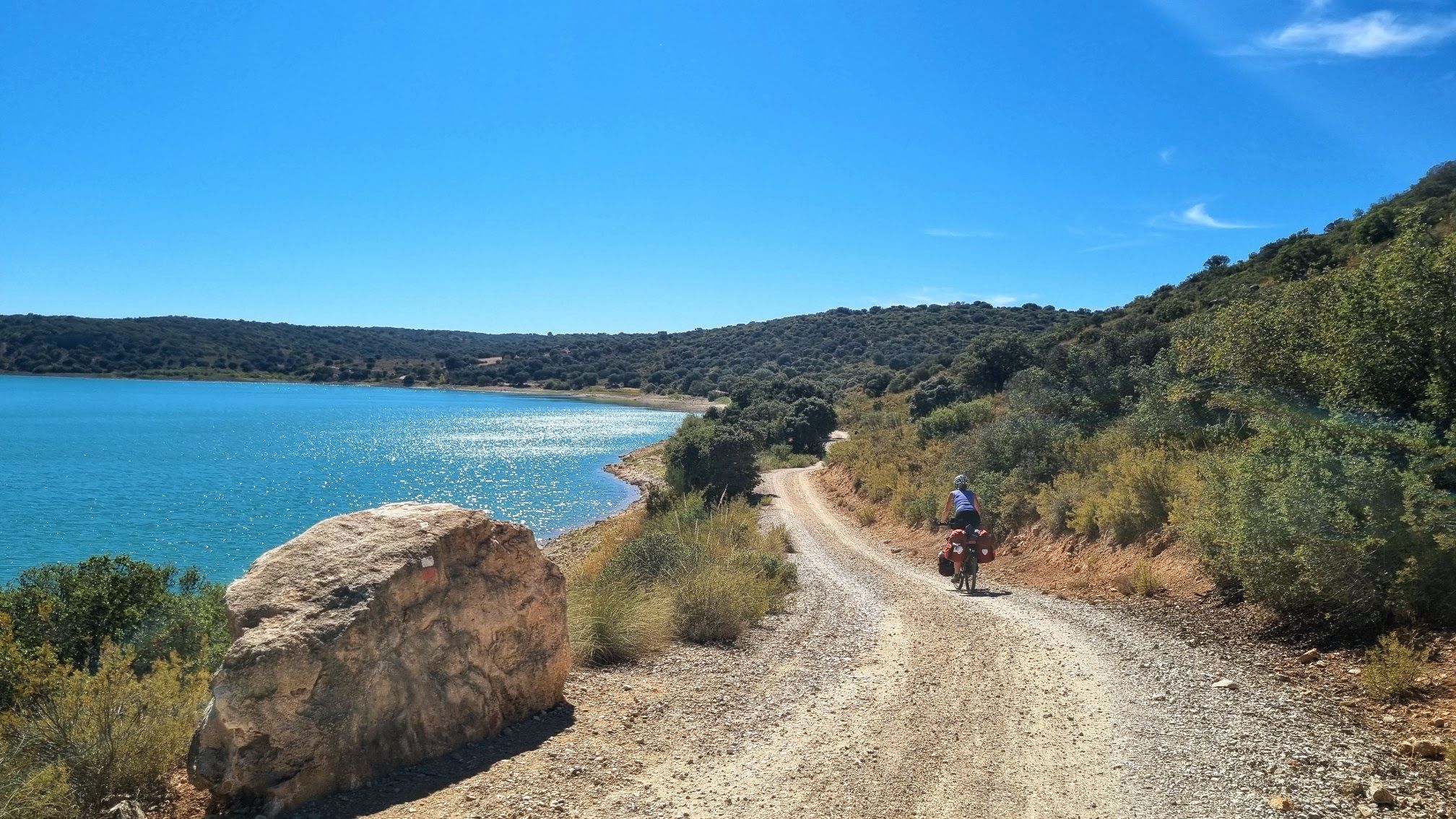
Pedalea junto al gran río — Camino Natural del Guadiana
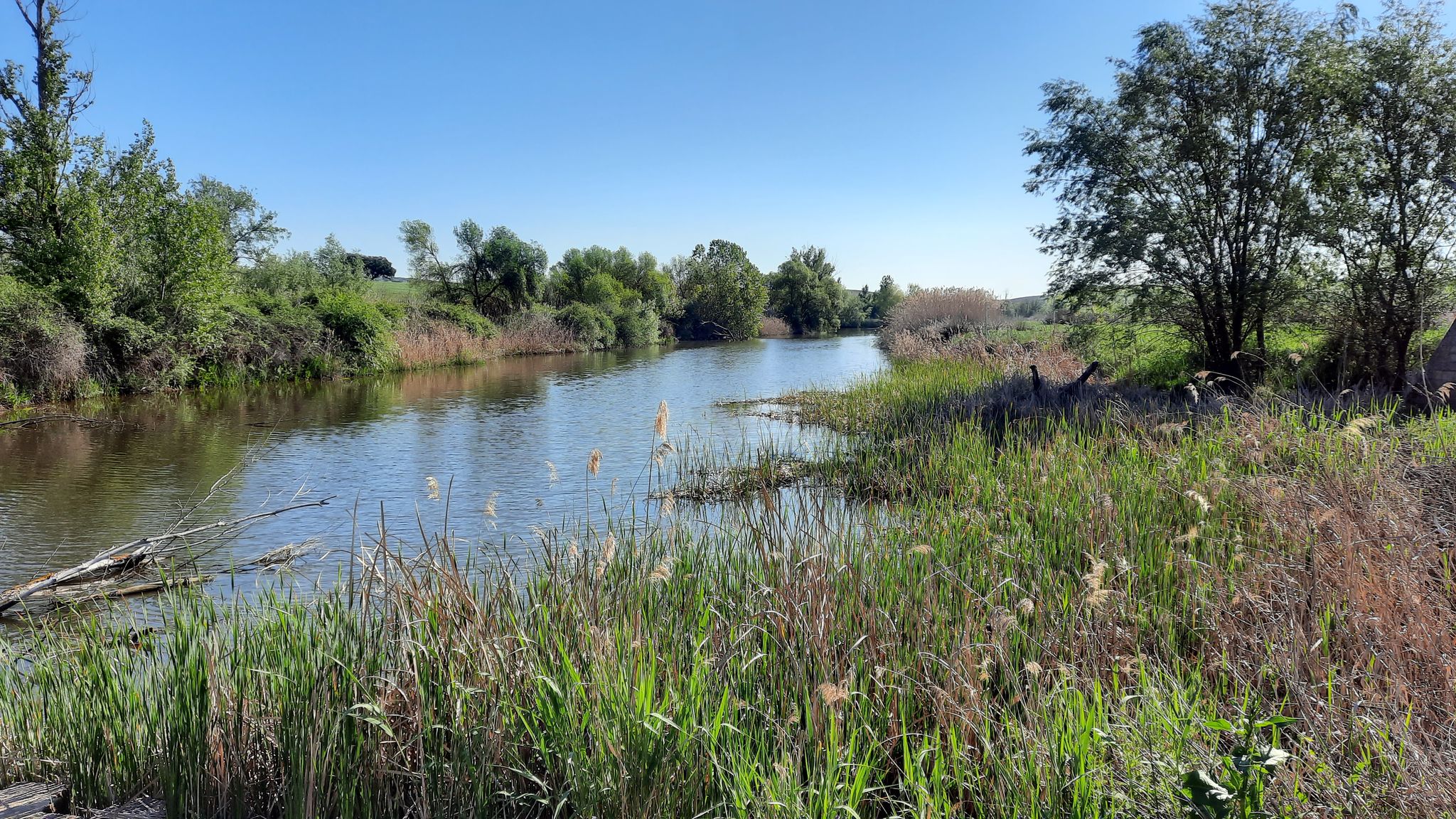
The magic of an endless river – Spain's Guadiana Natural Trail (GR 114)
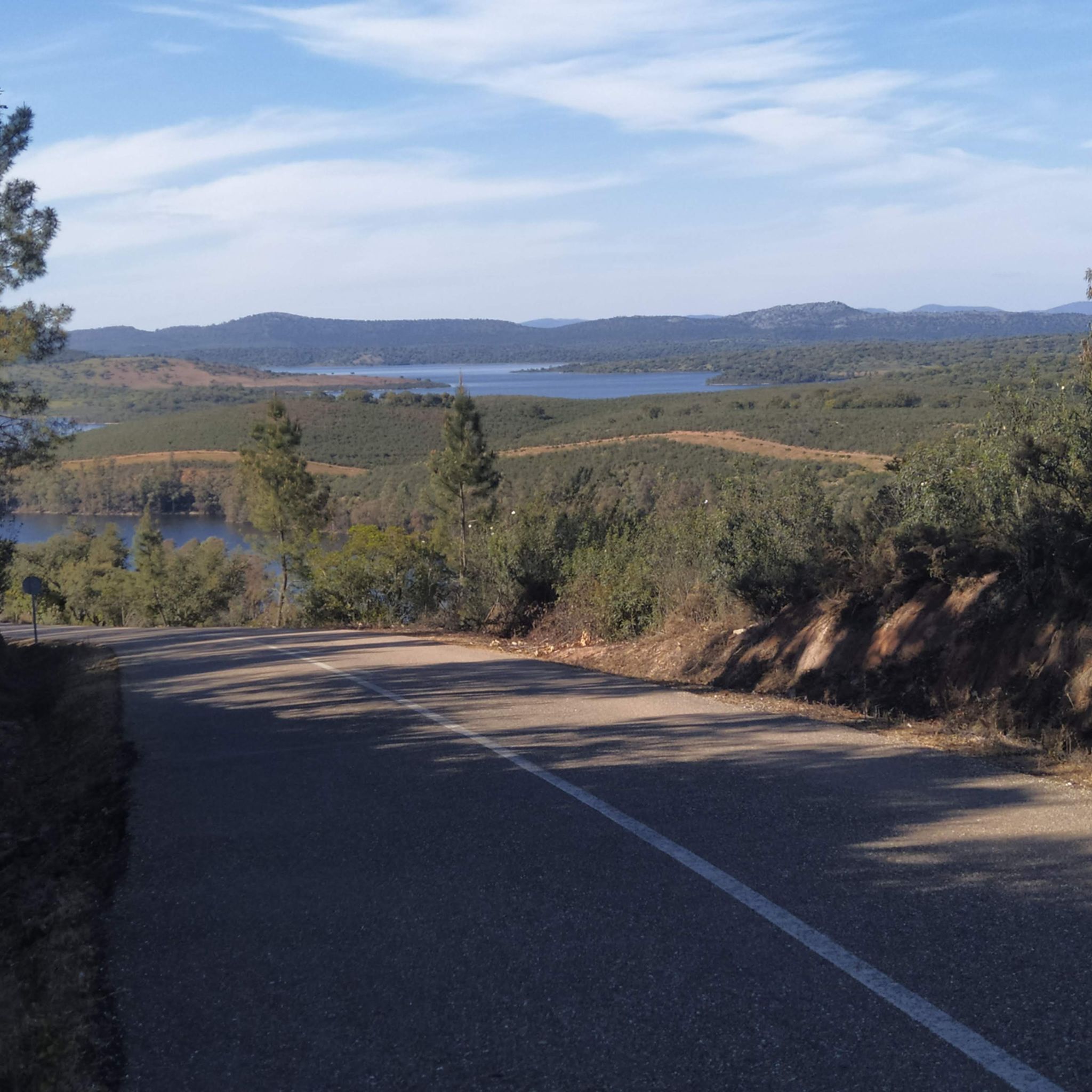
MTB Trails around Tierra de Badajoz
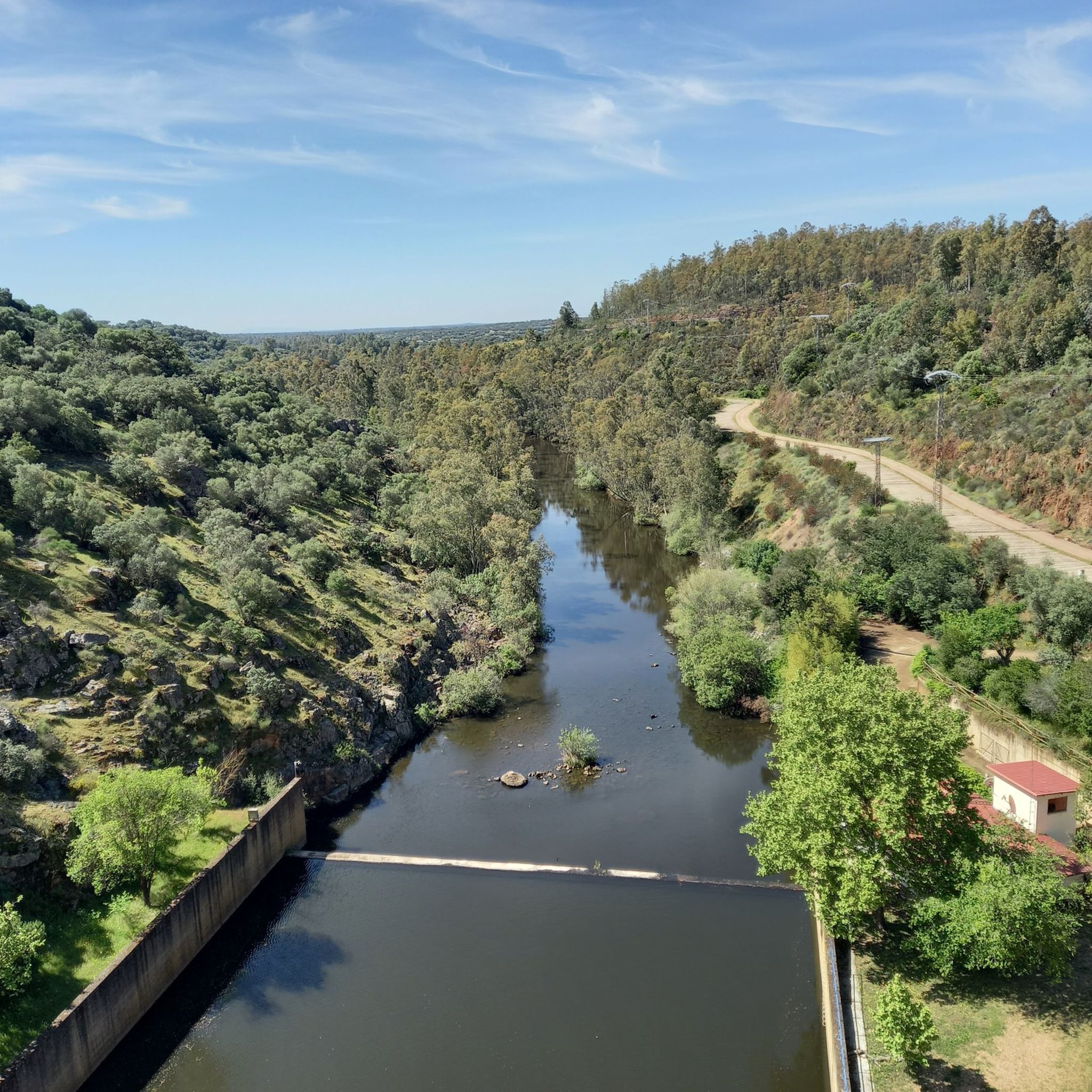
Road Cycling Routes around Tierra de Badajoz
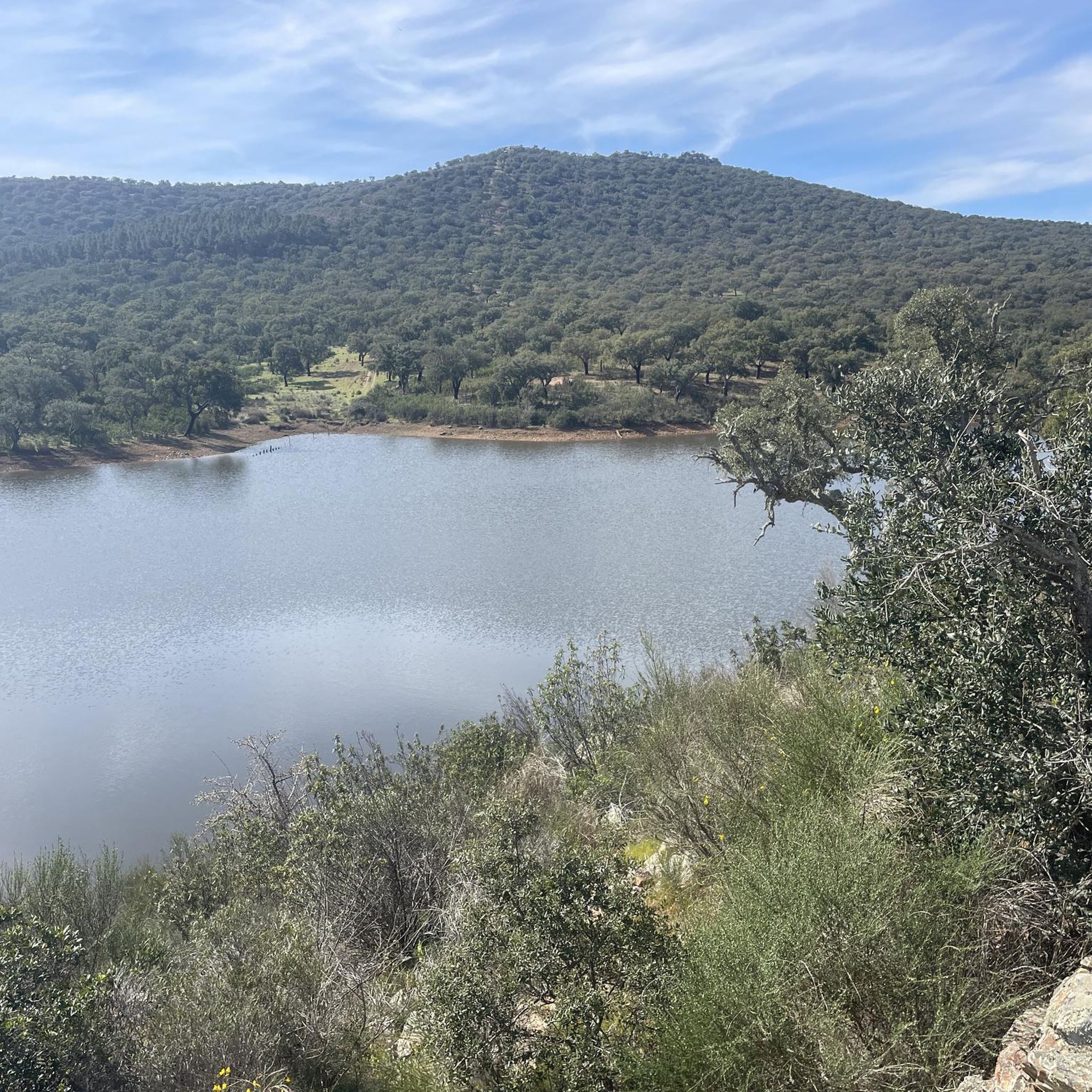
Running Trails around Tierra de Badajoz
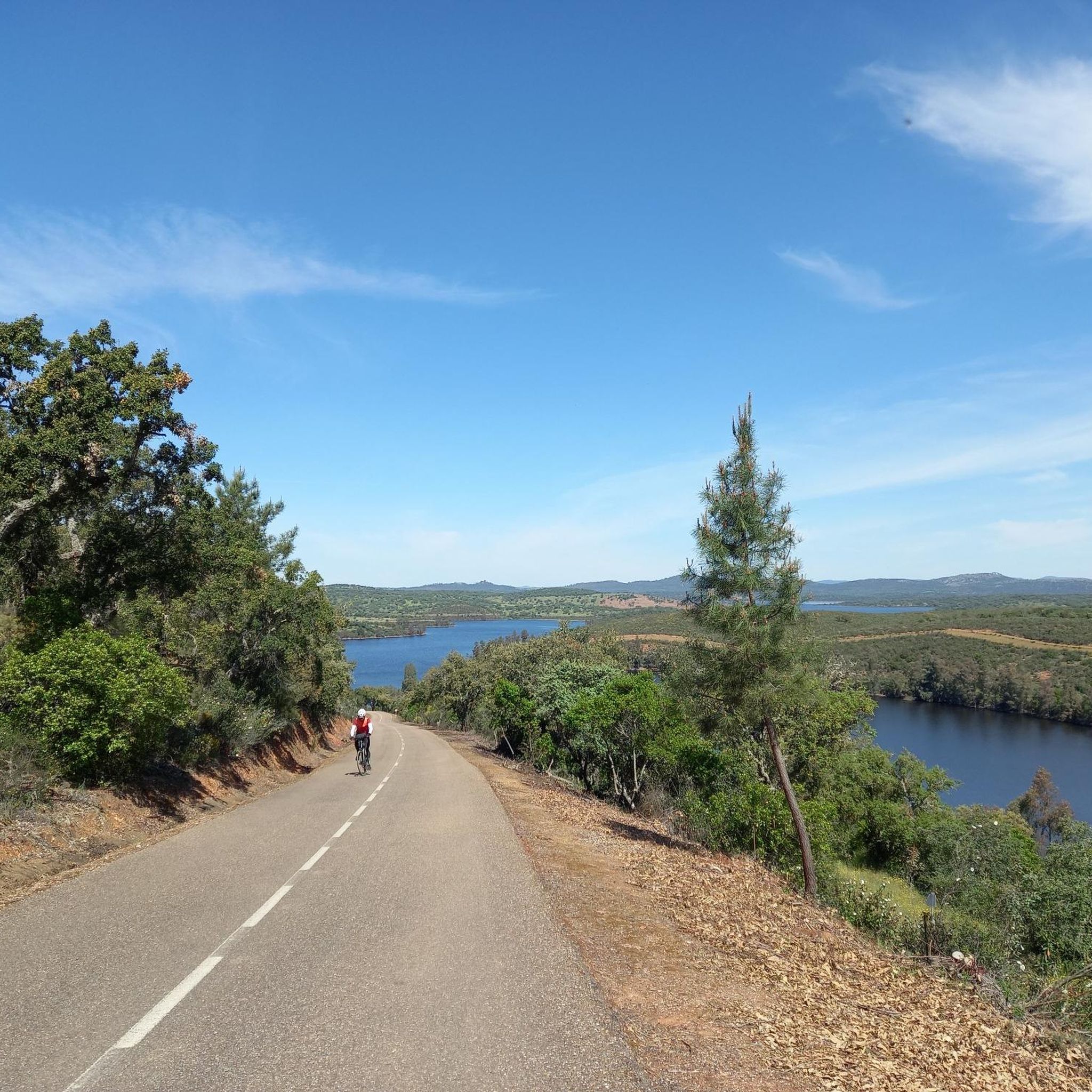
Cycling around Tierra de Badajoz
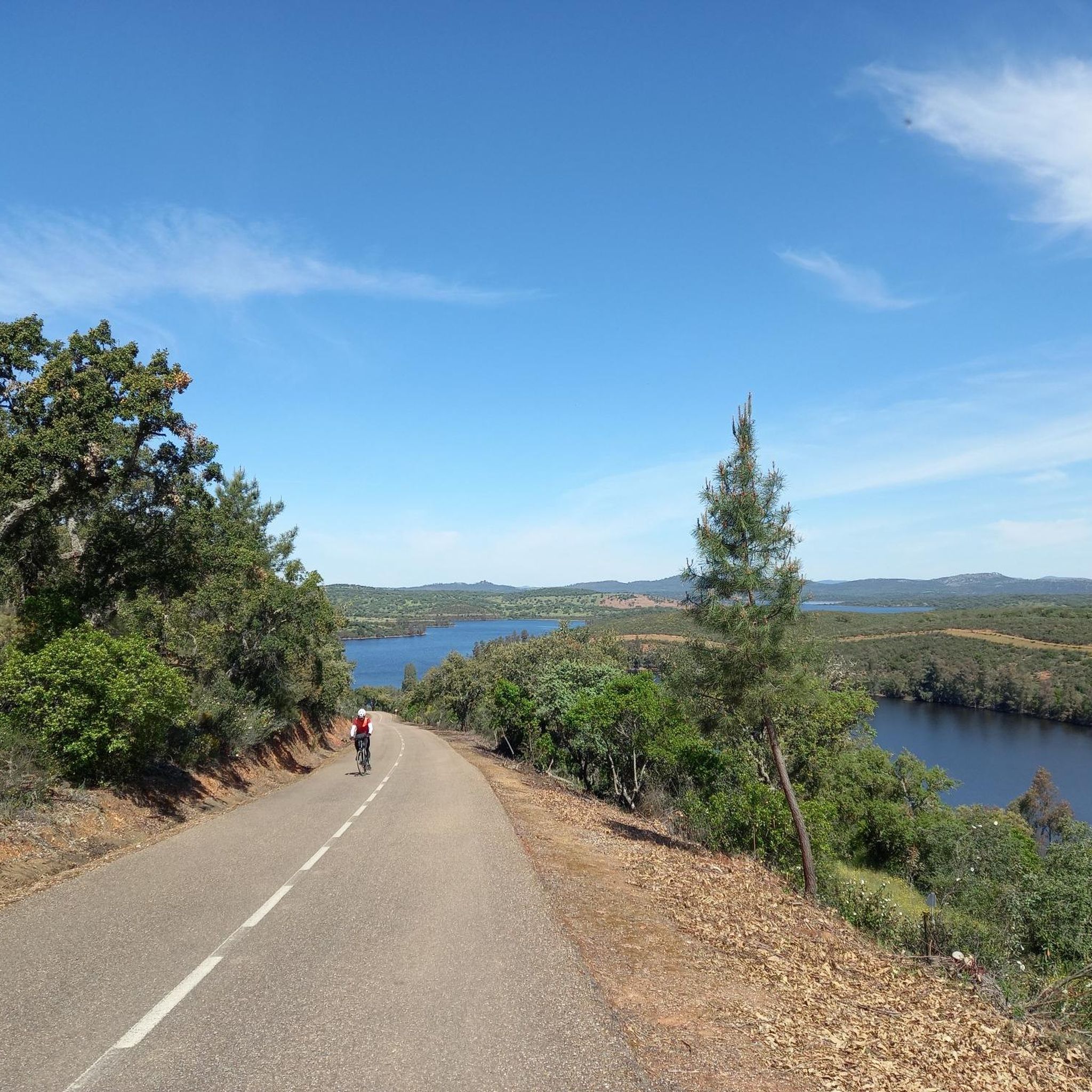
Hiking around Tierra de Badajoz
Gravel biking around Tierra de Badajoz
Other adventures around Tierra de Badajoz


Tips from the Community


The modern cable-stayed bridge is 452 meters long and has a striking, approximately 81-meter-high A-shaped pylon. From it, 28 steel cables support the roadway and give the bridge its characteristic appearance. It got its name because the Spanish royal couple laid the foundation stone for its construction in 1992.
4
1

A beautiful square of medieval origin, renovated between the 17th and 18th centuries.
1
1

If you pass through Badajoz, you shouldn't miss visiting at least its Puerta de Palmas, its Alcazaba, and its cathedral.
1
0


Luna Castle, also known as Alburquerque Castle, is an impressive medieval fortress located in the town of Alburquerque, in the province of Badajoz, on top of a hill in the Sierra de San Pedro, dominating the town of Alburquerque and offering panoramic views of the Los Baldíos region. Built between the 13th and 15th centuries, the castle was expanded and reinforced by Álvaro de Luna, Master of the Order of Santiago and Constable of Castile, hence its name. Luna Castle is one of the most outstanding castles in Extremadura and a must-see for lovers of history and medieval architecture.
4
0
The Palmas Bridge is the oldest bridge in Badajoz, situated over the Guadiana River. It was built in 1596 during the reign of Philip II, although it was built on a previous bridge dating from 1460. This Herrerian-style bridge is 585 metres long and has 32 arches. Over the centuries, the bridge has undergone several repairs due to flooding of the river. At one end of the bridge is the Puerta de Palmas, one of the main entrances to the city in times past, and at the other end, a hornwork built in the 17th century to protect the bridgehead.
6
0
Frequently Asked Questions
What historical sites and landmarks are prominent in Tierra de Badajoz?
Tierra de Badajoz is rich in history, featuring numerous significant landmarks. In the city of Badajoz, you can explore the impressive Alcazaba of Badajoz, a massive Moorish fortress offering panoramic views, and the Cathedral of Saint John the Baptist, a fortified Gothic structure. Other notable sites include the historic Plaza Alta and the iconic Puerta de Palmas. Beyond the capital, Mérida, a UNESCO World Heritage site, boasts extensive Roman ruins like the Roman Theatre and Amphitheatre. Zafra, known as 'Little Seville,' features its own Alcázar fortress, while Olivenza showcases a unique blend of Castilian and Portuguese architecture.
Where can I find impressive natural features and landscapes in the region?
The region offers diverse natural beauty. The Regional Reserve of El Cíjara is ideal for wildlife and hiking. You can also visit La Serena, an 'inland sea' with the distinctive conical mountain of Cerro Masatrigo. For geological wonders, explore the Caves of Fuentes de León, a Natural Monument with stunning formations, or the geo-ecological site of La Jayona Mine. The Sierra Grande de Hornachos is a Special Conservation Zone known for its holm oak forests and diverse wildlife.
Are there any family-friendly attractions in Tierra de Badajoz?
Yes, many attractions in Tierra de Badajoz are suitable for families. Historical sites like the Alcazaba of Badajoz and Plaza Alta are great for exploring. The Puente de Palmas is also a popular spot. Additionally, the province features numerous natural pools and freshwater beaches, such as Playa Costa Dulce de Orellana, which offer amenities for a fun day out with children.
What kind of outdoor activities can I do near these attractions?
Tierra de Badajoz provides excellent opportunities for outdoor enthusiasts. You can find numerous routes for cycling, mountain biking, and running. For example, the Guadiana Natural Trail offers various options for different sports. You can explore more specific routes and their difficulties on the MTB Trails around Tierra de Badajoz, Running Trails around Tierra de Badajoz, and Cycling around Tierra de Badajoz guide pages.
Are there any notable bridges or architectural marvels to see?
Absolutely. The Puente de Palmas is the oldest bridge in Badajoz, a Herrerian-style structure from 1596 with 32 arches, serving as a historic entrance to the city. Another significant bridge is the Roman Bridge over the Guadiana River in Mérida, which is the longest in the Iberian Peninsula. You can also find the Bridge over the Gévora River and Puente Real.
What are some unique towns or villages worth visiting in the region?
Beyond Badajoz city, several towns offer unique historical and cultural experiences. Mérida is a must-see for its Roman heritage. Zafra, often called 'Little Seville,' is known for its monumental heritage and Alcázar. Olivenza presents a fascinating blend of Castilian and Portuguese architecture. Jerez de los Caballeros, the birthplace of Vasco Núñez de Balboa, boasts a magnificent historical center and Templar fortress. Medellín features a prominent castle and Roman theatre, while Alburquerque is home to the significant Luna Castle.
Can I find places for wild swimming or natural pools?
Yes, the province is home to numerous natural pools and freshwater beaches, perfect for wild swimming and relaxation. Notable spots include Playa Costa Dulce de Orellana (the first inland beach to receive a Blue Flag), Playa de Peloche, Playa de Cheles, Playa de Alange, and the natural pool of La Codosera, bathed by the waters of the Gévora River. Many of these areas offer amenities like shade and picnic spots.
What is the best time to visit Tierra de Badajoz for sightseeing and outdoor activities?
The best time to visit Tierra de Badajoz generally depends on your preferred activities. Spring (April-May) and Autumn (September-October) offer pleasant temperatures, ideal for exploring historical sites and engaging in outdoor activities like hiking and cycling. Summers can be very hot, making water-based activities more appealing, while winters are milder but can be damp.
Are there any specific viewpoints offering scenic panoramas?
Yes, several locations provide stunning views. The Alcazaba of Badajoz, situated on the highest part of the city, offers expansive panoramic views of Badajoz and its surroundings. The Castle of Luna in Alburquerque and Nogales Castle also provide excellent vantage points over the landscape.
What do visitors enjoy most about the attractions in Tierra de Badajoz?
Visitors frequently appreciate the rich historical depth and architectural beauty of the region. The Moorish arches and excellent architecture of Plaza Alta are often highlighted, as are the impressive scale and historical significance of the Alcazaba of Badajoz. The blend of ancient history, cultural sites, and the opportunity for outdoor exploration in natural settings like the Guadiana River banks are also highly valued.
Are there any specific trails for hiking or walking near the attractions?
Yes, there are various trails for hiking and walking. The Guadiana River and its banks offer scenic paths, and you can find routes like the Guadiana Natural Trail. For more specific options, you can explore the Running Trails around Tierra de Badajoz guide, which includes routes like the Sierra de Santa Lucía Trail and the Alcazaba Circuit, suitable for walking.
What is the significance of the Guadiana River in the region?
The Guadiana River is central to the region's natural beauty and history. It is crossed by significant structures like the Puente de Palmas in Badajoz and the ancient Roman Bridge in Mérida. The river banks offer scenic walking paths and are crucial to the region's ecosystems, providing opportunities for various outdoor activities and contributing to the natural pools and freshwater beaches found throughout the province.
Most popular routes around Tierra de Badajoz

Get inspired with the komoot mobile app


Didn’t find what you were looking for?
Are you keen on exploring more awesome places nearby? Browse our guides:
Explore more
Still not found the Highlight you’re looking for? See guides of the top attractions in other regions:
