Attractions and Places To See around Pallars Jussa - Top 20
Best attractions and places to see around Pallars Jussa, a region in Catalonia, Spain, offers diverse landscapes from agricultural plains to high mountains. It features significant natural landmarks, including canyons, glacial lakes, and national parks. The area also preserves a rich history through medieval castles, Romanesque churches, and dinosaur-era sites. This varied terrain provides a wide array of sights for visitors exploring its natural and cultural heritage.
Best attractions and places to see around Pallars Jussa
- The most popular attraction…
Last updated: October 10, 2026
Mont-rebei Gorge
Highlight (Segment) • Gorge
Translated by Google •
Tip by

Colomina Refuge
Highlight • Mountain Hut
Translated by Google •
Tip by
Sign up now to discover places like this
Get recommendations on the best single tracks, peaks, & plenty of other exciting outdoor places.
Coll de Comiols
Highlight • Mountain Pass
Translated by Google •
Tip by

Font de la O
Highlight • Natural Monument
Translated by Google •
Tip by

Vall Fosca Cable Car
Highlight • Structure
This is the Cable Car, which bears the name of …
Translated by Google •
Tip by
Suspension Bridge of the Mont-rebei Gorge
Highlight • Bridge
Translated by Google •
Tip by
Serengueti Trail
Highlight • Trail
During the descent, with caution, we will be able to contemplate the Sant Antoni reservoir, which will be on our left.
Translated by Google •
Tip by
Climb to Collado del Triador
Highlight (Segment) • Climb
Translated by Google •
Tip by

Roques Pelades Trail
Highlight • Trail
Translated by Google •
Tip by

Font de Cantoria (Sas, Sarroca de Bellera)
Highlight • Natural
Translated by Google •
Tip by

Sign up for free to discover even more attractions around Pallars Jussa.
Already have an account?
Start today with a free account
Your next adventure awaits.
Popular around Pallars Jussa
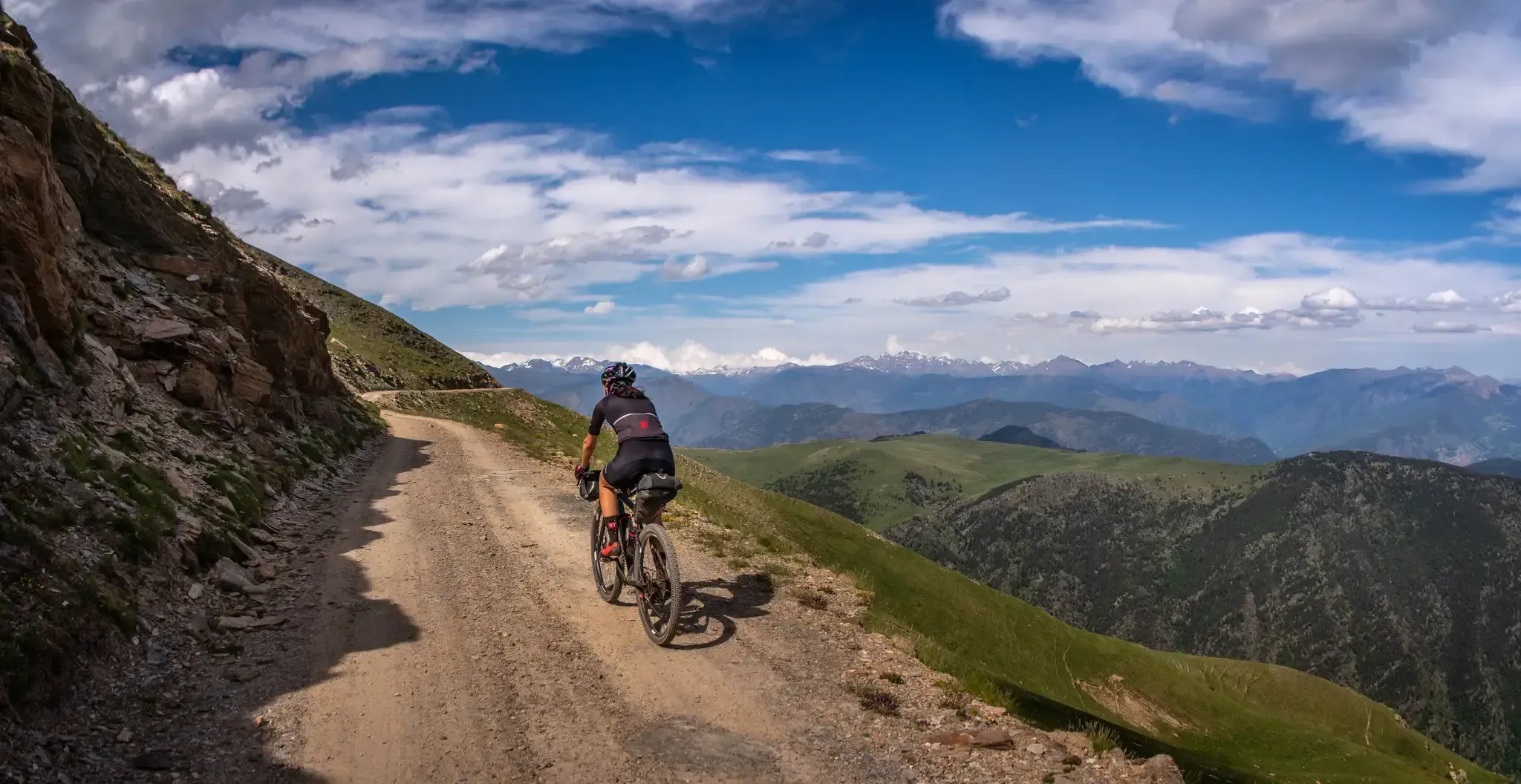
Pedals de Foc – An adventure through the Catalan Pyrenees
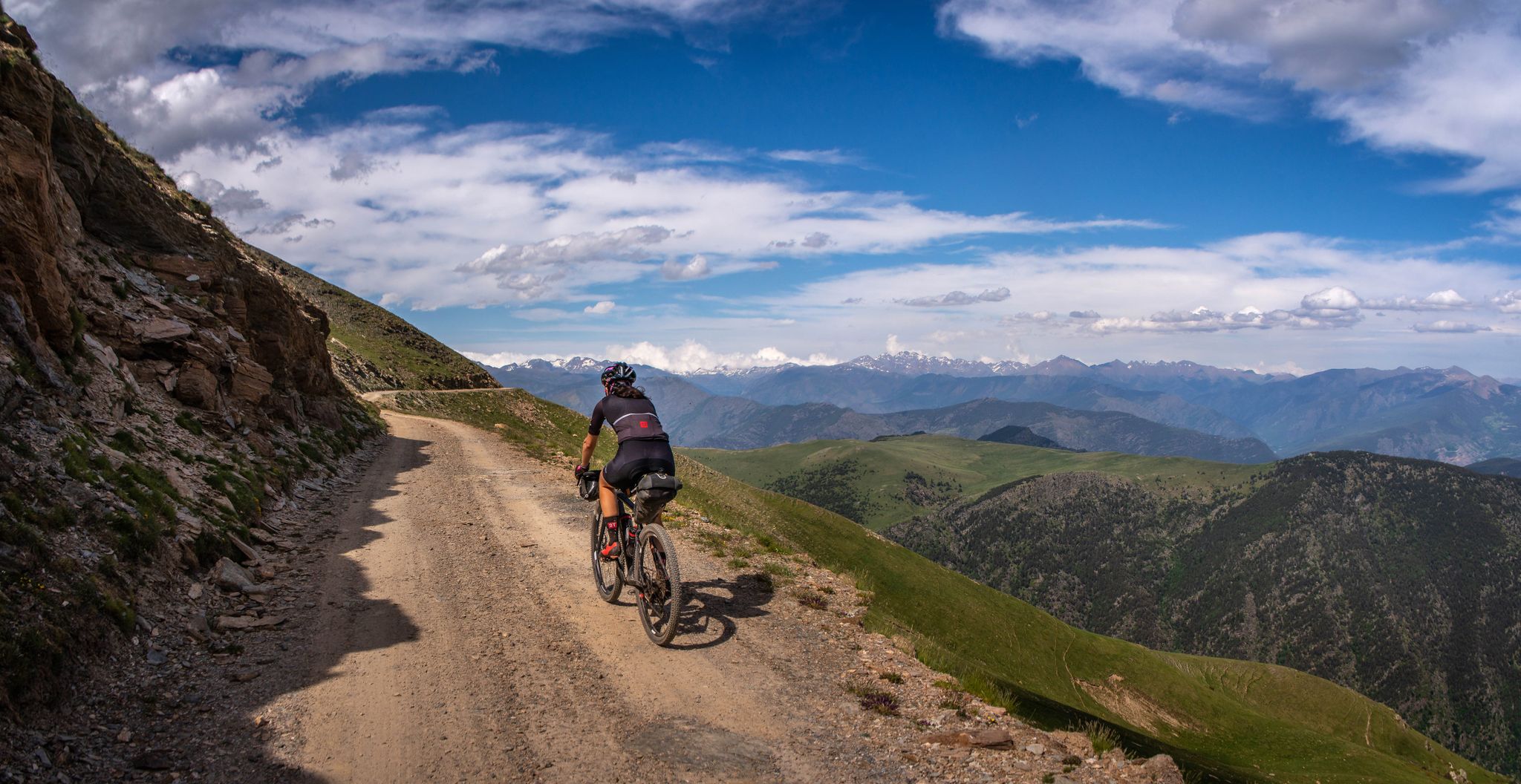
Bikepacking in the Catalan Pyrenees
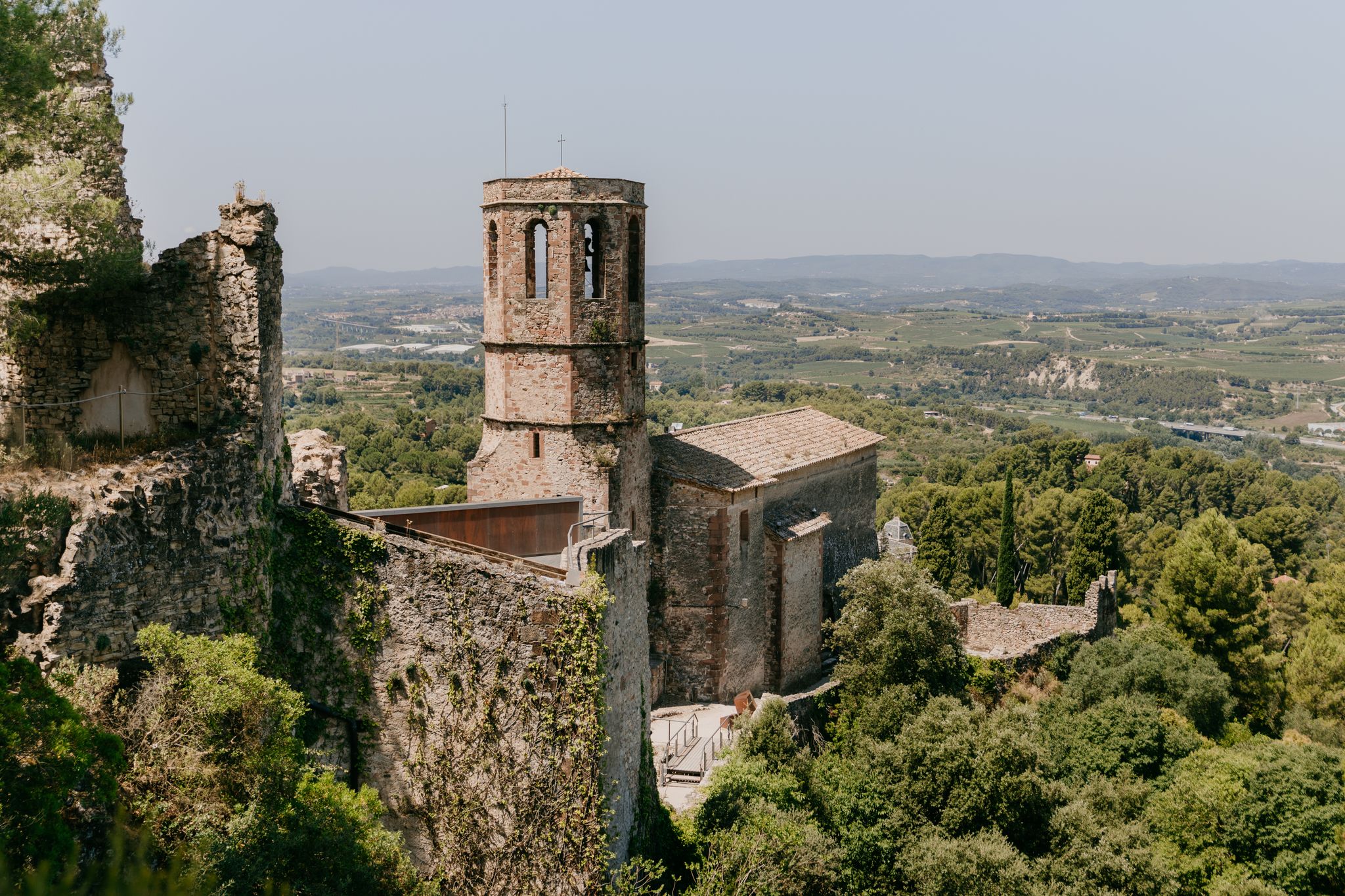
Catalonia by bike — Itineraries between culture and nature
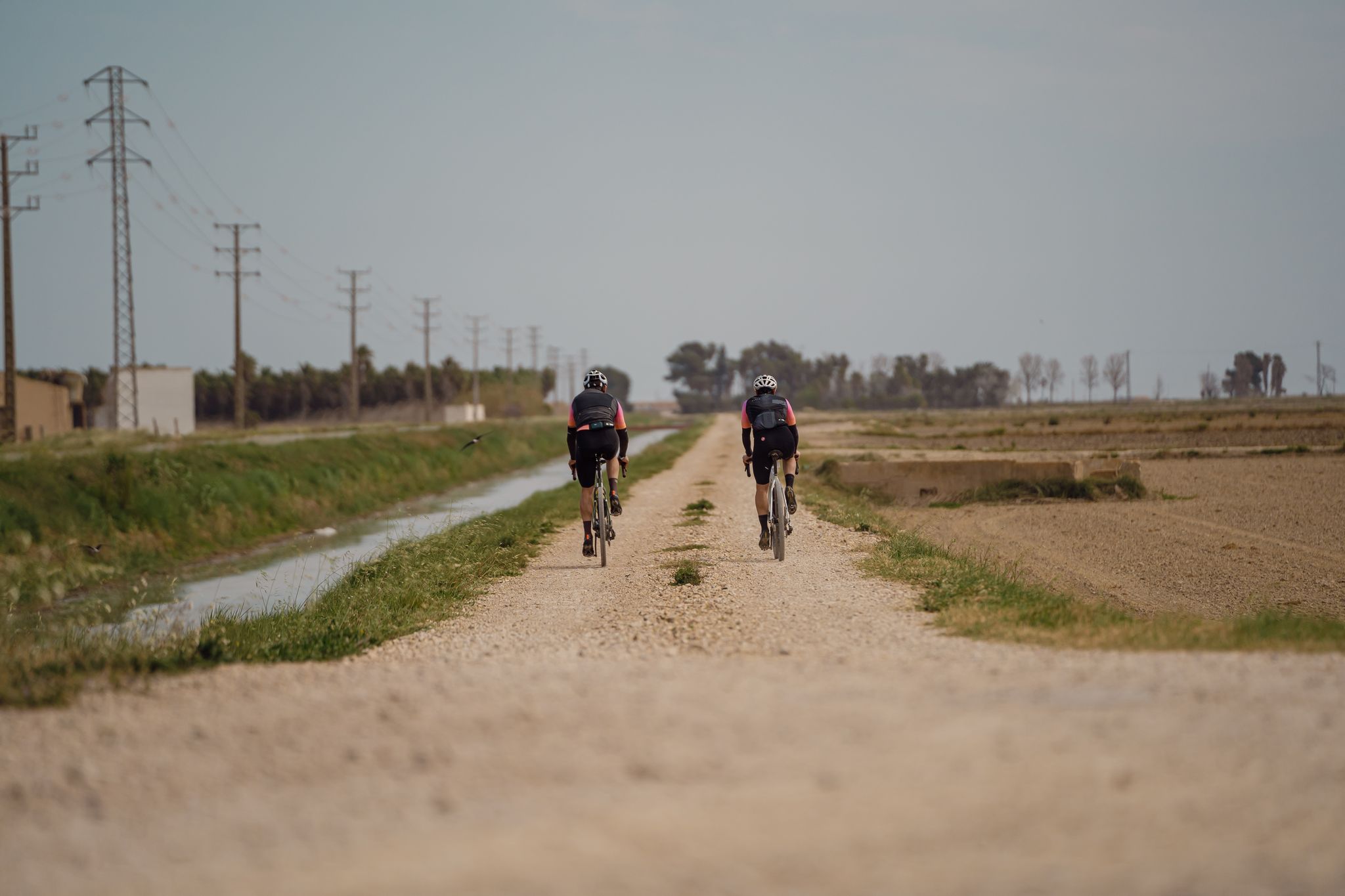
Discover Catalonia on a gravel bike
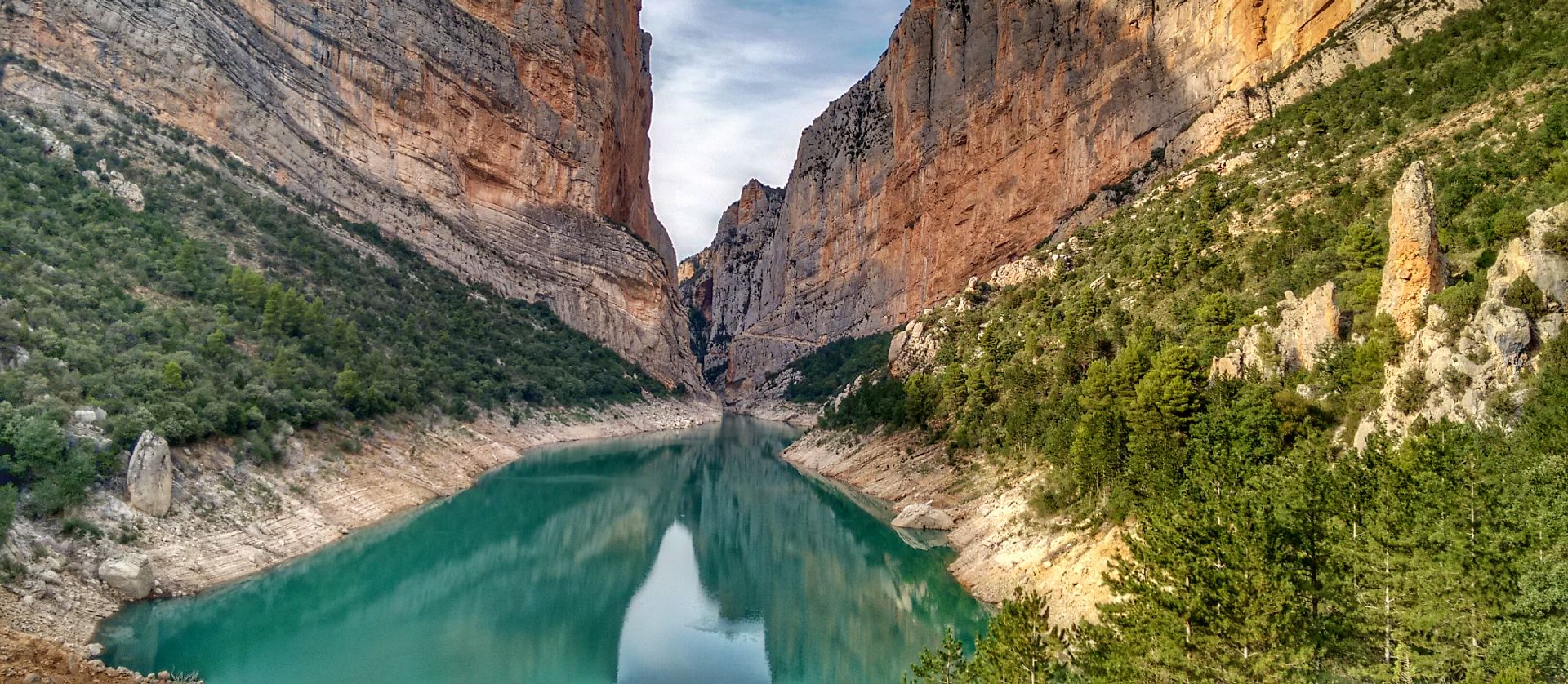
Lleida to El Pont d'Orrit – Sendero Central de Cataluña (GR3)
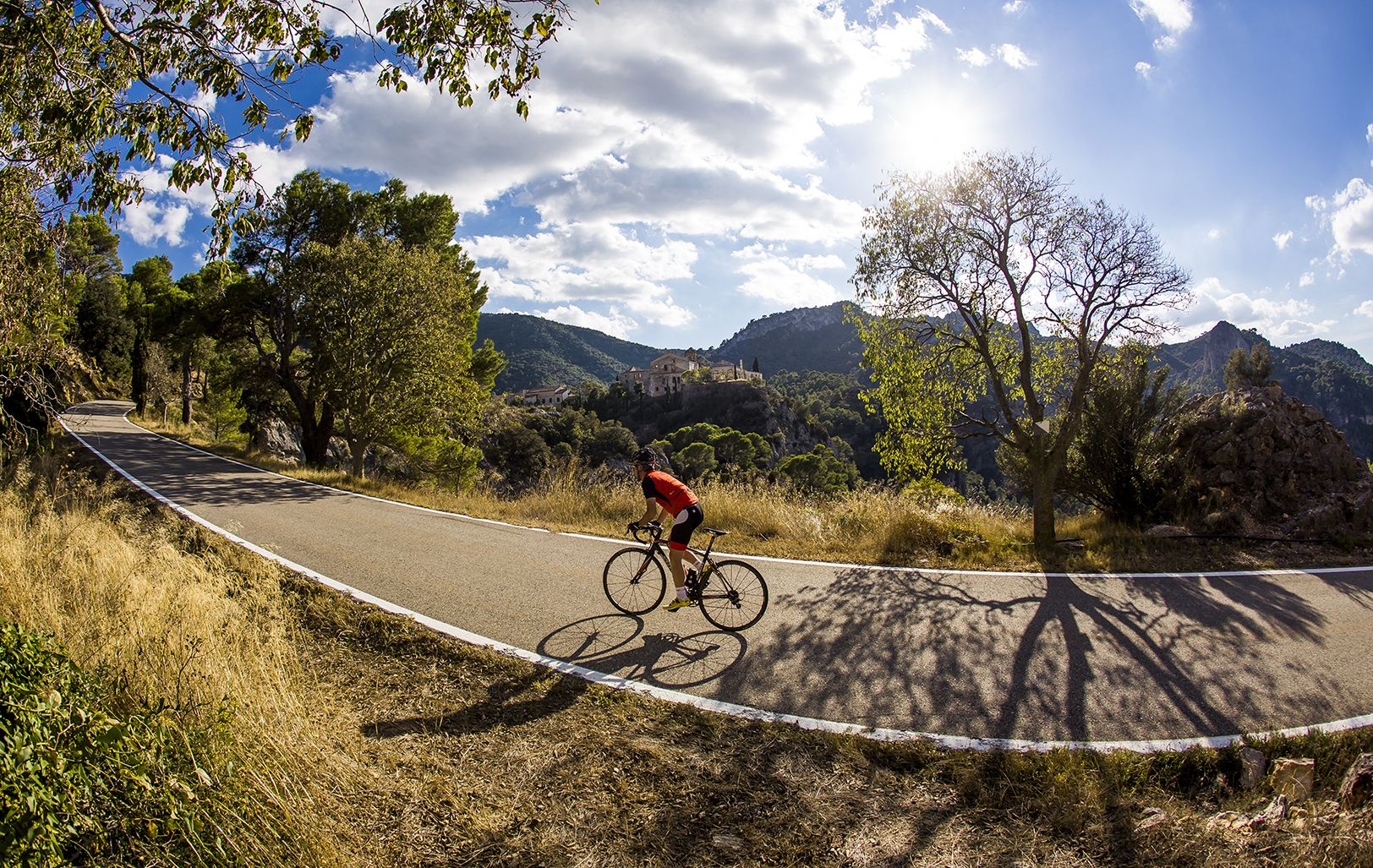
Discover Catalonia by road bike
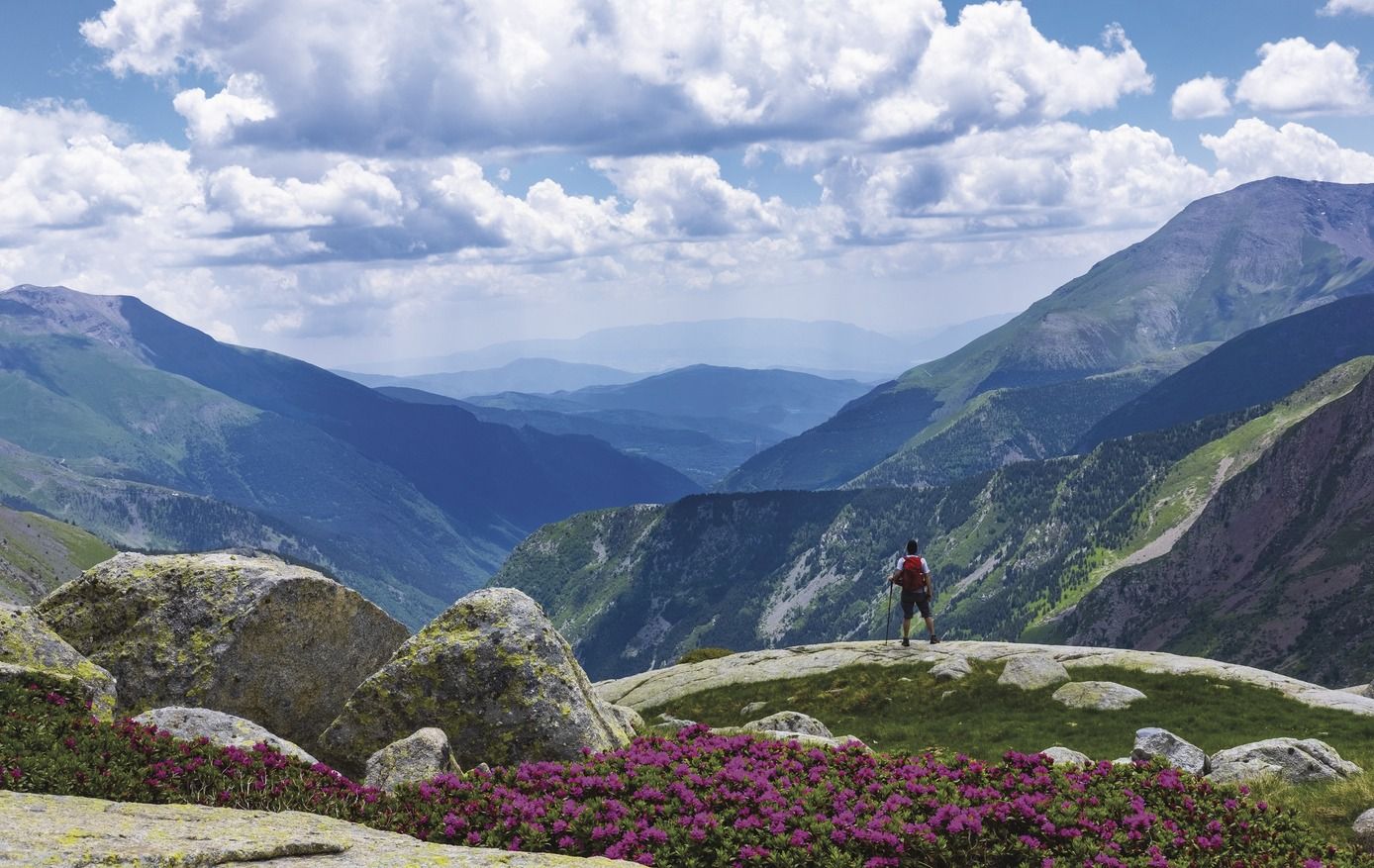
Great Hiking Routes of Catalonia
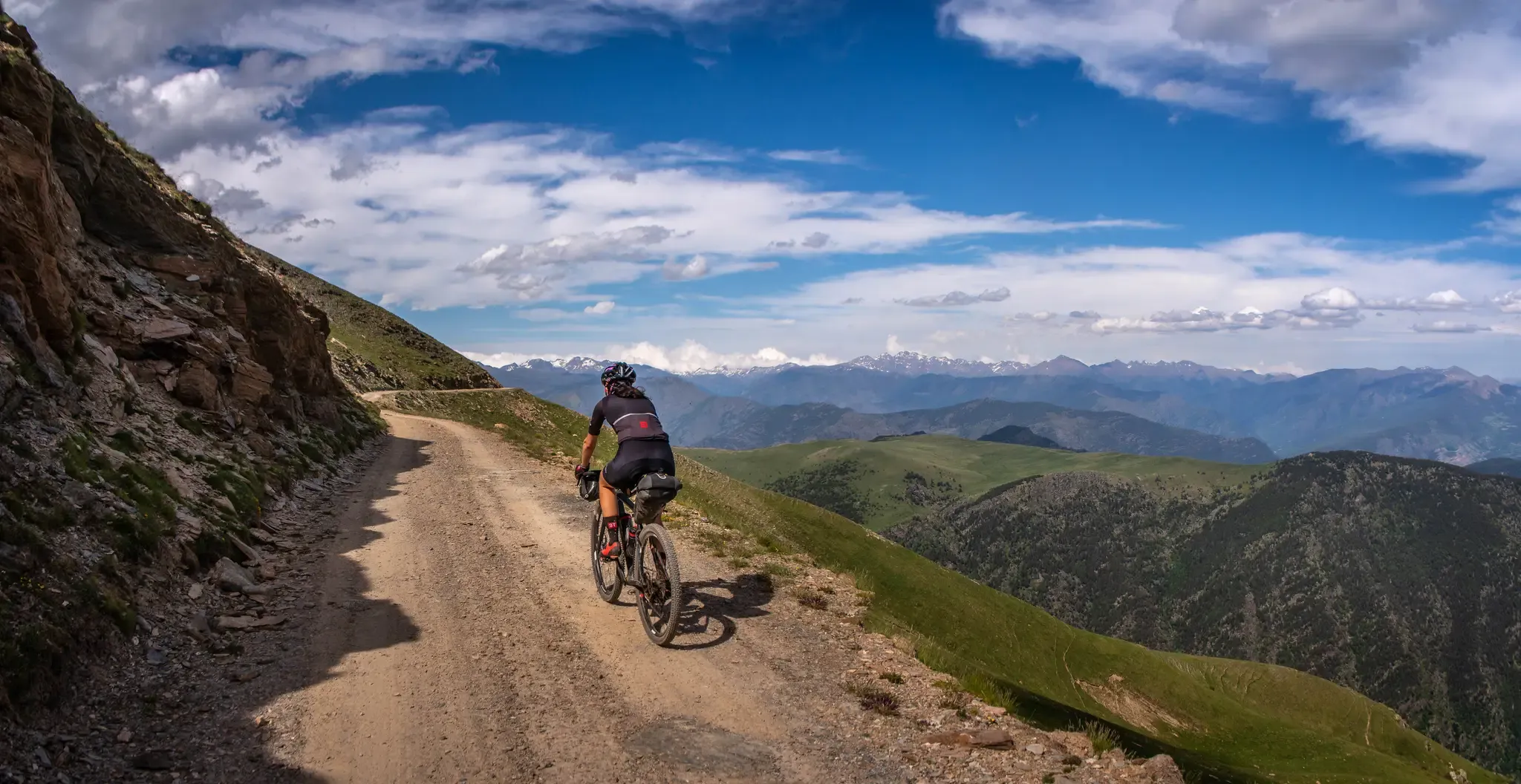
A high-altitude journey – Transpirenaica MTB
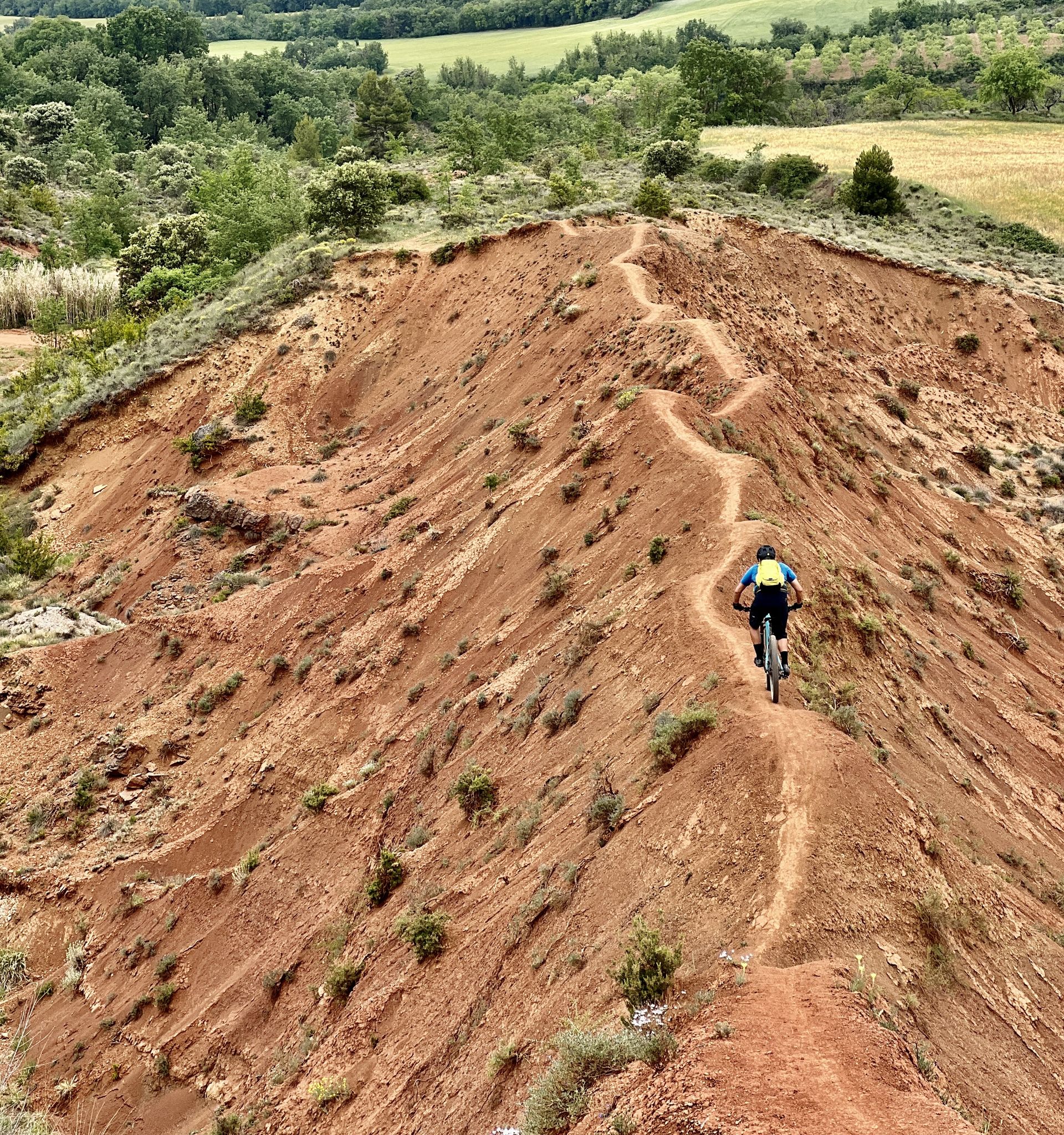
Tremp – MTB Paradise in the Spanish Pyrenees
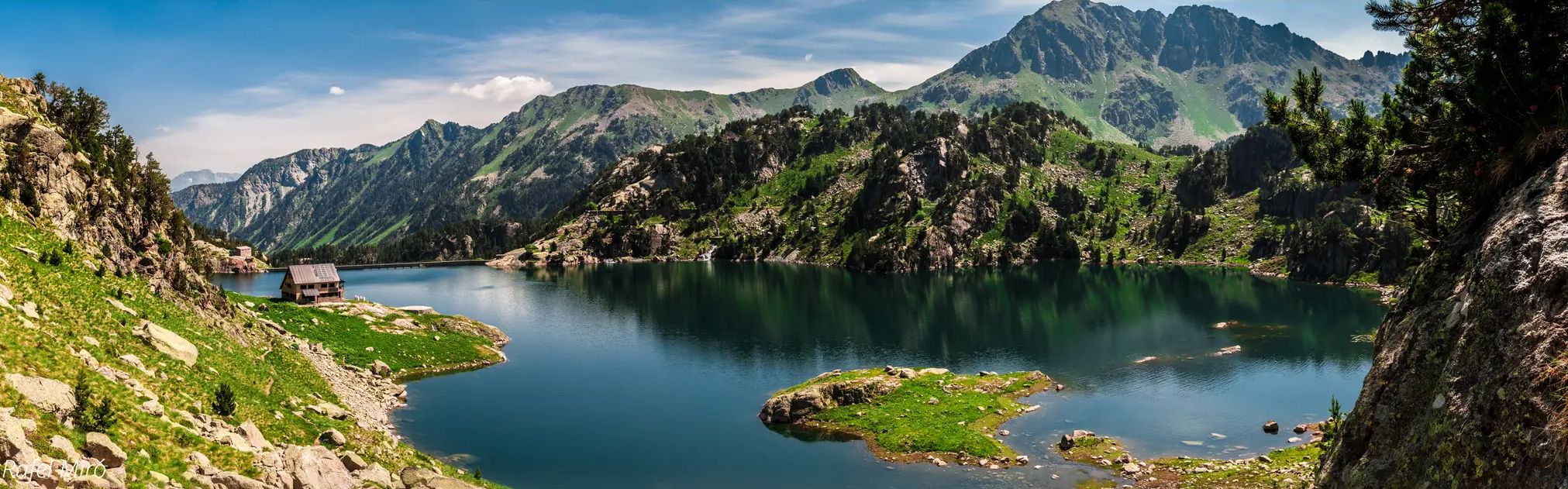
Aigüestortes lakes and mountain huts – Carros de Foc Plus
Other adventures around Pallars Jussa


Tips from the Community

Great hut, very spacious and practically thought out: - Entrance area for shoes, - Passageway for backpacks, - Boxes for things in the sleeping area, so no fuss and bother in the sleeping area - Spacious dining area, large windows with a view
0
0

Boredom doesn't stand a chance here. Great area with many possibilities for biking.
0
0

The bridge is very cool but if you have vertigo it can be a problem, however you can take a small detour
0
0
If you have vertigo, you can take a small detour to avoid the bridge.
0
0

The Colomina refuge is located at an altitude of 2,425 metres, at the head of the Vall Fosca, next to the lake of the same name. It has 40 places to stay overnight, hot showers and food service, always subject to reservation.
0
0

This rest area offers you the opportunity to take a break by the river and enjoy a picnic in a natural setting. The grove surrounding the area is perfect for protecting you from the sun on the hottest days, providing shade and a cool environment while you relax and enjoy nature.
0
0

Attention! This cable car is not suitable for people with walking difficulties as there are about 80 steep steps to climb!
0
0

Place very appreciated by hikers, It contains all the necessary attractions to make it a Fantastic route...!!👍🏞️
1
1
Frequently Asked Questions
What are the most impressive natural features to explore in Pallars Jussà?
Pallars Jussà is rich in natural wonders. The Mont-rebei Gorge stands out with its bridle path carved into the rock face and walls up to 600 meters high. The Vall Fosca, a valley with numerous glacial lakes, offers access to high-mountain trails, including the popular Estany Gento. You can also explore Aigüestortes and Estany de Sant Maurici National Park, known for its rugged peaks and over 200 lakes.
Where can I find the best panoramic viewpoints in Pallars Jussà?
The region offers several stunning panoramic viewpoints. You can find magnificent vistas of the Noguera Pallaresa basin, the Sant Antoni reservoir, and the surrounding mountains from locations like Llimiana, Claverol, Claret, and Beranui. The Sant Quiri's viewpoint, near a chapel, is the highest in the Vall Fosca area after Estany Gento's terrace. Additionally, the Coll de Comiols and Coll de Bóixols also offer great views.
Are there opportunities for wildlife spotting in the region?
Yes, the Serra de Boumort is an area of outstanding natural interest and a game reserve, making it an excellent spot for wildlife viewing. It is home to deer, foxes, martens, badgers, roe deer, and various birds of prey, including eagles and bearded vultures. The red deer rut in autumn is a particularly notable spectacle.
What kind of outdoor activities can I do near these attractions?
Pallars Jussà is ideal for outdoor enthusiasts. You can find numerous hiking trails, such as the Mont-rebei Gorge Trail, and routes around the Aigüestortes i Estany de Sant Maurici National Park. For mountain biking, there are trails like Roques Pelades and Zona Geobike. Running enthusiasts can enjoy routes like the Estany Gento Carrilet Trail. You can find more details on these activities in the hiking, MTB, and running guides for Pallars Jussà.
Are there specific hiking trails recommended for different skill levels?
Yes, Pallars Jussà offers trails for various skill levels. For moderate hikes, consider the Mont-rebei Gorge Trail or the Barranc del Bosc and Roca Regina Trail. More challenging options include the Congost de Mont-rebei loop from la Torreta or the Montsor from La Pobla Segur circular route. The Serengueti Trail is a spectacular descent for experienced hikers, while the Climb to Collado del Triador offers a steep ascent for those seeking a challenge.
What is the best time of year to visit Pallars Jussà for outdoor activities?
The best time to visit Pallars Jussà for outdoor activities generally depends on the specific activity. For hiking and exploring natural landscapes, spring (April-June) and autumn (September-October) offer pleasant temperatures and vibrant scenery. The Vall Fosca cable car, providing access to high-mountain trails, operates from July to September, making summer ideal for higher altitude explorations. Autumn is also notable for the red deer rut in Serra de Boumort.
Are there any unique water-based activities or lakes to visit?
Pallars Jussà has a deep connection with water. The Mont-rebei Canyon is popular for kayaking in the Terradets reservoir. Other notable lakes include Montcortès Lake and the lakes of Basturs, both of Karst origin. The Sant Antoni and Terradets reservoirs are popular for hiking, kayaking, and caving. The region is also home to aquatic animals like the Pyrenean brook salamander and otters.
What historical sites or castles can I visit in Pallars Jussà?
The region is rich in historical heritage. Salàs de Pallars Historic Village offers a glimpse into traditional Pyrenean architecture. Mur Castle, dating back to the 11th century, is one of Catalonia's best-preserved medieval fortresses, with the Collegiate Church of Santa Maria de Mur nearby. You can also find numerous other medieval castles, such as those at Llordà and Orcau, and Roman remains throughout the area.
Are there any museums or cultural experiences related to the region's past?
Yes, the Conca Dellà Museum and Cretaceous Park in Isona offer a fascinating journey back to the age of dinosaurs, with exhibitions on the region's ancient flora and fauna, including dinosaur footprints and eggs. The museum also covers Roman and medieval history. In La Pobla de Segur, the Raiers Museum pays tribute to ancient timber transporters. The Botigues Museu Salàs (Salàs Shops Museum) provides a glimpse into past trades and daily life.
Are there family-friendly attractions or activities in Pallars Jussà?
Absolutely. The Conca Dellà Museum and Cretaceous Park are excellent for families interested in dinosaurs and history. The Tunnel on the Vall Fosca Greenway is a family-friendly highlight, as is Font de la O, a natural monument. The Tren dels Llacs (Train of the Lakes) offers a panoramic and engaging journey for all ages, connecting Lleida with La Pobla de Segur through tunnels and bridges.
How can I access the more remote natural attractions like Vall Fosca or Aigüestortes National Park?
For Vall Fosca, a cable car operates from July to September, providing access to high-mountain trails and places like Estany Gento, which is a starting point for routes to Colomina Refuge. Aigüestortes and Estany de Sant Maurici National Park is accessible from the region via the Sallente-Estany Gento cable car. It's advisable to check the operating schedules for these services, especially outside peak season.
What are some charming towns or villages to explore in Pallars Jussà?
La Pobla de Segur is a dynamic town combining history, culture, and nature, with an old town featuring the Church of Santa Maria and Plaça Major. La Pobleta de Bellveí is a charming town preserving traditional Pyrenean architecture with stone houses and cobbled streets. The Salàs de Pallars Historic Village also offers a unique historical experience.
What do visitors enjoy most about Pallars Jussà?
Visitors frequently praise the spectacular views and adventurous paths, particularly in the Mont-rebei Gorge and its iconic Suspension Bridge. The natural beauty of the glacial lakes and high-mountain trails in Vall Fosca, and the well-preserved medieval sites like Mur Castle, are also highly appreciated. The region's diverse landscapes and rich history offer a wide array of experiences, from challenging climbs to family-friendly explorations.
Most popular routes around Pallars Jussa
Most popular attractions around Pallars Jussa

Get inspired with the komoot mobile app


Didn’t find what you were looking for?
Are you keen on exploring more awesome places nearby? Browse our guides:
Explore more
Still not found the Highlight you’re looking for? See guides of the top attractions in other regions:
