The 17 Most Amazing Peaks around Garrotxa
Best mountain peaks around Garrotxa are found in a region renowned for its diverse mountain landscapes, featuring both volcanic terrain and rugged limestone peaks. Located in the province of Girona, Catalonia, this area offers a variety of elevations and geological formations. The Garrotxa Volcanic Zone Natural Park is a key feature, showcasing numerous extinct volcanoes. The region provides varied experiences for those exploring its natural environment.
Best mountain peaks around Garrotxa
- The most popular mountain peaks is Mare de Déu…
Last updated: October 10, 2026
Mare de Déu del Mont Summit
Highlight • Summit
Tip by

Puigsacalm
Highlight • Summit
Translated by Google •
Tip by

Sign up now to discover places like this
Get recommendations on the best single tracks, peaks, & plenty of other exciting outdoor places.
Osca de Cabrera Rocky Ridge
Highlight • Viewpoint
Translated by Google •
Tip by

Puig de Bassegoda
Highlight • Summit
Translated by Google •
Tip by

Santa Bàrbara de Pruneres
Highlight • Religious Site
Translated by Google •
Tip by

Montsacopa Volcano
Highlight • Volcano
Translated by Google •
Tip by

Sanctuary of Mare de Déu del Mont and Jacint Verdaguer Statue
Highlight • Religious Site
Translated by Google •
Tip by

Wolf Peak
Highlight • Summit
Translated by Google •
Tip by

Capsacosta Pass
Highlight • Mountain Pass
Translated by Google •
Tip by

Puigsallança Summit (1,026 m)
Highlight • Summit
Translated by Google •
Tip by
Sign up for free to discover even more peaks around Garrotxa.
Already have an account?
Start today with a free account
Your next adventure awaits.
Popular around Garrotxa

Great multi-day treks near Barcelona
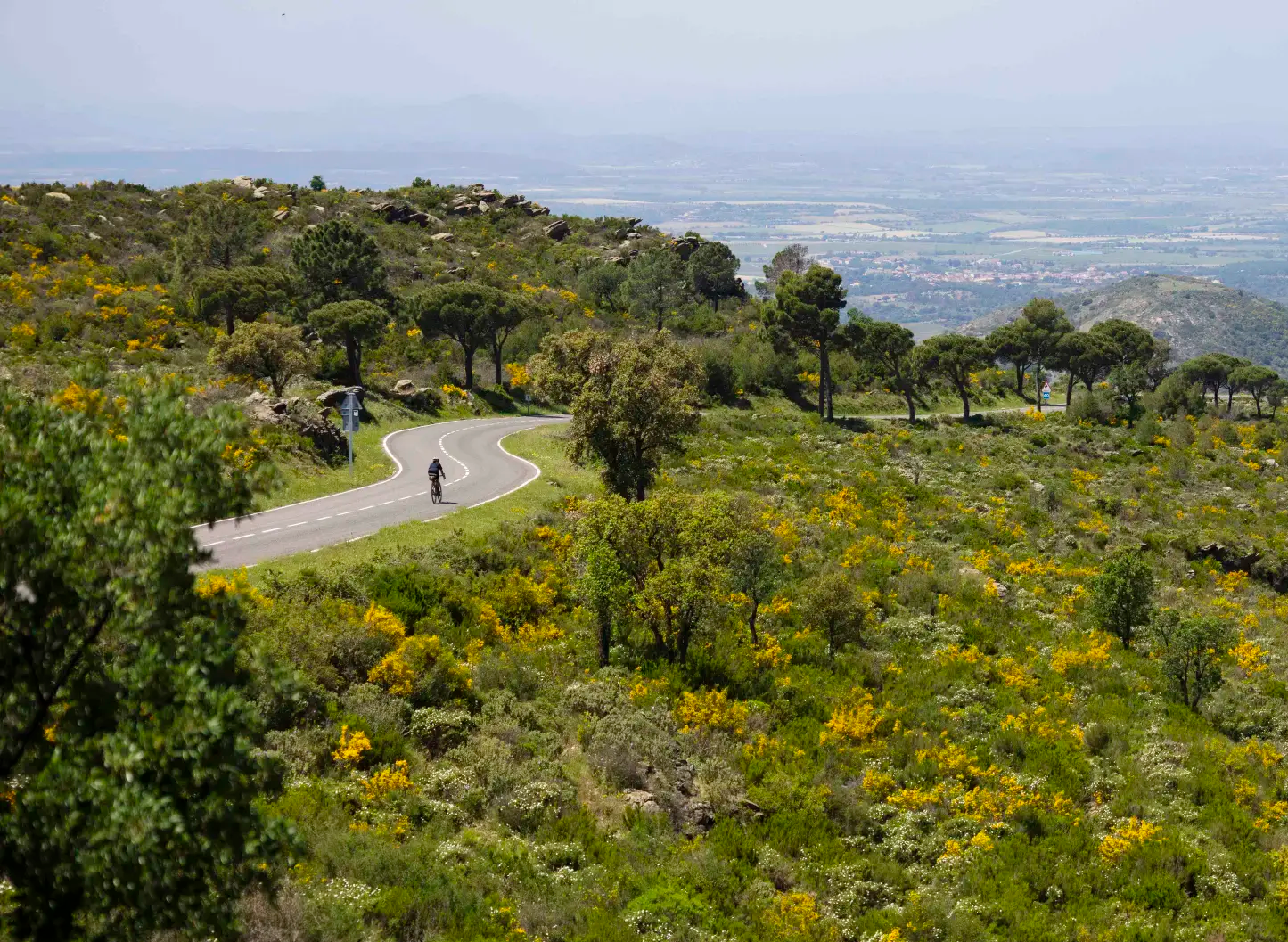
Ports and Roads — Catalonia on Wheels
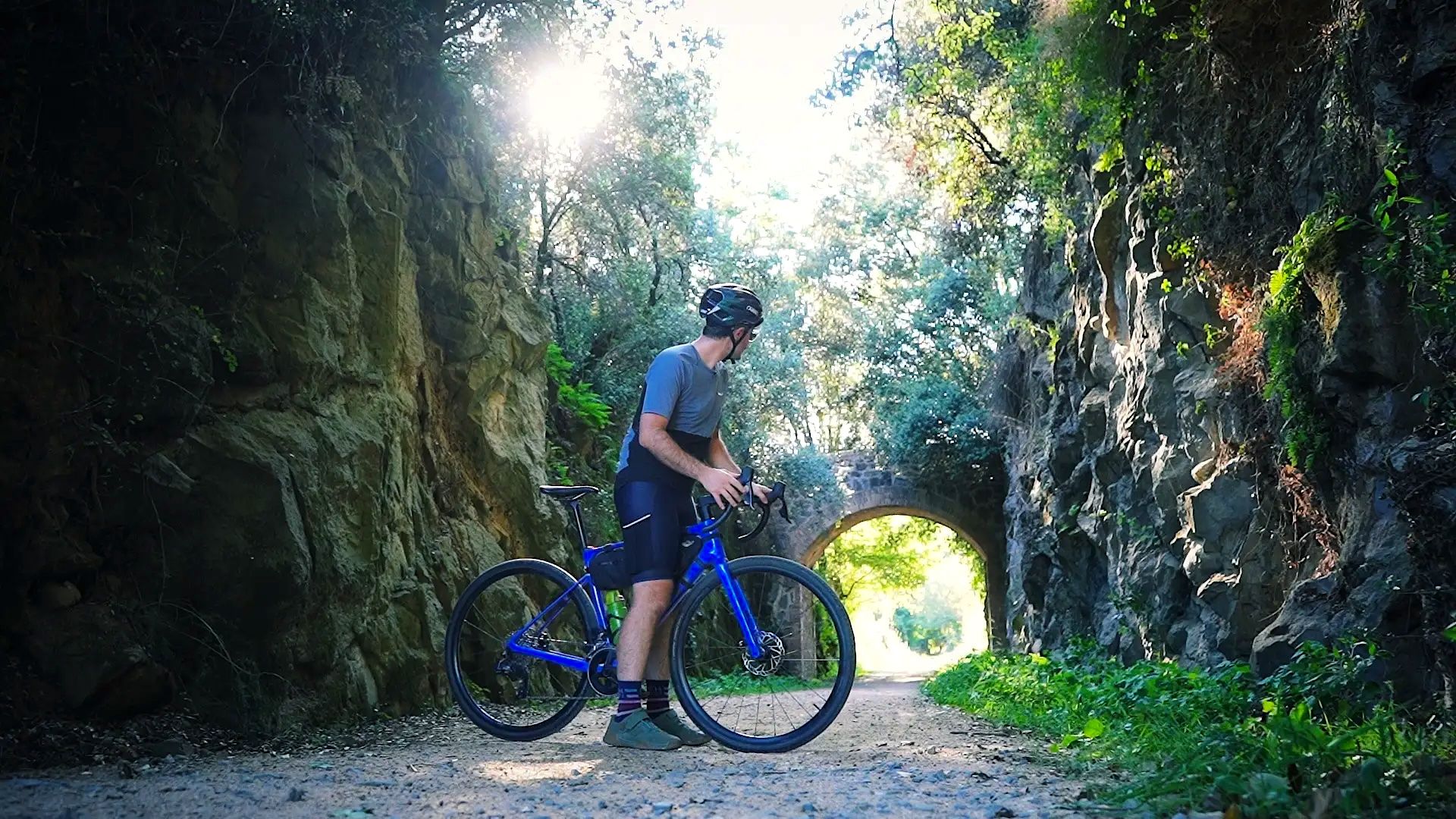
Cycling in Catalonia with Pietro Franzese – four unmissable routes
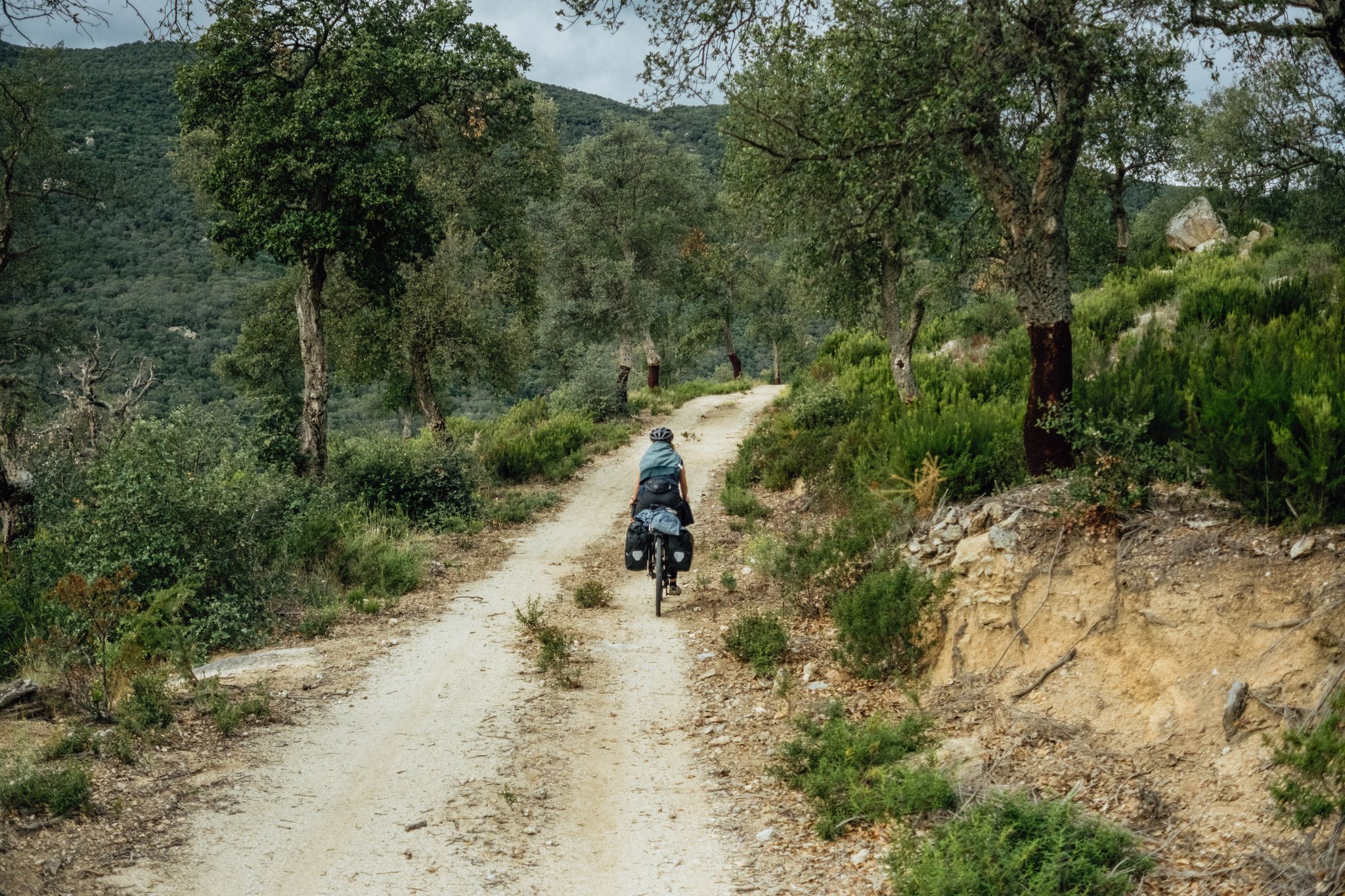
In search of the sun – between the Pyrenees and the Mediterranean
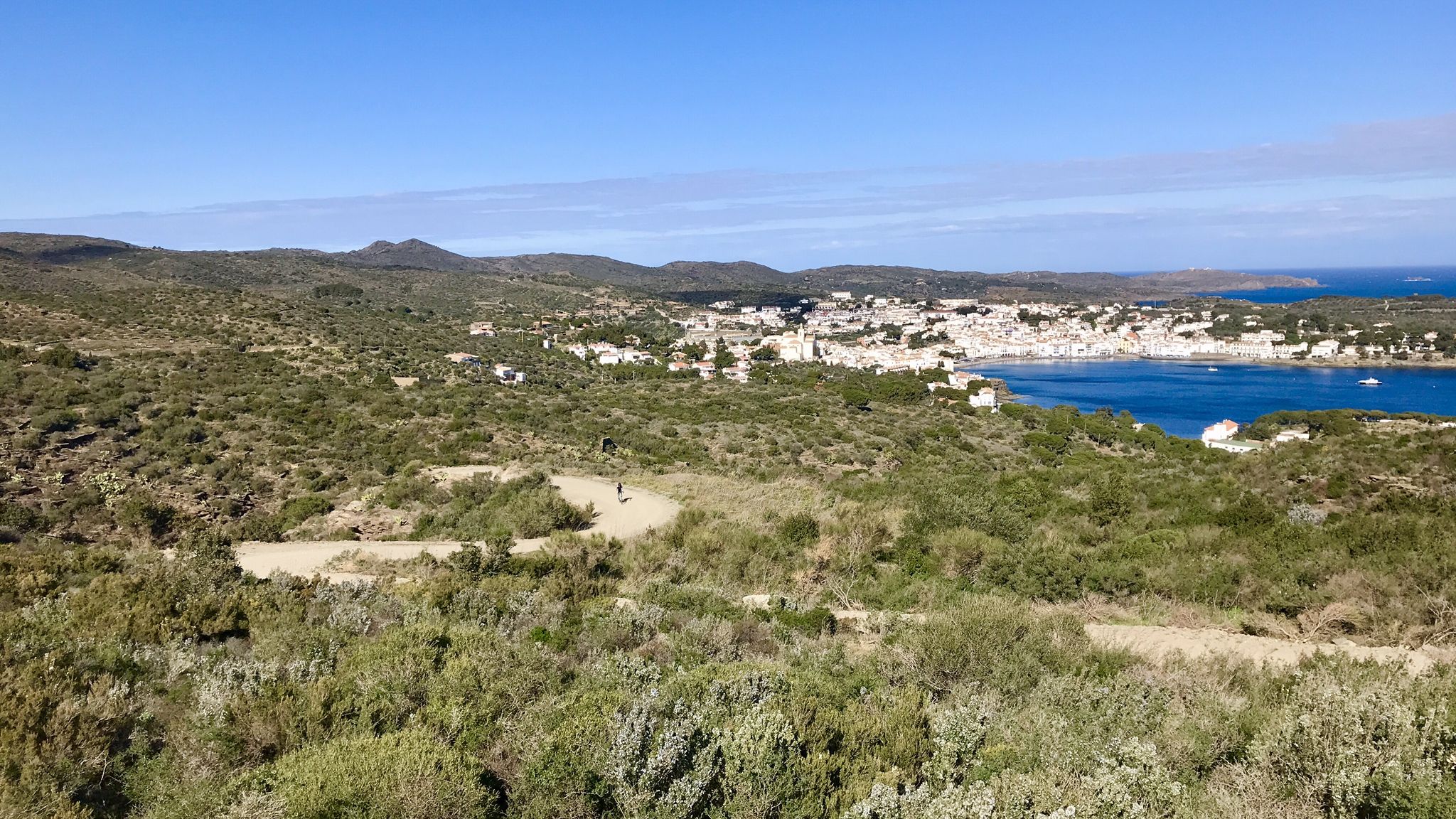
Garrotxa, Olot and Cap de Creus – gravel paradise in Spain
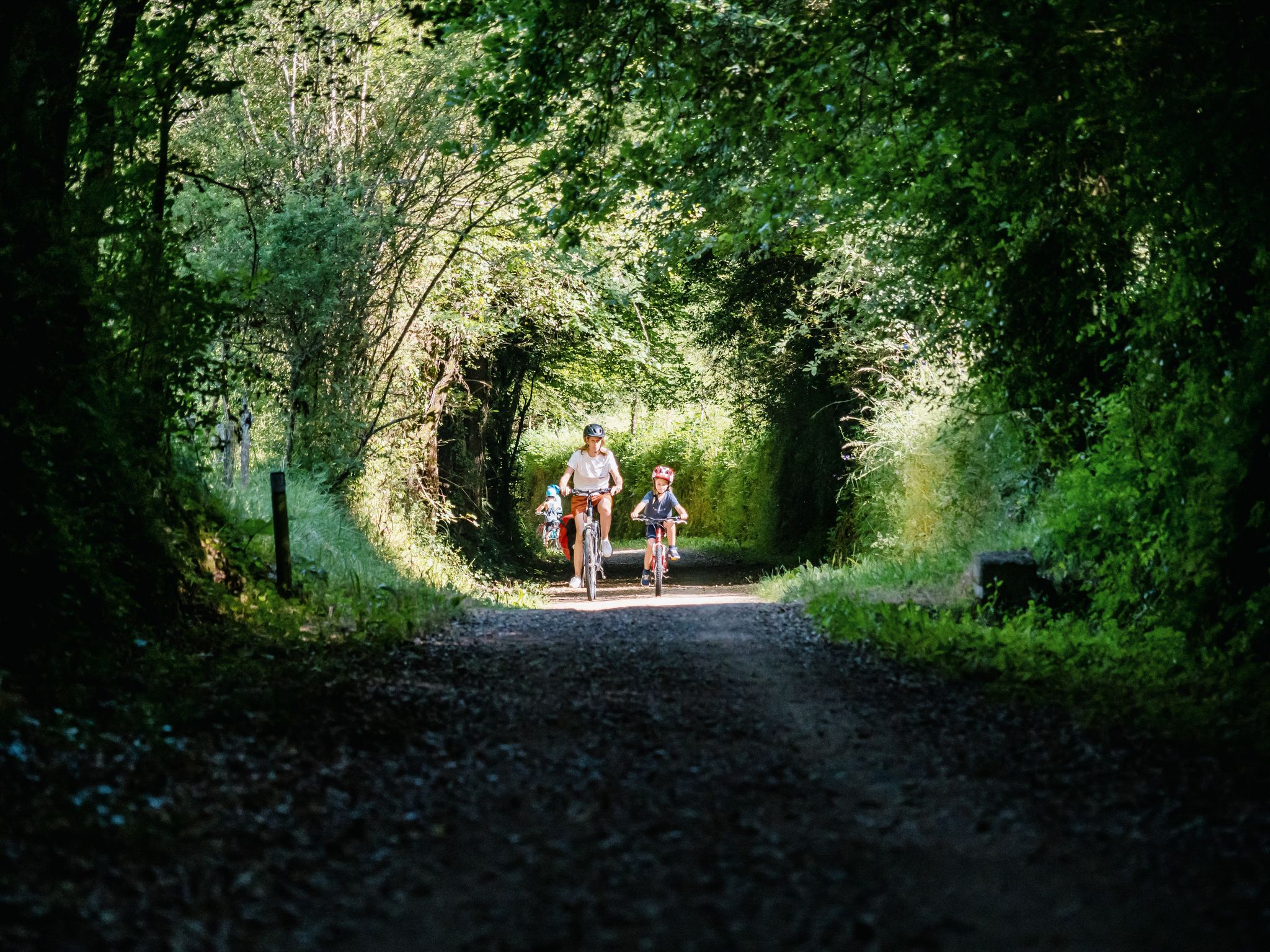
Vías verdes de Girona — an adventure for the whole family
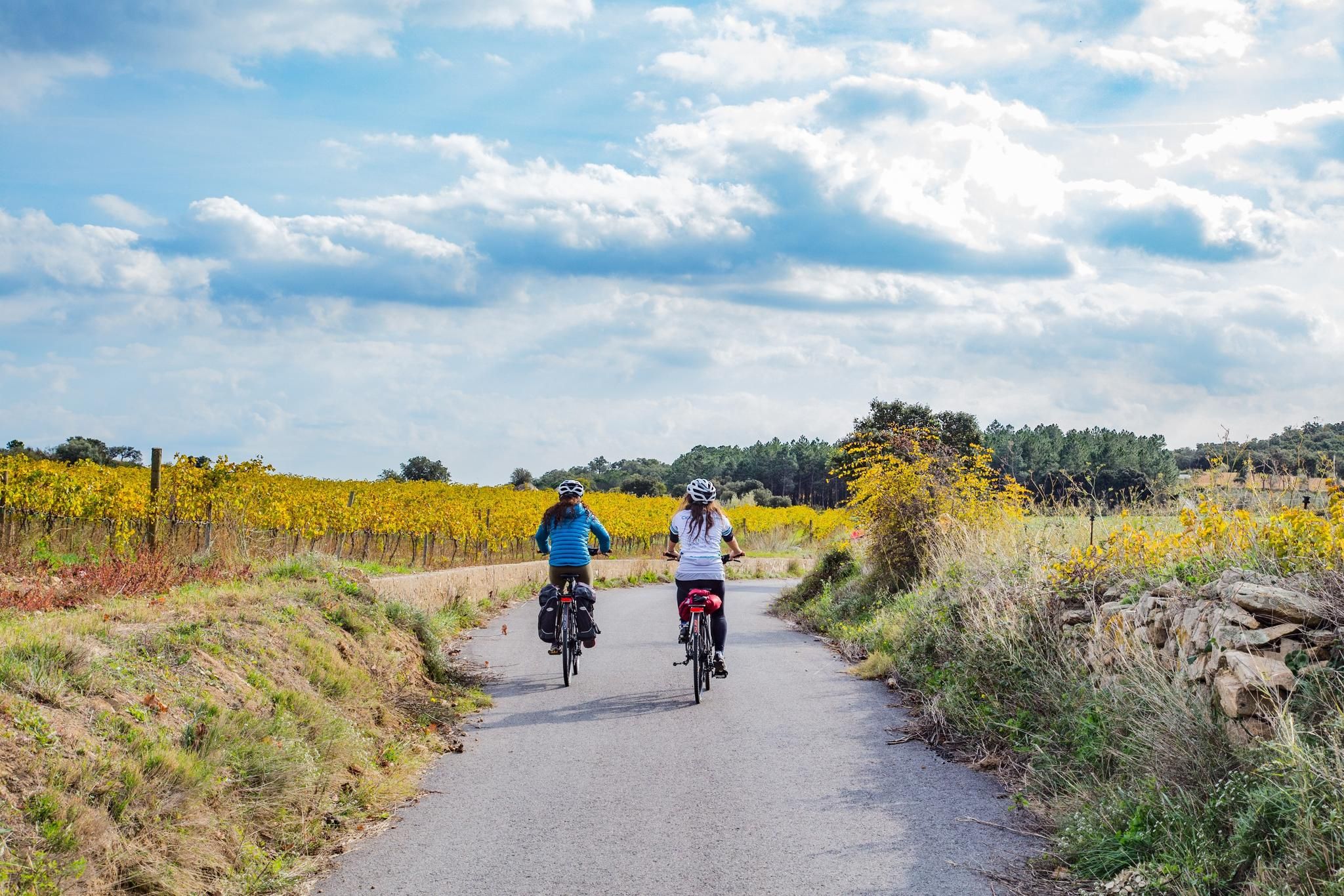
A journey from the Pyrenees to the Costa Brava – Pirinexus Route
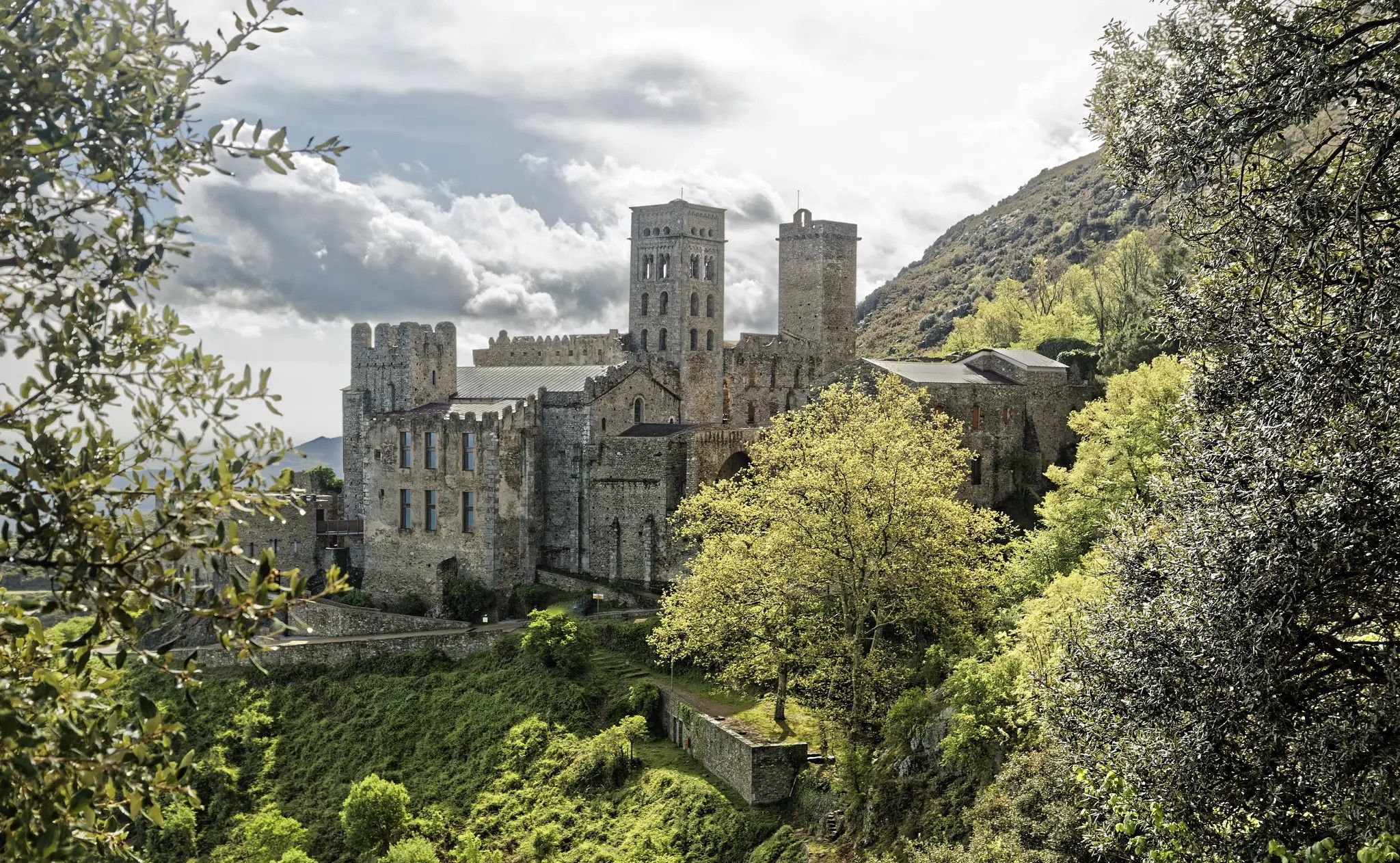
Discover ancient history – Camino de Girona
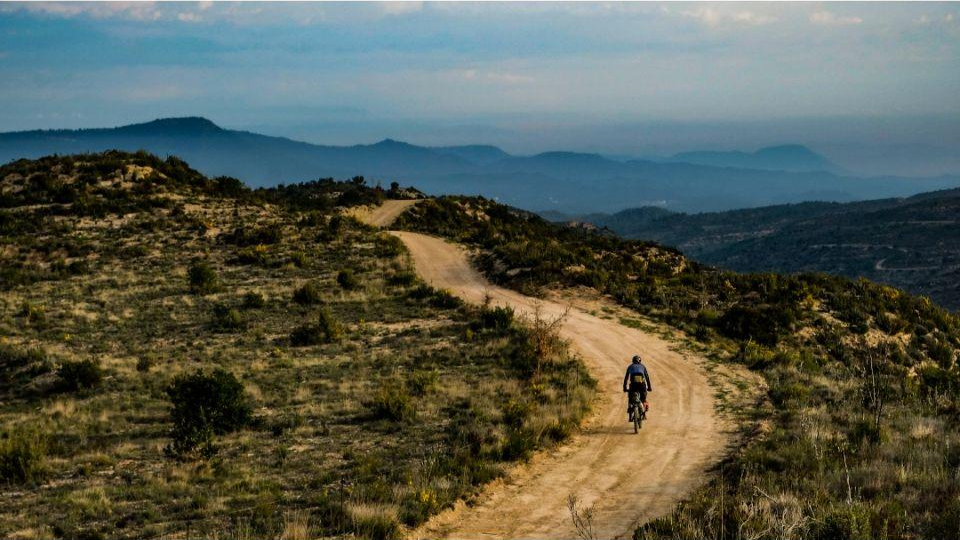
European Divide Trail across the Iberian Peninsula – north
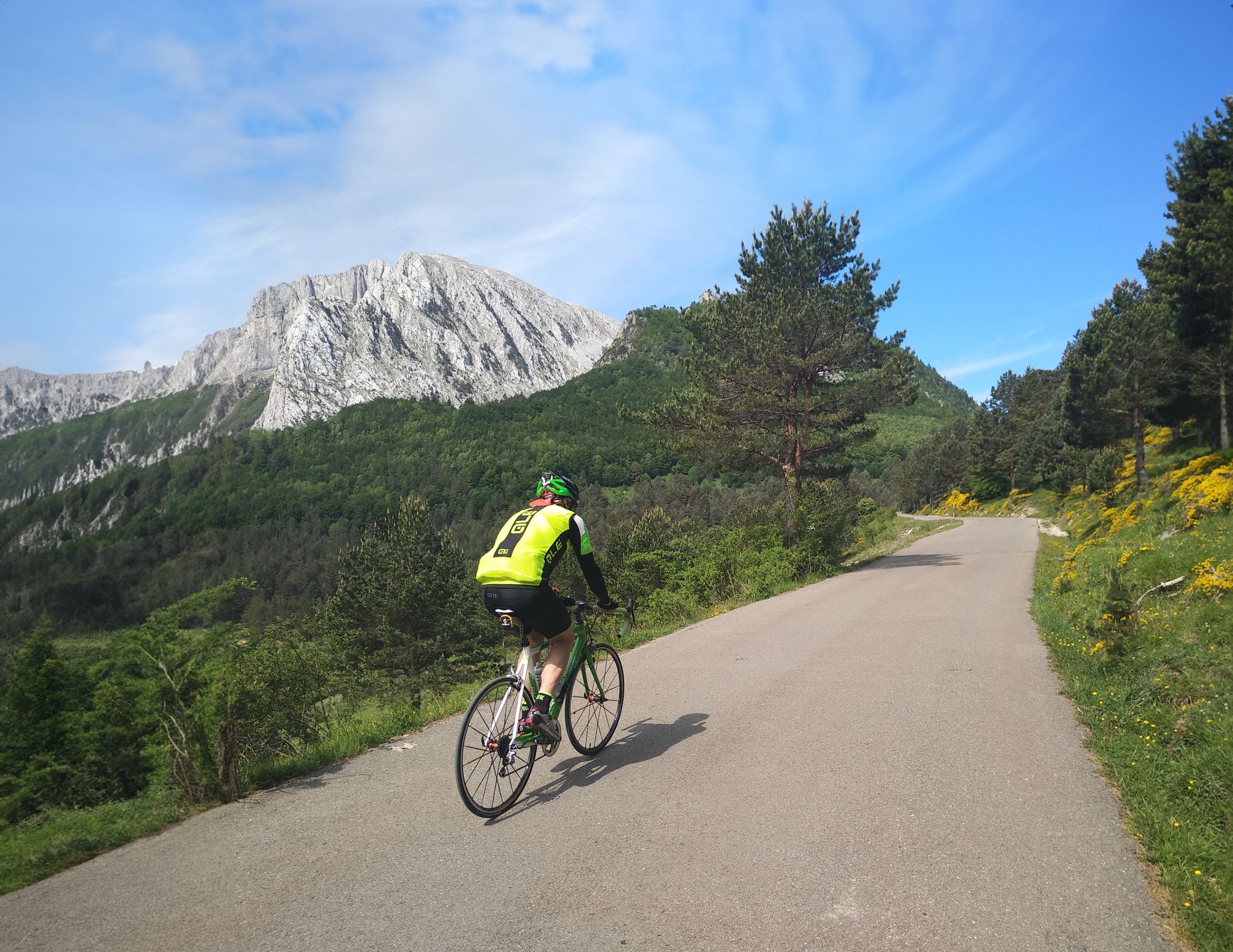
The Bay of Biscay to the Mediterranean — southern Pyrenees cycle tour
Other adventures around Garrotxa


Tips from the Community

You can drive up, but I recommend walking up from Beuda, a beautiful hike of moderate difficulty.
0
0
The bar is closed on Mondays and Tuesdays. The restaurant is closed from Monday to Thursday, Spectacular 360° views of the Pyrenees, Garrotxa, Montseny Banyoles and the Pla de l'Estany.
0
0

At 1,373 meters high, the Puig de Bassegoda is located on the border between the regions of La Garrotxa and Alt Empordà. The climb accumulates a lot of positive unevenness in a short distance. For this reason, in the last section it has staples and chains to help itself.
2
1

Long climb rewarded with a sign telling you how much you have worked.
0
0

Awesome view. You can spend the night in the restaurant.
1
0

Spectacular views of the Garrotxa and Ripolles Pyrenees peaks. From October to April, the bar-restaurant is only open at weekends (Friday, Saturday and Sunday).
3
0
Volcà del Montsacopa is an extinct volcano that died out 100,000 years ago. Running here is not easy because it is steep uphill or downhill, but the views are worth it. The crater is full of rabbits (at least there were when I visited) in the late afternoon and there are many nice trails around it. There is a church and a tower there too. If you visit Olot it is an easy walk that you must do.
0
0

Neighboring mountain of Puigsacalm with a very characteristic shape that makes it attractive to climb. The views from the top, like those of Puigscalam, are a perfect viewpoint of the Garrotxa Volcanic Zone Natural Park.
0
0
Frequently Asked Questions
What are some of the most emblematic mountain peaks in Garrotxa?
Garrotxa offers a variety of emblematic peaks. Puigsacalm, at 1,515 meters, is the highest point of the Serralada Transversal and is renowned for its panoramic views of the surrounding mountains, the Pyrenees, and even the Mediterranean coast on clear days. Another significant peak is Mare de Déu del Mont Summit, named after a shrine at its peak, offering breathtaking scenery after a challenging ascent.
Which volcanic peaks can I explore in Garrotxa?
The Garrotxa Volcanic Zone Natural Park is famous for its extinct volcanoes. You can visit Montsacopa Volcano, located within Olot, which provides 360-degree views of the city and region from its perfectly circular crater. Other notable volcanic peaks include Santa Margarida, where you can walk down into its impressive crater, and Croscat, Spain's tallest volcanic cone, known for its distinctive exposed rock layers.
Are there challenging mountain climbs in Garrotxa?
Yes, Garrotxa offers several challenging climbs. Mare de Déu del Mont Summit is known for its strenuous and long ascent. Puig de Bassegoda also features a significant positive elevation gain over a short distance, with the final section requiring aid from staples and chains. The Wolf Peak, neighboring Puigsacalm, offers a test field for climbers on its S and E slopes.
Are there easier mountain peaks suitable for beginners in Garrotxa?
While many peaks offer rewarding challenges, some volcanic areas provide more accessible experiences. For instance, the trails around Montsacopa Volcano in Olot are easily accessible from the city center, offering great views without a strenuous climb. The general area around the volcanic peaks like Santa Margarida and Croscat also features unique and accessible hiking experiences within their craters and surrounding forests.
What kind of panoramic views can I expect from Garrotxa's peaks?
The peaks in Garrotxa offer diverse and spectacular panoramic views. From Puigsacalm, you can see the surrounding mountains, the Pyrenees, and even the Mediterranean coast on clear days. Osca de Cabrera Rocky Ridge provides a majestic 360-degree panorama including Montserrat, La Mola, and the Pyrenees. Mare de Déu del Mont Summit also boasts views over the Garrotxa, the Pyrenees, and all the way to the Mediterranean Sea.
What historical or cultural sites can be found on or near Garrotxa's mountain peaks?
Many peaks in Garrotxa are home to historical and cultural sites. At Mare de Déu del Mont Summit, you'll find a shrine and a restaurant. The Osca de Cabrera Rocky Ridge features the remains of the Castle of Cabrera. Montsacopa Volcano in Olot has the Sant Francesc church and two guard towers at its summit, serving as excellent viewpoints.
What unique geological features characterize the mountain peaks of Garrotxa?
Garrotxa is unique for its blend of volcanic and limestone geology. The Garrotxa Volcanic Zone Natural Park features around 40 extinct volcanoes, such as Montsacopa, Santa Margarida, and Croscat, offering craters and distinctive rock layers. In contrast, peaks like Comanegra showcase rugged limestone and karst topography, shaped by thousands of years of erosion, creating deeply-valleyed landscapes and extensive forests.
Are there any cafes or restaurants available at the summits?
Yes, at Mare de Déu del Mont Summit, there is a restaurant/café with a wonderful outdoor terrace offering views over the Garrotxa, the Pyrenees, and the Mediterranean Sea. This provides a great spot to relax and refuel after the climb.
What outdoor activities can I do near these mountain peaks?
Beyond hiking and climbing the peaks themselves, the Garrotxa region offers a wide range of outdoor activities. You can explore road cycling routes like the 'Heart of the Alta Garrotxa' or the 'Garrotxa Volcanic Park Loop from Olot'. For gravel biking, consider routes from Besalú via the sanctuary of the Mother of God of the Mount. Mountain biking enthusiasts can enjoy trails such as 'La Garrotxa Tour' or 'Mare de Déu del Mont – circular desde Beuda'. You can find more details on these activities in the Road Cycling Routes around Garrotxa, Gravel biking around Garrotxa, and MTB Trails around Garrotxa guides.
What do visitors enjoy most about the mountain peaks in Garrotxa?
Visitors consistently praise the spectacular panoramic views from peaks like Puigsacalm and Osca de Cabrera Rocky Ridge. The unique experience of exploring extinct volcanoes, such as walking into the crater of Santa Margarida or observing the geological layers of Croscat, is also highly valued. The diverse landscapes, from dense woods to open meadows and rugged limestone terrain, make for rewarding trekking experiences.
Which peak is the highest in the Alta Garrotxa region?
Comanegra is the highest peak in the Alta Garrotxa-Massís de les Salines natural area, standing at 1,557 meters. It also marks one of the southernmost points of Spain's border with France. This area is known for its rugged, uneven, and deeply-valleyed limestone landscape, extensive forests, and diverse botanical species.
Can I find any natural monuments among the peaks?
Yes, several peaks are recognized as natural monuments. Puigsacalm and Osca de Cabrera Rocky Ridge are both designated natural monuments. The volcanic peaks like Montsacopa Volcano are also considered natural monuments, highlighting their geological significance.
Most popular routes around Garrotxa
Most popular attractions around Garrotxa

Get inspired with the komoot mobile app


Didn’t find what you were looking for?
Discover Garrotxa’s best peaks and summits by region:
Explore more
See even more amazing summits around Garrotxa with these guides:
