Top 5 Castles around Campos-Pan
Best castles near Campos-Pan offer a journey through history and architecture. This region features a collection of historical fortifications, ranging from well-preserved structures to significant ruins. The landscape around Campos-Pan provides a backdrop for these historical sites, often featuring views of rivers and plains. Exploring these castles allows visitors to connect with the past and appreciate the defensive and palatial designs of different eras.
Best castles around Campos-Pan
- The most popular castles is Castle of Zamora, a castle that…
Last updated: June 24, 2026
Castle of Zamora
Highlight • Castle
Translated by Google •
Tip by

Castrotorafe Castle (Ruins)
Highlight • Castle
Translated by Google •
Tip by

Sign up now to discover places like this
Get recommendations on the best single tracks, peaks, & plenty of other exciting outdoor places.
Sign up for free
Villalonso Castle
Highlight • Castle
Translated by Google •
Tip by
Castrotorafe Castle
Highlight • Castle
Translated by Google •
Tip by

Start today with a free account
Your next adventure awaits.
Login or Signup
Popular around Campos-Pan
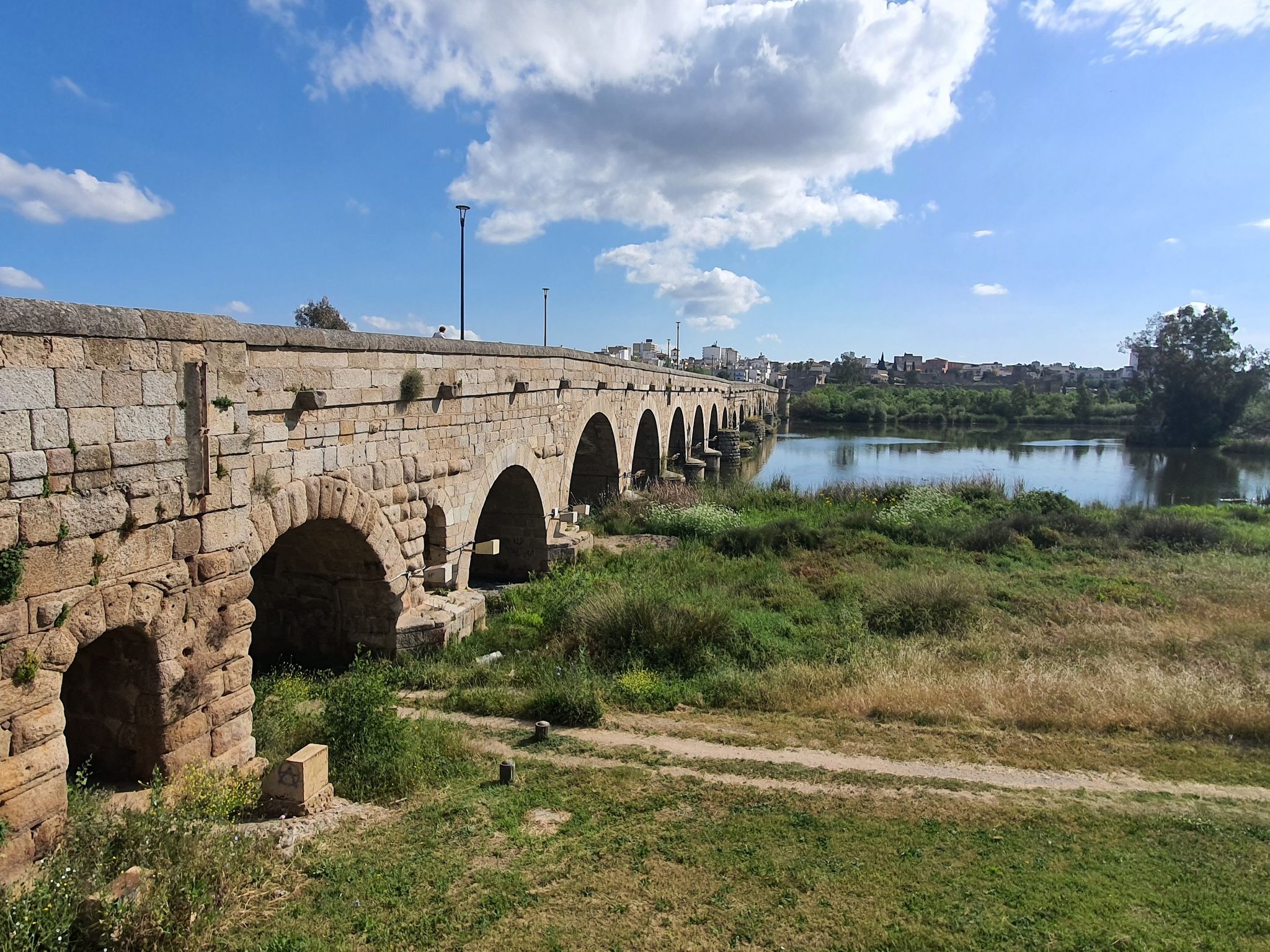
Gijón to Sevilla in Spain – Vía de la Plata (GR 100)
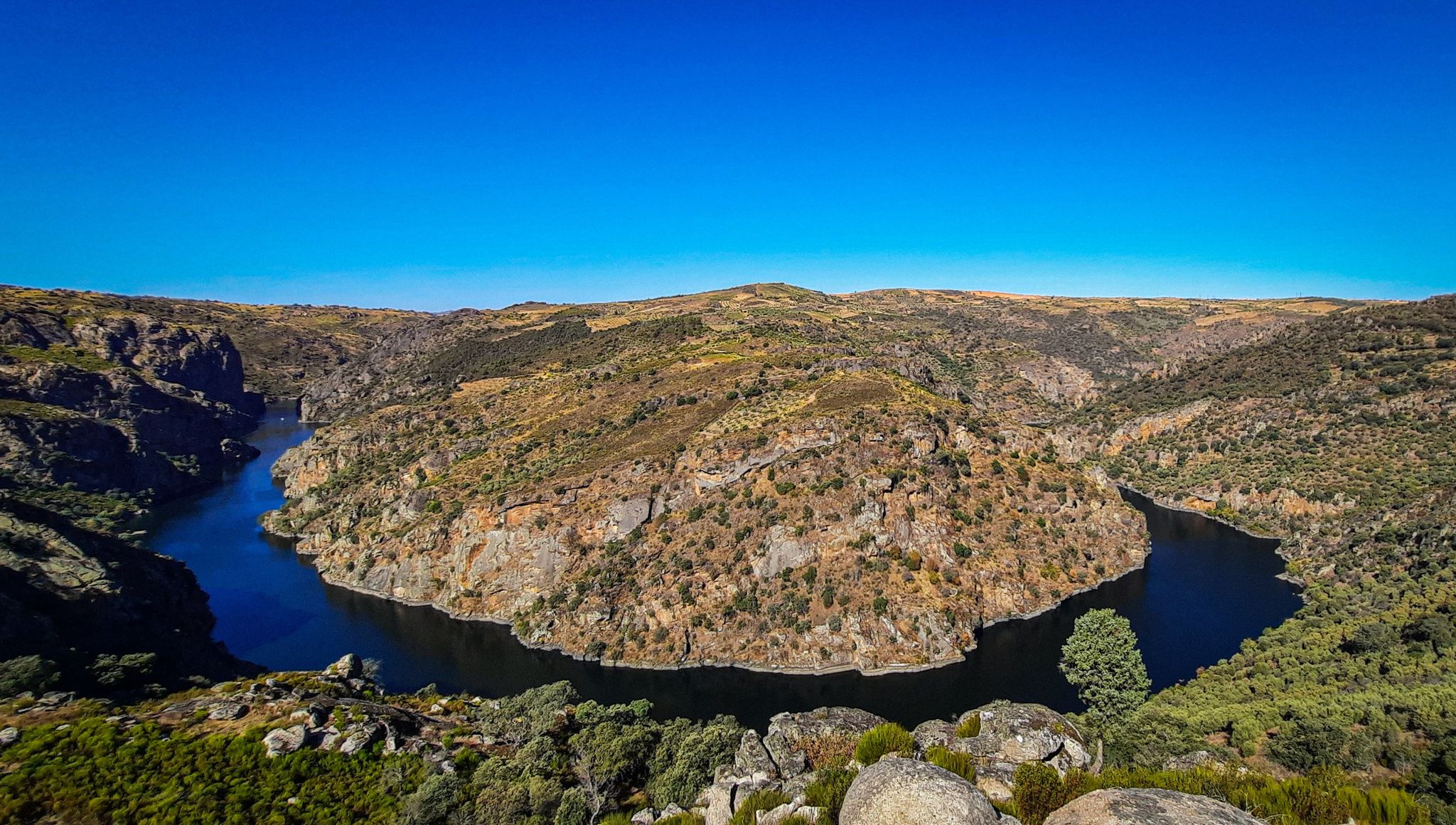
The Great Castilian River – Duero MTB Trail
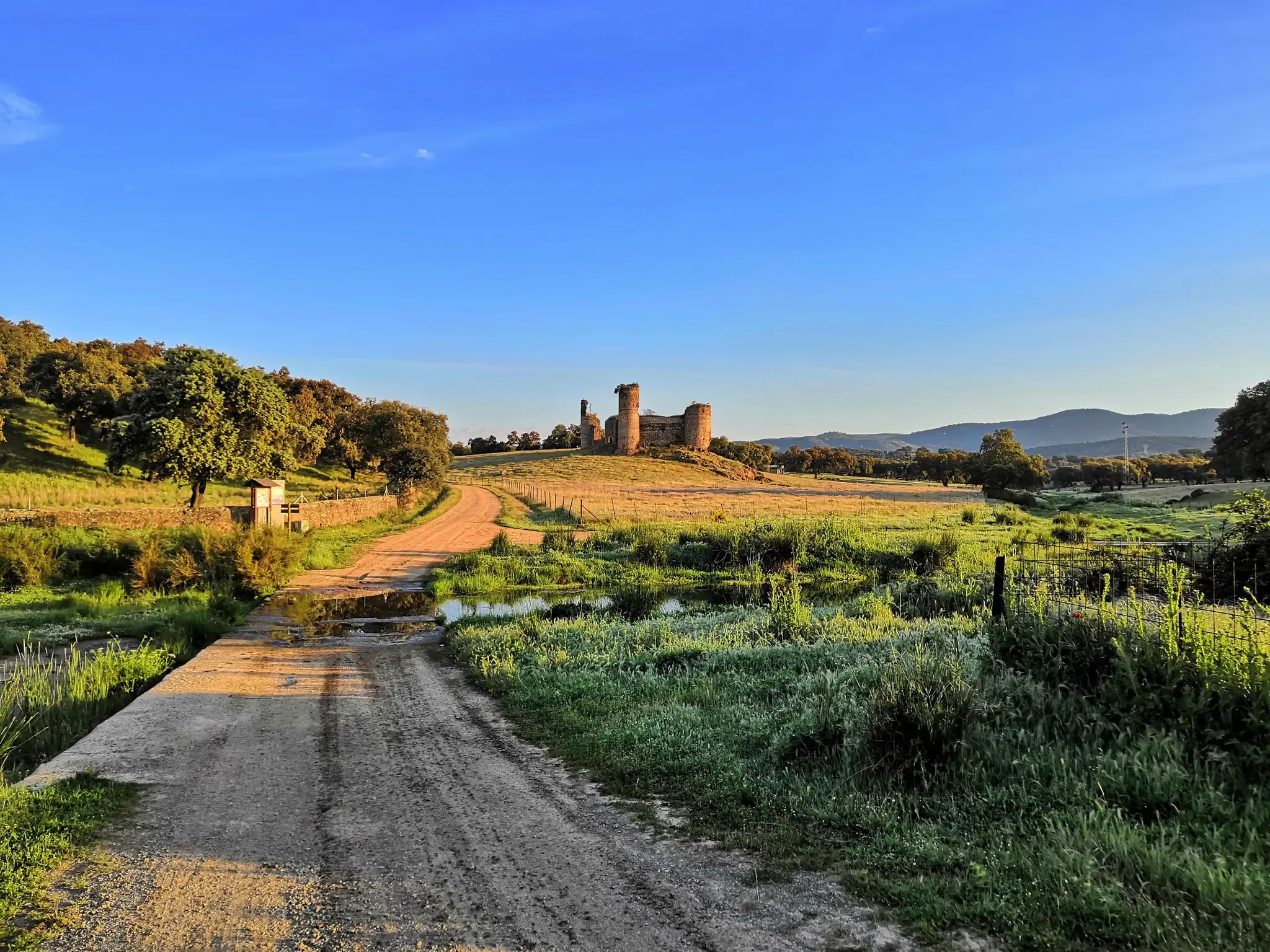
A romantic journey in the footsteps of the Romans – Via de la Plata
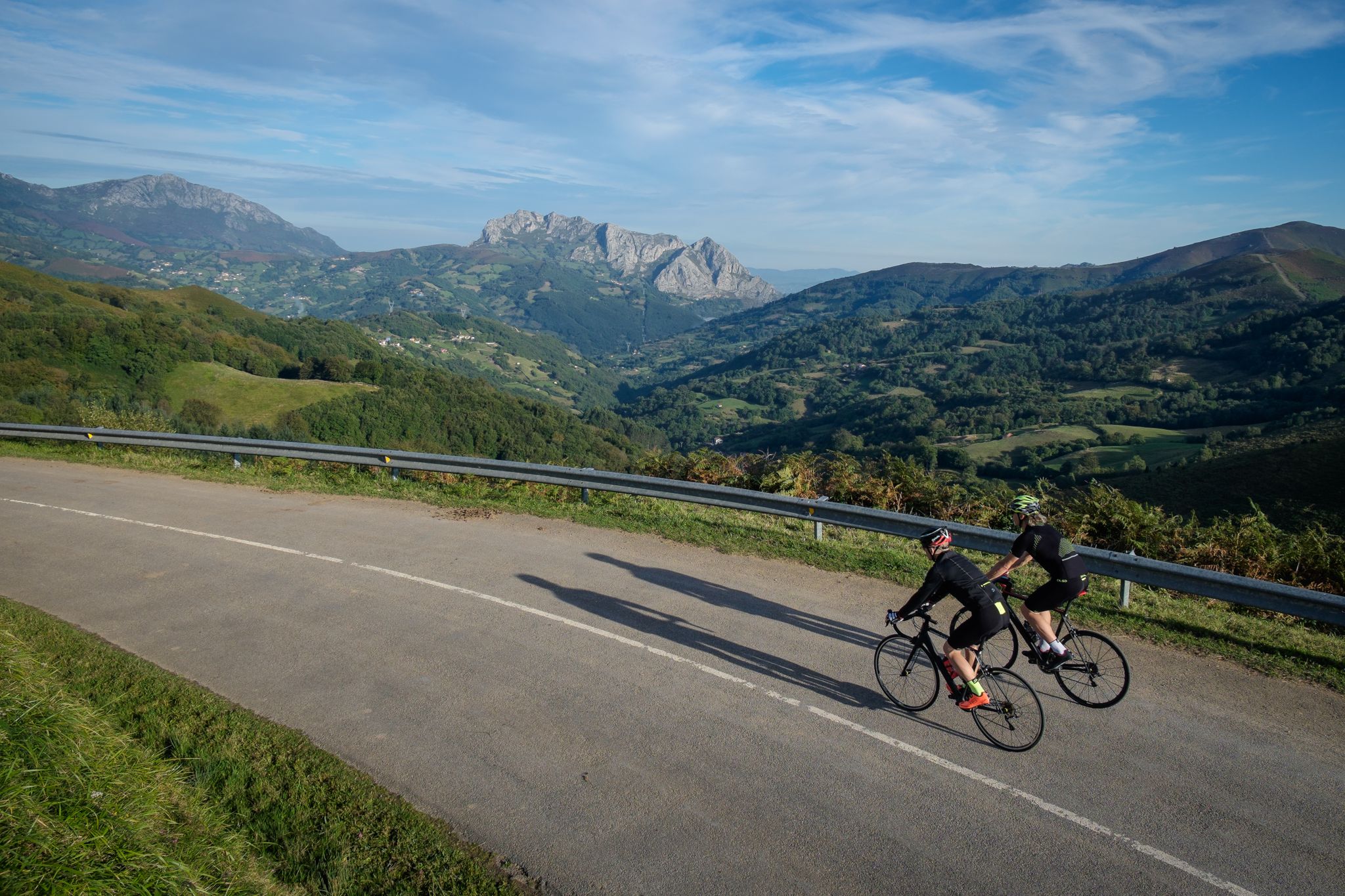
Explore Spain’s monuments and landscapes – cycle the Via de la Plata
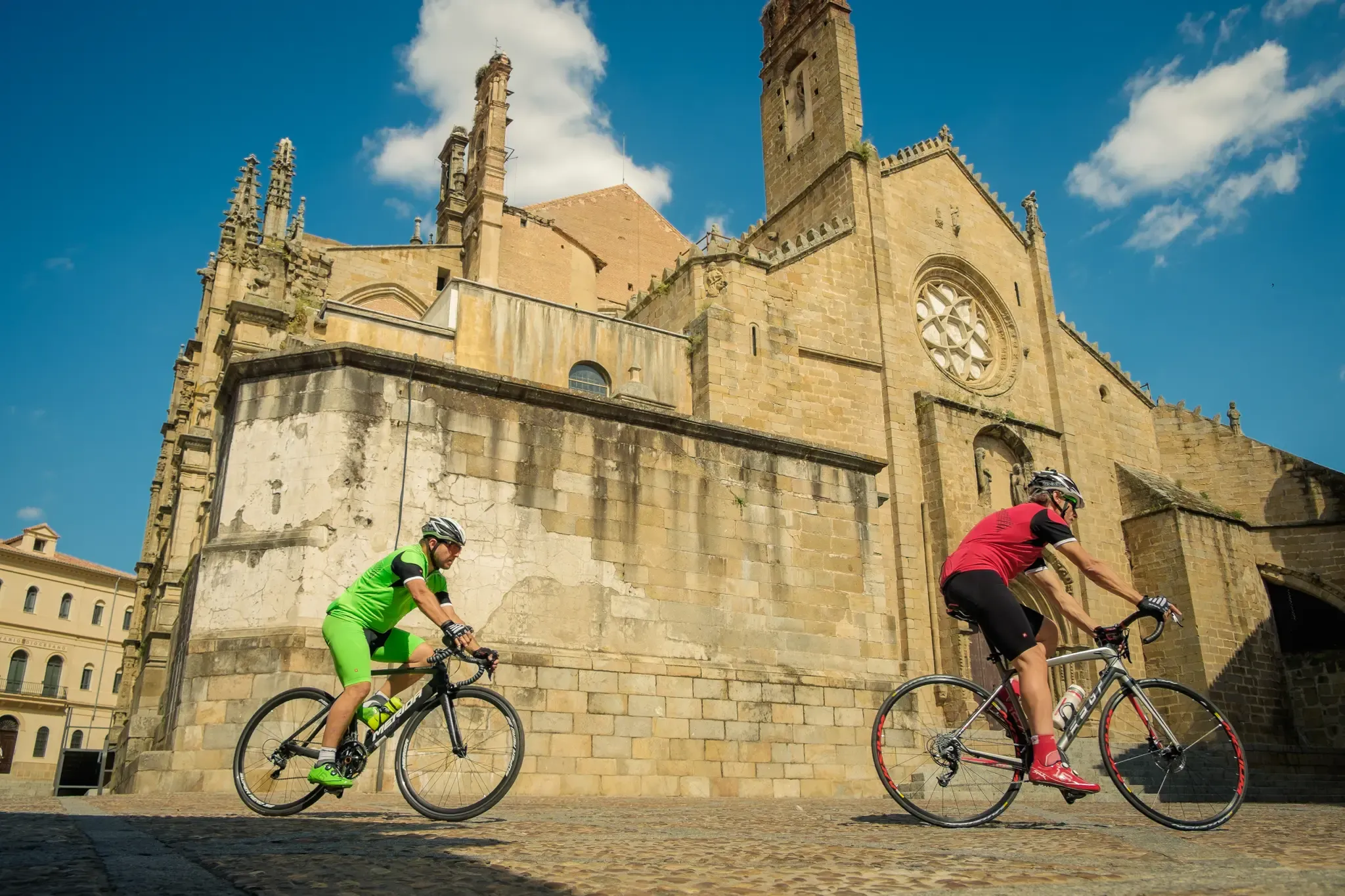
Vía de la Plata – from Seville to Gijón by bike
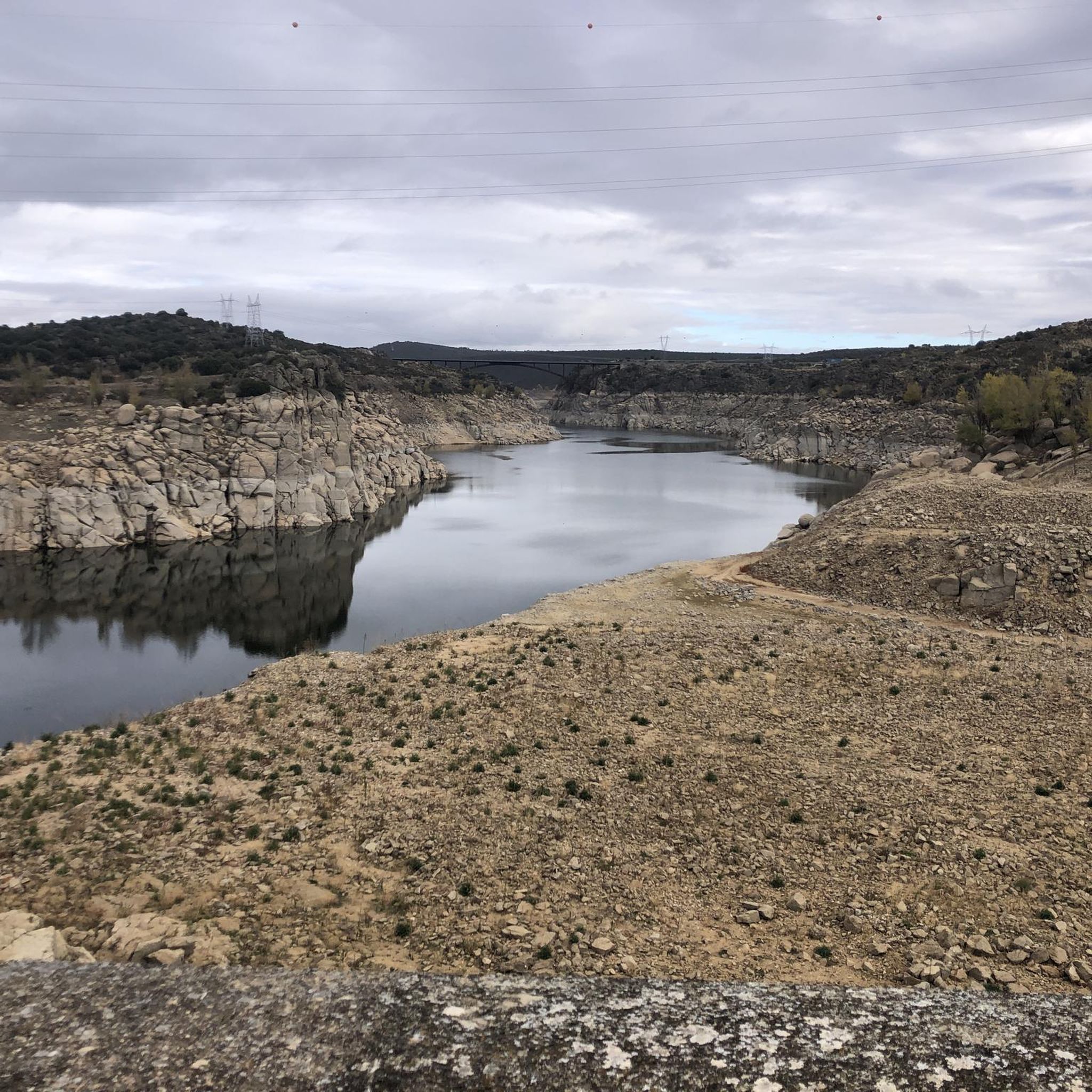
MTB Trails around Campos-Pan
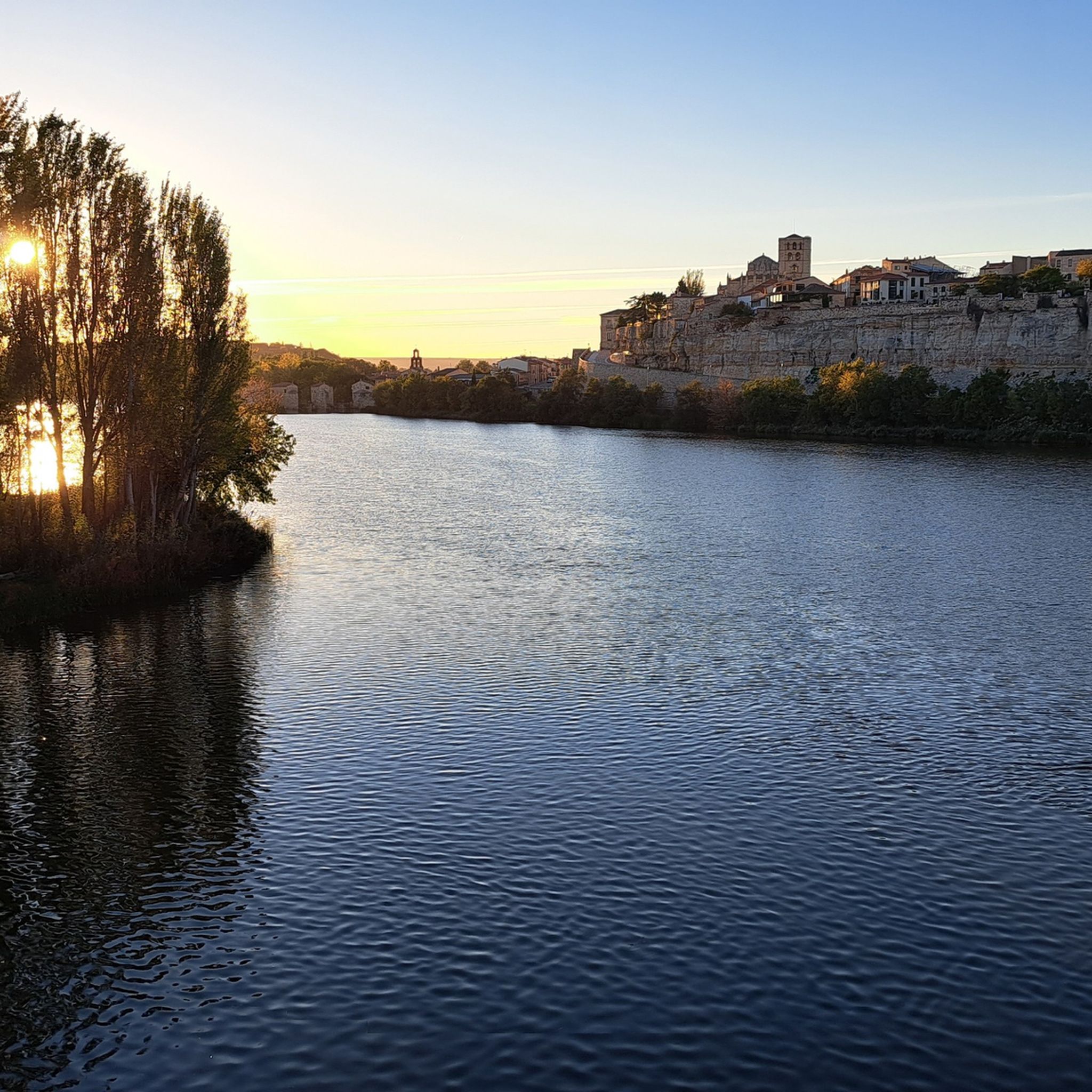
Hiking around Campos-Pan
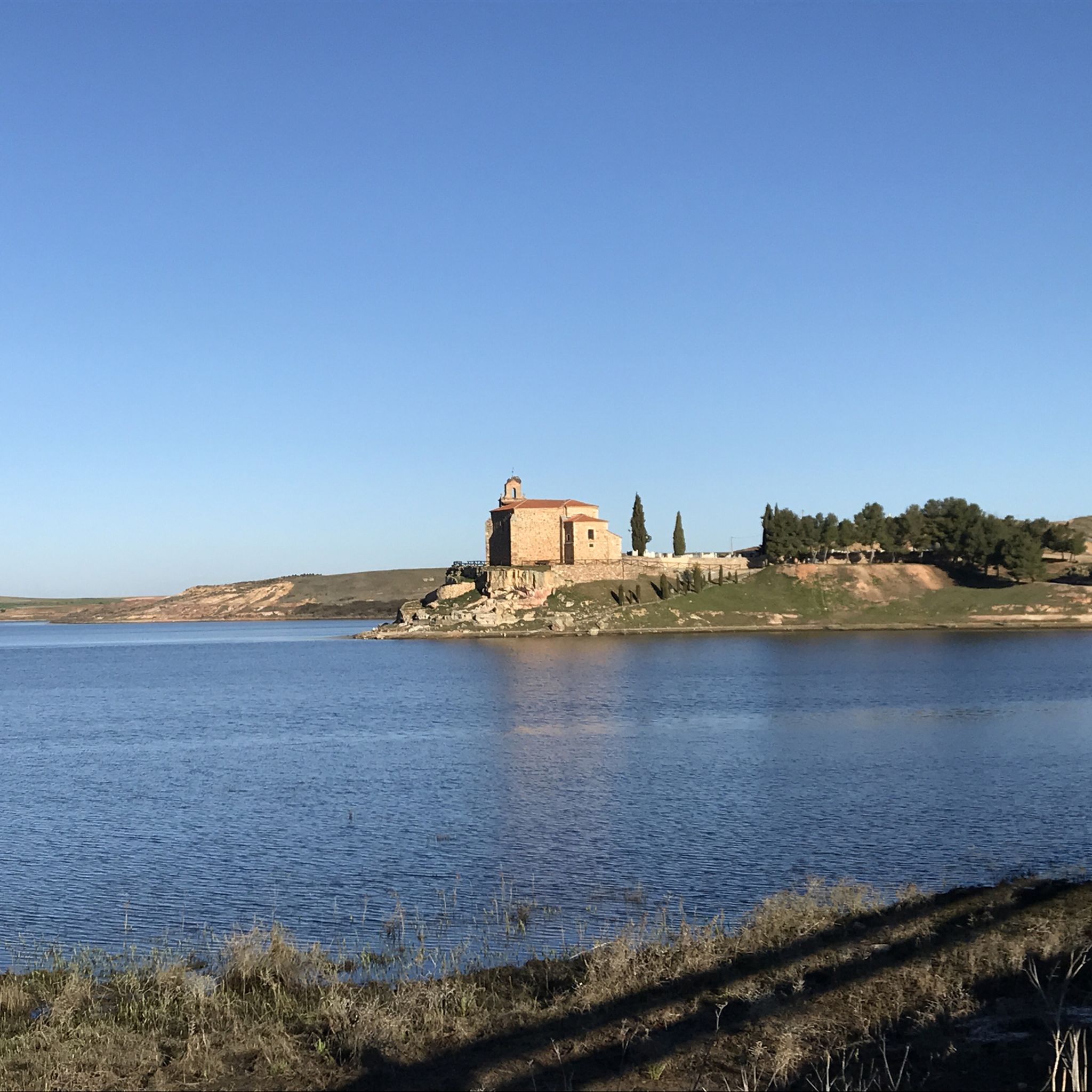
Road Cycling Routes around Campos-Pan
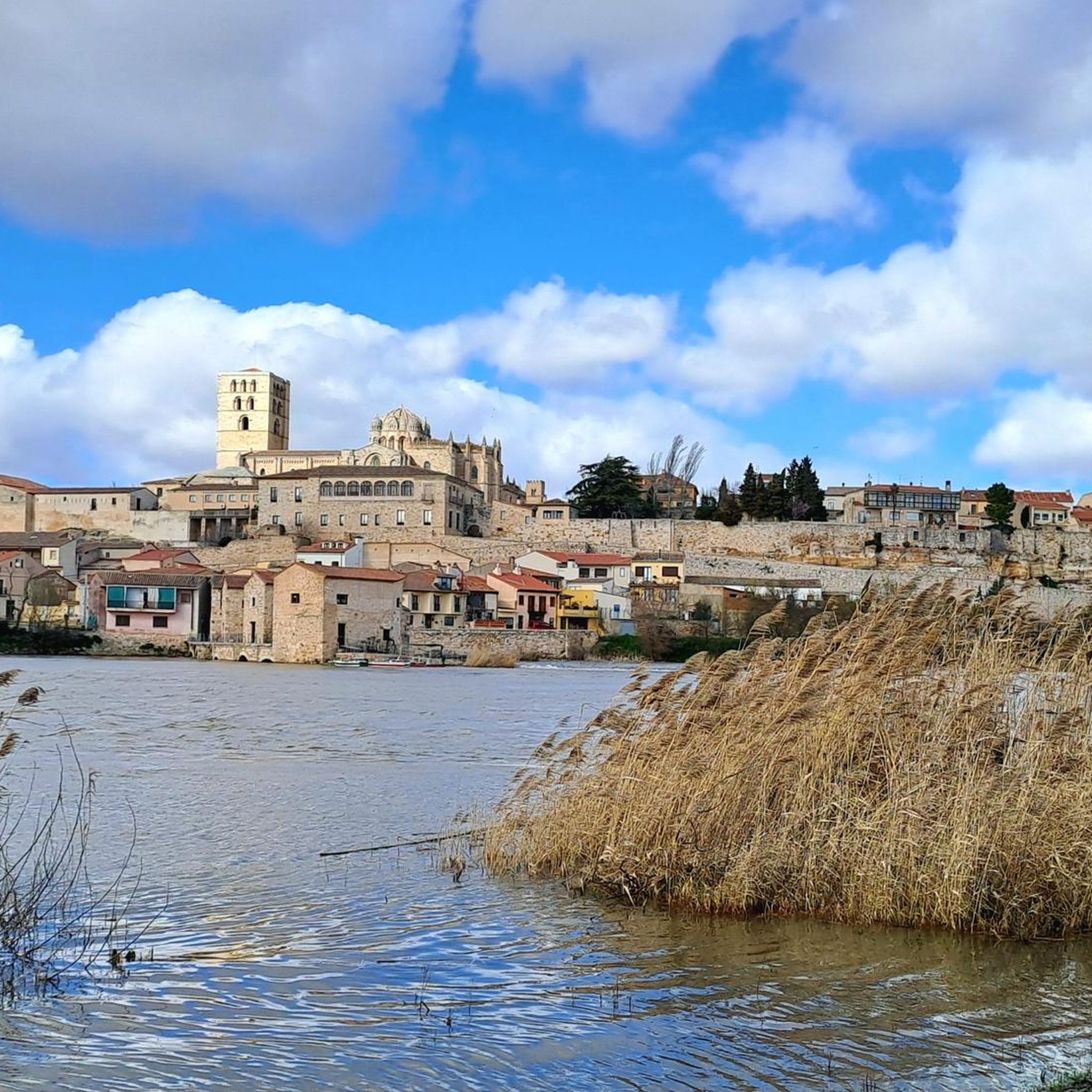
Running Trails around Campos-Pan
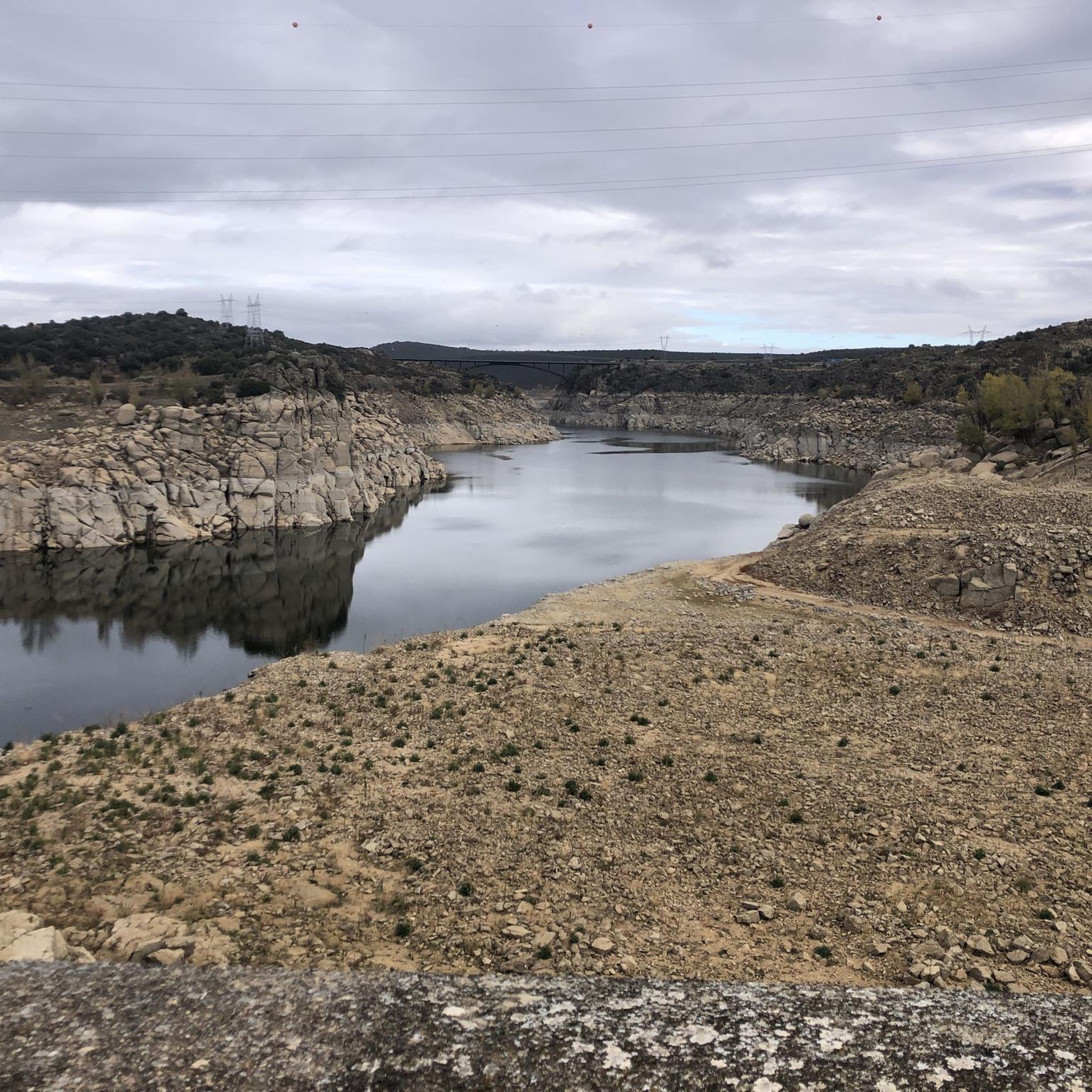
Cycling around Campos-Pan
Other adventures around Campos-Pan


Tips from the Community

Located on a plain near the village of Villalonso (population approximately 75), 11 km from Toro and about 47 km from Zamora. It is a typical square-plan castle-palace with a high moat (now filled in), corner towers, crenellated walls, and a keep crowned by a machicolation.
1
0
The current castle was built in the 15th century on the site of an earlier 13th-century fortification, which belonged to the Order of Alcántara. In 1470, Juan de Ulloa and his wife, María de Sarmiento, rebuilt it in a palatial style, placing their coats of arms above the entrance. Juan supported the Portuguese cause in the War of the Castilian Succession and died defending the castle in 1476; his widow then defended it for a time.
1
0
Zamora Castle is a historic fortification located in the city of Zamora, in Castile and León. Built in the 11th century, the castle has witnessed numerous historical events and has undergone several modifications over the centuries. It has a rhomboidal plan and is surrounded by a deep moat. Its thick walls and the keep, which is the highest and served as the last defensive redoubt, stand out. The castle is a fascinating place to explore history and enjoy panoramic views of the city.
1
0

Although it is somewhat overshadowed by the cathedral from a tourist point of view, a visit to the impressive castle complex is still recommended.
2
3
Although it was never a palatial castle but a fortress in which to protect itself and the city, it is the element that best defines the history of Zamora, receiving, in addition, the maximum protection within the Spanish Historical Heritage in 1931. According to the chronicles, it was ordered to be built by Alfonso II, although studies carried out by historians show that it would actually be ordered to be built by Fernando I, so the building would date from the mid-11th century, although very few remains remain from this period.
18
1

Fortified castle from the 12th century that protects the important commercial route and bridge over the Esla river. The structure and the protective walls have been modified several times during the medieval period.
1
0
The castle is perched on the plains of Toro and can be seen for miles. Rectangular in shape, the masonry structure was built and used during the Middle Ages, exchanging hands many times between noble families. It was used in the 1978 film Robin and Marian, which starred Sean Connery and Audrey Hepburn.
1
1
Defensive fortress of the city of Zamora. Built on a rocky plateau overlooking the city. The origin of the castle is disputed if it was built during the reign of Alfonso II or that of Fernando I, dating from the middle of the 11th century.
1
1
Frequently Asked Questions
What are the most notable castles around Campos-Pan?
The Campos-Pan region features several historically significant castles. Among them, the Castle of Zamora stands out as a well-preserved fortress, crucial to the city's history since the 11th century. You can also explore Villalonso Castle, a 15th-century castle-palace with a distinctive square plan and corner towers. For those interested in ruins with scenic views, Castrotorafe Castle offers a glimpse into a military fortification built before 1319, with recognizable towers and a keep overlooking the Esla river.
Are there family-friendly castles to visit in the Campos-Pan area?
Yes, the Castle of Zamora is categorized as family-friendly. Its historical significance and well-preserved structure make it an engaging visit for all ages. Exploring its moat, sub-moat, and keep can be an exciting experience for children, offering a tangible connection to medieval history.
What kind of historical significance do the castles in Campos-Pan hold?
The castles in the Campos-Pan region are deeply rooted in history. The Castle of Zamora, for instance, served as a vital fortress protecting the city and is a defining element of Zamora's history, dating back to the mid-11th century. Villalonso Castle was rebuilt in the 15th century by Juan de Ulloa and María de Sarmiento, playing a role in the War of the Castilian Succession. Even the ruins of Castrotorafe Castle speak to a past as a significant military fortification on an escarpment next to the Esla river.
Can I find hiking or running trails near these castles?
Yes, there are several outdoor activity options near the castles. For running, you can explore routes like the 'Circuito Vía de la Plata y Ribera de Zamora' or the 'Olivares Watermills – Castle of Zamora loop from Zamora'. If you prefer hiking, consider the 'Zamora city tour — circular from the sports city by the Castle and the Walls of Zamora' or the 'Castle of Castrotorafe - round trip via the Silver Way from Fontanillas de Castro'. You can find more details on these and other routes in the Running Trails around Campos-Pan and Easy hikes around Campos-Pan guides.
What natural features can be seen around the castles in Campos-Pan?
The castles in the Campos-Pan region are often set against natural backdrops. For example, Castrotorafe Castle is situated on an escarpment next to the Esla river, offering beautiful views of the river. The general landscape around Campos-Pan often features views of rivers and plains, providing a scenic context for these historical sites.
What do visitors particularly enjoy about the castles in this region?
Visitors appreciate the historical depth and architectural variety of the castles. For the Castle of Zamora, many highlight its role as a fortress and its well-preserved state after reforms. At Castrotorafe Castle, the scenic views of the Esla River from the ruins are a major draw. The unique palatial style and historical context of Villalonso Castle also receive positive feedback, with its distinctive square plan and historical connections.
Are there road cycling routes available near the castles?
Yes, the region offers several road cycling routes. You can find options like the 'Zamora and Ricobayo Dam Loop', 'Zamora and Toro Loop', or 'Ricobayo Reservoir Loop from Zamora'. These routes allow you to explore the wider area around the castles by bike. More details can be found in the Road Cycling Routes around Campos-Pan guide.
Is public transport available to reach the castles?
While specific public transport details for each castle are not provided, Zamora, where the Castle of Zamora is located, is a city with public transport options. For castles in more rural settings like Villalonso or Castrotorafe, access might be more limited, and a car is generally recommended for convenience.
Are there any castles in the region that are considered 'hidden gems'?
While the main castles like Zamora and Villalonso are well-known, the ruins of Castrotorafe Castle could be considered a hidden gem for those who appreciate historical sites off the beaten path. Its location next to the Esla river and the atmospheric ruins offer a unique, less crowded experience compared to fully restored castles.
What is the best time of year to visit the castles in Campos-Pan?
The Castilla y León region, where many of these castles are located, experiences hot summers and cold winters. Spring (April-May) and autumn (September-October) generally offer the most pleasant weather for exploring, with milder temperatures ideal for walking around the castle grounds and enjoying the surrounding landscapes. Visiting during these seasons allows for comfortable outdoor exploration.
Are there any castles that are particularly good for photography?
All the castles offer unique photographic opportunities. The Castle of Zamora provides impressive shots of its defensive architecture. Villalonso Castle, with its distinct square plan and location on a plain, offers striking silhouette shots, especially at sunrise or sunset. The ruins of Castrotorafe Castle, with the Esla river as a backdrop, are perfect for atmospheric and landscape photography.
Can I find cafes or restaurants near the castles?
Near the Castle of Zamora, being in a city, you will find numerous cafes and restaurants. For castles in more rural settings like Villalonso or Castrotorafe, options might be limited directly adjacent to the sites, so it's advisable to plan your meals in nearby villages or towns.
Most popular routes around Campos-Pan
Most popular attractions around Campos-Pan

Get inspired with the komoot mobile app


Didn’t find what you were looking for?
Explore Campos-Pan’s best castles region by region:
Explore more
Looking for the best castles somewhere else? Discover other guides around Campos-Pan:
