Attractions and Places To See around Tierra De Campos - Top 20
Best attractions and places to see around Tierra De Campos include a diverse range of historical landmarks, cultural sites, and natural features. This natural region, spanning four provinces, is characterized by expansive plains and a steppe-like environment. Visitors can explore its rich cultural heritage, which includes significant religious architecture and ambitious 18th-century engineering works. The area offers opportunities to experience tranquil landscapes and historical sites.
Best attractions and places to see around Tierra De Campos
- The most popular attractions is…
Last updated: October 10, 2026
Canal de Castilla Dock
Highlight • Structure
Translated by Google •
Tip by

Church of San Gervasio and San Protasio of Santervás de Campos
Highlight • Religious Site
Translated by Google •
Tip by
Sign up now to discover places like this
Get recommendations on the best single tracks, peaks, & plenty of other exciting outdoor places.
Church of Santa Cruz
Highlight • Religious Site
Translated by Google •
Tip by
Urueña Castle
Highlight • Castle
It was ordered to be built …
Translated by Google •
Tip by
Church of Santiago Apóstol, Medina de Rioseco
Highlight • Religious Site
Translated by Google •
Tip by

Lock 7 and Old Flour Factory, Canal de Castilla
Highlight • Historical Site
Translated by Google •
Tip by

Hermitage of Our Lady of the Annunciation
Highlight • Religious Site
Built in the …
Translated by Google •
Tip by
Lock No. 7 of the Canal de Castilla (Tamariz de Campos)
Highlight • Monument
Translated by Google •
Tip by
Puerta del Reloj of Villabrágima
Highlight • Monument
Translated by Google •
Tip by
Montealegre de Campos Castle
Highlight • Castle
Translated by Google •
Tip by

Sign up for free to discover even more attractions around Tierra De Campos.
Already have an account?
Start today with a free account
Your next adventure awaits.
Tips from the Community

High on a hill near Urueña stands this Romanesque hermitage of Mozarabic origin, one of the most unique in Castile and León. What few know is that beneath its floor were found Visigothic pottery fragments and a small well used to collect rainwater, considered blessed. Local shepherds said that this water cured eyesight if applied at dawn. Today, the well remains, covered by a slab, and the hermitage continues to hold its air of mystery among the golden stones of the moor.
0
0

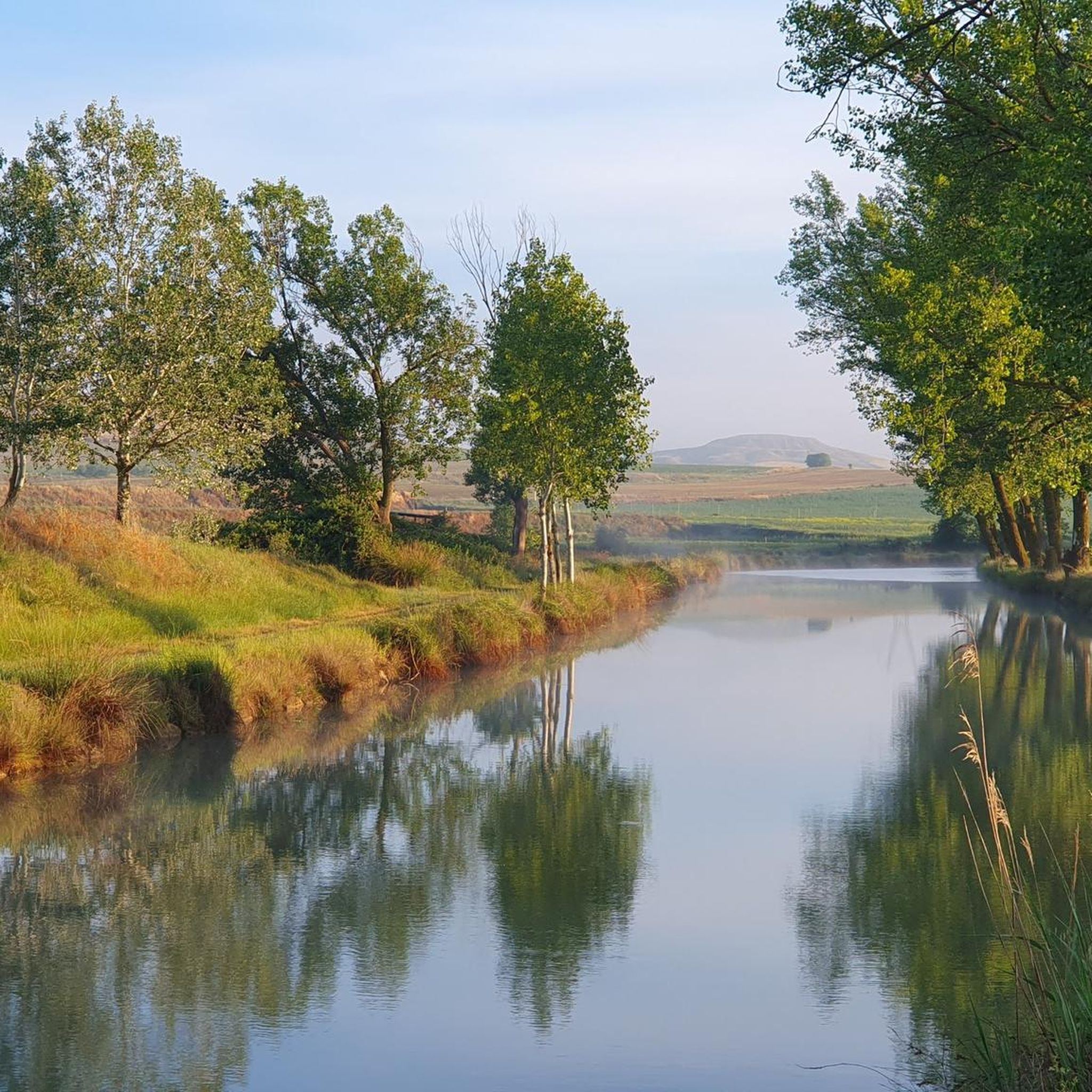
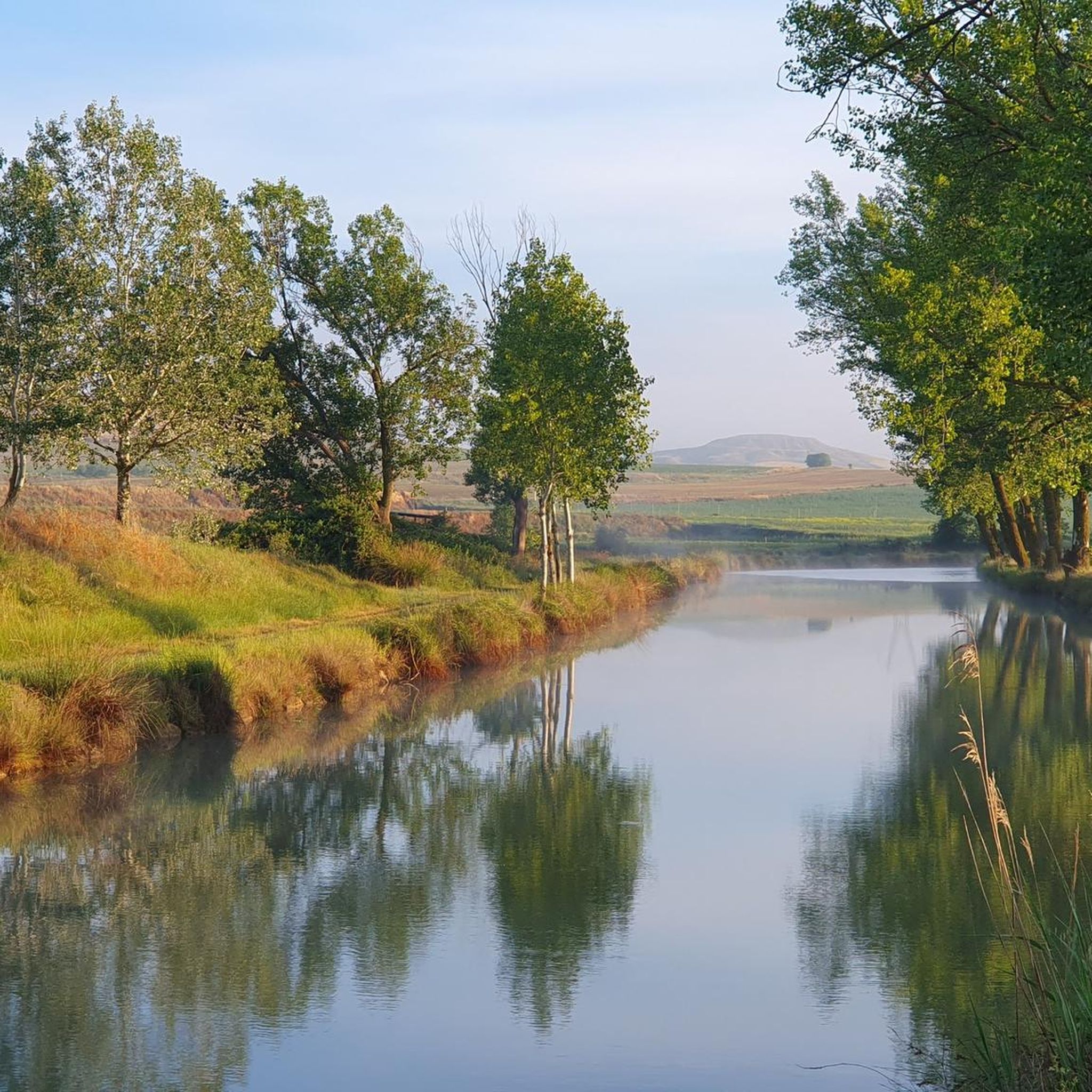
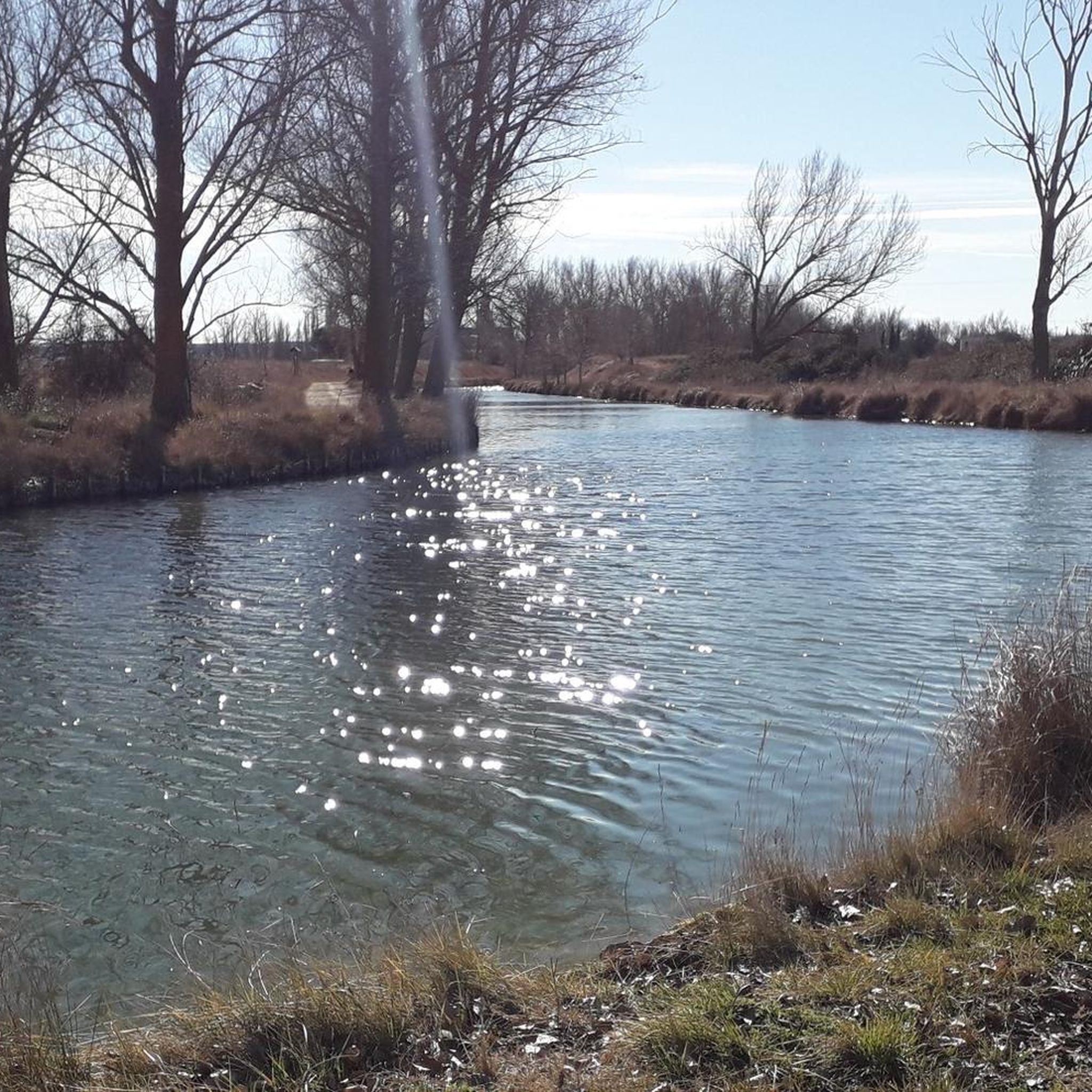
Lock No. 7 and the flour mill in Medina de Rioseco are part of the valuable industrial and hydraulic heritage of the Canal de Castilla, one of the most important engineering works of the 18th century in Spain.
3
0
Lock No. 7 of the Campos branch of the Canal de Castilla, located in Tamariz de Campos. Like all the canal's locks, its purpose was to allow barges to overcome uneven terrain, facilitating the transport of goods, especially grain and flour.
3
0
The Hermitage of Our Lady of the Annunciation is located in Urueña, in the province of Valladolid and is an outstanding example of Romanesque-Lombard art in Spain. Built in the 12th century by order of the Infanta Sancha Raimúndez, on the site of a previous Mozarabic church. It is the only complete example of Romanesque-Lombard art in Castile and León. The hermitage is located in a small valley a few kilometres from the town of Urueña, offering a magnificent view of the wall that surrounds the town.
4
0
The town has several historical monuments, such as the church of San Gervasio y San Protasio, which dates back to the 13th century, and the Casa de Ponce de León, which is a museum dedicated to the life and explorations of Juan Ponce de León.
4
0
Santervás de Campos is a small municipality located in the province of Valladolid, in the autonomous community of Castilla y León, Spain. It is known for its rich history and cultural heritage. One of the highlights of Santervás de Campos is that it is the birthplace of Juan Ponce de León, the famous Spanish explorer who discovered Florida.
4
0
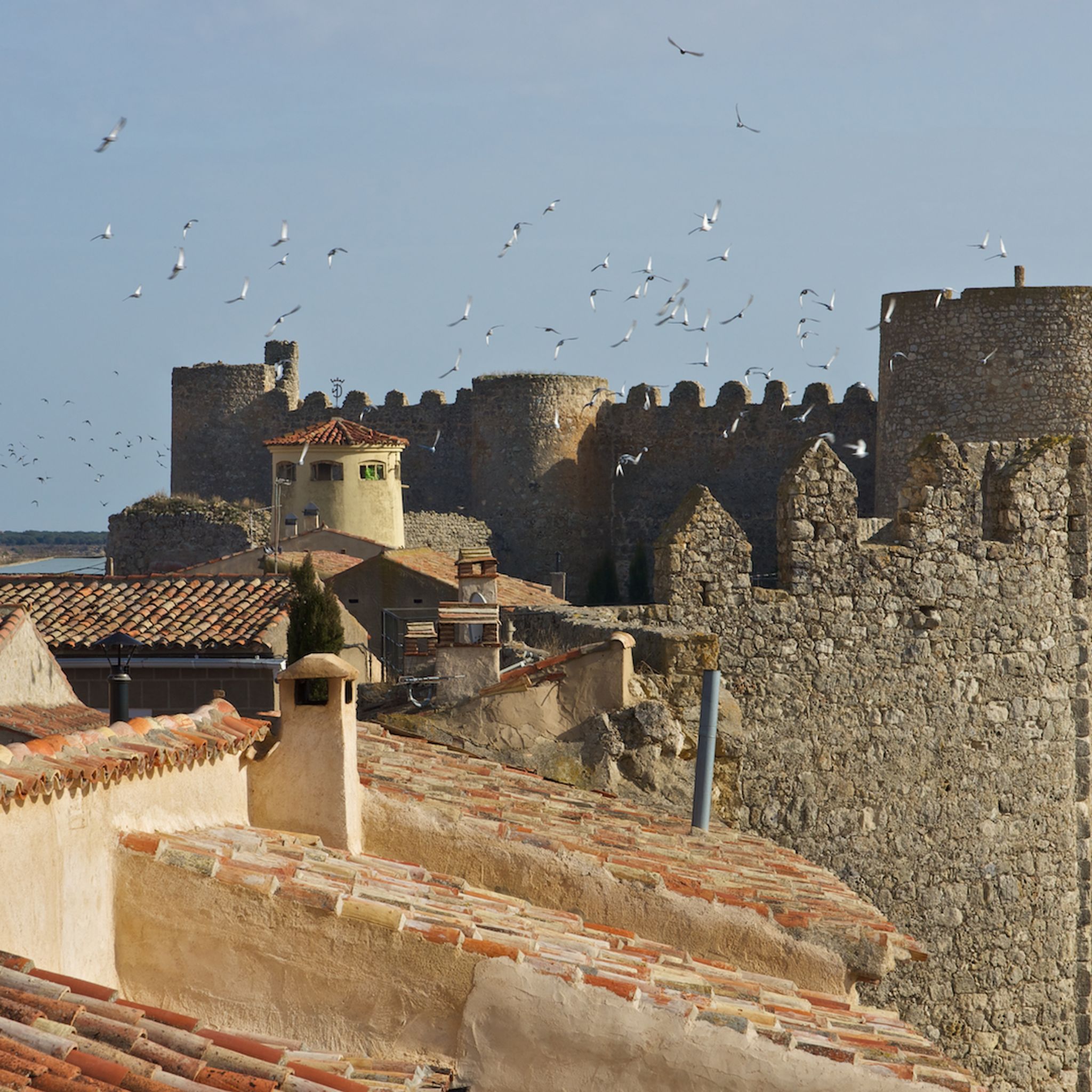
Today, only the outer walls remain, and the various rooms that it may have had in the past have completely disappeared. It was built around the year 1060 by the Castilian monarch Ferdinand I the Great on the remains of an ancient Roman fortification.
5
0
Urueña Castle is an impressive fortress located in the municipality of Urueña, in the province of Valladolid, Spain. This medieval castle dates back to the 11th century and is one of the best preserved in the region. Originally built in the 11th century, the castle has witnessed numerous historical events and has undergone several renovations over the centuries.
7
0
Frequently Asked Questions
What historical landmarks are prominent in Tierra de Campos?
Tierra de Campos is rich in history, featuring several significant landmarks. You can explore the impressive 13th-century Montealegre de Campos Castle, known for its unconquered walls. Other notable sites include the Urueña Castle and various religious buildings such as the Church of San Gervasio and San Protasio of Santervás de Campos and the Church of Santiago Apóstol in Medina de Rioseco.
Are there any family-friendly attractions in Tierra de Campos?
Yes, several attractions in Tierra de Campos are suitable for families. The Canal de Castilla Dock in Medina de Rioseco offers boat trips and information on cycling routes, which can be a fun activity for all ages. The Lock 7 and Old Flour Factory along the Canal de Castilla also provides an interesting historical insight into the region's engineering heritage.
What natural features can I experience in Tierra de Campos?
The region is characterized by its vast, expansive plains and steppe-like landscapes, often called the 'Granary of Spain.' For wildlife enthusiasts, the Lagunas de Villafáfila Nature Reserve is a significant wetland, especially important for bustards, geese, and cranes during winter. The restored Laguna de la Nava in Palencia also offers crucial habitat for birdlife. Additionally, the wetlands along the Canal de Castilla provide unique natural spots within this arid region.
What kind of outdoor activities can I do near these attractions?
Tierra de Campos offers various outdoor activities, especially along the historic Canal de Castilla and its surrounding plains. You can enjoy easy hikes, such as the 'Villalpando and Camino de Santiago Loop' or 'Canal de Castilla por el Ramal de Campos.' For more challenging options, there are moderate hiking trails like the 'Madrid Way of Saint James' or the 'Castillos de Villalba de los Alcores y Montealegre de Campos' route. Mountain biking is also popular, with routes like 'Canal de Castilla a Capillas' available. You can find more details on these activities in the easy hikes, hiking, and MTB guides for Tierra de Campos.
Are there any unique cultural sites or museums in the area?
Beyond historical buildings, Tierra de Campos offers unique cultural insights. The region celebrates its cereal tradition at the Museo del Pan (Museum of Bread), which highlights bread's fundamental role in local culture. The birthplace of explorer Juan Ponce de León in Santervás de Campos also features a museum dedicated to his life. Additionally, the Canal de Castilla Dock serves as a cultural hub, providing information on the ambitious 18th-century engineering work and offering boat trips.
What is the best time of year to visit Tierra de Campos for outdoor activities or wildlife spotting?
The best time to visit Tierra de Campos depends on your interests. For birdwatching, especially to see bustards, geese, and cranes, the winter months are ideal at the Lagunas de Villafáfila Nature Reserve. For hiking and cycling, spring and autumn offer pleasant temperatures and vibrant landscapes, avoiding the heat of summer. The expansive plains provide striking contrasts of colors during these seasons.
Can I find examples of traditional architecture in Tierra de Campos?
Yes, Tierra de Campos is known for its distinctive traditional architecture. You'll find numerous dovecotes scattered across the landscape, often made of adobe and mud, which are characteristic architectural features of the region. Many villages also house charming Romanesque and Gothic churches, particularly in the Palencia part of Tierra de Campos, reflecting its rich artistic heritage.
Are there any viewpoints offering panoramic views of the plains?
Yes, for magnificent views of the characteristic plains, consider visiting the Hermitage of Our Lady of the Annunciation, located near the walled town of Urueña. This spot provides an excellent vantage point to appreciate the vast, undulating landscape of Tierra de Campos.
What is the significance of the Canal de Castilla in this region?
The Canal de Castilla is an ambitious 18th and 19th-century hydraulic work that played a crucial role in transport. Today, it's a significant cultural and recreational asset. The Canal de Castilla Dock in Medina de Rioseco is a traveler reception center where you can learn about its history and enjoy boat trips, electric boat rentals, canoeing, and cycling routes along its banks. The Lock 7 and Old Flour Factory also highlight its industrial heritage.
Are there any routes or trails that follow historical paths?
Absolutely. The historic Camino de Santiago (French Way) traverses Tierra de Campos, offering pilgrims and visitors a chance to experience its natural environment and cultural sites along this ancient pilgrimage route. Additionally, many disused railway lines have been converted into Vías Verdes (Greenways), providing opportunities for cycling and walking through the plains and connecting various towns and points of interest on historical paths.
What are some lesser-known but interesting places to visit?
Beyond the main highlights, consider exploring the Puerta del Reloj of Villabrágima, a historical gate in a small town with Roman origins, offering a great photo opportunity. The Church of Santa María de Frechilla in Palencia is another charming example of traditional village architecture. These spots offer a glimpse into the local ethnography and popular culture of Tierra de Campos.
Most popular routes around Tierra De Campos

Get inspired with the komoot mobile app


Didn’t find what you were looking for?
Are you keen on exploring more awesome places nearby? Browse our guides:
Explore more
Still not found the Highlight you’re looking for? See guides of the top attractions in other regions:
