Attractions and Places To See around Astorga - Top 20
Best attractions and places to see around Astorga include a variety of historical sites and architectural landmarks. Located in the province of León, this region features significant cultural heritage, including structures related to the Camino de Santiago. The landscape offers diverse points of interest for exploration.
Best attractions and places to see around Astorga
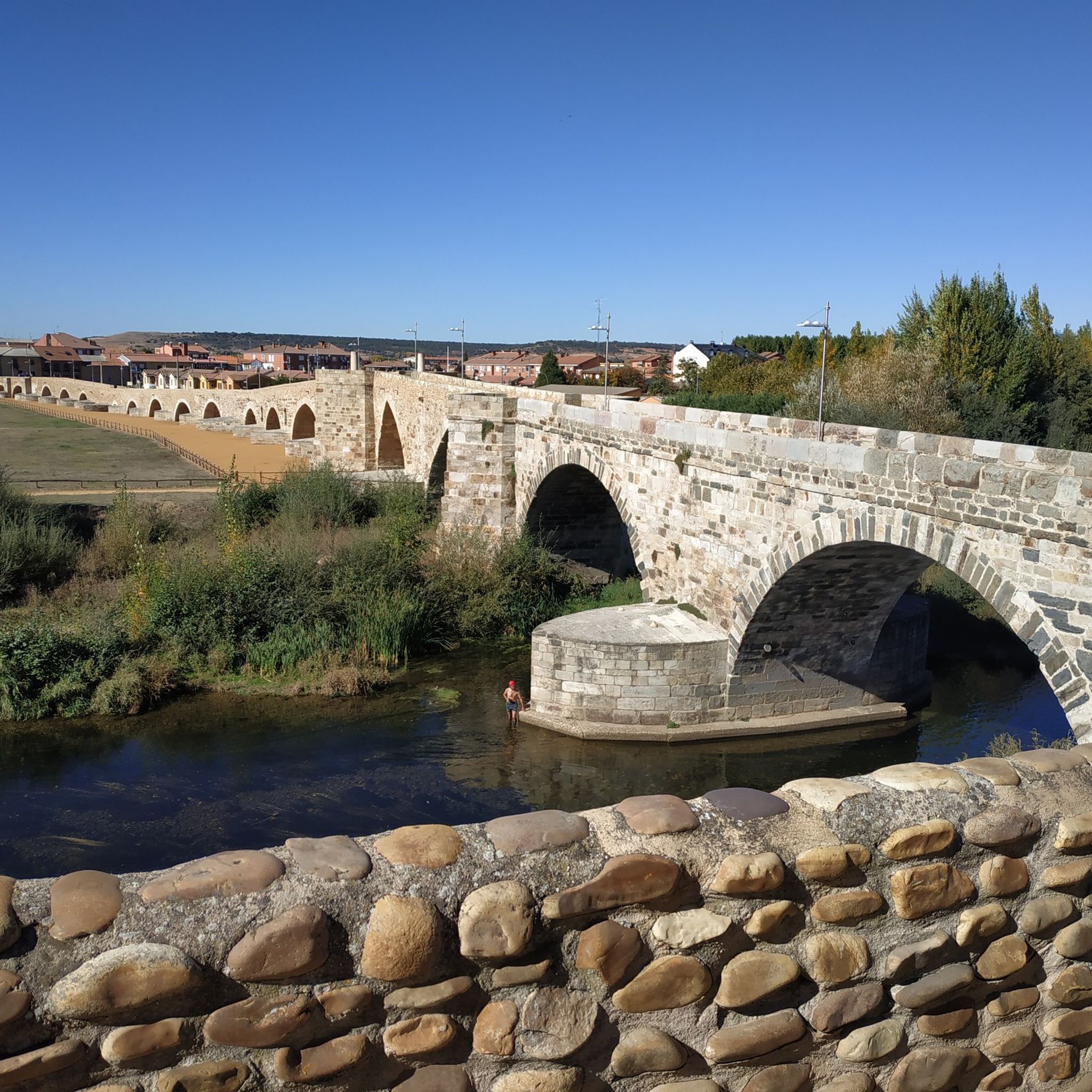
- The most popular attractions is Passo Honroso Bridge, a bridge that was the site of a medieval tournament in 1434. This ancient bridge is notable for its length and condition, and it hosts a medieval fair annually.
- Another must-see spot is Cathedral of Saint Mary of Astorga, a religious building and historical site. Visitors can expect to see an impressive decorative Gothic style monument, located on a site traditionally associated with Santa Marta.
- Visitors also love Episcopal Palace of Astorga (Gaudí Palace), a neo-Gothic style building designed by Antoni Gaudí. This unique structure now houses the Caminos Museum, exhibiting pieces from the Diocese of Astorga.
- Astorga is known for its historical sites, religious buildings, and man-made monuments. The area offers a variety of attractions to see and explore, from ancient bridges to architectural masterpieces.
- The attractions around Astorga are appreciated by the komoot community, with more than 400 upvotes and over 230 photos shared.
Last updated: October 10, 2026
Passo Honroso Bridge
Highlight • Bridge
Translated by Google •
Tip by

Cruz de Ferro (Iron Cross)
Highlight • Monument
(Source: wikipedia)
Translated by Google •
Tip by

Sign up now to discover places like this
Get recommendations on the best single tracks, peaks, & plenty of other exciting outdoor places.
Cathedral of Saint Mary of Astorga
Highlight • Religious Site
Translated by Google •
Tip by

Episcopal Palace of Astorga (Gaudí Palace)
Highlight • Castle
Translated by Google •
Tip by
Rabanal del Camino — Village and Church
Highlight • Settlement
Translated by Google •
Tip by
The Garden of the Soul
Highlight • Rest Area
Translated by Google •
Tip by
Trail to Foncebadón
Highlight (Segment) • Trail
Translated by Google •
Tip by
Ecce Homo Hermitage
Highlight • Religious Site
Mandatory stop on the way to Santiago. Built in the 16th century.
Translated by Google •
Tip by
Iron Cross
Highlight • Monument
Translated by Google •
Tip by
Tengo Sed Pilgrim Statue
Highlight • Monument
It is located at the entrance to the town of San Justo de la Vega
Translated by Google •
Tip by
Sign up for free to discover even more attractions around Astorga.
Already have an account?
Start today with a free account
Your next adventure awaits.
Popular around Astorga
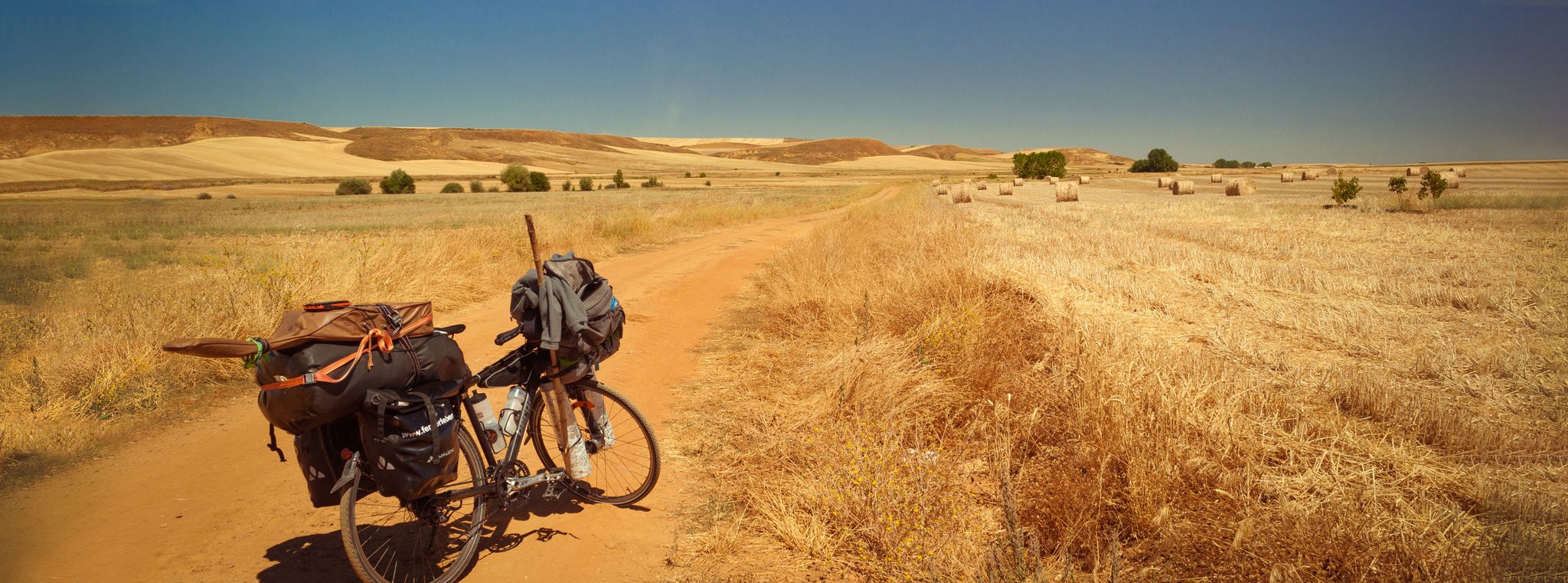
Camino Francés and Camino Finisterre – Cycling pilgrimages in Spain
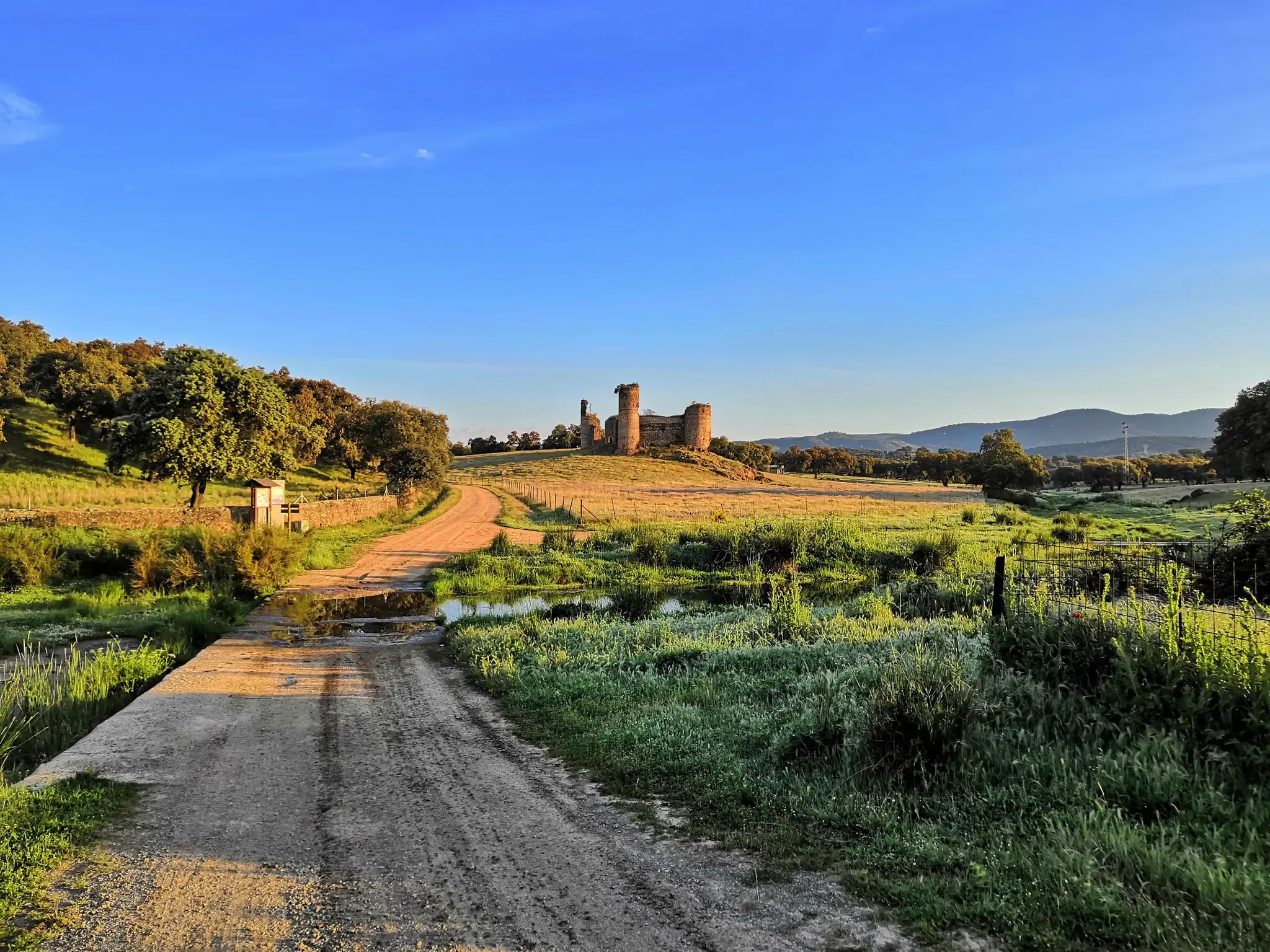
A romantic journey in the footsteps of the Romans – Via de la Plata
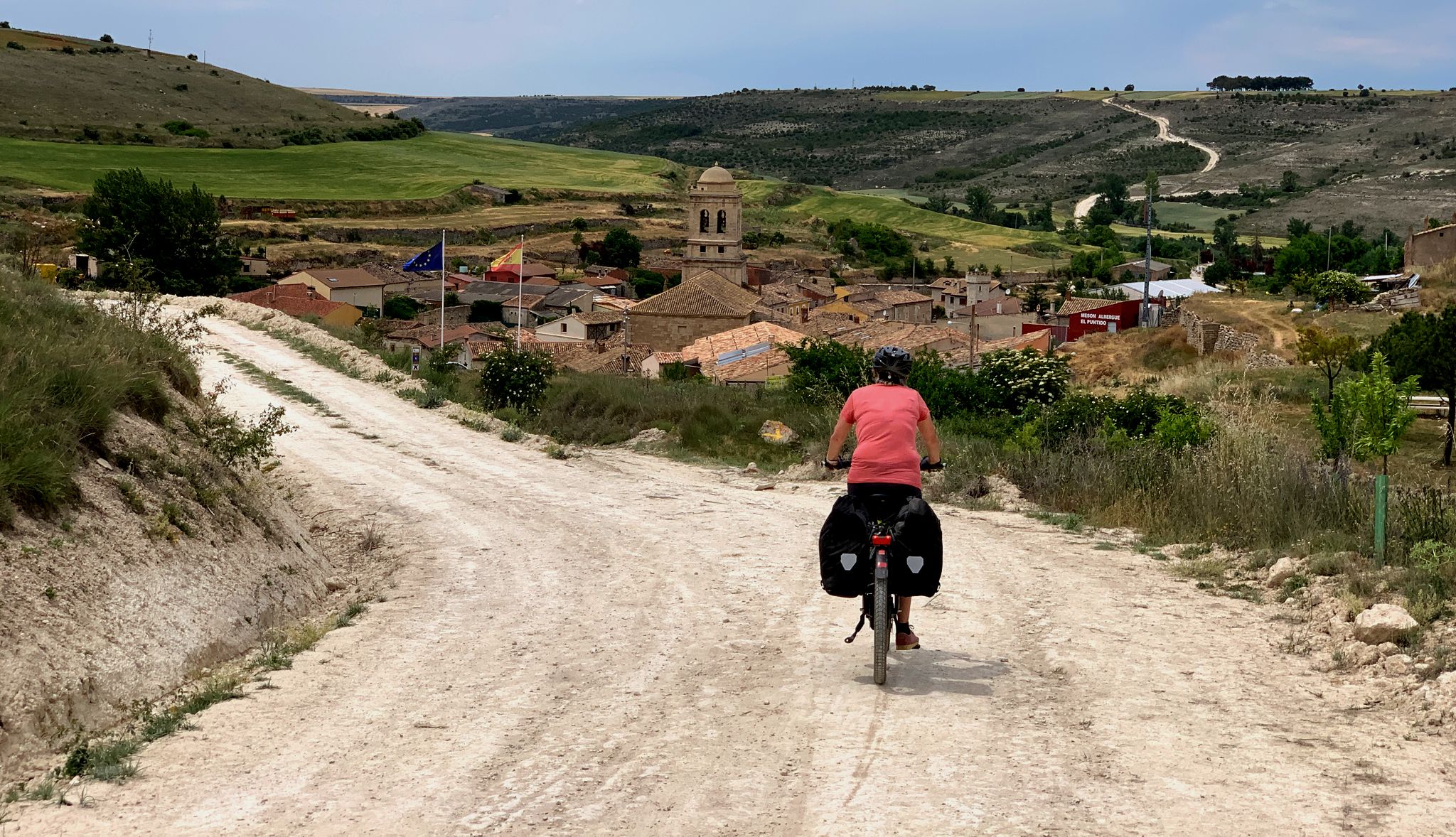
The Pilgrim Route — EuroVelo 3 through Spain
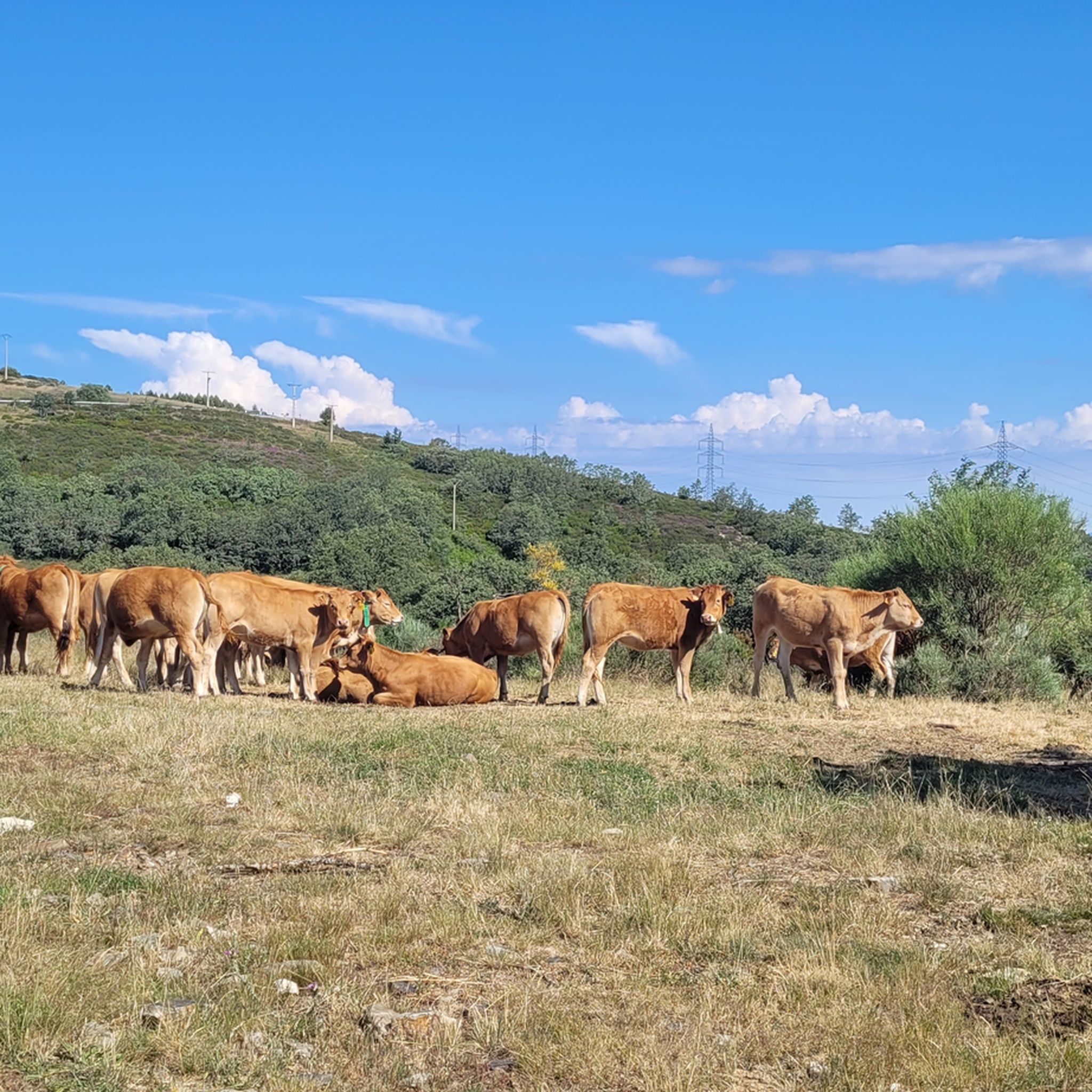
Hiking around Astorga
Cycling around Astorga
Road Cycling Routes around Astorga
MTB Trails around Astorga
Running Trails around Astorga

Gravel biking around Astorga
Other adventures around Astorga


Tips from the Community

A great place for a break. You take what you need. You give what you feel is right.
0
0

For me, this place is a piece of paradise on the Camino. Take a short break in the shade. Enjoy some of the delicacies (fruit, eggs, cake, etc.). In this atmosphere, it's easy to relax, rejuvenate, and move on more easily (and happier).
1
0

This shrine was not dedicated to a person venerated as holy, but rather the church and the place were placed under the protection of the incarnate Son of God. However, the patronage of "ECCE HOMO" does not focus on the almighty God—as Creator of heaven and earth, for example—but rather on the suffering God. For precisely because Jesus Christ bore the pain of suffering and death, we Christians are redeemed for all time. In the traditional Stations of the Cross, we pray at the third station: "He was pierced for our transgressions, he was crushed for our iniquities. He had no form or comeliness, a man of sorrows, acquainted with infirmity," an apt description of "Ecce Homo."
2
0
This sanctuary was not dedicated to a person venerated as holy, but rather this place of a miracle (see the post by @Willem VS) was placed under the protection of the incarnate Son of God. However, the patronage of "ECCE HOMO" does not focus on the almighty God—for example, as the Creator of heaven and earth—but rather on the suffering God. For it is precisely because Jesus Christ bore the pain of suffering and death that we Christians are redeemed for all time. In the traditional Stations of the Cross, we pray at the third station: "He was pierced for our transgressions, he was crushed for our iniquities. He had no form or comeliness, a man of sorrows, acquainted with infirmity." This is an apt description of "Ecce Homo."
3
0

A small chapel not far from Astorga on the Camino towards "El Ganso." An elderly lady sits here, waiting for pilgrims to give them a stamp.
2
0
The Bishop's Palace of Astorga is one of only three buildings that Antoni Gaudí built outside Catalonia.
3
0

Small and suggestive hermitage located directly along the Camino
5
0

It is also known as Cruz de Fierro (Iron Cross). A mountain landmark (1504 m) that stands on the French Way in the mountains of León as it passes through the province of the same name, corresponding to the autonomous community of Castilla y León. 230 km from Santiago. It is one of the best-known and most symbolic places of all the Jacobean routes, and perhaps for this reason the most mythologised and exciting, with the Monte do Gozo de Santiago, the first place from which pilgrims on the French Way observe the city of Santiago.
8
0
Frequently Asked Questions
Are there family-friendly attractions around Astorga?
Yes, several attractions around Astorga are suitable for families. The Passo Honroso Bridge, known for its medieval fair, is a great option. The Cathedral of Saint Mary of Astorga and the Episcopal Palace of Astorga (Gaudí Palace) also welcome families, offering historical and architectural interest.
What historical sites related to the Camino de Santiago can I visit near Astorga?
Astorga is deeply connected to the Camino de Santiago. You can visit the iconic Cruz de Ferro (Iron Cross), a legendary spot where pilgrims leave stones. The village of Rabanal del Camino with its church is another significant stop on the Way, as is the Ecce Homo Hermitage.
Are there wheelchair-accessible attractions in Astorga?
The Episcopal Palace of Astorga (Gaudí Palace) is noted as wheelchair accessible, allowing visitors to explore its unique neo-Gothic architecture and the Caminos Museum. Additionally, the Tengo Sed Pilgrim Statue is also accessible.
What outdoor activities can I do near Astorga's attractions?
The area around Astorga offers various outdoor activities, particularly hiking and mountain biking. You can find numerous trails suitable for different skill levels. For hiking, explore options like the Cañones del Górgora Trail or the Santo Toribio Cross and French Way Loop. Mountain biking enthusiasts can tackle routes such as the Ascent to Alto de la Veiga and Miners. You can find more details on these activities in the hiking guide and MTB trails guide for Astorga.
Are there easy hiking trails around Astorga?
Yes, there are several easy hiking trails near Astorga. Options include the Cañones del Górgora Trail, Las Miédolas – circular from Las Omañas, and the Santo Toribio Cross and French Way Loop. These routes offer pleasant walks for various fitness levels. For more easy hiking ideas, refer to the Easy hikes around Astorga guide.
Where can I see unique architecture in Astorga?
Astorga is home to the stunning Episcopal Palace of Astorga (Gaudí Palace), a neo-Gothic masterpiece designed by Antoni Gaudí. Its distinctive style, combining elements of a castle, church, and manor house, makes it one of the most outstanding buildings in the region. The Cathedral of Saint Mary of Astorga also showcases impressive decorative Gothic architecture.
Are there good viewpoints in the Astorga area?
The Cruz de Ferro (Iron Cross), located on Monte Irago, offers a significant viewpoint. While primarily a pilgrimage site, its elevated position provides expansive views of the surrounding landscape, making it a popular spot for reflection and scenery.
What is the best season to visit attractions around Astorga?
The best seasons to visit attractions around Astorga are typically spring (April to June) and autumn (September to October). During these months, the weather is generally mild and pleasant, ideal for exploring historical sites and engaging in outdoor activities like hiking. Summer can be hot, especially in July and August, while winters are colder and may have more precipitation.
Are there any less-known or 'hidden gem' attractions around Astorga?
Beyond the main landmarks, you might enjoy exploring the village of Rabanal del Camino, a charming stop on the Camino de Santiago with its unique church architecture. Another interesting spot is the Ecce Homo Hermitage, offering a glimpse into local religious history.
Can I find cafes or restaurants near the attractions?
Yes, you can find amenities like cafes and restaurants in the vicinity of many attractions, especially within Astorga itself and along the Camino de Santiago. For instance, The Garden of the Soul is noted as a cafe facility, providing a place to rest and refuel.
What is the significance of the Passo Honroso Bridge?
The Passo Honroso Bridge is historically significant as the site of a famous medieval tournament in 1434, where the knight Suero de Quiñones challenged other knights to a duel. This ancient bridge is remarkable for its length and well-preserved condition, and it continues to host a medieval fair annually, commemorating its rich past.
What kind of monuments can I expect to see around Astorga?
The Astorga area is rich in man-made monuments. You can expect to see historical bridges like the Passo Honroso Bridge, significant religious structures such as the Cathedral of Saint Mary of Astorga, and unique architectural works like the Episcopal Palace of Astorga (Gaudí Palace). Pilgrimage markers like the Cruz de Ferro and the Tengo Sed Pilgrim Statue are also prominent.
Most popular routes around Astorga
Most popular attractions around Astorga

Get inspired with the komoot mobile app


Didn’t find what you were looking for?
Are you keen on exploring more awesome places nearby? Browse our guides:
Explore more
Still not found the Highlight you’re looking for? See guides of the top attractions in other regions:
