The best walks and hikes around Etang Du Louroux
4.4
(17)
149
hikers
12
hikes
Hiking around Etang Du Louroux offers trails through an "Espace Naturel Sensible" characterized by a large central pond, extensive wetlands, and surrounding forests. The terrain is generally flat, with minimal elevation changes, making it accessible for various fitness levels. This area is ecologically significant, featuring diverse habitats including marshes, meadows, and undergrowth, which support a wide range of flora and fauna. The landscape provides opportunities for observing wildlife and experiencing preserved natural beauty.
Best hiking trails around Etang Du Louroux
…Last updated: July 2, 2026
4.7
(7)
101
hikers
5.96km
01:31
10m
10m
Easy hike. Great for any fitness level. Easily-accessible paths. Suitable for all skill levels.
4.0
(2)
8
hikers
9.71km
02:28
30m
30m
Moderate hike. Good fitness required. Easily-accessible paths. Suitable for all skill levels.

Sign up for free
5.0
(1)
5
hikers
12.2km
03:05
30m
30m
Moderate hike. Good fitness required. Easily-accessible paths. Suitable for all skill levels.
5.0
(1)
4
hikers
5.09km
01:18
20m
20m
Easy hike. Great for any fitness level. Easily-accessible paths. Suitable for all skill levels.
6
hikers
Easy hike. Great for any fitness level. Easily-accessible paths. Suitable for all skill levels.
Get access to more routes and recommendations from other explorers.
Sign up for free
Already have an account?
Our route recommendations are based on thousands of hikes, rides, and runs completed by other people on komoot.
Start today with a free account
Your next adventure awaits.
Login or Signup

Tips from the Community

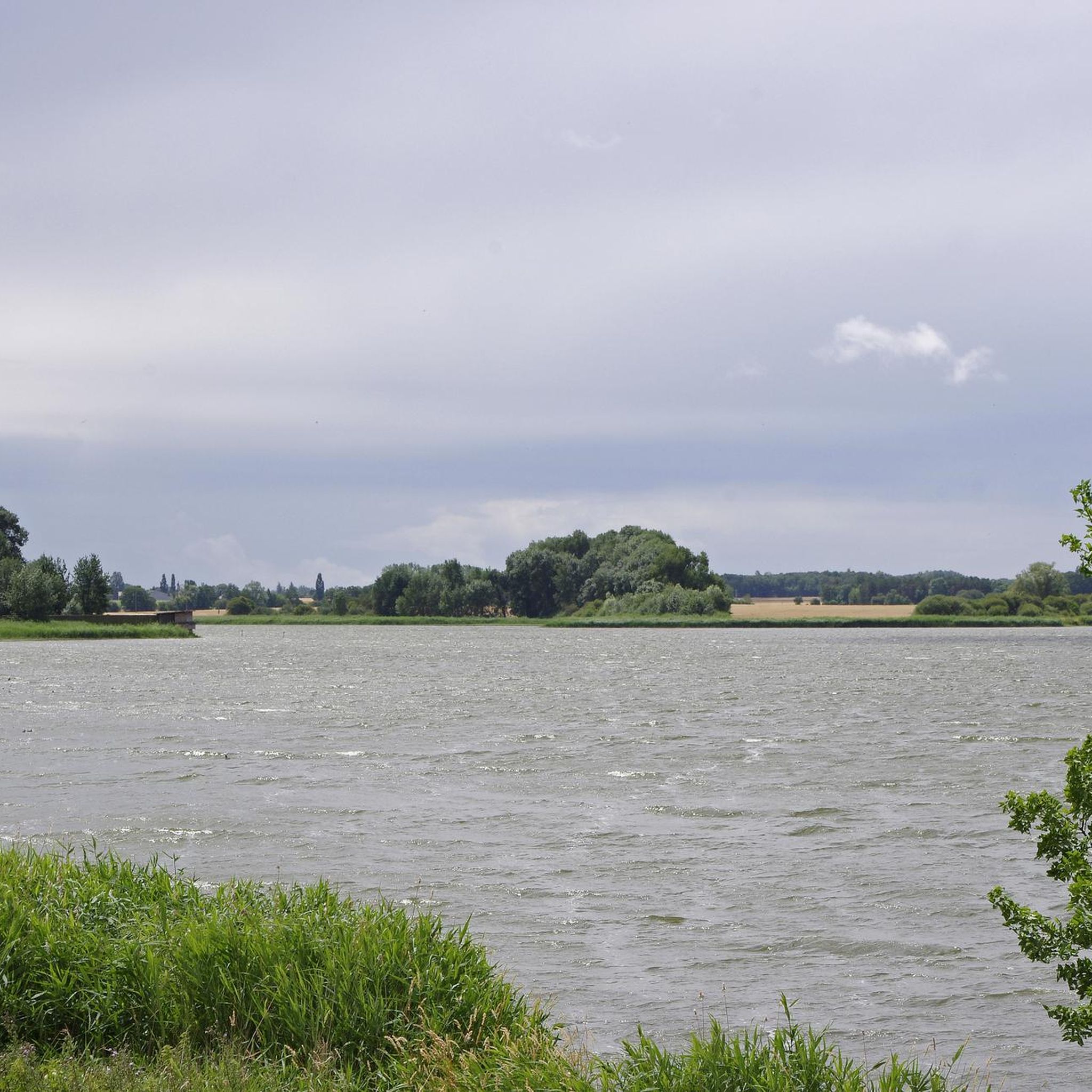
The Chateau de Louroux, or priory of Louroux, is a fortified priory in the 13th century, dependent on the abbey of Marmoutier. The priory housed the Benedictine monks who had the pond dug to provide them with fish and create a water reserve for their mill. The castle can only be visited from the outside.
0
0
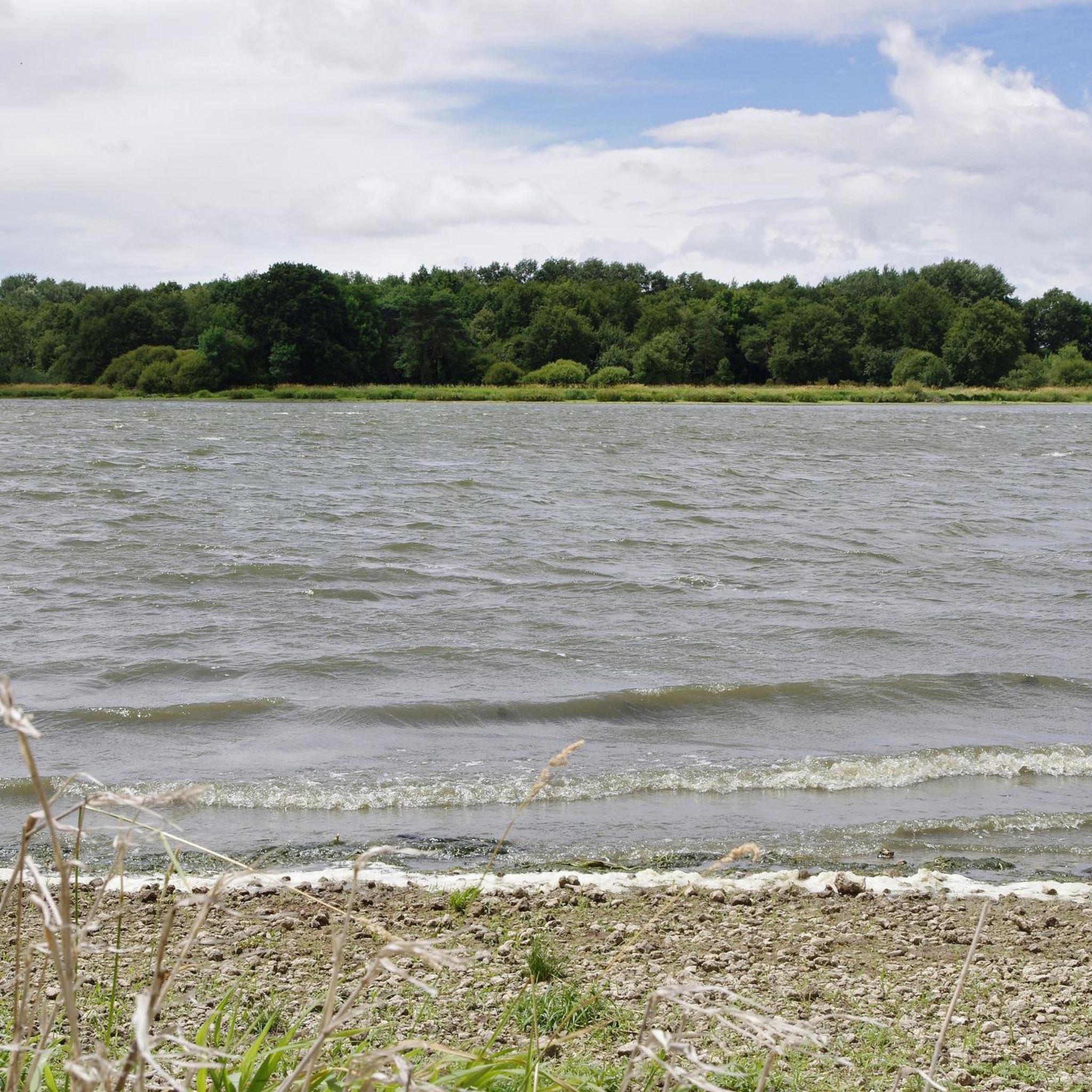
The Louroux pond site is made up of two ponds: the Reed Pond, which resulted from the construction of a dike by the monks in the 11th century, and the Beaulieu Pond. The natural area of the Louroux pond is a wetland which hosts a great diversity of species. Fish raised in the body of water are the subject of large traditional fisheries.
0
0

This pond was in fact built by the Benedictine monks of the neighboring priory of Louroux to provide them with fish and a supply of water for the mill.
2
0
This pond was in fact built by the Benedictine monks of the neighboring priory of Louroux to provide them with fish and a water supply for the mill.
2
0
This fortified priory was built in the 13th century and housed Benedictine monks who had the lake dug to supply fish and build up a water reserve for the nearby mill.
2
0
Frequently Asked Questions
What kind of natural landscapes can I expect to see while hiking around Etang Du Louroux?
Etang Du Louroux is an "Espace Naturenel Sensible" offering a rich variety of landscapes. You'll encounter the central 52-hectare pond, extensive wetlands with irises and willows, surrounding forests and undergrowth, and open prairies and moorland. The area is known for its diverse habitats, which support a wide range of flora and fauna.
Are there any easy hiking trails suitable for beginners or a relaxed stroll?
Yes, there are several easy options. For instance, the Le Louroux loop - Natural area of the Louroux pond is an easy 6.0 km (3.7 miles) trail that circles the central pond and wetlands, typically taking about 1 hour 31 minutes. Another easy option is the Kirche Le Louroux – L'étang du Louroux loop from Le Louroux, which is about 5.1 km (3.2 miles) long.
Can I observe wildlife, especially birds, while hiking in the area?
Absolutely. Etang Du Louroux is a significant site for wildlife observation, particularly birds. The area features an ornithological observatory where you can silently observe many of the nearly one hundred bird species listed for the site, including greylag geese, pintails, and black terns. It's also on a major migratory route, allowing for sightings of up to 150 bird species.
Are there any historical or cultural points of interest along the hiking routes?
Yes, the area has historical significance. You can visit the priory, a group of 12th-15th century buildings including a church and a hexagonal tower, which is currently undergoing restoration. The dyke, built in the 11th century by Benedictine monks, is another notable historical feature. The village itself also offers a tranquil atmosphere with charming streets.
What do other hikers say about the trails around Etang Du Louroux?
The hiking trails around Etang Du Louroux are highly rated by the komoot community, with an average score of 4.6 stars from over 15 reviews. Hikers often praise the well-marked paths, the serene natural beauty of the pond and wetlands, and the opportunities for wildlife spotting.
Are there any longer, moderate hikes for more experienced walkers?
Yes, for those looking for a longer walk, the L'étang du Louroux – Château du Louroux loop from Le Louroux is a moderate 9.6 km (6.0 miles) path. This route extends beyond the pond, incorporating views of the Château du Louroux and surrounding countryside. Another moderate option is the Étang du Fau loop from Manthelan, which is about 11.6 km (7.2 miles) long.
Are the hiking trails around Etang Du Louroux suitable for families with children?
The terrain around Etang Du Louroux is generally flat with minimal elevation changes, making many of the trails accessible and suitable for families. The shorter, easy loops around the pond, like the Le Louroux loop, are particularly good for walks with children, offering opportunities to observe nature and wildlife.
Are there circular routes available for hiking?
Yes, many of the trails around Etang Du Louroux are designed as circular routes, allowing you to start and end at the same point. Examples include the popular Le Louroux loop and the longer Château du Louroux – L'étang du Louroux loop from Le Louroux.
What is the best time of year to go hiking in Etang Du Louroux?
Etang Du Louroux offers enjoyable hiking experiences throughout the year due to its diverse ecosystems. Spring and autumn are particularly pleasant for birdwatching during migration seasons and for enjoying the changing foliage. Summer allows for sheep grazing on the moor and observation of specific protected plant species, while winter can offer peaceful, crisp walks, though conditions should be checked.
Is there parking available near the hiking trailheads?
While specific parking locations are not detailed in every route description, the area is generally accessible, and parking is typically available near popular trailheads and points of interest within the village of Le Louroux, which serves as a common starting point for many hikes around the pond.
What kind of unique flora can be found in Etang Du Louroux?
The area is noted for its remarkable biodiversity, including several protected plant species. You might encounter the starry water-plantain and greater spearwort, which are protected at national and regional levels. In summer, the moorland also supports species like the buttercup "Grande Douve" and Gentian violet.
Most popular routes around Etang Du Louroux

Get inspired with the komoot mobile app


Explore more
Browse the best Hikes in other regions.
