Attractions and Places To See around Etang De Hollande - Top 5
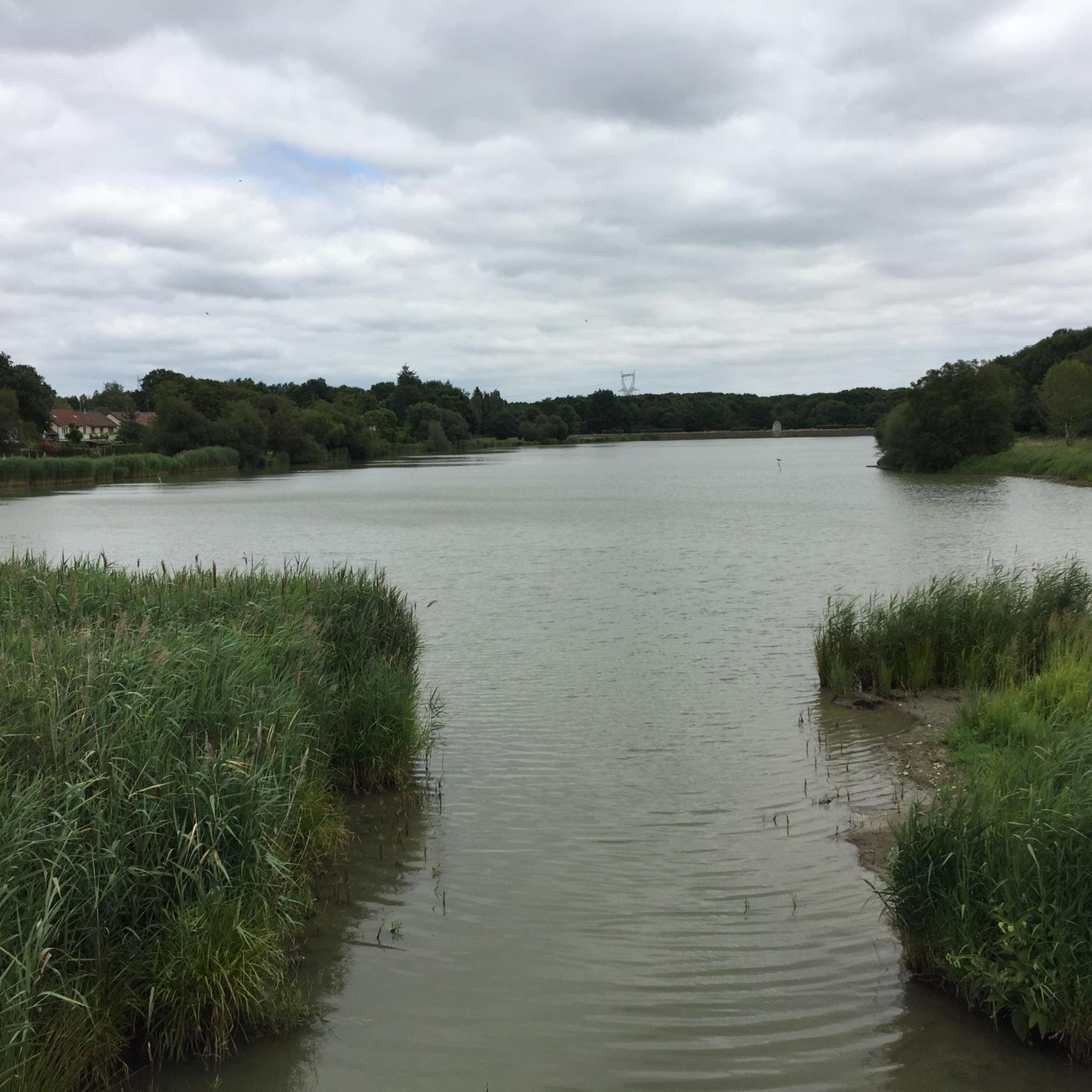
Best attractions and places to see around Etang De Hollande include a series of six artificial lakes nestled within the Rambouillet Forest. This area was engineered in the 17th century under Louis XIV to supply water to the fountains of the Palace of Versailles. The Étangs de Hollande form a significant wetland ecosystem, recognized for its rich flora and fauna within the Natura 2000 network. It offers a tranquil setting for nature observation and outdoor activities.
Best attractions and places…
Last updated: July 2, 2026
Étang de Saint-Hubert
Highlight • Lake
Translated by Google •
Tip by

Hollande Pond
Highlight • Other
Translated by Google •
Tip by

Sign up now to discover places like this
Get recommendations on the best single tracks, peaks, & plenty of other exciting outdoor places.
Sign up for free
Étang de Hollande
Highlight • Lake
Translated by Google •
Tip by

Pourras Pavilion
Highlight • Monument
Translated by Google •
Tip by

Monfort Trail — Étangs de Hollande — Rambouillet Castle
Highlight (Segment) • Other
Translated by Google •
Tip by

Sign up for free to discover even more attractions around Etang De Hollande.
Sign up for free
Already have an account?
Start today with a free account
Your next adventure awaits.
Login or Signup
Tips from the Community

Ruins of the hunting lodge built by Napoleon I between the ponds of Pourras and Saint-Hubert.
0
0

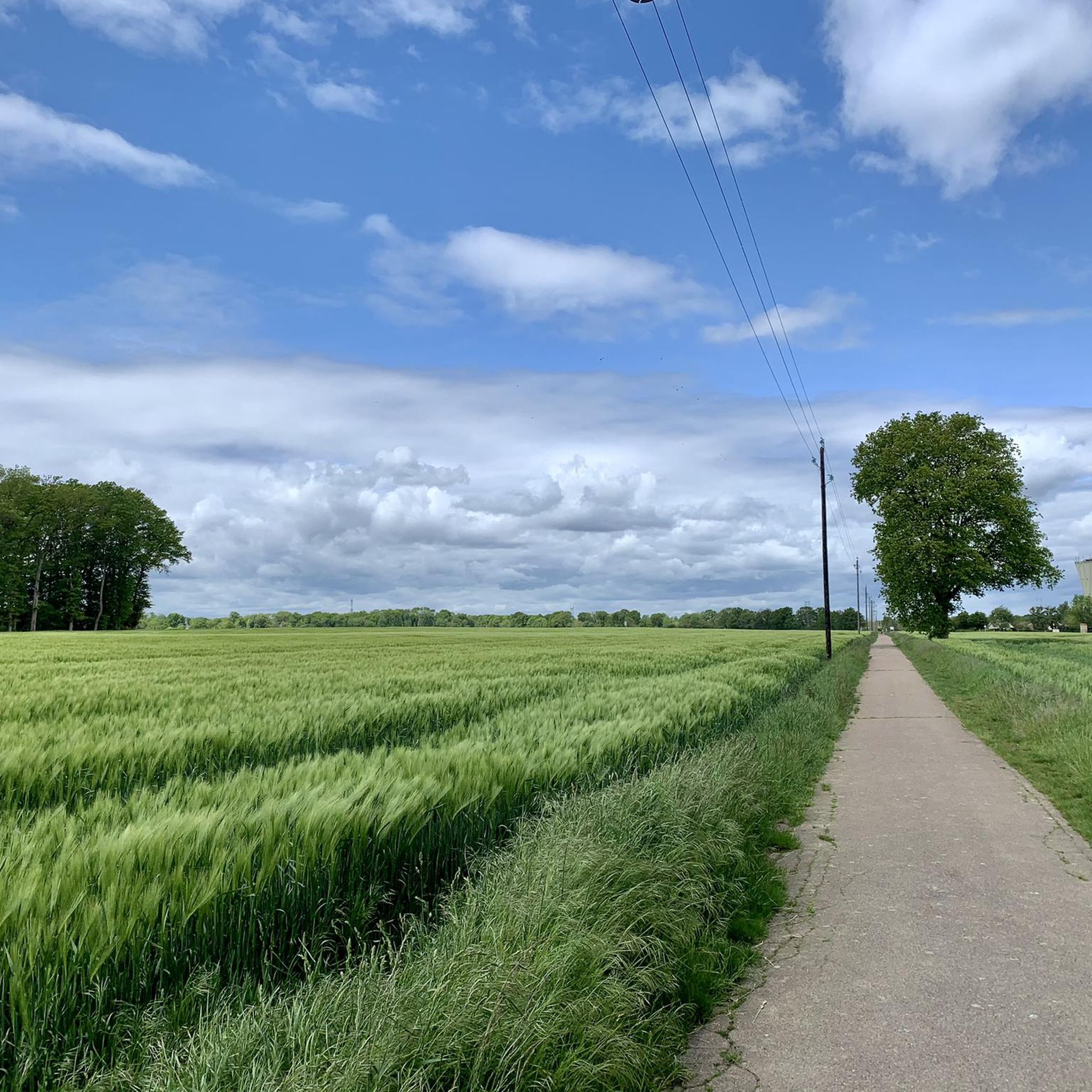
very smooth, very pleasant journey in the forest
0
0

sublime track unfortunately which ages badly since tar and roots do not mix well.. to be preferred for the calm ride with the family rather than for committed gravel (otherwise it ends in a trap dance 😁)
0
0

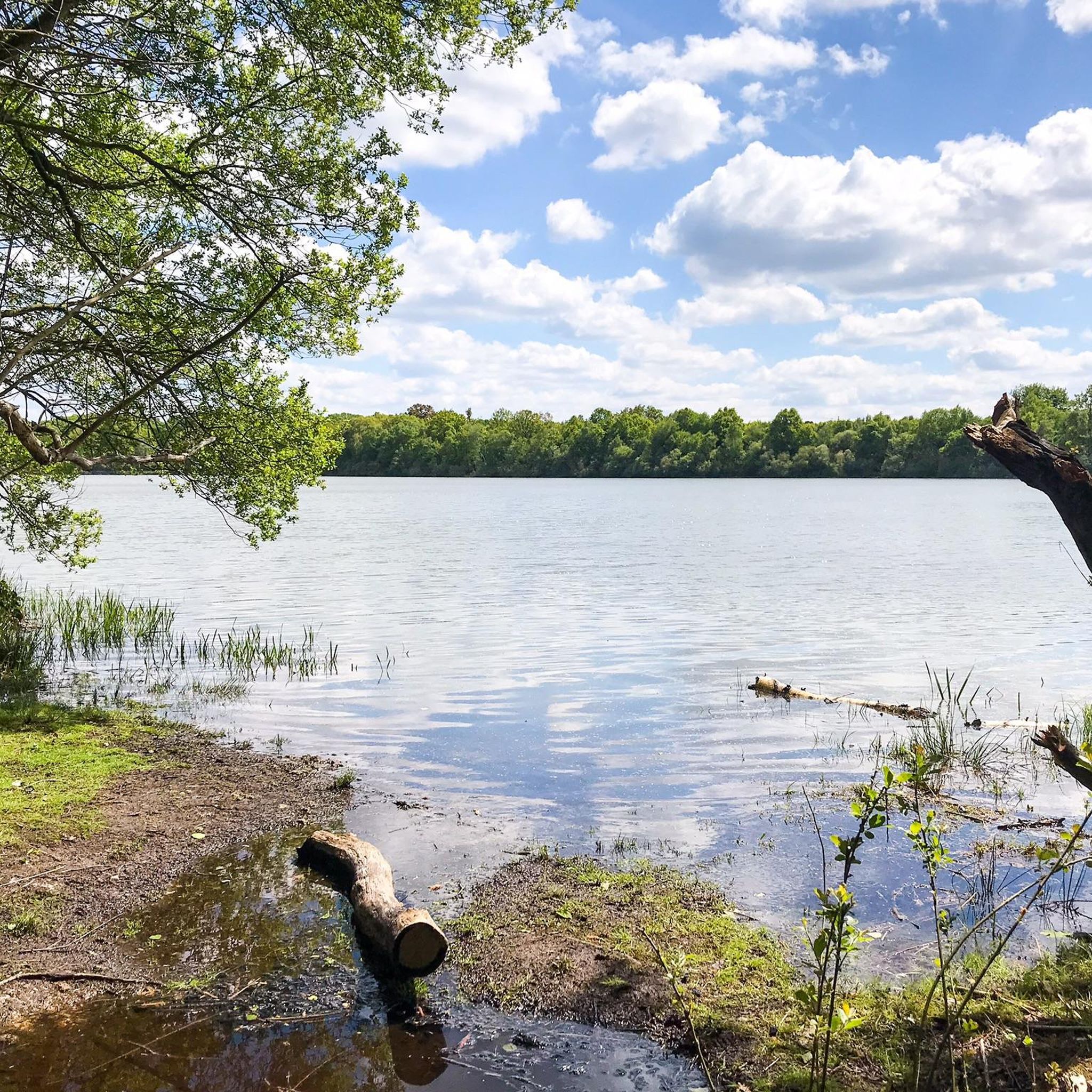
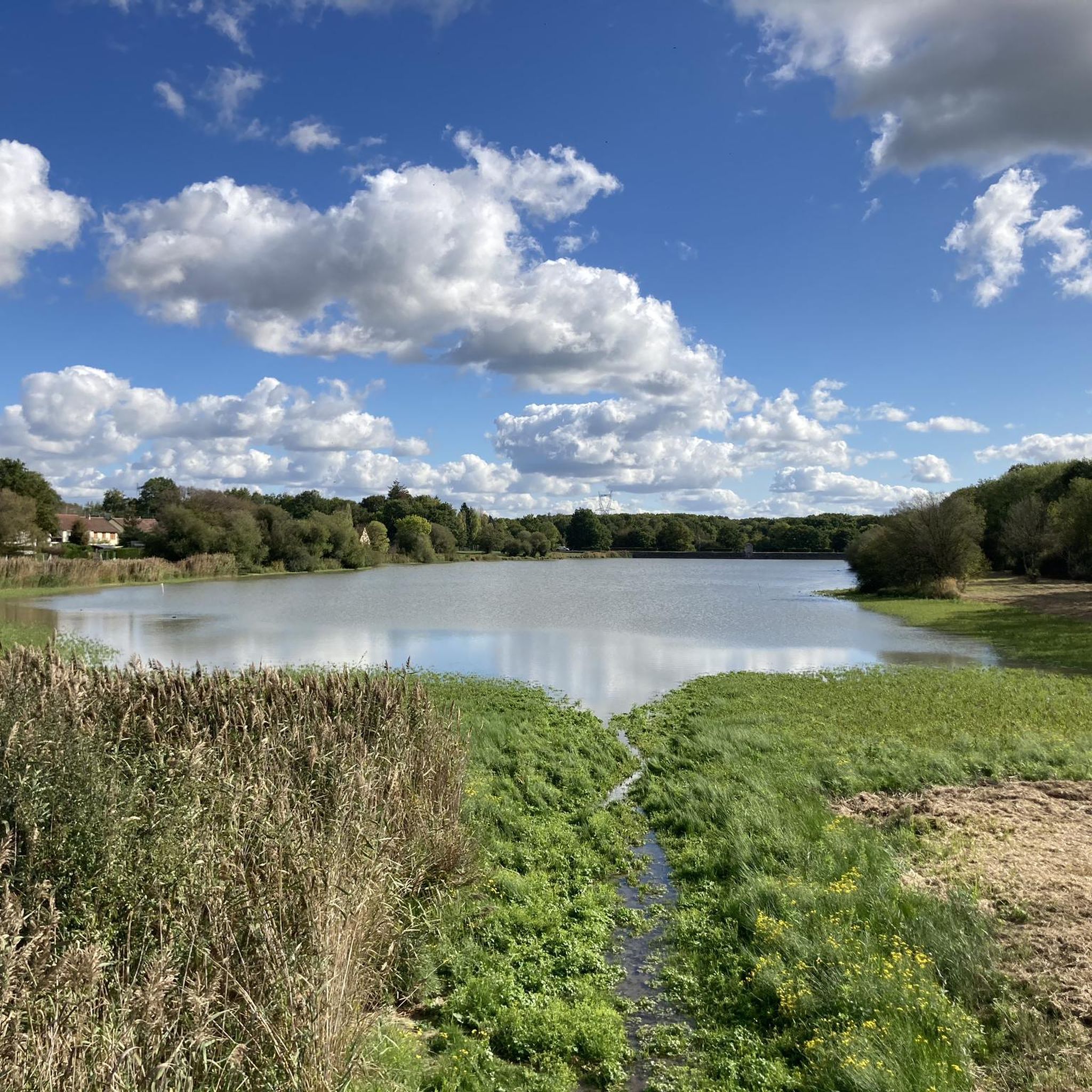
This former retention basin was part of the network that was used to supply water to the Palace of Versailles. Today, it is a beautiful bird sanctuary where it is pleasant to walk.
0
0

Wild... as long as the tourists aren't there.
0
0

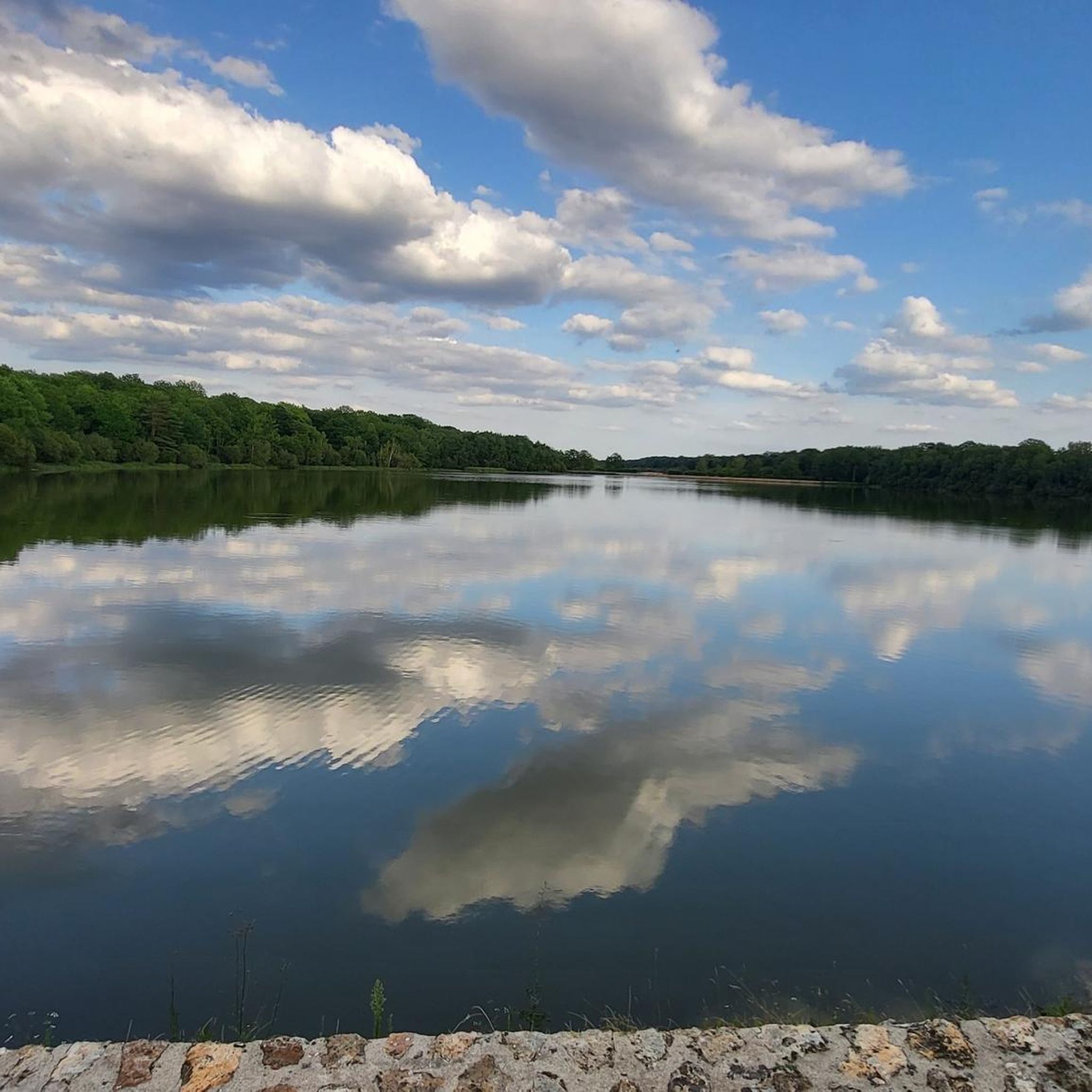
Napoleon's bridge crossing the ponds of the Cheuvreuse valley. Very nice place to get some air in the Paris region
1
0
Passing over the Pont Napoléon between the Etangs de Saint-Hubert and de Pourras in the heart of the Cheuvreuse Valley
1
0

Frequently Asked Questions
What natural features can I explore around Étangs de Hollande?
The area is centered around six interconnected artificial ponds: Grand Étang de Hollande, Petit Étang de Hollande, Étang de Bourgneuf, Étang de Corbet, Étang de Pourras, and Étang de Saint-Hubert. These are nestled within the expansive Rambouillet Forest, forming a significant wetland ecosystem recognized for its rich flora and fauna, including various aquatic birds, dragonflies, fish, and amphibians.
What is the historical significance of the Étangs de Hollande?
The ponds are a significant historical landmark, created between 1683 and 1685 under Louis XIV's direction by Vauban. Their primary purpose was to supply water to the famous fountains of the Palace of Versailles. You can still see remains of this ambitious 17th-century hydraulic system, such as the aqueduct de l'Artoire. The Étang de Saint-Hubert and Étang de Hollande are key parts of this historical system.
Are there family-friendly activities available at Étangs de Hollande?
Yes, the Étangs de Hollande leisure base offers a range of family-friendly activities. During the season, you can enjoy supervised swimming at a sandy beach, rent pedal boats, canoes, or electric boats. The base also provides mini-golf, beach volleyball courts, ping-pong tables, and picnic areas.
What kind of outdoor activities can I do near the Étangs de Hollande attractions?
The area offers a wide range of outdoor activities. You can enjoy hiking, cycling, and horseback riding on an extensive network of trails around the ponds and through the Rambouillet Forest. For specific routes, you can explore MTB Trails around Etang De Hollande, Road Cycling Routes around Etang De Hollande, or Gravel biking around Etang De Hollande.
Are there specific hiking trails recommended for beginners or families?
Yes, there are various trails suitable for different ability levels. Popular hiking routes include the Saint Hubert Pond loop, La Milière loop, and the Étang de Hollande loop, which offer scenic views of the ponds and forest. These are generally considered accessible and enjoyable for families.
What is the Pont de Napoléon and where can I find it?
The Pont de Napoléon is a historical bridge that forms a boundary between two of the larger southern ponds, specifically between the Étang de Saint-Hubert and Étang de Pourras. It was built under Napoleon I, leaving his mark on this historic landscape.
What is the Pourras Pavilion?
The Pourras Pavilion is a man-made monument and historical site. It consists of the ruins of a hunting lodge built for Emperor Napoleon I in 1808 by Auguste Famin, located in the forest between the ponds of Pourras and Saint-Hubert. It was restored in 1967 after falling into ruins around 1840.
Is there parking available near the Étangs de Hollande trails and attractions?
Yes, parking is generally available near the leisure base and at various trail starting points around the Étangs de Hollande, making it convenient for visitors to access the area.
What kind of wildlife can I observe at Étangs de Hollande?
The Étangs de Hollande is a biodiversity hotspot and part of the Natura 2000 network. It's an excellent site for ornithology and wildlife observation, boasting a variety of aquatic birds, dragonflies, fish, and amphibians within its wetland ecosystem.
Are there dining options available on-site?
Yes, there is a bar/restaurant located on-site at the Étangs de Hollande leisure base, providing refreshments and dining options for visitors.
What do visitors enjoy most about the Étangs de Hollande?
Visitors particularly appreciate the tranquil setting within the Rambouillet Forest, the historical significance of the 17th-century hydraulic system, and the diverse outdoor activities available. The opportunity to pass over the Pont Napoléon and explore the natural beauty of the lakes, such as Étang de Saint-Hubert, is often highlighted.
Most popular routes around Etang De Hollande

Get inspired with the komoot mobile app


Explore more
Still not found the Highlight you’re looking for? See guides of the top attractions in other regions:
