The best walks and hikes around New Orleans
4.7
(18)
678
hikers
85
hikes
Hiking around New Orleans offers routes through a unique landscape of urban parks, riverfronts, and nearby wetlands. The region is characterized by its exceptionally flat terrain, with most trails following paved paths, boardwalks, or dirt tracks through city green spaces and along the Mississippi River. These accessible routes provide a different perspective on the city, away from the main urban centers.
Best hiking trails around New Orleans
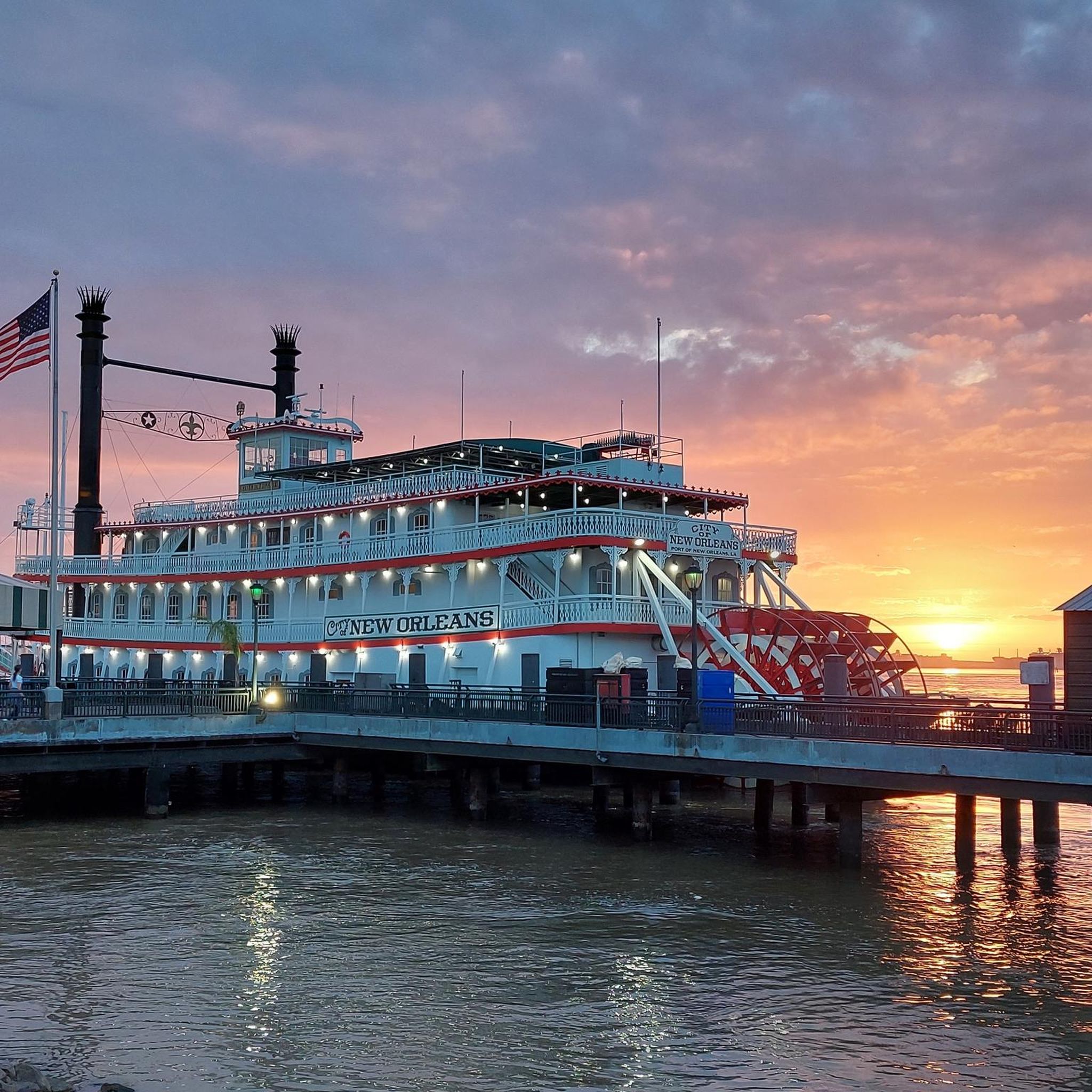
- The most popular hiking route is Garden District, Lafayette Park & Steamboat Natchez loop — New Orleans, a 6.3 mile (10.1 km) trail that takes about 2 hours 30 minutes to complete. This route explores the city's historic architecture and parks.
- Another top favourite among local hiking enthusiasts is French Quarter & Jackson Square loop — New Orleans, an easy 3.9 mile (6.2 km) path. The trail is entirely paved and passes through the city's well-known historic district.
- Local hiking enthusiasts also love the Crescent Park Promenade — New Orleans, a 2.1 mile (3.3 km) trail leading through a riverfront park, often completed in about 50 minutes.
- Hiking around New Orleans is defined by paved urban paths, riverfront promenades, and boardwalks through wetlands. The network of trails provides options primarily for easy and moderate ability levels.
- The routes in New Orleans are highly rated by the komoot community with an average score of 4.5 stars from more than 15 reviews. More than 650 hikers have used komoot to explore New Orleans's varied terrain.
Last updated: July 7, 2026
47
hikers
3.51km
00:53
0m
0m
The Audubon Park Loop offers a serene escape into classic New Orleans charm, winding beneath magnificent, century-old live oak trees draped in Spanish moss. You'll find tranquil lagoons and a golf course along the way, with the Bird Island Rookery providing excellent birdwatching opportunities. It's a truly picturesque setting that feels a world away from the city, even though it's right in the heart of it.
This easy 2.2-mile (3.5 km) hiking route has a minimal 7 feet (2 metres) of elevation gain and takes about 52 minutes to complete, making it ideal for a leisurely walk or jog. The park is free to enter and very accessible, with both paved and dirt paths available. It's also dog-friendly, so feel free to bring your furry companion along for the stroll.
More than just a trail, Audubon Park is considered a daily ritual for many locals, embodying the spirit of New Orleans outdoors. Designed by John Charles Olmsted, the park harmonizes recreation and reflection. Its location near the Audubon Zoo and Tulane University adds to its appeal, making it a beloved urban oasis with plenty to see and do nearby.
5
hikers
8.65km
02:10
10m
10m
The New Orleans City Park South Loop offers a delightful journey through one of the oldest and largest urban parks in the United States. You'll wander beneath ancient live oaks, some over 800 years old and draped in Spanish moss, creating a truly historic Southern charm. The path winds past serene lagoons, vibrant gardens, and offers views of the Sydney and Walda Besthoff Sculpture Garden, making it a unique blend of nature and art.
This accessible route is largely flat, covering 5.4 miles (8.7 km) with only 23 feet (7 metres) of elevation gain, and typically takes about 2 hours and 10 minutes to complete. The trail surface varies between asphalt, gravel, mulch, and sidewalks, making it suitable for a wide range of activities. Parking is readily available within City Park, and while the humidity can be high, the shade from the oaks provides some comfort, especially during morning or late afternoon visits.
City Park itself, established in 1854, is a significant landmark, boasting the largest collection of mature live oaks in the world. This moderate loop provides a peaceful retreat from city life, allowing you to connect with both natural beauty and the rich history of New Orleans. It's an excellent choice for a leisurely exploration or a casual run.

Sign up for free
2
hikers
4.27km
01:05
0m
10m
Step into a living museum with the French Quarter walking tour, a captivating urban journey through New Orleans' historic heart. This easy 2.7-mile (4.3 km) route, with just 16 feet (5 metres) of elevation gain, guides you past colorful buildings with intricate iron balconies, revealing a unique blend of French, Spanish, and Creole architectural styles. You'll experience the lively atmosphere, discover hidden courtyards, and enjoy the vibrant street life, making it a perfect way to explore the city's soul in about 1 hour and 4 minutes.
While the trail is flat and paved, making it suitable for all skill levels, be ready for crowds, especially around popular spots like Café du Monde and the French Market. Parking in French Quarter can be challenging, so consider public transportation or ride-sharing. The best time to visit is during the cooler months of fall or spring, and starting your walk early in the morning can help you beat both the heat and the busiest tourist rush.
What truly sets this route apart is its immersive cultural experience, offering a deep dive into the diverse heritage of New Orleans. Beyond the architectural beauty, you'll find yourself on the French Quarter Riverwalk, also known as the Moonwalk, which provides stunning views of the Mississippi River and passing steamboats. This isn't just a walk; it's a journey through history, art, and the unmistakable rhythm of the Big Easy.
1
hikers
5.21km
01:18
0m
0m
Step back in time with the Garden District Walking Tour, an easy 3.2-mile (5.2 km) stroll through one of New Orleans' most picturesque neighborhoods. You'll wander past stunning 19th-century mansions, shaded by ancient oak trees draped in Spanish moss, and discover the unique above-ground tombs of Lafayette Cemetery No. 1. With only 8 feet (3 metres) of elevation gain, this leisurely route takes about 1 hour and 18 minutes, offering a captivating glimpse into the city's opulent past.
Planning your visit is straightforward, as the Garden District is easily reached via the historic St. Charles Streetcar. This accessible walking tour is perfect for all ages and fitness levels, and you can enjoy it at your own pace. No special permits are required, making it a hassle-free way to explore a significant part of New Orleans' heritage.
This tour is notable for its architectural grandeur, showcasing diverse styles like Greek Revival and Victorian, and its rich history. The district was developed by wealthy American settlers, distinct from the French Quarter's Creole population. You might even spot former residences of celebrities like Anne Rice or John Goodman, adding a touch of modern intrigue to the historic charm.
4.23km
01:04
0m
0m
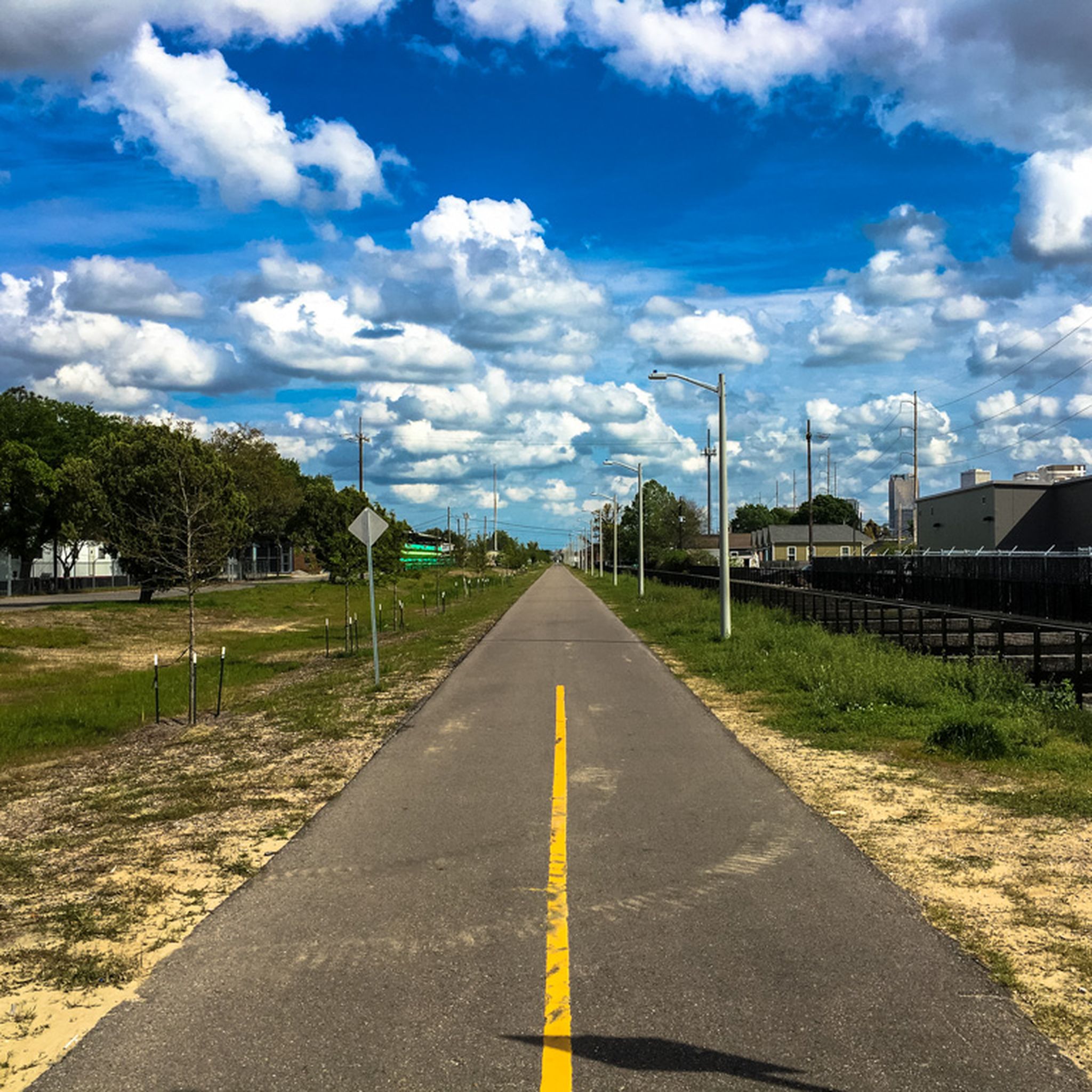
The Lafitte Greenway offers a unique urban hiking experience, transforming a historic transportation corridor into a vibrant linear park. As you walk the 2.6-mile (4.2 km) asphalt or crushed stone path, you'll pass through green spaces adorned with native plants and public art installations, connecting diverse New Orleans neighborhoods. It's an easy route, with only 13 feet (4 metres) of elevation gain, making it suitable for all fitness levels and a pleasant way to explore the city's character.
Planning your trip to the Lafitte Greenway is simple, as it's easily accessible from various points across Orleans Parish. The trail is fully lit, making it safe for evening strolls, and features ADA-compliant ramps and signalized crosswalks for universal access. You can connect to the Greenway via public transport, and its flat terrain means you don't need specialized gear, just comfortable shoes for the roughly 1 hour and 3 minutes it takes to complete.
This trail is more than just a path; it's a significant post-Hurricane Katrina revitalization project, driven by community efforts to create a publicly accessible green space. It incorporates green stormwater management practices, setting a standard for sustainable design in a region prone to flooding. The Greenway also features recreational opportunities like playgrounds and fitness equipment, making it a hub for community activity and a testament to urban renewal.
Get access to more routes and recommendations from other explorers.
Sign up for free
Already have an account?
Our route recommendations are based on thousands of hikes, rides, and runs completed by other people on komoot.
Start today with a free account
Your next adventure awaits.
Login or Signup




Tips from the Community

According to our guide, it's a 5-star restaurant where the dress code must be respected. Just 100 meters away, you can enjoy the same chef's cuisine at the bistro, but without the dress code.
2
0
The French Quarter River Walk in New Orleans is a beautiful walking route along the mighty Mississippi River, right next to the historic French Quarter. This promenade, also known as the Moonwalk, offers a relaxing atmosphere with views of passing steamboats, street musicians, and art installations.
2
0
In New Orleans, you can find the love locks at Love Wins NOLA—a romantic installation near the river, not far from Café du Monde. Instead of a bridge, like in Paris, it's a pier where couples hang their locks as a symbol of eternal love. A wooden sign reads "Love Wins," though the paint is a bit weathered, giving it a charming and authentic feel.
2
0
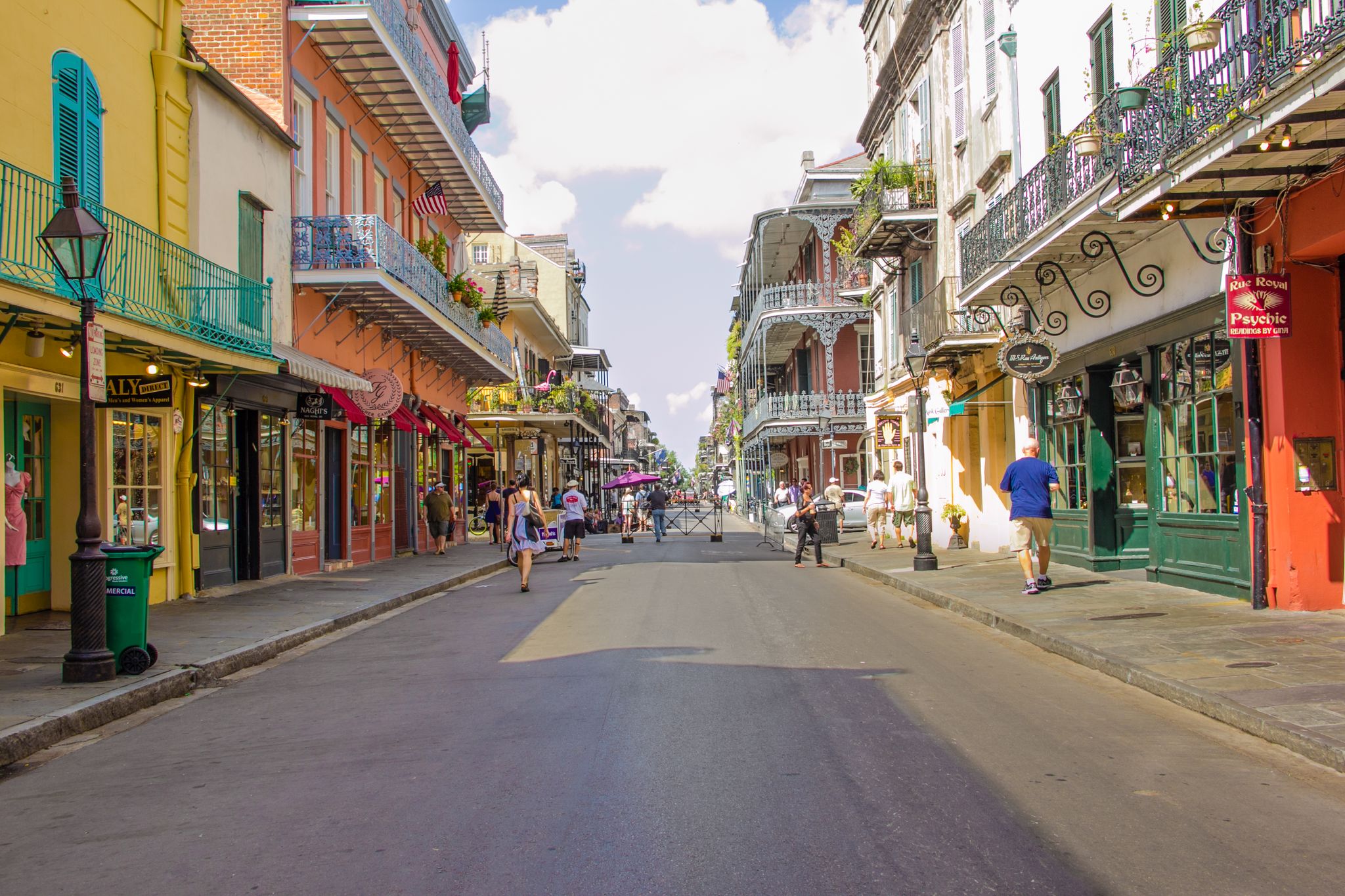
Also known as the Vieux Carré — it is the oldest and most iconic part of the city. This historic heart is bustling with life, with colorful buildings, wrought iron balconies and a mix of French, Spanish and Creole influences.
1
0


Located in the very south of the French Quarter is the market, which is an absolute MUST when visiting the city
4
0

Nice restaurants with some great New Orleans classic foods and live blues music
1
0

Royal Street is one of the original streets in the city and dates back to the early 18th century. The street now has art galleries, antique shops and many buildings showcasing the wrought iron features common in the architecture of New Orleans.
1
0
Frequently Asked Questions
Are there any mountains to hike near New Orleans?
No, the region around New Orleans is exceptionally flat. The landscape consists mainly of wetlands, bayous, and coastal plains. Hikes here explore this unique environment via boardwalks, forest paths, and riverfront promenades rather than elevation gains.
What are the trail conditions like in the New Orleans area?
Most trails are flat and well-maintained. You'll find a mix of paved urban paths, dirt tracks through forests, and elevated boardwalks that cross swamps and marshes, particularly in places like the Jean Lafitte National Historical Park and Preserve.
Can I bring my dog on the hiking trails?
Dog policies vary. While many city parks like Audubon Park are dog-friendly (on-leash), most national parks, preserves, and wildlife refuges such as the Barataria Preserve and Bayou Sauvage do not permit dogs on trails to protect the ecosystem and wildlife. Always check the specific regulations for the park you plan to visit before you go.
What is the best time of year to go hiking around New Orleans?
The best times for hiking are during the fall, winter, and spring months, from October to April. The weather is cooler and less humid, and there are fewer insects. Summer can be very hot and humid with frequent thunderstorms, making hiking less comfortable.
Are there any easy, beginner-friendly hikes?
Yes, the region is perfect for beginners. The vast majority of trails are rated as easy. For a simple but scenic walk, consider the City Park Golf Course loop — New Orleans. It's a flat, paved path in a beautiful urban park setting.
What kind of wildlife can I expect to see?
The wetlands and preserves are rich with wildlife. In places like the Barataria Preserve and Bayou Sauvage National Wildlife Refuge, you have a high chance of spotting alligators, turtles, various snakes, and a wide array of bird species, including herons and egrets. Couturie Forest is also a popular spot for birdwatching.
Are there any good places for a quiet walk in nature?
For a serene experience away from the city buzz, visit Couturie Forest. This tranquil woodland within City Park is a local favorite for peaceful walks and birding. Another option is the Bayou Sauvage National Wildlife Refuge, which offers a more secluded feeling amidst natural wetlands.
What should I wear for a hike in New Orleans?
Wear lightweight, breathable clothing and comfortable walking shoes. Because many trails are near water, insect repellent is essential, especially in warmer months. Sunscreen, a hat, and sunglasses are also highly recommended as many paths have limited shade.
Are there any trails with waterfalls near New Orleans?
There are no significant waterfalls in the immediate New Orleans area due to the flat topography. To find waterfalls, you would need to travel further afield, for example to the Clark Creek Natural Area in Mississippi, which is a considerable drive from the city.
What do other hikers think of the trails around New Orleans?
The area is highly regarded by the komoot community, with an average score of 4.5 stars. Reviewers often praise the unique opportunity to explore Louisiana's wetland ecosystems safely from boardwalks and the accessibility of beautiful green spaces within the city.
How many hiking trails are available around New Orleans?
There are over 60 hiking routes to explore around New Orleans on komoot. The selection ranges from short urban walks through historic districts to longer trails in surrounding nature preserves, with the majority being easy or moderate in difficulty.
Where can I find a good boardwalk trail?
The Barataria Preserve within the Jean Lafitte National Historical Park is famous for its extensive boardwalk trail system. These elevated paths allow you to walk directly over the swamp, offering incredible, up-close views of the cypress forest and its resident wildlife.
Most popular routes around New Orleans
Most popular attractions around New Orleans

Get inspired with the komoot mobile app


Explore more
Browse the best Hikes in other regions.
