The best running trails around Woolpit
4.7
(20)
1,521
runners
191
runs
Jogging around Woolpit offers a diverse experience across its gently rolling landscapes and varied terrain. The region is characterized by undulating land, featuring chalky clays and loams that provide natural inclines and descents. Runners can explore open agricultural vistas with wide views, as well as shaded woodlands and river valleys. These natural features combine with historical sites to create varied running routes.
Best jogging routes around Woolpit
- The most popular jogging route is Running loop from Wetherden, a 5.9 miles (9.5 km) trail that takes about 1 hour to complete. This moderate route offers a good mix of rural scenery.
- Another top favourite among local runners is Running loop from Elmswell, a moderate 9.0 miles (14.5 km) path. This route leads through agricultural lands, providing open views of the Suffolk countryside.
- Local runners also love the Running loop from Woolpit, a 3.8 miles (6.1 km) trail leading through the village surroundings, often completed in about 40 minutes.
- Jogging around Woolpit is defined by gently undulating terrain, open agricultural vistas, and nearby woodlands. The network of running routes offers options for different ability levels, from shorter village loops to longer trails through the countryside.
- The routes in Woolpit are highly rated by the komoot community with an average score of 4.6 stars from over 10 reviews. More than 1400 runners have used komoot to explore Woolpit's varied terrain.
Last updated: June 24, 2026
36
runners
9.47km
00:59
50m
50m
Moderate run. Good fitness required. Mostly paved surfaces. Suitable for all skill levels.
10
runners
14.5km
01:30
40m
50m
Moderate run. Good fitness required. Mostly paved surfaces. Suitable for all skill levels.

Sign up for free
10
runners
Moderate run. Good fitness required. Mostly paved surfaces. Suitable for all skill levels.
7
runners
7.01km
00:44
40m
40m
Moderate run. Good fitness required. Mostly paved surfaces. Suitable for all skill levels.
7
runners
5.40km
00:34
30m
30m
Moderate run. Good fitness required. Mostly paved surfaces. Suitable for all skill levels.
Get access to more routes and recommendations from other explorers.
Sign up for free
Already have an account?
Our route recommendations are based on thousands of hikes, rides, and runs completed by other people on komoot.
Start today with a free account
Your next adventure awaits.
Login or Signup

Tips from the Community

Lovely setting, in a converted farm building by a small lake next to a caravan/motorhome campsite. 50m off the main road down a smooth and level gravel driveway. Indoor seating or outdoor picnic tables by the lake. Open 9.30am-4pm, Tue-Sat.
0
0

A very peaceful churchyard. Well worth a visit
1
0
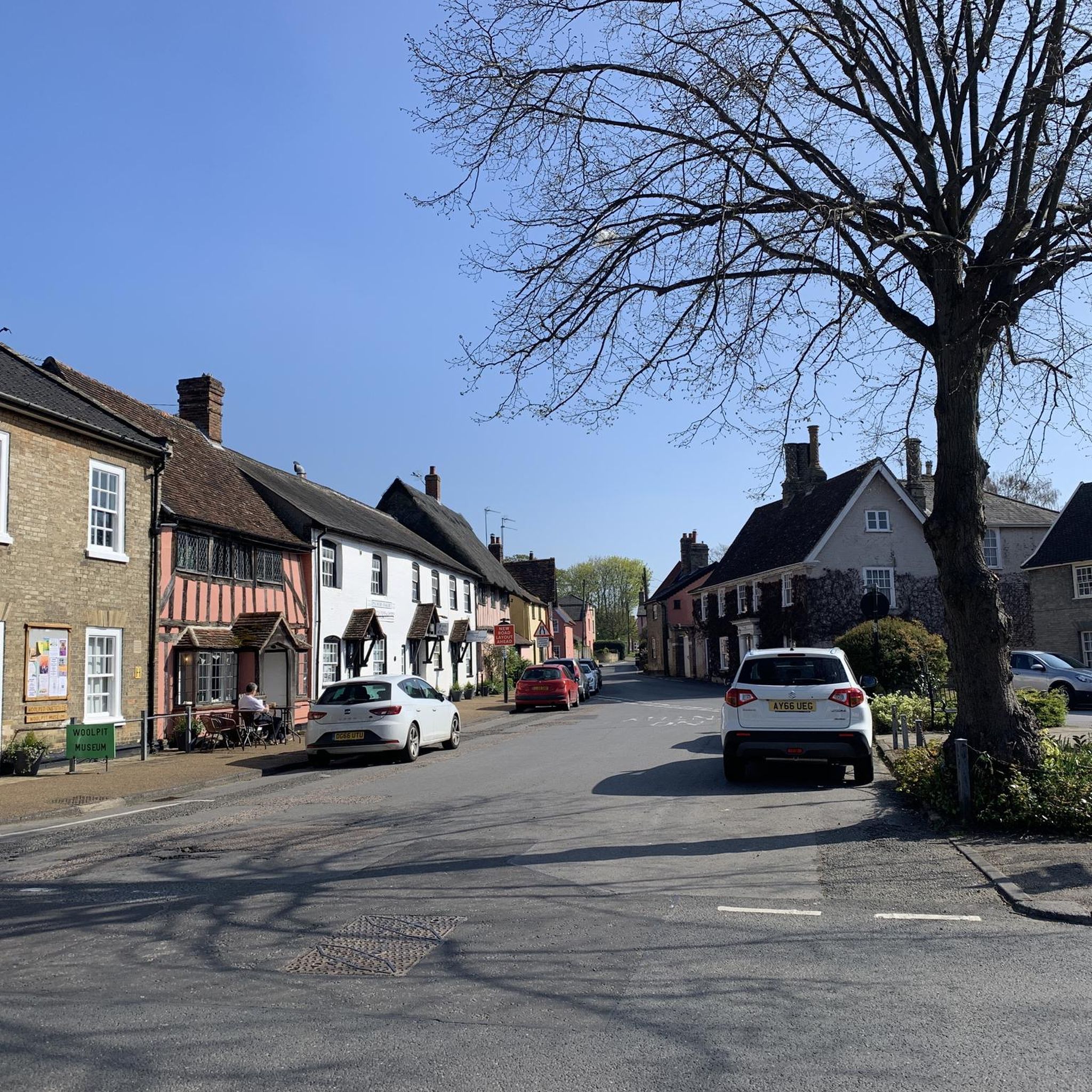
Lovely picturesque village centre with a co-op, a tea room (10-4.30, closed Sun & Mon) and a fish & chip shop (lunchtimes and after 5pm, closed Sun).
0
0

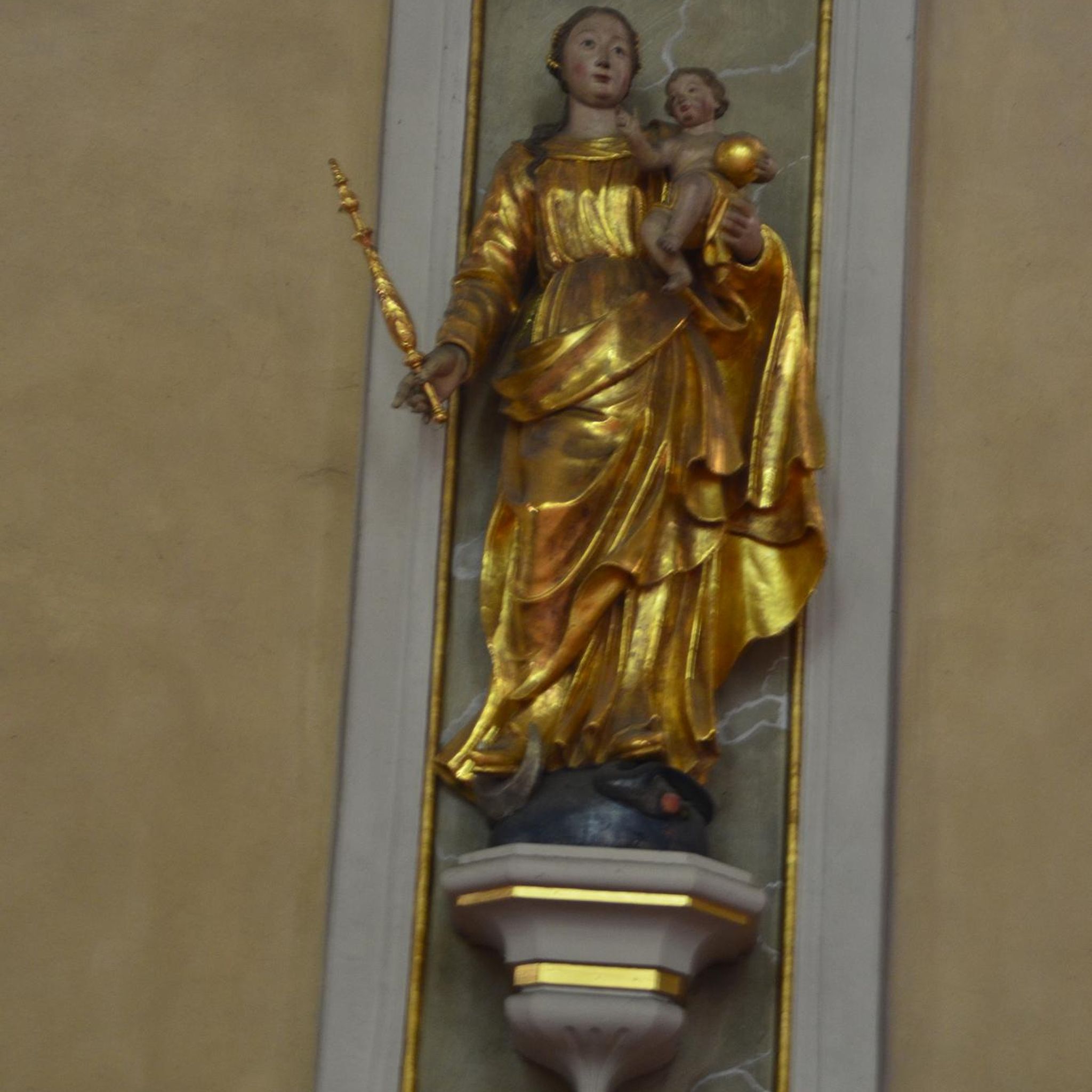
15th century double-hammerbeam angel roof The church of The Blessed Virgin Mary in Woolpit is one of the great medieval churches of Suffolk, a county blessed with some of the finest country churches in England. Like so many other Suffolk villages Woolpit owes its superb church to the wealth of the medieval wool trade, but there was a church on this spot centuries before Suffolk wool merchants gained their wealth. The earliest record of a church at Woolpit comes from AD 1005 when the Earl of the East Angles gave the church and manor here to the Shrine of St Edmund at Beodricsworth (Bury St Edmunds). The church remained the property of the Abbey until the Dissolution of the Monasteries. The Woolpit church originally sent 10 marks worth of tithes to support the monks of Bury, but at some point in the medieval period this sum claimed by the crown. The monks of St Edmundsbury Abbey were furious, and determined to seek reparation. Two monks disguised themselves as Scottish pilgrims and without permission left the abbey and made the long journey to Rome, where they sought and obtained a Papal charter affirming their right to the money. They were attacked and robbed on their return journey, but one of the monks hid the charter in his mug, and so preserved it. The pair's belongings had been stolen, so they had no choice but to beg their way back to the abbey. The Papal charter did the trick, however, and Woolpit's tithe once more went to help maintain sick monks. Shortly before 1087, a new church was built at the behest of Abbot Baldwin. The only remaining feature of this Norman building is the priest's door in the south wall of the chancel. The double-hammerbeam angel roof OUR LADY OF WOOLPIT Woolpit became a destination for pilgrims during the medieval period, when it held a richly decorated statue of Our Lady in its own chapel. No trace of this chapel now survives but it was probably on the north side of the chancel, where the vestry now stands. Alternatively, it may have stood at the east end of the south aisle. Pilgrims began arriving at least as early as 1211 when the Bishop of Norwich ordered that their offerings be given to St Edmundsbury Abbey. The Shrine of Our Lady of Woolpit became extremely popular during the 15th and 16th centuries. Henry VI visited twice, and Queen Elizabeth of York, wife of Henry VII, ordered that a pilgrimage be made on her behalf in 1501. In 1538 Henry VIII ordered that Catholic images be destroyed, and it seems likely that the statue was pulled down at that time. in 1551 the Court of Augmentation ordered that the chapel itself be pulled down and the material sold. A curious scene took place at Woolpit during the tumult of the English Civil War. The incumbent rector was John Watson, and when he was ordered to accept the new Puritan style of worship he refused. He was removed from his living, and the Earl of Manchester sent armed men to enforce the order. The village split into two factions, and a furious melee broke out in the church. The rector was removed, and retired to Norfolk where he died shortly after. St Mary's is worth visiting for its superb double-hammerbeam roof, decorated with carved figures of angels. Iconoclast William Dowsing did his best to destroy the angels in 1644. His deputy found 80 'superstitious Pictures' some of which he destroyed and others he ordered to be taken down. Many of the angel's heads were defaced but these were sensitively restored in the 19th century. Other highlights include beautifully carved medieval bench ends decorated with a wide variety of carved figures. These figures probably survived because the Puritans considered them heraldic symbols rather than religious. Eye-catching figures include griffins and a very mournful looking dog. Another highlight is a finely crafted south porch dating to 1430-1455. Over the porch arch is a parvise, a small chamber possibly used for storing important documents. The porch roof is vaulted with exceptionally detailed lierne vaulting and decorated bosses. The eagle lectern is a rare early Tudor relic, made around 1520 and one of just 20 surviving examples made to accept a chained Bible. A local tradition suggests that Elizabeth I gave the lectern to the church, though there is no proof of this. The queen did visit nearby Haughley Park in 1600 and sent one of her knights to visit Woolpit on her behalf. It is certainly possible that he gave the parishioners money that was used to buy the lectern. The screen is 15th century, though the gates are Jacobean. The screen is painted and gilded and retains the medieval beam made to hold the rood, or crucifix. The base of the screen is painted with figures of saints including St Withburga, St Edmund, St Etheldreda, and St Felix. The face of St Felix is actually a portrait of Henry Page, the serving rector at the time of the Victorian restoration. Over the arch is a beautifully vaulted painted dedication board, decorated with figures of angels. The large east window is a beautiful example of Decorated Gothic style, with reassembled fragments of medieval glass in the upper lights. Each end of the chancel choir stalls has a bench end with an intricate figure of a Green Man. Set against the wall is a fascinating carving of a woodwose, a wild man of the woods figure found throughout East Anglia. Most of the building is Perpendicular Gothic, dating from the mid-15th century but the chancel and south aisle are 14th century. The tower and spire were added in the 1850s by architect Richard Phipson after the medieval originals were damaged by lightning. This is actually the third tower; the first was damaged in a thunderstorm in 1602 and the second was blown down in a hurricane in 1703.
1
0
Well preserved medieval church, with some evidence of an even earlier church, which is full of references to the village history. Open the 14th century south door and imagine this door handle turning every day since 1340. Inside is the Purbeck marble font, recut from one predating the 1340 church. Are this and several romanesque carved stones in the arcade bases from the earlier church listed in the Doomsday Book? View the finely carved rood screen (1460-80), ogee arched, double sided and painted. The Lavers & Barraud east window is amongst the finest high Victorian stained glass in East Anglia. In the traceries of other windows are rescued pieces of medieval painted glass. Chancel memorials commemorate the 17th and 18th century Grigby family of Drinkstone Park and others who were killed by gunshot or drowned at sea. The fine carving of iconic animals and figures on the wooden pews are the work of Thomas Wormald of Bury St Edmunds. The associations of the church go back to the famous Norman Louvaine, Bohun and Burchier 14th and 15th century families.
0
0
A very imposing commemorative pump in the centre of the village of Woolpit, Suffolk, erected to mark the Jubilee of Queen Victoria. Each wooden pillar carries the carved wooden effigy of a renowned British queen, and the pump itself is capped by what seems to be a lion couchant - or maybe it's a dog couchant. The pump is in a boxed wooden housing, with a padlocked inspection door at the back, and the wrought iron handle with its system of levers, is chained. There's some decorative ironwork on the wooden housing, some of which has been lost, especially around the spout. The spout itself is made of lead. Around the top of the pump, each face in turn carries the words: "All noblest things are still the commonest"; "Every place has"; "Water light and air and"; God's abounding grace". The front face carries a carved crown and the inscription:A Well of Remembrance Victoria By the Grace of God Queen and Empress 1837 1897
1
0
The legend of the "'green children of Woolpit'" concerns two children of unusual skin colour who reportedly appeared in the village of Woolpit in Suffolk, England, sometime in the 12th century, perhaps during the reign of King Stephen. The children, brother and sister, were of generally normal appearance except for the green colour of their skin. They spoke in an unknown language and would eat only raw broad beans. Eventually, they learned to eat other food and lost their green colour, but the boy was sickly and died soon after he and his sister were baptised. The girl adjusted to her new life, but she was considered to be "rather loose and wanton in her conduct. After she learned to speak English, the girl explained that she and her brother had come from Saint Martin's Land, a subterranean world inhabited by green people. At harvest time, one day during the reign of King Stephen (r. 1135–1154) according to William of Newburgh the villagers of Woolpit discovered two children, a brother and sister, beside one of the wolf pits that gave the village its name. Their skin was green, they spoke an unknown language, and their clothing was unfamiliar. Ralph reports that the children were taken to the home of Richard de Calne. Ralph and William agree that the pair refused all food for several days until they came across some raw broad beans, which they consumed eagerly. The children gradually adapted to normal food and in time lost their green colour. The boy, who appeared to be the younger of the two, became sickly and died shortly after he and his sister were baptised. After learning to speak English, the children—Ralph says just the surviving girl—explained that they came from a land where the sun never shone and the light was like twilight. William says the children called their home St Martin's Land; Ralph adds that everything there was green. According to William, the children were unable to account for their arrival in Woolpit; they had been herding their father's cattle when they heard a loud noise (according to William, the bells of Bury St Edmunds) and suddenly found themselves by the wolf pit where they were found. Ralph says that they had become lost when they followed the cattle into a cave and, after being guided by the sound of bells, eventually emerged into our land. According to Ralph, the girl was employed for many years as a servant in Richard de Calne's household, where she was considered to be "very wanton and impudent". William says that she eventually married a man from King's Lynn, about 40 miles (64 km) from Woolpit, where she was still living shortly before he wrote. Based on his research into Richard de Calne's family history, the astronomer and writer Duncan Lunan has concluded that the girl was given the name 'Agnes' and that she married a royal official named Richard Barre.
0
0

Stunning church with wonderful carved wooden gargoyles and angels inside and beautiful graveyard outside
0
0
Frequently Asked Questions
How many running routes are available around Woolpit?
There are nearly 200 running routes available around Woolpit, offering a wide variety of options for different preferences and fitness levels. These include routes suitable for all abilities, from easy strolls to more challenging runs.
What kind of terrain can I expect on running trails in Woolpit?
The terrain around Woolpit is characterized by gently rolling landscapes, featuring chalky clays and loams. You'll find natural inclines and descents, open agricultural vistas, and opportunities to run through woodlands and river valleys. This varied topography provides an engaging challenge without being overly strenuous.
Are there any easy or beginner-friendly jogging routes in the area?
Yes, Woolpit offers routes suitable for beginners. While many routes are moderate, there are 15 easy routes available. These paths often feature accessible surfaces, making them suitable for a wide range of joggers. For example, the Running loop from Woolpit is a moderate 3.8-mile trail that provides a good introduction to the village surroundings.
Can I find long-distance running trails near Woolpit?
Absolutely. For those looking for longer runs, routes like the Running loop from Elmswell offer a substantial distance of 9.0 miles (14.5 km) through agricultural lands, providing expansive views of the Suffolk countryside.
Are there any circular running routes around Woolpit?
Yes, many of the running routes in Woolpit are circular, allowing you to start and finish at the same point. Examples include the Running loop from Wetherden, the Running loop from Elmswell, and the Clayhill Wood loop from Woolpit, all designed as loops for convenience.
What interesting landmarks or sights can I see while running in Woolpit?
Jogging around Woolpit allows you to appreciate its picturesque village center with historic timber-framed houses. You can also spot the distinctive spire of St Mary's Church, Woolpit. The area also features natural spots like Lady's Well Nature Reserve, an ancient moated enclosure, and views towards Woolpit Wood and Drinkstone Park.
What do other runners enjoy most about jogging in Woolpit?
The running routes in Woolpit are highly rated by the komoot community, with an average score of 4.6 stars from over 19 reviews. Runners often praise the diverse experience offered by the gently rolling landscapes, varied terrain, and the mix of open agricultural vistas with shaded woodlands. The blend of historical architecture and natural beauty also enhances the experience.
Are there any running routes that pass through woodlands or natural reserves?
Yes, the area around Woolpit includes woodlands and natural features. The parish lies between tributaries of the Black Bourn and near the Rattlesden River valley. You can find views towards Woolpit Wood to the east and the trees of Drinkstone Park to the west, suggesting opportunities for shaded runs. Nearby Bradfield Woods National Nature Reserve also offers natural woodland environments.
Is Woolpit a good place for family-friendly running or walks?
Woolpit's gently undulating terrain and accessible paths make it suitable for family-friendly activities. While specific 'family-friendly' routes aren't explicitly categorized, the variety of shorter, easier routes, such as the Running loop from Woolpit, can be enjoyed by families looking for a less strenuous outing.
What is the best time of year to go running in Woolpit?
Woolpit's gently rolling landscapes and varied terrain are enjoyable throughout the year. Spring and autumn offer pleasant temperatures and vibrant scenery. Summer provides longer daylight hours, while winter runs can be invigorating, though some trails might be muddier. The open agricultural lands offer wide views regardless of the season.
Are there any routes that offer scenic viewpoints?
The agricultural lands around Woolpit provide wide, open views across the countryside. You can often see the spire of St Mary's Church from a distance, serving as a charming landmark. Routes like the Running loop from Elmswell offer expansive vistas of the Suffolk landscape.
Are there specific routes to avoid if I want to minimize muddy conditions?
While the area features chalky clays and loams, which can become muddy after rain, routes with more paved surfaces or well-maintained paths will generally be less prone to mud. For specific conditions, it's always best to check local weather and recent trail reports. The Suffolk Orienteering Club also provides a 5km route within the village itself, designed to use public roads and paths, which might offer firmer ground.
Most popular attractions around Woolpit

Get inspired with the komoot mobile app


Explore more
Browse the best Running Trails & Routes in other regions.
