Attractions and Places To See around Derryane - Top 8
Best attractions and places to see around Derryane include a diverse range of natural landscapes and historical sites. The region is characterized by its significant freshwater bodies, such as Lough Neagh, and historical structures like ancient castles. Visitors can explore various viewpoints, trails, and cultural landmarks that offer insights into the area's heritage and natural beauty.
Best attractions and places to see around Derryane
- The most popular attractions is Maghery Footbridge at Lough Neagh, a viewpoint that offers great…
Last updated: August 31, 2026
Maghery Footbridge at Lough Neagh
Highlight • Viewpoint
Showing Translation
Tip by

Lough Neagh
Highlight • Natural
Translated by Google •
Tip by

Sign up now to discover places like this
Get recommendations on the best single tracks, peaks, & plenty of other exciting outdoor places.
Sign up for free
Blackwater River Walk
Highlight (Segment) • Trail
Tip by

Loughgall Country Park Lake
Highlight • Trail
Translated by Google •
Tip by
Mountjoy Castle
Highlight • Historical Site
Translated by Google •
Tip by

Sign up for free to discover even more attractions around Derryane.
Sign up for free
Already have an account?
Start today with a free account
Your next adventure awaits.
Login or Signup
Popular around Derryane
Tips from the Community

For cyclists following the 'Lough Neagh Cycle Way' (National Cycle Route 94), the Maghery footbridge is an iconic resting point and an essential link. This elegant, modern bridge spans the mouth of the Upper Bann as it enters the lough.
8
0
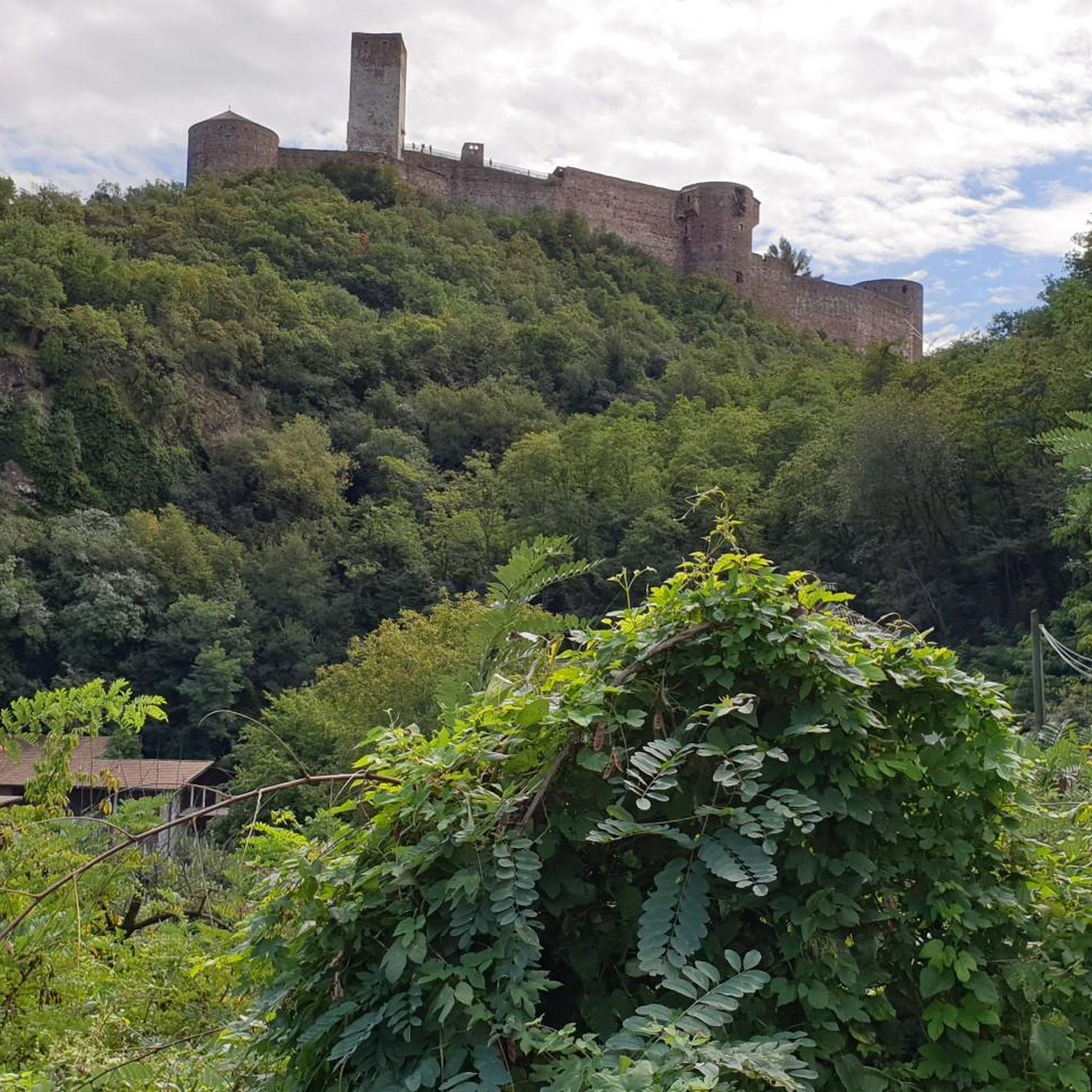
On the banks of Lough Neagh, near the village of Brockagh, you will find the impressive ruin of Mountjoy Castle. This castle was built between 1602 and 1605 by Lord Mountjoy and served at the time as a crucial military stronghold during the turbulent years of the Nine Years' War. Unique is the special combination of building materials: the lower floor is constructed from rough natural stone, while the upper floor consists of locally fired red brick. Although the castle has been a ruin since 1648, the central block and the characteristic arrow-shaped corner towers are still clearly recognizable in the landscape.
8
0

The Maghery Footbridge on the edge of Lough Neagh offers a small moment of peace in the midst of the expansive landscape. As you cross the bridge, your gaze glides over the gentle waters of the largest lake in the British Isles. In good weather, the clouds are impressively reflected on the surface of the water, making the scene look almost like a painting. Even when the sky is cloudy, the lake has a special atmosphere that invites you to linger rather than to quickly pass by. The paths around the bridge are mostly flat, but you should be prepared for occasional sections with unpaved surfaces. This could be a bit slippery, especially in wet weather, but this is not a problem. The connection to the National Cycle Network, Route 94, also offers you many other opportunities to explore the area. A little tip: Maghery itself does not have much to offer apart from the bridge, but a short detour to the nearby Oxford Island nature reserve is definitely worth it. This means you can easily combine a visit to the bridge with a larger circular tour.
4
0
Lough Neagh is a real gem for cyclists, especially if you enjoy pedalling along the water. The paths around the lake offer a varied mix of rolling shoreline landscapes, gravel paths and beautiful viewpoints that give you a different perspective of the water every time. What makes this place special is not just the nature, but also the stories that are in the air here - from sunken kingdoms to legendary giants who are said to have created the lake with a single throw. The atmosphere here changes constantly with the weather: on clear days the water sparkles in the sun, while clouds cast a mystical veil over the lake. The picnic areas along the shore invite you to take a short rest and watch the swans and ducks gliding leisurely across the surface. But not everything is idyllic - recent environmental problems such as the blue-green algae plague are a constant theme. It shows that this magical place needs care and attention to maintain its charm. The best way to do this is on a bike that can handle going off the beaten track. The wind can sometimes blow strongly across the lake, which requires a bit of extra energy, but you will be rewarded with great views. A tour around Lough Neagh combines history, nature and small adventures - an experience that always reveals new facets.
2
0
At Loughgall Country Park you can expect a varied mix of gravel, concrete and cobbled paths that meander through quiet woodland. The trees cast long shadows on the ground, especially in autumn when the leaves glow in warm tones and crackle under your tires. The nearby lake with its still waters invites you to linger - it is often full of anglers trying their luck at coarse fishing. For a short breather, it is worth stopping at the café, which offers you the opportunity to enjoy the peaceful atmosphere with a cup of tea. The golf course on site provides additional variety if you want to experience a little nature away from the cycle paths. A quiet place that impresses with its variety and is ideal for a relaxed round on the bike without being too demanding.
2
0
The Blackwater Riverwalk along The Argory Estate is like a walk through time. You stroll along the banks of the Blackwater, surrounded by flowering meadows and the gentle sounds of nature. The riverside promenade is an invitation to simply unwind. You might spot a kingfisher gliding across the water at lightning speed, or linger for a moment at one of the old kissing gates that make this walk so charming. Bond's Bridge, an industrial-era bridge, is a real reminder of the area's history. It not only connects two banks, but also the past with the present. As you continue walking, you'll feel the air of history that accompanies you here as the river flows along at its tranquil rhythm. If you're arriving by car, there is free parking at Bond's Bridge, although spaces are limited. Alternatively, you can park in The Argory Estate car park if you're visiting the National Trust. In any case, it is worth enjoying this idyllic route at your own pace.
1
0

Lough Neagh is the largest freshwater lake in the UK and Ireland, it contains over 800 billion gallons of water. Lough Neagh has a unique and diverse habitat with many rare species of plants, bugs, waterfowl, birds and fish. But it isn’t just the wildlife and the beauty of the landscape that make Lough Neagh so unique. It is also the colourful myths and legends. It is said to have its very own Atlantis! According to myth the people of one of the kingdoms of ancient Ireland had a magical spring of freshwater. When the people became greedy the spring rose up and flooded the kingdom, leaving an underwater city beneath.
1
0
In the shadow of Northern Ireland's vast skies, the mysterious Mountjoy Castle rises on a hill above Lough Neagh. This ruined castle, whose Irish name "Caisleán Mhuinseo" whispers into the wind, stands like a proud sentinel in the village of Mountjoy, County Tyrone. The castle was built in 1602 by order of Charles Blount, 1st Earl of Devonshire and 8th Baron Mountjoy. But times have not always been kind to this building: as early as 1643, a devastating fire left scars on the walls of the castle. What remained is a two-story brick building with the ground floor clad in stone. The architecture speaks of a time of defense and vigilance - a central rectangular block protected by four spear-shaped towers, crisscrossed by embrasures. The north-western tower testifies to the fragility of time - partially collapsed, while the western curtain wall has lost its presence. The entrance, once on the south side of the eastern curtain wall, seems to whisper stories of days gone by, while wide windows on the upper floor capture the eyes of visitors. Unfortunately, an extension at the back keeps some of the castle's secrets hidden, and the interior area is closed to visitors' eyes. But even in its ruined state, Mountjoy Castle embodies the soul and history of Northern Ireland. Not only is it a State Care Historic Monument in the townland of Magheralamfield in the Mid Ulster District, but it is also a silent testament to time, inviting every walker to pause for a moment and listen to the whispers of history.
4
0
Frequently Asked Questions
What natural features and viewpoints can I explore around Derryane?
Derryane offers a variety of natural beauty. You can visit Lough Neagh, the largest freshwater lake in the UK and Ireland, which provides varied shoreline landscapes and viewpoints. The Maghery Footbridge at Lough Neagh offers peaceful views over the expansive water. Additionally, the Blackwater River Walk takes you along the scenic Blackwater River, and Loughgall Country Park Lake features tranquil woodland and a lake.
Are there any significant historical or cultural sites to visit in the Derryane area?
Yes, the region is rich in history. You can explore the ruins of Mountjoy Castle, a 17th-century structure located on a hill above Lough Neagh. Further afield, Derrynane is home to the ancestral home of Daniel O'Connell, Derrynane House and National Historic Park, which is now a museum. You can also find the ruins of the 6th-century Derrynane Abbey (Ahamore Abbey) on Abbey Island, accessible at low tide.
What family-friendly activities are available around Derryane?
Many attractions cater to families. Lough Neagh offers gentle paths and picnic areas perfect for a family outing. The Blackwater River Walk is also family-friendly, with flowering meadows and easy trails. At Loughgall Country Park Lake, you'll find woodland paths, a cafe, and facilities. The Derrynane National Historic Park Gardens feature a 'Derrynane Fairy Trail' among its subtropical plants, and Derrynane Beach has shallow swimming areas and a lifeguard during summer.
Are there good walking or hiking trails near Derryane attractions?
Absolutely. The Blackwater River Walk offers a lovely stroll through The Argory estate. The Derrynane National Historic Park features walking trails through woodlands towards the beach. For a more historical walk, consider the Derrynane Mass Path, which Daniel O'Connell himself once used, offering spectacular views. You can find more options for running and walking trails in the area by exploring the Running Trails around Derryane guide.
What cycling opportunities are there around Derryane?
Derryane is a great area for cycling. The paths around Lough Neagh offer a varied mix of shoreline landscapes and gravel paths, connecting to the National Cycle Network, Route 94. Loughgall Country Park Lake also has gravel, concrete, and paved paths through quiet woodland suitable for relaxed cycling. For more detailed routes, check out the Cycling around Derryane guide and the Road Cycling Routes around Derryane guide.
Can I enjoy water sports or activities in Derryane?
Yes, Derrynane Bay is ideal for water sports due to its calm, sheltered waters. You can enjoy activities such as kayaking, stand-up paddleboarding, and sailing. The beautiful Derrynane Beach also offers crystal-clear waters and shallow swimming pools, especially at low tide.
Where can I go for wildlife spotting around Derryane?
The diverse habitats around Derryane offer opportunities for wildlife spotting. Lough Neagh is known for its unique habitat with many rare species of plants, bugs, waterfowl, and fish. The Blackwater River Walk is a good spot to look for fluttering Kingfishers. Dolphins are sometimes spotted in Derrynane Bay, and Abbey Island and Lamb's Island are important breeding grounds for seabirds.
Are there any less crowded walks or hidden gems in the area?
For a unique and less crowded experience, explore the Derrynane Seashore Nature Trail. This 1.2-kilometer looped trail is considered a hidden gem, offering insights into local fauna, flora, geology, and history around Derrynane Bay. The area around Maghery Footbridge also offers a peaceful moment, with a recommended detour to the nearby Oxford Island nature reserve for more quiet exploration.
What is the best time to visit Derryane?
The summer season is particularly popular, especially for activities like swimming at Derrynane Beach, where lifeguards are on duty. Sightseeing trips to the Skellig Islands are also available during the summer, weather permitting. The Derrynane National Historic Park Gardens, warmed by the Gulf Stream, are beautiful to visit when plants are in full bloom.
Are there places to eat or drink near the attractions?
Yes, at Loughgall Country Park Lake, there is a cafe on-site where you can enjoy a break. While specific cafes or pubs are not detailed for every attraction, the general area around Derrynane and nearby Caherdaniel will offer options.
What kind of geology can be observed around Derrynane?
The rocks around Derrynane are part of the Iveragh Old Red Sandstone, which formed approximately 370 million years ago. This geological formation indicates that Ireland once experienced a much hotter and drier climate.
Are there any ancient forts or inscribed stones to see?
Yes, the region features ancient structures. Approximately 7 kilometers east of Derrynane, you can find Staigue Fort, considered one of Ireland's finest examples of an ancient stone ringfort. Loher Cashel, another stone ringfort, is about 4 km northwest. An ancient Ogham Stone, an inscribed stone, is also accessible at any time of day.
Most popular routes around Derryane
Most popular attractions around Derryane

Get inspired with the komoot mobile app


Explore more
Still not found the Highlight you’re looking for? See guides of the top attractions in other regions:
