The best walks and hikes around Pantà de la Baells
4.6
(629)
5,575
hikers
282
hikes
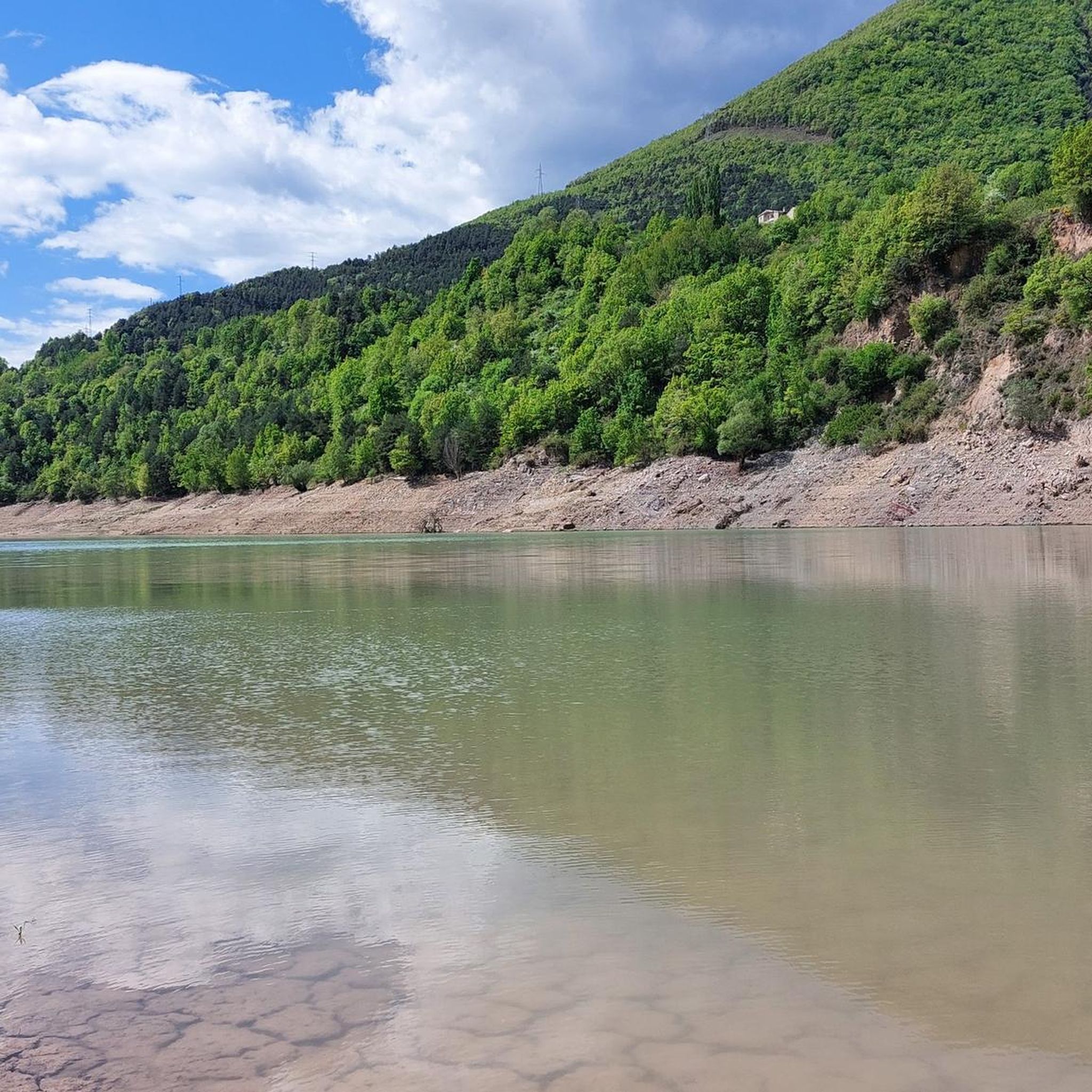
Hiking around Pantà de la Baells offers diverse landscapes in the Berguedà region of Catalonia. The area is characterized by the reservoir, which is surrounded by verdant hills and dense forests. It is situated between the pre-Pyrenean mountain ranges of Catllaràs, Figuerassa, and Arades, providing mountainous terrain and panoramic views. The landscape features a mix of water, forests, and elevated viewpoints.
Best hiking trails around Pantà de la Baells
- The most popular hiking route is Salga Aguda – Summit of the Mountain loop from Vilada, a 3.5 miles (5.6 km) difficult trail that takes 2 hours 51 minutes to complete. This route features significant elevation gain through forested areas.
- Another top favourite among local hikers is Sant Jordi de Cercs Hermitage loop from Cercs, a moderate 4.1 miles (6.6 km) path. This trail explores the area around the historic hermitage, offering views of the reservoir and surrounding hills.
- Local hikers also love the Serrat de Migdia loop from Vilada, a 5.0 miles (8.1 km) trail leading through varied terrain including forests and open viewpoints, often completed in about 3 hours 23 minutes.
- Hiking around Pantà de la Baells is defined by its reservoir, verdant hills, and pre-Pyrenean mountain ranges. The network offers options for different ability levels, from easy walks to more challenging ascents.
- The routes in Pantà de la Baells are highly rated by the komoot community with an average score of 4.6 stars from more than 500 reviews. More than 5000 hikers have used komoot to explore Pantà de la Baells's varied terrain.
Last updated: August 18, 2026
4.8
(6)
35
hikers
5.62km
02:52
460m
460m
Hard hike. Good fitness required. Sure-footedness, sturdy shoes and alpine experience required.
4.6
(5)
20
hikers
6.43km
02:06
280m
280m
Moderate hike. Good fitness required. Easily-accessible paths. Suitable for all skill levels.

Sign up for free
4.5
(4)
23
hikers
8.07km
03:23
470m
470m
Moderate hike. Good fitness required. Mostly accessible paths. Sure-footedness required.
4.5
(2)
13
hikers
5.60km
02:54
470m
470m
Hard hike. Good fitness required. Sure-footedness, sturdy shoes and alpine experience required.
4.5
(2)
12
hikers
17.5km
06:10
840m
830m
Hard hike. Very good fitness required. Mostly accessible paths. Sure-footedness required.
Get access to more routes and recommendations from other explorers.
Sign up for free
Already have an account?
Our route recommendations are based on thousands of hikes, rides, and runs completed by other people on komoot.
Start today with a free account
Your next adventure awaits.
Login or Signup
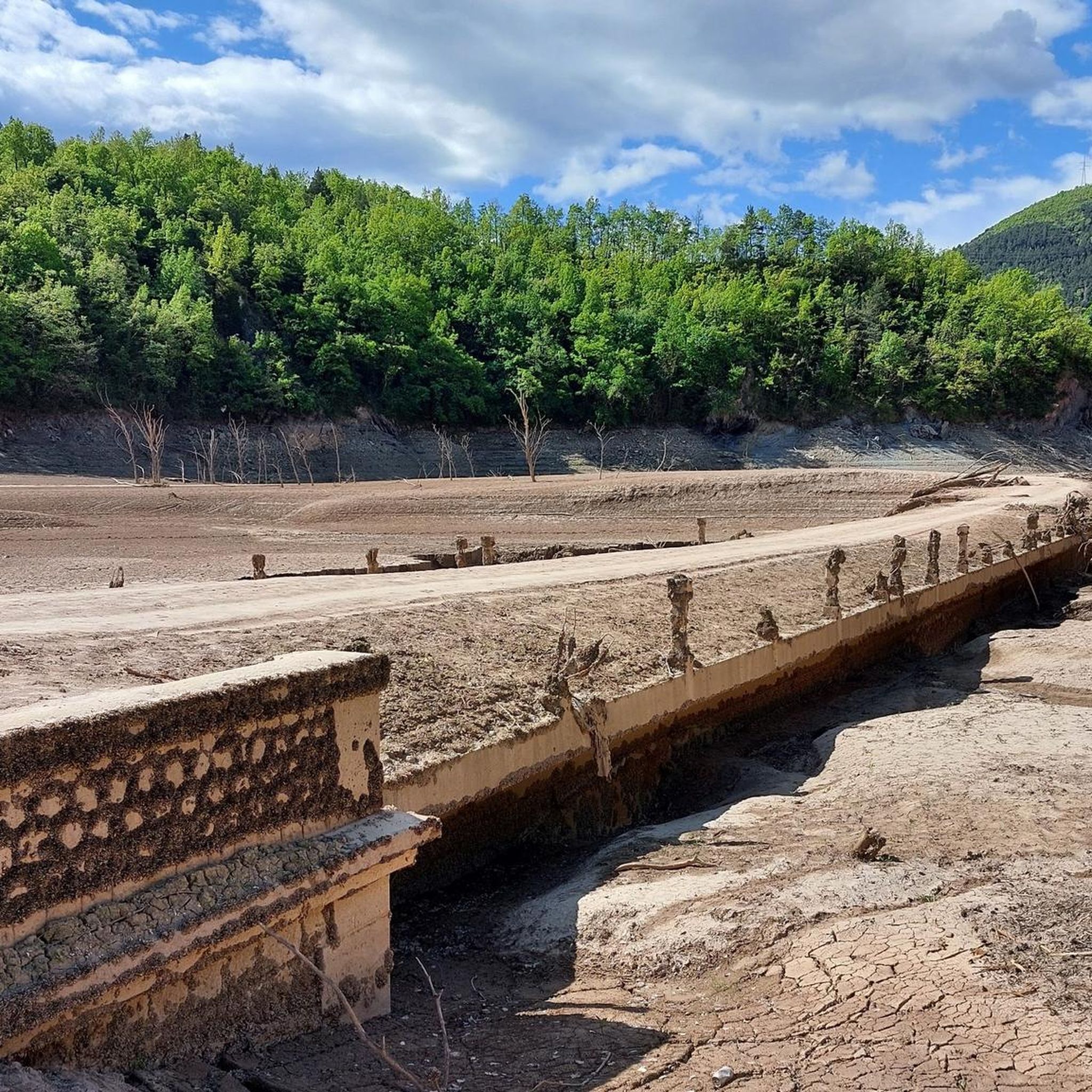
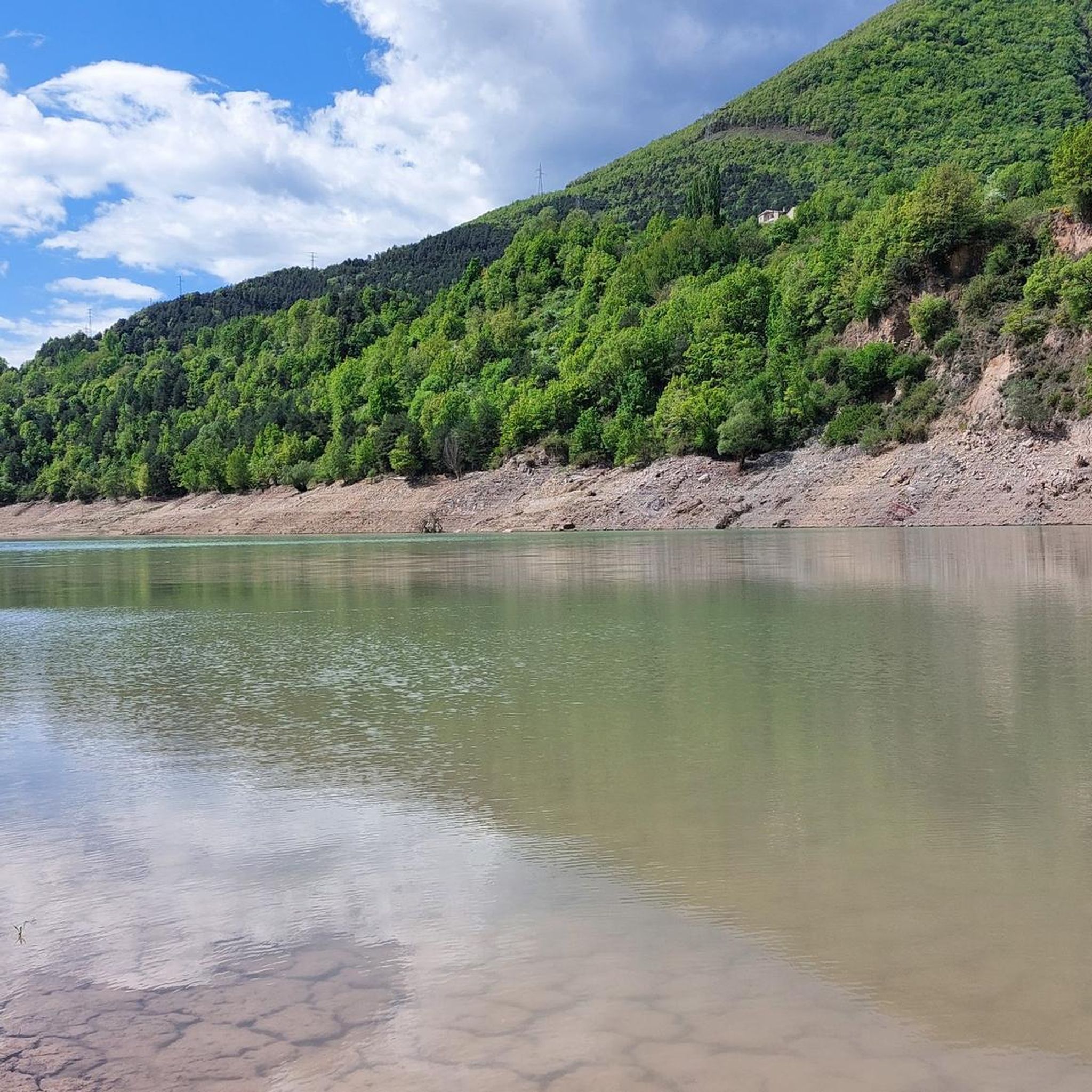
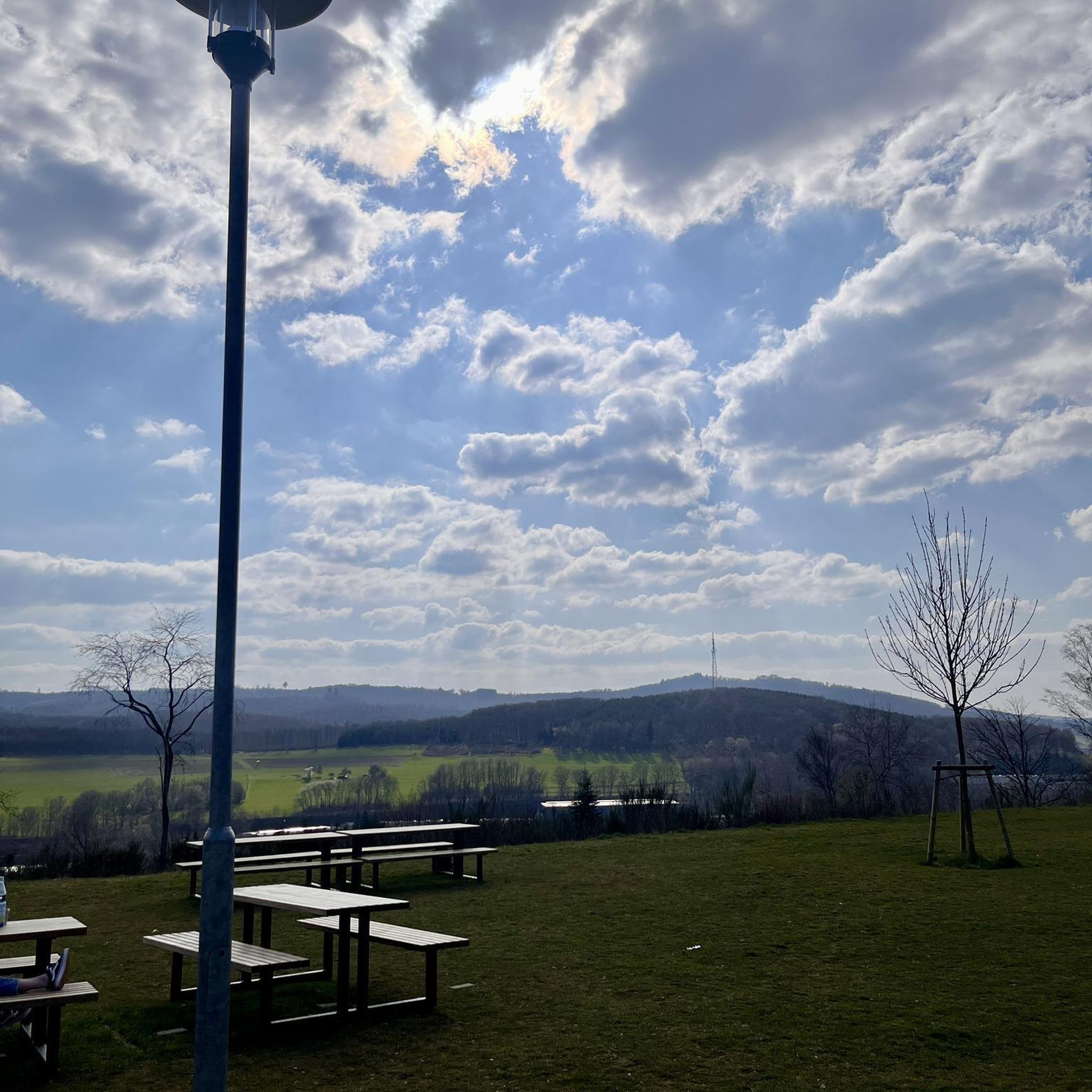
Tips from the Community

The Mina dels Graus Located in the mountainous surroundings of Peguera, in the municipality of Fígols (Berguedà), the Mina dels Graus is part of the 20th century mining heritage linked to the exploitation of lignite in the region. This mine, despite not being large, played a key role in the logistics network that connected the different operations of Peguera with the mining colony of Cercs. One of the most outstanding elements of the area is the tunnel of Graus, excavated directly into the rock and with a length of approximately 10 meters. This tunnel allowed the passage of the mining railway, which transported coal from the mines to the station of Fígols. The surroundings also preserve vestiges of hoppers, deposits and other structures related to the transport and storage of coal. The Mina dels Graus was part of a complex network of infrastructures that included cable cars, inclined planes and railways, designed to facilitate the movement of the mineral in steep and difficult-to-access terrain. It was a strategic link between the Graell cable car and the Realidad mine, which connected the various operations. Today, the area is accessible via different hiking and mountain bike routes, and has become a place of interest for lovers of nature, industrial history and mining heritage. The Mina dels Graus is a silent witness to a time when mining was the economic engine of Berguedà and a key player in the transformation of the territory.
0
0

Romanesque hermitage from the 12th century, with a single nave with a semicircular apse covered with a quarter sphere. Although the original construction dates from the 12th century, it was modified in the 13th century, with a new, slightly pointed vault. In the 17th century, two chapels were built near the apse, covered with a barrel and mortar vault. Restoration works were carried out in 1969, 1974 and 1989.
0
0

Frequently Asked Questions
How many hiking trails are available around Pantà de la Baells?
There are over 270 hiking routes around Pantà de la Baells, catering to various fitness levels. This includes more than 50 easy trails, over 160 moderate paths, and around 55 more challenging ascents.
Are there easy or family-friendly hiking options in Pantà de la Baells?
Yes, Pantà de la Baells offers a good selection of easy and family-friendly walks. Many paths are suitable for shorter excursions, allowing families to enjoy the natural beauty without strenuous effort. These trails often provide views of the reservoir and surrounding hills.
Can I find circular hiking routes around Pantà de la Baells?
Absolutely. Many of the trails around Pantà de la Baells are circular, offering varied scenery without retracing your steps. An example is the Sant Jordi de Cercs Hermitage loop from Cercs, which explores the area around the historic hermitage with views of the reservoir.
What kind of natural features can I expect to see while hiking here?
Hikers will encounter diverse landscapes, including the expansive reservoir itself, surrounded by verdant hills and dense forests. The area is nestled between the pre-Pyrenean mountain ranges of Catllaràs, Figuerassa, and Arades, offering stunning mountain vistas and panoramic viewpoints like the Serrat de la Figuerassa.
Are there any historical or cultural attractions along the trails?
Yes, the region boasts unique attractions. You might encounter the poignant Monastery of Sant Salvador de la Vedella, a 'survivor' of a submerged village, visible from some routes or during water activities. The historic Pedret Gothic Bridge is another significant landmark found along certain hiking paths.
What do other hikers say about the trails in Pantà de la Baells?
The hiking routes in Pantà de la Baells are highly regarded by the komoot community, holding an average rating of 4.6 stars from over 500 reviews. Hikers often praise the diverse terrain, from tranquil forests to open viewpoints, and the well-maintained paths that offer a rewarding outdoor experience.
Are dogs allowed on the hiking trails around Pantà de la Baells?
Generally, dogs are welcome on most hiking trails in natural areas like Pantà de la Baells. However, it's always recommended to keep them on a leash, especially near wildlife or other hikers, and to follow local regulations regarding pet access.
What is the typical duration for a hike in this area?
Hike durations vary significantly. You can find shorter, easy walks perfect for an hour or two, or more challenging routes that can take several hours. For instance, the Serrat de Migdia loop from Vilada is a moderate 8.1 km trail often completed in about 3 hours 23 minutes, while a more difficult route like the Salga Aguda – Summit of the Mountain loop from Vilada takes around 2 hours 51 minutes for 5.6 km due to significant elevation gain.
Are there places to eat or picnic near the hiking areas?
Yes, there are designated picnic areas, such as those near the Molí del Cavaller recreational zone, which are ideal for resting and enjoying the natural surroundings. While specific cafes directly on trails might be limited, nearby towns like Cercs and Vilada offer dining options.
What water activities are available at Pantà de la Baells besides hiking?
Beyond hiking, the reservoir is a hub for aquatic activities. Visitors can rent kayaks or pedal boats to explore the turquoise waters, go swimming during warmer months, or even try fishing for carp. The Baells Dam Interpretation Center also offers guided tours to learn about the dam's function.
Is there parking available for hikers at Pantà de la Baells?
Yes, parking is generally available at common starting points for trails and near popular attractions around Pantà de la Baells. Specific parking information can often be found on individual route descriptions or local tourism websites.
When is the best time of year to go hiking in Pantà de la Baells?
The area is appealing throughout much of the year. Spring brings vibrant greenery and recovering water levels, making it particularly picturesque. Autumn offers pleasant temperatures and beautiful fall colors. Summer is ideal for combining hiking with water activities, while winter can offer a different, quieter experience, though some higher routes might be more challenging.
Most popular routes around Pantà de la Baells

Get inspired with the komoot mobile app


Explore more
Browse the best Hikes in other regions.
