The best walks and hikes around Pantà de Sau
4.5
(948)
7,197
hikers
315
hikes
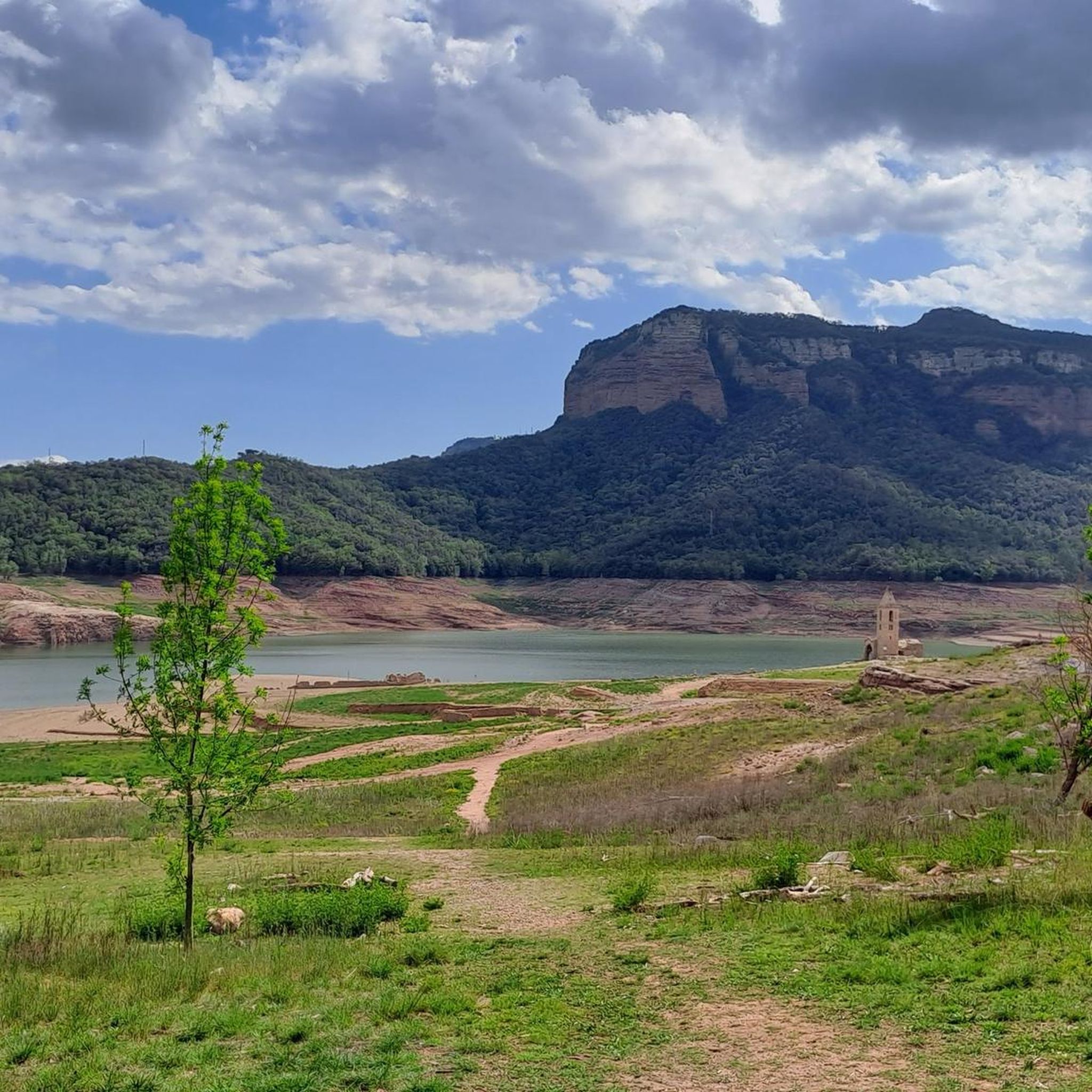
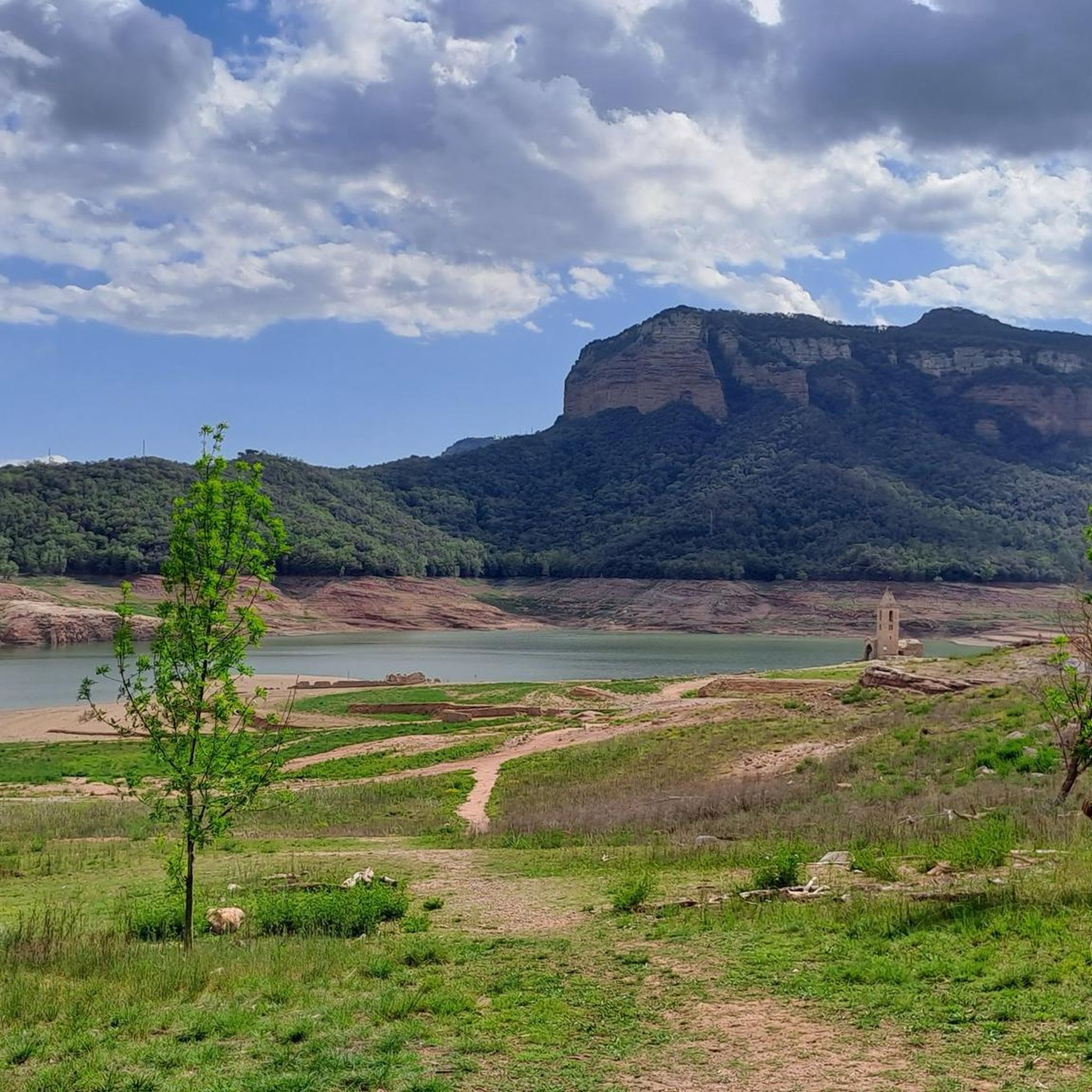
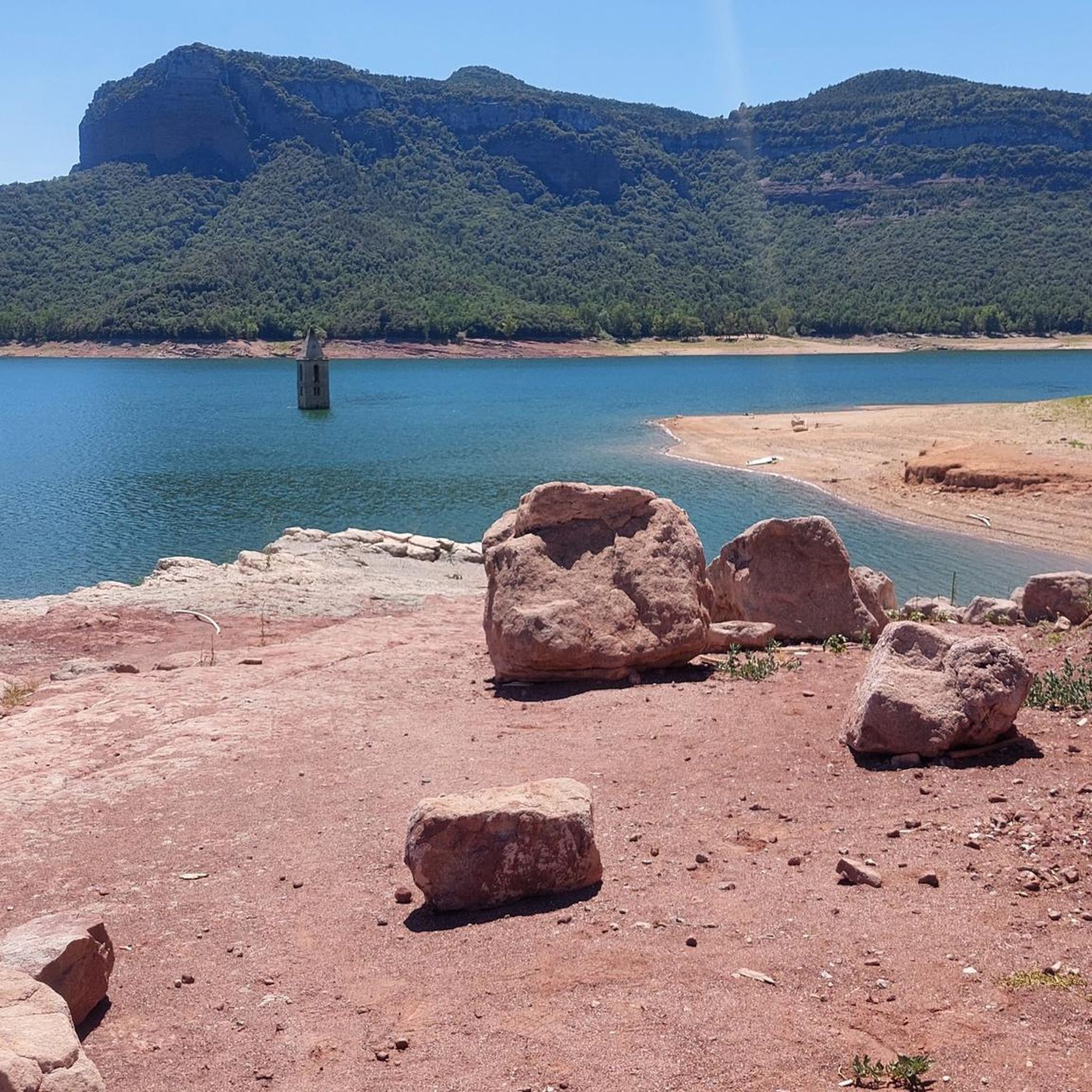
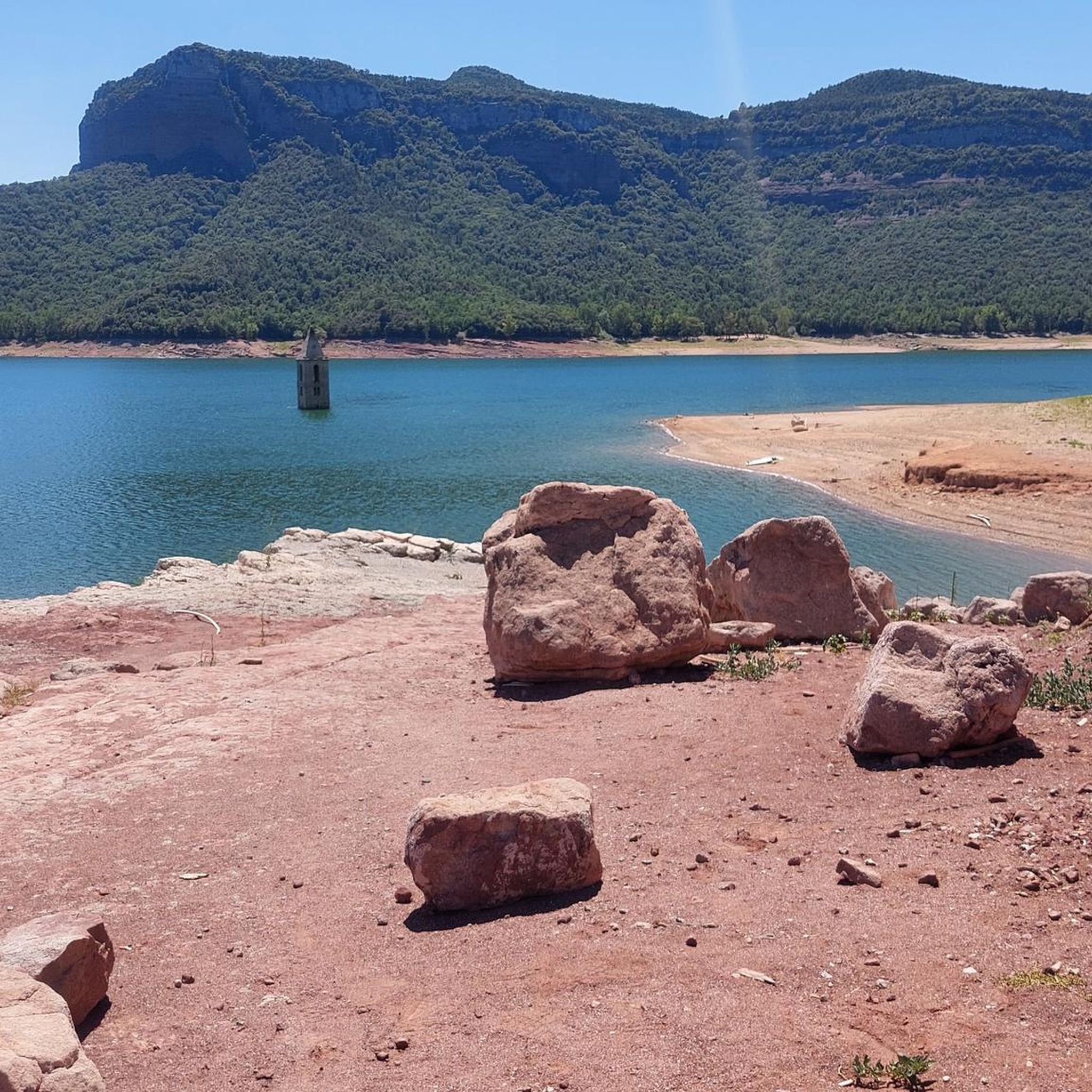
Hiking around Pantà de Sau offers diverse landscapes centered on the reservoir in Catalonia's Les Guilleries natural area. The region is characterized by mountainous terrain and dense forests, providing a range of trail difficulties. Spectacular cliffs, such as those near Tavertet, offer panoramic views of the reservoir and surrounding areas. The area also features the unique historical attraction of the submerged bell tower of Sant Romà de Sau, visible when water levels are low.
Best hiking trails around Pantà de Sau
- The most popular hiking route is View towards the Monastery – Views of the Ter and Monastery loop from Pantà de Sau, a 5.4 miles (8.7 km) trail that takes 2 hours 35 minutes to complete. This moderate route offers views of the Ter river and the historic Monastery of Sant Pere de Casserres.
- Another top favourite among local hikers is Tavertet Viewpoint – Puig de la Força loop from Mas la Riba, a moderate 6.3 miles (10.2 km) path. This trail features significant elevation gain and leads to the Puig de la Força rock formation, known for its expansive natural views.
- Local hikers also love the Salt del Molí Bernat – View of the Cliffs of Tavertet loop from Campanar de Sant Romà de Sau, a 7.9 miles (12.6 km) trail leading through varied terrain with views of the impressive Cliffs of Tavertet, often completed in about 4 hours 42 minutes.
- Hiking around Pantà de Sau is defined by mountainous terrain, dense forests, and spectacular cliffs overlooking the reservoir. The network offers options for different ability levels, from easy walks to more challenging ascents.
- The routes in Pantà de Sau are highly rated by the komoot community with an average score of 4.6 stars from over 750 reviews. More than 6,300 hikers have used komoot to explore Pantà de Sau's varied terrain.
Last updated: August 19, 2026
4.5
(31)
172
hikers
Moderate hike. Good fitness required. Easily-accessible paths. Suitable for all skill levels.
4.8
(23)
129
hikers
10.2km
04:10
680m
680m
Moderate hike. Good fitness required. Mostly accessible paths. Sure-footedness required.

Sign up for free
4.1
(11)
80
hikers
Moderate hike. Good fitness required. Mostly accessible paths. Sure-footedness required.
4.5
(8)
17
hikers
6.17km
02:33
420m
420m
Moderate hike. Good fitness required. Mostly accessible paths. Sure-footedness required.
4.6
(8)
22
hikers
5.30km
01:36
160m
160m
Easy hike. Great for any fitness level. Easily-accessible paths. Suitable for all skill levels.
Get access to more routes and recommendations from other explorers.
Sign up for free
Already have an account?
Our route recommendations are based on thousands of hikes, rides, and runs completed by other people on komoot.
Start today with a free account
Your next adventure awaits.
Login or Signup

Tips from the Community

We were here in April 2026. Unfortunately, the hiking trail is not in good condition. The descent to the waterfall is quite steep but passable. The paths to the stairs of the Riscos de la Perereda are all overgrown, and only a shortened path past an old mill back to the parking lot is passable.
0
0

The climb up from the lake is challenging, even at 20 degrees Celsius. Surefootedness and sturdy footwear are definitely recommended, as the trail is often very narrow and runs along the slope on sloping terrain. In summer (August), the numerous small, crossing streams dried up.
0
0
Depending on the water level of the dam, you can sometimes get closer, sometimes closer, or not at all to the church of Sant Romà de Sau.
0
0

Submerged Romanesque church dating from the 11th century.
0
0

We arrived at a beautiful spot, but from there it was impossible to find the rest of the route... It felt like a wall going down. Perhaps with climbing gear?
0
0

Ideal parking to start a walk. Beautiful view of the reservoir and surrounding cliffs.
0
0

Climbing up from the Sau reservoir in the direction of the village of Tavertet, the trail offers impressive views of the Guilleries massif with its enormous cliffs covered in vegetation.
1
1
The monastery of Sant Pere de Casserres is one of the greatest jewels of the Catalan Romanesque. This Benedictine monastery was built in the 11th century and fully restored in the 20th century. In addition to being able to admire its beautiful church and cloister, the monastery houses a permanent exhibition on what life was like for the monks in this place. In addition to its architectural interest, the monastery of Sant Pere de Casserres stands out for its magical setting, in a pronounced meander of the River Ter next to the Sau reservoir.
2
2
Frequently Asked Questions
How many hiking trails are available around Pantà de Sau?
There are over 290 hiking routes around Pantà de Sau, catering to various skill levels. This includes nearly 100 easy trails, over 180 moderate routes, and more than 20 challenging options for experienced hikers.
Are there any easy or family-friendly hiking options in Pantà de Sau?
Yes, Pantà de Sau offers many easy routes suitable for families. For a pleasant walk with scenic views, consider the Church of Sant Romà de Sau – Spectacular View loop from Mas la Riba. This easy 3.3-mile (5.3 km) trail provides beautiful vistas without significant elevation gain.
What kind of views can I expect on hikes around Pantà de Sau?
The region is renowned for its spectacular panoramic views. You'll encounter impressive cliffs, such as those near Tavertet and the Cingleres del Collsacabra, offering breathtaking vistas of the reservoir and surrounding mountains. Many routes lead to elevated points like View of the Cingles de Tavertet from Sau Reservoir, providing expansive natural scenery.
Are there any circular hiking routes in Pantà de Sau?
Yes, many of the trails around Pantà de Sau are circular, allowing you to experience diverse scenery without retracing your steps. An example is the View towards the Monastery – Views of the Ter and Monastery loop from Pantà de Sau, a moderate 5.4-mile (8.7 km) route that offers varied landscapes.
What unique landmarks or attractions can I see while hiking in Pantà de Sau?
A truly unique attraction is the visible bell tower of the 11th-century Romanesque Church of Sant Romà de Sau (Submerged Bell Tower), which emerges from the reservoir when water levels are low. Another significant historical site is the Monastery of Sant Pere de Casserres, perched on a peninsula overlooking the water, which can be reached via scenic paths.
Is Pantà de Sau suitable for hiking in winter?
Hiking in Pantà de Sau during winter can be a beautiful experience, with crisp air and potentially snow-dusted landscapes. However, some trails, especially those with steep ascents or through dense forests, might become slippery or more challenging. Always check local weather conditions and trail reports before heading out, and dress in layers.
What do other hikers enjoy most about hiking in Pantà de Sau?
The area is highly rated by the komoot community, with an average score of 4.6 stars from over 750 reviews. Hikers frequently praise the diverse landscapes, the unique historical elements like the submerged church, and the impressive panoramic views from various viewpoints.
Are there any challenging hikes for experienced trekkers?
Yes, Pantà de Sau offers over 20 difficult routes for those seeking a challenge. These trails often feature significant elevation gains and rugged terrain. For example, the Tavertet Viewpoint – Puig de la Força loop from Mas la Riba is a moderate 6.3-mile (10.2 km) path with substantial elevation, leading to the Puig de la Força rock formation known for its expansive views.
Can I find trails that lead to waterfalls or other natural water features?
While Pantà de Sau is centered around the reservoir, some routes may pass by smaller streams or seasonal cascades, especially after rainfall. The Salt del Molí Bernat – View of the Cliffs of Tavertet loop from Campanar de Sant Romà de Sau, for instance, includes the 'Salt del Molí Bernat' which refers to a waterfall, offering a chance to see natural water features alongside impressive cliff views.
Are there specific viewpoints that are a must-see for hikers?
Absolutely. The region is dotted with incredible viewpoints. The View of the Cingles de Tavertet from Sau Reservoir offers a dramatic perspective of the cliffs. Another highly recommended spot is the View towards the Monastery, providing stunning vistas of the reservoir and the historic Monastery of Sant Pere de Casserres.
Is it possible to hike with dogs in Pantà de Sau?
Generally, hiking with dogs is permitted on most trails around Pantà de Sau. However, it's always advisable to keep your dog on a leash, especially in areas with wildlife or near livestock. Be mindful of other hikers and ensure you clean up after your pet. Some routes might have sections that are more challenging for dogs due to terrain or elevation.
What is the best time of year to hike in Pantà de Sau?
Spring and autumn are generally considered the best times for hiking in Pantà de Sau. The weather is milder, and the natural scenery is vibrant with blooming flora or rich autumnal colors. Summer can be hot, so early morning or late afternoon hikes are recommended, while winter offers a different, often quieter, experience.
Most popular routes around Pantà de Sau
Most popular attractions around Pantà de Sau

Get inspired with the komoot mobile app


Explore more
Browse the best Hikes in other regions.
