The best road cycling routes around Pantà d'Escales
4.6
(21)
860
riders
18
rides
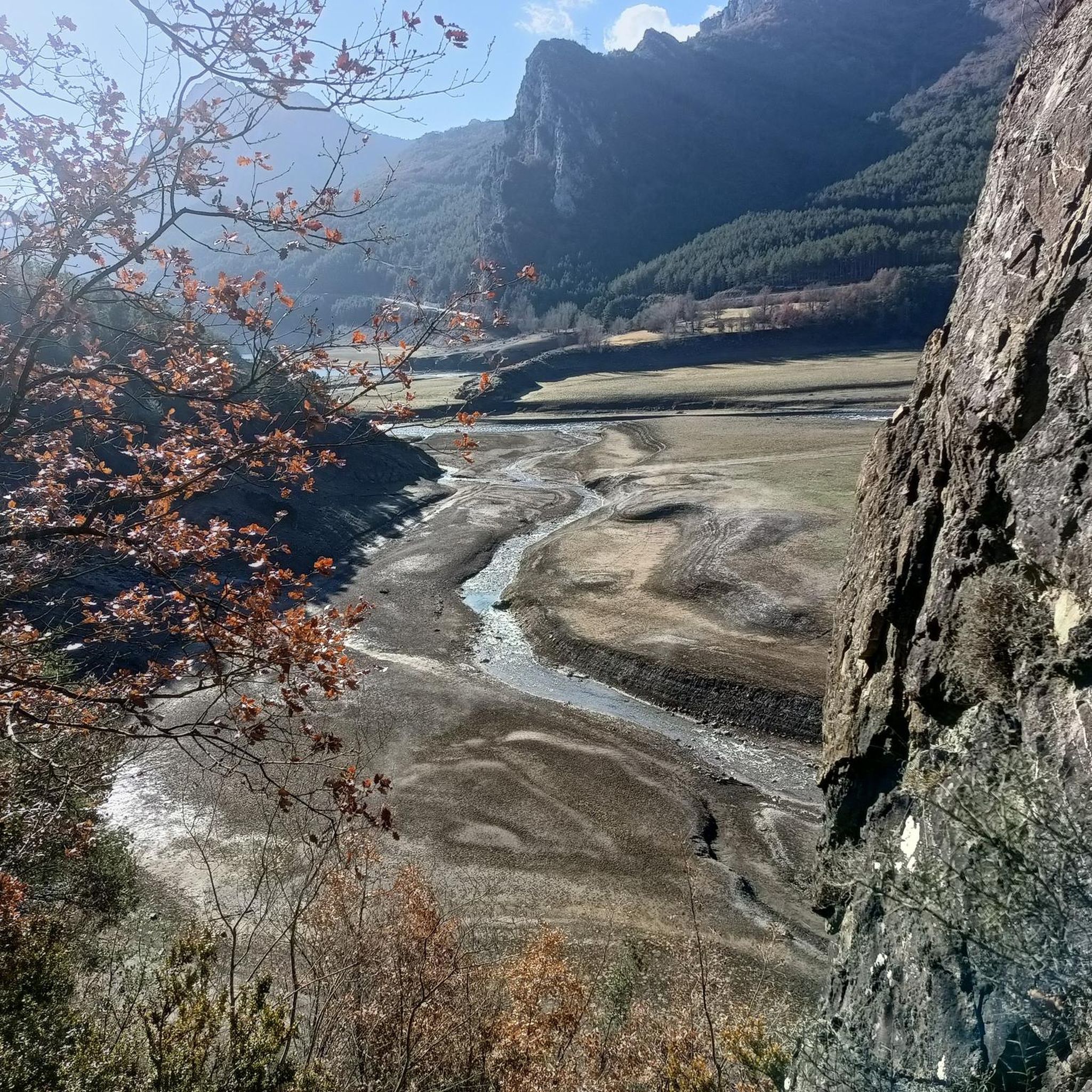
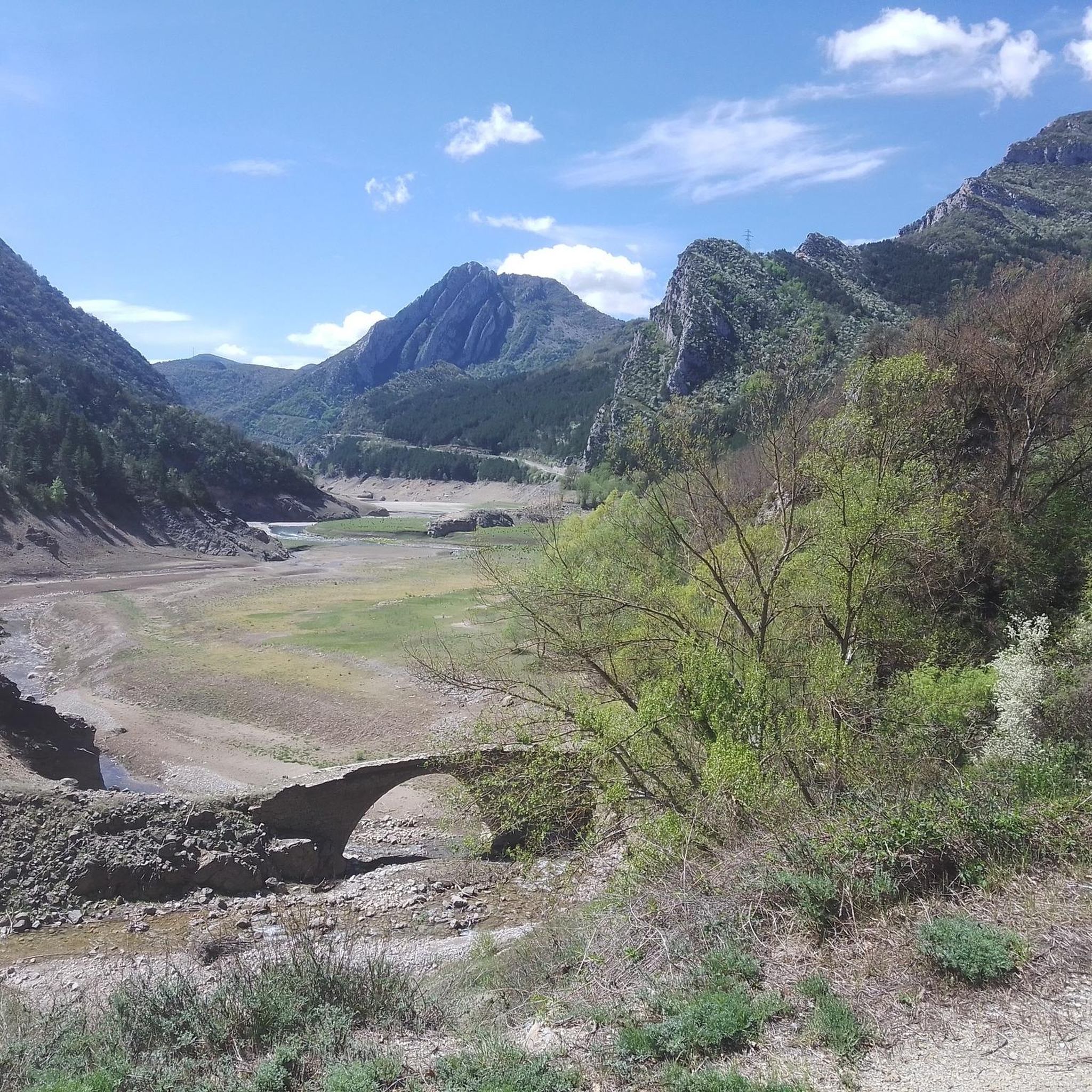
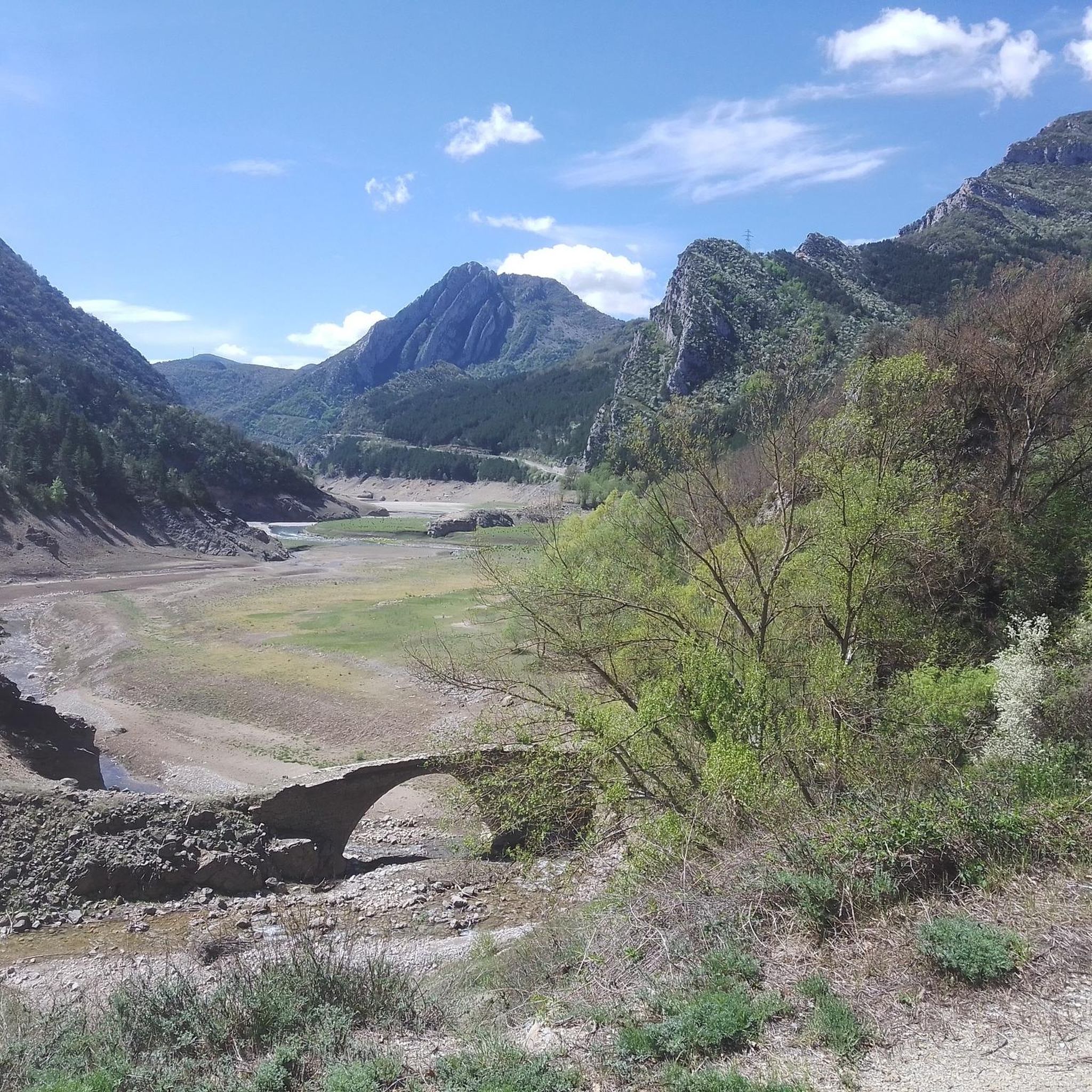
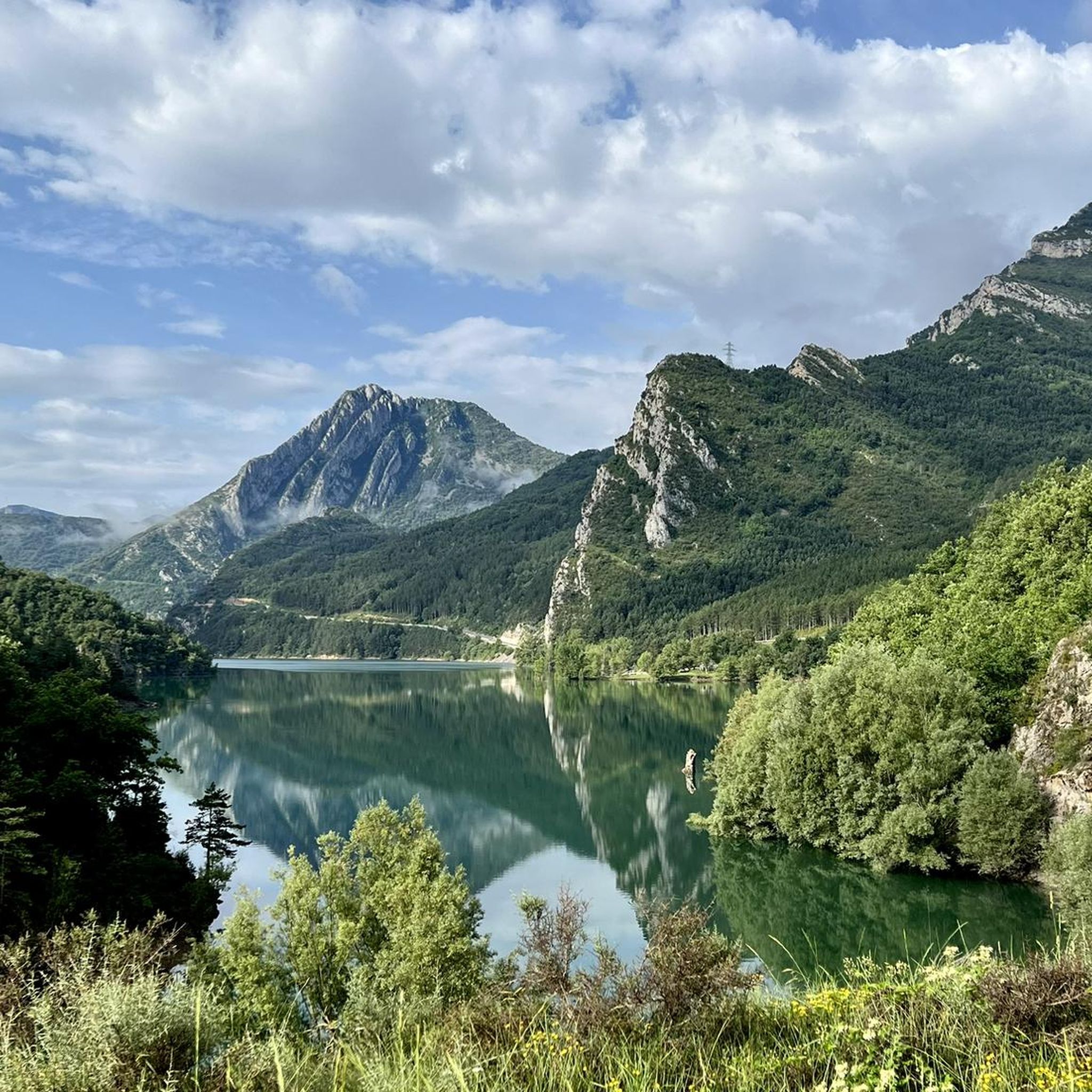
Road cycling around Pantà d'Escales features routes that navigate the dramatic landscapes surrounding the reservoir, which is characterized by turquoise waters and imposing rocky walls. The region includes majestic mountains, lush forests, and diverse rock formations, offering varied topography for cyclists. Routes often present significant elevation changes, making the area suitable for those seeking climbs and descents. The terrain provides a mix of challenging gradients and tranquil sections through woodlands.
Best road cycling routes around Pantà d'Escales
- The most popular…
Last updated: July 12, 2026
4.8
(5)
146
riders
60.1km
03:46
1,590m
1,590m
Challenge yourself on the Bonansa Loop from El Pont de Suert, a difficult 37.4-mile road cycling route with 5203 feet of elevation gain.
5.0
(1)
125
riders
80.6km
05:22
2,240m
2,240m
Hard road ride. Very good fitness required. Some segments of this route may be unpaved and difficult to ride.

Sign up for free
3.5
(2)
18
riders
25.4km
01:49
740m
750m
Moderate road ride. Good fitness required. Mostly well-paved surfaces and easy to ride.
5.0
(1)
86
riders
109km
06:24
2,580m
2,580m
Hard road ride. Very good fitness required. Mostly well-paved surfaces and easy to ride.
33
riders
78.1km
04:16
1,620m
1,620m
Hard road ride. Very good fitness required. Some segments of this route may be unpaved and difficult to ride.
Get access to more routes and recommendations from other explorers.
Sign up for free
Already have an account?
Our route recommendations are based on thousands of hikes, rides, and runs completed by other people on komoot.
Start today with a free account
Your next adventure awaits.
Login or Signup
Tips from the Community

It is a picturesque municipality located in the Pallars Jussà region, surrounded by mountains and close to rivers such as the Noguera Pallaresa. It is an ideal destination for nature lovers and outdoor sports such as cycling. In addition, it is famous for its olive oil production and its tradition of making artisanal sausages.
0
0

A table-bench combination in the shade of the forest.
1
0

Consecrated on December 10, 1123 by Ramon Guillem, Bishop of Roda-Barbastro, the church of Sant Climent de Taüll is built on top of an 11th century temple. It is the prototype of a Romanesque church with a basilica plan with three naves separated by columns and a gabled wooden roof, a head with three apses and a bell tower. The image of Christ in Majesty by Taüll has been one of the emblematic images most used to represent the Catalan Romanesque
0
0

Located at the confluence of the Sarroca and Flamicell rivers, Senterada is a good place to start the adventure through this region and the ascent to Lake Montcortès.
1
0
Wild bathing on the Noguera Pallaresa river beach on the outskirts of the municipality of La Pobla de Segur. Great place to cool off after a nice hike in the surrounding mountains.
1
0

Of the Romanesque churches in the Vall de Boí, this is one of the most beautiful. The original frescoes are in the museum, as always. Here they are digitally reconstructed and projected onto the walls. In addition, there is a very interesting digital reconstruction of the original artwork.
0
0

This port connects the Noguera Ribagorzana river basin with the Sis valley and the Isábena basin, right on the border between Catalonia and Aragon. From Bonansa, the pass is a little over six kilometers long, with a fairly constant average drop of around 7%. Its other slope, the one that follows the Obarra gorge until it crowns the port, is much longer. It is 15 kilometers long, but it is very flat, with percentages around 3%, until it practically reaches the top, where the last two kilometers present considerable unevenness, with ramps of more than 15%.
0
0

The port of Bonansa is located at an altitude of 1,380 meters, in an open area from which you can see the panorama of the surrounding mountains. The climb is demanding, but worth it.
1
0
Frequently Asked Questions
What kind of terrain can I expect when road cycling around Pantà d'Escales?
The terrain around Pantà d'Escales is diverse, featuring significant elevation changes with both challenging climbs and rewarding descents. You'll encounter routes that navigate dramatic rocky walls, lush forests, and unique rock formations. The region offers a mix of challenging gradients and tranquil sections through woodlands, making it ideal for cyclists who appreciate varied topography and panoramic views.
How many road cycling routes are available in the Pantà d'Escales area?
There are 19 road cycling routes available around Pantà d'Escales. These routes cater to various skill levels, with 6 moderate and 13 difficult options, ensuring a suitable challenge for most road cyclists.
Are there any easy or beginner-friendly road cycling routes in Pantà d'Escales?
While the region is known for its significant elevation changes, there are no routes specifically classified as 'easy' in the Pantà d'Escales area. However, there are 6 'moderate' routes that might be suitable for beginners looking for a challenge, such as the Llesp – Sant Feliu de Barruera Church loop from el Pont de Suert, which covers 24.6 miles with a moderate elevation gain.
What are some notable landmarks or natural features to look out for on road cycling routes?
Road cycling routes around Pantà d'Escales offer stunning natural and historical sights. You'll experience the turquoise waters of the reservoir itself, imposing rocky walls, and majestic mountains. Keep an eye out for traditional villages like Bonansa with its stone houses, and Llesp, which features a Romanesque church. When water levels are low, the historical ruins of the Romanesque monastery of Lavaix become visible, adding a unique cultural dimension to your ride.
What do other road cyclists enjoy most about cycling in Pantà d'Escales?
The road cycling experience in Pantà d'Escales is highly rated by the komoot community, with an average score of 4.9 stars from over 10 reviews. Cyclists often praise the dramatic landscapes, the blend of challenging climbs and scenic descents, and the opportunity to explore charming villages and historical sites amidst breathtaking natural beauty.
Are there any circular road cycling routes available?
Yes, many of the routes around Pantà d'Escales are designed as loops. For example, the Bonansa Pass – Castejón de Sos loop from el Pont de Suert offers a challenging 67.6-mile circular path, and the Coll de la Creu de Pervés – Pobla de Segur loop from el Pont de Suert is another popular option covering 47.9 miles.
What is the best time of year for road cycling in Pantà d'Escales?
The region's diverse terrain and significant elevation changes suggest that spring and autumn would likely offer the most comfortable temperatures for road cycling. These seasons typically provide pleasant weather for tackling climbs and enjoying the scenic views without the extreme heat of summer or the potential for snow and ice in winter at higher elevations.
Where can I find parking for my car when road cycling in Pantà d'Escales?
Towns like El Pont de Suert, which serve as common starting points for many routes, are historical crossroads and provide essential services for travelers and cyclists. It is advisable to look for designated parking areas within these towns before embarking on your ride.
Are there cafes or places to stop for refreshments along the road cycling routes?
The region includes charming towns such as El Pont de Suert, Bonansa, and Llesp. These villages are likely to offer amenities like cafes or small shops where you can stop for refreshments and take a break during your ride. El Pont de Suert, in particular, is a hub for services.
Is public transport available to reach Pantà d'Escales for cycling?
While the region is accessible, specific public transport options directly to the Pantà d'Escales reservoir or the starting points of all cycling routes might be limited. It is recommended to check local bus schedules or regional transport services that connect to towns like El Pont de Suert, which is a key access point in the area.
Are there any particularly challenging climbs for experienced road cyclists?
Absolutely. The Pantà d'Escales area is known for its significant elevation changes, making it ideal for those seeking challenging climbs. Routes like the Bonansa Pass – Castejón de Sos loop from el Pont de Suert, classified as 'difficult', include extensive climbs and descents, providing a rigorous test for experienced riders.
Can I find accommodation suitable for cyclists near Pantà d'Escales?
Towns surrounding Pantà d'Escales, such as El Pont de Suert, are likely to offer various accommodation options. As a historical crossroads and service hub, El Pont de Suert would be a good place to look for hotels, guesthouses, or other lodging that caters to visitors, including cyclists.
Most popular routes around Pantà d'Escales

Get inspired with the komoot mobile app


Explore more
Browse the best Road cycling routes in other regions.
