The best road cycling routes around Embalse de la Aceña
4.4
(13)
1,436
riders
24
rides
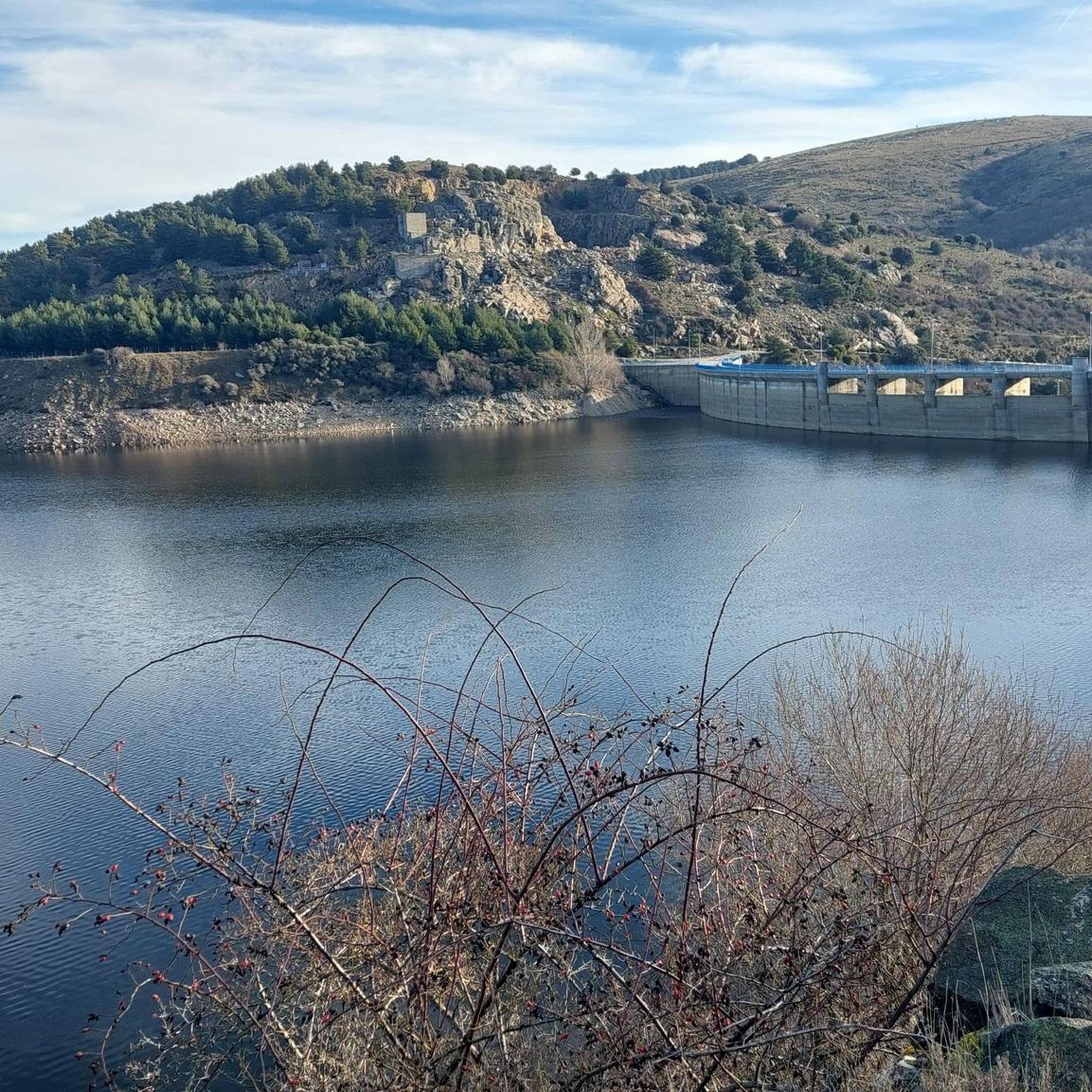
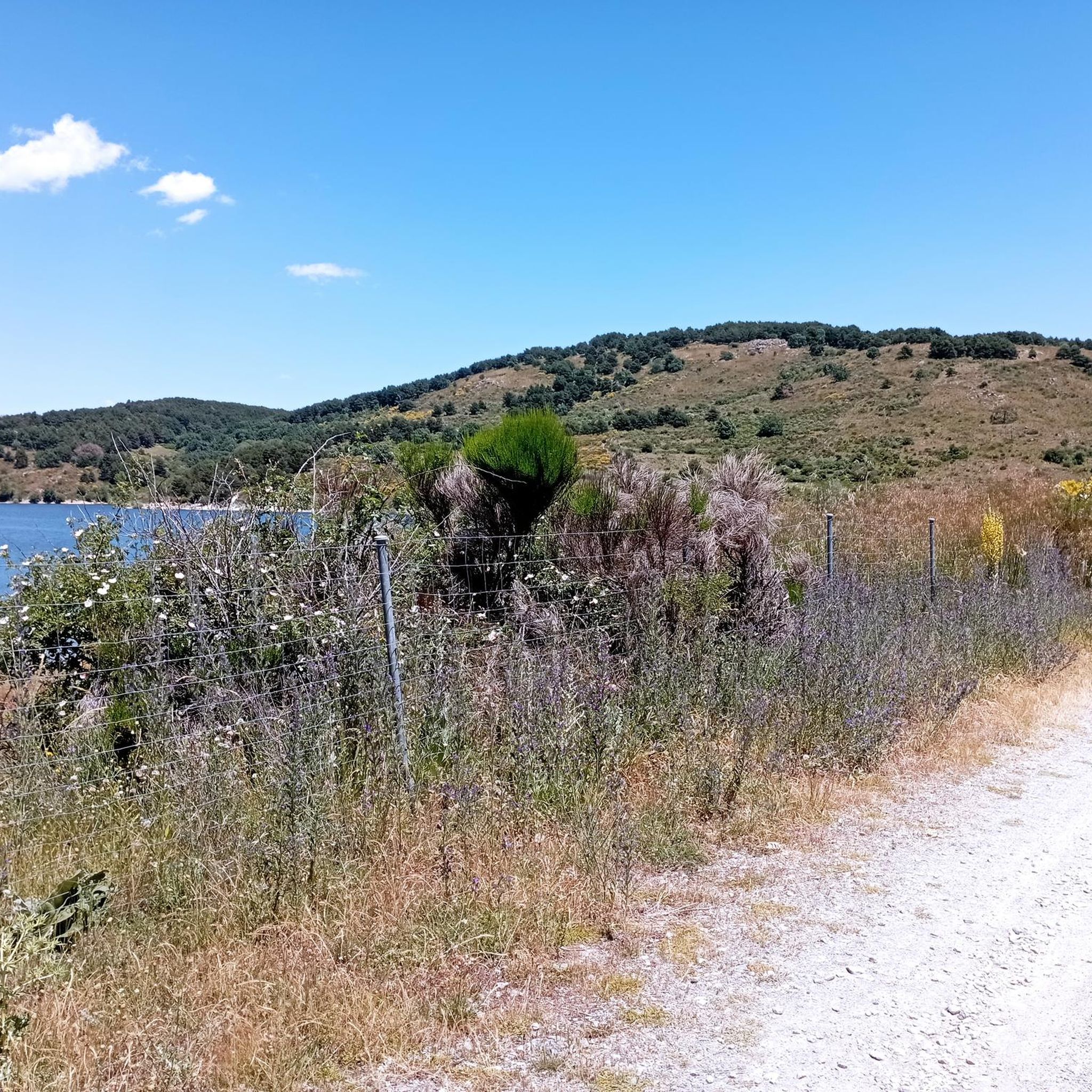
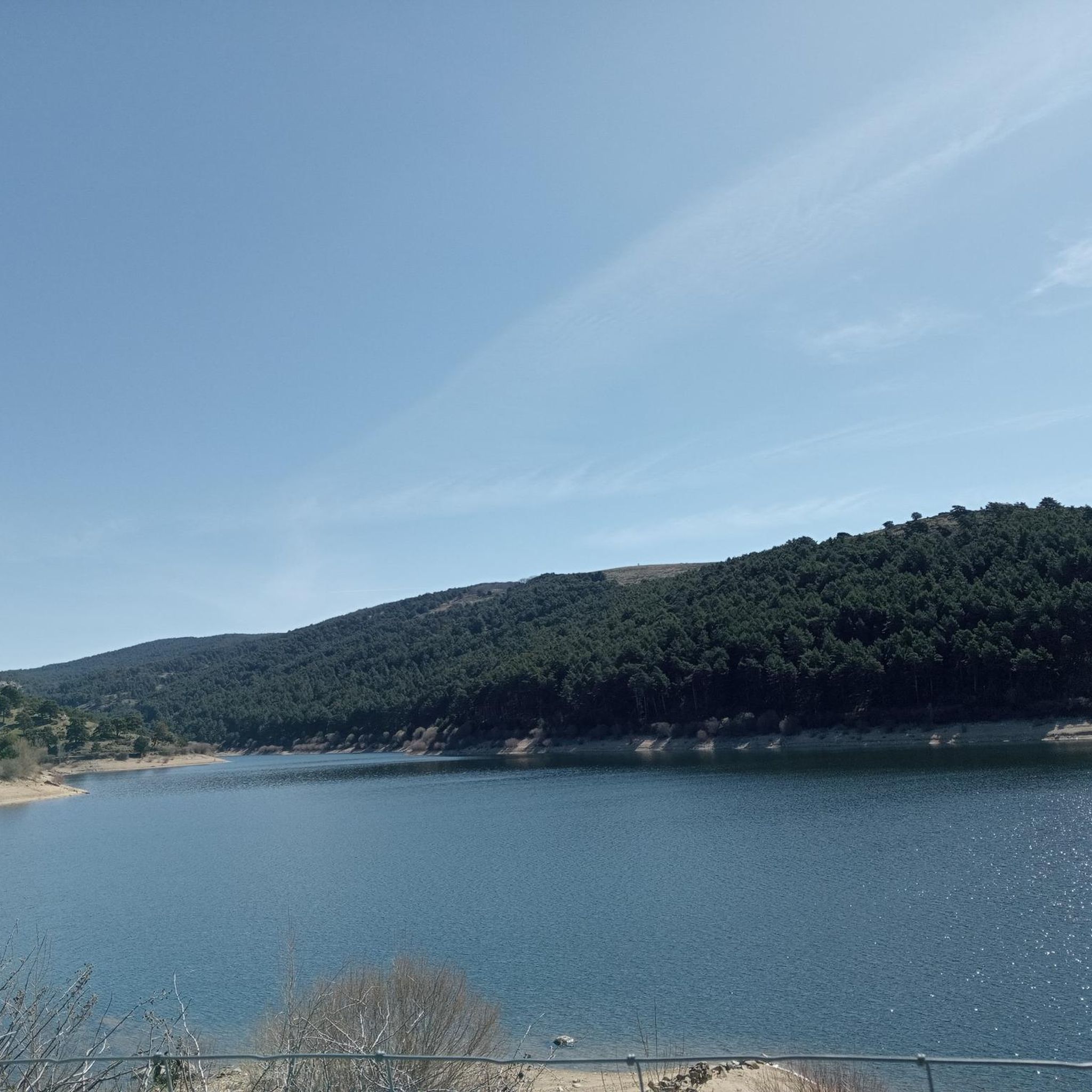
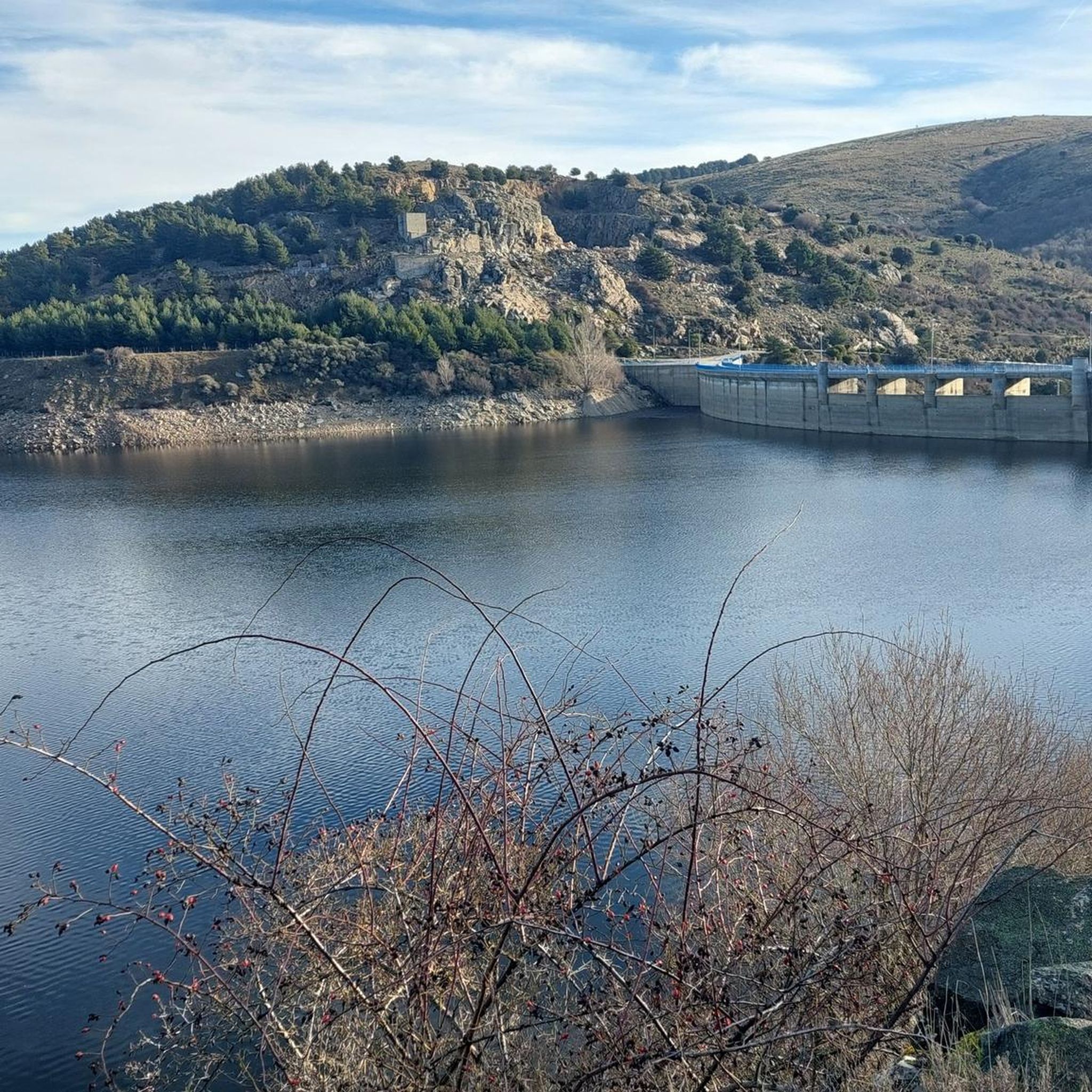
Road cycling routes around Embalse de la Aceña are situated at a high altitude, approximately 1500 meters above sea level, within the Sierra Norte de Guadarrama Natural Park. The region is characterized by extensive pine forests and mountains, providing varied topography ideal for road cycling. This elevated setting offers challenging climbs and rewarding descents, with roads winding through diverse landscapes. The area is known for its tranquil environment, offering peaceful riding experiences.
Best road cycling routes around Embalse de la…
Last updated: July 11, 2026
77
riders
102km
05:24
1,920m
1,920m
Hard road ride. Very good fitness required. Mostly well-paved surfaces and easy to ride.
50
riders
60.1km
03:28
1,400m
1,400m
Hard road ride. Very good fitness required. Mostly well-paved surfaces and easy to ride.

Sign up for free
4.0
(2)
49
riders
43.0km
02:23
890m
890m
Moderate road ride. Good fitness required. Mostly well-paved surfaces and easy to ride.
17
riders
101km
05:35
2,170m
2,170m
Hard road ride. Very good fitness required. Mostly well-paved surfaces and easy to ride.
5
riders
23.0km
01:54
480m
480m
Moderate road ride. Good fitness required. Mostly well-paved surfaces and easy to ride.
Get access to more routes and recommendations from other explorers.
Sign up for free
Already have an account?
Our route recommendations are based on thousands of hikes, rides, and runs completed by other people on komoot.
Start today with a free account
Your next adventure awaits.
Login or Signup
Tips from the Community

They say (I don't know how true this is) that Philip II used to watch the progress of the construction of the colossal monastery from this very spot during his hunting trips, which he was very fond of. Whether true or not, it makes for a beautiful viewpoint, especially in autumn.
1
0

Beautiful monastery both inside and out.
0
0

The Chair of Philip II is a famous granite viewpoint in San Lorenzo de El Escorial, near Madrid. Legend has it that King Philip II used it to view the construction of the Monastery of El Escorial. However, experts believe it was actually an ancient Celtic altar, possibly used for rituals. Today, it's a popular hiking spot with stunning views of the monastery and its surroundings.
3
0
The Monastery of El Escorial was built by King Philip II in the 16th century to commemorate a military victory and serve as a royal pantheon for the Habsburg dynasty. Designed by architects Juan Bautista de Toledo and Juan de Herrera, it is characterized by its sober, Renaissance style. Today it is a UNESCO World Heritage Site.
5
0
The Monastery of El Escorial was built by King Philip II in the 16th century to commemorate a military victory and serve as a royal pantheon for the Habsburg dynasty. Designed by architects Juan Bautista de Toledo and Juan de Herrera, it is characterized by its sober, Renaissance style. Today it is a UNESCO World Heritage Site.
4
0

The Bear Cave in San Lorenzo de El Escorial is not a real, deep cave in the geological sense, but rather a peculiar rock formation in the Bosque de la Herrería. It is a natural cavity formed by the arrangement of large granite boulders that create a kind of shelter or "cave." It is located in the Bosque de la Herrería, a protected natural area declared a UNESCO World Heritage Site. It is on a very popular hiking trail, relatively close to the Chair of Philip II and the Fuente de los Hermanitos. Its name comes from the fact that its shape and size might evoke the idea of a bear's den, although no real bear ever lived there. Rather, it is a visual attraction, especially for children. Beyond being a "real" cave, it is a point of interest on the hiking trails in the Bosque de la Herrería.
0
0

The Chair of Philip II is a group of platforms and seats carved in granite. According to tradition, Philip II used this site as an observatory during the construction of the Monastery of El Escorial. However, some theories suggest that it could be an ancient Vetton altar. This site offers spectacular views of the Monastery of El Escorial and its surroundings, including the La Herrería forest. The route to reach the Chair of Philip II is quite accessible and can be done in approximately one hour from the San Lorenzo de El Escorial Tourist Office.
1
0
The Chair of Philip II is a group of platforms and seats carved in granite. According to tradition, Philip II used this site as an observatory during the construction of the Monastery of El Escorial. However, some theories suggest that it could be an ancient Vetton altar. This site offers spectacular views of the Monastery of El Escorial and its surroundings, including the La Herrería forest. The route to reach the Chair of Philip II is quite accessible and can be done in approximately one hour from the San Lorenzo de El Escorial Tourist Office.
1
0
Frequently Asked Questions
How many road cycling routes are available around Embalse de la Aceña?
There are over 20 road cycling routes available around Embalse de la Aceña. These routes offer a mix of moderate and difficult challenges, with 11 moderate and 13 difficult options to choose from.
What is the typical terrain like for road cycling in Embalse de la Aceña?
The terrain around Embalse de la Aceña is characterized by its high altitude, around 1500 meters above sea level, within the Sierra Norte de Guadarrama Natural Park. You can expect varied topography with extensive pine forests and mountains, leading to challenging climbs and rewarding descents. Roads often wind through diverse landscapes, offering a tranquil riding experience.
Are there any challenging climbs for experienced road cyclists in the area?
Yes, the region is known for significant elevation gains and challenging climbs. Routes like Puerto de la Lancha – Santa María de la Alameda loop from Santa María de la Alameda feature sustained climbs and panoramic views. The broader Sierra de Guadarrama region, which encompasses Embalse de la Aceña, is also known for mountain passes such as Navacerrada Pass and Guadarrama Pass, indicating the type of demanding terrain available.
What kind of views can I expect along the road cycling routes?
Road cycling routes in Embalse de la Aceña offer stunning scenic vistas. The area promises unique, tranquil views, with picturesque routes winding through forests and mountains. The Mirador del Embalse de la Aceña provides unbeatable views of the reservoir and the surrounding Abulense mountains, making for a rewarding cycling experience.
What is the best time of year to go road cycling around Embalse de la Aceña?
Given its high altitude location (around 1500 meters above sea level), the best time to cycle is typically during the warmer months, from late spring to early autumn. This avoids the colder temperatures and potential snow that can affect mountain passes in winter, ensuring more pleasant and safer riding conditions.
Are there any family-friendly road cycling options in Embalse de la Aceña?
While many routes feature significant elevation and are rated moderate to difficult, the tranquil environment and less traffic on some roads can be suitable for families with older, more experienced children. However, specific easy, flat routes explicitly designed for young families are not prominently featured in the data. It's best to check individual route profiles for elevation and distance to determine suitability.
Can I bring my dog along on road cycling routes in Embalse de la Aceña?
While the reservoir itself is known for being dog-friendly, allowing dogs to swim and run freely, road cycling routes typically follow paved roads. If your dog is accustomed to running alongside a bike or can be safely carried, it might be possible. However, always prioritize your pet's safety and local regulations regarding dogs on public roads.
Are there circular road cycling routes available?
Yes, many of the routes around Embalse de la Aceña are designed as loops. For example, the Santa María de la Alameda – Cruz Verde Pass loop from Camping Valle Enmedio and the La Escondida – Santa María de la Alameda loop from Santa María de la Alameda are popular circular options, allowing you to start and finish at the same point.
What do other road cyclists enjoy most about cycling in Embalse de la Aceña?
The area is highly rated by the komoot community, with an average score of 4.2 stars from over 10 reviews. Cyclists often praise the varied topography, the challenging climbs, and the rewarding descents through extensive pine forests and mountains. The tranquil environment, offering a peaceful riding experience away from heavy traffic, is also a frequently highlighted aspect.
Where can I find parking for road cycling in Embalse de la Aceña?
The region is accessible, and the proximity to the urban center of Peguerinos (just 100 meters from the reservoir) suggests that parking facilities would be available in or near the town. For specific routes, it's advisable to check the starting points for designated parking areas, which are often found near popular trailheads or local amenities.
Are there cafes or pubs near the road cycling routes for a break?
The town of Peguerinos is very close to Embalse de la Aceña, offering easy access to amenities after a ride. While specific cafes or pubs on the routes themselves are not detailed, you can expect to find establishments in Peguerinos where you can refuel and relax.
What is the longest road cycling route in the area?
Among the listed routes, the Cruz Verde Pass – Puerto de Arrebatacapas loop from Santa María de la Alameda is one of the longest, covering 63.2 miles (101.7 km). Another extensive option is the Puerto de la Lancha – Santa María de la Alameda loop from Santa María de la Alameda, which is 62.9 miles (101.3 km).
Most popular routes around Embalse de la Aceña

Get inspired with the komoot mobile app


Explore more
Browse the best Road cycling routes in other regions.
