The best road cycling routes around Embalse de Tranco de Beas
4.6
(8)
701
riders
30
rides
Road cycling routes around Embalse de Tranco de Beas are set within the Sierras de Cazorla, Segura y Las Villas Natural Park, featuring an expansive reservoir, dramatic mountainous terrain, and dense pine forests. The region is characterized by steep highlands and scenic roads that wind through varied landscapes. Cyclists encounter significant climbs and picturesque vistas of the reservoir and surrounding mountains.
Best road cycling routes around Embalse de Tranco de Beas
- The most popular road cycling route is Embalse del…
Last updated: July 11, 2026
17
riders
64.9km
03:58
1,620m
1,620m
Hard road ride. Very good fitness required. Mostly well-paved surfaces and easy to ride.
18
riders
75.3km
04:19
1,710m
1,710m
Hard road ride. Very good fitness required. Mostly well-paved surfaces and easy to ride.

Sign up for free
3.0
(1)
22
riders
83.0km
04:27
1,550m
1,560m
Hard road ride. Very good fitness required. Some segments of this route may be unpaved and difficult to ride.
3
riders
57.7km
03:33
1,360m
1,350m
Tackle the difficult El Yelmo Circular Trail, a 35.9-mile road cycling route with 4451 feet of elevation gain in Andalusia.
68
riders
114km
06:17
2,390m
2,380m
Hard road ride. Very good fitness required. Some segments of this route may be unpaved and difficult to ride.
Get access to more routes and recommendations from other explorers.
Sign up for free
Already have an account?
Our route recommendations are based on thousands of hikes, rides, and runs completed by other people on komoot.
Start today with a free account
Your next adventure awaits.
Login or Signup
Tips from the Community

From the highway, next to a building, a narrow road leads off, with many potholes at first. There's only one turnoff (left) a few kilometers later, to Robledo. The other takes you directly to the summit. At the end, the gradient increases. Once at the top, the views are impressive. From the guardhouse, you can see half the Sierra, and on the opposite side of the guardhouse, the other half.
0
0

Nice hotel with a good restaurant and a small spa. We were snowed in on our long-distance hike from Tarifa to Switzerland in April 2022. We waited in the hotel for several days. We can highly recommend the hotel.
5
0

Incredible, beautiful, desolate climb. If climbing from El Robledo the road will be quite rough all the way. If climbing from Hornos the first approx 10km is a great surface but also becomes quite rough when turning off for the last section.
0
0

This spring located in the village of La Toba, flows very cold water in summer and warm in winter (although the water is always at the same temperature), inviting anyone to cool off or fill up with fresh water.
1
0

Right next to the village of La Toba is the so-called Nacimiento de la Toba, a birthplace with singular beauty where water flows from a cave. Later, the water thrown by this source runs through the village of La Toba until it falls over a waterfall, which in times of rain when the riverbed is abundant, presents one of the most striking landscapes in Santiago-Pontones. To access the Nativity of La Toba we must drive to the village of La Toba and then walk a little until we find the Nativity. The village can be reached by taking the Despiernacaballos road, whose intersection is located on the road that connects Santiago de la Espada and Pontones or from Santiago de La Espada taking the road that takes us to Miller, JV-7107, once Once we arrive at Las Juntas de Miller we will continue along the JF-7038 highway that will take us to La Toba. During the trip along both routes we will be able to enjoy wonderful landscapes.
19
0
The river is the Zumeta, nestled in a spectacular canyon, where it meanders from Santiago de la Espada. Unique area associated with tranquility and personal enjoyment.
0
0

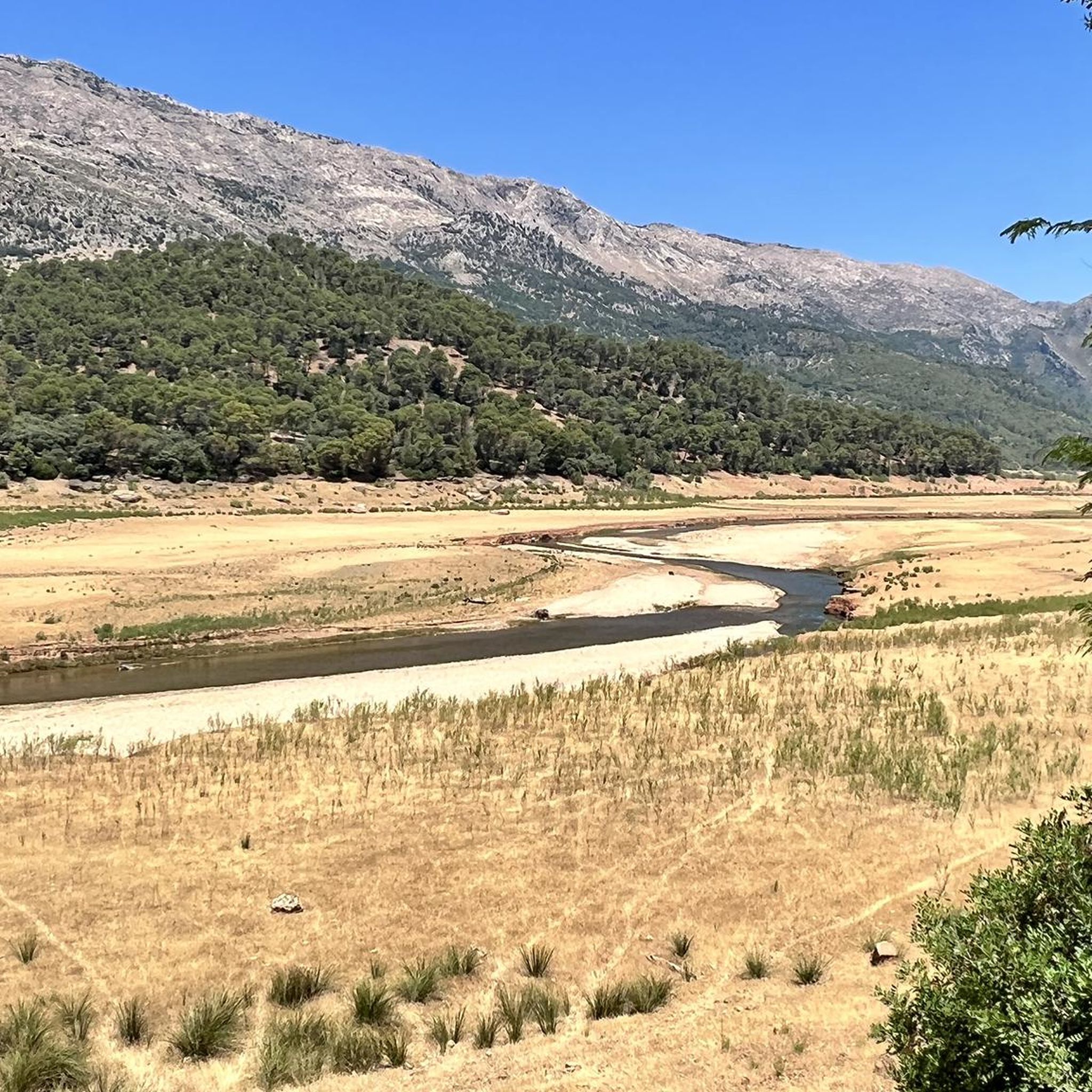
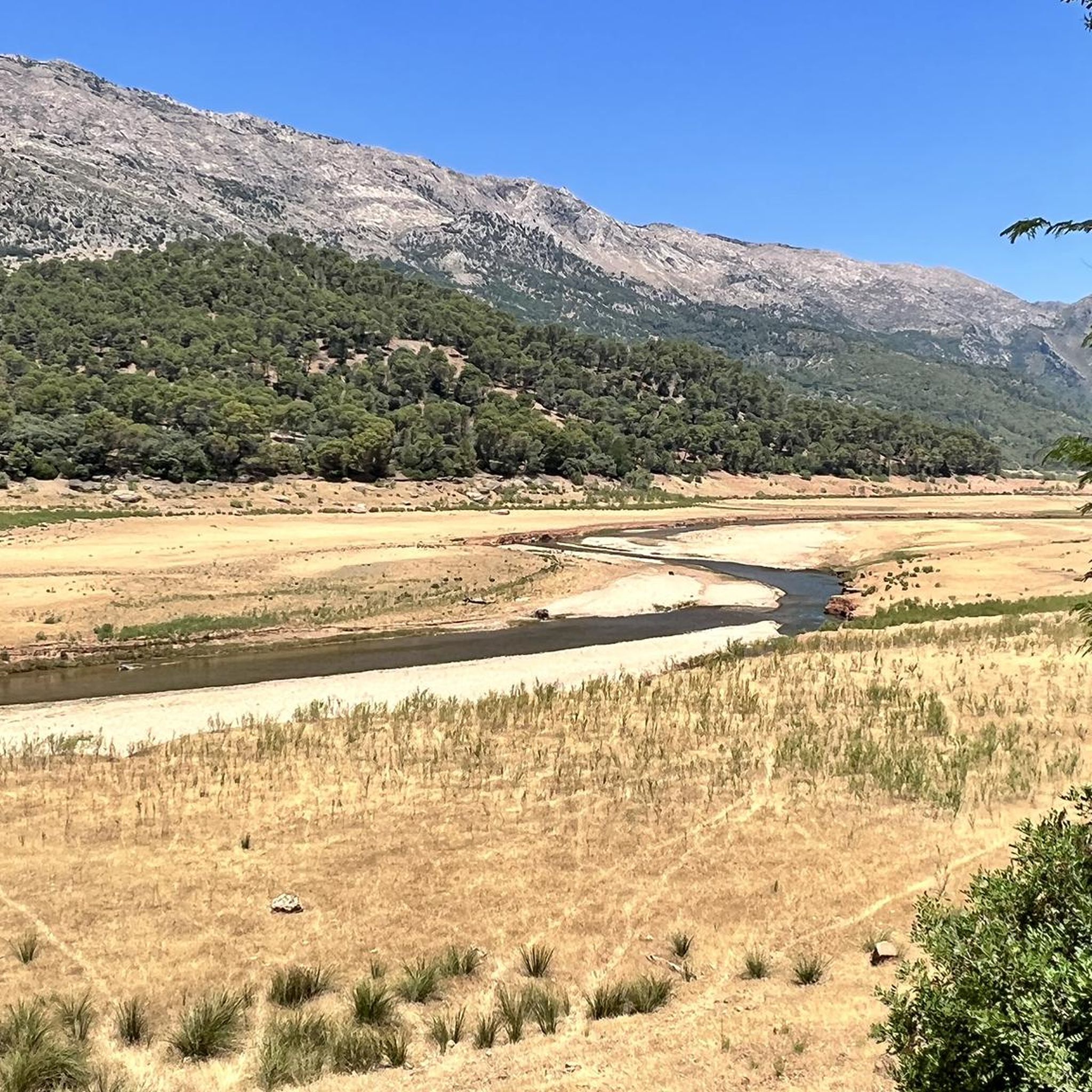
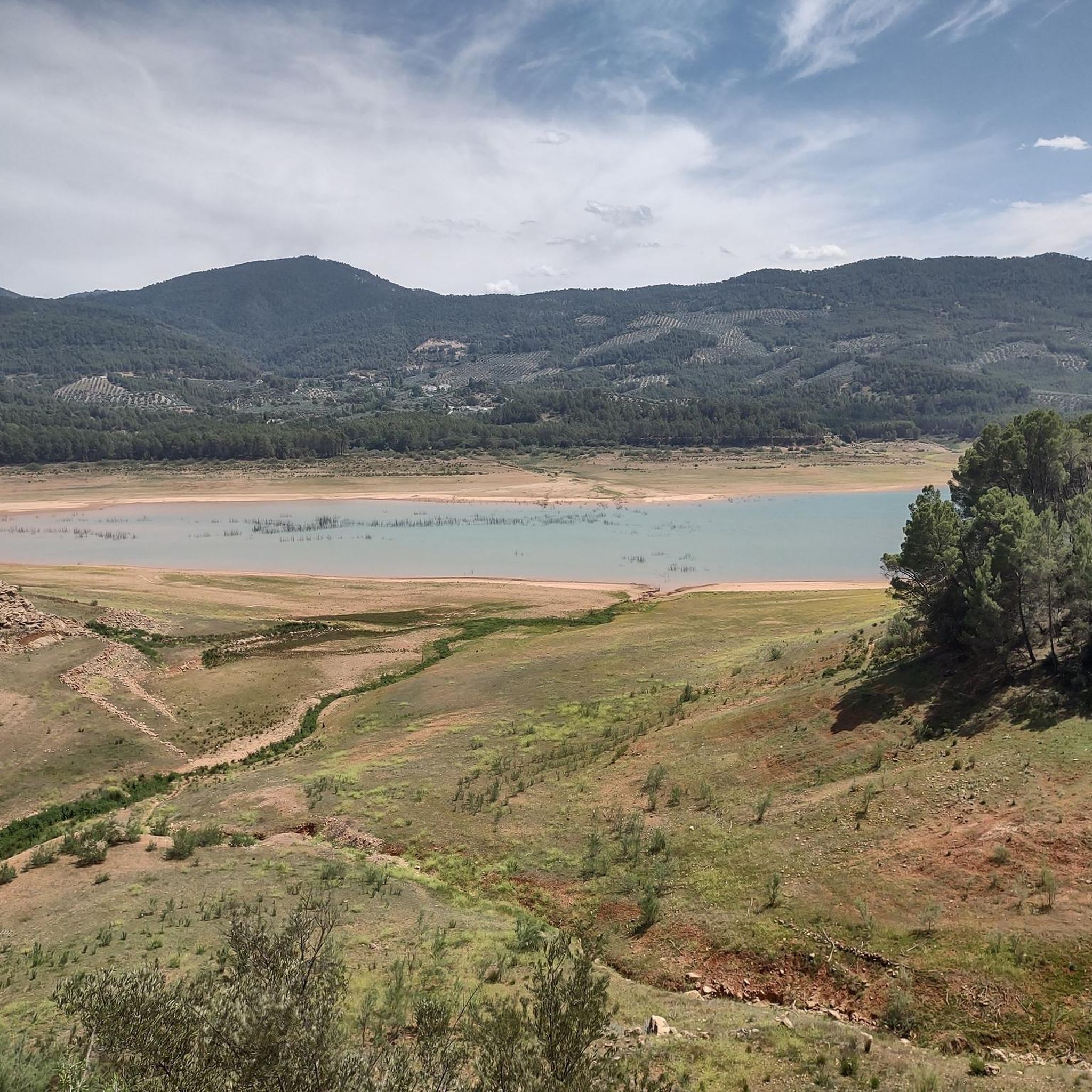
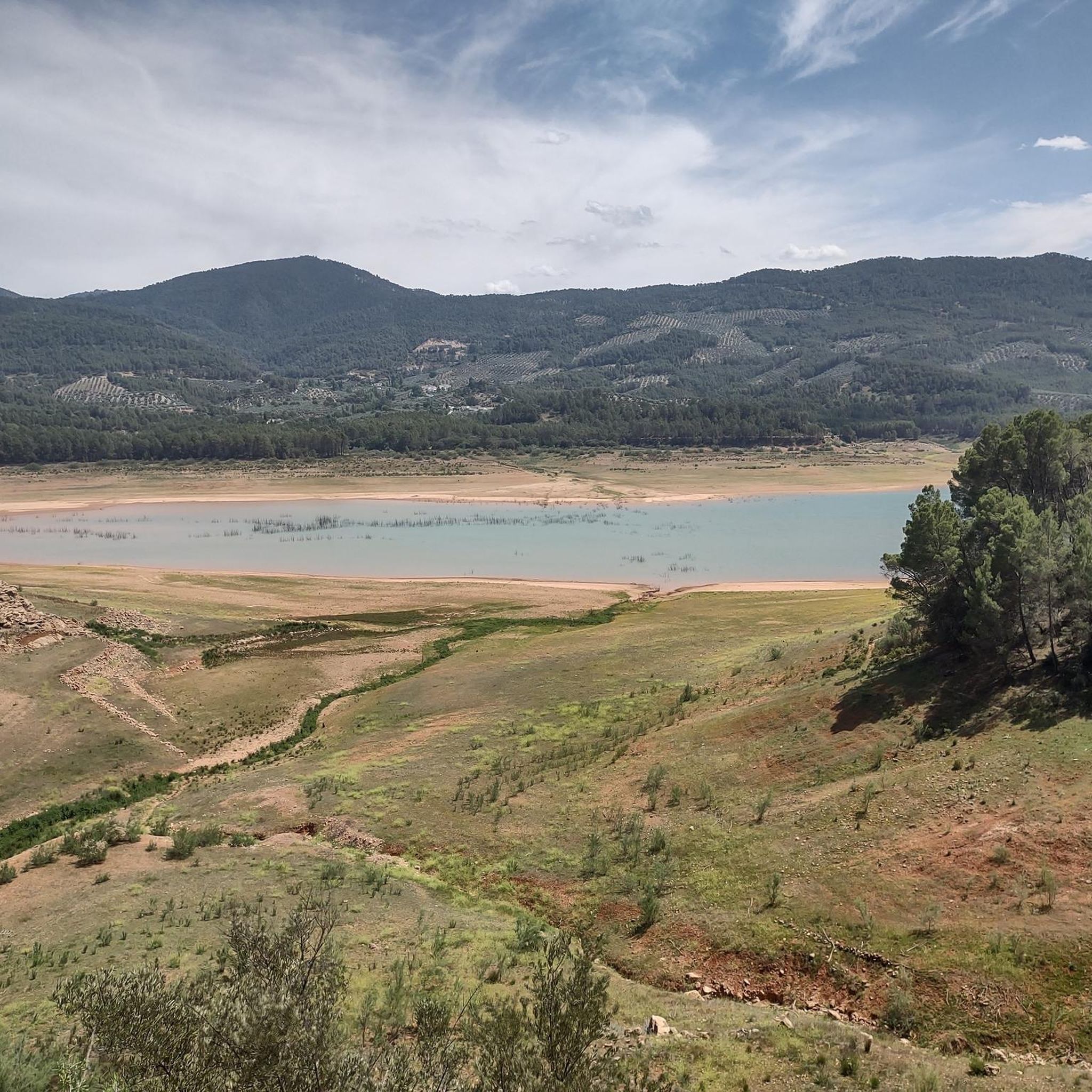
Reservoir that is located to the east of the Natural Park Sierras de Cazorla, Segura y Las Villas and that, like the rest of the dams in this area, is surrounded by large pine forests and steep mountains!
0
0
Beautiful road that winds through this valley bottom surrounded by high mountains and following the Río Lumela. She is calm.
1
0
Frequently Asked Questions
How many road cycling routes are available around Embalse de Tranco de Beas?
There are over 30 road cycling routes available around Embalse de Tranco de Beas. The region offers a diverse network, primarily featuring challenging routes with significant elevation gain, catering to experienced cyclists.
What kind of terrain can I expect when road cycling in Embalse de Tranco de Beas?
Road cycling in Embalse de Tranco de Beas is characterized by dramatic mountainous terrain, dense pine forests, and scenic roads winding around the expansive reservoir. You can expect significant climbs and descents, offering both physical challenge and picturesque vistas.
Are there any easy or family-friendly road cycling routes in the area?
The road cycling routes around Embalse de Tranco de Beas are predominantly challenging, with 21 out of 31 routes rated as difficult and 10 as moderate. There are no routes specifically classified as easy, meaning the area is best suited for cyclists comfortable with significant elevation changes and longer distances. For family-friendly options, you might consider other activities in the natural park or look for flatter sections within villages.
What are some notable viewpoints or landmarks to see while cycling?
The region is rich with stunning viewpoints. You can enjoy panoramic vistas from the Isla Cabeza de la Viña Viewpoint, located on an island within the reservoir. Other notable spots include Mirador del Aguilón, offering views from Hornos de Segura, and various other miradores like Félix Rodríguez de la Fuente and Bujaraiza. The traditional villages such as Hornos de Segura also offer cultural landmarks.
What is the best time of year for road cycling around Embalse de Tranco de Beas?
The best time for road cycling around Embalse de Tranco de Beas is generally during spring and autumn. These seasons offer milder temperatures, making the significant climbs more enjoyable and the scenery vibrant. Summers can be very hot, while winters may bring colder temperatures and potentially adverse weather conditions in the mountainous terrain.
Are there any circular road cycling routes available?
Yes, many routes in the area are circular, allowing you to start and end in the same location. For example, the challenging Embalse del Tranco de Beas and ascent to Mirador de Huelguecillas — circular from Hornos is a popular option, as is the Ascent to El Yelmo — circular route around the Tranco Reservoir.
What do other road cyclists say about the routes in Embalse de Tranco de Beas?
The road cycling routes in Embalse de Tranco de Beas are highly rated by the komoot community, with an average score of 4.6 stars from over 8 reviews. Cyclists often praise the extensive views of the reservoir, the challenging ascents, and the panoramic mountain scenery that define the region's unique cycling experience.
Can I find places to eat or stay near the cycling routes?
Yes, traditional villages like Hornos de Segura and Santiago-Pontones, which are often starting points or pass-throughs for routes, offer amenities such as cafes, pubs, restaurants, and accommodation. These villages provide convenient stops for refreshments and overnight stays for cyclists exploring the region.
Is parking available for cyclists in the area?
Parking is generally available in the traditional villages that serve as common starting points for routes, such as Hornos de Segura. These villages are well-integrated into the natural park and cater to visitors, including cyclists.
Are there any permits required for road cycling in Sierra de Cazorla Natural Park?
Generally, no specific permits are required for road cycling on public roads within the Sierra de Cazorla, Segura y Las Villas Natural Park. However, it's always advisable to respect local regulations and protected areas. For specific inquiries, you can consult the official park authority.
What are the typical elevation gains on road cycling routes here?
Road cycling routes around Embalse de Tranco de Beas are known for significant elevation gains. For instance, routes like the Embalse del Tranco de Beas and ascent to Mirador de Huelguecillas — circular from Hornos feature over 1700 meters of ascent, while the Salto de la Novia Viewpoint – Hospedería Río Zumeta loop from Hornos includes nearly 2400 meters of climbing, indicating a challenging profile for most rides.
Are there any specific natural features to look out for while cycling?
Beyond the expansive reservoir itself, the region is dominated by vast pine forests and rugged mountains. The roads often trace the reservoir's coast, offering continuous spectacular views of the water reflecting the surrounding verdant landscapes. The area is part of one of Spain's largest natural parks, ensuring a rich natural environment throughout your ride.
Most popular routes around Embalse de Tranco de Beas
Most popular attractions around Embalse de Tranco de Beas

Get inspired with the komoot mobile app


Explore more
Browse the best Road cycling routes in other regions.
