The best road cycling routes around Embalse de San Juan
3.8
(6)
1,874
riders
82
rides
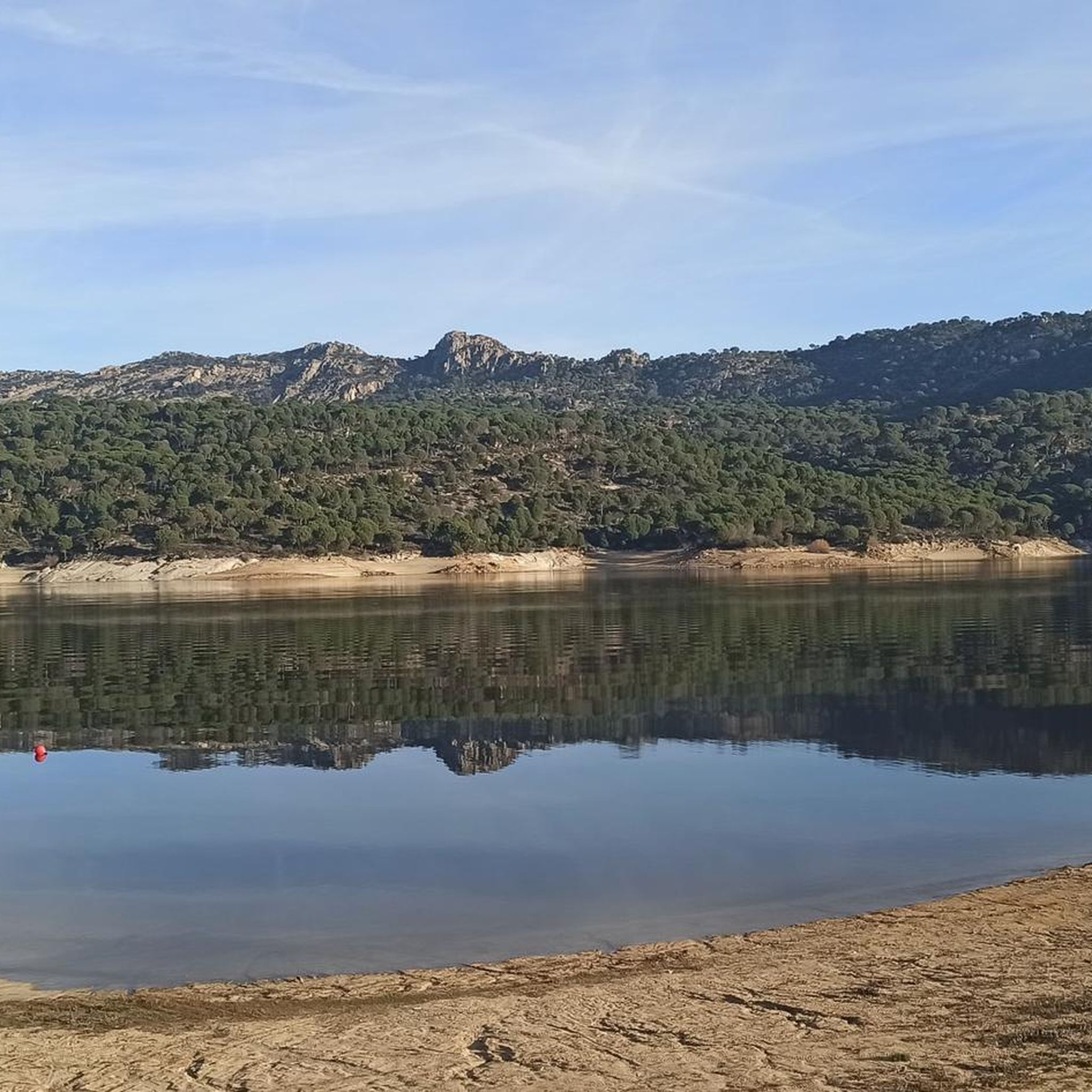
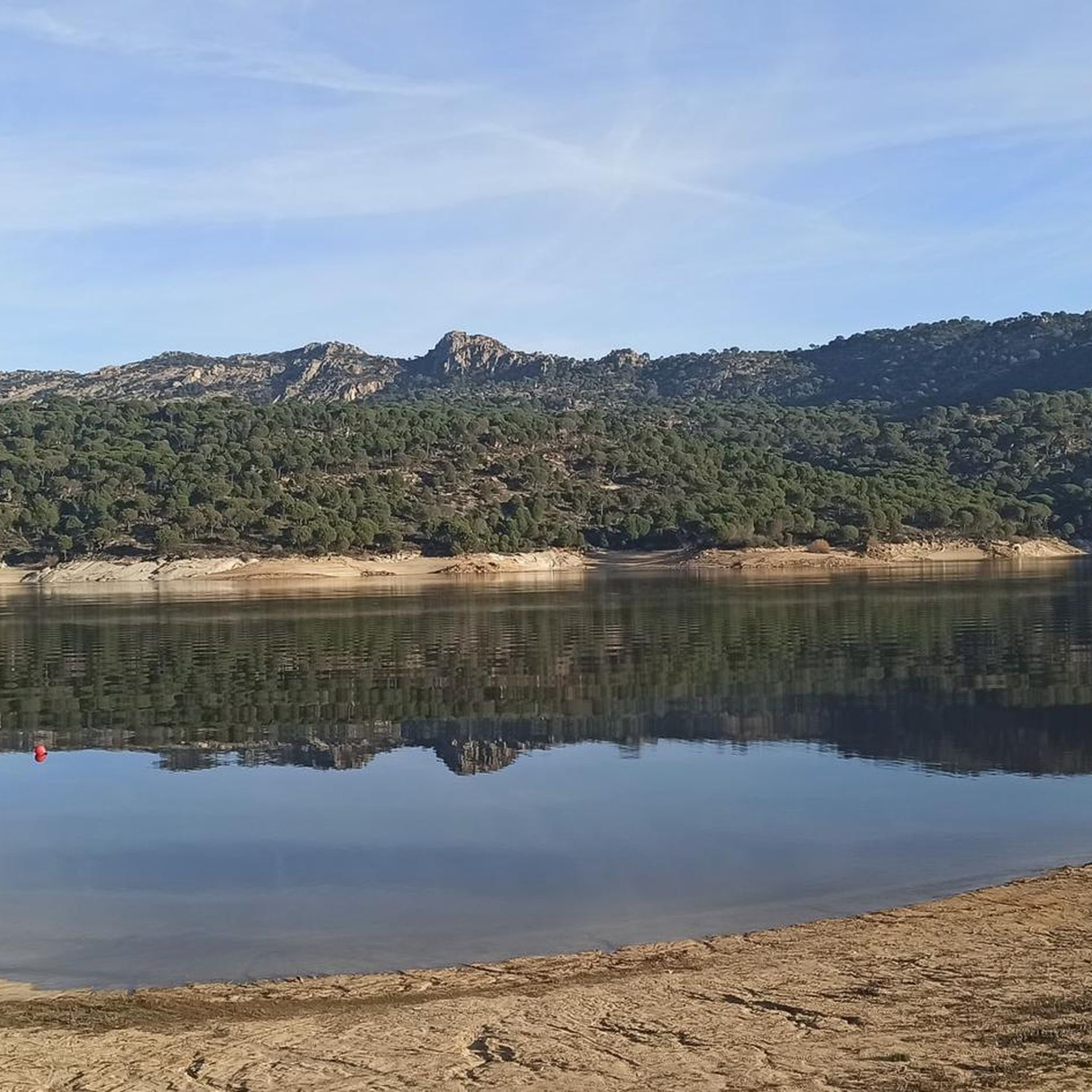
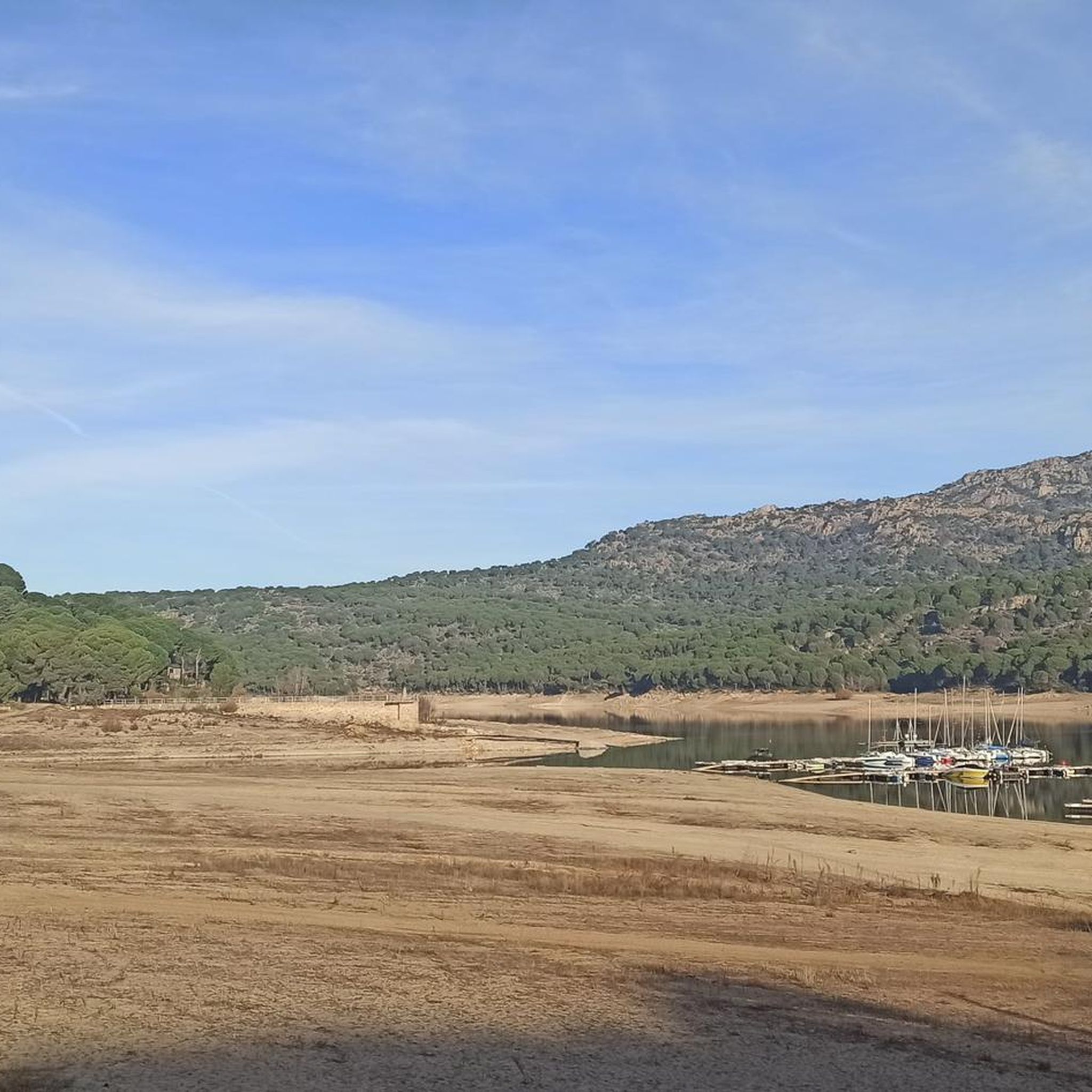
Road cycling routes around Embalse de San Juan are situated in the southeast of the Autonomous Community of Madrid, Spain, offering diverse terrain for cyclists. The region features the large San Juan Reservoir, surrounded by pine forests and varying elevations. Routes often traverse areas near the Alberche River and extend into the bordering province of Ávila, providing opportunities for both scenic and challenging rides.
Best road cycling routes around Embalse de San Juan
- The most popular road cycling route is…
Last updated: July 10, 2026
57
riders
79.9km
03:53
1,150m
1,150m
Hard road ride. Very good fitness required. Some segments of this route may be unpaved and difficult to ride.
42
riders
63.6km
03:15
1,110m
1,110m
Hard road ride. Very good fitness required. Mostly well-paved surfaces and easy to ride.

Sign up for free
22
riders
Moderate road ride. Good fitness required. Mostly well-paved surfaces and easy to ride.
9
riders
Moderate road ride. Good fitness required. Mostly well-paved surfaces and easy to ride.
12
riders
41.3km
02:14
670m
670m
Moderate road ride. Good fitness required. Some segments of this route may be unpaved and difficult to ride.
Get access to more routes and recommendations from other explorers.
Sign up for free
Already have an account?
Our route recommendations are based on thousands of hikes, rides, and runs completed by other people on komoot.
Start today with a free account
Your next adventure awaits.
Login or Signup


Tips from the Community

Los Toros de Guisando are a set of zoomorphic sculptures of Vettonian origin, carved in granite between the 4th and 2nd centuries BC. They probably represent bulls or verracos and were linked to rituals for the protection of livestock and the delimitation of territory.
0
0

The cycle trip continues along the lane of the Jacobean route until it connects with the Cebreros highway. The route continues along the side of the road, passing through the popular port of Arrebatacapas and another descent to Cebreros, a mountain town with a wine-growing tradition that would be a good place to finish the second stage when organized as a three-day trip. The Camino de Levante descends from the port along a mountain path that is quite technical and difficult by bicycle, suitable for trail experts and everyone can choose. The path begins next to the port sign and ends where the road enters the urban complex. The track goes down the road, crosses the town and continues the descent along the old Camino Real de Toledo, used by the funeral procession of Isabel la Católica when they carried her remains from Medina del Campo to Granada. At the Cebreros exit there are remains of the old medieval road and on the Alberche River there are the monumental bridges of Valsordo and Santa Yusta, used since Roman times, although they have undergone several reconstructions throughout history. The climb coincides with the last arrows of the Camino de Levante and deviates through the Puente Nuevo urbanization towards San Martín de Valdeiglesias, following the markings of the GR-10 long-distance path, with several hard ramps on the Camino de la Aliseda.
0
0

The arrangement of the sculptures is interesting: they are side by side, forming a line in a north-south direction and all of them facing west, to the hill of Cerro de Guisando, from which they receive their name. The Tórtolas stream, which is located behind it, marks the natural border between the communities of Castilla y León and Madrid.
13
0

It is a very beautiful route leaving from the campsite passing through green roads until you reach the castle
0
0

It is a place where you can admire stone carvings that are more than 2,000 years old that were recovered and taken there so that they can be contemplated by visitors who wish to do so. You have to pay a small entrance fee of €2 to ensure the conservation and maintenance of the sculptures, but it is definitely worth it. These are 4 bulls carved in stone from the 3rd century BC. next to an old inn or inn called "Juradera" in which the pact was signed between Enrique IV and his sister Isabel.
21
0

The Guisando Bulls are an outstanding example of Vetona sculpture, a pre-Roman art, found in the municipality of El Tiemblo, in the province of Ávila. These are four large granite statues that represent bulls. These sculptures date from the 6th or 3rd century BC. and they are considered one of the most outstanding examples of Veton sculpture, associated with Celtic culture. Although their exact meaning is unclear, it is believed that the Guisando Bulls could have a symbolic or religious purpose related to fertility and the protection of livestock. There has also been speculation about its possible connection with ritual ceremonies.
12
0

Cadalso de los Vidrios acquired fame in the 16th and 17th centuries thanks to the fact that its glass factory supplied the royal pharmacy of the monastery of San Lorenzo de El Escorial. In the municipality there are important historical buildings, such as the Renaissance palace of Villena. This town is located at the top of the hillside, which allows you to contemplate the Alberche valley majestically.
1
0
San Martín de Valdeiglesias is the capital of the Sierra Oeste de Madrid, in the foothills of the Sierra de Guadarrama. It is the epicenter of a multitude of outdoor activities and among its monuments is the Coracera castle, originally from the 15th century, this medieval fortress was owned by Álvaro de Luna himself.
1
0
Frequently Asked Questions
What is the general difficulty level of road cycling routes around Embalse de San Juan?
The Embalse de San Juan area offers a diverse range of road cycling routes suitable for various skill levels. You'll find both moderate and difficult options, with 35 moderate and 39 difficult routes available. For example, the Cadalso de los Vidrios – Toros de Guisando loop from El Tiemblo - Puente Nuevo is a moderate route, while the El Burguillo Reservoir – Burguillo Reservoir loop from El Tiemblo - Puente Nuevo is considered difficult due to its significant elevation gain.
What kind of terrain can I expect on road cycling routes near Embalse de San Juan?
Road cycling routes around Embalse de San Juan are characterized by varying elevations, offering both scenic flat sections and challenging climbs. You'll often traverse areas near the Alberche River, ride through beautiful pine forests, and enjoy picturesque views of the reservoir's waters. The region borders the province of Ávila, which can introduce more hilly terrain.
Are there challenging climbs for road cyclists in the Embalse de San Juan area?
Yes, the Embalse de San Juan region provides ample opportunities for challenging climbs. Many routes feature significant elevation gains, particularly those extending towards the bordering province of Ávila. For instance, the Historic center of Cebreros – Puerto de Arrebatacapas loop from El Tiemblo - Puente Nuevo is a difficult route known for its climbs.
Are there beginner-friendly road cycling routes available?
While many routes offer moderate to difficult challenges, there are 6 routes specifically categorized as easy for road cycling around Embalse de San Juan. These routes are ideal for those new to road cycling or looking for a more relaxed ride, allowing you to enjoy the scenery without excessive effort.
What landmarks or points of interest can I see while road cycling around Embalse de San Juan?
Beyond the natural beauty of the reservoir, you can encounter historical sites and charming towns. Nearby attractions include the Cistercian monastery of Pelayos de la Presa, dating back to the 12th century, and the impressive Castillo de La Coracera in San Martín de Valdeiglesias. Routes like the Cadalso de los Vidrios – Toros de Guisando loop from El Tiemblo - Puente Nuevo pass through rural areas and past historical sites.
Are there scenic viewpoints along the road cycling routes?
Absolutely. The region is rich in scenic vistas. Many routes offer stunning views of the Embalse de San Juan reservoir, its clear waters, and the surrounding pine forests. You might also find elevated sections that provide panoramic views of the landscape, including the Alberche River valley and the distant mountains towards Ávila.
What natural features will I encounter on road cycling routes?
Road cycling routes around Embalse de San Juan immerse you in a beautiful natural environment. You'll ride alongside the expansive reservoir, through fragrant pine forests, and often near the Alberche River. Keep an eye out for local wildlife such as deer, goats, squirrels, and even griffon vultures, adding to the natural allure of your ride.
Can I find circular road cycling routes around Embalse de San Juan?
Yes, many of the road cycling routes in the Embalse de San Juan area are designed as loops, allowing you to start and end at the same point. Examples include the El Burguillo Reservoir – Burguillo Reservoir loop from El Tiemblo - Puente Nuevo and the Historic center of Cebreros – Alberche River loop from El Tiemblo - Puente Nuevo, providing convenient options for exploration.
Are there options for longer road cycling routes?
Yes, the region offers several longer road cycling routes for those seeking extended rides. For instance, the El Burguillo Reservoir – Burguillo Reservoir loop from El Tiemblo - Puente Nuevo covers nearly 80 kilometers (49.7 miles), providing a substantial challenge and a full day of cycling.
Is parking available for road cyclists near Embalse de San Juan?
Yes, parking is generally available in the towns and recreational areas surrounding Embalse de San Juan, such as Pelayos de la Presa and San Martín de Valdeiglesias. Many routes start from locations like El Tiemblo - Puente Nuevo, where you can typically find suitable parking for your vehicle while you cycle.
What is the best time of year for road cycling around Embalse de San Juan?
The best time for road cycling around Embalse de San Juan is generally during the spring and autumn months. During these seasons, the weather is typically mild and pleasant, making for comfortable riding conditions. Summers can be quite warm, especially in July and August, while winters can be cooler, though still offering good cycling days.
What do other road cyclists enjoy the most about road cycling in Embalse de San Juan?
The area is highly rated by the komoot community, with an average score of 3.8 stars from 5 reviews. Reviewers often praise the diverse terrain, the beautiful reservoir views, and the opportunity to explore both challenging climbs and scenic, forested sections. The variety of routes caters to different preferences, making it a popular destination for many.
Most popular routes around Embalse de San Juan

Get inspired with the komoot mobile app


Explore more
Browse the best Road cycling routes in other regions.
