The best road cycling routes around Llyn Brenig
62
riders
10
rides
Best road cycling routes Llyn Brenig are set within an upland landscape characterized by forests, moorland, and the large reservoir itself. The region, part of the Denbigh Moors, features wet plateaus and rolling hills, with ancient broad-leaved woodlands in steep-sided valleys. Road cycling here involves varied terrain, offering both challenging ascents and scenic stretches around the lake.
Best road cycling routes around Llyn Brenig
- The most popular road cycling route is Llyn Brenig Visitor Centre – Denbigh Castle and Town…
Last updated: October 11, 2026
6
riders
35.4km
01:54
640m
640m
Moderate road ride. Good fitness required. Mostly well-paved surfaces and easy to ride.
4
riders
36.3km
01:51
500m
500m
Moderate road ride. Good fitness required. Mostly well-paved surfaces and easy to ride.

19
riders
76.3km
04:18
1,440m
1,440m
Hard road ride. Very good fitness required. Some segments of this route may be unpaved and difficult to ride.
13
riders
70.5km
03:56
1,240m
1,240m
Hard road ride. Very good fitness required. Some segments of this route may be unpaved and difficult to ride.
4
riders
35.1km
01:47
500m
500m
Moderate road ride. Good fitness required. Mostly well-paved surfaces and easy to ride.
Get access to more routes and recommendations from other explorers.
Already have an account?
Our route recommendations are based on thousands of hikes, rides, and runs completed by other people on komoot.
Start today with a free account
Your next adventure awaits.
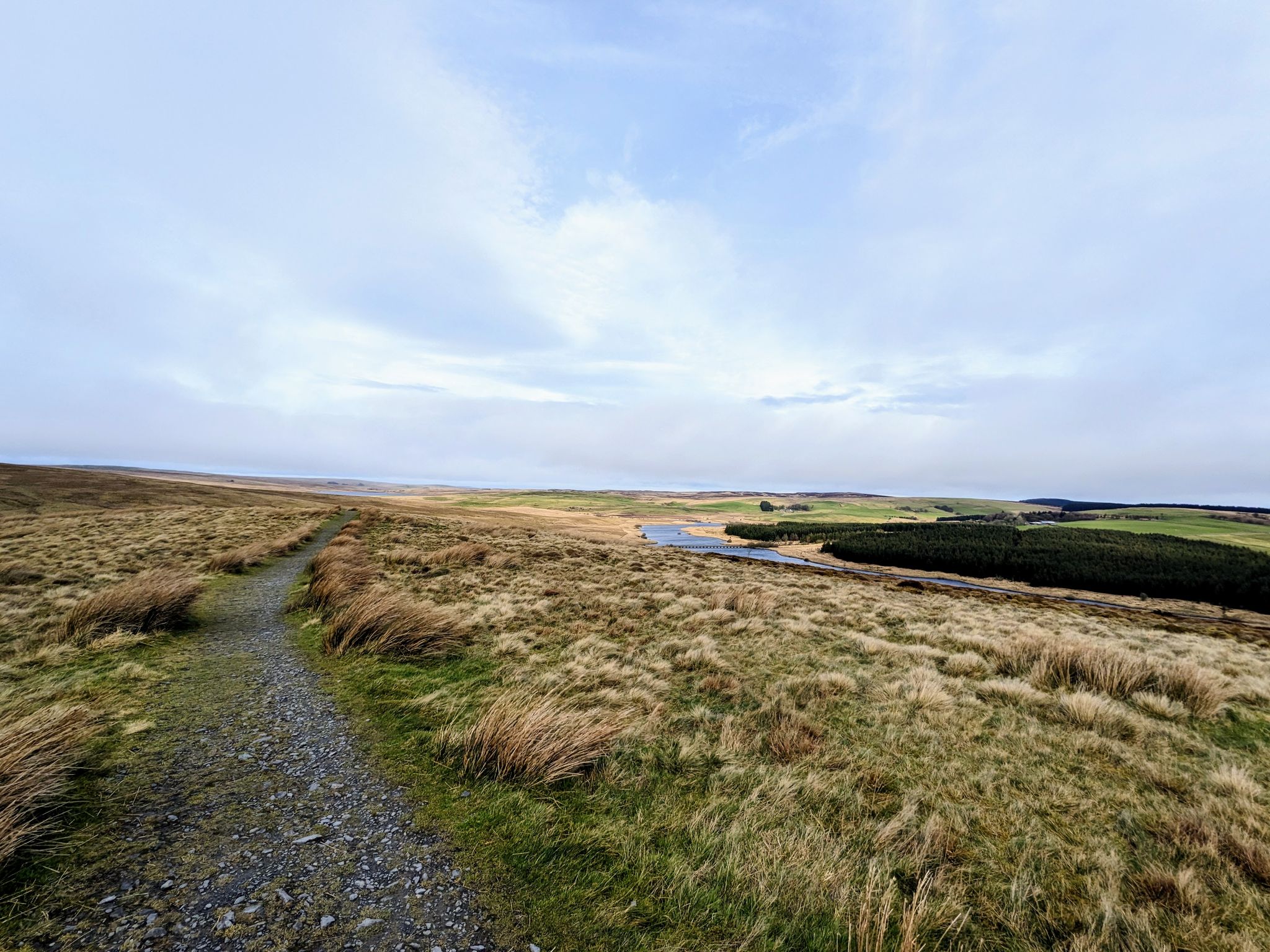
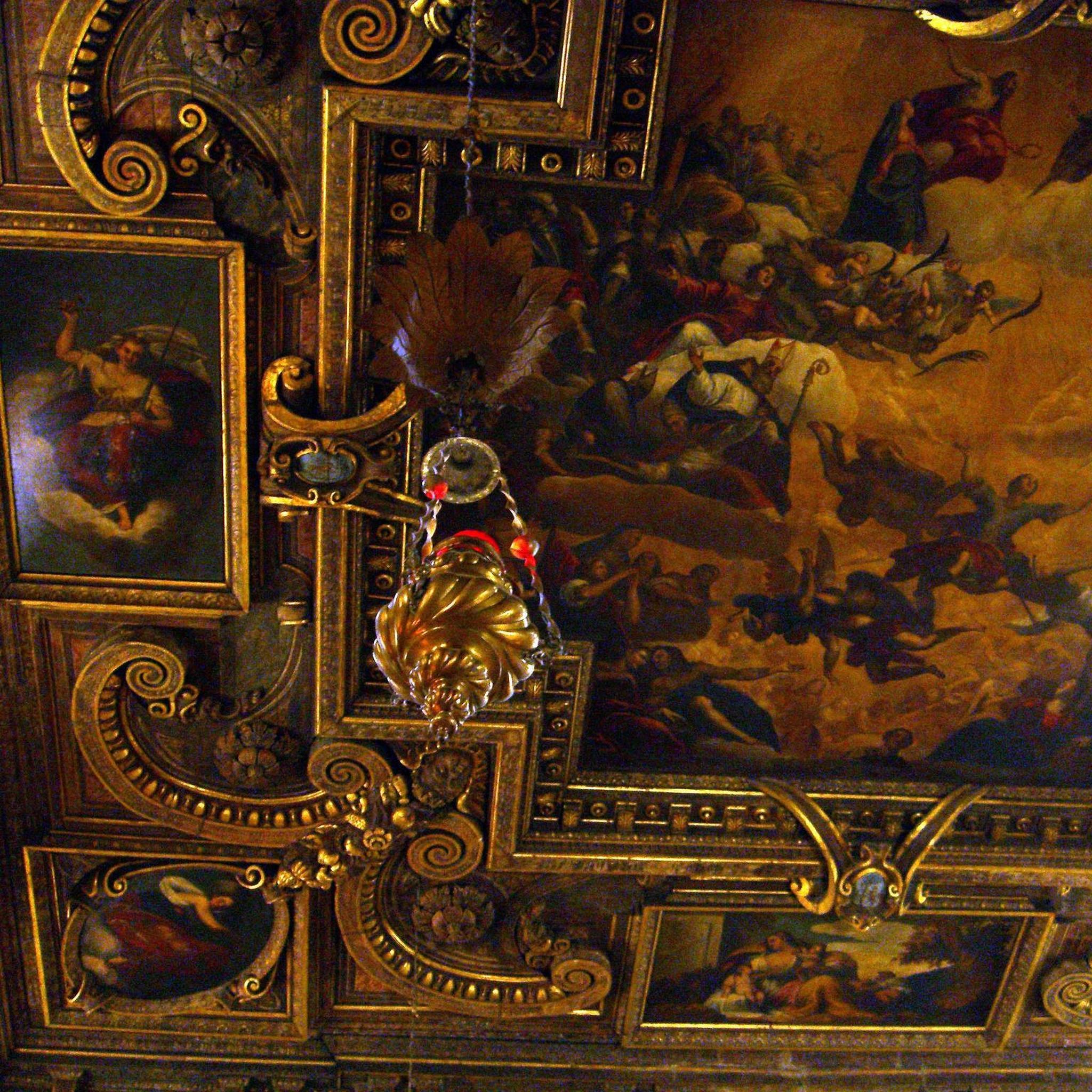
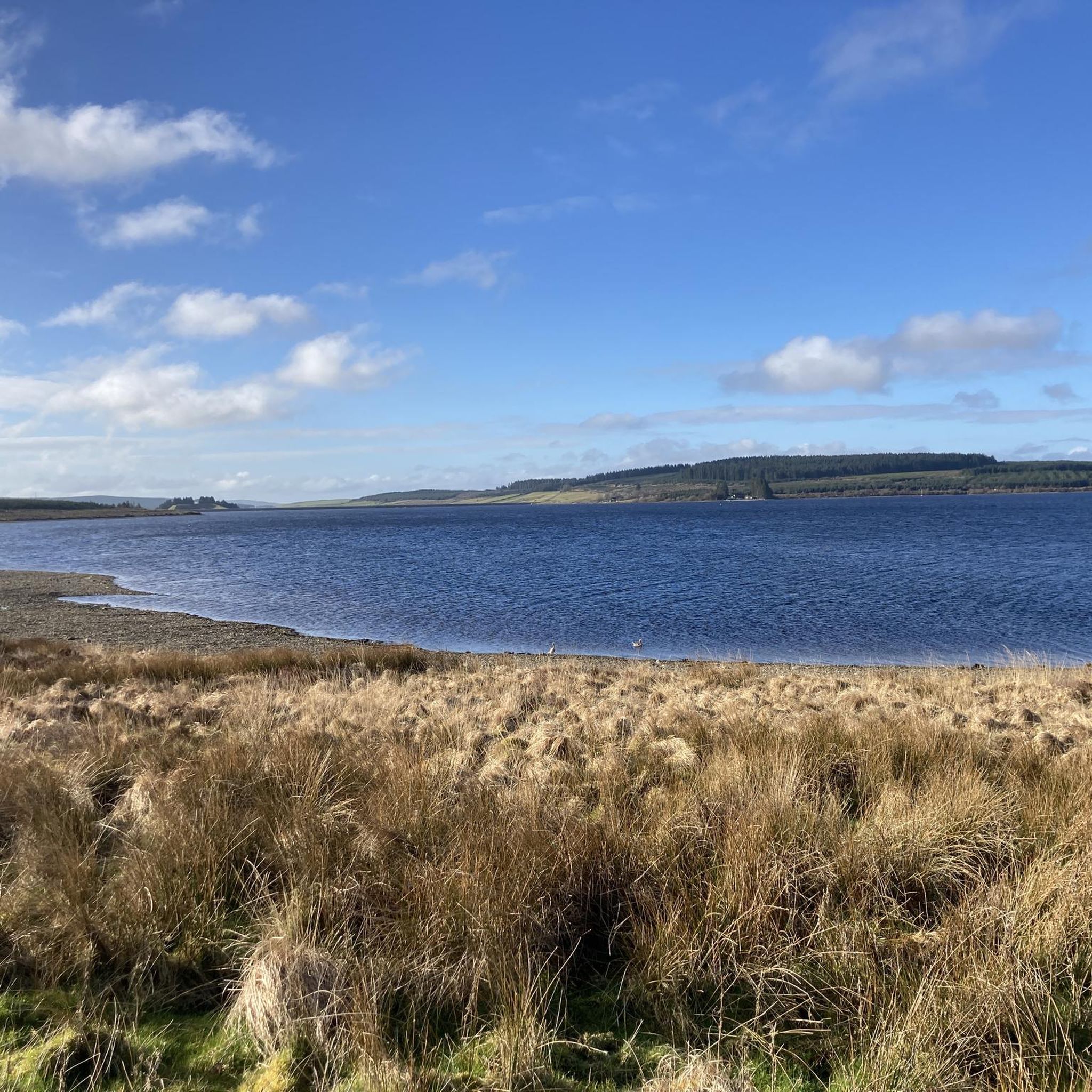
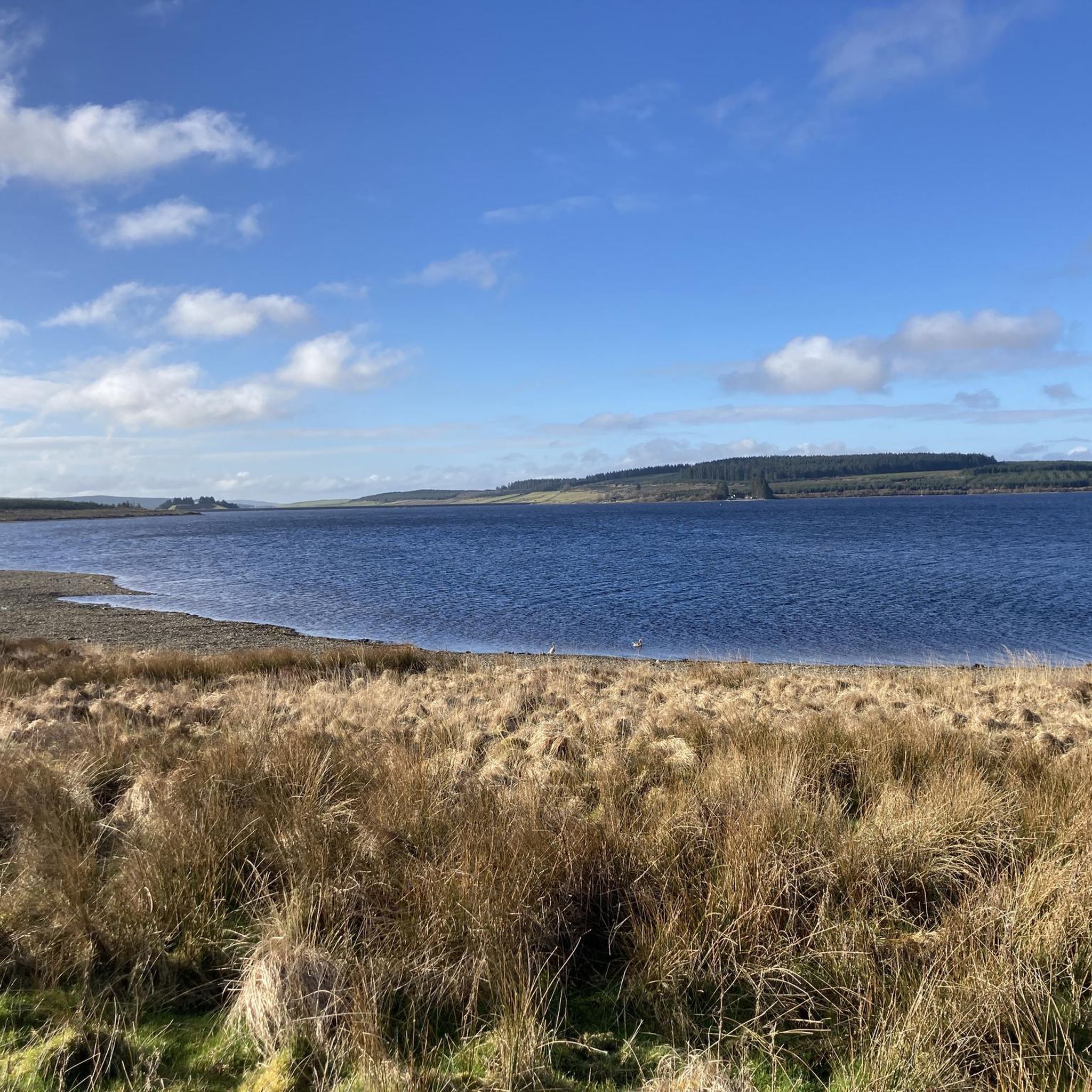
Other adventures around Llyn Brenig

Tips from the Community

tasty food, good spot to start and finish a ride
0
0

A lovely market town with pubs and shops and bakeries. Hilly routes into town but a number of good places for a stop mid ride.
0
0

Great decent but coming the other way is a little tough.
0
0
Complete knackered after this one and cars get very close.
2
0
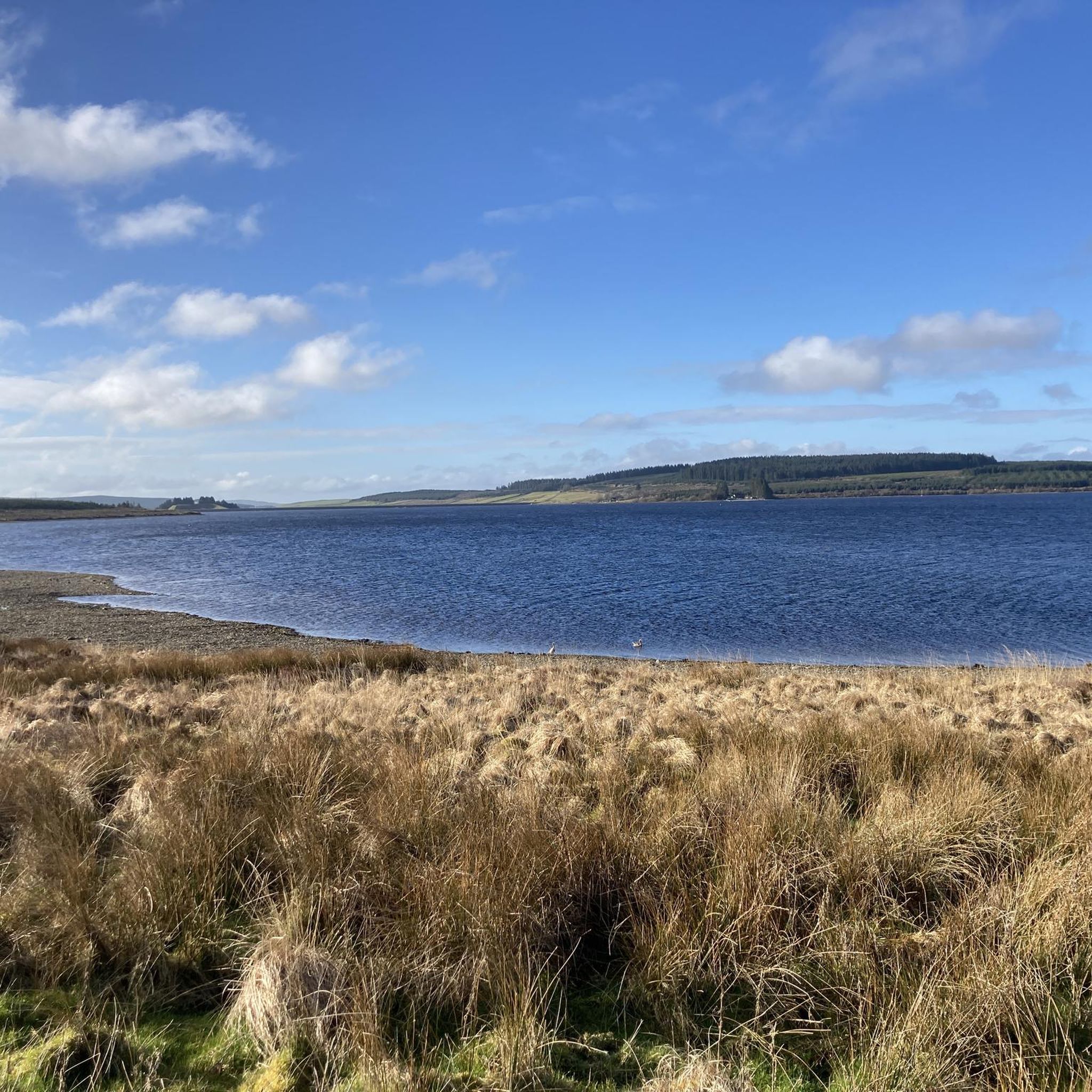
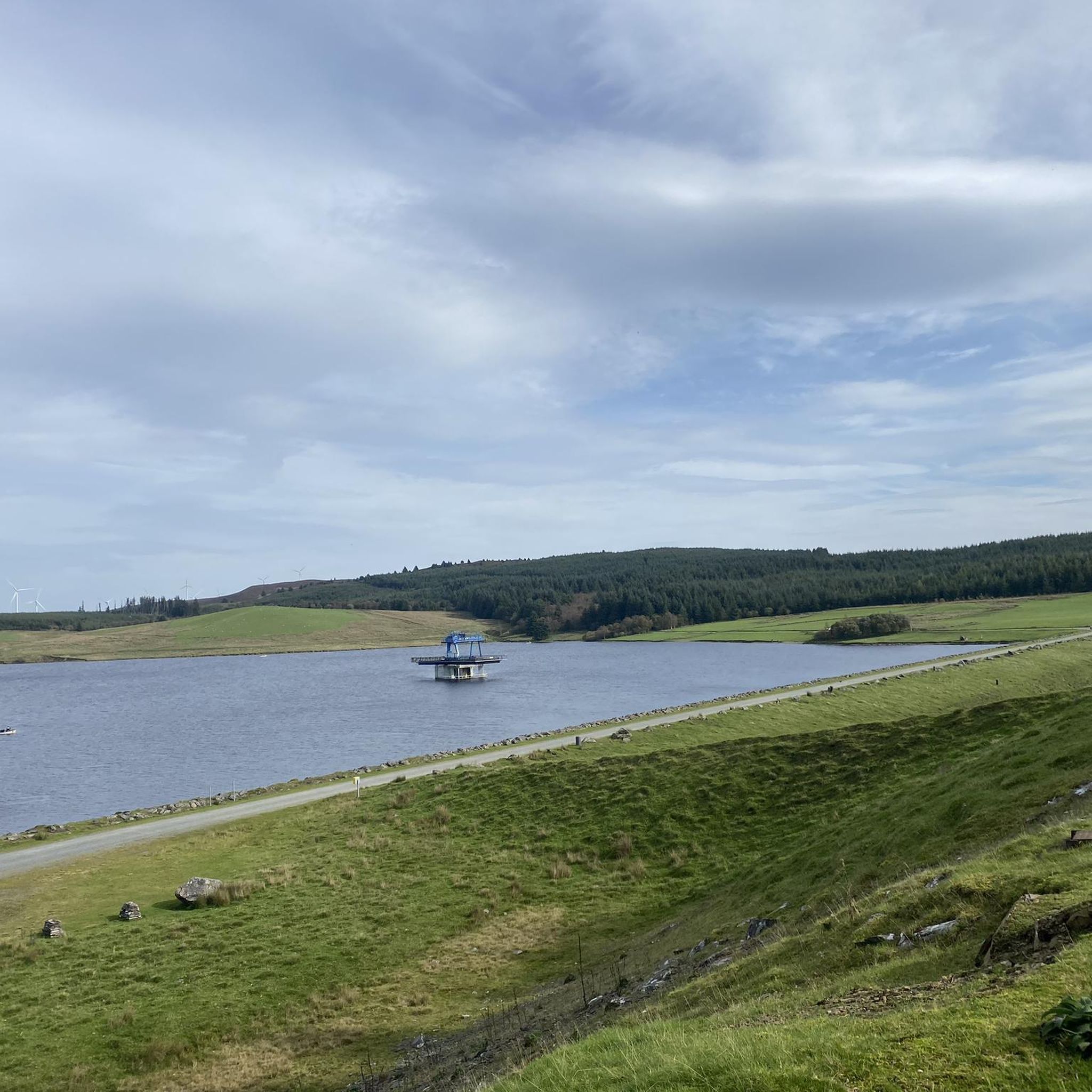
Llyn Brenig is a reservoir located on Denbigh Moors in North Wales. The artificial lake, which was constructed between 1973 and 1976, was created by building an embankment dam across the Afon Brenig valley. It lies at 1,200 ft above sea level on the border between the counties of Conwy and Denbighshire.
2
0
The castle passed between various owners in the first half of the 14th century, before coming under the control of the Mortimer family. Meanwhile, the walled town had proved impractical to live in, and a newer, much larger, settlement developed outside the defences. In 1400, the walled town was raided during the Glyndŵr Rising, although the castle itself remained secure throughout the rebellion. During the Wars of the Roses, Denbigh was attacked by Lancastrian forces; the walled town was attacked and burnt. In the aftermath, the old town was largely abandoned by its inhabitants, the walled area becoming an extension of the castle's defences.
3
0
Denbigh Castle and town walls (/ˈdɛnbi/ DEN-bee; Welsh: Castell Dinbych a waliau tref [ˌkastɛɬ ˈdɪnbɨχ]) were built to control the lordship of Denbigh after the Conquest of Wales by Edward I of England in 1282. The lands were granted to Henry de Lacy, Earl of Lincoln, who began to build a new walled town, colonised by immigrants from England, protected by a substantial castle and surrounded by deer parks for hunting. The work had not been completed by 1294, when the Welsh temporarily seized the castle during the Madog ap Llywelyn revolt. The defences continued to be improved, although the castle was not completely finished by the time of Henry's death in 1311.
3
0

Llyn Brenig is located at the heart of the Mynydd Hiraethog and is a good base for outdoor activities, including walking, cycling, fishing and sailing. It is a great spot for a break off the bike and the area is surrounded by a network of footpaths and a number of way marked trails suitable for biking and walking, including the Brenig Trail. The Visitor Centre provides toilet facilities and a cafe.
2
0
Frequently Asked Questions
What kind of terrain can I expect on road cycling routes around Llyn Brenig?
The road cycling routes around Llyn Brenig traverse a diverse upland landscape. You'll encounter a mix of forests, moorland, and rolling hills, with the reservoir itself as a central feature. While some routes offer mostly flat sections, particularly around the lake, many include significant ascents and descents, providing varied challenges and rewarding views of the Denbigh Moors and distant Snowdonia.
Are there challenging road cycling routes for experienced cyclists?
Yes, Llyn Brenig offers several challenging road cycling routes. For instance, the Llyn Brenig Visitor Centre – Denbigh Castle and Town Walls loop is a difficult 38.5-mile (62 km) route with over 1,000 meters of elevation gain. Another demanding option is the Moel Arthur Climb – Denbigh Castle and Town Walls loop, which covers 76.3 miles (76.3 km) and features nearly 1,440 meters of climbing.
Are there any family-friendly or easier road cycling options around Llyn Brenig?
While many routes involve significant elevation, the area does offer options suitable for varying abilities. The Brenig Trail, a 9.5-mile (14.5 km) anti-clockwise loop around the lake, is generally considered moderate with mostly flat terrain, though it includes one steep incline. This trail is primarily on a dedicated path, with a short section on a minor road. For a very easy ride, an 'Easy bike ride' around the Llyn Brenig Dam is 13.3 km long with minimal elevation gain.
What are some scenic viewpoints or landmarks I can see while road cycling in the area?
Road cycling routes around Llyn Brenig offer stunning views across the water and surrounding moorland. You can expect distant views of Snowdonia and nearer views of the Clwydian hills. The Llyn Brenig Visitor Centre – Denbigh Castle and Town Walls loop will take you to the historic Denbigh Castle. The area is also rich in prehistoric remains, including Bronze Age cairns and barrows, which can be explored via an archaeological trail.
Where can I park my car when visiting Llyn Brenig for road cycling?
The Llyn Brenig Visitor Centre is a central hub and offers parking facilities. This is a convenient starting point for many routes, including those that loop around the reservoir or extend further into the Denbigh Moors.
Are there any cafes or places to eat near the road cycling routes?
Yes, the Llyn Brenig Visitor Centre features a cafe where you can refuel before or after your ride. For options beyond the visitor centre, you might find additional cafes or pubs in nearby villages, though these would require a short detour from the immediate lakeside routes.
What is the best time of year to go road cycling around Llyn Brenig?
The best time for road cycling around Llyn Brenig is generally from spring to late autumn. During these months, the weather is typically milder and more predictable. Spring and summer offer lush landscapes and the chance to spot ospreys, while autumn brings beautiful colours to the forests and moorland. Always check the local weather forecast before heading out, as conditions in this upland area can change rapidly.
Can I rent a bike at Llyn Brenig?
Yes, if you don't bring your own, you can hire a variety of bikes at the Llyn Brenig Visitor Centre. They offer children's and adult bikes, including e-bikes and trailers, making it convenient for all types of cyclists.
What wildlife might I encounter while cycling around Llyn Brenig?
Llyn Brenig is a haven for wildlife. You might spot over 130 bird species, including ospreys from spring to late August, red kites, buzzards, peregrine falcons, and kestrels. Keep an eye out for otters, pine martens, and red squirrels in the surrounding areas, particularly near the Gors Maen Llwyd Nature Reserve.
Are there any circular road cycling routes around Llyn Brenig?
Yes, many of the road cycling routes around Llyn Brenig are designed as loops. For example, the Llyn Brenig Visitor Centre – Llyn Brenig loop from Brenig Reservoir is a moderate 22.5-mile (36.2 km) circular path, and the Llyn Brenig Visitor Centre – Llyn Brenig loop from Gorsedd Bran is another popular 22.6-mile (36.4 km) loop.
How long do road cycling routes around Llyn Brenig typically take?
The duration of road cycling routes varies significantly based on distance and difficulty. Moderate loops around the reservoir, such as the 22.5-mile (36.2 km) Llyn Brenig Visitor Centre – Llyn Brenig loop, typically take around 1 hour 55 minutes to 2 hours. More difficult and longer routes, like the 38.5-mile (62 km) Llyn Brenig Visitor Centre – Denbigh Castle and Town Walls loop, can take approximately 3 hours 30 minutes or more.
Most popular routes around Llyn Brenig

Get inspired with the komoot mobile app


Explore more
Browse the best Road cycling routes in other regions.
