The best walks and hikes around Loch Brusda
4.8
(8)
75
hikers
5
hikes
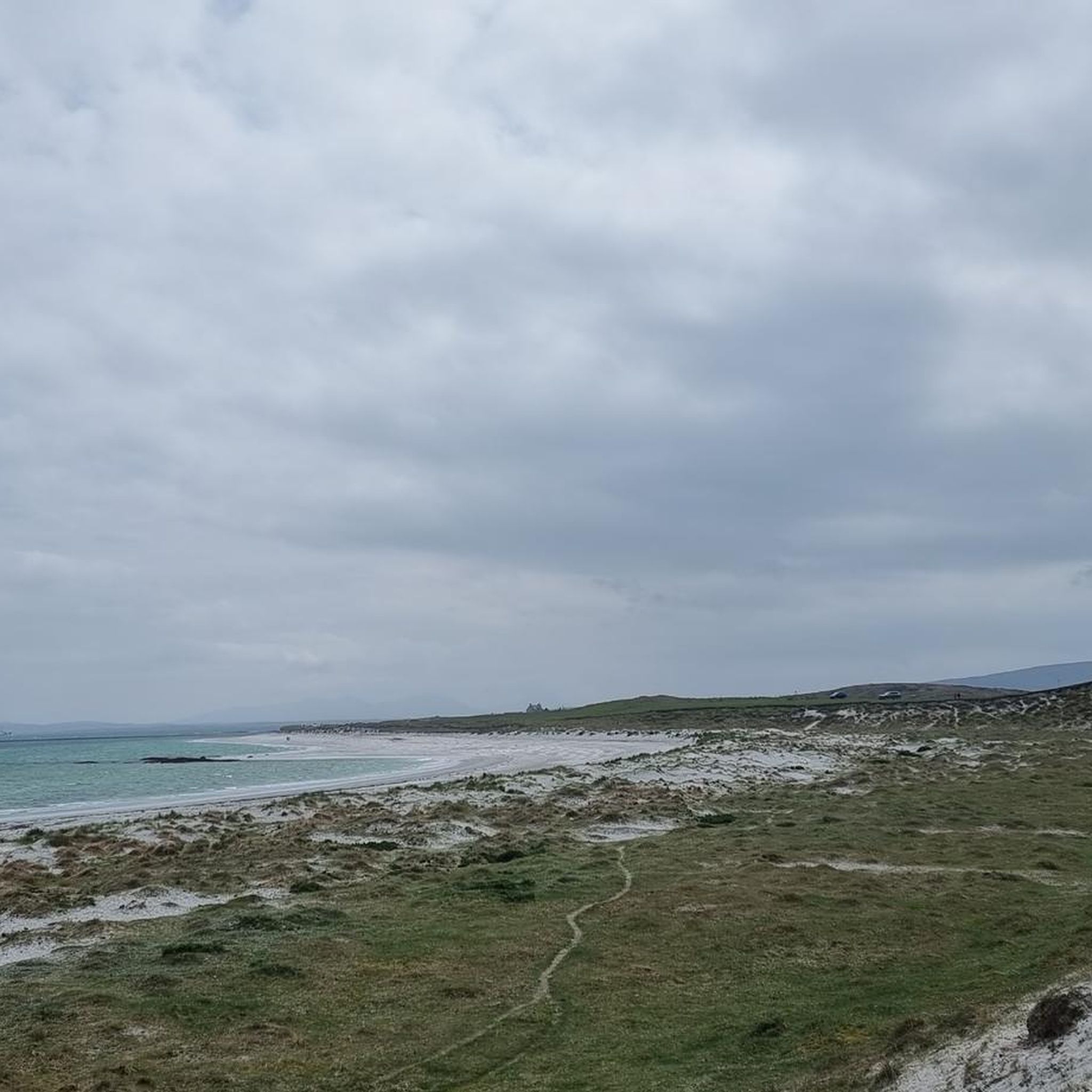
Hiking around Loch Brusda, the largest loch on the island of Berneray in the Outer Hebrides, offers a diverse range of landscapes. The region is characterized by extensive sandy beaches, unique machair plains, and accessible hills like Beinn Shlèibhe and Cnoc Bhuirgh. Inland, moorland provides a different terrain for exploration, while the east coast features rocky bays. These varied environments contribute to the island's appeal for outdoor activities.
Best hiking trails around Loch Brusda
- The most popular hiking route is Berneray Circular Walk via West Beach, a 9.4 miles (15.1 km) trail that takes 3 hours 57 minutes to complete. This moderate route explores the island's western coastline.
- Another top favourite among local hikers is East Beach, Berneray – East Beach Parking loop from Berneray, a moderate 6.7 miles (10.8 km) path. This route offers coastal walking opportunities along Berneray's East Beach.
- Local hikers also love the West Beach, Berneray – Rubh' a' Chorrain Beach loop from Berneray, a 7.3 miles (11.8 km) trail leading through sandy beaches and coastal paths, often completed in about 2 hours 58 minutes.
- Hiking around Loch Brusda is defined by expansive sandy beaches, unique machair landscapes, and open moorland. The network offers options for different ability levels, from easy coastal strolls to moderate circular routes.
- The routes in Loch Brusda are highly rated by the komoot community with an average score of 4.8 stars from more than 8 reviews. More than 60 hikers have used komoot to explore Loch Brusda's varied terrain.
Last updated: June 28, 2026
5.0
(1)
44
hikers
15.1km
03:58
130m
130m
Moderate hike. Good fitness required. Mostly accessible paths. Sure-footedness required.
4.7
(3)
8
hikers
10.8km
02:52
110m
110m
Moderate hike. Good fitness required. Easily-accessible paths. Suitable for all skill levels.

Sign up for free
5.0
(1)
6
hikers
11.8km
02:59
20m
20m
Moderate hike. Good fitness required. Easily-accessible paths. Suitable for all skill levels.
5.0
(1)
13
hikers
6.78km
01:51
110m
100m
Easy hike. Great for any fitness level. Easily-accessible paths. Suitable for all skill levels.
4.5
(2)
4
hikers
Moderate hike. Good fitness required. Easily-accessible paths. Suitable for all skill levels.
Our route recommendations are based on thousands of hikes, rides, and runs completed by other people on komoot.
Start today with a free account
Your next adventure awaits.
Login or Signup
Popular around Loch Brusda
Tips from the Community

a great place to watch seals
1
0


West Beach on Berneray is a stunning 3-mile stretch of white sand with turquoise waters, rich wildlife, and is perfect for walking and swimming in calm conditions.
0
0

They are really there when the morning sun is there to warm them up.
1
0
A great parking area for seal spotting. Not too far from the ferry terminal.
0
0
A great parking spot for a walk round Berneray. Right next to East Beach.
0
0
One thing the Western Isles isn't short of is beautiful beaches, and East Beach on Berneray won't let you down. A short drive from the ferry terminal.
2
0

The West coast of Berneray is one amazing long white sand beach backed by massive sand dunes and machair meadows behind
0
0
Frequently Asked Questions
Where is Loch Brusda located?
Loch Brusda is the largest loch on the island of Berneray, which is part of the Outer Hebrides in Scotland. Berneray is known for its stunning natural beauty, including extensive sandy beaches, unique machair plains, and accessible hills.
What types of landscapes can I expect to see while hiking around Loch Brusda?
Hiking around Loch Brusda offers a diverse range of scenery. You'll encounter magnificent sandy beaches like Tràigh Iar (West Beach) and East Beach, unique machair plains rich in wildflowers, and accessible hills such as Beinn Shlèibhe and Cnoc Bhuirgh offering panoramic views. The island's interior also features extensive moorland, while the east coast has rocky bays like Bays Loch.
Are there any easy hiking trails suitable for beginners or families around Loch Brusda?
Yes, there are options for easier walks. For instance, the East Beach Parking – East Beach, Berneray loop from Cnoc Torla is an easy 6.7-mile (10.8 km) path that offers pleasant coastal walking. Berneray's varied terrain includes coastal strolls that are generally less strenuous.
What kind of wildlife can I spot while hiking in Berneray?
Berneray is a haven for wildlife. Around Loch Brusda, you might see mute swans. Bays Loch is a popular spot for common seals. The island's crofting lands support diverse birdlife, including snipe, corncrakes, greylag geese, barnacle geese, and brent geese. Ravens, grey herons, and buzzards are common, with rarer sightings of golden eagles and hen harriers. The shores attract numerous wading birds like redshank, oystercatcher, and curlew.
Are there any circular hiking routes available?
Yes, many of the popular routes around Loch Brusda are circular, allowing you to experience different aspects of the island without retracing your steps. A notable example is the Berneray Circular Walk via West Beach, which is a moderate 9.4-mile (15.1 km) trail exploring the island's western coastline.
What do other hikers enjoy most about the trails around Loch Brusda?
The trails around Loch Brusda are highly rated by the komoot community, with an average score of 4.8 stars from more than 8 reviews. Hikers frequently praise the stunning natural beauty, the unique machair landscapes, and the expansive sandy beaches that define the island's routes.
Can I bring my dog on the hiking trails around Loch Brusda?
While dogs are generally welcome on Berneray's trails, it's important to be mindful of the island's crofting lands and abundant wildlife. Always keep dogs under close control, especially near livestock and ground-nesting birds, and adhere to the Scottish Outdoor Access Code. Some areas, particularly during lambing season or near sensitive wildlife habitats, may require dogs to be on a lead.
Are there any historical sites or landmarks to see along the hiking routes?
Berneray has a rich history. While hiking, you can explore ancient sacred sites, standing stones (such as one on Beinn a' Claidh), and evidence of Viking habitation. The 17th-century Gunnery is also the island's oldest surviving house, offering a glimpse into its past.
How long does it typically take to complete a hike around Loch Brusda?
Hiking durations vary depending on the route and your pace. For example, the moderate East Beach, Berneray – East Beach Parking loop from Berneray, which is 6.7 miles (10.8 km), typically takes around 2 hours 52 minutes. Longer routes like the Berneray Circular Walk via West Beach (9.4 miles / 15.1 km) can take closer to 4 hours.
Is there public transport or parking available for hikers visiting Loch Brusda?
Berneray is accessible by causeway from North Uist and by ferry from Leverburgh on Harris. Parking is generally available at key starting points for popular trails, such as near East Beach. For public transport, local bus services operate on the Uists and Berneray, but it's advisable to check schedules in advance as services can be infrequent. For detailed ferry information, you can check the Caledonian MacBrayne website.
What are some of the more challenging routes for experienced hikers?
While many routes are moderate, combining several sections or exploring the more rugged moorland interior can offer a greater challenge. Routes that incorporate climbs up hills like Beinn Shlèibhe (305 feet / 93 meters) or Cnoc Bhuirgh (278 feet / 85 meters) will provide more elevation gain and panoramic views. The Rubh' a' Chorrain Beach – Seal Viewing Point Bayhead loop from Berneray is a moderate 6.9-mile (11.1 km) route that offers varied terrain.
When is the best time of year to hike around Loch Brusda?
The spring and summer months (May to September) are generally considered the best time for hiking around Loch Brusda. During this period, the machair is in full bloom with wildflowers, and the weather is typically milder and drier, making for more pleasant walking conditions. Wildlife, especially birds, is also more active. However, be prepared for changeable weather at any time of year in the Outer Hebrides.
Most popular routes around Loch Brusda

Get inspired with the komoot mobile app


Explore more
Browse the best Hikes in other regions.
