The best walks and hikes around Venetian Lakeon
4.4
(3384)
42,234
hikers
120
hikes
Hiking trails around Venetian Lakeon offer a diverse range of landscapes, from the intricate waterways and salt marshes of the Venetian Lagoon to the dramatic limestone peaks of the Dolomites. The region features numerous islands like Lido, Burano, and Sant'Erasmo, providing tranquil walks amidst unique ecosystems. Further inland, the Veneto region includes mountainous terrain with pine forests, pristine lakes, and vineyard-rich hills. This varied topography supports a wide array of hiking experiences for different skill levels.
Best hiking trails around…
Last updated: July 9, 2026
8
hikers
1.35km
00:21
0m
0m
Easy hike. Great for any fitness level. Easily-accessible paths. Suitable for all skill levels.
3.8
(4)
25
hikers
2.45km
00:37
10m
10m
Easy hike. Great for any fitness level. Easily-accessible paths. Suitable for all skill levels.

Sign up for free
5
hikers
2.11km
00:32
0m
0m
Easy hike. Great for any fitness level. Easily-accessible paths. Suitable for all skill levels.
4.8
(65)
594
hikers
Moderate hike. Good fitness required. Easily-accessible paths. Suitable for all skill levels.
4.8
(86)
490
hikers
Moderate hike. Good fitness required. Easily-accessible paths. Suitable for all skill levels.
Get access to more routes and recommendations from other explorers.
Sign up for free
Already have an account?
Our route recommendations are based on thousands of hikes, rides, and runs completed by other people on komoot.
Start today with a free account
Your next adventure awaits.
Login or Signup
Popular around Venetian Lakeon
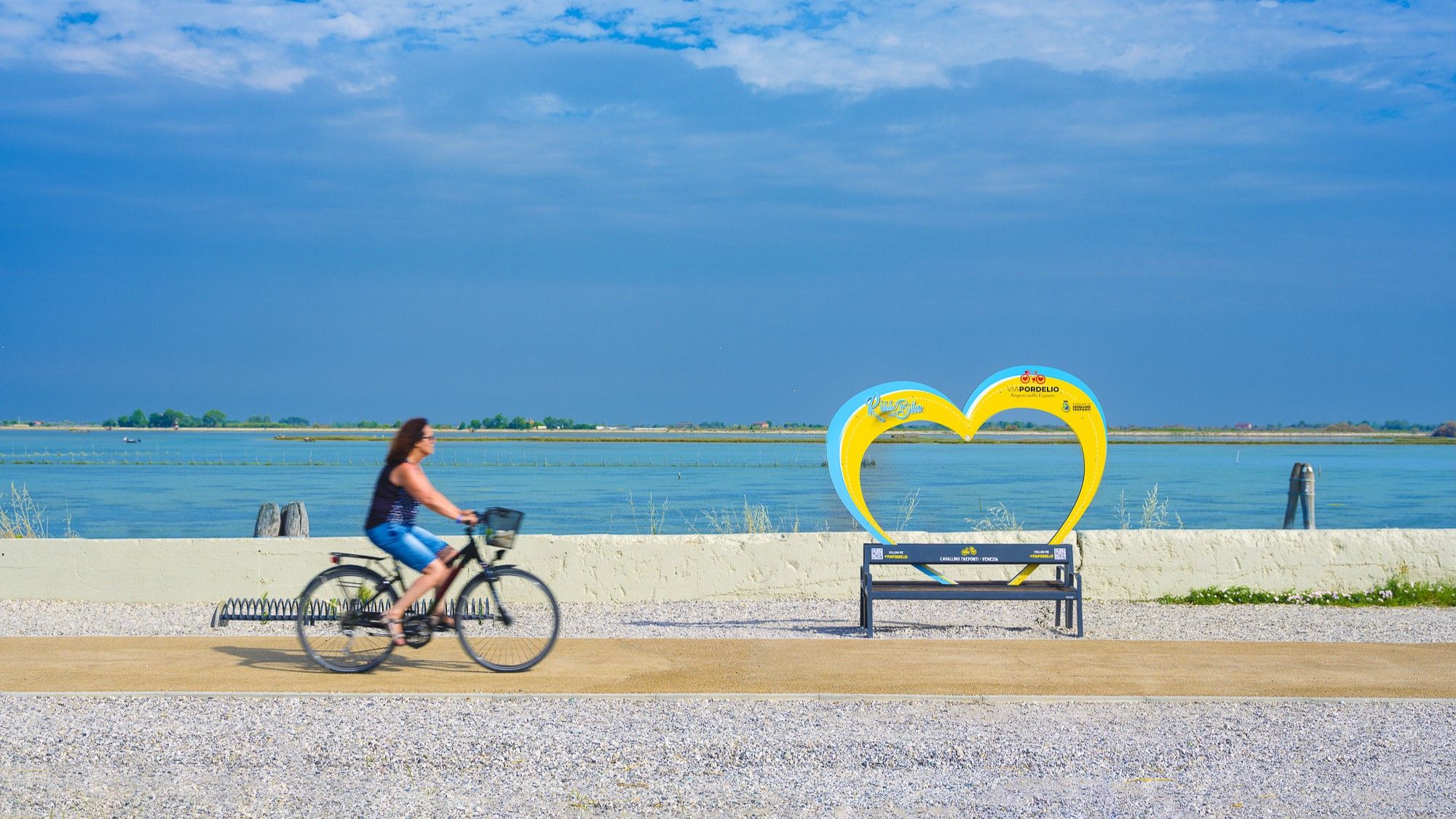
Cavallino Treporti by bike – routes to experience the lagoon
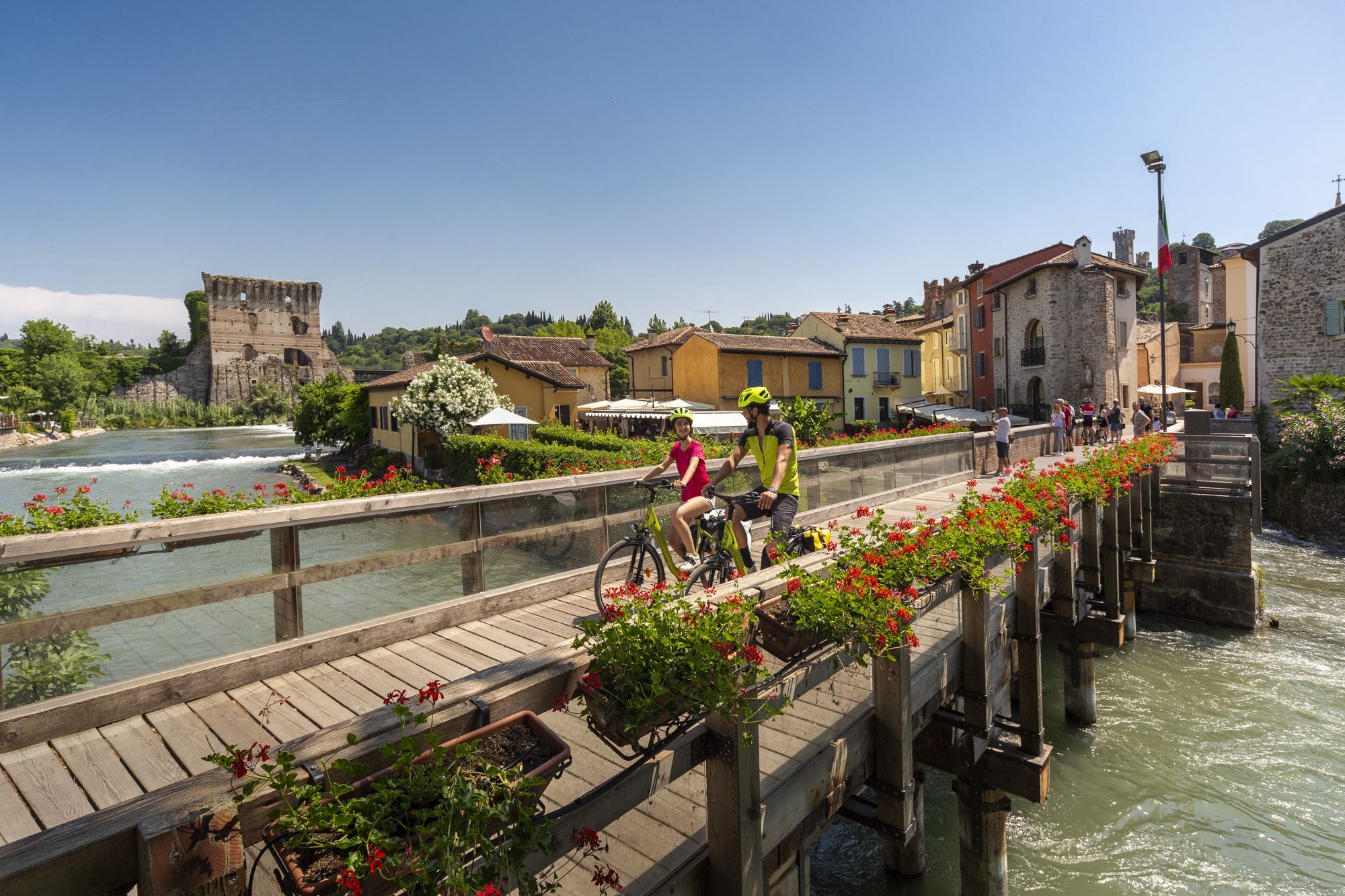
Explore Veneto at a slow pace – day trips by bike
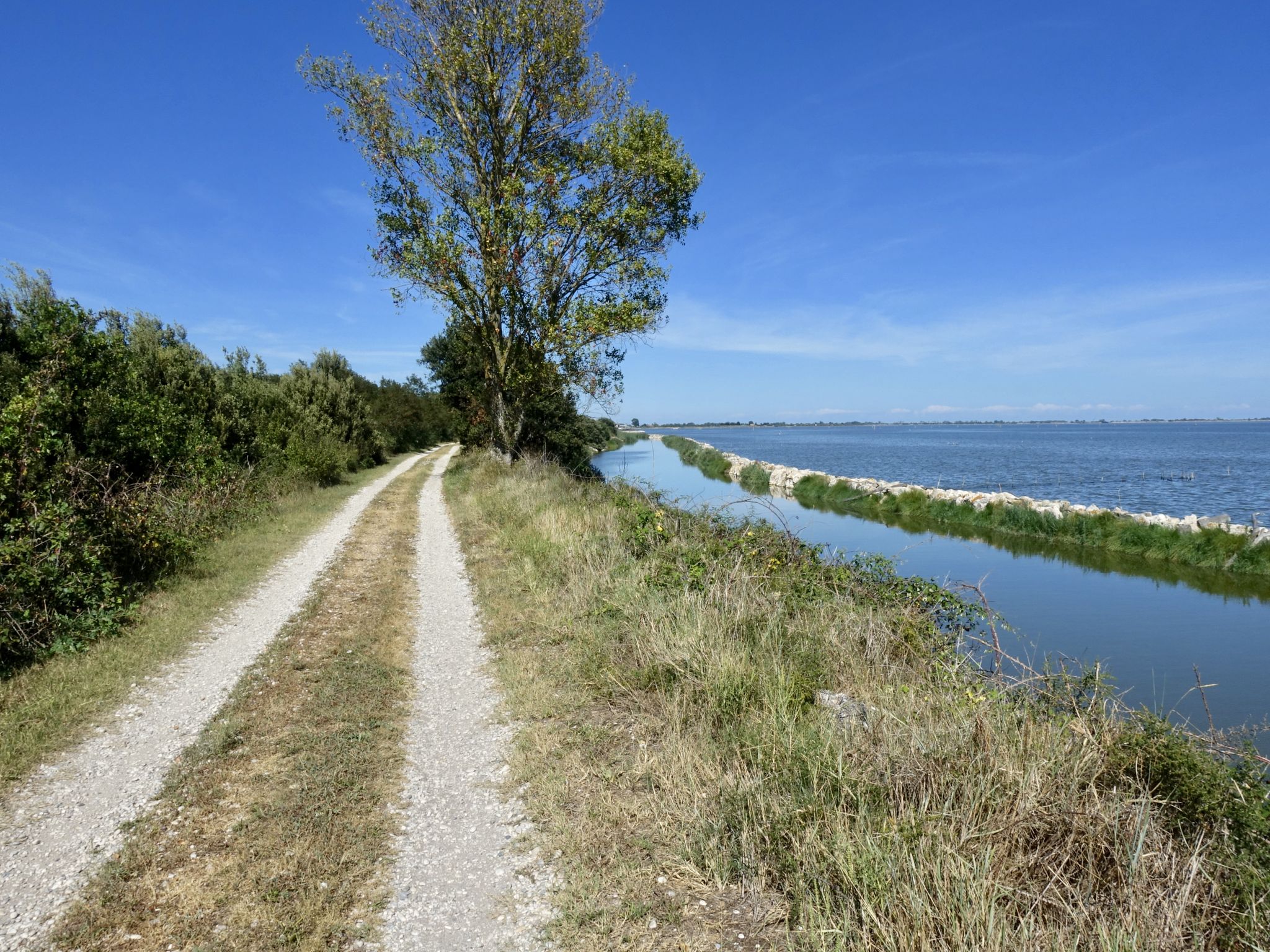
Bologna to Venice – along the waterways
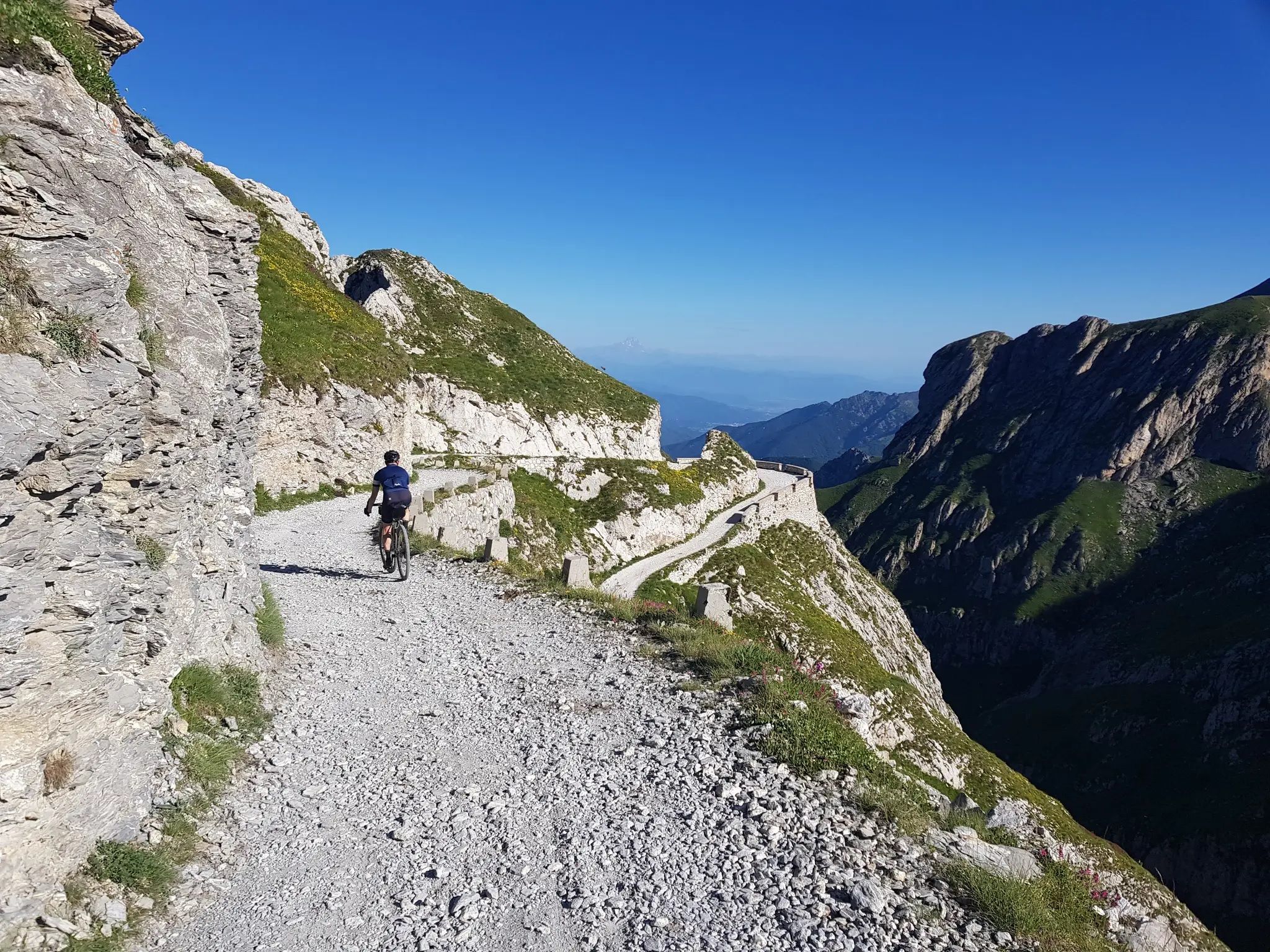
From the boot’s toe to the heel – the most beautiful cycling Tours in Italy
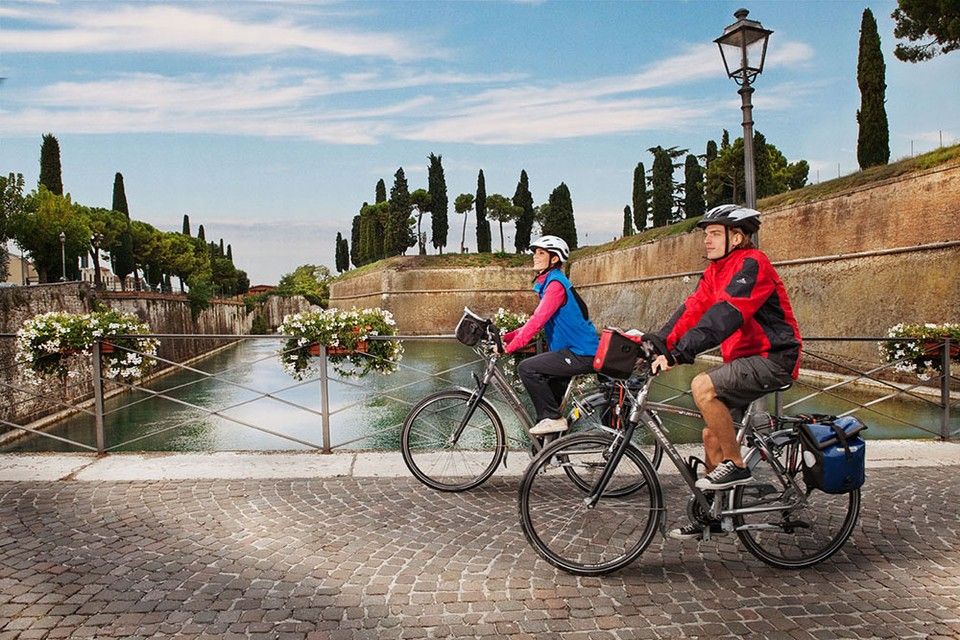
Between Lake Garda and the Adriatic Sea – cycle Tours in Italy’s Veneto
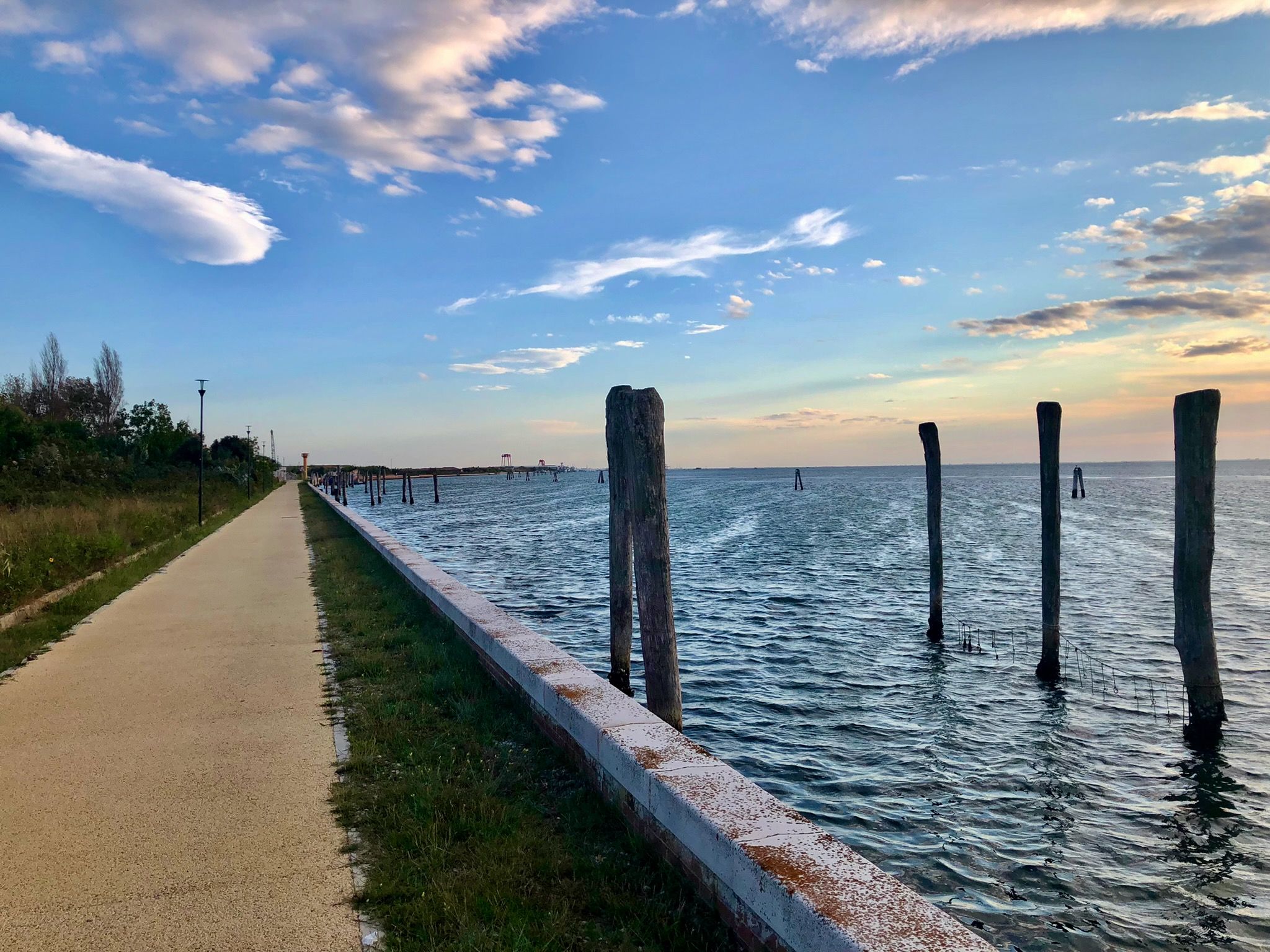
A different Venice – cycling on three lagoon islands
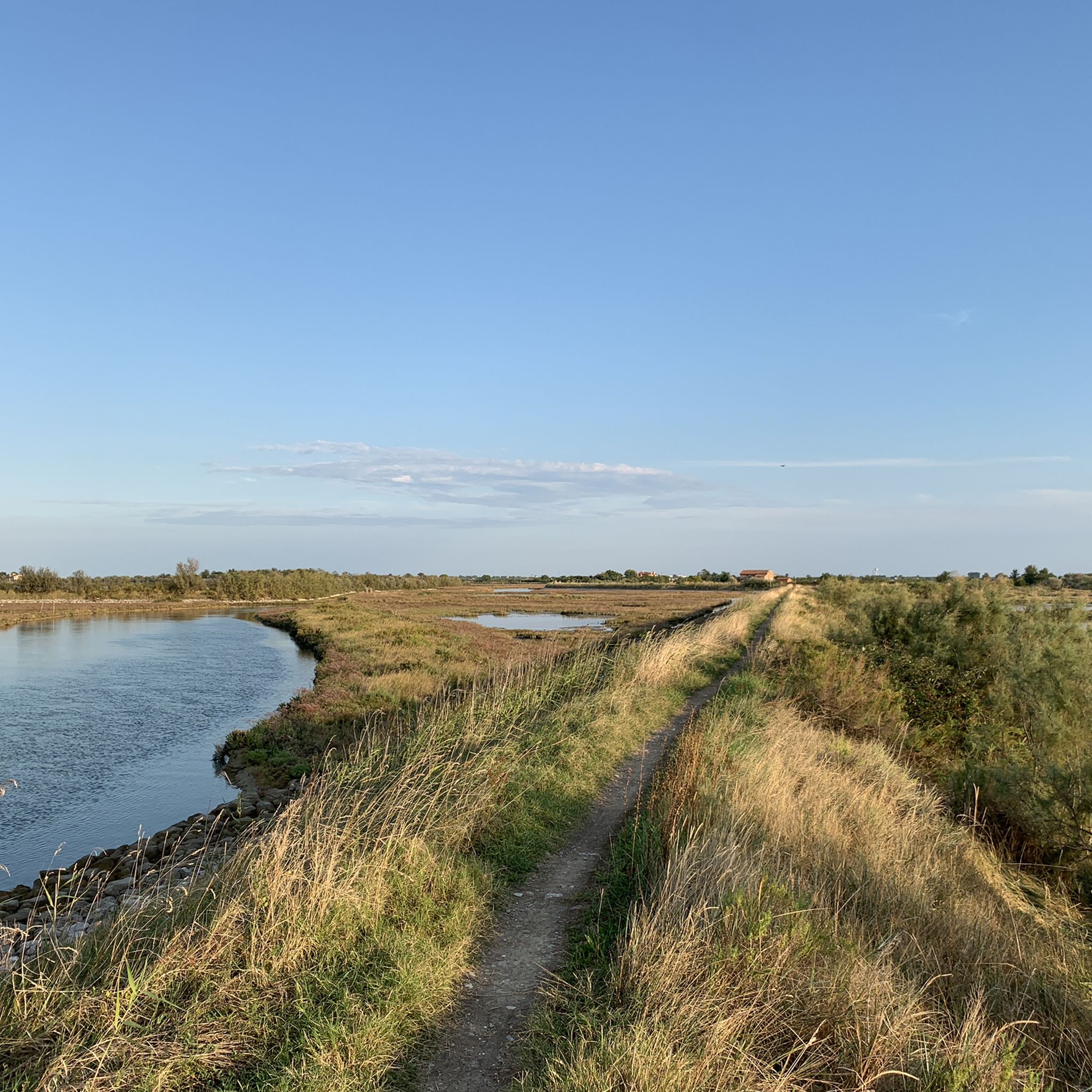
Cycling around Venetian Lakeon
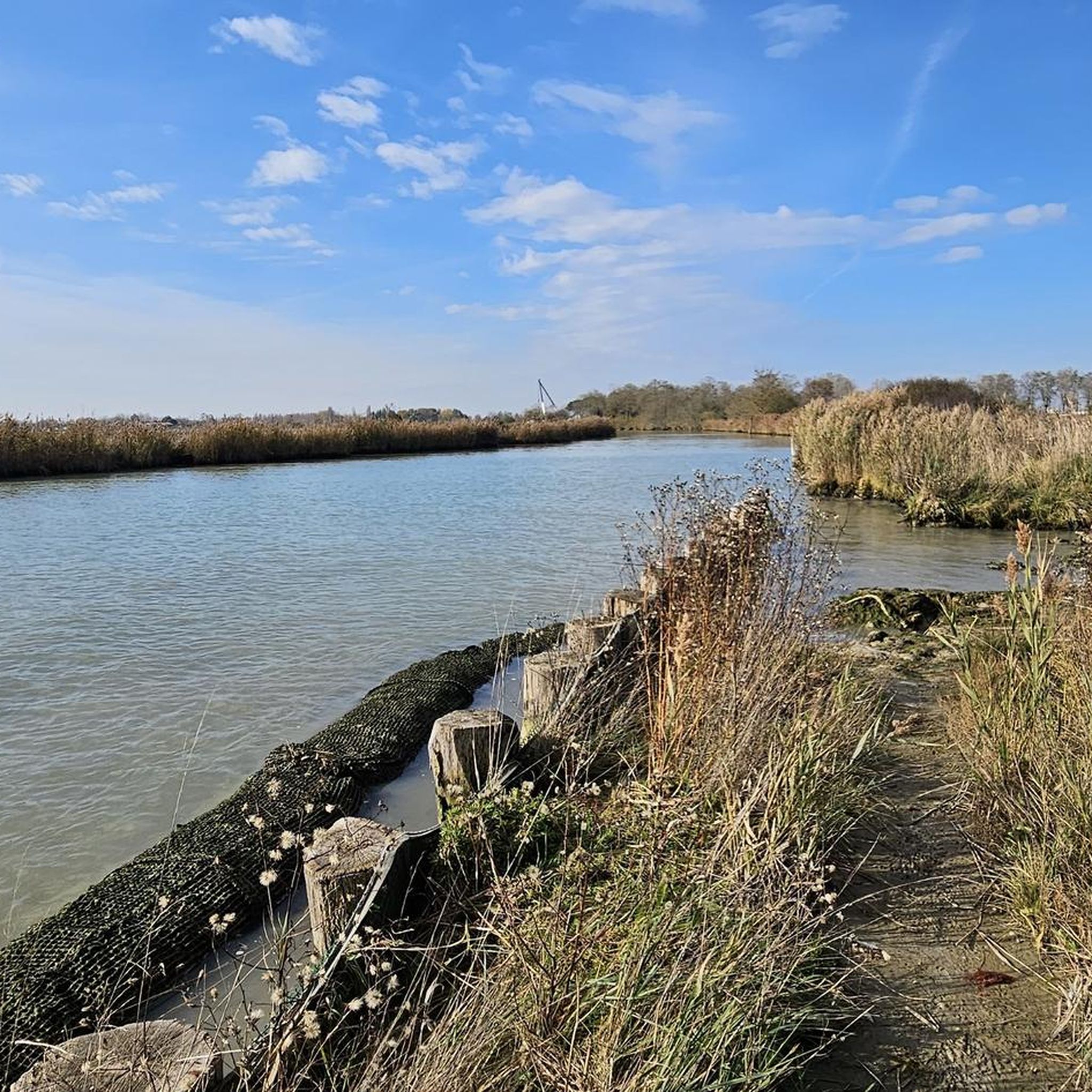
Running Trails around Venetian Lakeon
Road Cycling Routes around Venetian Lakeon
MTB Trails around Venetian Lakeon
Other adventures around Venetian Lakeon


Tips from the Community

Simply breathtaking. The "Frari" in San Polo, along with "Zanipolo" in the north of Castello, is one of the two Gothic giants of the Serinissima. Impressive facade and an interior that has made art history. Among the most famous works are Titian's Assumption of the Virgin and Bellini's Madonna and Child; the list of remarkable paintings, sculptures, and architectural elements is long. Perhaps noteworthy are the fantastic choir stalls (15th century) or the pyramid planned by Canova for Titian's tomb. One can spend hours in this church studying the details and furnishings.
0
0
No Venice visit without the Grand Canal, that's clear. During peak hours during the day, it can indeed become quite annoying, all the selfie and posing fuss. For Venice newcomers: you can't beat a trip from the airport or train station with a private boat taxi, which travels along the Grand Canal and passes the Rialto Bridge. Then you've also seen the magnificent palace facades in peace, because it can get crowded on the Vaporetto.
0
0

The main artery of Venice, into which almost all other smaller canals flow
0
0

The Cathedral of Santa Maria Assunta represents the monumental heart of Chioggia, located at the southern end of Corso del Popolo. Rebuilt in the 17th century based on a design by Baldassarre Longhena after a fire destroyed the medieval building, the church features an imposing and sober facade, while the interior is a celebration of Venetian Baroque. The internal space is marked by wide naves housing pictorial masterpieces by artists such as Palma il Giovane and Pietro Liberi. Next to the cathedral stands the 64-meter-high Romanesque bell tower, on top of which is a lantern that historically served as a reference point for sailors. This complex is not just a religious center, but an architectural symbol that blends the solemnity of faith with the maritime history of the city.
0
0

Chioggia Cathedral The bishop's see, which had been located in Malamocco since 1100 after massive coastal erosion and a tsunami rendered the area uninhabitable, was moved to Chioggia. Next to the ancient Porta di Santa Maria, the first cathedral in the Clodiense region was built. Dedicated to the Nativity of the Virgin Mary, it was, according to some legends, erected on the foundations of an old pagan temple dedicated to the goddess Concordia. With the establishment of the bishop's see, in 1264, by order of Bishop Enrico Grancarolo and with the approval of the Doge, the relics of Saints Felice and Fortunato were transferred to this new cathedral, and an altar was dedicated to them. The church remained undamaged even after the Chioggia War and, during that same war, served as a deposit for goods and booty divided among the victors. The building was destroyed by fire at Christmas 1623; only the saints' relics and a few other objects were saved. On the north side of the cathedral, four high reliefs remain, which certainly belong to the medieval church: two made of Istrian stone: the first depicts a warrior martyr saint (S. Felice or S. Fortunato), the second a Madonna and Child, set in a trefoil niche dating from the mid-14th century. Two more from the same period, made of Greek marble and set in a smooth, profiled frame, depict the Virgin of the Annunciation and the Archangel Gabriel. Text / Source: Municipality of Chioggia https://www.comune.chioggia.ve.it/vivere-il-comune/luoghi/cattedrale-santa-maria-assunta/
15
0
Vigo Bridge, Chioggia The Vigo Bridge is one of the most important symbols of Chioggia, also known as Little Venice. A major tourist attraction, the bridge tells the story of the lagoon city's centuries-old past. Already existing in 1408, the old bridge was already present during the war against Genoa. At that time, it was the site of the fighting, so it is inferred that it existed at least by 1379. The majestic bridge was restored in 1424, but it wasn't until 1478 that it was rebuilt in stone. The bridge's balcony is entirely covered with Istrian stone and features a marble balustrade. Rebuilt in stone in 1685, the bridge was designed by Giovanni Francesco Morosini. Its conversion was prompted by the excessively high maintenance costs associated with the wooden structure. Furthermore, the bridge was essential for the city and was considered a symbol of beauty and elegance. Therefore, the year 1685 was engraved in the center of the arch. Text / Source: viaggiamo.it https://www.viaggiamo.it/ponte-vigo-chioggia/
15
0

The Cathedral of Chioggia (Italian: Dom di Chioggia, Cattedrale di Santa Maria Assunta) is the main church in Chioggia, Italy, located in the southern part of the Venetian Lagoon. It dates back to 1627. The Baroque Cathedral of Santa Maria Assunta is also the cathedral of the Diocese of Chioggia and the largest building in the city of Chioggia in Veneto. An initial structure on the site was completed in 1110. From 1623 to 1674, it was reconstructed by the architect Baldassare Longhena, although the façade remains unfinished. Inside the church, there are many interesting works of art by renowned Venetian artists. https://www.venediginformationen.eu/inseln-der-lagune/insel-chioggia/chioggia-dom/chioggia-dom.htm
2
0
Frequently Asked Questions
How many hiking trails are available in Venetian Lakeon?
There are over 100 hiking trails in Venetian Lakeon, offering a wide range of experiences. You'll find routes suitable for all skill levels, from easy strolls to more challenging mountain ascents.
What types of landscapes can I expect to see while hiking in Venetian Lakeon?
Venetian Lakeon offers incredibly diverse landscapes. You can explore the intricate waterways, mudflats, and salt marshes of the Venetian Lagoon, with tranquil walks on islands like Sant'Erasmo and Vignole. Further inland, the region extends to the majestic Dolomite mountains, featuring dramatic limestone peaks, pine forests, and pristine alpine lakes such as Lago di Sorapis and Lake Misurina. You can also find vineyard-rich hills in areas like the Euganean Hills.
Are there easy hiking trails suitable for beginners or families in Venetian Lakeon?
Yes, Venetian Lakeon has many easy trails perfect for beginners and families. Islands like Burano offer charming ring tours, such as the Island of Burano — ring tour, which is a short 0.8-mile path. The town of Chioggia also provides easy walks like the Four steps for Chioggia — ring tour. Many paths on Sant'Erasmo and Vignole are also gentle and offer peaceful views over the lagoon.
Are there challenging hikes for experienced hikers in Venetian Lakeon?
Absolutely. For experienced hikers, the region offers demanding trails, particularly in the Dolomite mountains. The St. Mark's Square – St. Mark's Basilica loop from Lido is a difficult 12.8-mile route offering a unique perspective of Venice. Further afield, the Lago di Sorapis trail near Cortina d'Ampezzo is highly rated for its challenging sections, including narrow paths and support cables, leading to a stunning alpine lake.
Can I find circular loop hikes in Venetian Lakeon?
Yes, many routes in Venetian Lakeon are designed as circular loops, allowing you to start and end in the same location. Examples include the Island of Burano — ring tour and the Four steps for Chioggia — ring tour in Chioggia. The Murano the Island of Glass — ring tour is another popular option.
Are there hiking trails near lakes in Venetian Lakeon?
While the immediate Venetian Lagoon is aquatic, the broader Venetian Lakeon region includes the majestic Dolomites, which are home to several beautiful lakes. You can find well-maintained paths around lakes such as Lago di Sorapis, Lake Misurina, Lake Cadore, Lake Auronzo, Lake Alleghe, and Lake Dobbiaco, offering stunning views of pine forests and rugged peaks. For more information on lakes in the region, you can visit visitvenezia.eu.
What interesting landmarks or attractions can I see along the hiking trails?
Many trails in Venetian Lakeon pass by significant landmarks. In Venice itself, you can see iconic sites like the Doge's Palace (Palazzo Ducale) and enjoy views of San Giorgio Maggiore. The St. Mark's Square – St. Mark's Basilica loop from Lido offers a unique perspective of these. On the islands, you can explore the colorful houses of Burano or the glass-making heritage of Murano. The region also features natural highlights like the Cadini del Brenton and the Soffia Waterfall near Lake Misurina in the Dolomites.
Are there any waterfalls to see while hiking in Venetian Lakeon?
Yes, within the broader Venetian Lakeon region, particularly in the mountainous areas of the Dolomites, you can find natural features like waterfalls. The Soffia Waterfall, located near Lake Misurina, is a notable example that adds to the geological wonders of the area and can be incorporated into hiking plans.
What do other hikers enjoy most about hiking in Venetian Lakeon?
The hiking trails in Venetian Lakeon are highly rated by the komoot community, with an average score of 4.6 stars from over 700 reviews. Hikers often praise the unique blend of lagoon and mountain scenery, the well-maintained paths on the islands, and the opportunity to explore both vibrant cultural centers and serene natural environments.
Is it possible to combine hiking with other outdoor activities in Venetian Lakeon?
Absolutely. The Venetian Lakeon is perfect for combining hiking with other outdoor pursuits. The Venetian Lagoon is ideal for kayaking and stand-up paddleboarding (SUP), allowing you to explore quieter canals and observe wildlife. The Lido of Venice and Sant'Erasmo offer pleasant routes for cycling, and the beaches of the Lido are great for sunbathing and swimming. Birdwatching is also popular in the salt marshes.
What is the best season for hiking in Venetian Lakeon?
The best season for hiking in Venetian Lakeon largely depends on the area you plan to visit. For the lagoon and island trails, spring (April-May) and autumn (September-October) offer pleasant temperatures and fewer crowds. For the Dolomite mountain trails, summer (June-August) is ideal, as the weather is warmer and trails are typically free of snow. Early autumn can also be beautiful in the mountains with changing foliage.
Are there dog-friendly hiking trails in Venetian Lakeon?
Many trails in the Venetian Lakeon region are dog-friendly, especially those in natural areas like the islands of Sant'Erasmo and Vignole, and the paths around the Dolomite lakes. However, it's always recommended to keep dogs on a leash and check local regulations, especially in more populated areas or protected natural reserves, to ensure a pleasant experience for everyone.
Most popular routes around Venetian Lakeon
Most popular attractions around Venetian Lakeon

Get inspired with the komoot mobile app


Explore more
Browse the best Hikes in other regions.
