The best MTB trails around Lago Comunelli
3.6
(10)
17
riders
5
rides
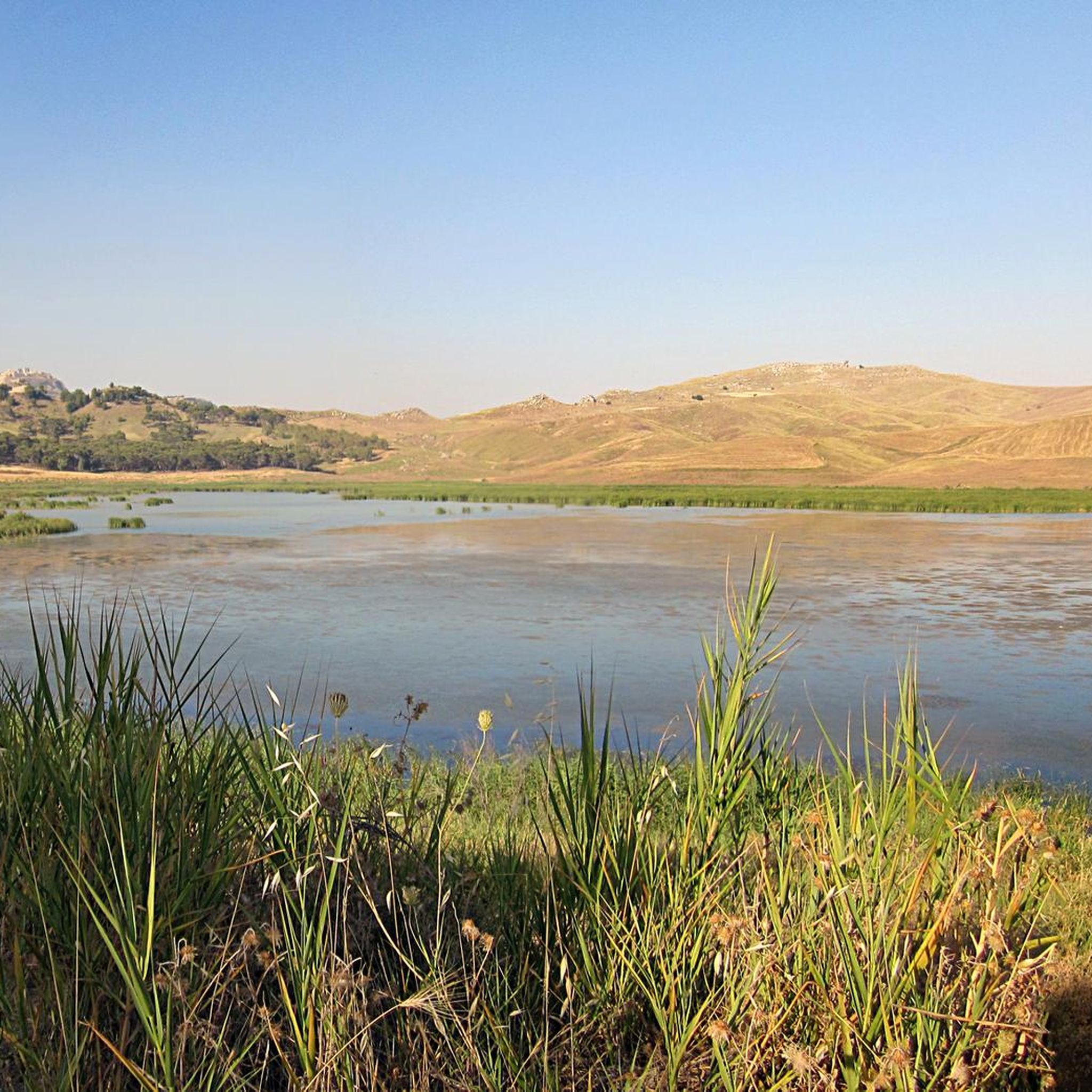
Mountain bike trails around Lago Comunelli offer diverse terrain within the inland region of Caltanissetta, Sicily. The artificial lake is surrounded by dense tamarix woods and thriving reeds, creating a rich oasis for outdoor activities. Mountain bikers can explore routes that traverse varied landscapes, from the serene lake environment to the surrounding natural areas. The region's contours provide a mix of flat sections and gentle climbs suitable for different skill levels.
Best mountain bike trails around Lago Comunelli
- The most…
Last updated: June 20, 2026
3.0
(1)
2
riders
22.6km
02:10
610m
610m
Moderate mountain bike ride. Good fitness required. Advanced riding skills necessary.
3
riders
Moderate mountain bike ride. Good fitness required. Advanced riding skills necessary.

Sign up for free
4.9
(8)
7
riders
27.5km
01:34
180m
180m
Easy mountain bike ride. Great for any fitness level. Suitable for all skill levels.
3.0
(1)
1
riders
23.4km
01:39
210m
210m
Easy mountain bike ride. Great for any fitness level. Suitable for all skill levels.
4
riders
Hard mountain bike ride. Very good fitness required. Suitable for all skill levels.
Our route recommendations are based on thousands of hikes, rides, and runs completed by other people on komoot.
Start today with a free account
Your next adventure awaits.
Login or Signup
Popular around Lago Comunelli
Tips from the Community

The idea of placing a large Cross in Montelungo was born about seven years ago (first procession 30 July 1998) from a group of young people who rediscovered the hill east of Gela as a simple, quiet place, suitable for contemplation and prayer. Thus began the first organized Via Crucis, starting from the Parish of San Giovanni Evangelista in Gela, the Pro Croce Committee was born in Montelungo, while waiting for the project to be realized. Every year on September 14, the Feast of the Exaltation of the Cross, Mass is celebrated with the participation of the people. On January 19, 2001, the "Holy Cross of Jerusalem" was brought from Rome. From there the Franciscan Father, raising the Cross, blessed the city, the sea and all the surrounding territory. The project was created by the architect. Roberto Loggia and, for the structural calculations, the engineer collaborated. Salvatore Catania. The appropriate authorizations were obtained from the competent authorities and the first stone was laid on Friday 24 April 2001. The three structural walls (about 4 meters high) were built in 2003. Waiting to complete the work with the large metal Cross (approximately 12.50 meters high). A large "sign", the Cross, visible from the whole city and permanently illuminated, will be placed on the top of the mountain which, in its extreme formal purity and absolute respect for the environment, will be able to communicate the spiritual meaning of the Jubilee experienced: it will be the Cross of the Third Millennium! Source: http://www.corrieredigela.it/
1
0

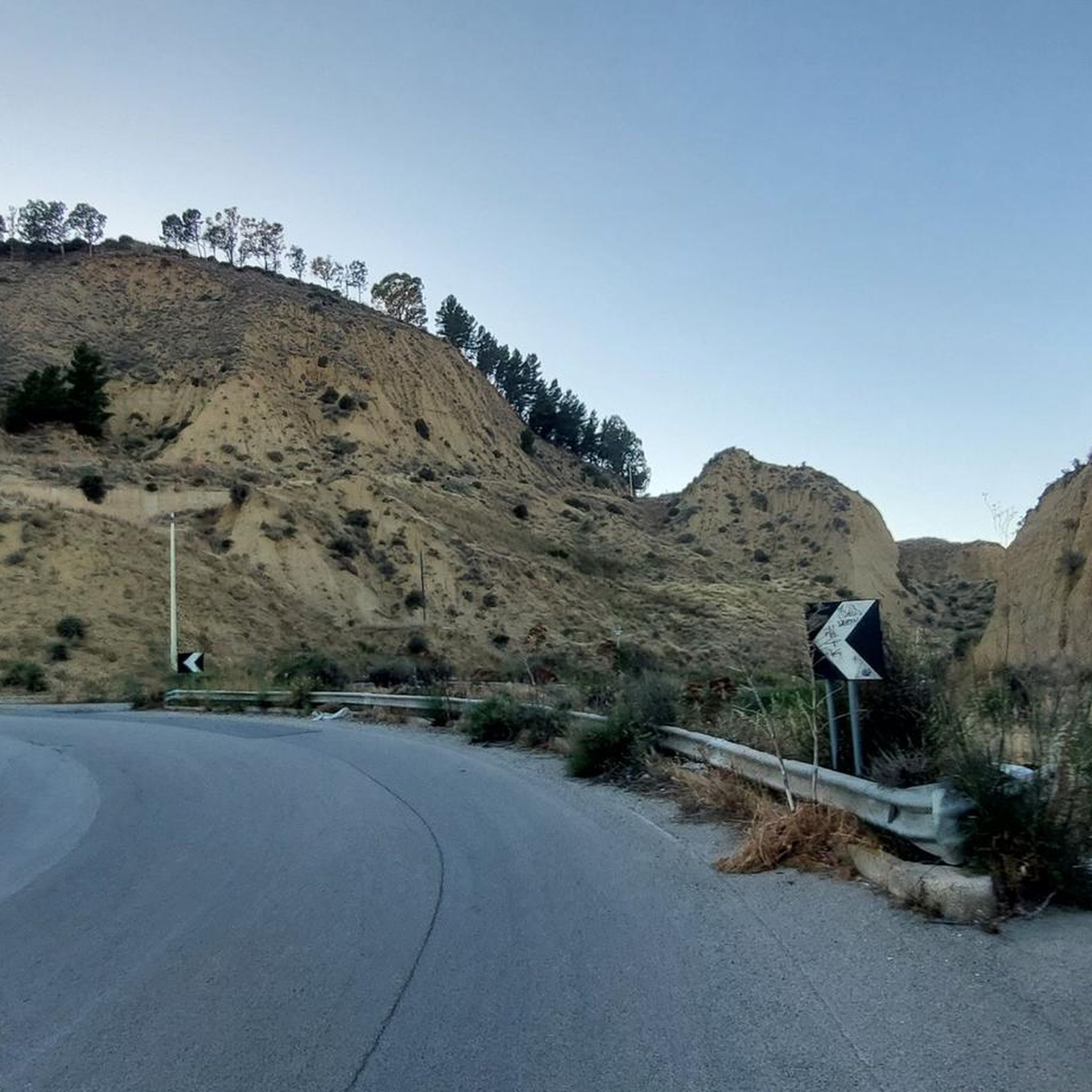
Difficult crossing by bike...
0
1

It is located in the square where the castle is, climbing the steps offers a beautiful view
0
0

Small hamlet rich in history with a characteristic church and a small Arab-Norman castle. Worth a visit!
0
0
Welcome to the church of Sant'Agostino in Gela! This fascinating religious building has a rich and fascinating history to tell. The church of Sant'Agostino was built in the 13th century by Augustinian monks, during the Angevin period in Sicily. Its architecture features a Sicilian-Gothic style, with pointed arches, slender columns and sculpted details that blend harmoniously. Over the centuries, the church has undergone several transformations. During the 16th century, under Spanish rule, Renaissance and Baroque elements were added, which enriched the building's appearance. During the 19th century, neoclassical influences were brought in, giving a touch of elegance to the facade and interior. However, the history of St. Augustine's church has not been without its challenges. During the earthquake of 1693, the church suffered serious structural damage. But thanks to major renovations, it has been rebuilt and made even stronger than before. Today, you can admire the majesty of this church and its artistic heritage. Inside, you will find paintings, sculptures and frescoes from various historical periods, which bear witness to the art and spirituality of Gela. The church of Sant'Agostino di Gela is a place of peace and reflection, where you can immerse yourself in the history and cultural heritage of the city. We invite you to visit it slowly, letting yourself be fascinated by the architectural details and works of art that tell of the devotion and faith of the faithful over the centuries.
1
0
Built with a single nave in Gela in 1439 together with the adjoining convent and with the neo-classical facade built in 1783, the church preserves various paintings and statues from the 17th century and a splendid marble stoup from 1541 attributed to Antonio Gagini; also noteworthy is the Chapel of the Mugnos, an ancient and noble Terranovese family, from 1613 all in travertine carving with twisted columns and broken pediment. The church of Sant'Agostino is dedicated to the cult of San Giuseppe, whose feast day falls on the 19th of March. Source: comune.gela.cl.it
1
0
Also known as the Church of the Holy Father, this religious building, together with the adjoining "Regina Margherita" orphanage, formerly a convent, was built in Gela with a single nave and bell tower in 1738 by the PP. Minims of St. Francis of Paola. The facade of the church is characterized by an elegant portal in the late Baroque style dominated by the coat of arms of the religious order of the saint. Inside there are several statues and some eighteenth-century paintings. Adjacent and communicating with the church is the Regina Margherita di Gela Orphanage, an eighteenth-century building with a large internal courtyard, originally a convent of the Minim Fathers, which in addition to having permanently hosted orphan girls, was also the seat of the nursery and various schools . Source: comune.gela.cl.it
1
0
The history of the Manfria Tower dates back to the 16th century, during the period of Spanish domination on the island. It was built as part of a coastal defense system to protect the area from pirate raids and to control shipping traffic along the coast. The tower was part of a series of watchtowers that stretched along the Sicilian coast. Its strategic position on the coast, with a panoramic view of the entire surrounding coast, made it possible to quickly identify any approaching enemy ships or pirates. In case of danger, fires were lit on top of the tower to warn the inhabitants of the surrounding areas of imminent danger. The Tower of Manfria has undergone several modifications over the centuries. It was initially a square shaped structure with a massive base and thick defensive walls. Over time, renovations and expansions were carried out, adding upper floors and a domed roof. After the era of pirate invasions, the Tower of Manfria lost its defensive function and was used for different purposes. It has been used as a home for several families over the centuries, until it became an abandoned and ruined building during the 20th century. In recent years, however, efforts have been made to preserve and restore the Manfria Tower. Today, the tower is open to the public and is a popular tourist destination for those visiting the region. From the top of the tower, you can admire a splendid panorama of the Sicilian coast and the Mediterranean Sea. The Manfria Tower has also become a symbol of identity for the local community, which has recognized the historical and cultural value of the building. Cultural events and exhibitions have been organized inside the tower to promote its importance and raise public awareness of the historical legacy of the region. In summary, the story of the Torre di Manfria is a tale of coastal defence, of changes over the centuries and of efforts to preserve and enhance the historical heritage of the region. The tower continues to dominate the Sicilian coast, offering a fascinating snapshot of the region's history and natural beauty.
1
0
Frequently Asked Questions
How many mountain bike trails are there around Lago Comunelli?
There are 7 mountain bike trails available around Lago Comunelli, offering diverse terrain within the inland region of Caltanissetta, Sicily. These routes cater to various skill levels, from easy to moderate.
Are there easy mountain bike trails suitable for beginners near Lago Comunelli?
Yes, there are easy mountain bike trails available. For instance, the Church of Sant'Agostino, Gela – Nature Beach loop from Manfria is an easy 26.8 km trail that takes about 1 hour 31 minutes to complete, leading through natural areas and towards the beach.
What kind of landscapes can I expect to see on mountain bike trails near Lago Comunelli?
Mountain bike trails around Lago Comunelli offer a mix of serene lake environments, dense tamarisk woods, and thriving reeds, creating a rich oasis for nature observation. You can also expect varied inland landscapes, including rolling hills and views of historic towns like Butera. The region is known for its wildlife, particularly birdlife.
Are there any loop mountain bike trails in the Lago Comunelli area?
Yes, many of the trails are loops. A popular moderate option is the Via Fabaria Castelli: Butera Loop, which is 22.6 km long. Another significant loop is the Parco Comunelli and Butera Loop, covering over 50 km and offering extensive exploration of the area.
What is the best time of year to go mountain biking around Lago Comunelli?
While specific seasonal recommendations for mountain biking are not detailed, the region's Mediterranean climate generally makes spring and autumn ideal for outdoor activities, offering milder temperatures. Summers can be hot, and winters are typically mild but may bring rain.
What do other mountain bikers say about the trails around Lago Comunelli?
The area is highly rated by the komoot community, with an average score of 3.6 stars from over 8 reviews. Mountain bikers often praise the diverse terrain and the opportunity to explore both natural and historic areas.
Are there any trails that offer views of historical sites or landmarks?
Yes, several trails incorporate historical elements. The Butera Castle – Butera Historic Hilltop Town loop from Butera is a moderate 37.5 km path that winds through historic areas and offers views of the hilltop town of Butera. The region's limestone cliffs also hold traces of prehistoric inhabitants, adding to the historical context.
Can I expect to see wildlife while mountain biking near Lago Comunelli?
Lago Comunelli is a rich wildlife oasis, particularly for birdlife. The dense tamarisk woods and lush reeds provide a habitat for various species, including the purple-blue Sultan's Chicken and the rare Ferruginous Duck. Patient visitors might spot these and other birds, making it an ideal spot for nature observation.
Are there any longer, more challenging mountain bike routes for experienced riders?
While there are no trails classified as 'difficult,' several moderate routes offer longer distances and more elevation gain. The Manfria Tower loop from Manfria, for example, is a moderate 52.4 km route with significant elevation changes, providing a good challenge for experienced riders.
Is Lago Comunelli suitable for family-friendly mountain biking?
The presence of easy trails, such as the Church of Sant'Agostino, Gela – Nature Beach loop from Manfria, suggests that some routes could be suitable for families, especially those with some biking experience. The serene natural environment also offers opportunities for nature observation, which can enhance a family outing.
Are there mountain bike trails that go directly around Lago Comunelli?
While the region's trails are generally 'around Lago Comunelli,' the Parco Comunelli and Butera Loop specifically mentions 'Parco Comunelli' in its name, indicating it likely offers direct access or views of the lake and its immediate surroundings. The lake itself is characterized by dense tamarisk woods and reeds.
Most popular routes around Lago Comunelli

Get inspired with the komoot mobile app


Explore more
Browse the best MTB trails in other regions.
