Attractions and Places To See around Broad Town - Top 20
Best attractions and places to see around Broad Town include a blend of local historical charm and access to significant ancient sites. The village itself features a medieval planned morphology with a distinctive triangular green and the isolated St. Peter Ad Vincula church. Situated in a region rich in prehistoric monuments, Broad Town serves as a gateway to the North Wiltshire & Wessex Downs Area of Outstanding Natural Beauty (AONB). This area offers diverse landscapes, from low-lying clay vales to…
Last updated: July 6, 2026
Avebury Stone Circle
Highlight • Monument
Tip by

Avebury Village
Highlight • Settlement
Tip by

Sign up now to discover places like this
Get recommendations on the best single tracks, peaks, & plenty of other exciting outdoor places.
Sign up for free
Avebury Stone Circle
Highlight • Natural Monument
Tip by
Silbury Hill
Highlight • Monument
Tip by

Avebury to Ridgeway Track
Highlight • Cycleway
Tip by

Sign up for free to discover even more attractions around Broad Town.
Sign up for free
Already have an account?
Start today with a free account
Your next adventure awaits.
Login or Signup
Tips from the Community

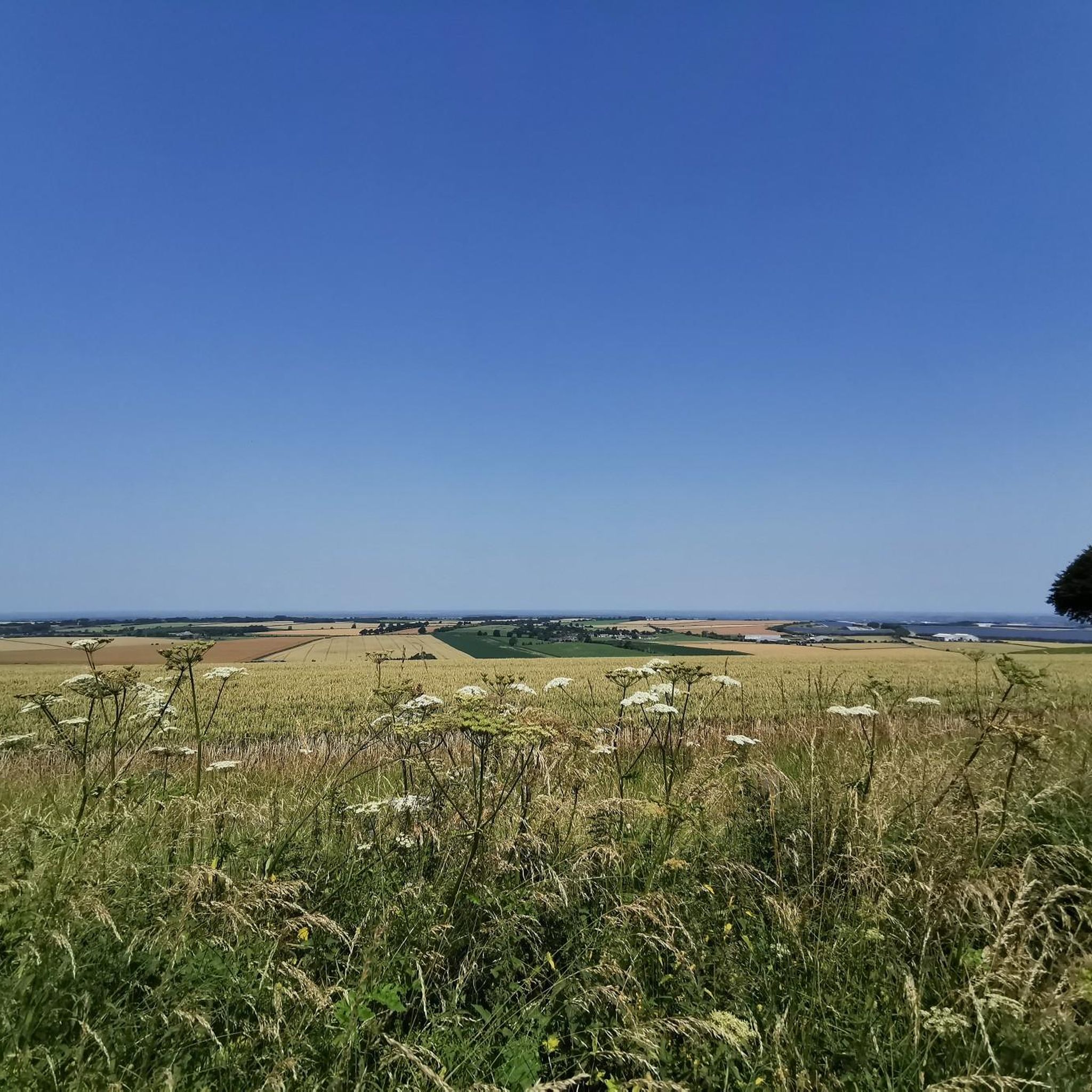
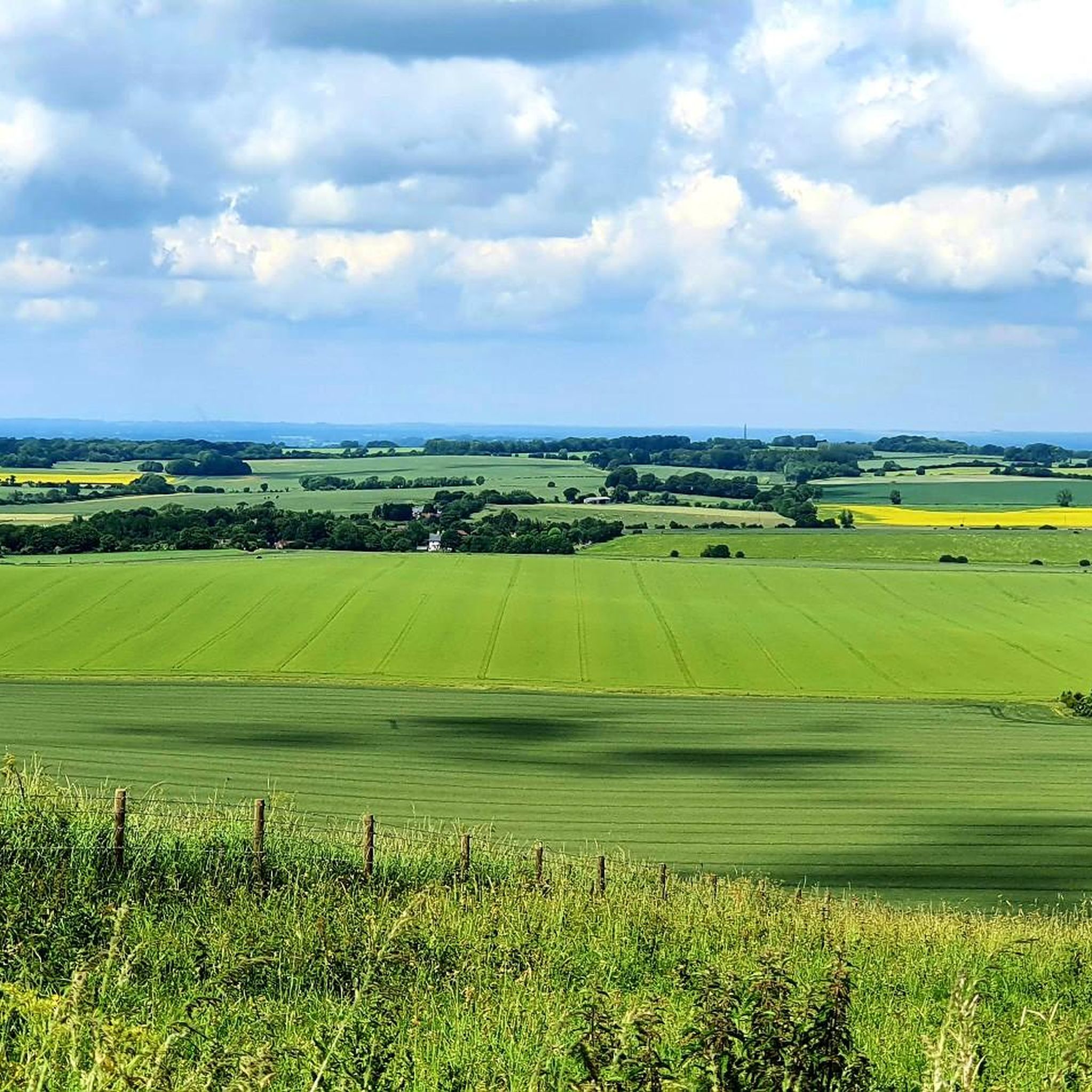
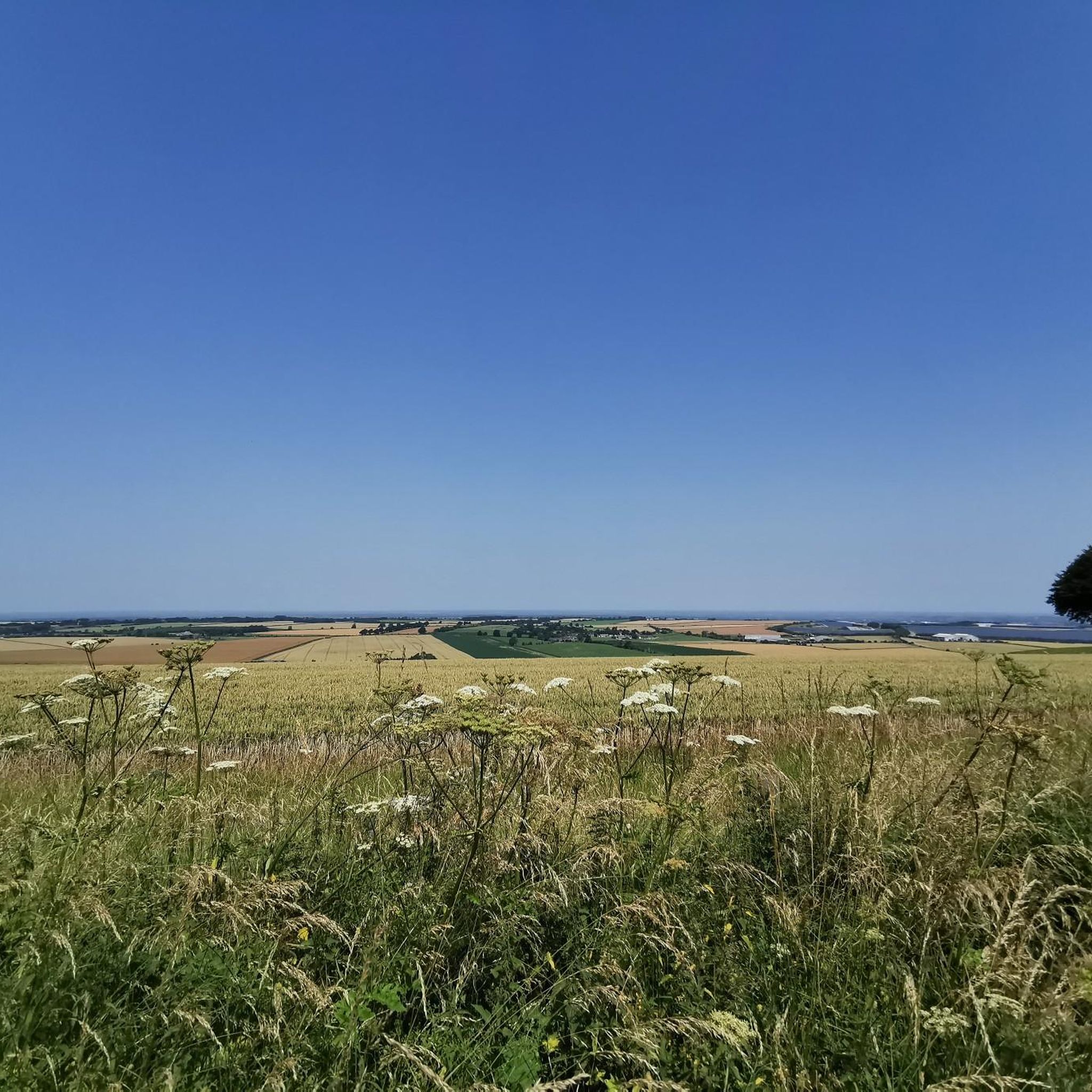
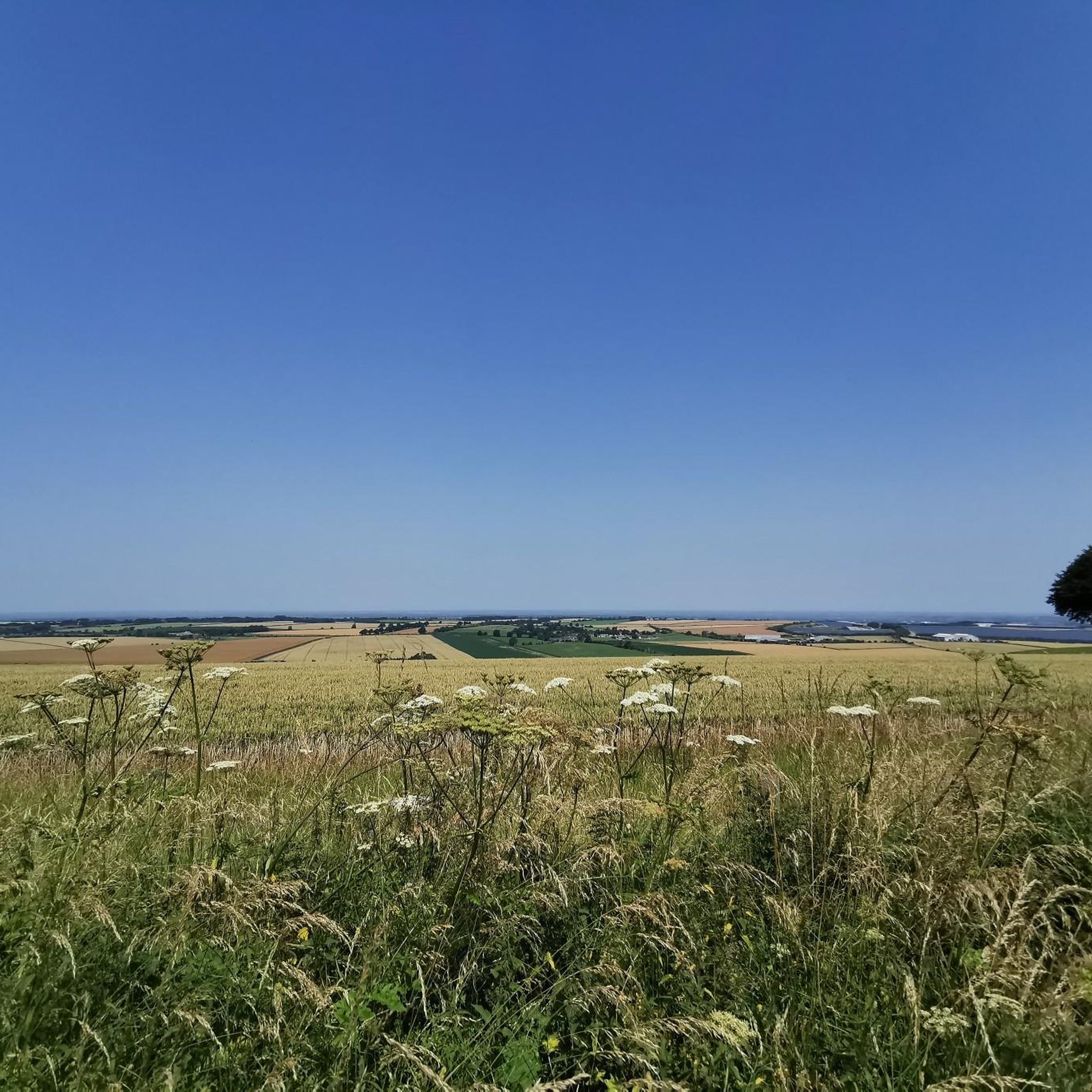
An interesting village with a historical background and many sights: 1. Avebury Stone Circle The largest prehistoric stone circle in the world. Unlike Stonehenge, you can walk freely among the stones. The circle even encloses the village of Avebury. 2. Avebury Henge The massive earthwork and ditch surrounding the stone circle. From some vantage points, you get a good impression of the enormous dimensions of the site. 3. Silbury Hill Europe's largest man-made prehistoric mound. The hill lies about 2 km south of Avebury and is a fascinating Neolithic puzzle. 4. West Kennet Long Barrow A Neolithic chamber tomb over 5,000 years old, the burial chambers of which can be entered. Particularly atmospheric in the early morning or evening. 5. The Sanctuary The remains of another Stone Age ritual site at the end of the old processional way. 6. West Kennet Avenue An impressive avenue of standing stones that once linked Avebury with The Sanctuary. 7. Avebury Manor A 16th-century manor house with beautiful gardens. It is now looked after by the National Trust. 8. Alexander Keiller Museum A small but very interesting museum about the history and archaeology of Avebury and the surrounding monuments. 9. Windmill Hill One of the oldest known Neolithic sites in Britain with beautiful views over the Wiltshire landscape.
1
0
Avebury is one of the largest prehistoric stone circles in the world. Unlike many other stone monuments, here you can walk among the massive stones and experience the special atmosphere up close. The site was created about 4,500 years ago and is part of the UNESCO World Heritage.
1
0


Such a beautifully preserved village. It's bizarre that they put a road straight through it though.
0
0
Sidbury Hill, or Sidbury Camp, is the site of an Iron Age bivallate hillfort on the eastern edge of Salisbury Plain in Wiltshire, England. The site is sub-triangular in shape, approximately 17 acres in area, and is constructed on the site of a Neolithic settlement. The hill offers excellent defensive slopes on all sides, which have been supplemented by the double ditch and rampart earthworks. The settlement and hillfort were partially excavated in the 19th century and the 1950s; there were finds of pottery and other artefacts. A Neolithic settlement site was discovered during the excavation in the 1950s, being of a section of the south-east rampart of the hillfort. A number of flint flakes and tools were recovered. The site is a scheduled national monument. Trees planted in the 1960s were removed from 2002 and the area was allowed to revert to the natural chalk downland. Access to the site is difficult as it is on, or near, Ministry of Defence land, and there are many tank tracks and occasional artillery firing in the area. There are also numerous ditches, barrows, trackways, field systems, and tumuli in the area. Due to erosion issues climbing on the barrow is now forbidden. Such a shame, but understandable.
0
0

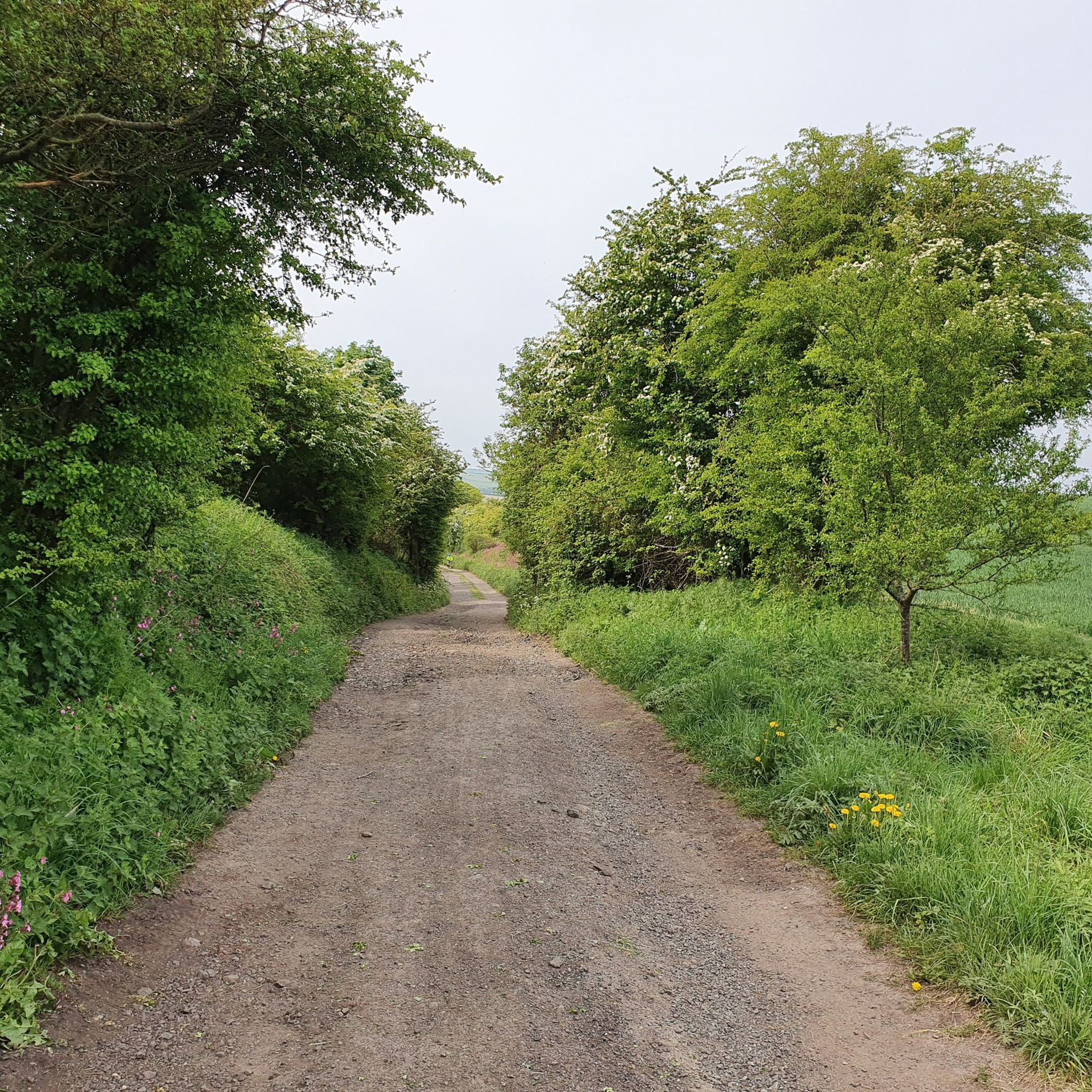
The top section is great coming down after Fyfield Common, but the descent down into Avebury is tricky even on a mtb. Once you reach the farm it's been absolutely destroyed by 4x4s and tractors. So good luck. This type of track is my least favourite part of "official" cycling trails. They just whack the signage up and don't do any restoration or introduction of bylaws to prevent offroad vehicles from using them, restricting enjoyment for other users. It's not like there aren't miles and miles of offroad byways around here which could be legislated for multi-use and non-motorised use.
0
0

Decent Food in the Avebury Community Shop
0
0
Frequently Asked Questions
What historical and ancient sites can I explore near Broad Town?
The area around Broad Town is rich in history. You can visit the extraordinary Neolithic site of Avebury Stone Circle, which is large enough to encircle part of a village. Nearby, explore Silbury Hill, Europe's largest artificial mound, and the ancient burial chamber of West Kennet Long Barrow. Don't miss the Cherhill White Horse, the second oldest in Wiltshire, offering breathtaking views. Further afield, you can find Stonehenge, Wansdyke, and Old Sarum.
What makes Broad Town village itself unique?
Broad Town is notable for its medieval planned morphology, featuring a wide, triangular green from which large, regular crofts radiate. The village's church, St. Peter Ad Vincula, stands distinctively apart from the main green. You can also see the historic Broad Town Farmhouse, dating back to 1625, and experience local traditions like the annual re-liming of the White Horse.
Are there family-friendly attractions near Broad Town?
Yes, several attractions are suitable for families. Avebury Stone Circle is a great place for families to explore, as you can get up close and even touch the ancient stones. The open spaces around sites like Silbury Hill and Cherhill White Horse also offer opportunities for outdoor enjoyment and scenic views.
What outdoor activities can I do around Broad Town?
Broad Town is an excellent base for outdoor activities, especially within the North Wiltshire & Wessex Downs AONB. You can find numerous opportunities for hiking, gravel biking, and mountain biking. For detailed routes, check out the guides for hiking around Broad Town, gravel biking around Broad Town, and MTB trails around Broad Town.
Are there hiking trails near Broad Town attractions?
Absolutely. Many trails pass through or near the main attractions. For example, you can find footpaths around Avebury Stone Circle that lead to other prehistoric sites like West Kennet Long Barrow and Silbury Hill. The ancient pathway known as The Ridgeway also starts near Avebury at Overton Hill, offering extensive walking opportunities. Explore more options in the hiking guide for Broad Town.
What natural features and viewpoints can I find in the Broad Town area?
Broad Town is situated in a diverse landscape, from low-lying clay vales to open downland. You can enjoy breathtaking views from the Cherhill White Horse, overlooking the picturesque countryside. The broader North Wiltshire & Wessex Downs AONB offers scenic landscapes for exploration, with many beautiful walks to discover the natural countryside.
What do visitors enjoy most about the attractions near Broad Town?
Visitors particularly appreciate the immersive historical experience and the ability to get up close to ancient monuments. Many enjoy the freedom to explore sites like Avebury Stone Circle and touch the stones, which is a unique experience. The scenic views from viewpoints like Cherhill White Horse and the historical significance of sites like West Kennet Long Barrow are also highly valued.
Are there any hidden gems or lesser-known spots to discover near Broad Town?
While the major sites like Avebury are well-known, the charm of Broad Town itself, with its medieval green and St. Peter Ad Vincula church, offers a quieter historical experience. Exploring the smaller, irregular fields and hedgerows of the clay vale provides a different perspective of the natural landscape. The local Wansdyke, an ancient defensive earthwork, is also a fascinating, less-trafficked historical feature.
What is the best time to visit Broad Town and its surrounding attractions?
The best time to visit is generally during the spring, summer, and early autumn months (April to October) when the weather is milder and more conducive for outdoor exploration and walking. The landscapes are vibrant, and the ancient sites are easily accessible. Some trails can be muddy in wetter conditions, so good footwear is always recommended.
Are there dog-friendly walking routes near Broad Town?
Many of the public footpaths and open spaces around Broad Town and its attractions are dog-friendly. For instance, the areas around Avebury Stone Circle and the surrounding countryside are popular for walks with dogs. Always ensure dogs are kept under control, especially near livestock, and follow local guidelines for responsible pet ownership. You can find specific dog-friendly routes within the hiking guide for Broad Town.
Where can I find local pubs or cafes near Broad Town for refreshments?
Within Broad Town itself, The Hop Garden (Broad Town Brewery) offers a local spot for refreshments. In the surrounding villages and towns, you'll find various pubs and cafes. For example, near Avebury, there are options to grab a bite or a drink after exploring the stone circle. Many walking and cycling routes in the area also pass by establishments where you can refuel.
Most popular attractions around Broad Town

Get inspired with the komoot mobile app


Explore more
Still not found the Highlight you’re looking for? See guides of the top attractions in other regions:
