Attractions and Places To See around Great Somerford - Top 20
Best attractions and places to see around Great Somerford include a blend of historical landmarks, natural features, and cultural sites. This village in Wiltshire, England, is situated near the south bank of the River Avon, offering a tranquil rural setting. Great Somerford is a mid-sized conservation area, preserving its distinctive character through historic buildings and open spaces. Visitors can explore the Wiltshire countryside via public footpaths and discover sites of historical importance.
Best attractions and places to see around Great…
Last updated: May 20, 2026
Malmesbury Market Cross and Abbey
Highlight • Religious Site
Tip by

Fosse Way Roman Road
Highlight (Segment) • Historical Site
Tip by

Sign up now to discover places like this
Get recommendations on the best single tracks, peaks, & plenty of other exciting outdoor places.
Sign up for free
Fosse Way Gravel Section
Highlight • Trail
Tip by

Easton Grey Roman Settlement and Weir
Highlight • Natural
Tip by

The Bell Inn, Biddestone
Highlight • Pub
Tip by

Sign up for free to discover even more attractions around Great Somerford.
Sign up for free
Already have an account?
Start today with a free account
Your next adventure awaits.
Login or Signup

Tips from the Community

Mostly Flat Path Comprising of Combination Of Gravel, Tarmac,
0
0


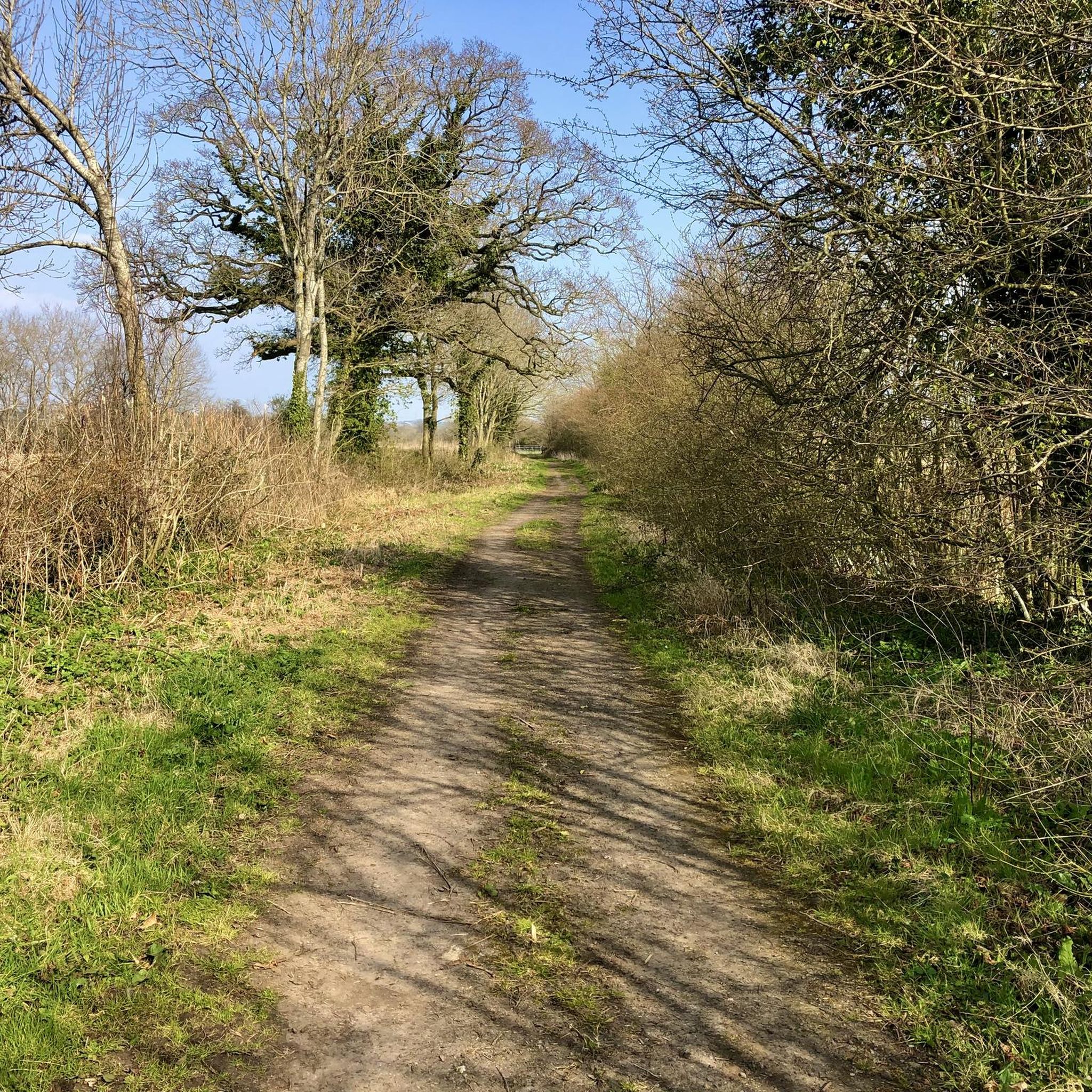
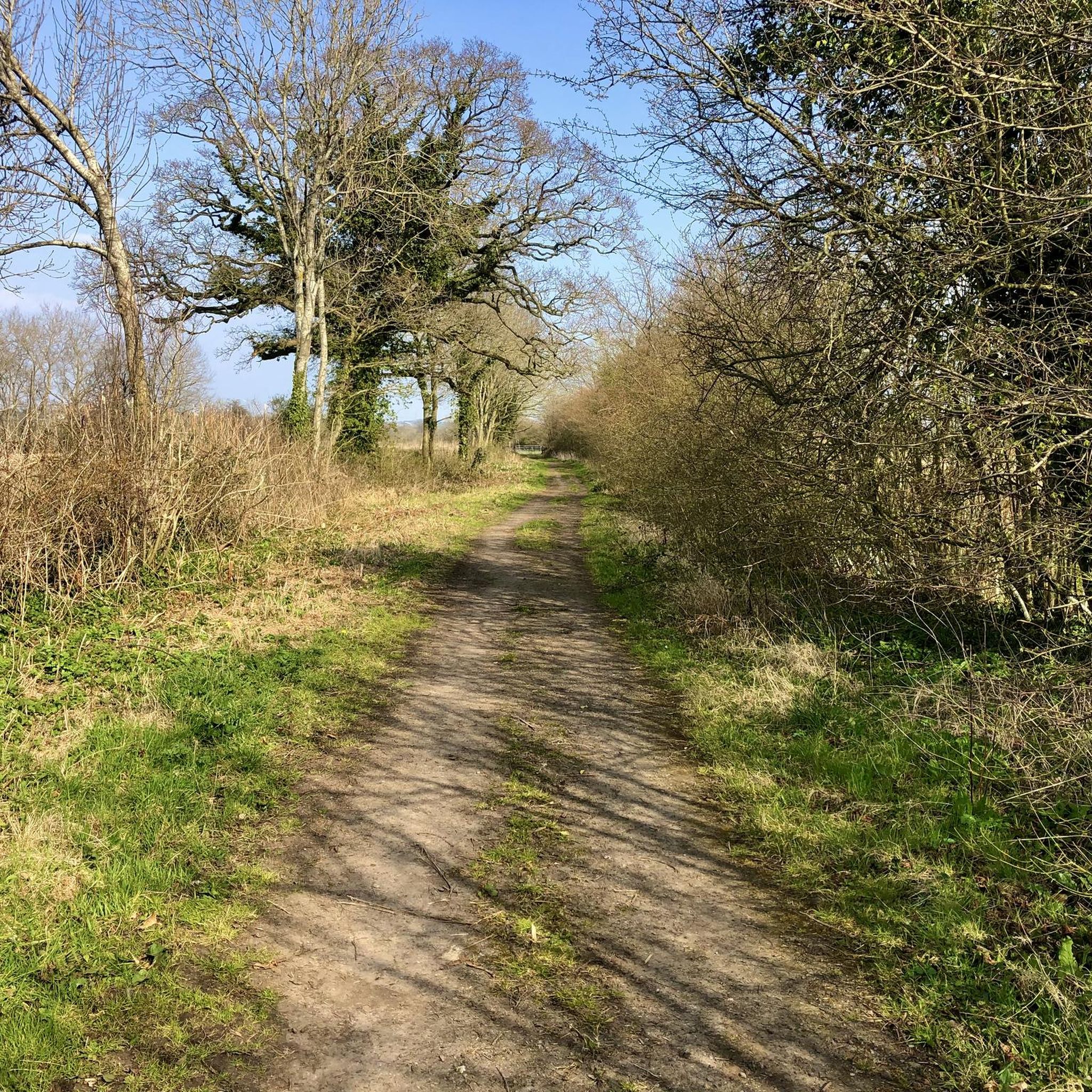
Ancient Roman Road, The Fosse Way is an excellent single track path with road sections, I rode this route on the day of Storm Eunice in Feb 2022, it was gnarly but afforded a lot of shelter from the crazy winds we we're heading directly into, the trees however were a constant worry, but it seemed most of the falls had already happened earlier in the morning or perhaps the previous night. This rout is amazing and apart from a short stint on the road you can cycle from the Cirencester YHA to the Bath YHA along the Fosse. Beautiful track, good scenery, and an interesting history. The Salutation Inn is the only stopping place for food and drink, so I'd suggest a stop there if you need it, nice pub by all accounts.
0
0

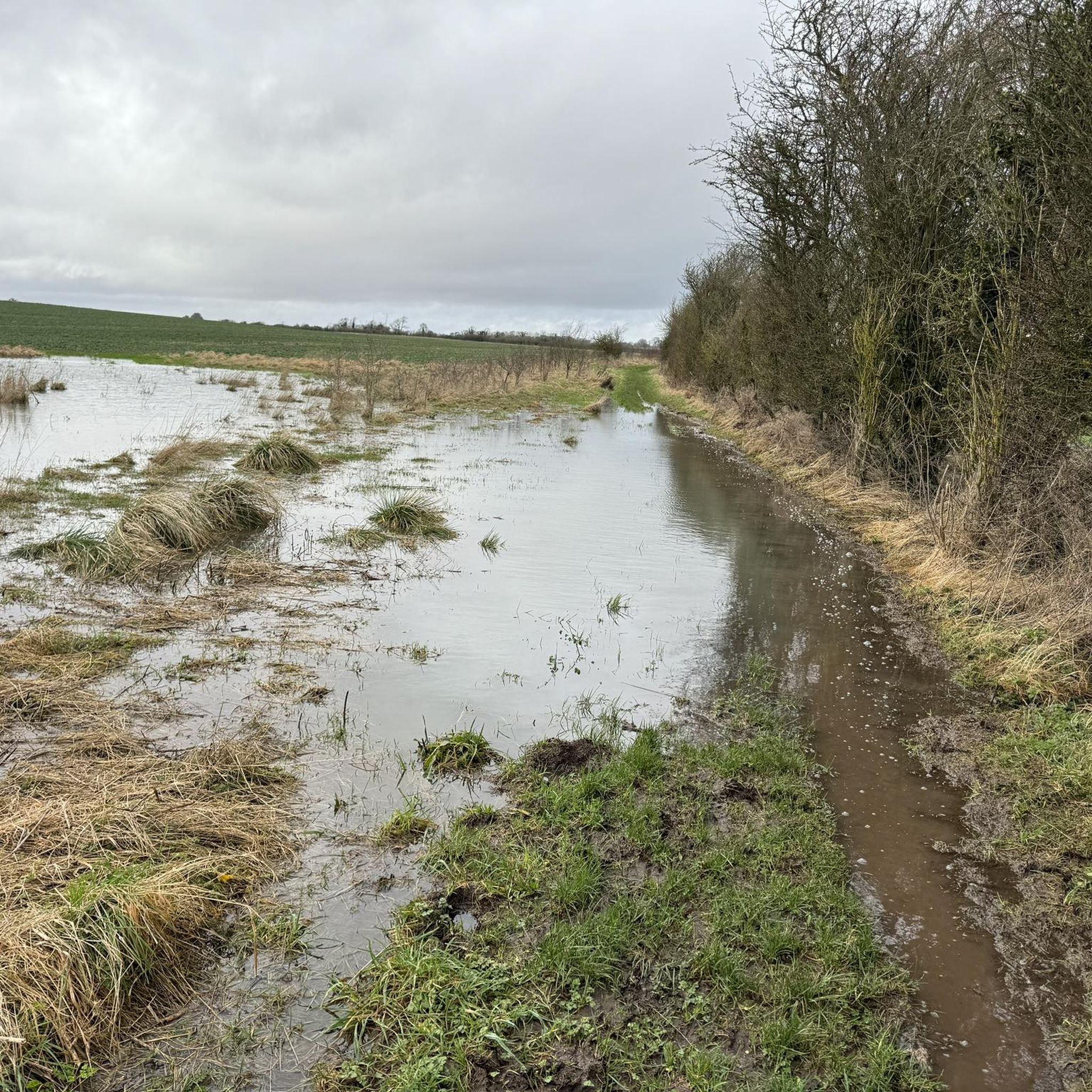
In the 2nd and 3rd centuries AD, Easton Grey was an important Roman settlement on the Fosse Way.
0
0

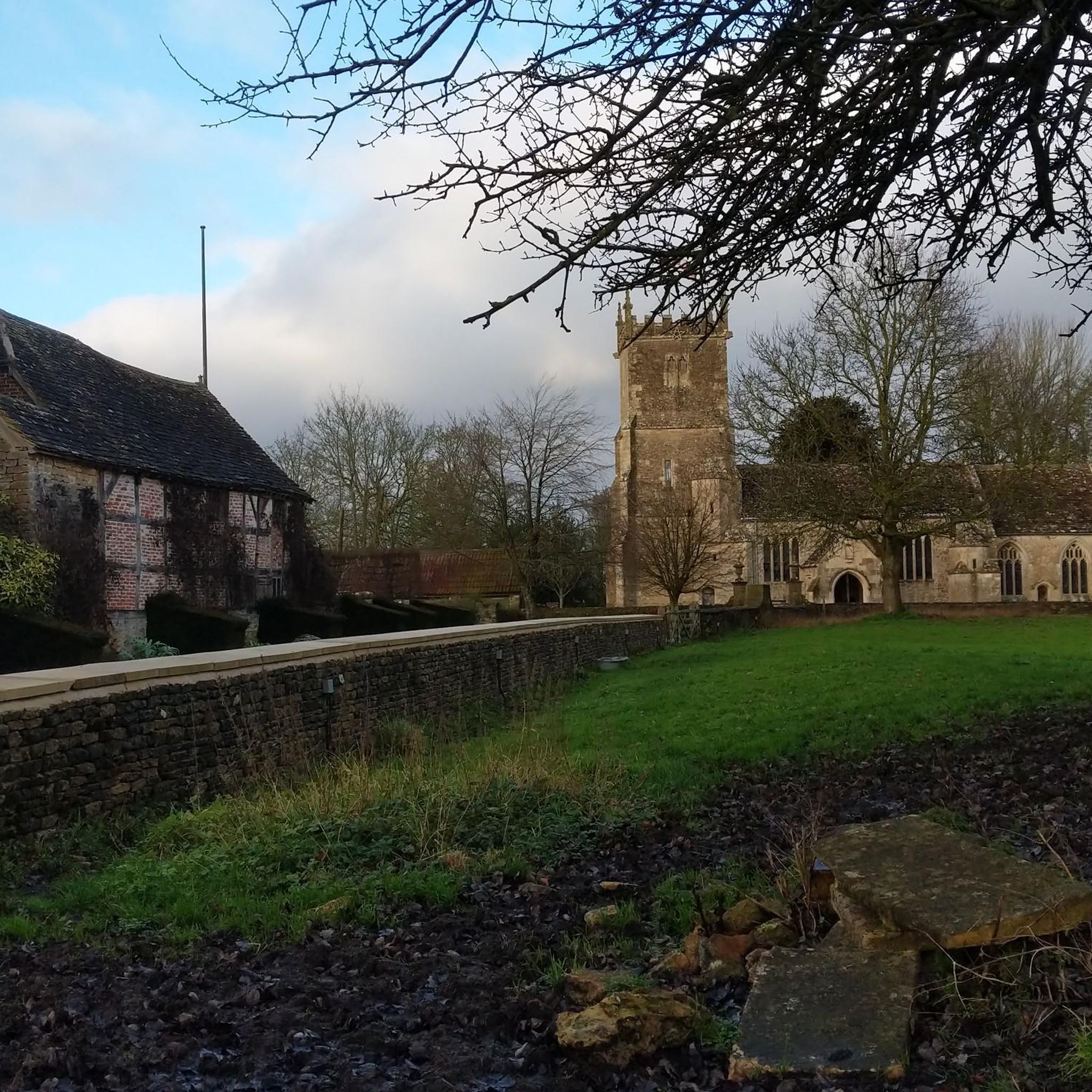
"Malmesbury (/ˈmɑː(l)mzbəri/) is a town and civil parish in Wiltshire, England. As a market town it became prominent in the Middle Ages as a centre for learning focused on and around Malmesbury Abbey, the bulk of which forms a rare survival of the dissolution of the monasteries. Once the site of an Iron Age fort, in the early medieval period it became the site of a monastery famed for its learning and one of Alfred the Great's fortified burhs for defence against the Vikings. Æthelstan, the first king of all England, was buried in Malmesbury Abbey when he died in 939." Cit. https://en.wikipedia.org/wiki/Malmesbury
1
0

Lovely market town, lots of nice small shops and cafe's
1
0

This is part of a Roman road built during the first and second centuries that linked Exeter in the southwest and Lincoln to the northeast, via Ilchester, Bath, Cirencester and Leicester.
1
0

Jacks Cafe at Town Hall good coffee stop
1
0
Frequently Asked Questions
What historical sites can I explore within Great Somerford village?
Within Great Somerford, you can visit the historic 13th-century St. Peter & St. Paul Church, known for its intricate woodwork and impressive architecture. The village also features The Manor House and The Mount House, both notable architectural examples, and is designated a Conservation Area with 20 listed buildings.
Are there any significant historical landmarks near Great Somerford?
Yes, nearby you can explore Malmesbury Market Cross and Abbey, a significant religious building and historical site where Æthelstan, the first king of all England, was buried. Another notable site is the Fosse Way Roman Road, an ancient route offering a unique historical trail.
Where can I enjoy walks and public footpaths around Great Somerford?
Great Somerford is surrounded by picturesque Wiltshire countryside, offering numerous public footpaths. You can explore trails along the River Avon, which forms part of the parish boundaries, or visit Somerford Common for walking trails important for local wildlife, particularly butterflies. For more structured routes, check out the hiking guide for Great Somerford.
What kind of cycling opportunities are available near Great Somerford?
Cyclists can enjoy the Castle Combe Circuit, a wide 2-mile motor car circuit open for cyclists on specific evenings. Additionally, sections of the Fosse Way Roman Road offer a great gravel track suitable for cycling. For more options, explore the gravel biking routes around Great Somerford.
Are there family-friendly attractions or activities in Great Somerford and its surroundings?
Yes, several attractions are suitable for families. Malmesbury Market Cross and Abbey offers an engaging historical experience. The Castle Combe Circuit provides a safe, traffic-free environment for family cycling on designated evenings. The public footpaths around the village, including those near the River Avon and Somerford Common, are also great for family walks.
What natural features can I see in Great Somerford?
The village is nestled near the south bank of the River Avon, which contributes significantly to the scenic landscape. You can also find Somerford Common, a natural area important for local wildlife, and the historic Great Somerford Measuring Station, featuring one of Britain's earliest compound crump weirs.
Can I find running routes in the Great Somerford area?
Yes, there are several running routes available. You can find various trails, including loops from nearby villages like Seagry, Sutton Benger, and Little Somerford. For detailed routes and distances, refer to the Running Trails around Great Somerford guide.
What is the historical significance of the Fosse Way Roman Road?
The Fosse Way Roman Road was built by the Romans during their rule of Britain, connecting Exeter and Lincoln via Bath, Cirencester, and Leicester. This ancient route, running 230 miles (370 km), is now popular with off-road bikers and offers a glimpse into Roman engineering and history.
What do visitors enjoy most about the attractions around Great Somerford?
Visitors appreciate the blend of historical richness and natural beauty. The Malmesbury Market Cross and Abbey is loved for its historical depth and the charming independent shops and cafes in Malmesbury. The Fosse Way Roman Road is praised for its dramatic ford crossings and being a great gravel track for cycling. The Castle Combe Circuit is enjoyed for its traffic-free, smooth tarmac for cycling and the footpath around its exterior.
Are there any pubs or places to eat in Great Somerford?
Yes, the Volunteer Inn is a traditional pub in Great Somerford, housed in an early 19th-century building. It offers hearty food and a welcoming atmosphere, serving as a hub for community life and a good spot to relax after exploring.
What is the Great Somerford Conservation Area?
Great Somerford is designated as a mid-sized Conservation Area. This status helps preserve the village's distinctive character, which is defined by its historic buildings, traditional street patterns, and open spaces. It contains 20 listed buildings of architectural or historic importance, reflecting its rich heritage.
Can I find peaceful gardens in Great Somerford?
Yes, the Great Somerford Free Gardens, established in 1803, offer a peaceful retreat. These well-maintained grounds feature a variety of beautiful flowers and plants and are historically significant as Britain's first allotments.
Most popular routes around Great Somerford

Get inspired with the komoot mobile app


Explore more
Still not found the Highlight you’re looking for? See guides of the top attractions in other regions:
