The best walks and hikes around Shapwick
4.6
(655)
5,764
hikers
29
hikes
Hikes around Shapwick explore the low-lying wetlands and river valleys of the Somerset Levels. The region is characterized by flat, well-maintained paths that cross through nature reserves, fens, and woodlands. Many routes follow the water meadows of local rivers like the Tarrant, offering easy walking suitable for most skill levels.
Best hiking trails around Shapwick
- The most popular hiking route is Badbury Rings, White Mill & Shapwick loop — Cranborne Chase, a 8.0 mile (12.9 km) trail that takes about 3 hours 20 minutes to complete. This moderate hike features minimal elevation gain as it circles through the countryside.
- Another top favourite among local hiking enthusiasts is Shapwick Village Centre – The River Tarrant loop from Shapwick, a moderate 7.0 mile (11.2 km) path. The route follows the River Tarrant through water meadows and open fields.
- Local hiking enthusiasts also love the White Mill (National Trust) – Shapwick Village Centre loop from Shapwick, a 4.9 mile (7.8 km) trail leading through the flat landscape, often completed in about 2 hours.
- Hiking around Shapwick is defined by wetland paths, riverbank trails, and routes through nature reserves. The network of trails offers options for different ability levels, with most routes being easy or moderate.
- The routes in Shapwick are highly rated by the komoot community with an average score of 4.7 stars from almost 200 reviews. More than 1,600 hikers have used komoot to explore Shapwick's varied terrain.
Last updated: October 10, 2026
3.8
(4)
28
hikers
12.9km
03:22
90m
90m
Moderate hike. Good fitness required. Easily-accessible paths. Suitable for all skill levels.
3.5
(2)
11
hikers
12.1km
03:10
90m
80m
Moderate hike. Good fitness required. Easily-accessible paths. Suitable for all skill levels.

5.0
(2)
7
hikers
18.1km
04:46
170m
170m
Moderate hike. Good fitness required. Mostly accessible paths. Sure-footedness required.
5.0
(3)
60
hikers
4.61km
01:14
60m
60m
Easy hike. Great for any fitness level. Easily-accessible paths. Suitable for all skill levels.
4.8
(4)
23
hikers
11.1km
02:54
80m
80m
Moderate hike. Good fitness required. Easily-accessible paths. Suitable for all skill levels.
Get access to more routes and recommendations from other explorers.
Already have an account?
Our route recommendations are based on thousands of hikes, rides, and runs completed by other people on komoot.
Start today with a free account
Your next adventure awaits.
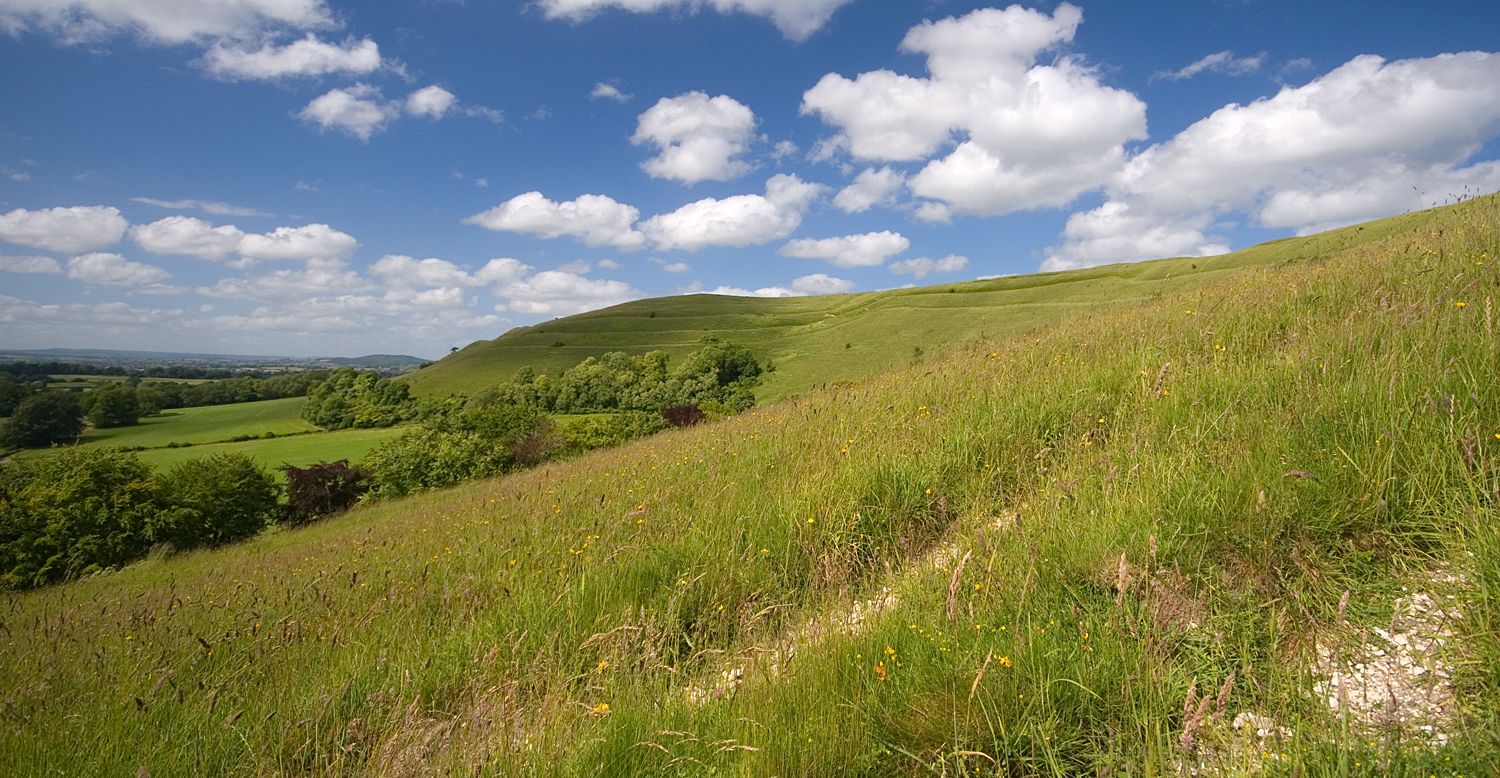
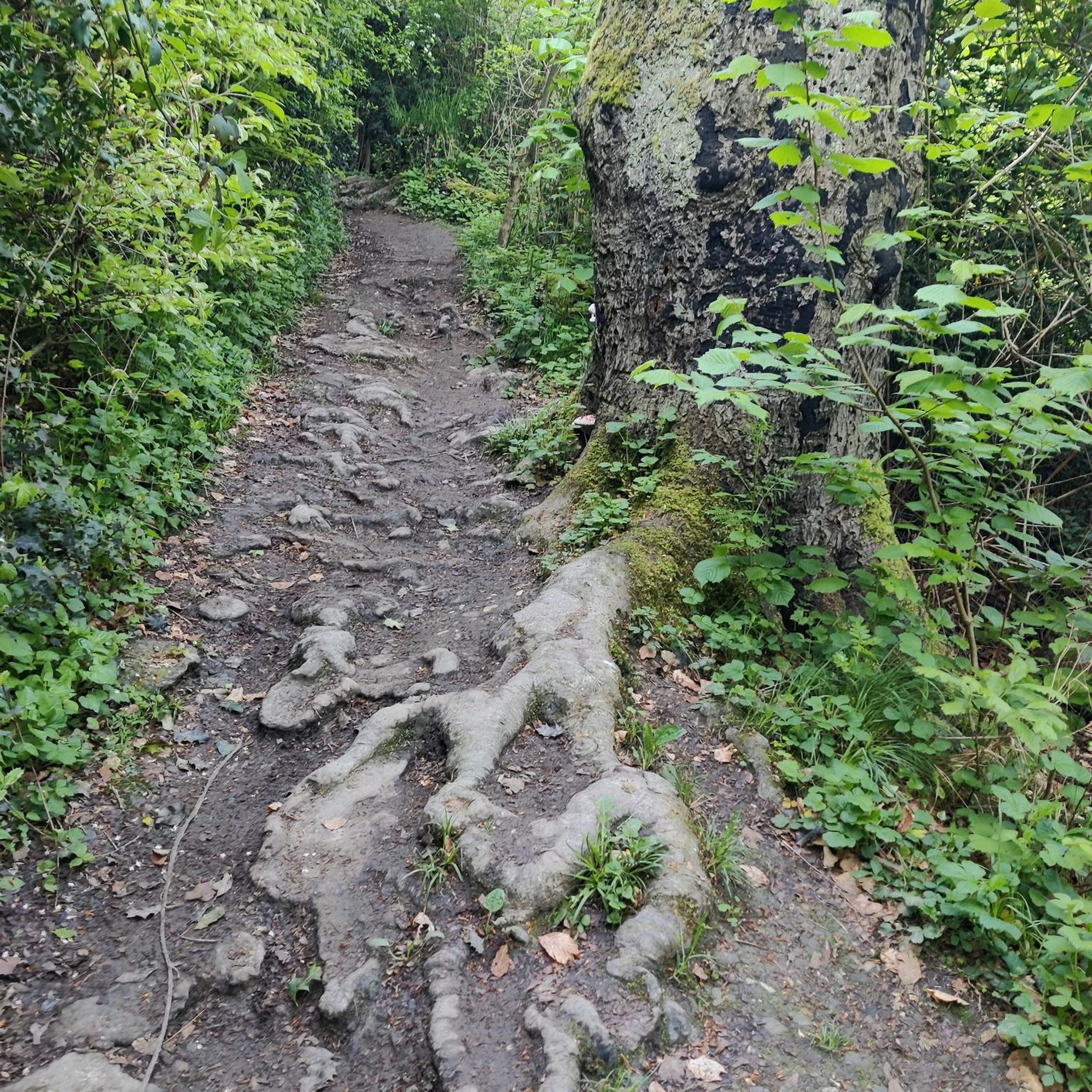
Other adventures around Shapwick

Tips from the Community

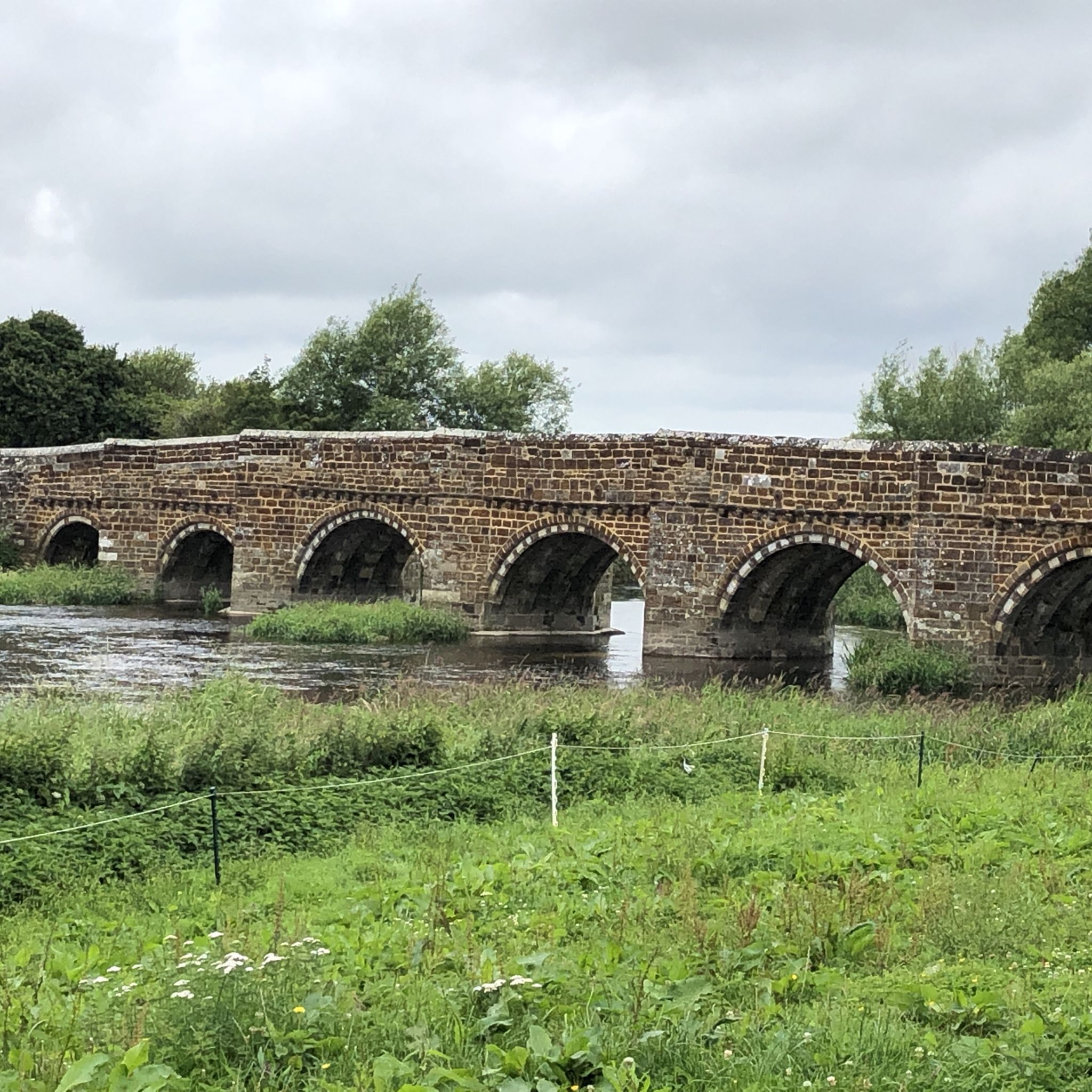
I expect it makes a great crossing and cuts off a HUGE diversion along a main road. Typical council neglecting their duites to repair this bridge.
0
0
The North Dorset Trailway Connection Today, Spetisbury Station is a popular access point for the North Dorset Trailway. Trailhead: The section of the Trailway running from Spetisbury north to Sturminster Newton, largely following the old railway bed, is a well-maintained, traffic-free path for walking, cycling, and riding. Visitor Stop: The former station site makes a perfect place to stop, rest, and picnic while exploring the Trailway, offering fine views over the Stour Valley. It's a wonderful example of local history being preserved and repurposed for community and recreation!
0
0
The Spetisbury Station Project Unlike the bridge at Blandford, which remains a preserved structure, the Spetisbury station site is being actively restored by volunteers. The Project: The Spetisbury Station Project Group was formed in 2012 by dedicated volunteers to clear and preserve the abandoned site. What You Can See: While the original station buildings were demolished shortly after the 1956 closure, the project has cleared the site to reveal the foundations of the station buildings, the booking office, and the signal box. Ambience: The site is now a peaceful, landscaped green space featuring picnic areas, benches, and information boards. Volunteers have added replica signage and restored the platforms to recreate the atmosphere of the former country station. Wildlife Haven: The site is also managed to be a haven for local wildlife, with features like a wildlife pond, bat boxes, and specific flower borders.
0
0
The Railway and Closure Original Line: Spetisbury Station was located on the Somerset & Dorset Joint Railway (S&DJR), which connected Bath to Bournemouth. Opening: It originally opened on November 1, 1860, as part of the Dorset Central Railway's line from Wimborne to Blandford. It initially had a single platform. Double Track: Around 1901, the line was doubled through the station, and a second platform and a signal box were added to handle the increased traffic. Downgrade: Like many rural stations seeking to cut costs, it was downgraded to an unstaffed "halt" in 1934. Passenger Closure: The station closed completely to passengers on September 17, 1956, one of the early closures on the S&D line. Line Closure: Although the station itself was closed, the main S&DJR line through the site continued to operate passenger services until the whole route closed in March 1966. Goods traffic ceased in 1969, and the track was lifted in 1970.
0
0
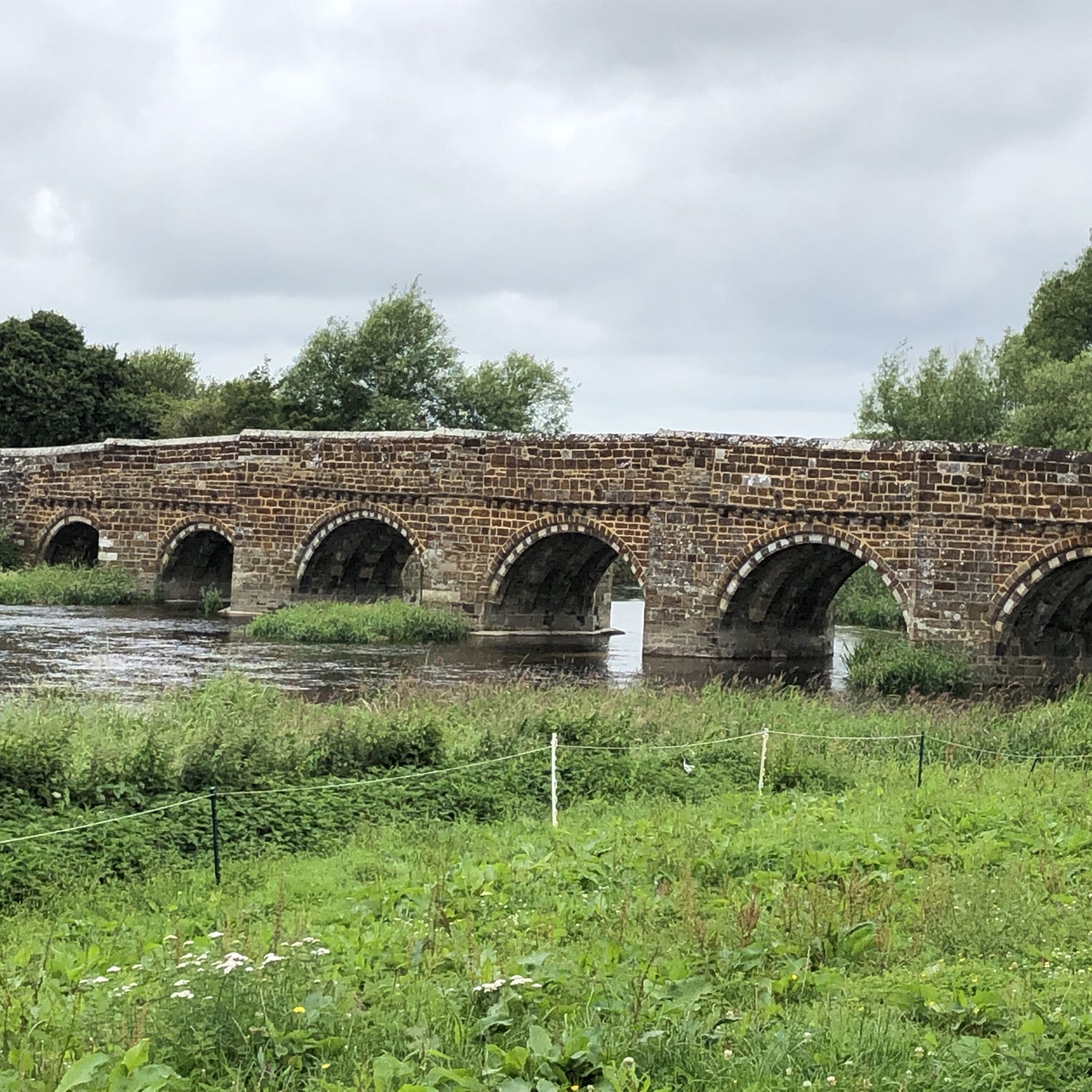
Historic Significance: It is a Grade I Listed Building (the highest level of protection), noted for its special architectural and historic interest. Age: The first record of the bridge dates back to 1334, suggesting its medieval origins, with parts of the current structure likely dating to the 15th century. Construction: It is built of coursed rubble and ashlar stone and features nine semi-circular arches. Widening: The bridge was widened in 1819. The upstream side is the original, medieval part and features triangular cut-waters which extend up to form pedestrian refuges. The downstream side is the later, plainer widening. Inscriptions: There is a reset stone on the east side of the bridge inscribed with the year 1719. Name Origin: The bridge is named Crawford Bridge because it carries the road from Spetisbury to Tarrant Crawford. The nearby area of Spetisbury was historically one of three manors, including Great Crawford.
0
0

Single lane beware of on coming vehicles
0
0
The River Tarrant is a small but significant river in Dorset, England. Such clear water. Secluded and peaceful
0
0
* On the north wall, there are more fragmentary paintings, including depictions of St Michael weighing souls and St Christopher carrying the Christ Child. * A 13th-century painting in the chancel features a simple masonry pattern with a flower stencil. * There is also a 14th-century depiction of the Annunciation.
0
0
Frequently Asked Questions
Are the hiking trails around Shapwick suitable for families and children?
Yes, the area is very family-friendly. Most trails are flat and well-maintained, making them accessible for all ages. The Shapwick Heath National Nature Reserve features a dedicated Discovery Trail, which is an easy-access path perfect for families. Many routes are short and manageable for little legs.
Can I bring my dog on the walks around Shapwick?
Dog walking is popular in the area, but there are restrictions, especially within the nature reserves, to protect wildlife. At Shapwick Heath National Nature Reserve, dogs must be kept on a short lead at all times. Always check local signage before letting your dog off the lead.
What kind of wildlife can I expect to see while hiking?
The Avalon Marshes, including Shapwick Heath, are a paradise for wildlife watchers. The wetlands are famous for birdlife, including bitterns, marsh harriers, and Cetti's warblers. In winter, you might witness the spectacular starling murmurations at dusk. Otters and water voles also inhabit the area.
Are there any circular walks available?
Yes, circular routes are very common around Shapwick. They offer a great way to explore the landscape without retracing your steps. For a shorter, easy loop, consider the White Mill (National Trust) – Shapwick Village Centre loop from Shapwick, which takes you through the classic flat scenery of the region.
What is the terrain like on the trails?
The hiking around Shapwick is characterized by its flat terrain. You'll be walking on well-maintained paths, gravel tracks like the Bittern Trail, and grassy trails through the wetlands and river valleys of the Somerset Levels. There is very little elevation gain on most routes, making it ideal for easy-going, leisurely hikes.
How many hiking trails are there in the Shapwick area?
You'll find a great selection of trails to choose from, with nearly 30 curated hiking routes available on komoot. The majority of these are rated as easy, with the rest being moderate, so there are plenty of options for different energy levels.
What do other hikers think of the routes around Shapwick?
The trails are highly regarded by the komoot community, with an average rating of 4.7 out of 5 stars. Hikers often praise the peaceful atmosphere of the wetlands, the excellent opportunities for birdwatching, and the flat, accessible paths that make for relaxing walks.
Are there any longer or more challenging hikes available?
While the area is known for easy walks, there are moderately challenging options for those wanting a longer day out. The Withchampton & Moor Crichel loop from Badbury Rings is a longer route of around 18 km that provides a more substantial hike through the countryside.
Where can I park to access the trails at Shapwick Heath?
There are several car parks for the Shapwick Heath National Nature Reserve. The main car park is located off the Ashcott Road. Another popular starting point is the Avalon Marshes Centre, which has ample parking and also offers facilities like a cafe and toilets.
Are there any pubs or cafes near the walking routes?
Yes, the Avalon Marshes Centre is a popular spot for walkers, featuring a cafe for refreshments before or after your hike. It's conveniently located near the main trails for Shapwick Heath and offers a great place to relax.
What is the Sweet Track Trail?
The Sweet Track is a famous Neolithic wooden walkway discovered in the marshes, dating back 6,000 years. While you can't walk on the original, there is a replica section and a trail that follows its ancient path through the Shapwick Heath National Nature Reserve, offering a unique historical element to your hike.
What is the difference between Shapwick Heath and Ham Wall?
They are two adjacent nature reserves within the Avalon Marshes, both offering fantastic walking and wildlife spotting. Shapwick Heath is managed by Natural England, while Ham Wall is an RSPB reserve. They are connected by paths, such as the Bittern Trail, allowing you to easily explore both in a single visit.
Most popular attractions around Shapwick

Get inspired with the komoot mobile app


Explore more
Browse the best Hikes in other regions.
