Attractions and Places To See around Winterborne Houghton - Top 20
Best attractions and places to see around Winterborne Houghton are found within this village nestled in a winterbourne valley on the Dorset Downs. The area is characterized by its natural features, including the Winterborne River and various hills, alongside cultural landmarks. Visitors can explore historical sites, natural monuments, and scenic viewpoints. The region offers a mix of local village attractions and significant sites within a reasonable distance.
Best attractions and places to see around Winterborne Houghton
- The most popular attractions is Hambledon Hill Iron Age hill fort, a historical site and viewpoint that is considered one of Britain's best-preserved Iron Age hill forts. It is also a key Neolithic landscape in Europe, offering views across Blackmore Vale and the River Stour.
- Another must-see spot is Hod Hill, an Iron Age hill fort that also features a Roman fort. Visitors can expect deep ramparts and diverse plant and insect life, with the Stour Valley Way path running through its center.
- Visitors also love Shillingstone Railway Station & Museum, a restored historical site functioning as a mini-museum with rolling stock and engines. Volunteers have worked to restore the station, which aims to extend its heritage railway service.
- Winterborne Houghton is known for historical sites, viewpoints, and trails. The area offers a variety of attractions to see and explore, from ancient hill forts to restored railway stations.
- The attractions around Winterborne Houghton are appreciated by the komoot community, with more than 50 upvotes and 30 photos shared by visitors.
Last updated: July 6, 2026
Shillingstone Railway Station & Museum
Highlight (Segment) • Historical Site
The cafe and shop are open when the station is open, currently Open on Wednesdays, Saturdays and Sundays 10am-4pm.
Tip by

Hambledon Hill Iron Age hill fort
Highlight • Viewpoint
Tip by

Sign up now to discover places like this
Get recommendations on the best single tracks, peaks, & plenty of other exciting outdoor places.
Sign up for free
North Dorset Trailway
Highlight (Segment) • Trail
Tip by

Blandford Railway Arches and Footbridge
Highlight (Segment) • Historical Site
Blandford station remained open until 7 March 1966, when the entire line from Bath to Bournemouth closed to passengers. Goods traffic continued for a further three years, but the station was finally closed and the track lifted in 1969. Following the closure, the Damory railway bridges, on the southern approach to the station, were eventually demolished in 1978.
Tip by

Hod Hill
Highlight • Viewpoint
Hod Hill has deep ramparts making it a fun place to walk, especially for children. Grassy and abounding in insects, butterflies and plantlife, spring and summer bring out the best of the landscape here.
The Stour Valley Way path goes right through the centre of the fort, providing fantastic views on this mostly low-lying trail.
Tip by

Sign up for free to discover even more attractions around Winterborne Houghton.
Sign up for free
Already have an account?
Start today with a free account
Your next adventure awaits.
Login or Signup
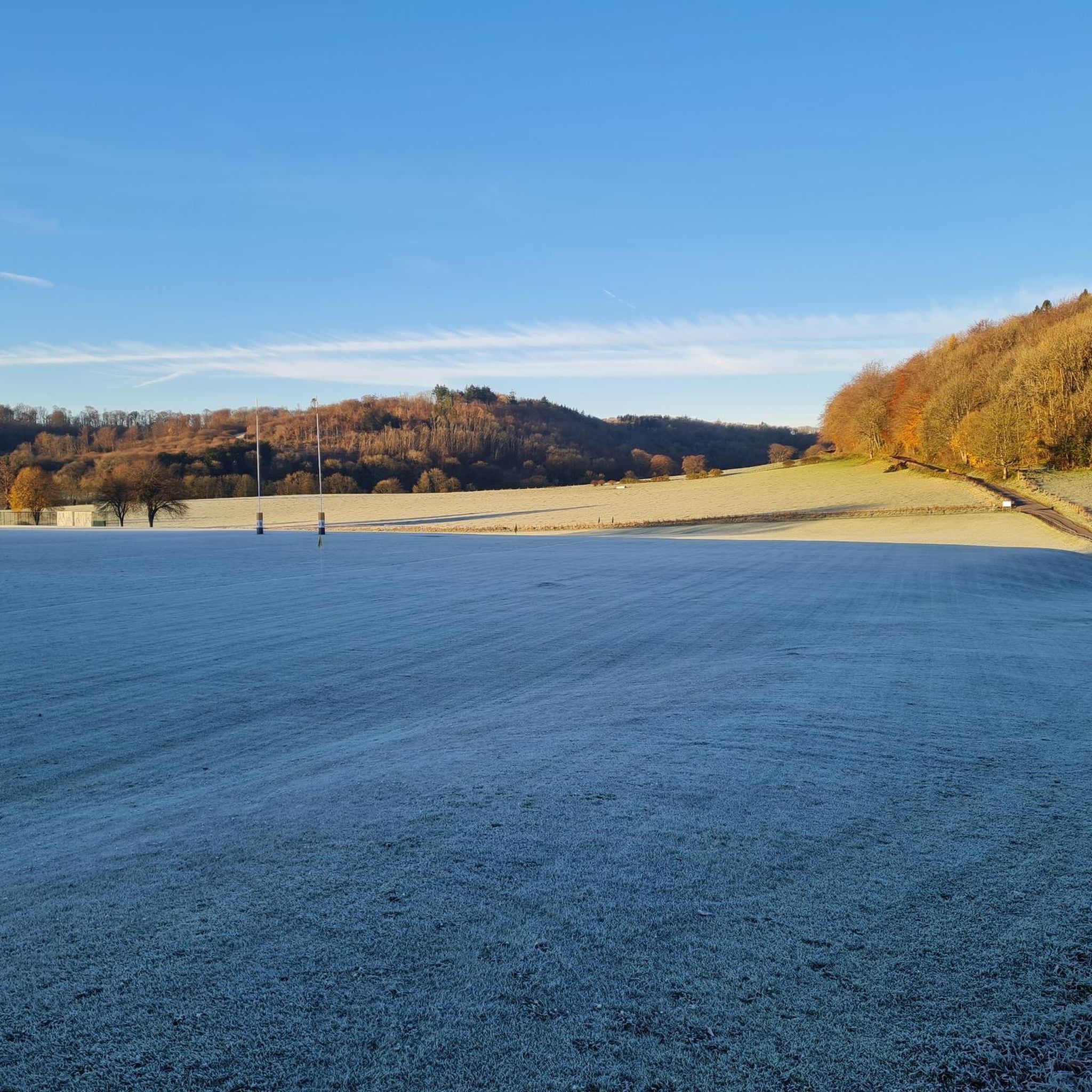
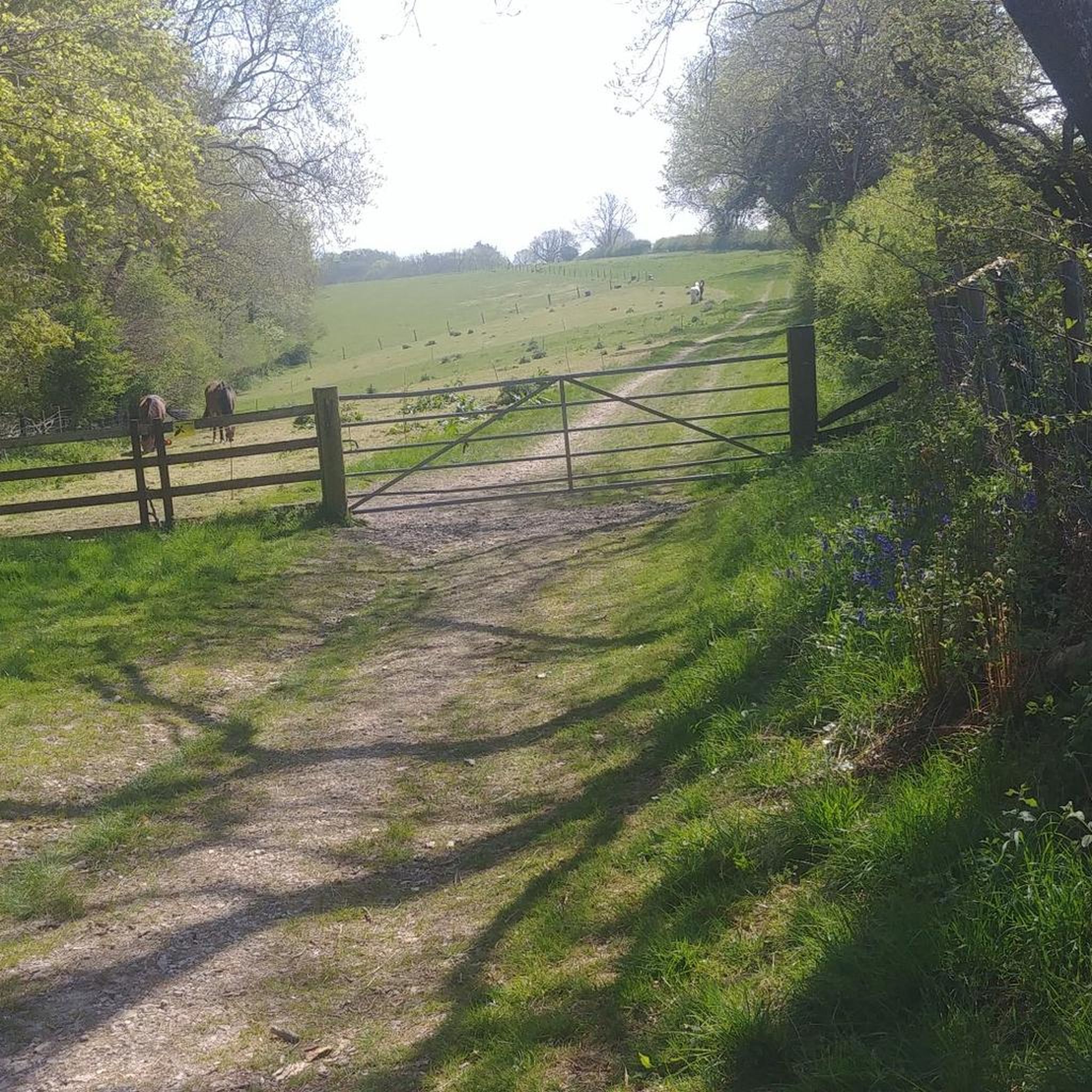
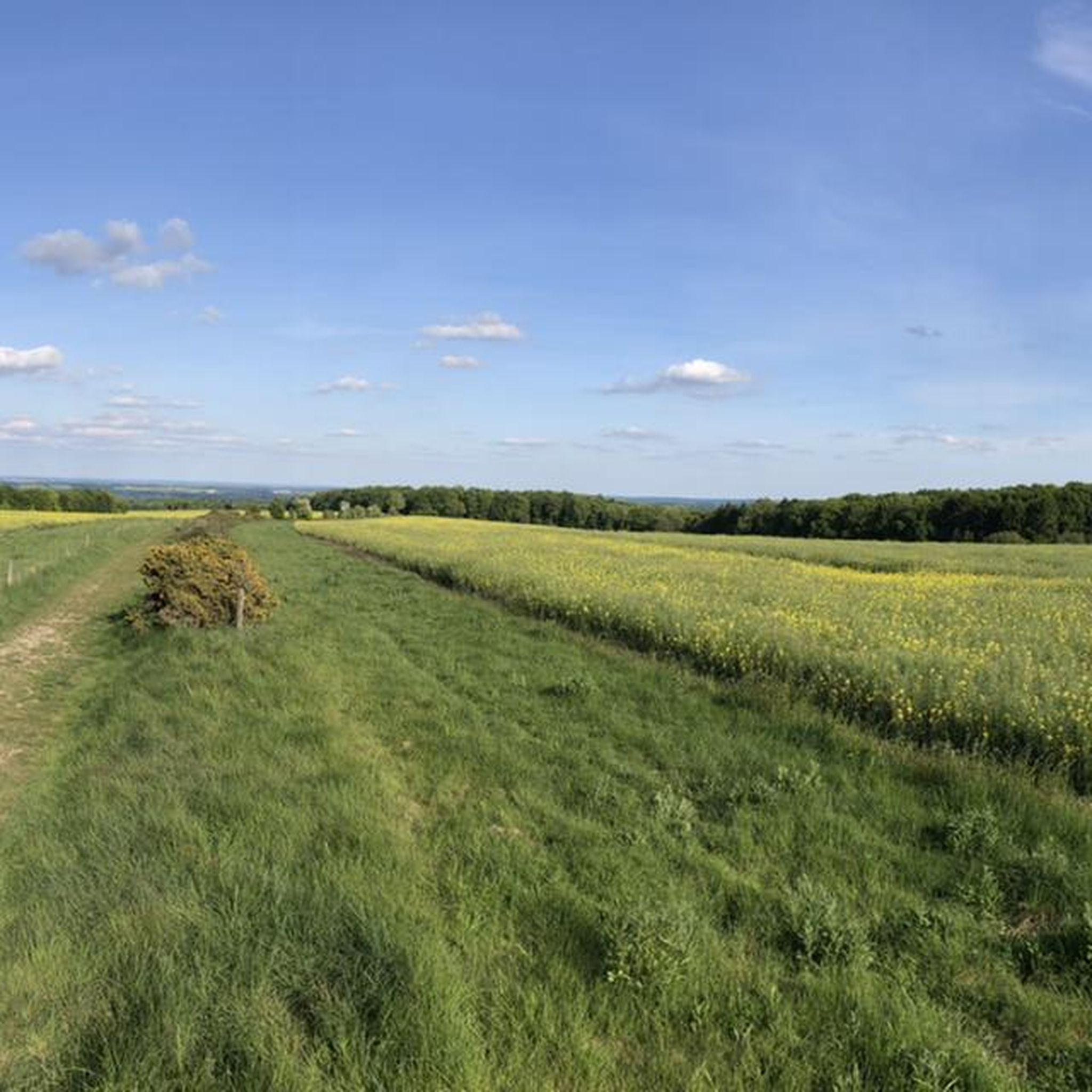
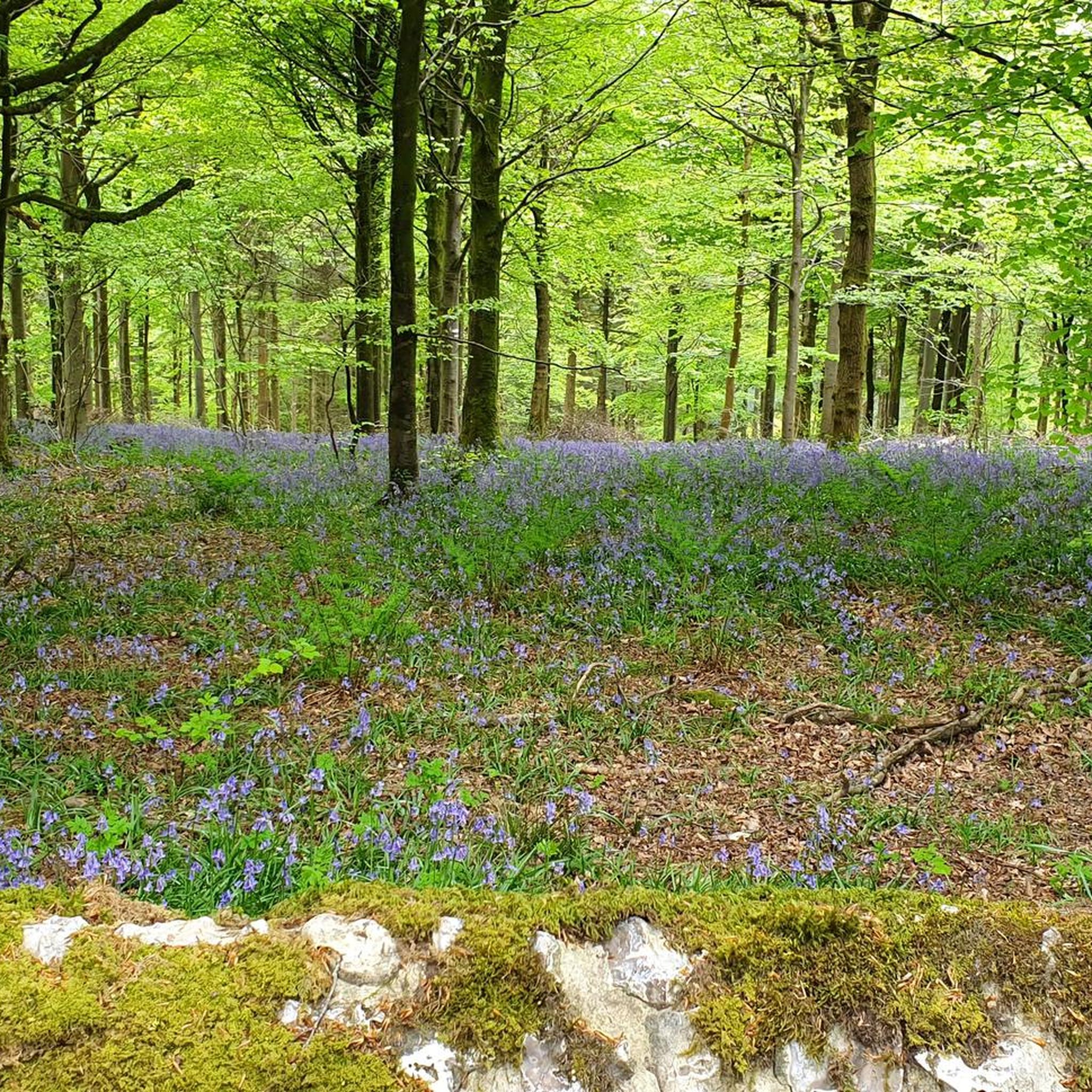

Tips from the Community


In addition to the main rail bridge spanning the river, smaller bridges were built to allow traffic and pedestrians to cross the cuttings and track as it travelled north-west. Three bridges were built for this purpose and all of them remain integral to the navigation of the town today. Arguably the most distinctive of them is the Alexandra Street pedestrian footbridge, above the site of the dismantled station. Constructed from iron and now partially supported by four narrow legs, the bridge stands at what was once the northern end of the station, where the single-line section to Templecombe began. Blandford station remained open until 7 March 1966, when the entire line from Bath to Bournemouth closed to passengers. Goods traffic continued for a further three years, but the station was finally closed and the track lifted in 1969. Following the closure, the Damory railway bridges, on the southern approach to the station, were eventually demolished in 1978.
1
0
What a beautiful place to ride a bike! Nothing too demanding along this route. A mixture of cyclists, dog walkers, hikers and pushchair parents. highly recommend this route.
1
0
Shillingstone railway station was a station on the Somerset and Dorset Joint Railway (S&DJR), serving the village of Shillingstone in the English county of Dorset. Shillingstone is the last surviving example of a station built by the Dorset Central Railway (one of the forerunners of the S&DJR). The station closed in 1966, when services were withdrawn from the S&DJR route. Since 2001, enthusiasts have been working to re-open the station as a heritage railway attraction.[1] The main building has now been renovated, and opened to the public as a museum, shop and refreshment room in 2008.[ The station was opened on 31 August 1863 by the Somerset and Dorset Railway, although planned and designed by one of its two predecessors, the Dorset Central Railway. Initial train services were provided by the London and South Western Railway (LSWR). In 1875, the Midland Railway and the LSWR together took over a joint lease of the line, forming the Somerset and Dorset Joint Railway.
0
0
The hill is now a National Nature Reserve (NNR) with common plants including milkwort, salad burnet, horseshoe vetch, squinancywort, pyramidal orchid and wild thyme. Rarer species include bastard toadflax, meadow saxifrage, early gentian and dwarf sedge. Butterflies include dingy skipper, grizzled skipper, chalkhill blue and Adonis blue. In August 2014, Hambledon Hill fort was acquired by the National Trust for £450,000. The money to buy the hill had come from a Natural England grant and a legacy gift left to benefit Dorset countryside. The hillfort is a Scheduled Monument, as is the adjacent Neolithic causewayed camp.
2
0
Frequently Asked Questions
What historical sites can I explore in and around Winterborne Houghton?
Winterborne Houghton and its surroundings are rich in history. Within the village, you can visit the Church of St Andrew, a Grade II listed church with notable architecture and a fifteenth-century font. Nearby, you'll find significant Iron Age hill forts like Hambledon Hill and Hod Hill, both offering insights into ancient history and Roman occupation. Further afield, consider Shillingstone Railway Station & Museum, a restored heritage site, or the atmospheric Knowlton Church and Earthworks, a ruined medieval church within a Neolithic henge.
Are there any unique natural features to see in Winterborne Houghton?
Yes, the village itself is named after the Winterborne River, which has its source here and flows overground primarily during winter. You can also visit the Millennium Pond, an award-winning local project. For broader natural landscapes, explore Houghton Down via 'The Grovers Track' for scenic views, or the nearby hill forts like Hambledon Hill and Hod Hill, which are noted for their diverse plant and insect life, especially during spring and summer.
What kind of walking and hiking trails are available near Winterborne Houghton?
The area around Winterborne Houghton offers a variety of walking and hiking trails. You can find easy hikes, moderate routes, and more challenging options. For example, there are several easy loops around Milton Abbas and Ibberton, such as the 'Milton Abbas Village – Milton Abbas Thatched Cottages loop'. More challenging routes include 'Rawlsbury Camp, Lower Ansty, Hilton and Bulbarrow loop' or 'The Dorset Gap loop'. Many trails offer fantastic views, especially from the Dorset Downs. You can explore more options in the Hiking around Winterborne Houghton guide.
Are there easy or family-friendly walks around Winterborne Houghton?
Absolutely. For families or those seeking less strenuous options, there are several easy hikes available. The Easy hikes around Winterborne Houghton guide lists routes like the 'Milton Abbas Village – Milton Park Wood loop' which are suitable. Additionally, the North Dorset Trailway is a largely flat, traffic-free gravel path perfect for families and cyclists. Hod Hill, with its deep ramparts, is also described as a fun place to walk, especially for children.
Can I find dog-friendly walks in the Winterborne Houghton area?
Many of the outdoor trails and natural areas around Winterborne Houghton are suitable for dog walking. The hill forts like Hambledon Hill and Hod Hill, managed by the National Trust, generally welcome dogs, though it's always good to check specific guidelines for livestock and wildlife. The North Dorset Trailway also provides a great, safe environment for walks with your canine companion.
What makes Hambledon Hill Iron Age hill fort a significant attraction?
Hambledon Hill Iron Age hill fort is considered one of Britain's best-preserved Iron Age hill forts and a key Neolithic landscape in Europe. Standing 623 feet (190 m) above the Blackmore Vale, it offers breathtaking views stretching into Wiltshire and Somerset. Managed by the National Trust, it's also a National Nature Reserve, home to rare plant and animal species, making it a significant site for both history and nature enthusiasts.
What can I expect when visiting Hod Hill?
Hod Hill is another impressive Iron Age hill fort that also features a Roman fort. Located near the village of Stourpaine, it's known for its deep ramparts, which make for an engaging walk. The hill is rich in grassy landscapes, insects, butterflies, and diverse plant life, particularly vibrant in spring and summer. The Stour Valley Way path runs directly through the center of the fort, offering excellent views.
Are there any railway heritage sites nearby?
Yes, the Shillingstone Railway Station & Museum is a notable heritage site. This restored station functions as a mini-museum with rolling stock and engines, with volunteers working to extend its heritage railway service. Additionally, the Blandford Railway Arches and Footbridge are preserved remnants of the old railway line that once served Blandford Forum, offering a glimpse into the region's railway history.
What is the terrain and elevation like on trails near Winterborne Houghton?
The terrain around Winterborne Houghton varies. The village itself is nestled in a winterbourne valley on the Dorset Downs, meaning you can expect a mix of tranquil lanes and more strenuous ascents on flinty and grassy paths, especially when exploring the surrounding hills like Houghton Down, Hambledon Hill, and Hod Hill. These higher points offer rewarding views. The North Dorset Trailway, however, is largely flat and off-road.
What amenities, such as pubs or cafes, are available in Winterborne Houghton village?
While Winterborne Houghton is a serene village, specific details on pubs or cafes within the immediate village are not extensively detailed in the provided information. However, the wider region and nearby villages often offer such amenities. For example, the Shillingstone Railway Station & Museum has a cafe and shop open on Wednesdays, Saturdays, and Sundays. For local village amenities, it's advisable to check local listings or inquire upon arrival.
What are some other notable attractions within a reasonable distance of Winterborne Houghton?
Beyond the immediate vicinity, you can explore several other significant sites. These include Fiddleford Manor, a small stone manor house from around 1370, and Sturminster Newton Mill, a historical landmark. For more ancient history, Maiden Castle is one of Europe's largest Iron Age hillforts, and The Nine Stones is a prehistoric stone circle. If you enjoy castles, Sherborne Old Castle and Old Wardour Castle offer fascinating ruins to explore.
What do visitors enjoy most about the attractions around Winterborne Houghton?
Visitors particularly enjoy the breathtaking views from sites like Hambledon Hill, which stretch across Blackmore Vale and the River Stour. The historical significance of the Iron Age hill forts and the opportunity to explore ancient landscapes are also highly appreciated. Many find the deep ramparts of Hod Hill fun to walk, especially for children, and the diverse plant and insect life adds to the natural appeal. The restored Shillingstone Railway Station & Museum is valued for its historical preservation and ongoing efforts.
Most popular routes around Winterborne Houghton
Most popular attractions around Winterborne Houghton

Get inspired with the komoot mobile app


Explore more
Still not found the Highlight you’re looking for? See guides of the top attractions in other regions:
