The best walks and hikes around Winterborne Clenston
4.6
(404)
2,425
hikers
238
hikes
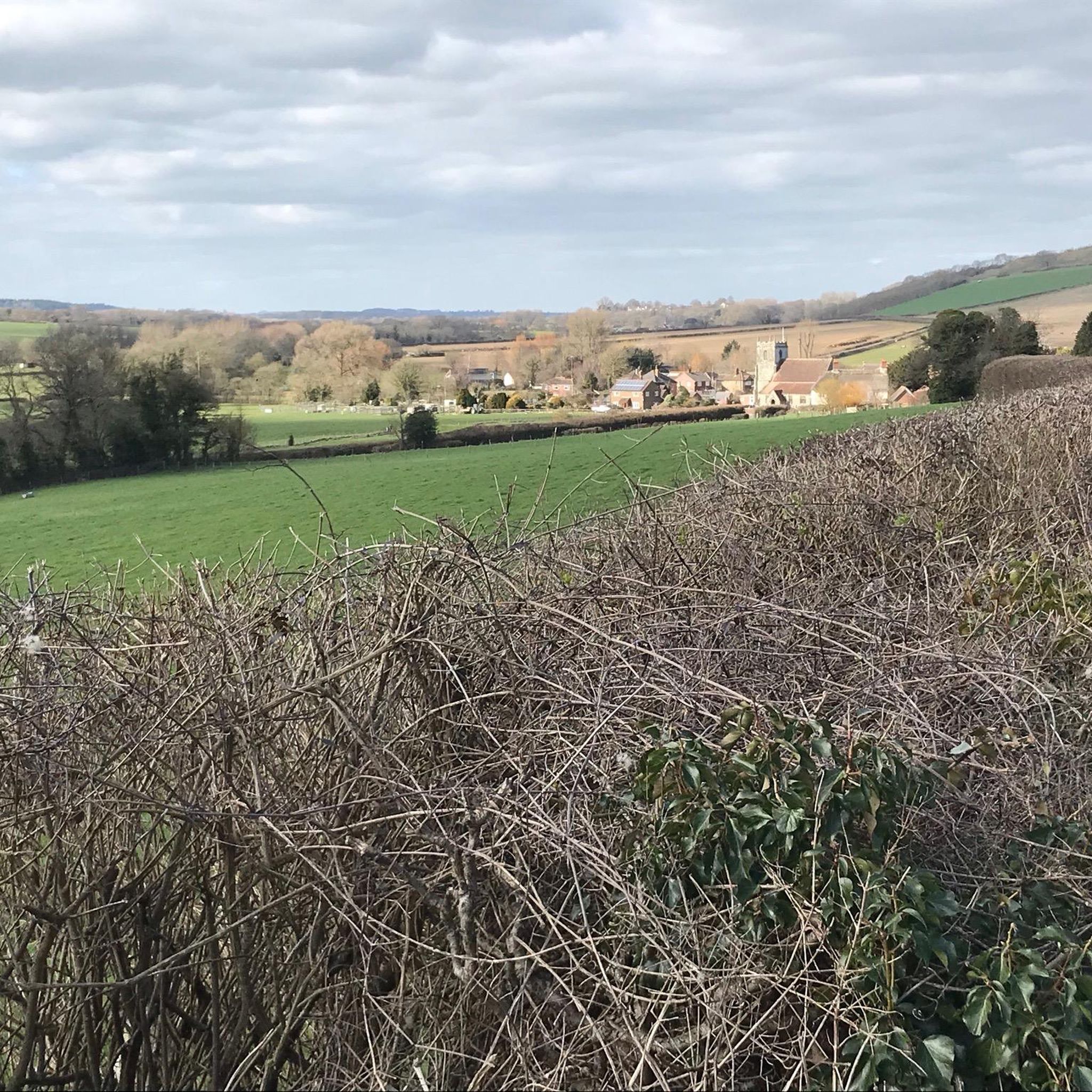
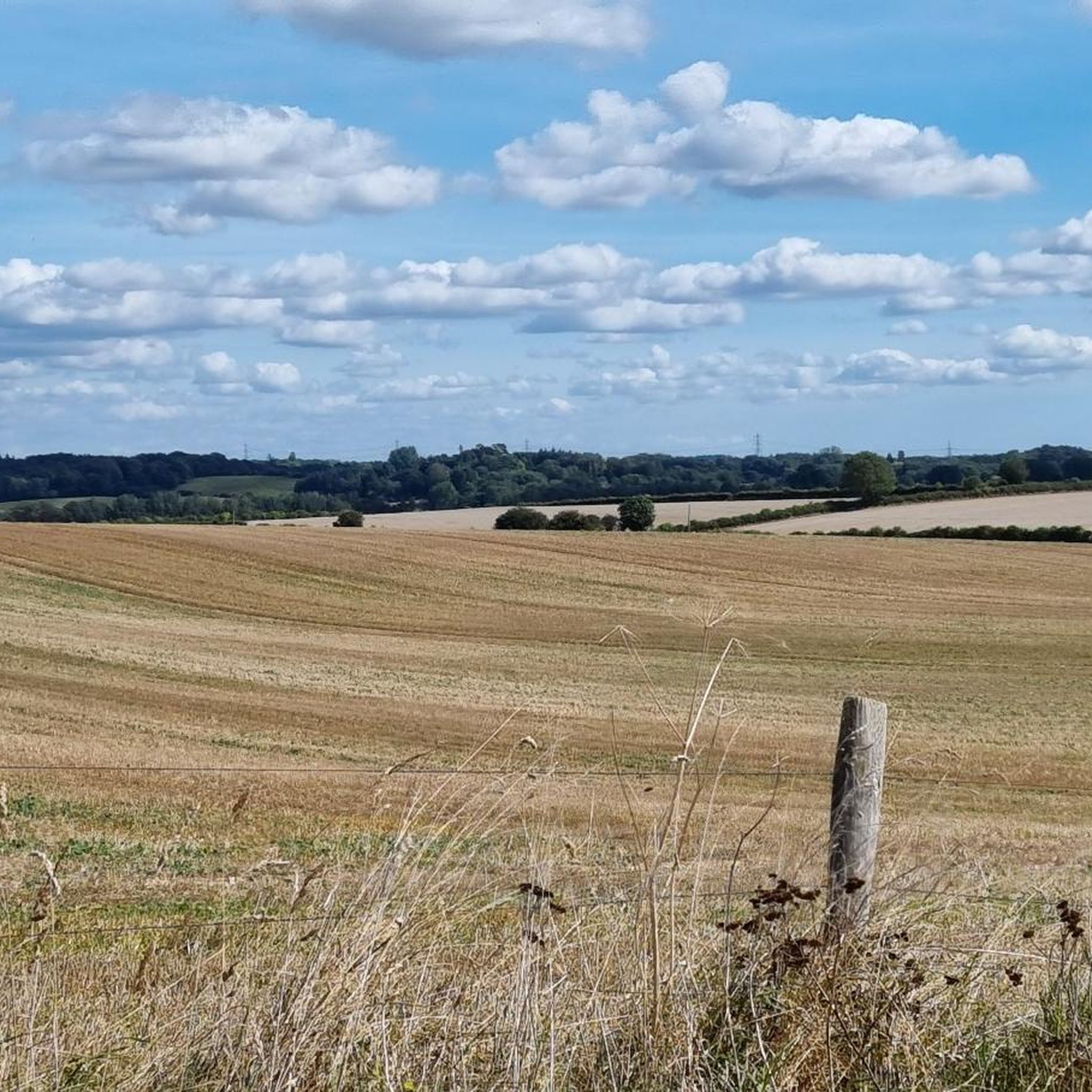
Hiking around Winterborne Clenston explores the Winterborne Valley, a landscape of rolling chalk hills and ancient woodlands within the Dorset Area of Outstanding Natural Beauty. The terrain features a mix of footpaths, bridleways, and quiet country roads that cross open fields and pass through woods like Milton Park Wood. Many routes follow the path of the River Winterborne, a seasonal chalk stream that flows during the winter months. This region offers diverse landscapes for outdoor activities.
Best hiking trails in…
Last updated: June 26, 2026
4.3
(3)
9
hikers
13.1km
03:39
230m
230m
Moderate hike. Good fitness required. Easily-accessible paths. Suitable for all skill levels.
4.7
(13)
55
hikers
13.9km
03:56
290m
290m
Moderate hike. Good fitness required. Easily-accessible paths. Suitable for all skill levels.

Sign up for free
4.8
(5)
29
hikers
14.3km
03:54
220m
220m
Moderate hike. Good fitness required. Easily-accessible paths. Suitable for all skill levels.
5.0
(4)
28
hikers
Moderate hike. Good fitness required. Easily-accessible paths. Suitable for all skill levels.
5.0
(1)
8
hikers
5.73km
01:35
100m
100m
Easy hike. Great for any fitness level. Easily-accessible paths. Suitable for all skill levels.
Get access to more routes and recommendations from other explorers.
Sign up for free
Already have an account?
Our route recommendations are based on thousands of hikes, rides, and runs completed by other people on komoot.
Start today with a free account
Your next adventure awaits.
Login or Signup

Tips from the Community

Who doesn't like working up an appetite when out walking? Have a little play on the swing then chill and have snack and a read on the many logs.... but not this log, this is my log. find your own!!
0
0
If you enjoy buildings that look like they’re wearing "pinstriped pajamas," Clenston ManorClick to open side panel for more information is your architectural soulmate. This Grade I listed superstar is famous for its "banding"—alternating layers of flint and stone that make it the most fashionable house in the valley. The Manor: It dates back to the 16th century and features a rare long gallery where Tudor residents presumably practiced their indoor power-walking during rainy Dorset winters. The Vibe: It’s private, posh, and so pretty it makes nearby houses look like they aren't even trying. Right next door sits the Great Barn, a massive 16th-century structure with a timber roof so complex it puts IKEA furniture to shame. The Scale: It’s roughly the size of a small cathedral, built for storing enough grain to feed a medieval army (or one very hungry local). The Roof: It features incredible hammerbeam trusses that have been holding steady since before the invention of the toasted sandwich.
0
0
St Mary’s in Winterborne Whitechurch is the "cool older sibling" to the church in Kingston. While Kingston has the Victorian glow-up, Whitechurch has a tower that looks like it’s seen some serious history—mostly because it has. The "White" in the Name The village isn't named after a surplus of paint; it’s likely because the original church was built of white stone or limestone, standing out against the green Dorset hills like a beacon of "come here and repent." The Architectural Mashup It’s a classic 13th-century cruciform (cross-shaped) layout, but the 15th-century central tower is the real star. It’s sturdy, square, and gives off major "fortress" vibes. The Pulpit: This is the church’s "holy grail." It’s a beautifully carved 15th-century wooden pulpit that survived the Reformation, the Victorians, and several centuries of damp British winters. The Font: Just like its neighbor, it boasts a medieval font that has probably seen enough christening-day tantrums to fill a book. The Famous Connection The church has a link to the Wesley family (the founders of Methodism). John Wesley’s grandfather was the vicar here, which adds a layer of "rebellious religious history" to the quiet pews. The Vibe It’s peaceful, slightly haunting in a poetic way, and surrounded by a graveyard that is a masterclass in weathered lichen. It’s the perfect place to sit and contemplate life—or just hide from a sudden Dorset downpour.
0
0
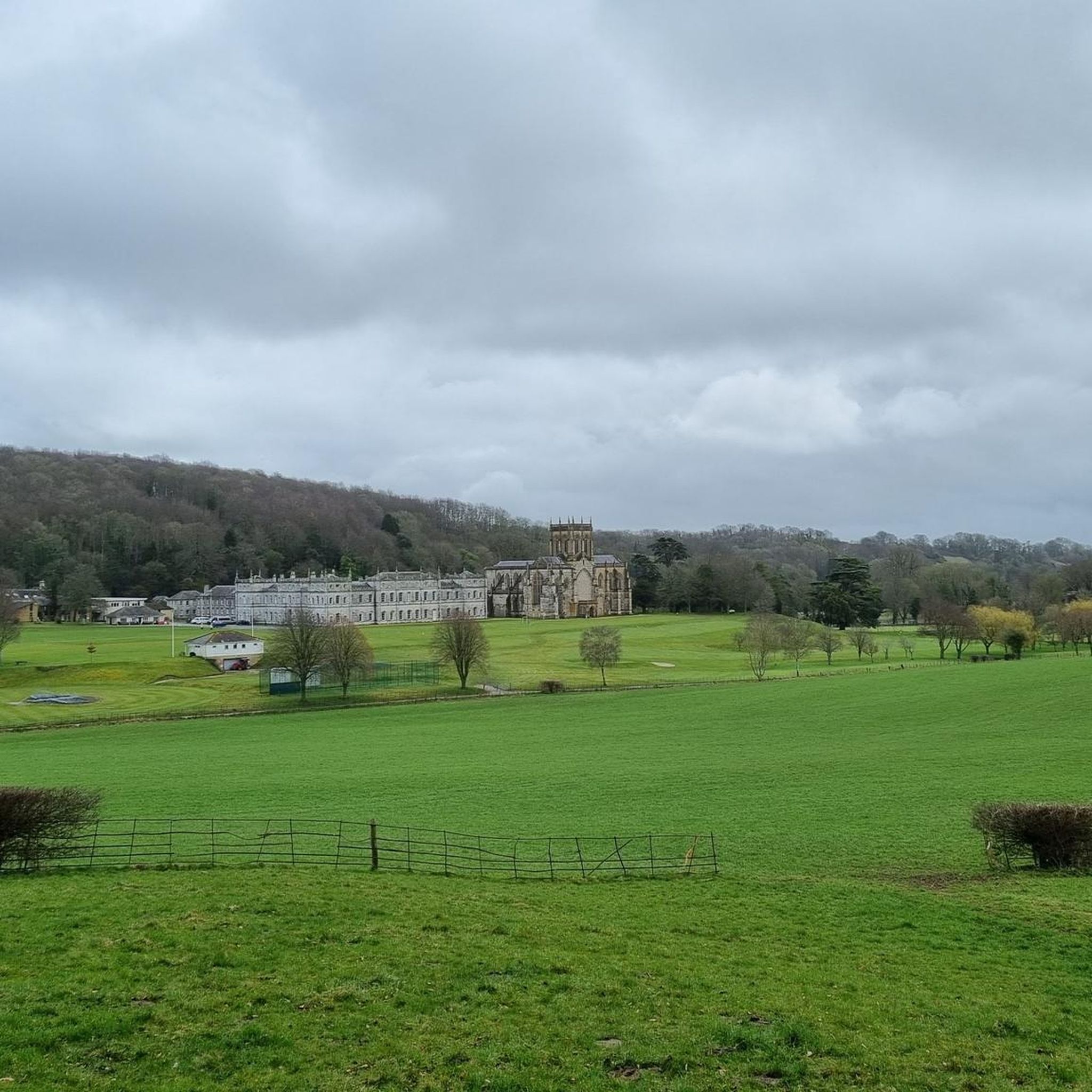
* Dissolution: Following the Dissolution of the Monasteries in 1539, the Abbey and estate were acquired by Sir John Tregonwell, a lawyer for Henry VIII. The Abbey church was allowed to become the parish church. * 18th Century Changes: In the late 18th century, Joseph Damer, Lord Milton (later Earl of Dorchester), decided the nearby market town of Milton (or Middleton) disturbed his ideal of rural peace. He had the entire town demolished and created the planned village of Milton Abbas. He also commissioned the landscape gardener Capability Brown to design the parkland around a new mansion he built on the site of the old Abbey buildings, keeping only part of the church. * Restoration: The church was restored around 1790 by James Wyatt and again in 1865 by Sir George Gilbert Scott.
0
0
The first church on the site was founded around 934 AD by the Saxon King Athelstan, grandson of Alfred the Great. It is said he had a vision of defeating the Danes while camping nearby and built the church in gratitude. * Benedictine Abbey: About thirty years later, King Edgar established a Benedictine monastery there. * Fire and Rebuilding: A fire caused by lightning destroyed the Norman church in 1309. The current Abbey Church of Saint Mary, Saint Sansom and Saint Branwalader largely dates from the 14th century, with some 15th-century additions like the north transept and tower extension. The nave as originally planned was never built.
0
0
The chapel dates back to the late Norman period, around 1190, making it the oldest building within the Milton Abbas complex. It was built by the monks of Milton Abbey as a pilgrim chapel.
0
0
notable for being one of the first planned settlements in England. In the 1770s, the owner of Milton Abbey, Joseph Damer (later Lord Milton and Earl of Dorchester), decided the original village of Middleton was spoiling his view and commissioned architect Sir William Chambers and landscape gardener Capability Brown to design a new village in a nearby wooded valley. The old village was demolished, and most of its residents were relocated to this new model village, now known as Milton Abbas. The village is characterized by its single, sinuous main street lined with 36 almost identical whitewashed and thatched cottages. These were originally designed to house two families each.
0
0
The church was built in 1786. This was during the creation of the new village of Milton Abbas by Joseph Damer, the Earl of Dorchester. He had the original market town of Milton (or Middleton), which was too close to his mansion (now Milton Abbey School), demolished and a new model village constructed to house his estate workers. * Replacing an Older Church: There was an earlier St James' Church serving the parish before the new village was built. Its exact location is uncertain, though some speculate it might have been near the south door of Milton Abbey. Registers of this earlier church date back to 1650. * Materials from the Abbey: It is believed that some of the materials used to build St James' Church came from the demolished abbey barn. * Victorian Enhancements: In 1886, the church underwent significant alterations. The chancel was enlarged, the chancel and tower arches were rebuilt, and a south aisle was added.
1
0
Frequently Asked Questions
Are the walks around Winterborne Clenston suitable for dogs?
Yes, the area offers many opportunities for dog walking. The network of footpaths and bridleways through open countryside is great for exercising dogs. For off-leash areas, locals often visit nearby nature reserves like Milldown Nature Reserve or Delph Woods. Please be mindful of seasonal restrictions and keep dogs on a lead near livestock.
What is the terrain like on the trails?
The hiking trails around Winterborne Clenston are characterized by rolling chalk hills and ancient woodlands. You can expect a mix of well-defined footpaths, grassy tracks across fields, and quiet country lanes. While many routes are gentle, some include moderate ascents and descents as you move in and out of the Winterborne Valley.
Are there any good circular walks?
Most of the popular trails in the area are circular. A great example is the Milton Park Wood – Milton Abbas Village loop from Winterborne Whitechurch. This moderate route takes you through a beautiful mix of woodland and open fields, showcasing the typical Dorset landscape without needing to backtrack.
Where can I park to start a walk?
There is limited dedicated parking in Winterborne Clenston itself. Most hikers find on-street parking in the nearby villages of Winterborne Stickland, Winterborne Whitechurch, or Milton Abbas, which serve as common starting points for many circular routes. Please park considerately and do not block access for residents or farm vehicles.
Are there any family-friendly hikes?
Yes, there are several easier options suitable for families. For a shorter, manageable walk, consider The View Café – Milton Park Wood loop from Milton Abbas. At just over 5 km, it's a relatively flat and easy trail that also offers the convenience of a nearby café for refreshments.
What does 'Winterborne' mean?
The name 'Winterborne' refers to a type of seasonal stream that flows over the chalk geology of the area. The River Winterborne, which gives the village its name, typically flows above ground during the wetter winter months and recedes or disappears completely in the summer, creating a unique and changing landscape for walkers throughout the year.
What historical points of interest can I see on a walk?
The area is rich in history. Many trails pass by significant landmarks. In Winterborne Clenston, you can see the 16th-century Manor Farm Barn and the distinctive St. Nicholas' Church. Hikes often lead past ancient earthworks, remnants of a medieval deer park, and towards the picturesque thatched cottages of Milton Abbas.
Are there any pubs or cafes on the walking routes?
While Winterborne Clenston itself is very small, several walks pass through or near villages with pubs and cafes. The nearby village of Milton Abbas has options for refreshments, and some routes are planned specifically to include a stop, such as the trail that passes The View Café at the Dorset Rural Skills Centre.
What do other hikers say about the trails in this area?
The trails around Winterborne Clenston are highly regarded by the komoot community, with an average rating of 4.6 stars. Hikers frequently praise the beautiful rolling scenery of the Dorset AONB, the tranquility of the ancient woodlands, and the sense of history discovered when passing through villages like Milton Abbas.
How many hiking trails are available around Winterborne Clenston?
There are over 250 hiking routes to explore in the region. These range from short, easy loops perfect for a quick stroll to more challenging all-day hikes, offering plenty of options for all fitness levels.
What kind of wildlife might I see?
The chalk downlands and ancient woodlands support a rich variety of wildlife. Keep an eye out for birds of prey like buzzards and kestrels soaring overhead. In spring and summer, the grasslands are home to numerous butterfly species, including the Adonis blue and marbled white, while the woods are famous for their bluebell displays.
Can I get to the trails using public transport?
Public transport to the immediate Winterborne Clenston area is very limited. The region is best accessed by car. The nearest larger town with more regular bus services is Blandford Forum, from which you would likely need a taxi to reach the primary trailheads.
Most popular attractions around Winterborne Clenston

Get inspired with the komoot mobile app


Explore more
Browse the best Hikes in other regions.
