The 5 Most Amazing Peaks around Woolland
Mountain peaks around Woolland are characterized by their chalk hills and significant historical landmarks within the Dorset landscape. This region features prominent Iron Age hill forts and offers expansive views across the Blackmore Vale and River Stour. The area is known for its rich biodiversity and is managed by organizations like the National Trust, preserving its natural and cultural heritage. Visitors can explore a variety of summits that combine historical interest with scenic vistas.
Best mountain peaks around Woolland
- The…
Last updated: August 22, 2026
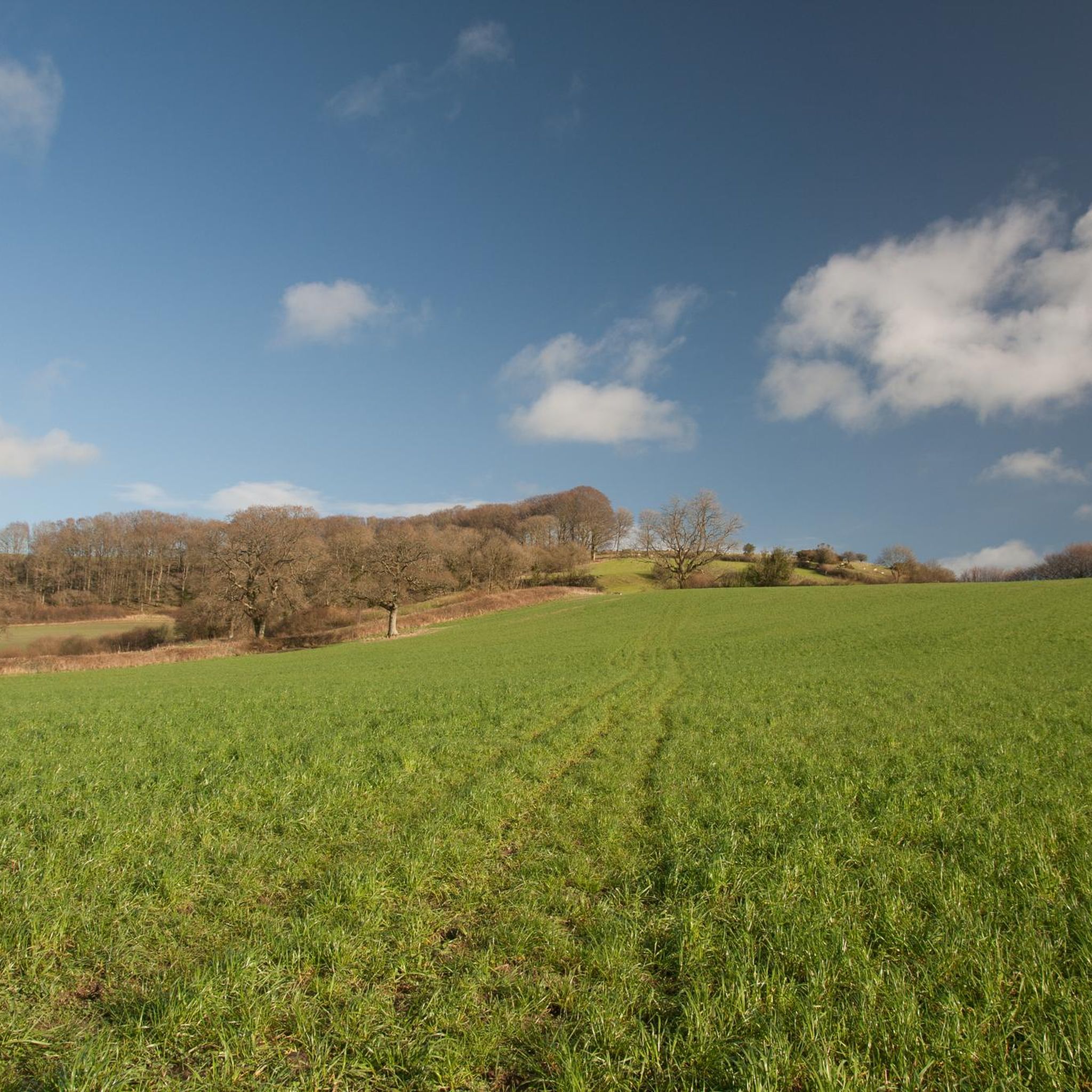
Hambledon Hill Iron Age hill fort
Highlight • Viewpoint
Tip by

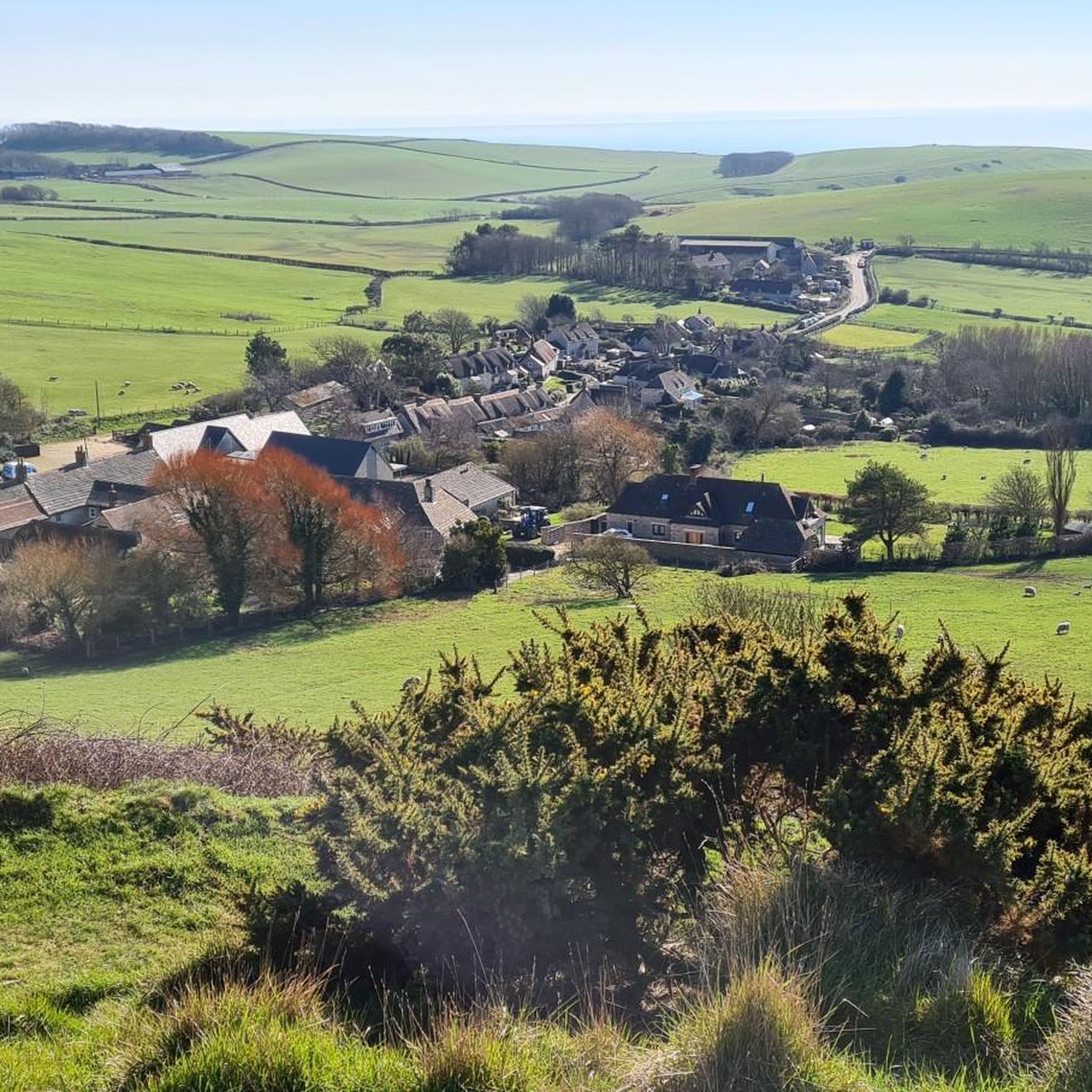
Hambledon Hill Ramparts
Highlight • Historical Site
Tip by

Sign up now to discover places like this
Get recommendations on the best single tracks, peaks, & plenty of other exciting outdoor places.
Sign up for free
Hod Hill Entrance
Highlight • Trail
Tip by

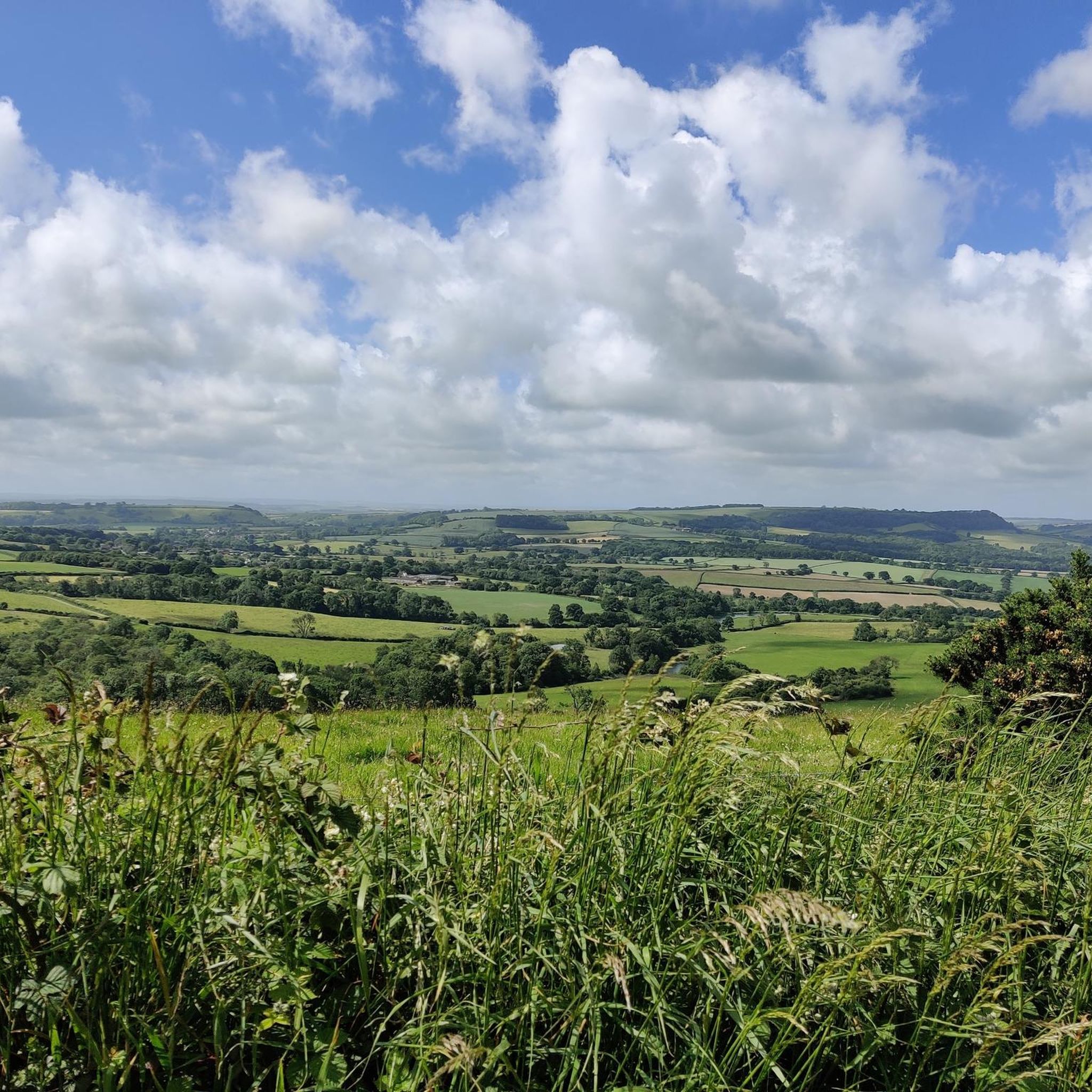
View from Hambledon Hill
Highlight • Viewpoint
Tip by

View from Bulbarrow Hill
Highlight • Viewpoint
Tip by

Sign up for free to discover even more peaks around Woolland.
Sign up for free
Already have an account?
Start today with a free account
Your next adventure awaits.
Login or Signup

Tips from the Community

Pop into the cricketers pub before or after your hike it’s in the village (shroton)
0
0

The hill is now a National Nature Reserve (NNR) with common plants including milkwort, salad burnet, horseshoe vetch, squinancywort, pyramidal orchid and wild thyme. Rarer species include bastard toadflax, meadow saxifrage, early gentian and dwarf sedge. Butterflies include dingy skipper, grizzled skipper, chalkhill blue and Adonis blue. In August 2014, Hambledon Hill fort was acquired by the National Trust for £450,000. The money to buy the hill had come from a Natural England grant and a legacy gift left to benefit Dorset countryside. The hillfort is a Scheduled Monument, as is the adjacent Neolithic causewayed camp.
2
0
Small little car park off the main road. free parking and not busy
0
0
Hambledon Hill is a prehistoric hill fort in Dorset, England, in the Blackmore Vale five miles northwest of Blandford Forum. The hill itself is a chalk outcrop, on the southwestern corner of Cranborne Chase, separated from the Dorset Downs by the River Stour. It is owned by the National Trust. Hambledon Hill is the first in a series of Iron Age earthworks,] which continues with Hod Hill, Spetisbury Rings, Buzbury Rings, Badbury Rings and Dudsbury Camp. The Iron Age port at Hengistbury Head forms a final Iron Age monument in this small chain of sites. The ramparts are a lot longer than you think, amazing fun getting around them all though.
1
0

Bulbarrow Hill is situated within the Dorset Area of Outstanding Natural Beauty, which is known for its scenic landscapes and diverse ecosystems. The hill is part of the Dorset Downs, a range of chalk hills that extend across the county. It is one of the highest points in Dorset, with an elevation of around 274 meters (899 feet) above sea level. Due to its height, it provides panoramic views of the surrounding countryside, including the rolling hills, farmland, and picturesque villages that make up the Dorset landscape.
0
0

start point of steep walk to Hod Hill Iron Fort and Roman Camp. you can come down into Stourpaine
0
0

From this vantage point you get a good idea of the scale of the three ramparts which formed the fortifications of the hill. The steep banks and ditches would have made it a formidable defensive fort.
1
0
Frequently Asked Questions
What are the main historical features of the mountain peaks around Woolland?
The mountain peaks around Woolland are rich in history, primarily featuring well-preserved Iron Age hill forts. Hambledon Hill Iron Age hill fort is considered one of Britain's best-preserved, showcasing significant Neolithic landscapes. You can also explore the impressive Hambledon Hill Ramparts, which formed formidable fortifications. Hod Hill Entrance leads to another Iron Age hill fort and Roman Camp, part of a series of ancient earthworks in the region.
Are there any family-friendly options for exploring the peaks near Woolland?
Yes, the area offers family-friendly options. The Hod Hill Entrance is noted as family-friendly, providing access to the Hod Hill Iron Fort and Roman Camp. While some climbs can be steep, many trails offer accessible sections suitable for families. For easy hikes, you can explore routes like “The Dorsetshire Gap loop from Hilton” or “Bulbarrow Down – View from Bulbarrow Hill loop from Ansty” which are part of the Easy hikes around Woolland guide.
What kind of views can I expect from the mountain peaks in the Woolland area?
The peaks around Woolland offer expansive and breathtaking views. From Hambledon Hill Iron Age hill fort, you can see across the Blackmore Vale and River Stour, with views stretching into neighboring counties like Wiltshire and Somerset. The View from Hambledon Hill trig point provides great views across Dorset, including the Iron Age hill fort, burial mounds, and Hod Hill. View from Bulbarrow Hill, one of Dorset's highest points, offers panoramic vistas of rolling hills, farmland, and picturesque villages within the Dorset Area of Outstanding Natural Beauty.
What outdoor activities, besides hiking, can I do near Woolland's peaks?
Beyond hiking, the Woolland area is excellent for cycling. You can find various routes for gravel biking, such as those in the Gravel biking around Woolland guide, including routes like “Hodway Lane Trail Intersection – North Dorset Trailway loop from Sturminster Newton”. For more adventurous cyclists, there are also dedicated mountain biking trails, detailed in the MTB Trails around Woolland guide, which features routes like “Hod Hill & Hambledon Hill from Sturminster Newton”.
Where can I find parking for trails leading to the mountain peaks around Woolland?
Parking is available at several key points. For Hod Hill, there's a small car park off the main road at the Hod Hill Entrance, which is free and generally not busy. For Hambledon Hill, while specific parking is not detailed, it is managed by the National Trust, and visitors typically find access points around the base. It's always advisable to check local signage for parking regulations.
What makes Hambledon Hill a significant site to visit?
Hambledon Hill is highly significant for several reasons. It's renowned as one of Britain's best-preserved Iron Age hill forts and an iconic Neolithic landscape in Europe. Towering 190 meters above the Blackmore Vale, it offers breathtaking views. Managed by the National Trust, it's also a National Nature Reserve (NNR), celebrated for being one of the best examples of unimproved calcareous grassland in England, home to many rare plant and animal species, including various butterflies and wildflowers.
Are there any challenging climbs among the mountain peaks in Woolland?
While many routes are intermediate, some sections leading to the summits can be quite challenging. For instance, the climb up to the View from Hambledon Hill is described as 'a bit of a climb up to here from any direction,' indicating a good workout. The overall terrain of the chalk hills can be steep, especially when ascending to the hill forts, appealing to those looking for a more rigorous hike.
What is the best time of year to visit the mountain peaks around Woolland?
The mountain peaks around Woolland are beautiful year-round, but spring and summer are particularly rewarding. In these seasons, the calcareous grasslands of sites like Hambledon Hill burst with wildflowers, and butterflies like the dingy skipper and Adonis blue are abundant. A sunny day is ideal for enjoying the panoramic views and a picnic. However, the area's natural beauty can be appreciated in autumn with changing foliage, and even in winter, though conditions may be colder and muddier.
Are the mountain trails around Woolland dog-friendly?
Generally, many public footpaths and trails in the Dorset countryside, including those around the peaks, are dog-friendly. However, as areas like Hambledon Hill are National Nature Reserves and managed by the National Trust, it's crucial to keep dogs under close control, especially due to grazing livestock and the presence of rare plant and animal species. Always check specific signage at trailheads for any restrictions or requirements, such as keeping dogs on a lead.
What kind of natural monuments can I find near Woolland's peaks?
The region is home to significant natural monuments. Hambledon Hill Iron Age hill fort is not only a historical site but also a natural monument, recognized for its unimproved calcareous grassland and rich biodiversity. Similarly, Bulbarrow Hill is considered a natural monument within the Dorset Area of Outstanding Natural Beauty, known for its scenic landscapes and diverse ecosystems as part of the Dorset Downs.
Can I find places to eat or drink near the mountain trails in Woolland?
Yes, there are options for refreshments nearby. For example, after exploring Hambledon Hill, you can 'Pop into the cricketers pub before or after your hike it’s in the village (shroton),' as suggested by a visitor tip for the Hambledon Hill Ramparts. This indicates that local villages offer places to eat and drink within reasonable distance of the trails.
Most popular attractions around Woolland

Get inspired with the komoot mobile app


Explore more
See even more amazing summits around Woolland with these guides:
