Top 20 Natural Monuments around Studland
Best natural monuments around Studland include a diverse range of landscapes, from iconic chalk formations to expansive heathlands and coastal features. This area in Dorset, England, is known for its geological significance and rich biodiversity. Visitors can explore unique natural features, including sea stacks, sandy beaches, and rare wildlife habitats. The region offers opportunities to experience coastal erosion, ancient landscapes, and protected ecosystems.
Best natural monuments around Studland
- The most popular natural monument is Old Harry Rocks, a natural…
Last updated: October 13, 2026
Old Harry Rocks
Highlight • Natural Monument
Translated by Google •
Tip by

Winspit Quarry Caves
Highlight • Cave
Winspit is a disused quarry on the cliffs near Worth Matravers in the Isle of Purbeck, Dorset, England that is no longer in use. To the west and …
Tip by

Sign up now to discover places like this
Get recommendations on the best single tracks, peaks, & plenty of other exciting outdoor places.
Dancing Ledge
Highlight • Natural
Tip by

Kimmeridge Bay and Clavell Tower
Highlight • Viewpoint
Tip by

Agglestone Rock
Highlight • Natural Monument
Tip by

Sign up for free to discover even more natural monuments around Studland.
Already have an account?
Start today with a free account
Your next adventure awaits.
Popular around Studland

Walk Britain – 90 car-free adventures in England, Wales and Scotland
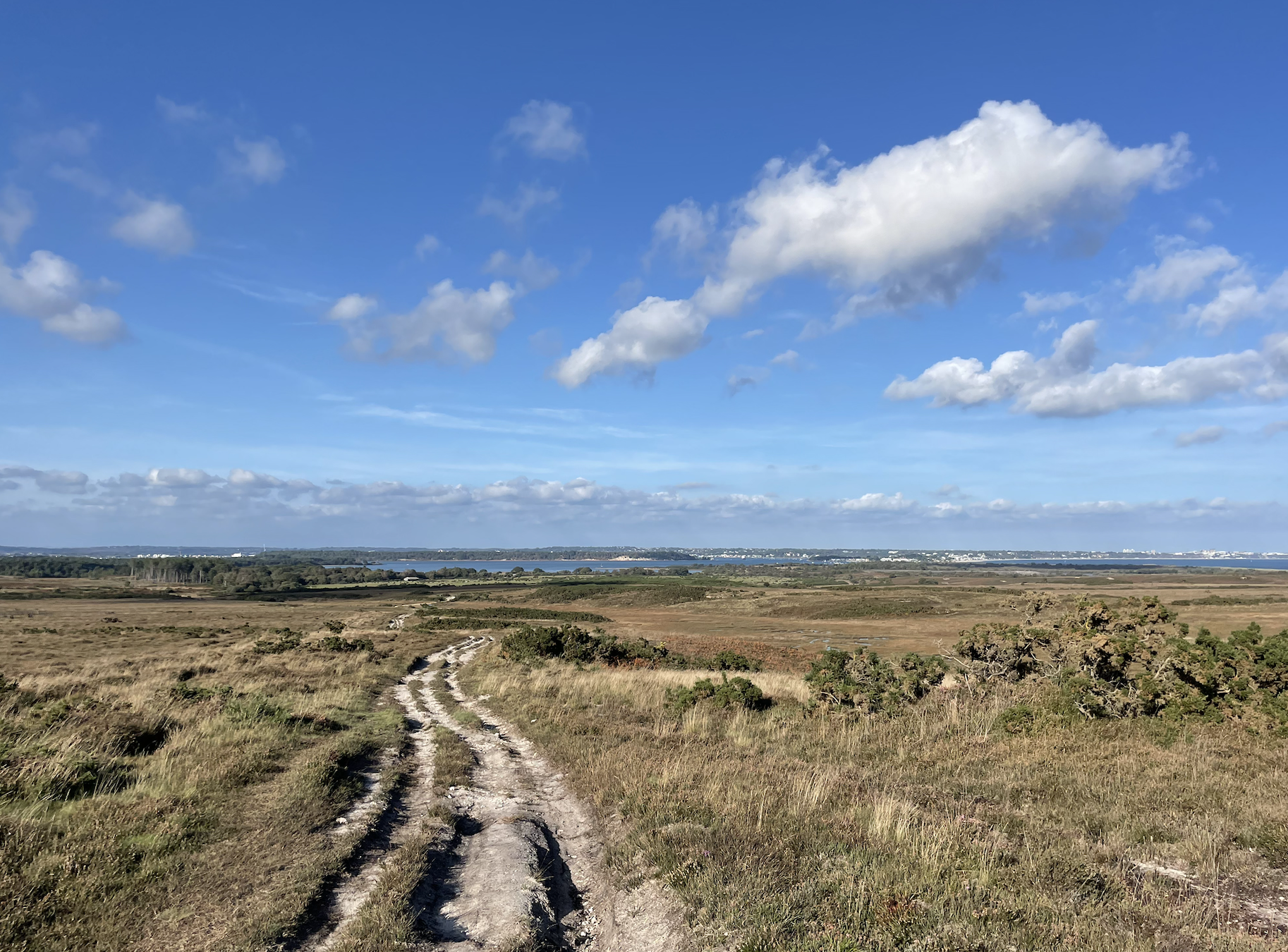
Heaths, history, commons and coast – 5 beautiful Purbeck walks
Trust10 – Trail Runs. In nature, for nature.
Hiking around Studland
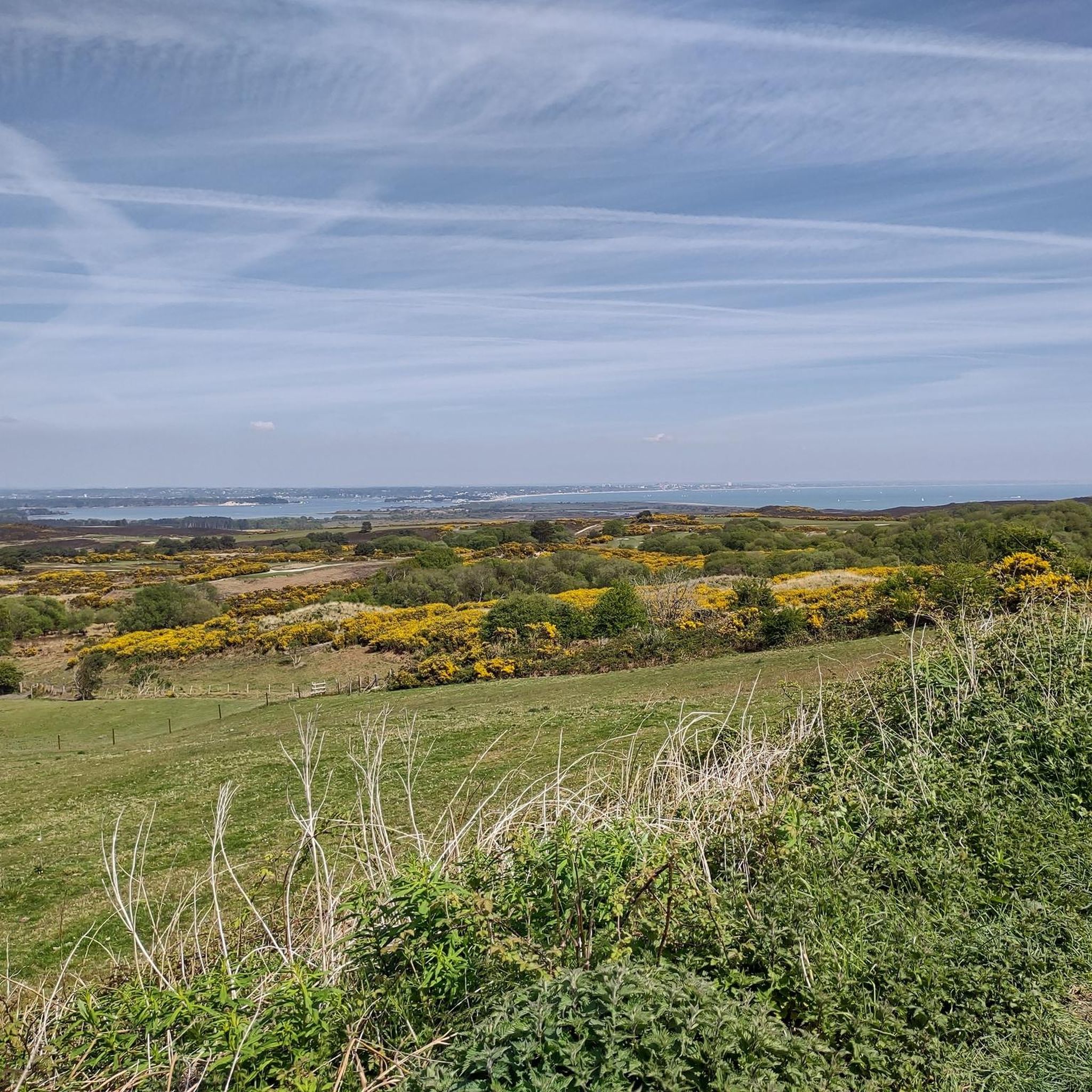
Road Cycling Routes around Studland
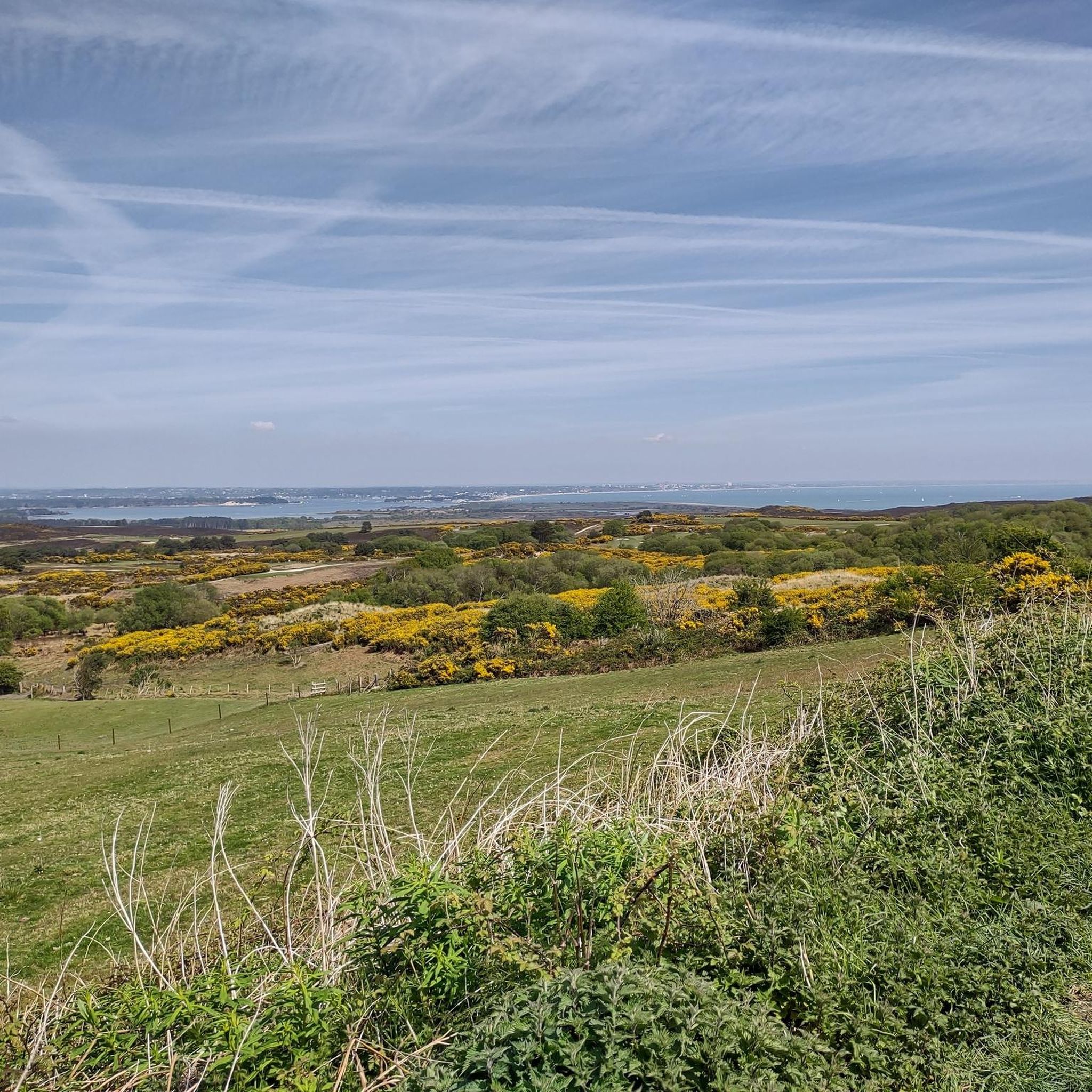
Running Trails around Studland
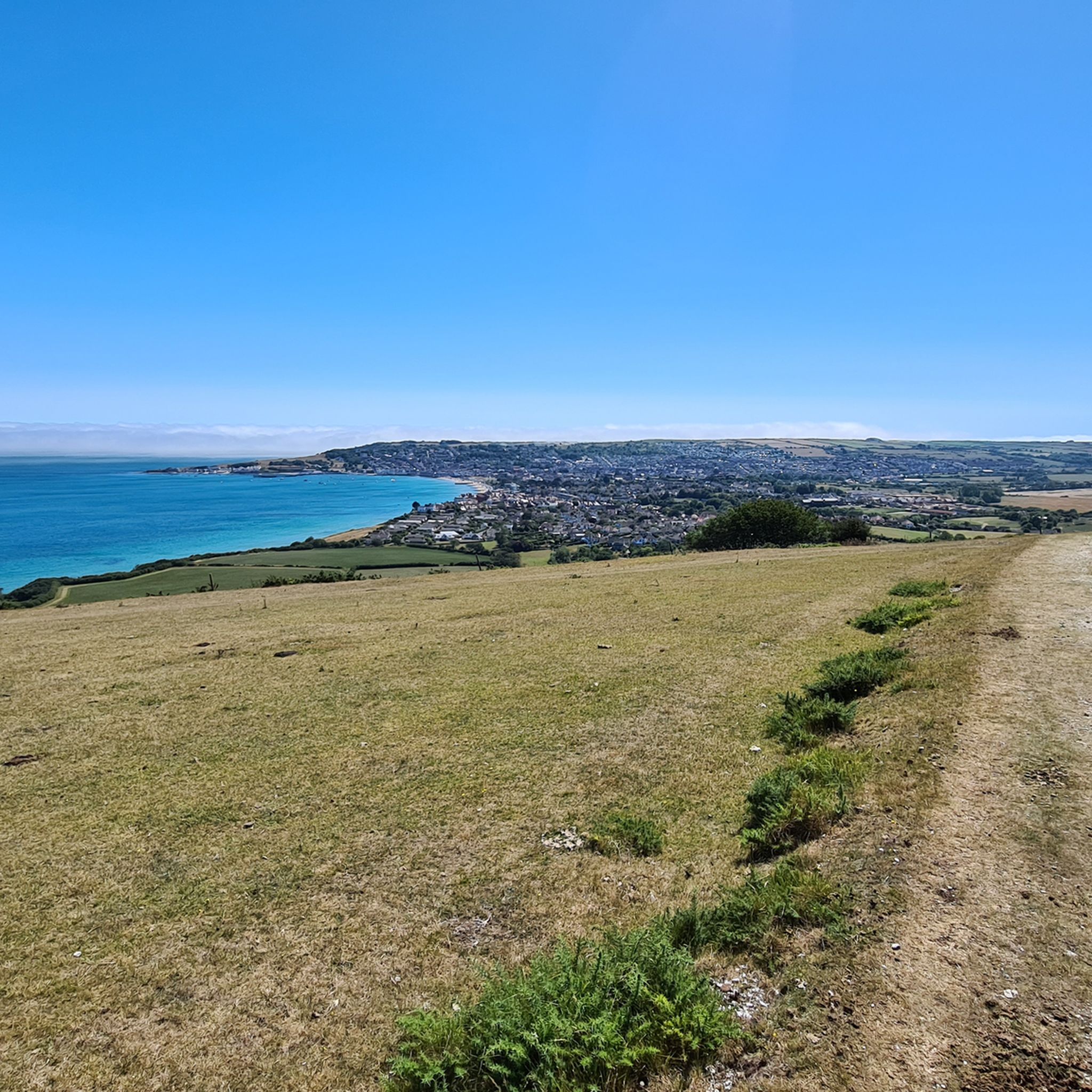
MTB Trails around Studland
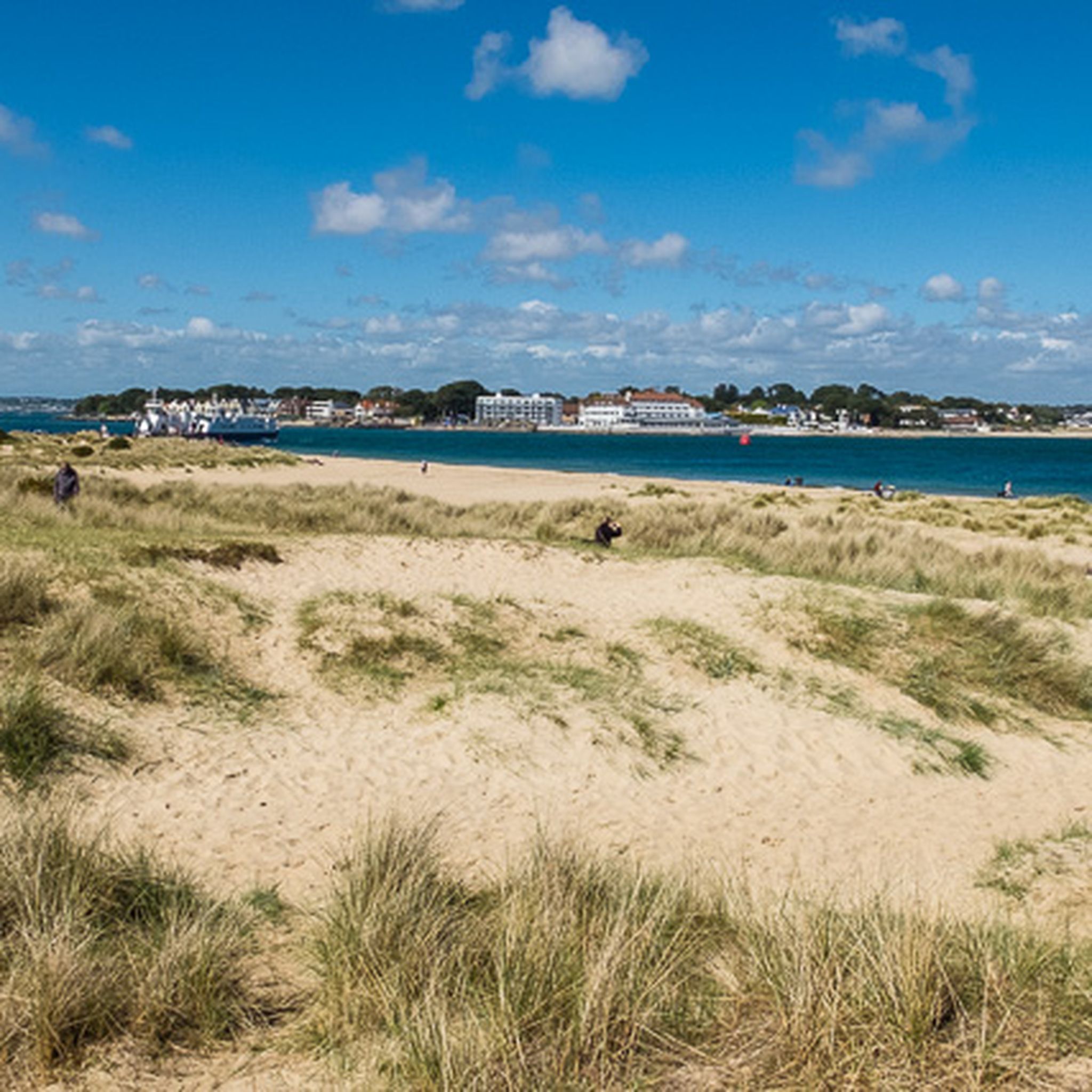
Cycling around Studland
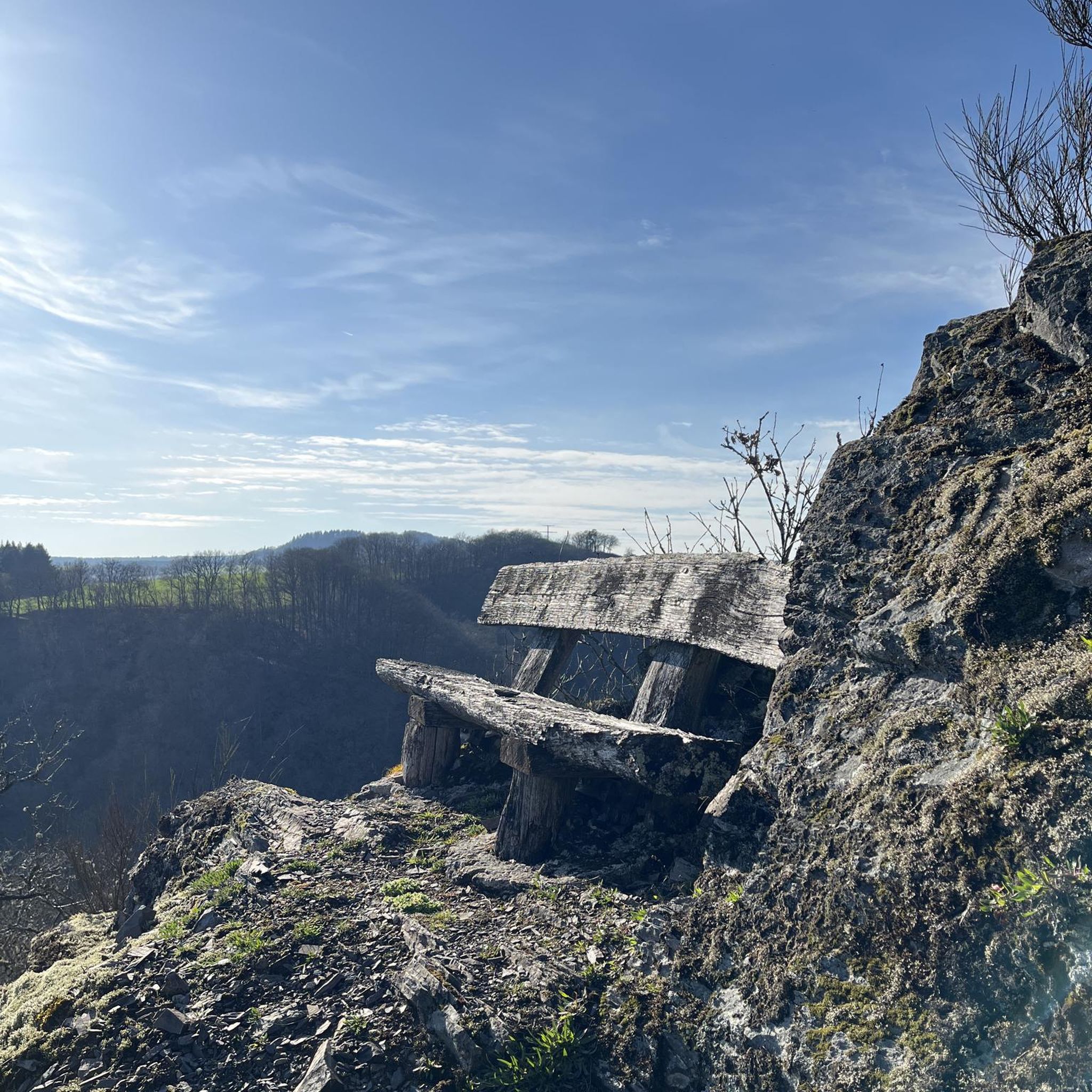
Gravel biking around Studland
Other adventures around Studland


Tips from the Community


A great space for lunch and to explore for heading back up onto the coast path
0
0

Formerly an "anvil" shape with a flat top, in 1970 it fell on one end and one side, leaving the top at an angle of about 45°.
0
0

also known as the "Devil's Anvil," is a large, distinctive sandstone block located on a conical hill on Godlingston Heath near the village of Studland in south Dorset, England. This impressive rock, weighing approximately 400 tonnes, is a popular landmark and a local curiosity. Local legends offer a more dramatic explanation for the rock's existence. The most famous myth says the Devil, standing on The Needles on the Isle of Wight, hurled the massive rock with the intention of hitting Corfe Castle, Bindon Abbey, or Salisbury Cathedral. However, his aim was poor, and the rock landed short of its target, where it now sits. Before it toppled over in 1970, the rock had a flat top and an anvil-like shape, which led to its nickname "the Devil's Anvil." Some folklore also suggests that the rock was a holy stone or a Druidical altar.
0
0

There is a slight climb down to the pool but doable, just watch your footing.
0
0

Frequently Asked Questions
What are some of the most popular natural monuments to visit around Studland?
Among the most popular natural monuments are the iconic Old Harry Rocks, famous for their dramatic chalk formations. Visitors also highly appreciate Agglestone Rock, a unique sandstone formation steeped in local myths, and Dancing Ledge, a flat rock area historically used for quarrying with stunning coastal views.
Are there family-friendly natural monuments and activities in Studland?
Yes, Studland Bay offers a fantastic family experience with its four-mile stretch of pristine sandy beaches, including Knoll Beach and Middle Beach, which have gently shelving bathing waters. The area behind the beaches features sand dunes and heathland with designated trails, perfect for spotting wildlife like deer and various bird species. The Old Harry Rocks walk is also popular with families, offering breathtaking views.
What kind of wildlife can I expect to see at Studland's natural monuments?
Studland is a haven for wildlife. At Studland Bay, you can find rare sand lizards, various butterflies, and even seahorses in the seagrass meadows. The Studland and Godlingston Heath National Nature Reserve is particularly notable, home to all six native British reptile species, including the rare smooth snake and Dartford warbler. Little Sea within the reserve supports numerous overwintering wildfowl.
What are the best walking trails near Studland's natural monuments?
Studland offers numerous walking opportunities. For an iconic coastal walk, consider the route to Old Harry Rocks from Studland, which is part of the South West Coast Path. For a more inland experience, explore the trails around Agglestone Rock on Godlingston Heath. You can find many hiking options, including easy walks, in the Easy hikes around Studland guide.
Are there any historical or geological points of interest among Studland's natural monuments?
Absolutely. Old Harry Rocks are geologically significant chalk formations, once connected to The Needles on the Isle of Wight. Dancing Ledge is a former quarry site where Purbeck stone was extracted for famous buildings. The Studland and Godlingston Heath National Nature Reserve also contains ancient burial mounds and the mysterious Agglestone Rock, which has local legends associated with it.
What is the best time of year to visit Studland's natural monuments?
The best time to visit Studland's natural monuments generally depends on your interests. Spring and summer offer pleasant weather for walking and enjoying the beaches, with abundant wildflowers and wildlife. Autumn can provide stunning coastal views with fewer crowds. Birdwatching is excellent in winter when many wildfowl overwinter at Little Sea in the nature reserve.
Can I bring my dog to the natural monuments around Studland?
Many areas around Studland are dog-friendly, especially the beaches during certain seasons and the numerous walking trails across the heathland and coastal paths. However, it's always best to check specific signage, especially in nature reserves like Studland and Godlingston Heath, where dogs may need to be on leads to protect ground-nesting birds and other wildlife. Always clean up after your dog.
What other outdoor activities can I do near Studland's natural monuments?
Beyond hiking, Studland offers various outdoor activities. You can enjoy running on trails like the 'Old Harry Rocks & the Purbeck Way loop' found in the Running Trails around Studland guide. Cycling is also popular, with routes such as the 'Isle of Purbeck and North Dorset Loop' detailed in the Road Cycling Routes around Studland guide. Kayaking and boat tours around Old Harry Rocks offer a unique perspective, and Studland Bay is excellent for water sports.
Are there accessible walks for visitors with limited mobility around Studland's natural monuments?
While some coastal paths and heathland trails can be uneven, certain sections of Studland Bay's beaches, particularly Knoll Beach, offer more accessible routes and facilities. It's advisable to check with the National Trust for specific accessibility information regarding their managed sites within the Studland area, as conditions can vary.
Where can I find parking when visiting Studland's natural monuments?
Parking is available at various points around Studland. For Studland Bay and access to the heathland, there are National Trust car parks at Knoll Beach and Middle Beach. For Old Harry Rocks, parking is available in Studland village or at the National Trust car park at South Beach, from where you can walk to the rocks. Kimmeridge Bay also has parking, though it usually comes with a cost.
What should I bring for a walk around Studland's natural monuments?
For walks around Studland, especially on coastal paths or heathland, it's recommended to wear sturdy walking shoes or boots. Depending on the weather, bring waterproofs, sun protection, and layers of clothing. Always carry water, and consider binoculars for wildlife spotting. If you plan to visit the beaches, don't forget your swimwear and a towel.
Are there cafes or pubs near Studland's natural monuments?
Yes, there are options for refreshments. Along Studland Bay, you'll find cafes, particularly at Knoll Beach and Middle Beach, offering snacks and drinks. Studland village also has pubs and cafes where you can enjoy a meal or a refreshing drink after exploring the natural monuments.
What makes Studland and Godlingston Heath a National Nature Reserve so special?
Studland and Godlingston Heath is designated as a National Nature Reserve and a Site of Special Scientific Interest due to its internationally important lowland heath. It boasts a diverse range of habitats, including sand dunes, wet peat bogs, and freshwater lagoons. This reserve is crucial for biodiversity, being home to all six native British reptile species and a stronghold for rare birds like the Dartford warbler, as well as numerous invertebrates.
Most popular routes around Studland
Most popular attractions around Studland

Get inspired with the komoot mobile app


Explore more
Extend your search for the best caves by checking out these guides of the top ones around Studland:
