The best walks and hikes around Kimmeridge
4.6
(1859)
15,991
hikers
22
hikes
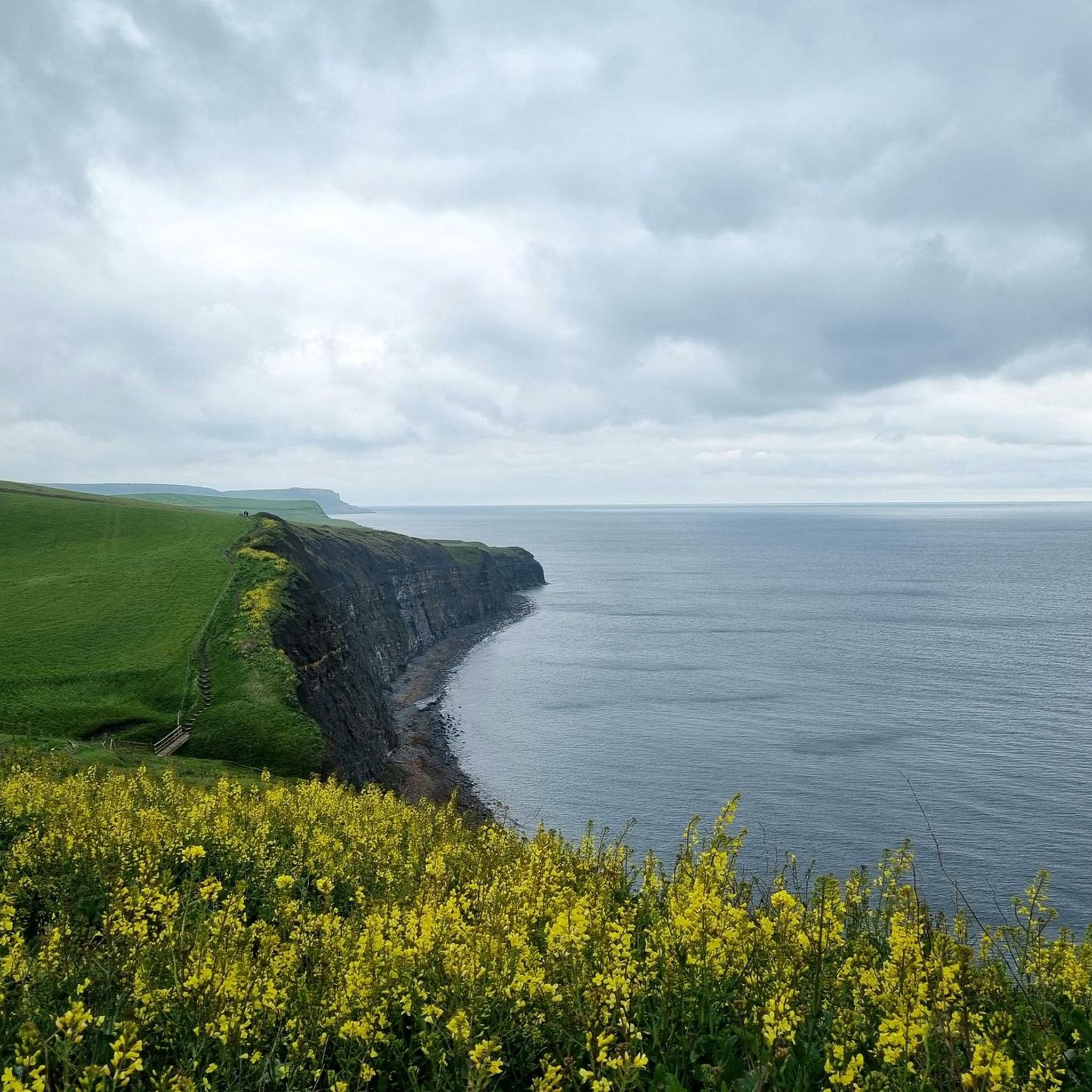
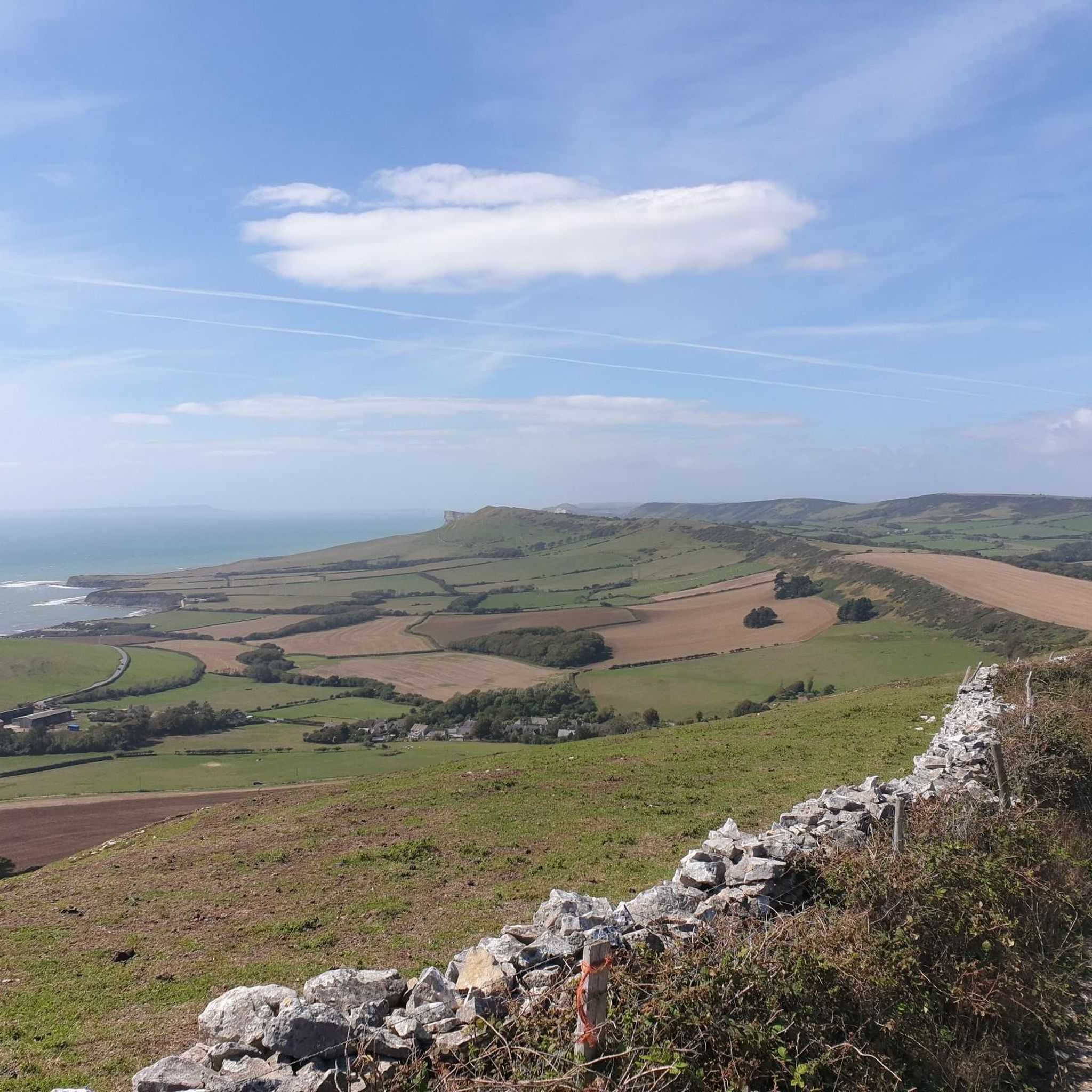
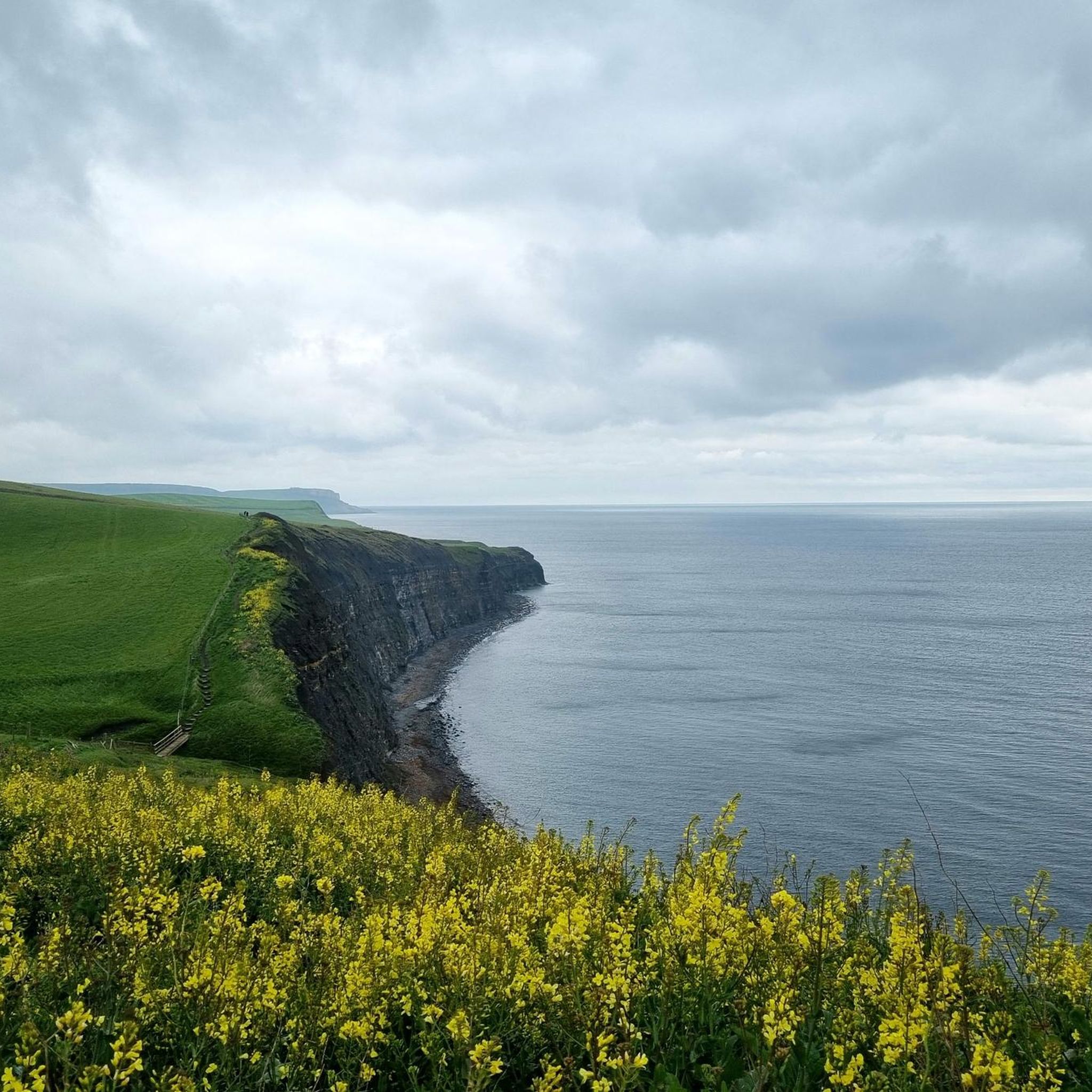
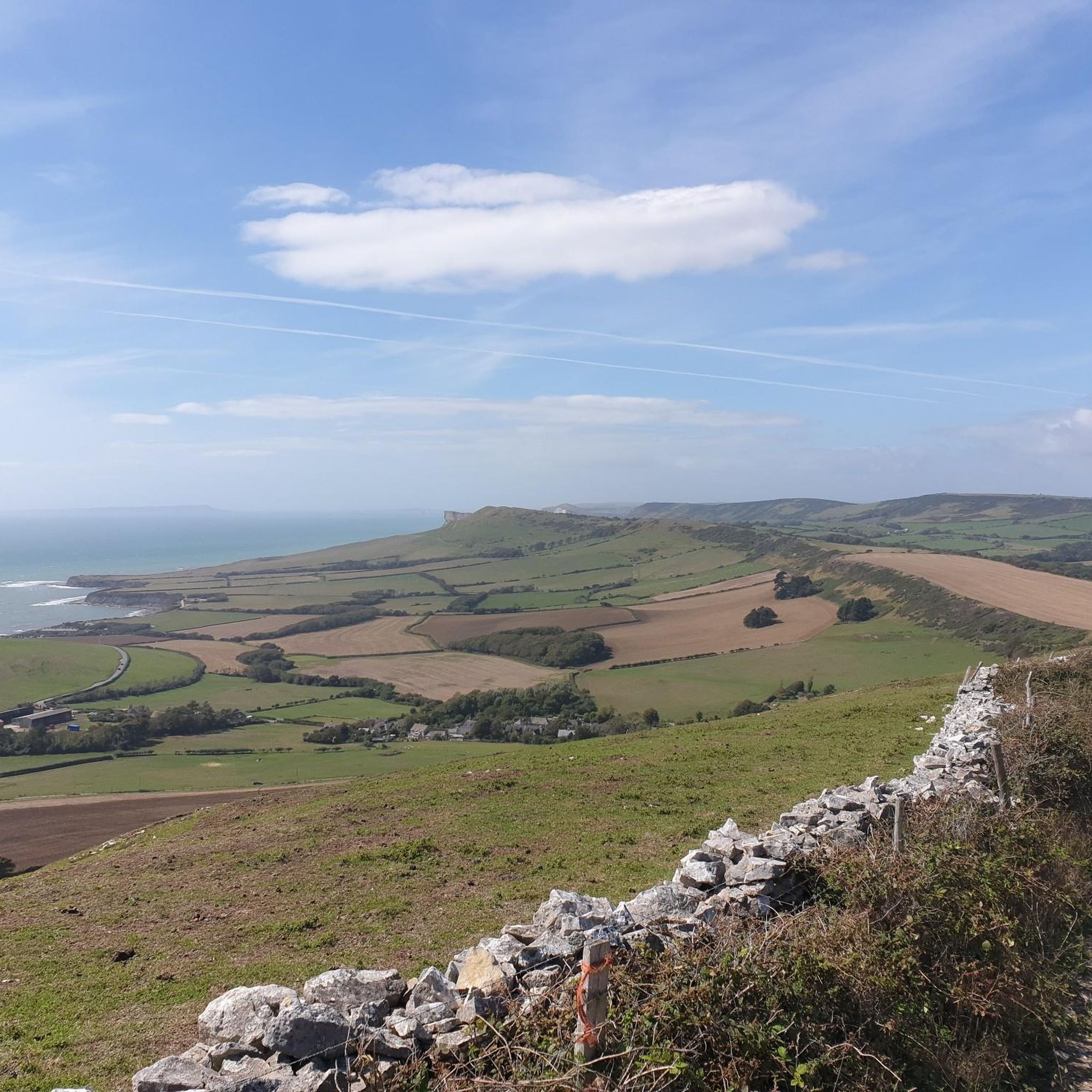
Hikes around Kimmeridge explore a section of the Jurassic Coast, a UNESCO World Heritage Site. The region is characterized by its soft shale and clay cliffs, rocky bays, and rolling coastal hills. Routes often follow sections of the South West Coast Path, offering views over the English Channel.
Best hiking trails around Kimmeridge
- The most popular hiking route is Clavel Tower and Worbarrow Bay loop from Kimmeridge — Dorset, a 10.3 mile (16.6 km) trail that takes about 4 hours 45 minutes to complete. This route features ascents to viewpoints over Kimmeridge Bay and the 19th-century Clavell Tower.
- Another top favourite among local hiking enthusiasts is Tyneham Cap Viewpoint – Worbarrow Bay loop from Kimmeridge, a moderate 7.7 mile (12.3 km) path. The trail involves climbs along the coast to reach views from Tyneham Cap.
- Local hiking enthusiasts also love the Kimmerage Bay, St Aldhelm's Head & Swyre Head loop from Kimmerage — Isle of Purbeck, a 15.1 mile (24.4 km) trail leading through coastal headlands, often completed in about 6 hours 55 minutes.
- Hiking around Kimmeridge is defined by coastal paths, shale cliffs, and grassy headlands. The network of trails provides options for various fitness levels, from shorter bay walks to more challenging routes along the coast.
- The routes in Kimmeridge are highly rated by the komoot community with an average score of 4.5 stars from over 400 reviews. More than 5,000 hikers have used komoot to explore Kimmeridge's varied terrain.
Last updated: October 12, 2026
4.5
(15)
71
hikers
16.6km
04:48
390m
390m
Moderate hike. Good fitness required. Easily-accessible paths. Suitable for all skill levels.
4.7
(3)
34
hikers
Hard hike. Very good fitness required. Mostly accessible paths. Sure-footedness required.

4.7
(23)
162
hikers
12.3km
03:30
270m
270m
Moderate hike. Good fitness required. Easily-accessible paths. Suitable for all skill levels.
4.9
(9)
107
hikers
7.86km
02:13
160m
160m
Moderate hike. Good fitness required. Easily-accessible paths. Suitable for all skill levels.
4.8
(29)
180
hikers
12.8km
03:45
330m
330m
Moderate hike. Good fitness required. Easily-accessible paths. Suitable for all skill levels.
Get access to more routes and recommendations from other explorers.
Already have an account?
Our route recommendations are based on thousands of hikes, rides, and runs completed by other people on komoot.
Start today with a free account
Your next adventure awaits.
Tips from the Community

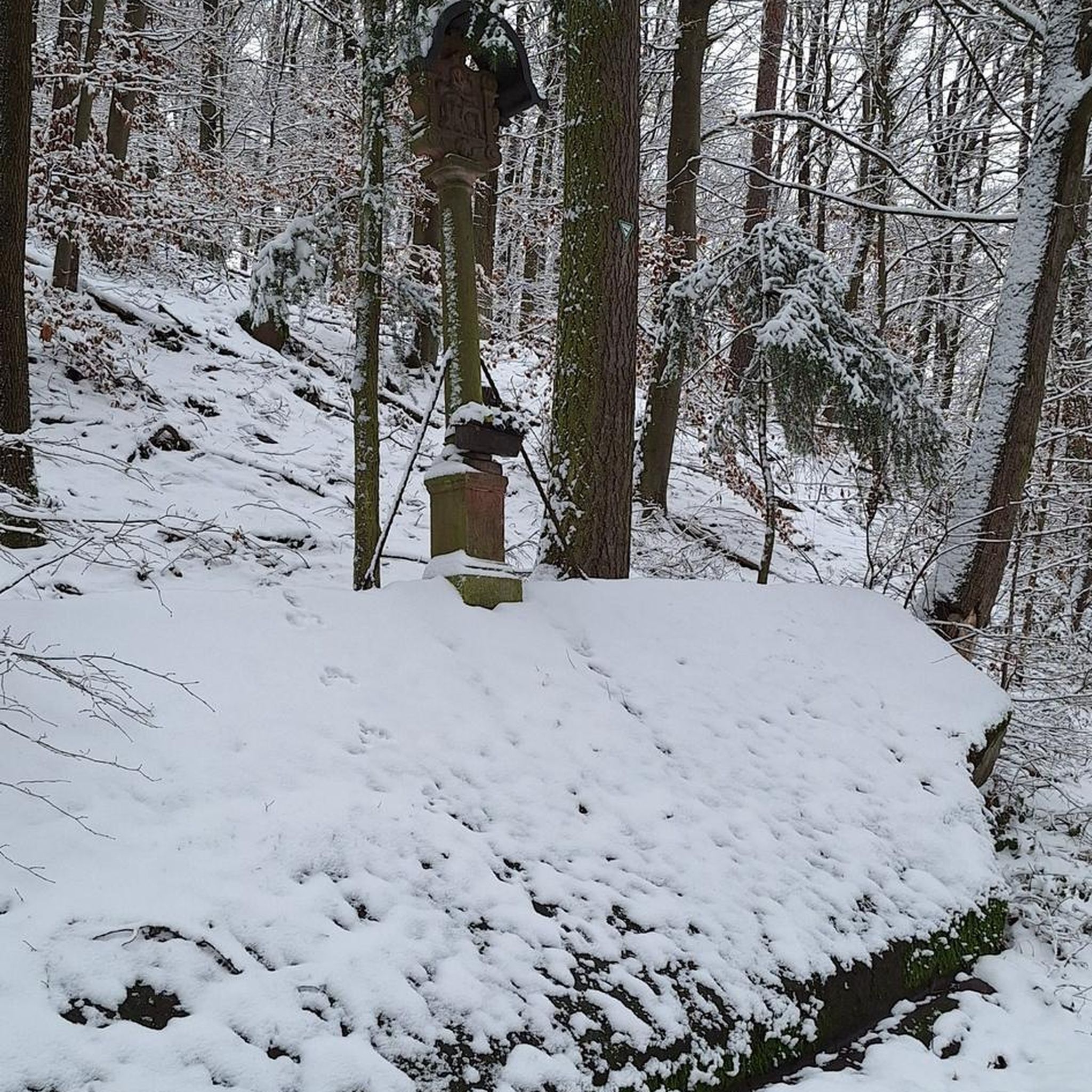
Many Clavell relatives buried here, but a surprising (to me!) Celtic influence in the graveyard.
0
0

By far the easiest trig if you're peak bagging. Oh why can't they all be this simple.
0
0
Hiking up to Tyneham Cap is the ultimate "legs on fire, eyes in paradise" experience along the South West Coast Path. Standing at about 167 meters (just under 550 feet) above sea level, it delivers some of the most dramatic, sweeping views the Jurassic Coast has to offer.
0
0

A great space for lunch and to explore for heading back up onto the coast path
0
0
Norman and Gothic Architecture: The church contains a 13th-century south porch and a Norman-era doorway with a semicircular arch. While the building was extensively rebuilt in 1872, some of the oldest parts still date back to the 12th century. Historical Font: The interior features a 12th-century font that was famously found in a hedge in the 1920s and subsequently returned to the church.
0
0
This small, simple parish church is a blend of Norman origins and significant Victorian restoration, situated toward the north end of the village. It is a Grade II listed building and, though historically of unknown dedication, is now dedicated to St. Nicholas of Myra.
0
0
The Clavell-Mansel Connection: The Smedmore Estate in Dorset, which had been owned by the Clavell family since the 1420s, passed to the Mansel family in the 19th century. After the Reverend John Richards Clavell (who built Clavell Tower) died in 1833, the estate passed to his niece, Louisa Pleydell Mansel, who was married to Colonel John Mansel. This connection brought the Clavell properties into the Mansel family, leading to the use of "Clavell" as a family name for subsequent generations, such as Major Rhys Clavell Mansel and John Clavell Mansel.
0
0
Frequently Asked Questions
Where is the best place to park for hikes starting in Kimmeridge?
The main starting point for many walks is Kimmeridge Bay, which has a large car park at the end of a private toll road. This provides direct access to the South West Coast Path and local trails. Arriving early is recommended, especially on sunny days and weekends, as it can get busy.
Are the hiking trails around Kimmeridge dog-friendly?
Yes, dogs are welcome on most trails, but there are important considerations. The area is part of the Jurassic Coast with steep, unfenced cliff edges, so it's crucial to keep dogs under close control. You will also likely encounter livestock grazing in fields along the path, so keeping your dog on a lead is essential in these areas.
What is the terrain like on the Kimmeridge coastal paths?
The trails are characterized by dramatic coastal scenery, which includes several steep climbs and descents. Paths run along grassy headlands and atop soft shale and clay cliffs. While some sections are gentle, be prepared for challenging, undulating terrain, especially on longer routes. Good hiking footwear is essential as paths can be uneven and slippery when wet.
Are there any easy, family-friendly walks in the area?
For a more relaxed experience, a well-maintained path connects Kimmeridge village with the bay. This gentle trail is great for families and offers lovely countryside views without the strenuous climbs of the main coastal path. The bay itself is also a fantastic place for families to explore the rockpools and look for fossils.
What are some notable viewpoints or landmarks to see on a walk?
The most iconic landmark is Clavell Tower, a 19th-century folly perched on the cliff high above the bay. Many routes also lead to the viewpoint known as 'Heaven's Gate,' which offers spectacular panoramic views. For a different perspective, the Tyneham Cap Viewpoint – Clarelli's Restaurant loop from Kimmeridge takes you to a stunning vantage point over the coastline.
Can I go fossil hunting while hiking around Kimmeridge?
Absolutely. Kimmeridge is a world-famous location for finding Jurassic period fossils, particularly in the soft shale along the bay. You can often find ammonites and other marine fossils just by searching the loose material on the foreshore. Please note that using hammers to extract fossils from the cliffs is prohibited to protect the coastline.
What makes the geology of Kimmeridge so special for hikers?
Hiking here is like walking through deep time. The area is a key part of the Jurassic Coast UNESCO World Heritage Site. The distinctive dark shale and clay cliffs are not only visually striking but are also incredibly rich in fossils. The constant erosion from the sea reveals new treasures, making every walk a potential discovery.
How many hiking trails are there around Kimmeridge?
There are over 20 designated hiking routes to explore around Kimmeridge. These range from short, easy strolls to challenging all-day treks along the coast, offering plenty of options for all fitness levels.
What do other hikers enjoy most about the trails in Kimmeridge?
The area is highly rated by the komoot community, with an average score of 4.5 stars. Hikers consistently praise the breathtaking coastal views, the dramatic cliff formations, and the unique opportunity to combine a vigorous walk with fossil hunting along the shoreline.
Is it possible to do a long-distance hike from Kimmeridge?
Yes, Kimmeridge is an excellent base for a challenging day hike. For experienced walkers, the Clavell Tower – Winspit Quarry Caves loop from Kimmeridge is a demanding but rewarding 14-mile (22.7 km) route that takes in some of the most spectacular scenery on the Isle of Purbeck, including rugged quarries and coastal paths.
Are there any circular walks available?
Yes, many of the best routes are loops that start and end in Kimmeridge, so you don't have to retrace your steps. A popular moderate option is the Tyneham Cap Viewpoint – Worbarrow Bay loop from Kimmeridge, which offers a fantastic circuit with varied coastal scenery.
What are some popular natural spots to see while hiking near Kimmeridge?
The region is full of stunning natural features. Besides the famous Kimmeridge Bay, many hikers enjoy the walk to Chapman's Pool, a beautiful and secluded cove. Another highly-regarded spot is Dancing Ledge, a seaside platform popular for its dramatic views and rock-climbing opportunities.
Most popular attractions around Kimmeridge

Get inspired with the komoot mobile app


Explore more
Browse the best Hikes in other regions.
