The best walks and hikes around Winterborne Kingston
4.6
(499)
3,385
hikers
241
hikes
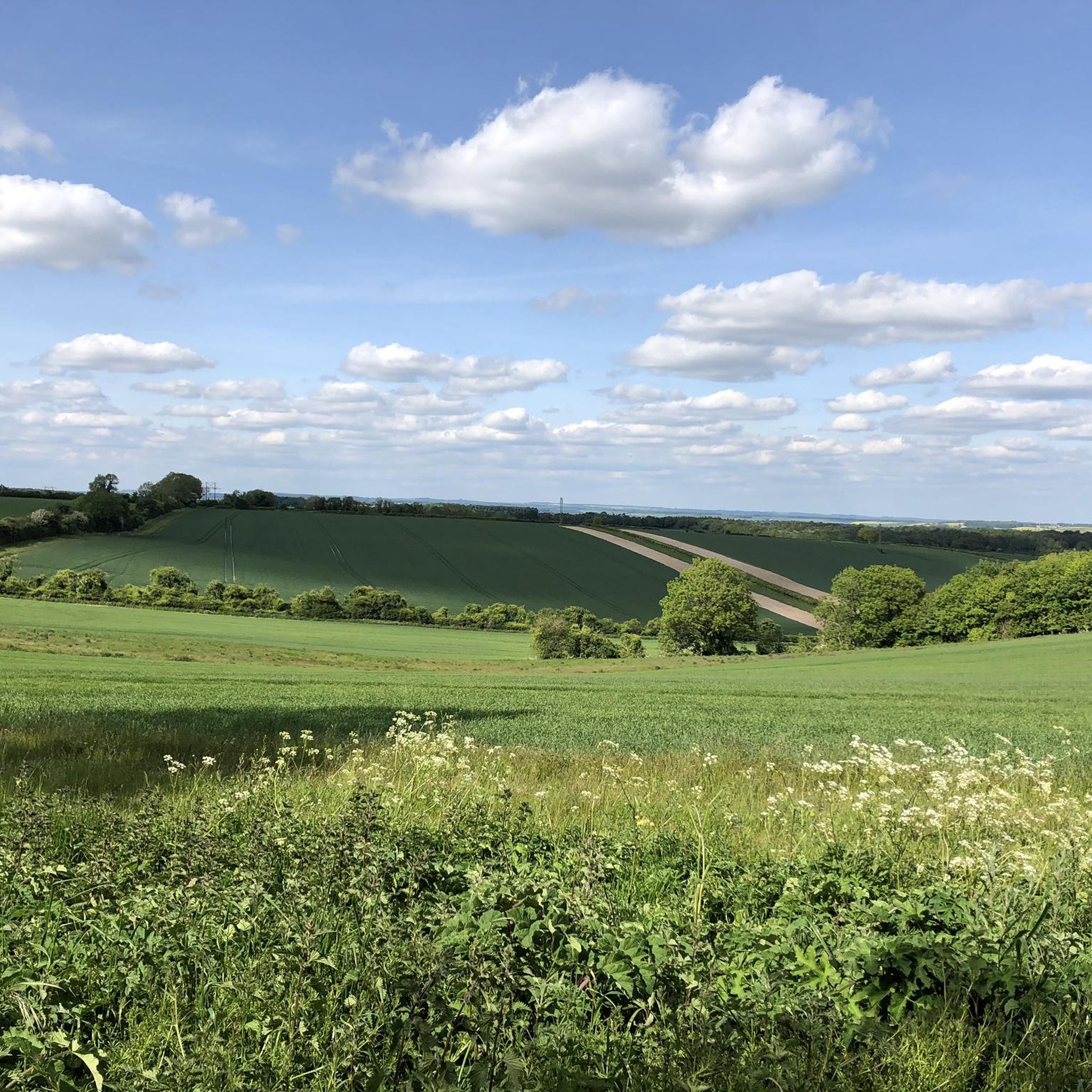
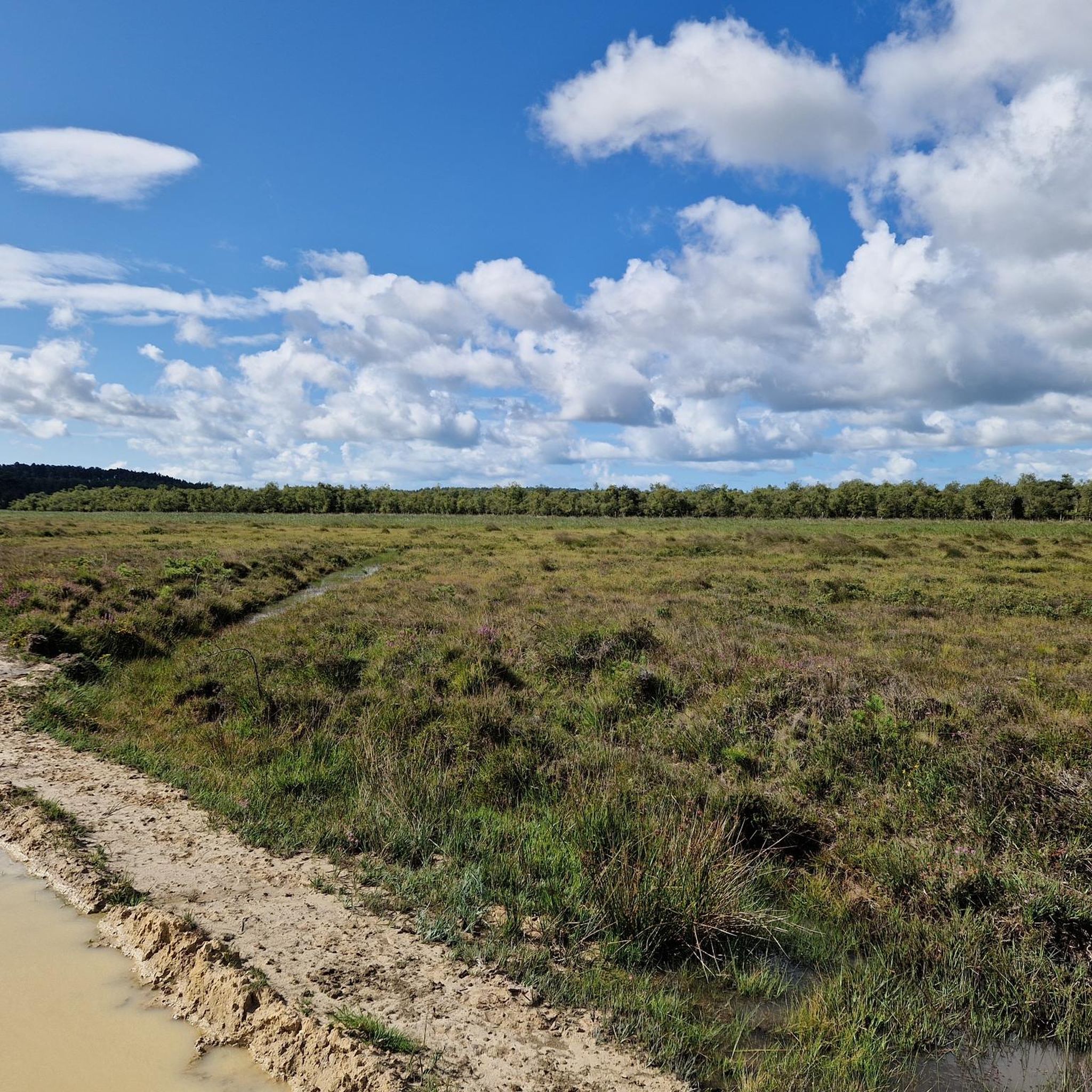
Hiking trails around Winterborne Kingston are situated within the protected Dorset Area of Outstanding Natural Beauty (AONB). The landscape features rolling hills, pastoral valleys, and the seasonal River Winterborne. Hikers can explore wooded areas and discover ancient earthworks, including spiritual burials on Bere Down. The region offers varied terrain suitable for different hiking experiences.
Best hiking trails around Winterborne Kingston
- The most popular hiking route is Field of White Flowers – St Nicholas Church loop from Winterborne Kingston, a…
Last updated: October 12, 2026
4.8
(5)
28
hikers
14.3km
03:54
220m
220m
Moderate hike. Good fitness required. Easily-accessible paths. Suitable for all skill levels.
4.9
(12)
34
hikers
9.66km
02:38
150m
140m
Moderate hike. Good fitness required. Easily-accessible paths. Suitable for all skill levels.

4.0
(2)
10
hikers
Easy hike. Great for any fitness level. Easily-accessible paths. Suitable for all skill levels.
4.7
(6)
10
hikers
9.23km
02:28
100m
100m
Moderate hike. Good fitness required. Easily-accessible paths. Suitable for all skill levels.
3.5
(2)
5
hikers
17.7km
04:44
200m
200m
Moderate hike. Good fitness required. Easily-accessible paths. Suitable for all skill levels.
Get access to more routes and recommendations from other explorers.
Already have an account?
Our route recommendations are based on thousands of hikes, rides, and runs completed by other people on komoot.
Start today with a free account
Your next adventure awaits.

Tips from the Community

The "Local" Pooh Sticks Bridge While not the literary original, the bridge in Winterborne Zelston is a favorite for this game because of the geography of the village: The Winterborne Stream: The village is named after the stream that runs through it. This is a "winterborne" (a stream that only flows when the water table is high, usually in winter and spring). The Village Bridge: There is a small, picturesque bridge near the center of the village (close to the church and the red phone box) where the water flows clearly over a shallow bed. Local Tradition: Because the stream is so central to the village's charm, it has become a popular spot for local children (and adults) to play Pooh Sticks. It offers the perfect "low-stakes" version of the famous game without the Sussex crowds.
0
0
4. The Churchyard & Setting The Lyre-Gate: The entrance to the churchyard is quite picturesque, sitting near the chalk stream (the Winterborne) that gives the village its name. The Parish Room: Located in the churchyard, this was originally a boys' school. It has a quirky history—local boys from a nearby industrial school used to be marched there in pairs for lessons.
0
0
St Mary’s in Winterborne Zelston offers a different kind of beauty. It is a mix of genuine 15th-century architecture and a very high-quality Victorian reconstruction. 1. The Ancient Core The most historic part of the church is the West Tower, which dates to the 15th century. It is built from rubble stone and "Heathstone" (a local iron-rich sandstone). The Gargoyle: Look up at the west wall of the tower to see a surviving carved medieval gargoyle. The "Stair Turret": The tower features a semi-octagonal stair turret on the north side, which is a classic feature of Dorset perpendicular architecture. 2. The Victorian Rebuild (1866) Most of what you see today (the nave, chancel, and north aisle) was rebuilt in 1866 by the architect Thomas Henry Wyatt. He was a prolific Victorian architect, but here he was careful to reuse old materials: The Banding: The exterior walls have a distinctive "striped" or banded look, alternating between flint and stone. Medieval Survivors: Wyatt incorporated several much older pieces into the new walls, including: A 13th-century lancet window in the north wall. A 14th-century doorway in the south vestry. Two 16th-century windows in the north wall. 3. Key Interior Features The Font: One of the church's prize possessions. It dates from 1450 and actually came from Milton Abbey. It features a rare "vine" emblem carved around the top. The Roofs: The chancel has a beautiful wagon roof (similar to Winterborne Tomson) with moulded ribs and a battlemented cornice, while the nave features a more open arch-braced collar beam roof. Stained Glass: There is a notable window from 1866 by Lavers and Barraud, who were leading stained-glass artists of the Victorian Gothic Revival.
0
0
Who doesn't like working up an appetite when out walking? Have a little play on the swing then chill and have snack and a read on the many logs.... but not this log, this is my log. find your own!!
0
0
If you enjoy buildings that look like they’re wearing "pinstriped pajamas," Clenston ManorClick to open side panel for more information is your architectural soulmate. This Grade I listed superstar is famous for its "banding"—alternating layers of flint and stone that make it the most fashionable house in the valley. The Manor: It dates back to the 16th century and features a rare long gallery where Tudor residents presumably practiced their indoor power-walking during rainy Dorset winters. The Vibe: It’s private, posh, and so pretty it makes nearby houses look like they aren't even trying. Right next door sits the Great Barn, a massive 16th-century structure with a timber roof so complex it puts IKEA furniture to shame. The Scale: It’s roughly the size of a small cathedral, built for storing enough grain to feed a medieval army (or one very hungry local). The Roof: It features incredible hammerbeam trusses that have been holding steady since before the invention of the toasted sandwich.
0
0
St Mary’s in Winterborne Whitechurch is the "cool older sibling" to the church in Kingston. While Kingston has the Victorian glow-up, Whitechurch has a tower that looks like it’s seen some serious history—mostly because it has. The "White" in the Name The village isn't named after a surplus of paint; it’s likely because the original church was built of white stone or limestone, standing out against the green Dorset hills like a beacon of "come here and repent." The Architectural Mashup It’s a classic 13th-century cruciform (cross-shaped) layout, but the 15th-century central tower is the real star. It’s sturdy, square, and gives off major "fortress" vibes. The Pulpit: This is the church’s "holy grail." It’s a beautifully carved 15th-century wooden pulpit that survived the Reformation, the Victorians, and several centuries of damp British winters. The Font: Just like its neighbor, it boasts a medieval font that has probably seen enough christening-day tantrums to fill a book. The Famous Connection The church has a link to the Wesley family (the founders of Methodism). John Wesley’s grandfather was the vicar here, which adds a layer of "rebellious religious history" to the quiet pews. The Vibe It’s peaceful, slightly haunting in a poetic way, and surrounded by a graveyard that is a masterclass in weathered lichen. It’s the perfect place to sit and contemplate life—or just hide from a sudden Dorset downpour.
0
0
The Greyhound is a classic 16th-century thatched pub where "local charm" meets "excellent gravy." Expect roaring fires, real ales, and a warm Dorset welcome. It’s the perfect pitstop after getting lost in a cornfield or browsing the phone box library. Friendly, rustic, and very, very British. Cheers!
0
0
If St Nicholas Church is the village’s "grandparent," the Red Phone Box in Winterborne Kingston is that eccentric uncle who retired, refused to leave his chair, and has now reinvented himself as a local intellectual. Located near the heart of the village, this iconic K6 kiosk is a classic piece of British design that has survived the ultimate indignity: the invention of the smartphone. The "I’m Not Dead Yet" Career PivotSince almost nobody uses a public phone to call a taxi or report a stray cow anymore, the Winterborne Kingston phone box has undergone the classic village transformation. It is no longer a telecommunications hub; it is now a Book Exchange/Library.The Content: You walk in expecting to find a dial tone; you leave with a dusty copy of a 1994 Danielle Steel novel and a slightly damp guide on how to grow prize-winning marrows. The Security: It operates on the "Honor System," which in Dorset means if you steal a book without replacing it, the local crows will be notified and will glare at you from the power lines.Key Features of the "Library"FeatureRealityStorage CapacityRoughly 40 books and one very confused spider.Acousticse are excellent for shouting "HEAR YE" if you want to feel like a town crier. Smell a sophisticated blend of "Old Paper" and "Dorset Humidity." Connectivity0G. The only thing you’ll connect with is a story about a detective in the Cotswolds. Why It’s Historically Significant (Sort of)Designed by Sir Giles Gilbert Scott (who also did Battersea Power Station, because apparently, he only worked in "Red"), these boxes were meant to be indestructible.The one in Winterborne Kingston stands as a monument to the era when you had to press "Button A" to talk and "Button B" to get your money back. Now, the only buttons you'll find are the ones on the cardigan you’re wearing while browsing the "Biographies" shelf.The VerdictIt is arguably the smallest, most stylish library in the world. It’s red, it’s proud, and it’s a great place to hide if it starts raining (which, let’s be honest, happens every twenty minutes in Dorset).
0
0
Frequently Asked Questions
What kind of terrain can I expect when hiking around Winterborne Kingston?
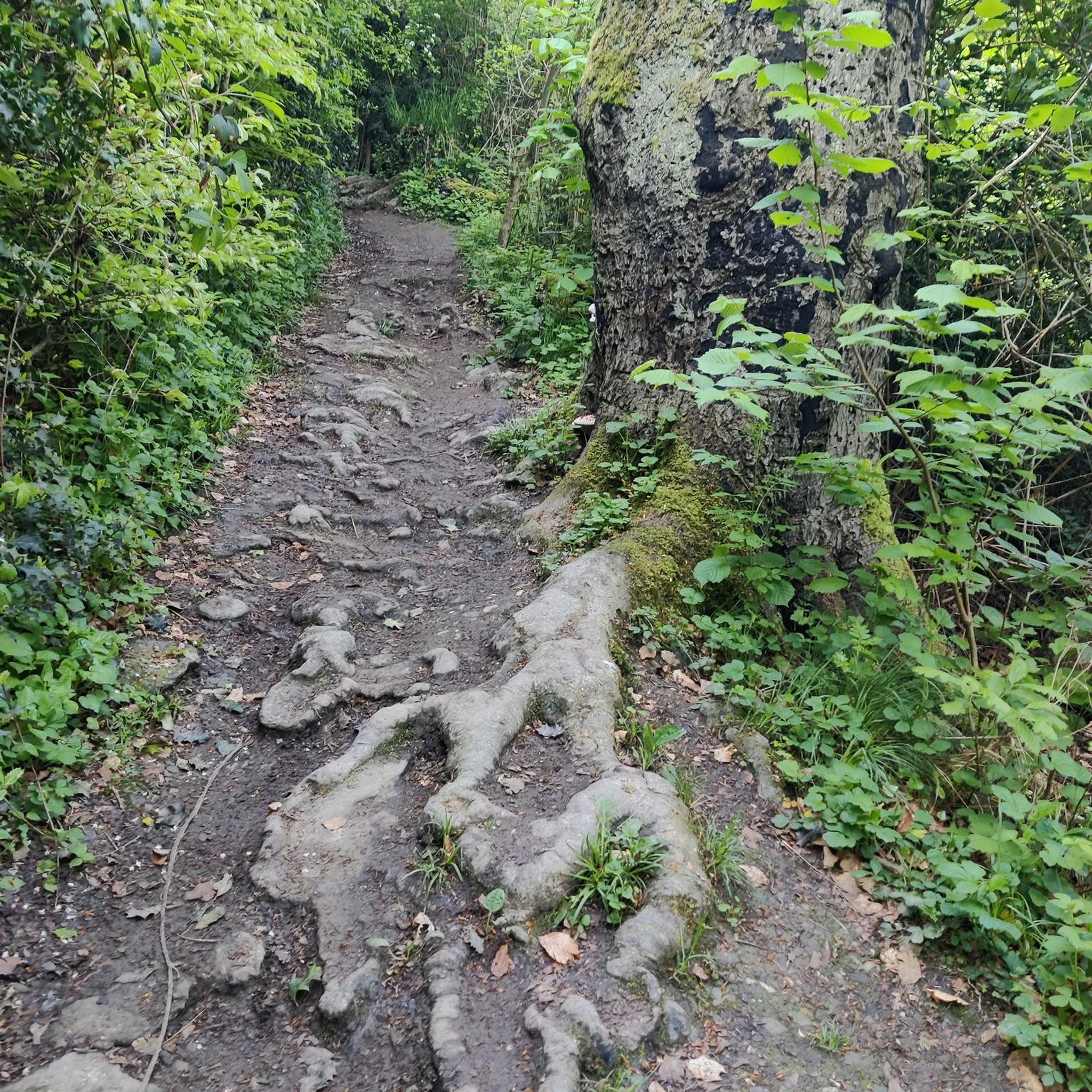
The landscape around Winterborne Kingston is characterized by picturesque rolling hills, lush green fields, and intimate pastoral valleys. You'll also find sections through wooded areas and along the seasonal River Winterborne. The area is within the Dorset Area of Outstanding Natural Beauty (AONB), offering diverse and scenic paths.
Are there many easy hiking routes suitable for beginners or casual walkers?
Yes, Winterborne Kingston offers a good selection of easy routes. There are over 140 easy hiking trails in the area. A popular choice is the Field of White Flowers – St Nicholas Church loop from Winterborne Kingston, which is an easy 3-mile (4.8 km) trail with gentle gradients.
What historical sites or landmarks can I discover on a hike?
The region is rich in history. You can explore ancient earthworks, including spiritual burials on Bere Down, and trace parts of the Roman road (Icknield Street). Notable historical sites include the Bronze Age cemetery of Winterborne Poor Lot Barrows with its 44 burial mounds, and the Neolithic Nine Stones circle. The 12th-century St. Nicholas Church in the village is also a point of interest. You can also visit the historic White Mill Bridge, a Grade 1 listed 14th-century stone bridge.
Are there any family-friendly hiking options in Winterborne Kingston?
Many of the easier routes are suitable for families. The Field of White Flowers – St Nicholas Church loop is a great option for families due to its gentle gradients and shorter distance. The Roman Road also provides an easy, mostly flat route that can be enjoyed by families.
Can I bring my dog on the hiking trails around Winterborne Kingston?
Generally, the hiking trails in Winterborne Kingston are dog-friendly, offering open fields and wooded paths for your canine companion. However, always keep dogs under control, especially when passing through livestock fields, and be mindful of local signage regarding lead requirements, particularly in nature reserves or near wildlife.
Are there any circular walks available?
Yes, many of the routes around Winterborne Kingston are designed as circular loops, allowing you to start and end in the same location. Examples include the View of Gorcombe – View of Wheat Fields loop and the Milton Park Wood – Milton Abbas Village loop.
Where can I find parking for hiking trails in Winterborne Kingston?
Parking is typically available in or near Winterborne Kingston village, often close to trailheads or public amenities. For specific routes, it's advisable to check the route details on komoot, as many tours provide information on recommended starting points and parking locations.
What is the best time of year to go hiking in this region?
Winterborne Kingston offers pleasant hiking experiences throughout much of the year. Spring brings wildflowers to the fields, while summer allows for walks along the seasonal River Winterborne. Autumn provides beautiful foliage in the wooded areas. The chalk downs can be exposed, so consider weather conditions, especially wind, during cooler months.
Are there any places to eat or drink near the hiking routes?
Yes, the charming Milton Abbas Village, known for its thatched cob houses, is accessible via some hiking routes, such as the Milton Park Wood – Milton Abbas Village loop, and offers a pub for refreshments after your walk.
What do other hikers enjoy most about the trails in Winterborne Kingston?
The area is highly rated by the komoot community, with an average score of 4.6 stars from over 450 reviews. Hikers often praise the diverse landscapes, from rolling hills and open fields to tranquil wooded sections, and the opportunity to discover historical features along the way. The well-maintained paths and scenic views are frequently highlighted.
Are there any opportunities to see wildlife while hiking?
Yes, Winterborne Kingston is home to several wildlife reserves, providing excellent opportunities to observe a variety of local birds and animals. The diverse habitats, including riverine areas, woodlands, and open fields, support a rich array of flora and fauna.
Can I reach the hiking trails by public transport?
While specific public transport links directly to all trailheads might be limited, Winterborne Kingston village is served by local bus routes. It's recommended to check local bus schedules to plan your journey to the village, from where many trails are accessible on foot.
Most popular routes around Winterborne Kingston
Most popular attractions around Winterborne Kingston

Get inspired with the komoot mobile app


Explore more
Browse the best Hikes in other regions.
