Kirkby Wharfe With North Milford
Kirkby Wharfe With North Milford
The best cycling routes around Kirkby Wharfe With North Milford
4.7
(97)
1,274
riders
105
rides
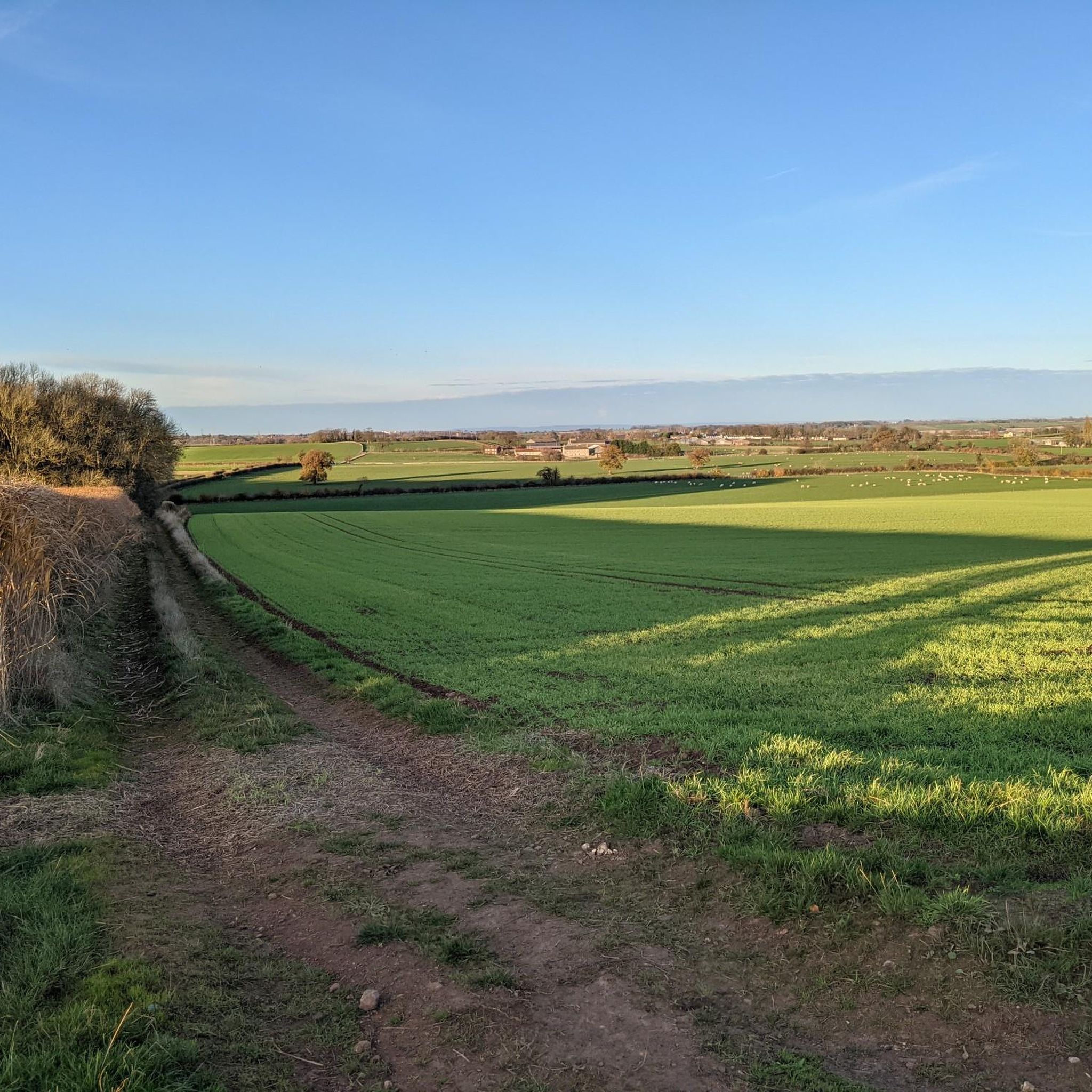
Touring cycling around Kirkby Wharfe With North Milford is characterized by its largely flat to gently undulating terrain, making it suitable for various cycling abilities. The region features lush green countryside, often following disused railway lines converted into well-maintained paths. Proximity to the River Wharfe contributes to scenic routes through rural landscapes. These conditions provide accessible touring cycling routes for exploring North Yorkshire's charm.
Best touring cycling routes around Kirkby Wharfe With North Milford
- The most popular touring cycling route…
Last updated: July 13, 2026
4.5
(4)
38
riders
57.3km
03:26
150m
150m
Moderate bike ride. Good fitness required. Mostly paved surfaces. Suitable for all skill levels.
4.7
(3)
38
riders
44.5km
02:31
120m
120m
Moderate bike ride. Good fitness required. Mostly paved surfaces. Suitable for all skill levels.

Sign up for free
2.0
(1)
36
riders
15.9km
00:57
120m
120m
Easy bike ride. Great for any fitness level. Mostly paved surfaces. Suitable for all skill levels.
5.0
(1)
25
riders
53.3km
03:01
150m
150m
Moderate bike ride. Good fitness required. Mostly paved surfaces. Suitable for all skill levels.
5.0
(2)
21
riders
21.4km
01:17
150m
150m
Moderate bike ride. Good fitness required. Mostly paved surfaces. Suitable for all skill levels.
Get access to more routes and recommendations from other explorers.
Sign up for free
Already have an account?
Our route recommendations are based on thousands of hikes, rides, and runs completed by other people on komoot.
Start today with a free account
Your next adventure awaits.
Login or Signup



Tips from the Community

You could read Eric Gee's 1983 "Bishopthorpe Palace: An Architectural History", but Eric never had the tinterweb in 1983. We do >>> https://historicengland.org.uk/listing/the-list/list-entry/1166705?section=official-list-entry, https://en.wikipedia.org/wiki/Bishopthorpe_Palace
1
0

Beware of the tree roots that have lifted the path along the route
0
0
Old Norse "mykill" (great) and "gata" (street), the "gate" suffix being very common among York street names. You can also add the heads of Edmund, Earl of Rutland and Richard Neville, 5th Earl of Salisbury to the Bar, and some say that the Duke of York's participation in the Battle of Wakefield is the source of the phrase for remembering the traditional colours of the rainbow, Richard Of York Gave Battle in Vain...
1
0

Grade I listed building. The surviving fifteenth-century structures formed part of a fortified medieval palace belonging to the Archbishops of York, which was dismantled in the aftermath of the English Civil War. The only remaining parts of the castle are the gatehouse and the banqueting hall. Stones from the destroyed castle were used in the construction of surrounding houses. The foundations of some other structures do remain as well as the castle's cellar, which was excavated in the 19th century. The gatehouse served as a courthouse until the 1930s, before being used as an officers' mess and a building for the Home Guard during World War II. The first fortifications on this site are believed to be those built by King Athelstan in the 10th Century.
1
0
Grade II listed swing bridge opened in 1872. The deck was submerged when the River Ouse flooded in 2015.
1
0

Micklegate Bar was the most important of York’s four main medieval gateways and the focus for grand events. The name comes from 'Micklelith', meaning great street. It was the main entrance to the city for anyone arriving from the South. At least half a dozen reigning monarchs have passed through this gate and by tradition they stop here to ask the Lord Mayor's permission to enter the city. The lower section of the bar dates from the 12th century, the top two storeys from the 14th. The building was inhabited from 1196. Like the other main gates, Micklegate Bar originally had a barbican built on the front, in this case demolished in 1826. For centuries the severed heads of rebels and traitors were displayed above the gate, the many victims include Sir Henry Purcey (Hotspur) in 1403 and Richard, Duke of York in 1460. The last of the severed heads was removed in 1754.
1
2

Frequently Asked Questions
How many touring cycling routes are available in Kirkby Wharfe With North Milford?
There are over 115 touring cycling routes in Kirkby Wharfe With North Milford, offering a wide range of options for exploring the area. These routes are highly rated by the komoot community, with an average score of 4.6 stars from over 70 reviews.
What is the typical terrain and elevation like for touring cycling routes in this area?
The touring cycling routes around Kirkby Wharfe With North Milford are generally characterized by largely flat to gently undulating terrain. Many routes follow disused railway lines, which are often converted into well-maintained paths, making them accessible for various cycling abilities. The region's proximity to the River Wharfe also means many routes offer scenic, low-gradient paths through rural landscapes.
Are there touring cycling routes suitable for beginners or families?
Yes, the area offers several easy touring cycling routes perfect for beginners and families. For example, the Wetherby Railway Path – Traffic-Free Trail loop from Tadcaster is a shorter, traffic-free option that is ideal for a relaxed ride. The overall network includes 55 easy routes, ensuring options for all skill levels.
What natural features can I expect to see along the touring cycling routes?
You'll encounter lush green countryside and the scenic River Wharfe, which defines the village's northern boundary. The floodplain of the River Wharfe is a Site of Special Scientific Interest (SSSI), notable for its marshland and plant life around Dorts Dike, offering opportunities for nature observation.
Are there any historical landmarks or attractions to visit while cycling?
Yes, the area is rich in history. You can visit the historic St John the Baptist Church, Healaugh, which dates back to around 1150. The region also has Roman history, with evidence of a Roman villa. Nearby, you can find the Barwick-in-Elmet Maypole, one of the largest in the UK, and Hall Tower Hill, a former WWII observatory.
What do other touring cyclists enjoy the most about touring cycling in Kirkby Wharfe With North Milford?
The area is highly rated by the komoot community, with an average score of 4.6 stars. Cyclists often praise the well-maintained paths, the peaceful rural settings, and the gentle gradients that make for enjoyable rides. The variety of routes, from traffic-free trails to longer loops through open fields, is also a frequently mentioned highlight.
Are there any circular touring cycling routes available?
Yes, many of the touring cycling routes in Kirkby Wharfe With North Milford are circular, allowing you to start and end at the same point. Examples include the popular Cawood Bridge – York Racecourse loop from Church Fenton and the Naburn Railway Bridge – Millennium Bridge York loop from Tadcaster.
Can I find cafes or pubs along the touring cycling routes?
While specific cafes and pubs are not listed for every route, the region's rural charm means you'll often find local establishments in villages and towns like Tadcaster, which is approximately 1.9 miles south of Kirkby Wharfe With North Milford. These can be good spots for a break and refreshment during your ride.
Is there parking available for cyclists in Kirkby Wharfe With North Milford?
While specific parking locations are not detailed for every route, as a general rule for touring cyclists, parking is often available in the larger towns and villages that serve as starting points for many routes, such as Tadcaster or Church Fenton. It's advisable to check local parking options for your chosen starting point.
What is the best time of year to go touring cycling in this region?
The lush green countryside suggests that spring, summer, and early autumn would be ideal for touring cycling, offering pleasant weather and vibrant scenery. However, the well-maintained paths, especially those on disused railway lines, can be suitable for cycling in various conditions, though checking local weather forecasts is always recommended.
Are there any longer, more challenging touring cycling routes?
Yes, while many routes feature gentle gradients, there are longer options that offer more of a challenge. For instance, the View of Kirby Lane – Spofforth Castle Ruins loop from Tadcaster is a moderate route that covers a significant distance and includes more elevation gain compared to flatter trails. The region has 50 moderate and 11 difficult routes for those seeking a longer ride.
Most popular routes around Kirkby Wharfe With North Milford
Most popular attractions around Kirkby Wharfe With North Milford

Get inspired with the komoot mobile app


Explore more
Browse the best Cycling routes in other regions.
