The best cycling routes around Étang de Vaccarès
4.2
(1967)
10,566
riders
62
rides
Touring cycling around Étang de Vaccarès offers routes through a predominantly flat landscape characterized by vast saltwater lagoons, market gardens, and rice fields. The region features extensive salt marshes, a network of canals, reeds, and pastures, providing a unique natural setting. With minimal elevation gain across most routes, the terrain is well-suited for various cycling abilities.
Best touring cycling routes around Étang de Vaccarès
- The most popular touring cycling route is Vaccarès Lagoon – Camargue Salt Flats loop from Observatoire…
Last updated: May 19, 2026
3.5
(6)
38
riders
Hard bike ride. Good fitness required. You may need to push your bike for some segments of this route.
12
riders
Easy bike ride. Great for any fitness level. Mostly paved surfaces. Suitable for all skill levels.

Sign up for free
12
riders
Easy bike ride. Great for any fitness level. Mostly paved surfaces. Suitable for all skill levels.
4.5
(28)
187
riders
82.5km
04:47
70m
70m
Moderate bike ride. Good fitness required. Mostly paved surfaces. Suitable for all skill levels.
3.5
(18)
77
riders
Moderate bike ride. Good fitness required. Mostly paved surfaces. Suitable for all skill levels.
Get access to more routes and recommendations from other explorers.
Sign up for free
Already have an account?
Our route recommendations are based on thousands of hikes, rides, and runs completed by other people on komoot.
Start today with a free account
Your next adventure awaits.
Login or Signup

Tips from the Community

The website for the television series "Treasures of the World - Heritage of Humanity" – which I highly recommend – states: "Roman culture and Romanesque heritage shape the cityscape and history of Arles. Arles was the second largest city in the Roman Empire. Half a century later, Arles developed into a religious center. But Arles is also the city of Vincent van Gogh. He moved to Arles in February 1888. It was here that he created his most famous works." The film about ARLES (in German) can be viewed in the ARD Mediathek at => https://www.ardmediathek.de/video/schaetze-der-welt/arles-frankreich-folge-124/swr/Y3JpZDovL3N3ci5kZS83MTc1OTMw
0
0

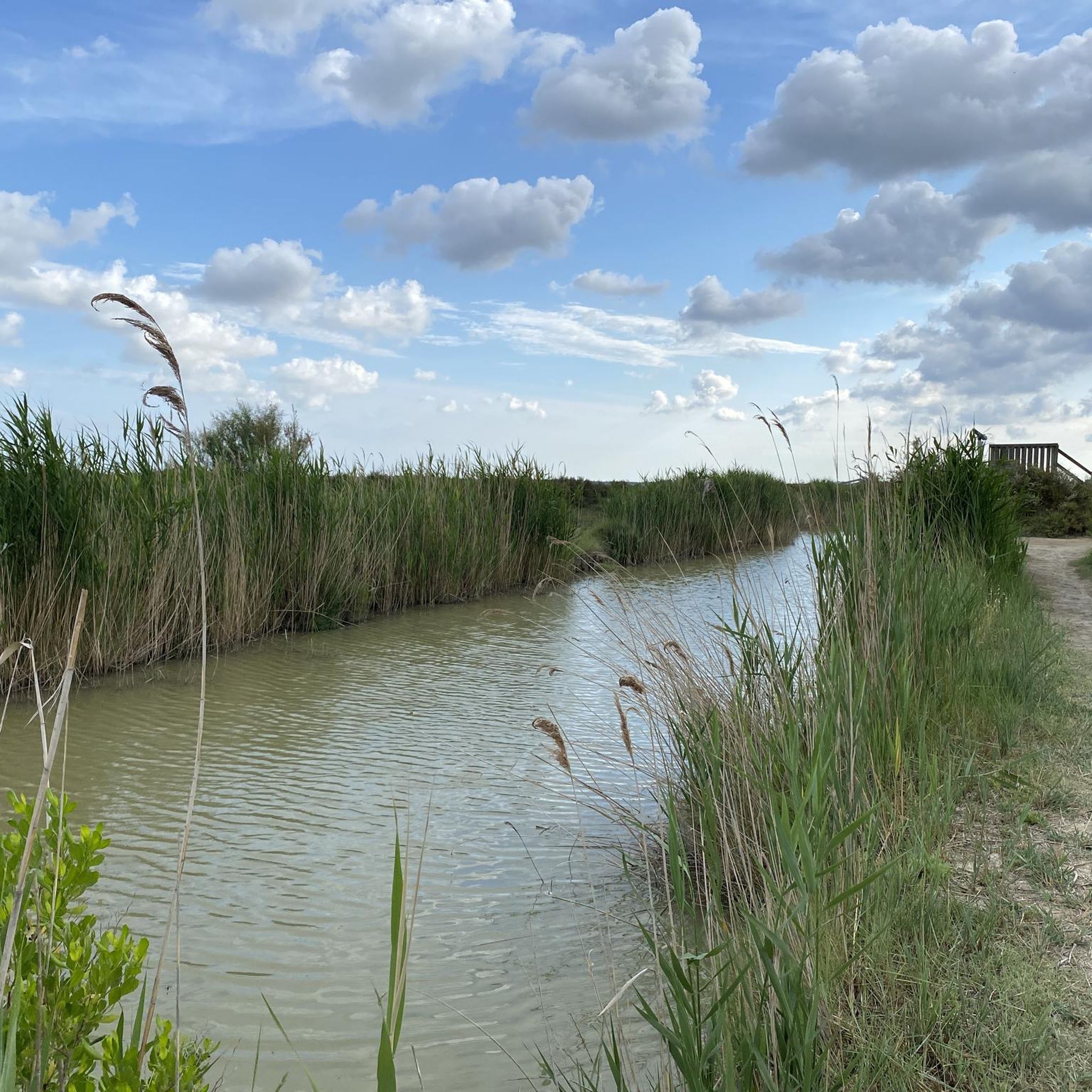
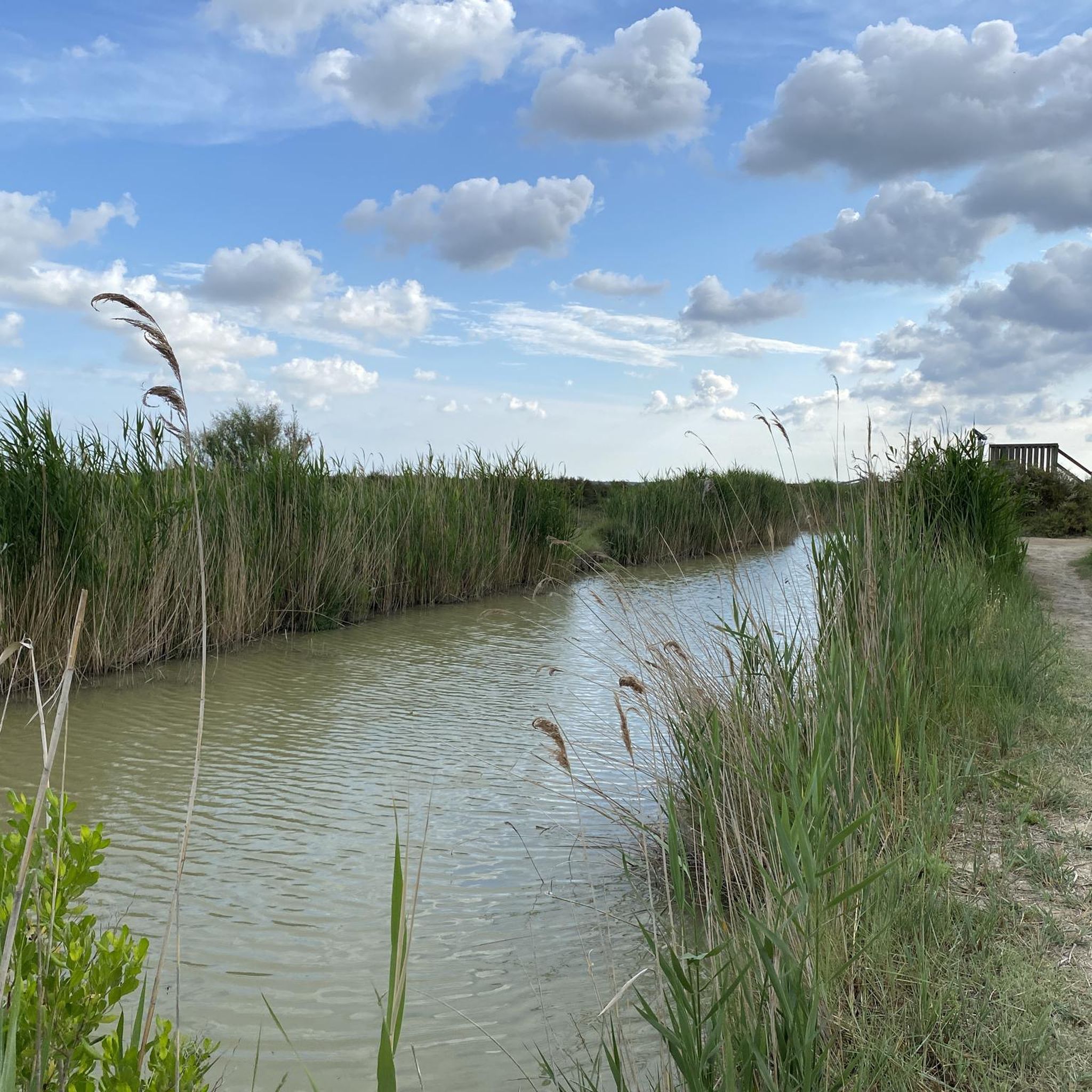
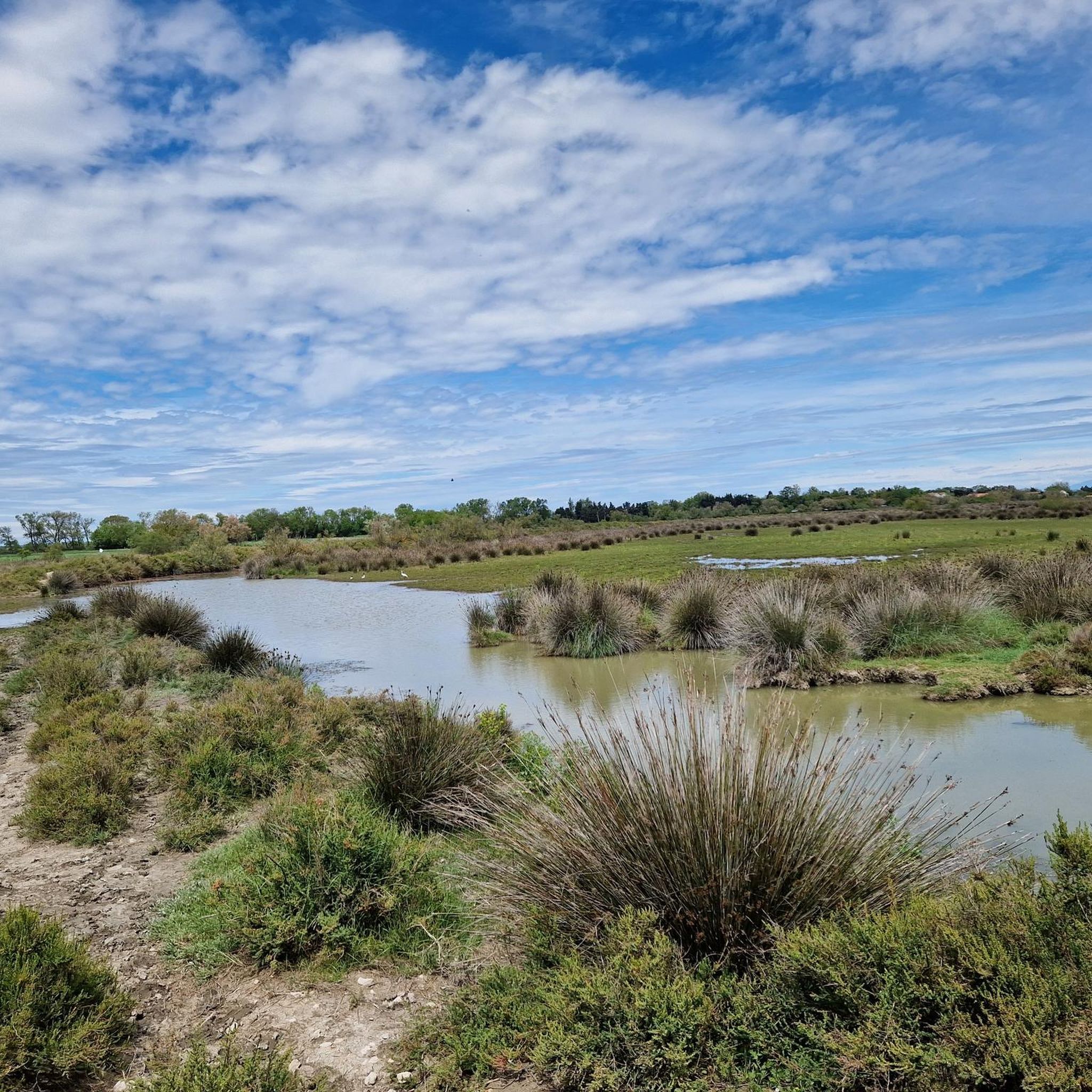
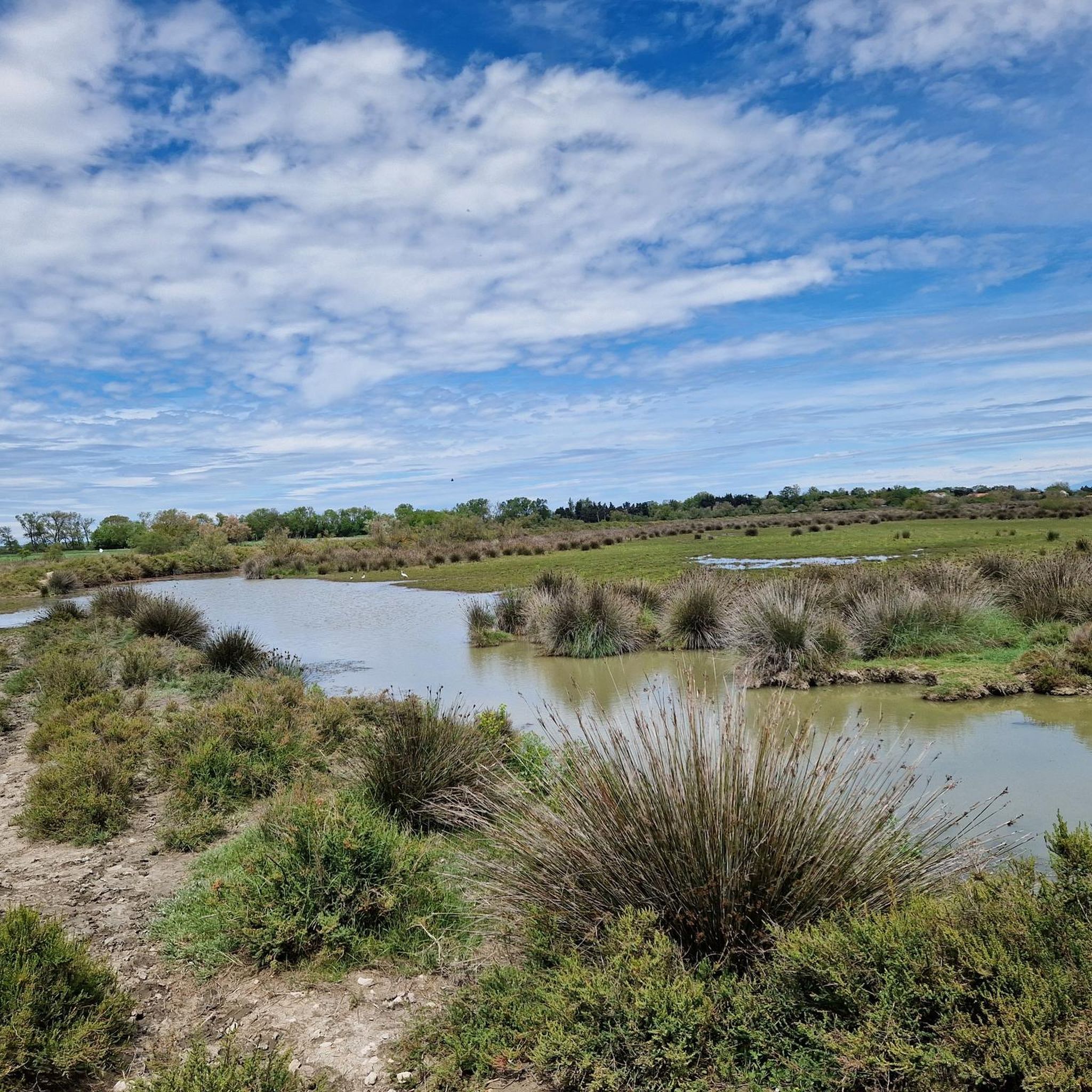
Attention, fellow cyclists, because this section is sometimes difficult (or not at all) to ride, but it is a magical moment between ponds, the wild Camargue as one can imagine it.
0
0

The former Saint-Trophime Cathedral is a Roman Catholic church in Arles in southern France. It was initially an abbey church of the Benedictine order, later the bishop's church of Arles. Today it is the most important building in the city of Arles and an important example of Romanesque architecture. The Romanesque part of the church was built between 1100 and 1150. Between 1454 and 1464 the Gothic choir was added and some other changes were made. On the south side was the Saint-Trophime monastery until 1792, arranged around the cloister of the church. Saint-Trophime was the first bishop of Arles in 250. Augustine of Canterbury returned to Arles in 597 after his missionary journeys to England. Because of this, the Anglican Church still has a connection with this cathedral. de.wikipedia.org/wiki/St-Trophime_(Arles)
1
0
The former Saint-Trophime Cathedral is a Roman Catholic church in Arles in southern France. It was initially an abbey church of the Benedictine order, later the bishop's church of Arles. Today it is the most important building in the city of Arles and an important example of Romanesque architecture. The Romanesque part of the church was built between 1100 and 1150. Between 1454 and 1464 the Gothic choir was added and some other changes were made. On the south side was the Saint-Trophime monastery until 1792, arranged around the cloister of the church. Saint-Trophime was the first bishop of Arles in 250. Augustine of Canterbury returned to Arles in 597 after his missionary journeys to England. Because of this, the Anglican Church still has a connection with this cathedral. https://de.wikipedia.org/wiki/St-Trophime_(Arles)
2
0

This natural site, between land and sea, is a true haven for nature lovers. Walking along the salt marshes, you can observe exceptional wildlife, including pink flamingos, emblematic of the region. The vast expanses of salt and the white mountains in the background create a setting that is both wild and soothing.
2
0

Beautiful dirt road from Cacharel to Méjannes, the highlight of our Camargue tour
0
0

Great hiking area - but be sure to take insect spray.
3
1
Built in 1543, this canal drains runoff water from rice fields and swamps.
1
0
Frequently Asked Questions
What kind of terrain can I expect when touring cycling around Étang de Vaccarès?
The terrain around Étang de Vaccarès is predominantly flat, making it ideal for touring cyclists. You'll cycle through vast saltwater lagoons, market gardens, and rice fields. The landscape features extensive salt marshes, a network of canals, reeds, and pastures. While generally smooth, some sections may have rough or cracked asphalt, making hybrid, mountain, or gravel bikes more suitable than road bikes for optimal comfort.
How many touring cycling routes are available in the Étang de Vaccarès area?
There are over 60 touring cycling routes available around Étang de Vaccarès, catering to various skill levels. This includes approximately 30 easy routes, 30 moderate routes, and a few more challenging options for experienced cyclists.
What is the best time of year to go touring cycling around Étang de Vaccarès?
The best time to cycle around Étang de Vaccarès is in all seasons except summer. Due to high sun exposure and heat, cycling during the summer months can be less comfortable. Spring, autumn, and even mild winter days offer more pleasant conditions to explore the region's unique landscapes.
Are there any family-friendly touring cycling routes around Étang de Vaccarès?
Yes, the predominantly flat terrain makes many routes suitable for families. Easy routes like the Vaccarès Lagoon – Camargue Salt Flats loop from Observatoire du Mas Neuf (22.8 km) or the Shore of the Étang de Vaccarès – Canal Du Pont de Rousty loop from Mas Saint-Germain (21.5 km) are great options for a relaxed family outing, allowing everyone to enjoy the scenery and wildlife.
What kind of wildlife can I expect to see along the cycling routes?
Étang de Vaccarès is a haven for wildlife. Cyclists often spot iconic pink flamingos, as well as various migratory birds like geese, storks, and cranes. You might also encounter Camargue bulls and horses in their natural habitat, particularly near ranches (manades).
Are there any circular touring cycling routes in the area?
Yes, many of the touring cycling routes around Étang de Vaccarès are designed as loops, allowing you to start and finish at the same point. For example, the Bataiyolles Pond – Camargue Salt Flats loop from Arénes de Méjanes is a moderate 63.6 km circular trail that takes you through diverse pond and salt flat landscapes.
What are some notable landmarks or attractions to see while cycling around Étang de Vaccarès?
While cycling, you can explore several interesting points. The Camargue Salt Flats offer stunning white landscapes, and the vast Vaccarès Lagoon itself is a major natural feature. You might also pass by Ganadería Blohorn, a traditional Camargue ranch. The Gacholle lighthouse and La Capelière, a welcome point for the Camargue National Nature Reserve, are also significant points of interest in the wider region.
What do other touring cyclists enjoy most about cycling in Étang de Vaccarès?
The area is highly rated by the komoot community, with an average score of 4.2 stars from over 2000 reviews. Reviewers often praise the unique, vast, and tranquil landscapes where water merges with the sky, the abundant wildlife, and the generally flat, accessible routes that make for a relaxing cycling experience.
Are there any long-distance touring cycling routes that include the Étang de Vaccarès area?
Yes, for those seeking a longer adventure, routes like the Camargue Salt Flats – The Arles Amphitheatre loop from Albaron offer a more extensive experience. This difficult 98.3 km route extends beyond the immediate vicinity of the lagoon, connecting the natural beauty of the Camargue with historical sites like the Arles Amphitheatre.
Is it possible to access the cycling routes around Étang de Vaccarès using public transport?
While specific public transport links directly to every trailhead are limited, many routes can be accessed from nearby towns like Arles, which is a common starting point for exploring the Camargue by bike. It's advisable to check local bus or train services to Arles and then plan your cycling route from there, as the region's cycling infrastructure often connects to these hubs.
Are dogs allowed on the touring cycling routes around Étang de Vaccarès?
While specific regulations for dogs on every path can vary, the Camargue Regional Natural Park generally welcomes responsible dog owners. It's best to keep dogs on a leash, especially in areas with wildlife or livestock, to protect both your pet and the local ecosystem. Always ensure your dog is well-behaved and doesn't disturb other cyclists or animals.
Most popular routes around Étang de Vaccarès
Most popular attractions around Étang de Vaccarès

Get inspired with the komoot mobile app


Explore more
Browse the best Cycling routes in other regions.
