Attractions and Places To See around Alton Pancras - Top 20
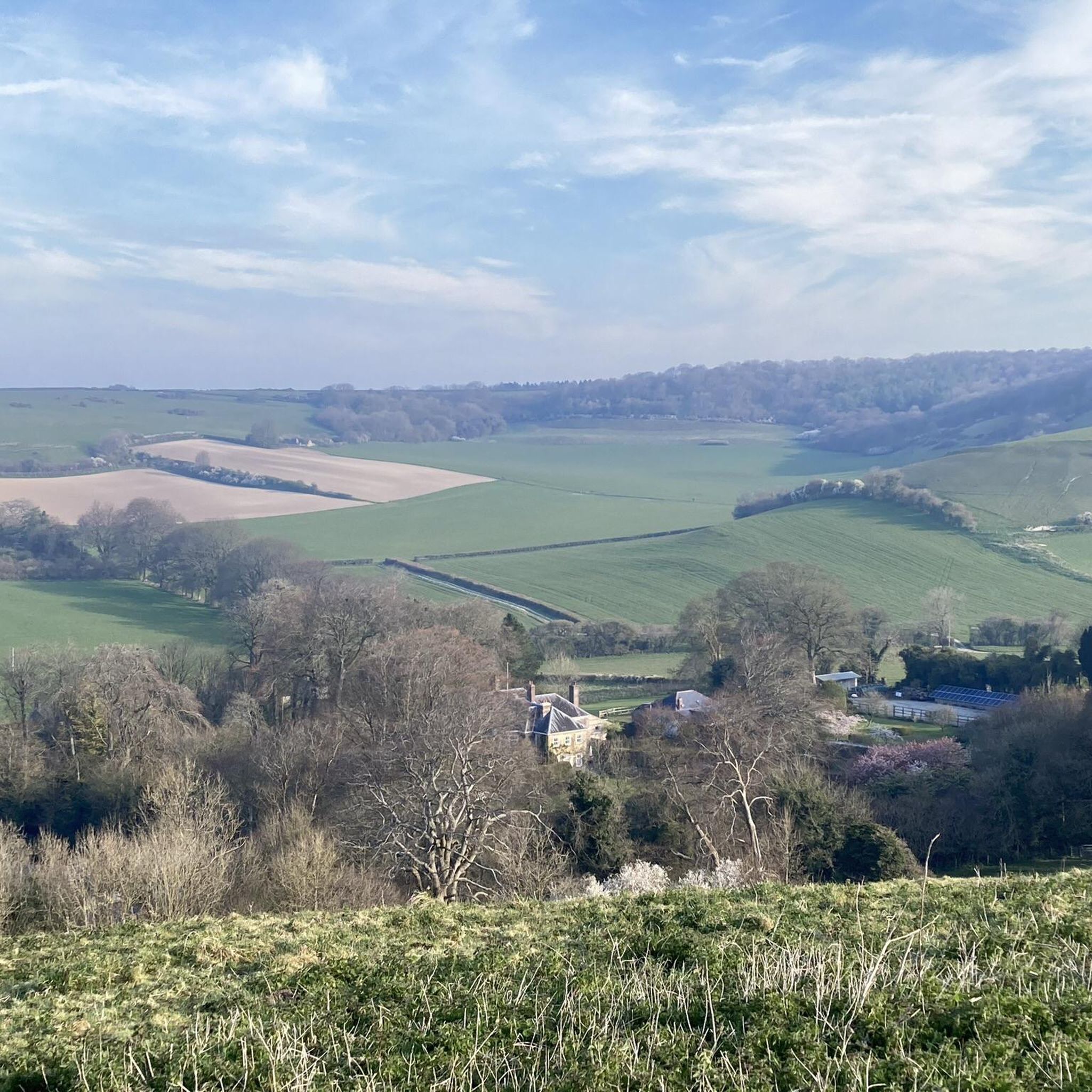
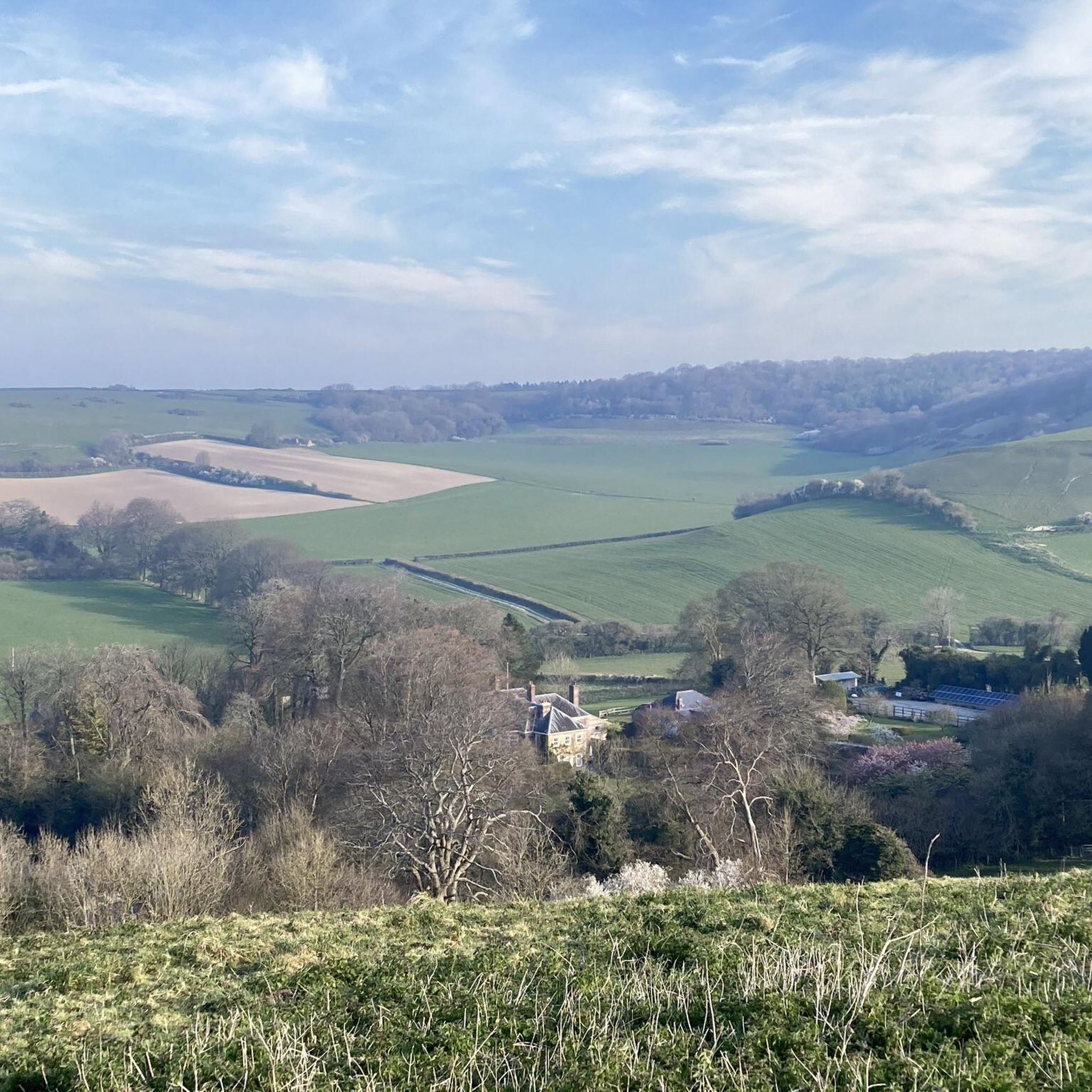
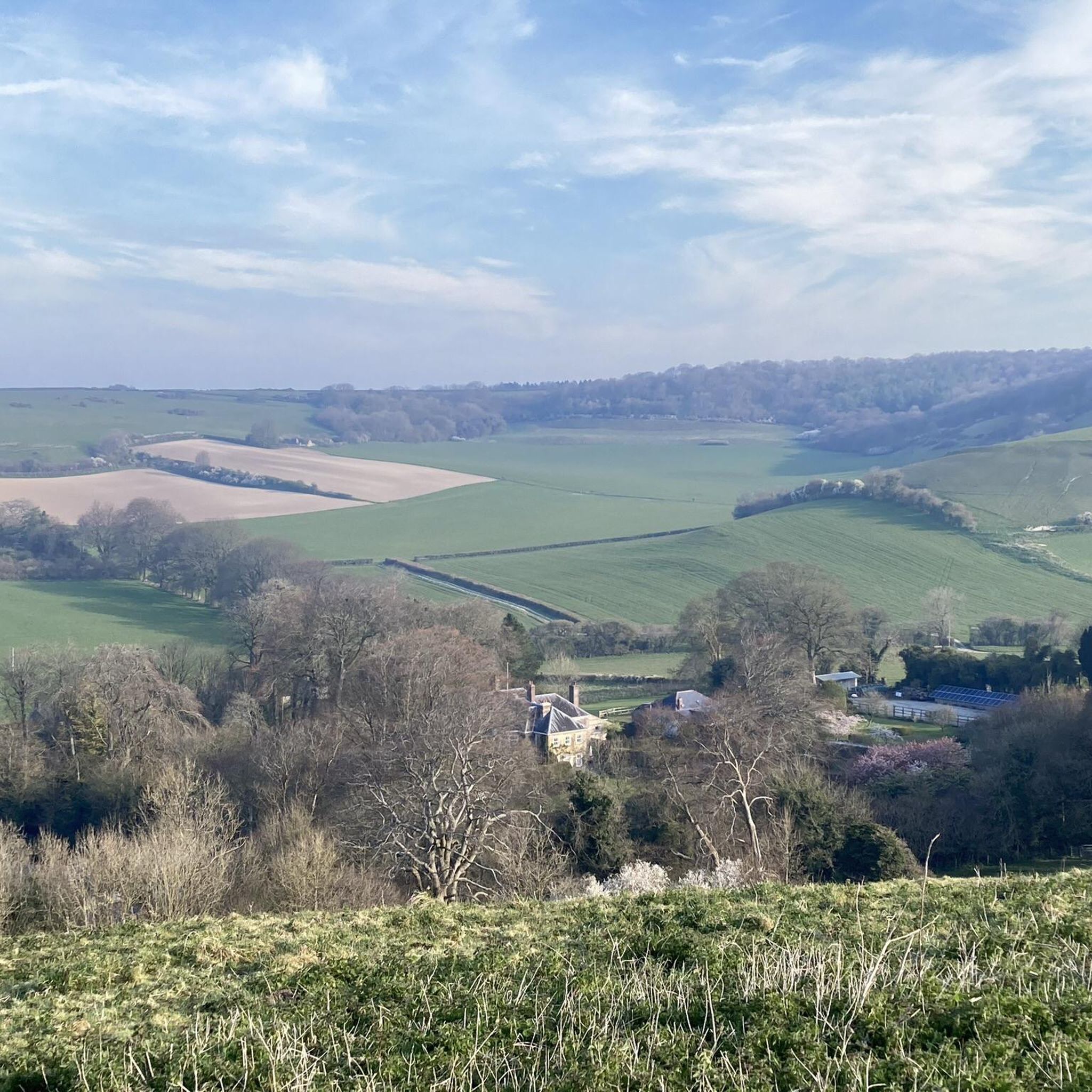
Best attractions and places to see around Alton Pancras, a picturesque linear village in the Piddle Valley, focus on natural beauty, historical sites, and rural charm. The village is notable as the source of the River Piddle and is set amidst the towering chalk hills of the Dorset Downs. The Wessex Ridgeway crosses the valley, offering opportunities for walking and views over ancient landscapes. This area provides a blend of natural features and cultural landmarks for exploration.
Best attractions and places to see around Alton Pancras
- The most popular attractions is Cerne Abbas Giant, a man_made_monument that is a 55-meter (180 ft) high chalk figure on Trendle Hill. Its origin is unknown, with evidence dating back to the early 1700s.
- Another must-see spot is Thomas Hardy's Cottage, a historical_site. Built in 1800, this thatched cottage was the birthplace of the famous writer Thomas Hardy, where he wrote some of his renowned works.
- Visitors also love Milton Abbas Village, an 18th-century planned village. It is known for its numerous thatched cob houses and picturesque setting.
- Alton Pancras is known for historical sites, natural landscapes, and charming villages. The area offers a variety of attractions to explore, from ancient chalk figures to literary landmarks and planned settlements.
- The attractions around Alton Pancras are appreciated by the komoot community, with 108 upvotes and 35 photos shared.
Last updated: May 5, 2026
Cerne Abbas Giant
Highlight • Monument
Measuring at 55 metres (180 ft) high, the origin of the figure of a man wielding a club on Trendle Hill is unknown.
The chalk figure is often thought to be ancient, yet there is no evidence for its existence prior to drawings found from the early 1700s.
It is made from a series of narrow, small trenches filled with chalk rubble, and is maintained by the National Trust.
Tip by

Thomas Hardy's Cottage
Highlight • Historical Site
Tip by

Sign up now to discover places like this
Get recommendations on the best single tracks, peaks, & plenty of other exciting outdoor places.
Sign up for free
Abbot's Porch, Cerne Abbey
Highlight • Historical Site
Throughout its history, Cerne Abbey played a vital role in the local community and the region as a whole. It served not only as a religious centre but also as a place of education, charity, and culture.
An honesty box, located at the entrance, asks for £2.50 donation to help towards the upkeep of the site.
Tip by

Milton Abbas Village
Highlight • Historical Site
The village is particularly interesting as it features 36 near-identical houses. It's very pretty and has a pub, perfect for a lunch stop.
Tip by
St Augustine’s Well
Highlight • Historical Site
Gotselin did his best, and came up with a story that St Augustine was travelling through Dorset when he came upon some shepherds. He asked them if they preferred to drink water or beer. The shepherds answered 'water', so he struck the ground with his staff and a spring burst forth. Another version of the story is that he had a vision in which he made the spring burst forth and cried 'Cerno El', or 'I see God', a pun on the ancient name of Cerne, which was Cernel.
Tip by

Sign up for free to discover even more attractions around Alton Pancras.
Sign up for free
Already have an account?
Start today with a free account
Your next adventure awaits.
Login or Signup
Tips from the Community

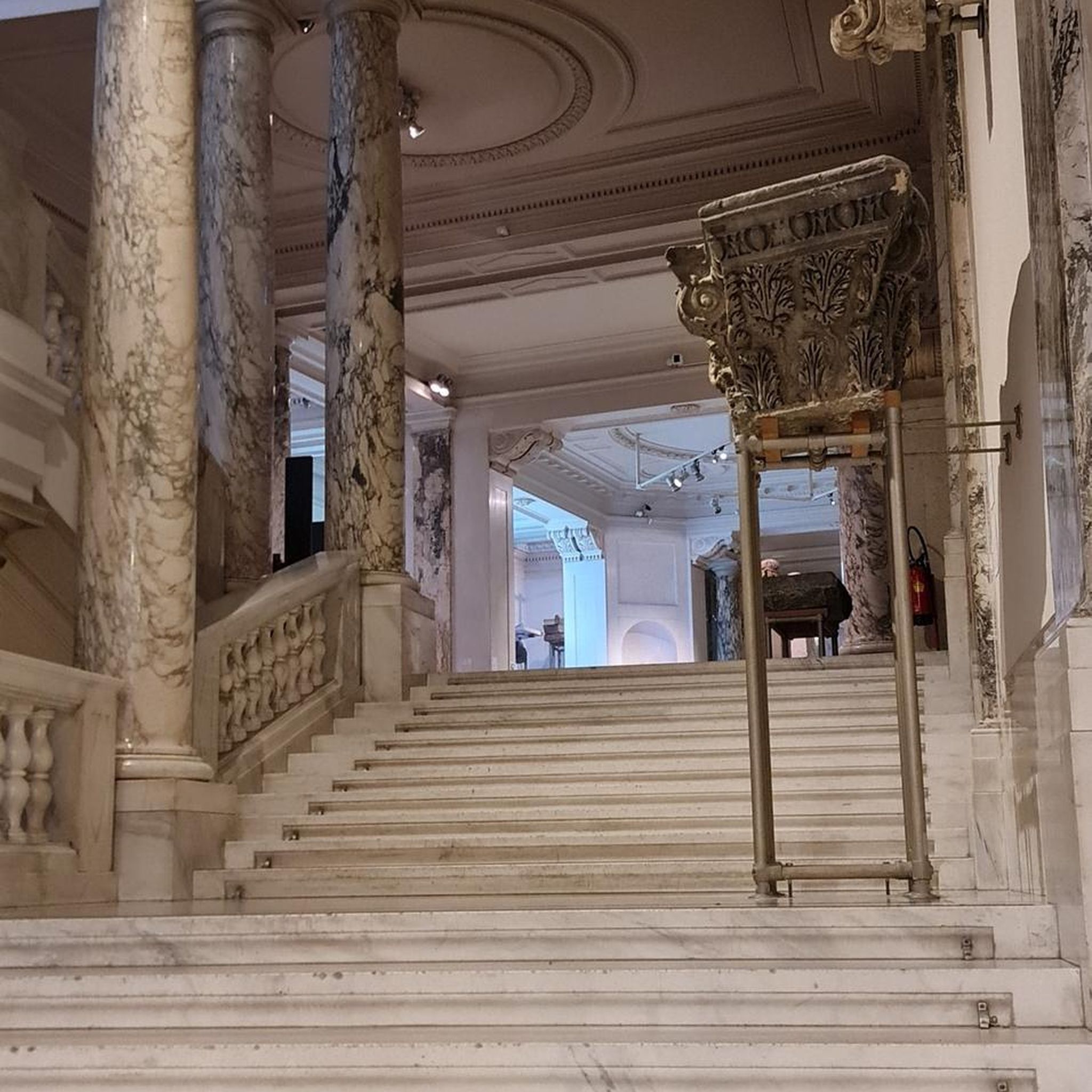
The Cerne Abbey Abbot's Porch is a stunning, three-story fragment of history that serves as a grand reminder of the abbey's former glory. It’s the kind of place where you can just sit and admire the intricate stonework and that iconic two-story oriel window. It feels wonderfully peaceful, tucked away at the end of Abbey Street. Since it’s one of the few pieces of the 15th-century monastery still standing, it has a very grounded, quiet presence. It’s perfect for a slow wander when you want to soak up the medieval atmosphere without any rush.
0
0
Hidden behind the church lies the Silver Well, a mystical pool where Saint Augustine allegedly tapped the ground and told the water to "get a move on." It’s famous for "healing" properties, though mostly it’s just great at chilling your ankles. Legend says drinking the water at sunrise brings babies or visions; nowadays, it just brings hikers looking for a quiet spot to contemplate why they wore sandals. A peaceful, leafy nook for some holy hydration!
0
0
Towering over the village is Britain’s most "well-endowed" landmark, a 180-foot chalk giant who clearly forgot his trousers—and his modesty. Carved into the hillside with a massive club and an even more massive... ego, he’s been blushing hikers for centuries. Legend says sleeping on his "manhood" boosts fertility, but most people just settle for a breathless selfie. He’s ancient, he’s shameless, and he’s definitely the only hillside that’s genuinely happy to see you.
0
0
* Historic Structure: The cottage itself was built in 1800 by Hardy's great-grandfather and has remained largely unaltered since the Hardy family left. It offers a glimpse into 19th-century rural life, with its open hearths, small windows, and stone floors. While the furniture inside isn't original to the Hardy family, it is authentic to the period, helping to recreate the atmosphere of his upbringing. * National Trust Property: The cottage is now owned and managed by the National Trust, ensuring its preservation and public access. * Traditional Cottage Garden: The property features a typical cottage garden, complete with roses around the door, which would have been an early inspiration for the author.
0
0
* Hardy's Early Life and Works: Hardy lived in this cottage until he was 34 years old. It was here that he wrote some of his early and influential works, including the novels Under the Greenwood Tree (1872) and Far from the Madding Crowd (1874), as well as early poetry and short stories. The surrounding landscape, including the adjacent Thorncombe Wood and the heathland (which inspired his fictional "Egdon Heath" in The Return of the Native), profoundly influenced his writing.
0
0
Thomas Hardy's Cottage is a significant literary landmark located in Higher Bockhampton, near Dorchester, Dorset, England. It is a quaint, cob and thatch cottage, notable for being the birthplace of the celebrated author Thomas Hardy in 1840. Here's what makes it special:
0
0
notable for being one of the first planned settlements in England. In the 1770s, the owner of Milton Abbey, Joseph Damer (later Lord Milton and Earl of Dorchester), decided the original village of Middleton was spoiling his view and commissioned architect Sir William Chambers and landscape gardener Capability Brown to design a new village in a nearby wooded valley. The old village was demolished, and most of its residents were relocated to this new model village, now known as Milton Abbas. The village is characterized by its single, sinuous main street lined with 36 almost identical whitewashed and thatched cottages. These were originally designed to house two families each.
0
0

The view of giant is best from the opposite hill. When I took my photo the chalk was very dull so viewing wasn’t brilliant but I know they restore him every now and again so he should be bright again.The climb up past the giant is very steep so if hiking poles would be a great addition and grippy footwear 👟
0
0
Frequently Asked Questions
What natural features can I explore in and around Alton Pancras?
Alton Pancras is nestled in the scenic Piddle Valley and is notable as the source of the River Piddle, a natural chalk stream. The village is surrounded by the towering chalk hills of the Dorset Downs, offering picturesque landscapes. The ancient Wessex Ridgeway also crosses the valley road in the northern part of the village, providing opportunities to explore prehistoric sites and enjoy expansive views.
Are there good hiking or walking routes near Alton Pancras?
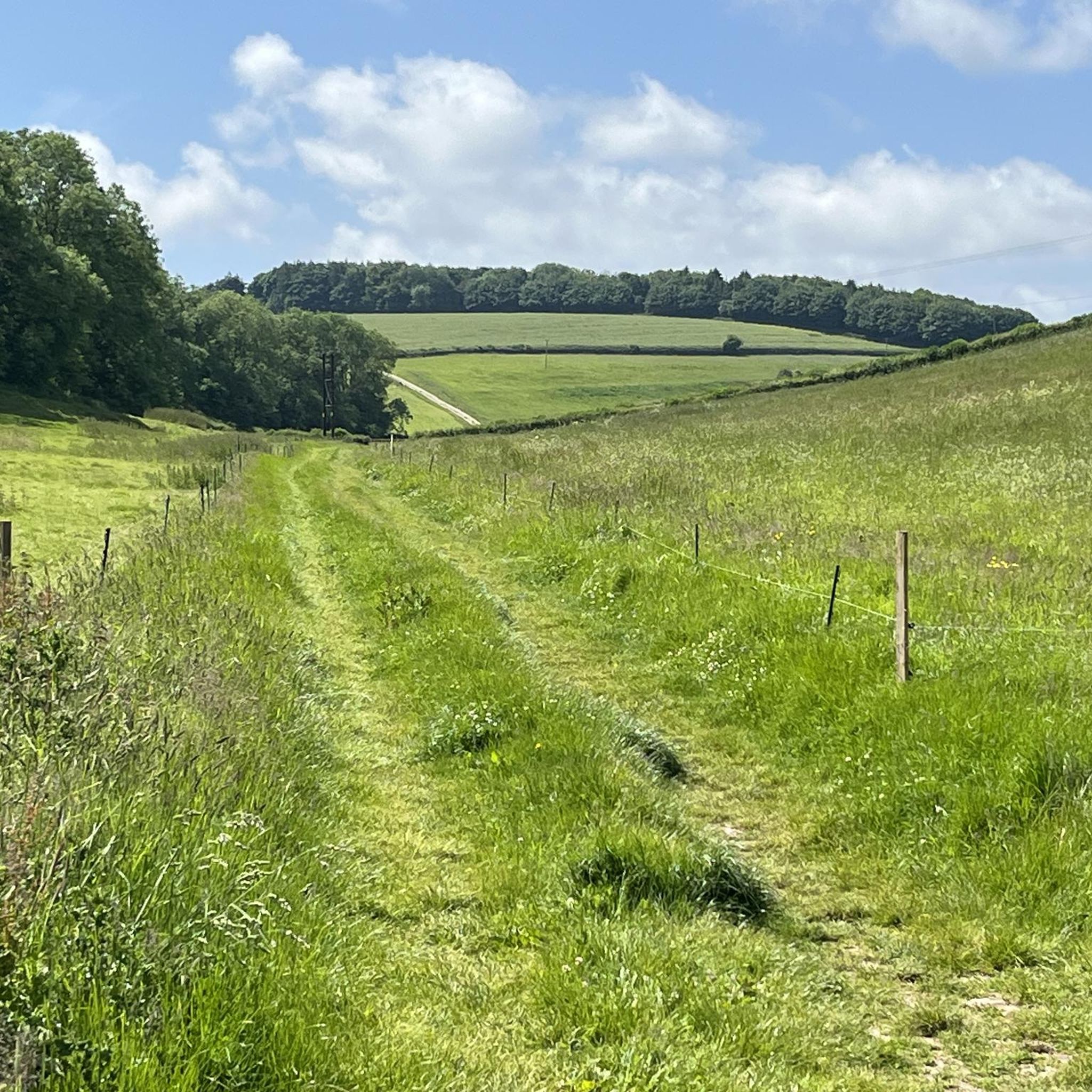
Yes, the area around Alton Pancras is excellent for walking. The Wessex Ridgeway offers opportunities for exploration, and the Dorset Downs provide numerous trails. For specific routes, you can find various options, including easy hikes, around the area. For example, there are easy walks like the Cerne Abbas Giant — National Trust North and West Dorset route or loops around Plush Village.
What historical or cultural sites are there to see in Alton Pancras itself?
Within Alton Pancras, you can visit the Parish Church of St. Pancras, which features a 15th-century tower and a Norman arch, along with a medieval Cresset stone. The village also has an unusual manor house and Higher Barton Hall, which was once the village school. Evidence of ancient human activity, including round barrows and 'Celtic' fields, can be found on the hills surrounding the village.
What historical sites are within a short distance of Alton Pancras?
Just 2 miles east, you can visit the impressive Cerne Abbas Giant, a 55-meter chalk figure on Trendle Hill. Also nearby is Thomas Hardy's Cottage, the birthplace of the famous writer. You can also explore the Abbot's Porch, Cerne Abbey, which was the original gateway to Cerne Abbey, a significant historical center.
Are there family-friendly attractions or activities near Alton Pancras?
Yes, several nearby attractions are suitable for families. Thomas Hardy's Cottage offers a glimpse into literary history with woodlands for exploration. The planned Milton Abbas Village, with its unique thatched cob houses, is also considered family-friendly for a stroll. The natural landscapes of the Dorset Downs provide ample space for outdoor family adventures.
What is the best time of year to visit Alton Pancras for outdoor activities?
The spring and summer months (April to September) are generally ideal for outdoor activities around Alton Pancras, offering pleasant weather for hiking, cycling, and exploring the natural beauty of the Piddle Valley and Dorset Downs. The landscapes are vibrant, and trails are typically dry. Autumn also provides beautiful scenery with changing foliage.
How can I get to Alton Pancras using public transport?
Alton Pancras is a rural village, and public transport options are limited. While there are bus routes in the wider Dorset area, direct services to Alton Pancras itself may be infrequent. It is advisable to check local bus schedules in advance or consider driving, as this offers more flexibility for exploring the surrounding attractions.
Where can I find parking for walks and attractions near Alton Pancras?
Parking availability varies by attraction. For popular sites like Thomas Hardy's Cottage, there is a dedicated car park, often free for National Trust members. For walks, you may find small car parks or roadside parking in nearby villages like Cerne Abbas or Plush. Always check local signage for restrictions.
Are there dog-friendly options for visitors in Alton Pancras?
Many of the outdoor areas and walking trails around Alton Pancras, including those on the Dorset Downs and the Wessex Ridgeway, are dog-friendly, provided dogs are kept under control, especially near livestock. Some local pubs in nearby villages, such as The Brace of Pheasants in Plush Village, are known to be dog-friendly, offering a welcoming stop after a walk.
What outdoor activities can I do near these attractions?
Beyond walking, the area offers various outdoor activities. You can find numerous road cycling routes, with options like the 'Plush Village – The Brace of Pheasants loop'. There are also running trails, including longer loops around Cerne Abbas and the Dorset countryside. The rolling hills of the Dorset Downs are ideal for exploring on foot or by bike.
What do visitors enjoy most about the attractions around Alton Pancras?
Visitors particularly appreciate the blend of natural beauty and historical significance. The iconic Cerne Abbas Giant is a popular highlight, with tips suggesting riding down Acreman Street for a marvelous view. Thomas Hardy's Cottage is valued for its literary history and surrounding woodlands. The picturesque Milton Abbas Village is also a favorite for its unique architecture and charm.
Are there any easy walks suitable for all abilities near Alton Pancras?
Yes, there are several easy walks in the vicinity. For instance, the Cerne Abbas Giant — National Trust North and West Dorset route is considered easy. You can also find gentle loops around Plush Village, offering serene landscapes without challenging terrain. These routes are generally suitable for a leisurely pace and offer beautiful views of the Dorset countryside.
Most popular attractions around Alton Pancras

Get inspired with the komoot mobile app


Explore more
Still not found the Highlight you’re looking for? See guides of the top attractions in other regions:
