The best walks and hikes around La Gironde
4.5
(813)
8,113
hikers
53
hikes
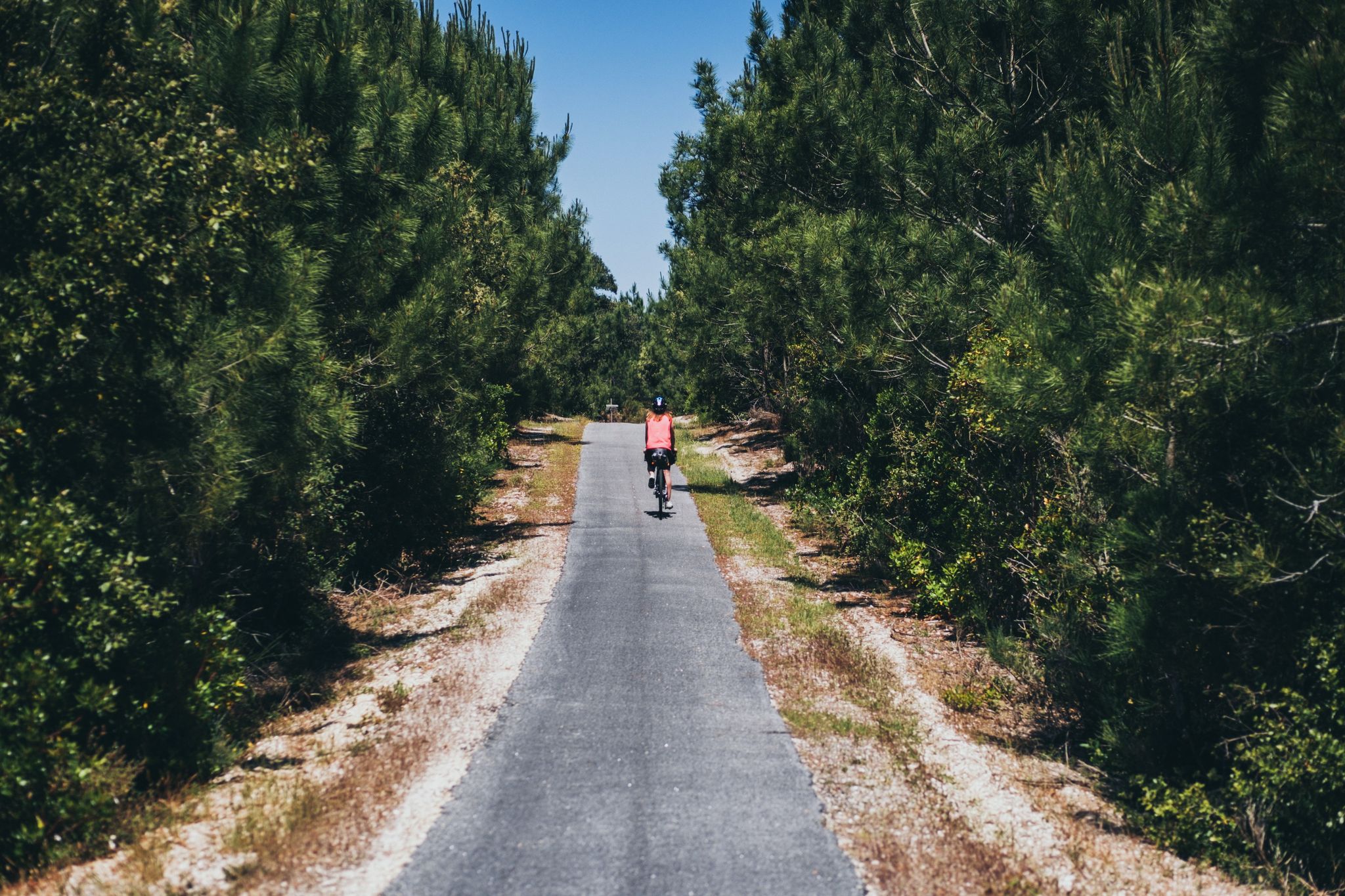
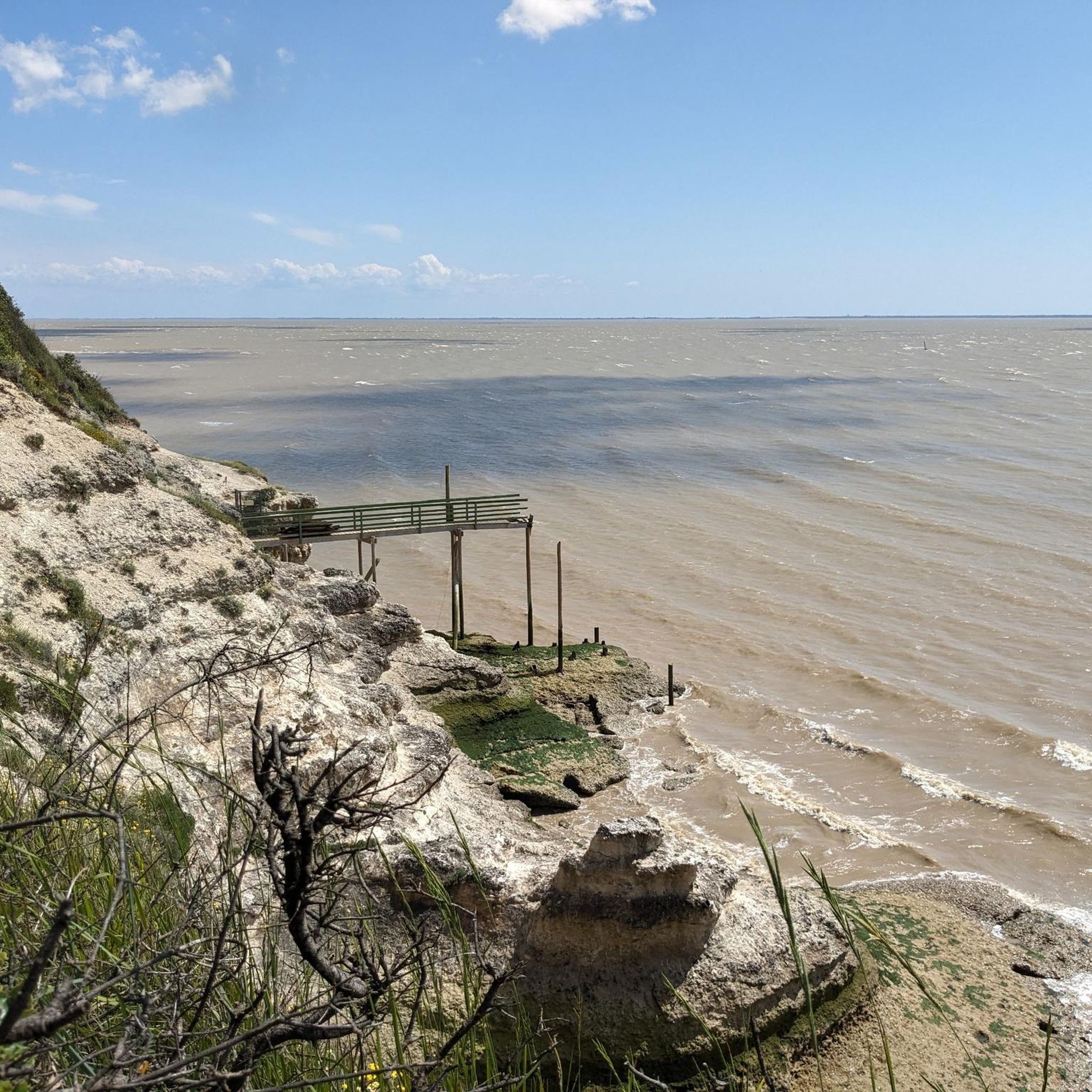
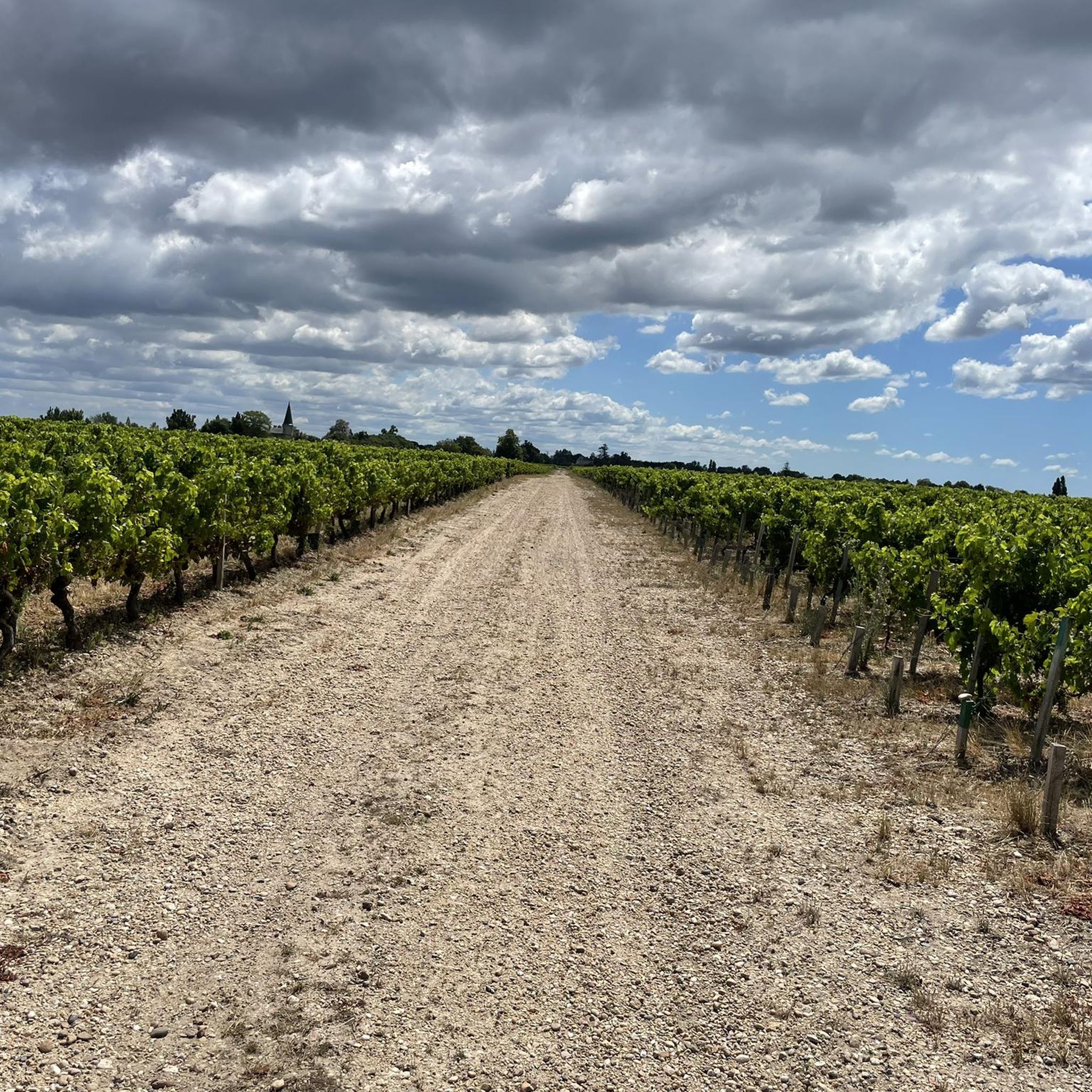
Hiking trails around La Gironde traverse a diverse landscape, characterized by its extensive pine forests, the dynamic Arcachon Bay, and the vast Gironde Estuary. The region features Europe's tallest sand dune, the Dune du Pilat, alongside numerous tranquil lakes and river deltas. Trails often wind through coastal paths, salt meadows, and vineyards, offering varied terrain for outdoor exploration. The Landes de Gascogne Regional Natural Park covers a significant portion of the area, providing extensive forest routes.
Best hiking trails around La Gironde
- The most popular hiking route is Fort and Forest of Suzac Trail, a 5.2 miles (8.3 km) trail that takes 2 hours 10 minutes to complete. This trail combines coastal views with shaded forest paths.
- Another top favourite among local hikers is Panoramic loop at Pointe de Grave, a moderate 6.3 miles (10.2 km) path. This path offers expansive views of the Gironde Estuary and the Atlantic coastline.
- Local hikers also love the At the junction between the Dordogne and the Garonne, a 3.1 miles (5.0 km) trail leading through river confluence scenery, often completed in about 1 hour 20 minutes.
- Hiking around La Gironde is defined by coastal paths, vast pine forests, and estuarial landscapes. The network offers options for different ability levels, from easy strolls to more challenging long-distance routes.
- The routes in La Gironde are highly rated by the komoot community with an average score of 4.5 stars from more than 120 reviews. More than 900 hikers have used komoot to explore La Gironde's varied terrain.
Last updated: July 7, 2026
4.5
(39)
185
hikers
8.27km
02:10
70m
70m
Moderate hike. Good fitness required. Easily-accessible paths. Suitable for all skill levels.
4.5
(15)
53
hikers
10.2km
02:36
30m
30m
Moderate hike. Good fitness required. Easily-accessible paths. Suitable for all skill levels.

Sign up for free
4.0
(1)
14
hikers
13.3km
03:28
60m
60m
Hard hike. Good fitness required. Sure-footedness, sturdy shoes and alpine experience required.
5.0
(1)
3
hikers
4.98km
01:20
50m
50m
Easy hike. Great for any fitness level. Easily-accessible paths. Suitable for all skill levels.
4
hikers
24.8km
06:20
90m
90m
Hard hike. Very good fitness required. Easily-accessible paths. Suitable for all skill levels.
Get access to more routes and recommendations from other explorers.
Sign up for free
Already have an account?
Our route recommendations are based on thousands of hikes, rides, and runs completed by other people on komoot.
Start today with a free account
Your next adventure awaits.
Login or Signup

Other adventures around La Gironde

Tips from the Community

Very beautiful Romanesque church from the 12th century.
0
0

A small, pedestrian-only craft village. The site is magnificent, located on the Gironde estuary.
0
0

Built on a cliff overlooking the Gironde estuary, the Catholic Church of Sainte-Radegonde is sometimes considered the archetype of the Saintonge Romanesque style. The view of the Gironde estuary and the surrounding rivers is spectacular.
0
0

Overlooking the Gironde estuary, the Sainte-Radegonde church, in the picturesque village of Talmont-sur-Gironde, is an almost thousand-year-old place, worked by the sea and the winds. On the edge of a cliff, the site offers an exceptional panoramic view of the Gironde. These stones, hollowed out by the centuries, have seen pilgrims pass by, risking their lives to reach the Bay of Biscay and reach the tomb of Saint Jacques de Compostelle, in Galicia. The Sainte-Radegonde church, a jewel of Romanesque art in Saintonge, was listed as a Historic Monument in 1890. The building bears the name of a famous saint venerated since the 6th century in Poitou-Charentes. Daughter of the King of Thuringia, Radegonde was forced to marry the son of Clovis and King of the Franks, Clotaire I. After her brother was assassinated, she asked the Bishop of Noyon, Saint Médard, to give up her role as queen to devote herself to God. She retired to the monastery of Poitiers, where she welcomed the poor and the sick. After her death in 587, she was buried in Poitiers. Protector of sailors, a statue of the saint stands in the church of Talmont-sur-Gironde. A first building is mentioned as early as 1094, when Archpriest Guillaume Laier gave the peninsula to the Benedictine abbey of Saint-Jean-d'Angély. Tombs located at the foot of the church, dating from the Carolingian era, bear witness to the antiquity of this place, steeped in history. Pilgrims on their way to Santiago de Compostela from Aulnay and Saintes took this route before reaching Soulac by sea or Bordeaux by land. Between 1140 and 1170, Benedictine monks built a church in the Romanesque style. Only simple bays let in light, illuminating the white stone of Saintonge. The chevet, with its buttress columns, is decorated with checkerboards and sculpted figures. These decorative elements, taken from the medieval bestiary, can be found on the voussures, as well as on the capitals that support the pointed arches. The wind and the sea have continued to erode these stone ornaments. The nave collapsed in the 15th century, due to the fragile construction of the crypt, located below. In 1284, the town of Talmont was purchased by the King of England and Duke of Aquitaine, Edward I. Transformed into a real fortress from the 13th century, the soldiers stood on the crenellated heights of the church. In the 15th century, cannons were installed on this platform, facing the sea, to dissuade ships from attacking Bordeaux. From the 14th to the 17th century, the church was the victim of violent clashes between the English, French, Huguenots, Catholics, Basques and Spanish. After the closure of this place of worship in 1794, extensive restoration work began in the mid-19th century. The cliff that supports the church was reinforced to protect it from the tides. The work undertaken in the 1930s aimed to harmonize the building and restore its original form. The platform used for military defense and the patrol path were removed to make way for a square tiled bell tower.
0
0

Great park with a very nice café and a magnificent view over the sea.
0
0

Originally 75 million years ago, natural holes dug into the sea. Later, they were conditioned by man to serve as homes. They are restored and can be visited.
0
0

These rock dwellings were created by the sea 65 million years ago and then carved out and repeatedly inhabited by humans.
0
0

Worth seeing church in Bayon-sur-Gironde.
3
0
Frequently Asked Questions
How many hiking trails are available in La Gironde?
La Gironde offers a diverse network of over 50 hiking trails. These routes cater to various preferences, with 27 classified as easy, 27 as moderate, and 4 as difficult, ensuring options for all skill levels.
Are there easy hiking options for beginners or families in La Gironde?
Yes, La Gironde is very welcoming for beginners and families. There are 27 easy hiking trails available, many of which are suitable for a leisurely stroll. For example, the At the junction between the Dordogne and the Garonne trail is an easy 5 km route that takes about 1 hour 20 minutes. The Domaine de Certes et Graveyron in Audenge also offers family-friendly hikes through salt meadows and past animal farms.
What kind of landscapes can I expect to see while hiking in La Gironde?
Hiking in La Gironde offers a rich variety of landscapes. You can explore vast maritime pine forests, dynamic coastal paths around Arcachon Bay, including Europe's tallest sand dune, the Dune du Pilat, and tranquil routes along the Gironde Estuary. Other options include walks through picturesque oyster farming ports, salt meadows, and even vineyards.
Are there any notable natural attractions or landmarks to visit during a hike?
Absolutely. La Gironde is home to several unique natural attractions. You can hike to the iconic Grottes de Matata, explore the Caillaud cliff at Talmont sur Gironde, or discover the Vergnes Cove. The Dune du Pilat offers panoramic views, and the Réserve Ornithologique du Teich is a haven for birdwatchers. Many trails also feature historic sites like the Bunkers at Pointe de Suzac with a View of the Gironde Estuary.
Can I bring my dog on the hiking trails in La Gironde?
Many natural areas and trails in La Gironde are dog-friendly, especially those through the vast pine forests of the Landes de Gascogne Regional Natural Park. However, it's always recommended to check specific trail regulations or local signage, particularly in nature reserves or protected areas, as rules can vary.
Are there circular hiking routes in La Gironde?
Yes, La Gironde features numerous circular hiking routes, allowing you to start and end your journey at the same point. An example is the Panoramic loop at Pointe de Grave, which offers expansive views of the Gironde Estuary. The Lac d'Hostens also provides several looped hikes around its five lakes, perfect for a day out.
What is the best time of year to go hiking in La Gironde?
The best time for hiking in La Gironde is generally during spring (April to June) and autumn (September to October). During these seasons, the weather is mild and pleasant, making it ideal for exploring. Summer can be hot, especially in July and August, but coastal trails and shaded forest paths offer cooler options. Winter hiking is also possible, with fewer crowds and unique atmospheric views.
How can I access hiking trails in La Gironde using public transport?
While many trails in La Gironde are best accessed by car, some areas, particularly closer to Bordeaux and along the coast, offer public transport options. The GR® de la Métropole, a 160 km route encircling Bordeaux, has segments accessible by tram. For specific routes like those around the Dune du Pilat, local bus services often connect from nearby towns. It's advisable to check local transport schedules for your chosen trailhead.
Is parking available at the trailheads in La Gironde?
Yes, parking is generally available at or near the trailheads for many popular hiking routes and natural sites in La Gironde. For example, major attractions like the Dune du Pilat have dedicated parking facilities. Smaller, more remote trails might have limited roadside parking. Always look for designated parking areas to ensure you are not obstructing local access or private property.
What do other hikers say about the trails in La Gironde?
The hiking trails in La Gironde are highly rated by the komoot community, with an average score of 4.5 stars from over 120 reviews. Hikers often praise the region's diverse scenery, from the stunning coastal views and the unique Dune du Pilat to the peaceful pine forests and picturesque estuary paths. Many appreciate the well-maintained paths and the variety of options for different fitness levels.
Are there any long-distance or more challenging hikes in the region?
Yes, La Gironde offers options for more challenging and longer hikes. The Meschers-sur-Gironde Loop is a difficult 24.8 km trail, and the Loop to the medieval city of Blaye is another challenging 13.3 km route. The GR®6 also traverses the south of Gironde, linking Sainte-Foy-la-Grande to the Bay of Arcachon, providing an immersive long-distance experience.
Where can I find trails that explore the famous vineyards of La Gironde?
La Gironde is renowned for its vineyards, and you can certainly find hiking trails that wind through these iconic landscapes. The Médoc and Saint-Emilion regions offer trails specifically designed to explore the wine country. The "Route des vins biologiques" in Saint-Emilion is an easy hike that allows you to discover organic vineyards and enjoy the scenery.
Can I find trails near the Arcachon Bay?
Yes, Arcachon Bay is a prime area for hiking in La Gironde. You can find trails along its dynamic coastline, through picturesque oyster ports like Gujan-Mestras, and along the coastal path at Andernos-les-Bains, offering superb views of the marine horizon and Île aux Oiseaux. The Dune du Pilat, Europe's tallest sand dune, is also located here, providing a unique hiking experience with views of the ocean and the vast Landes forest.
Most popular routes around La Gironde
Most popular attractions around La Gironde

Get inspired with the komoot mobile app


Explore more
Browse the best Hikes in other regions.
