Attractions and Places To See around Mosterton - Top 20
Best attractions and places to see around Mosterton include a mix of historical sites and natural beauty. This village in Dorset, England, is a linear settlement divided by the River Axe, nestled within beautiful countryside. The area offers diverse landscapes and points of interest for visitors.
Best attractions and places to see around Mosterton
- The most popular attractions is Sutton Bingham Reservoir, a lake popular for fishing and walking, managed by Wessex Water. It features wildflowers and views across the waters.
- Another must-see spot is Pilsdon Pen Summit and Trig Point, a natural monument. This Iron Age hillfort is the second highest point in Dorset, offering panoramic views of the surrounding countryside.
- Visitors also love Lambert's Castle Hillfort, a viewpoint. This 2,500-year-old Iron Age hillfort features earthworks and views of the surrounding landscapes.
- Mosterton is known for historical sites, natural features, and cultural attractions. The area offers a variety of attractions to see and explore, from ancient hillforts to picturesque villages.
- The attractions around Mosterton are appreciated by the komoot community, with more than 40 upvotes and 16 photos shared.
Last updated: June 22, 2026
Pilsdon Pen Summit and Trig Point
Highlight • Natural Monument
Tip by

Sutton Bingham Reservoir
Highlight • Lake
There is a public toilet and bike racks in the car park.
Tip by

Sign up now to discover places like this
Get recommendations on the best single tracks, peaks, & plenty of other exciting outdoor places.
Sign up for free
St John the Baptist Church, Broadwindsor
Highlight • Historical Site
Tip by
Forde Abbey and Gardens
Highlight • Monument
The gardens at Forde Abbey are spectacular and include lawns, water features and an arboretum. It also has the highest powered fountain in the country, which comes on intermittently and might surprise you if you’re walking by.
There’s a cafe, shop and plant nursery here making it easy to while away your time. There is a charge to enter which is not insignificant.
Tip by

Norton-sub-Hamdon Village
Highlight • Settlement
Norton-sub-Hamdon is home to a manor house of 17th-century origins and a water mill dating back from around the same time. In the grounds of the Church of St Mary the Virgin, there’s a 17th-century stone dovecote. Although you can’t go inside, it contains 400 stone nests and is said to have provided pigeons for the manor.
There’s an old pub here if you’re looking for somewhere to put your feet up, otherwise, simply walking around the hamlet is like stepping back in time.
Tip by
Sign up for free to discover even more attractions around Mosterton.
Sign up for free
Already have an account?
Start today with a free account
Your next adventure awaits.
Login or Signup

Tips from the Community

From the trig point at Pilsdon Pen summit, you get spectacular, wide-open views across Dorset. Looking south, the eye sweeps over the lush farmlands and rolling hills of the Marshwood Vale, extending all the way down to Bridport and the dramatic cliffs of the Jurassic Coast.
0
0
Gemini said If you find yourself in the rolling hills of West Dorset, the Church of St John the Baptist in Broadwindsor is a classic, "slow-paced" country church that packs a surprising amount of history into its quiet stone walls. It’s perched on a high spot right in the heart of the village, looking out over the square like it’s been keeping watch forever (which, to be fair, it mostly has). Here’s why it’s worth a wander: A Royal Fugitive’s Hiding Spot The village’s biggest claim to fame involves a high-stakes game of hide-and-seek. After losing the Battle of Worcester in 1651, King Charles II fled for his life and spent a night right here in Broadwindsor. While the King was hiding in a nearby inn (now private cottages), Parliamentarian soldiers actually arrived in the village to search it. Legend says he only escaped because a local woman went into labor in the same building, causing such a chaotic distraction that the soldiers moved on without finding him. He eventually escaped to France, but the church stands as a silent witness to that tense night. The "Witty" Rector In the 1630s, the church was led by Thomas Fuller, a man described as one of the first English writers to actually make a living from his pen. He was famous for his "pregnant wit" and once said, "Charity begins at home, but should not end there." * Even today, the village is very proud of him—you’ll often find his quotes inscribed in the local community pub, The White Lion, just down the road. What to Look For Inside The "Wonky" Architecture: The church has a mix of styles because it’s been rebuilt and patched up over nearly 900 years. You’ll see heavy, rounded Norman arches on one side of the nave and more pointed "Early English" ones on the other. It gives the interior a slightly mismatched, organic feel. The Ancient Font: There is a square font made of Purbeck Marble that dates back to the early 1200s. It’s been used to baptize village children for eight centuries. The Bells: The tower holds a ring of six bells. Some of them are "pre-Reformation," meaning they’ve been swinging in that tower since before Henry VIII broke away from Rome. The "Compromise" Clock: If you’re there during the day, you’ll hear the clock chime. There was a recent local debate about whether it should chime at night; in a very "British village" move, they compromised—it now stays quiet from 9:00 PM to 6:00 AM so the neighbors can sleep!
0
0

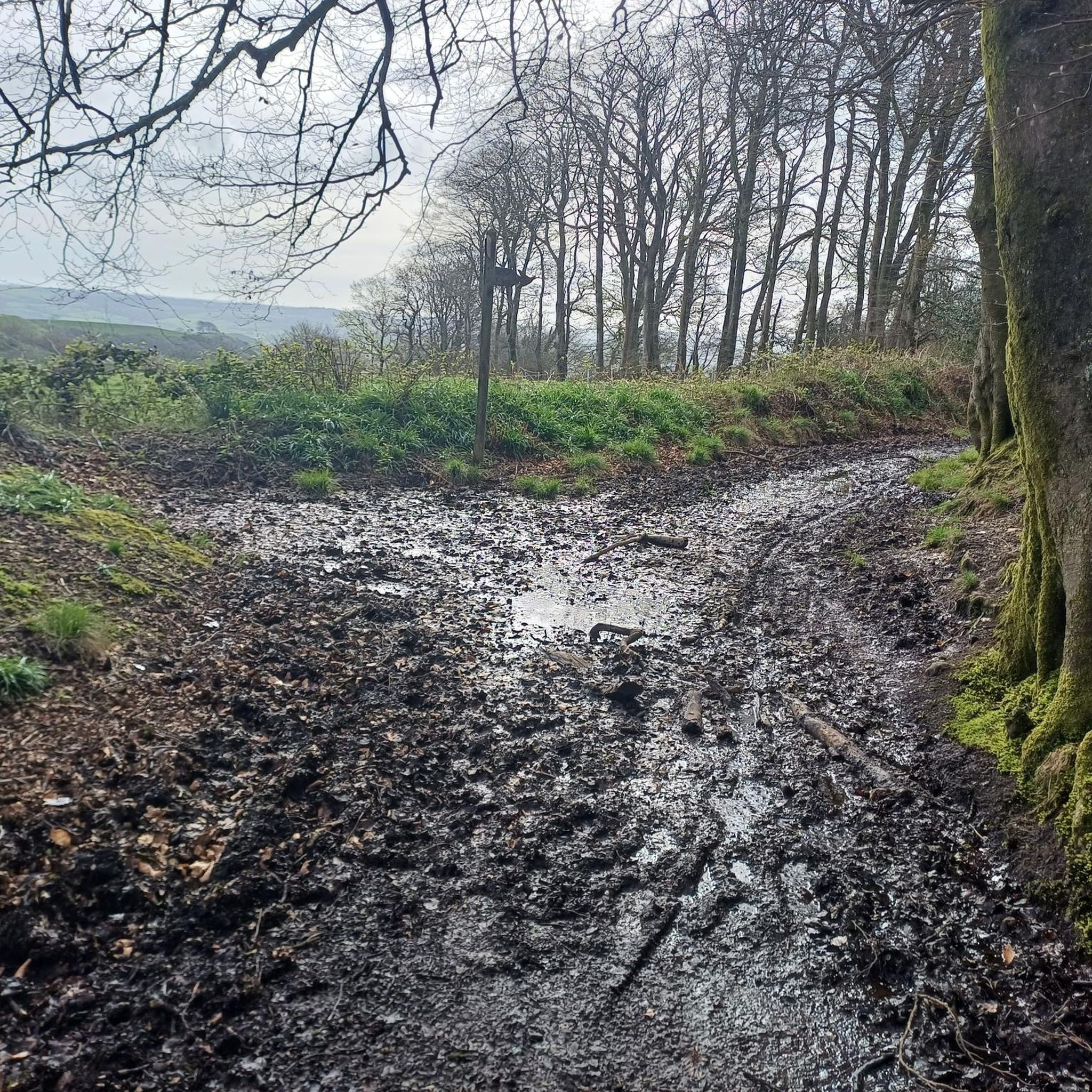
The summit of this hill represents the second highest point in Dorset, and from here, you'll have breathtaking panoramic views. At the top, there was an Iron Age hillfort, which was excavated in the mid-20th century.
0
0
At the heart of the village, you'll find this lovely church, with its churchyard, of which the oldest parts are known to date back to the 12th century, in a Norman Romanesque style. During the Victorian era, it underwent significant restoration, so you can see signs of this period in its exterior appearance.
0
0

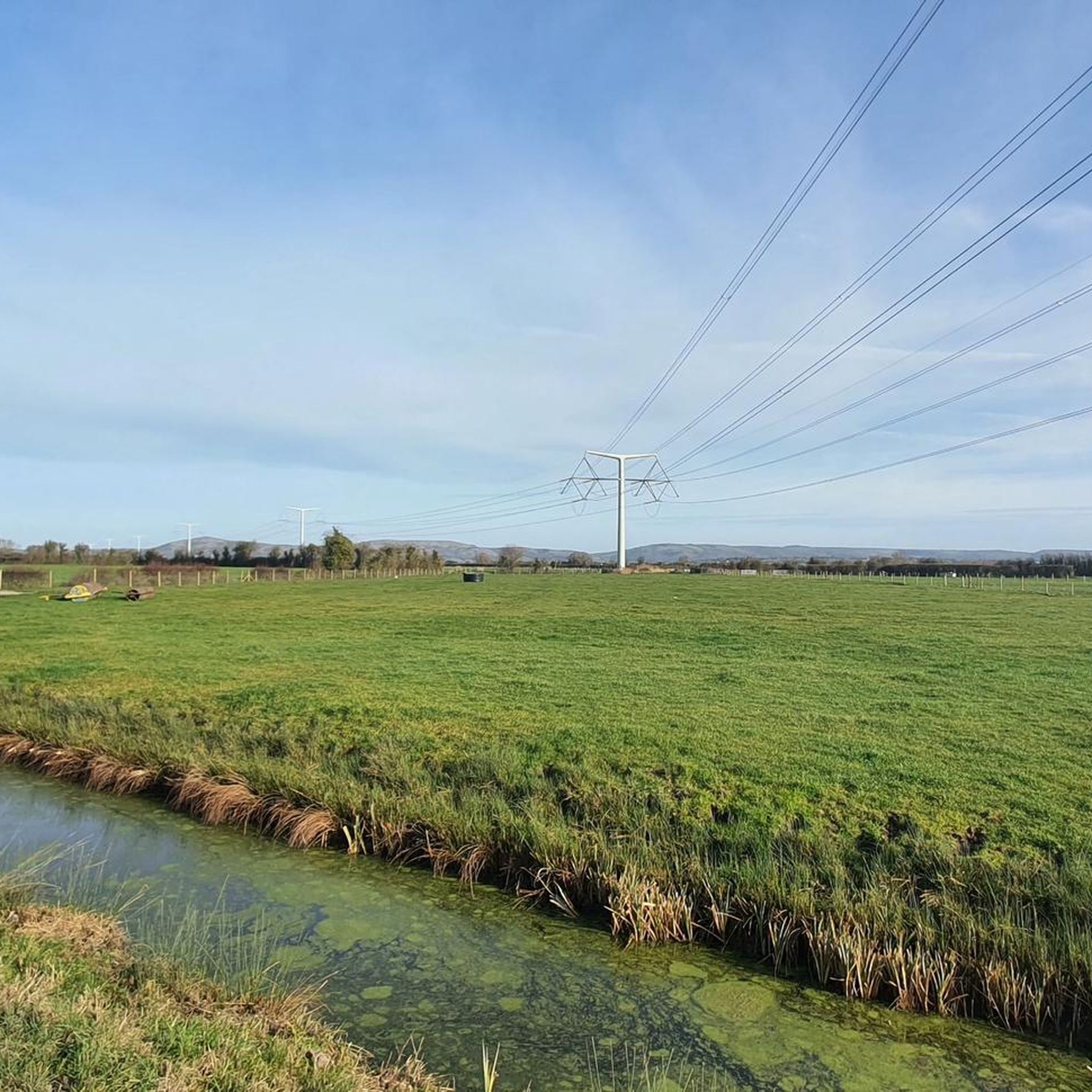
Set in the rolling hills of the Somerset and Dorset border. There are lots of pretty wildflowers and great views across the lovely blue waters, which attract a wide variety of butterflies such as Small Skipper and Marble White.
2
0

Good atmosphere, scenery and facilities (picnic area and loos)
0
0

Built in 1955 Sutton Bingham reservoir is managed by Wessex Water. It's a popular fishing and walking destination and a pretty spot for a stop off while riding around central Dorset. There is a public toilet and bike racks in the car park.
1
0

Sutton Bingham reservoir is filled with carp and trout, perfect place to stop for rest and use up any old bread, feeding the carp.
1
0
Frequently Asked Questions
What are the best natural features to explore around Mosterton?
The area around Mosterton offers several natural highlights. You can visit Sutton Bingham Reservoir, a popular spot for walking with wildflowers and views across the water. For panoramic vistas, head to Pilsdon Pen Summit and Trig Point, an Iron Age hillfort that is the second highest point in Dorset. Another ancient hillfort with lovely views is Lambert's Castle Hillfort, managed by the National Trust.
Are there historical sites or cultural landmarks near Mosterton?
Yes, Mosterton and its surroundings are rich in history. Forde Abbey and Gardens is a Grade I-listed building that was originally a Cistercian monastery from the 1100s, featuring cloisters, a Great Hall, and spectacular gardens. The picturesque Norton-sub-Hamdon Village, with its hamstone buildings, 17th-century manor house, and stone dovecote, offers a glimpse into the past. Additionally, St. Mary's Church in Mosterton, rebuilt in 1833, has a history dating back to the Domesday Book.
What outdoor activities can I do near Mosterton's attractions?
The area around Mosterton is excellent for outdoor activities. You can find numerous routes for hiking, including trails around Pilsdon Pen and Lewesdon Hill. There are also running trails, such as the Pit Close Copses loop from Mosterton. For cyclists, there are many cycling routes, including longer tours from nearby Crewkerne that pass through scenic areas like Norton-sub-Hamdon.
Are there any family-friendly attractions around Mosterton?
Families will enjoy several spots near Mosterton. Sutton Bingham Reservoir is a great place for a walk, and it has public toilets. Forde Abbey and Gardens offers expansive gardens and a cafe, making it suitable for a family outing. For a more hands-on experience, Foxdown Children's Farm, a short drive away, is an outdoor attraction for all ages.
Where can I find good viewpoints in the Mosterton area?
For stunning views, head to Pilsdon Pen Summit and Trig Point, which offers panoramic views of the rolling Dorset countryside, including Golden Cap, Marshwood Vale, and even the ocean on clear days. Lambert's Castle Hillfort also provides lovely views of the surrounding landscapes from its 840-foot elevation.
What are some lesser-known natural spots or 'hidden gems' near Mosterton?
Beyond the main attractions, the Dorset Wildlife Trust manages several nature reserves near Mosterton that are considered hidden gems. These include Bracketts Coppice, known for species like dormice, and Loscombe, a steep-sided valley. Other peaceful spots include South Poorton with its wildflower-rich grassland, and Hibbitts Woods, attractive ancient woodlands.
Is there parking available at attractions around Mosterton?
Yes, parking is available at some key attractions. Lambert's Castle Hillfort has a car park to its southwest. Sutton Bingham Reservoir also has a car park with public toilets and bike racks.
What is the best time of year to visit Mosterton for outdoor activities?
The best time to visit Mosterton for outdoor activities is generally during the spring, summer, and early autumn months (April to October). During these periods, the weather is typically milder and drier, making it ideal for hiking, cycling, and exploring the natural landscapes and gardens. Spring brings wildflowers, while autumn offers beautiful foliage.
Are there any pubs or cafes near the attractions in Mosterton?
Yes, you can find places to eat and drink. The Admiral Hood Pub in Mosterton itself is a local landmark. Near Forde Abbey and Gardens, there is a cafe on-site. In Norton-sub-Hamdon Village, there's an old pub where you can relax after exploring the hamlet.
What kind of wildlife can I expect to see in the Mosterton area?
The natural areas around Mosterton are home to diverse wildlife. At Sutton Bingham Reservoir, you can spot a wide variety of butterflies, such as Small Skipper and Marble White, among the wildflowers. Dorset Wildlife Trust reserves like Bracketts Coppice are known for species like dormice, and the Kingcombe National Nature Reserve is a haven for unspoiled countryside and its inhabitants.
Can I visit the Jurassic Coast from Mosterton?
Yes, Mosterton is within easy reach of the Jurassic Coast, a UNESCO World Heritage Site. This renowned coastline offers stunning cliffs, beaches, and opportunities for fossil hunting and coastal walks, making for an excellent day trip from the village.
Most popular routes around Mosterton
Most popular attractions around Mosterton

Get inspired with the komoot mobile app


Explore more
Still not found the Highlight you’re looking for? See guides of the top attractions in other regions:
