Attractions and Places To See around Braade - Top 16
Best attractions and places to see around Braade include a scarp cliff within the expansive Lough Navar Forest in County Fermanagh, Northern Ireland. This area is recognized as an Area of Special Scientific Interest (ASSI) due to its unique botanical significance, hosting rare plants like the moss *Orthodontium gracile*. The surrounding region offers a diverse landscape of forests, lakes, and historical sites, providing a range of experiences for visitors.
Best attractions and places to see around Braade
- The most popular…
Last updated: April 24, 2026
Lough Melvin
Highlight • Natural
Tip by

Castle Caldwell Ruins
Highlight • Castle
Tip by

Sign up now to discover places like this
Get recommendations on the best single tracks, peaks, & plenty of other exciting outdoor places.
Sign up for free
Janus Stones of Caldragh Cemetery
Highlight • Monument
Translated by Google •
Tip by

Tully Castle Ruins
Highlight • Castle
Tip by

View of Lough Erne from Cliffs of Magho
Highlight • Lake
Tip by

Sign up for free to discover even more attractions around Braade.
Sign up for free
Already have an account?
Start today with a free account
Your next adventure awaits.
Login or Signup
Tips from the Community

The shimmering waters of Lough Melvin attract anglers from around the world for its beauty and diverse fish. The lake is home to three unique species of trout, as well as salmon, and an endemic species of char, the Melvin charr. If you want to try your hand at fishing, you should purchase a license and consider renting a boat. The lake is 7.5 miles (12 km) long and 1.9 miles (3 km) wide and set amongst the beautiful green countryside along the border of County Leitrim and Country Fermanagh. If you are not into fishing, there's plenty of wonderful flora and fauna to enjoy too.
1
0

The viewpoint at the Cliffs of Magho is sensational. Enjoy panoramic views over Lough Erne and towards the Atlantic Ocean and Blue Stack mountains. Picnic benches, bins, and an information board are provided at the top.
4
0

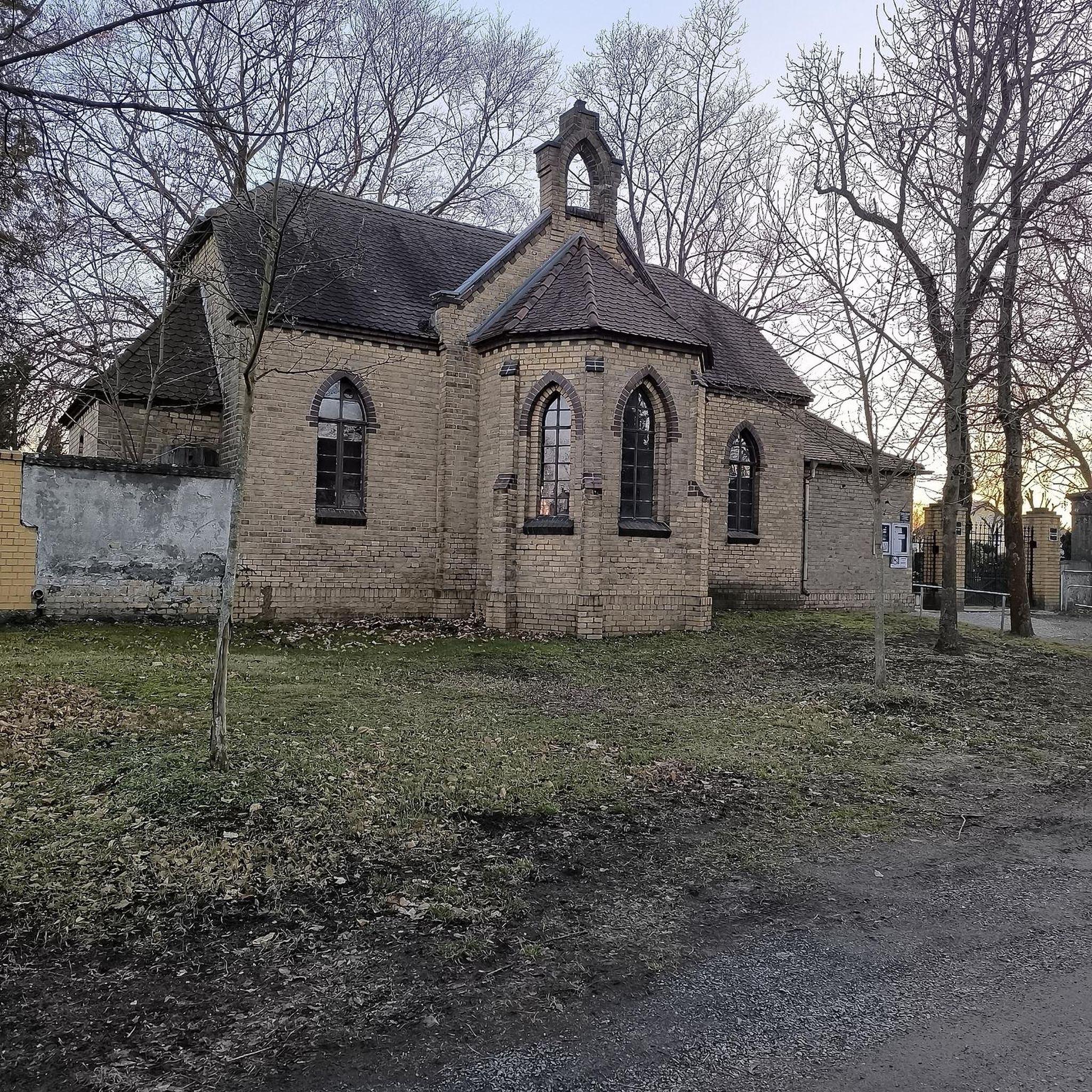
Built in the 17th century, Castle Caldwell was part of the Ulster Plantation, a province of Ireland colonised by British settles throughout King James I era. The castle had a number of inhabitants after that and fell into ruin towards the 1800s. Although access to the castle is now forbidden due to its dangerous state of repair, the surrounding park and forest can be explored freely. Keep your eyes peeled for the ruined chapel and overgrown graveyard.
1
0
This fortified house is on Tully Point and built for Sir John Hume who occupied the house until 1641 when it was attacked by John Maguire and burned on Christmas Eve with all its inhabitants massacred. After that it was not lived in again. There is a visitors centre in a restored farmhouse that has an interesting exhibition telling a number of stories relating to the castle. To visit the castle be sure to step off the bike as it is on foot only!
1
0
The shimmering waters of Lough Melvin attract anglers from around the world for its beauty and diverse fish. The lake is home to three unique species of trout, as well as salmon, and an endemic species of char, the Melvin charr. If you want to try your hand at fishing, you should purchase a license and consider renting a boat. The lake is 7.5 miles (12 km) long and 1.9 miles (3 km) wide and set amongst the beautiful green countryside along the border of County Leitrim and Country Fermanagh. If you are not into fishing, there's plenty of wonderful flora and fauna to enjoy too.
0
0
Built in the 17th century by Francis Blennerhasett of Norfolk, Castle Caldwell was once part of Ulster Plantation, a province of Ireland colonised by British settlers during the reign of King James I. The castle had various inhabitants over the centuries until it fell into ruin towards the end of the 1800s. Today, Castle Caldwell lies within Castle Caldwell Forest Park, a nature reserve on the banks of Lower Lough Erne. Although access to the castle is forbidden due to its ruinous state, you can visit the surrounding park for free. Look out for the ruined chapel and overgrown graveyard too.
0
0

This fortified house and bawn are set on Tully Point and were built for Sir John Hume who occupied the house until 1641 when it was attacked and burned on Christmas Eve by Rory Maguire and the inhabitants massacred. It was not lived in again. A visitor’s centre, located in a restored farmhouse, houses an exhibition telling local stories relating to the castle. (https://discovernorthernireland.com/things-to-do/tully-castle-p675521)
3
0

Breathtaking views of Lough Earne.
2
1
Frequently Asked Questions
What natural features can I explore around Braade?
Beyond Braade's unique scarp cliff, the region offers diverse natural beauty. You can visit Lough Melvin, known for its diverse fish species and scenic beauty. Within Lough Navar Forest, you'll find the picturesque Roogagh Waterfall and various hiking trails that lead through woodlands and offer views of the surrounding countryside.
Are there any historical sites or cultural landmarks near Braade?
Yes, the area is rich in history. You can explore the ancient Janus Stones of Caldragh Cemetery, unique pre-Christian stone figures on Boa Island. Other historical sites include the 17th-century Castle Caldwell Ruins, located within a forest park, and the fortified Tully Castle Ruins, which has a visitor's center sharing local stories. Enniskillen Castle and Florence Court are also notable historical attractions a short drive away.
What makes Braade itself an important natural site?
Braade is designated an Area of Special Scientific Interest (ASSI) due to its unique botanical significance. It is the only known Irish site for the rare moss *Orthodontium gracile* and the most easterly location in Northern Ireland for the scarce holly-fern. Its ecological importance makes it a key natural point of interest within the Lough Navar Forest.
What kind of hiking trails are available in Lough Navar Forest?
Lough Navar Forest offers a variety of hiking trails for different abilities. You can find trails like the Blackslee Waterfall Trail (4 miles), Lough Achork Trail, Whiterocks Trail (0.5 miles), Lough Slawn Trail (0.5 miles), and the Correl Glen Nature Trail. A section of the Ulster Way also passes through the forest. For more hiking options, check out the Hiking around Braade guide.
Are there options for cycling or mountain biking near Braade?
Yes, the area around Braade provides several routes for cyclists. For road cycling, you can explore routes like the Lough Melvin loop or the Kingfisher Cycle Trail - Northern Loop. Mountain bikers can tackle trails such as the Scarplands Cycle Trail or the more challenging Tully Castle to Cliffs of Magho viewpoint loop. Find more details in the Road Cycling Routes around Braade and MTB Trails around Braade guides.
Can I find easy or family-friendly walks around Braade?
Absolutely. Lough Navar Forest has several shorter, easier trails suitable for families, such as the Whiterocks Trail (0.5 miles) and Lough Slawn Trail (0.5 miles). The Roogagh Waterfall also features a short, family-friendly walk through woodland. For more options, look for routes marked as 'easy' in the Hiking around Braade guide, such as the Cliffs of Magho loop (4.5 km).
Is Lough Navar Forest suitable for families and dogs?
Lough Navar Forest is generally family-friendly, offering various trails and picnic spots. Many trails are also suitable for dogs, though it's always advisable to keep them on a lead, especially in areas with wildlife or near livestock. Specific highlights like Lough Melvin and Roogagh Waterfall are also popular with families.
What is the best time of year to visit Braade and the surrounding area?
The best time to visit Braade and the wider County Fermanagh area is typically during the spring and summer months (April to September) when the weather is milder and the natural landscapes are in full bloom. This period is ideal for hiking, cycling, and exploring outdoor attractions. Autumn also offers beautiful foliage, while winter can be quieter but may have more challenging weather conditions for outdoor activities.
Are there any notable viewpoints in the area?
Yes, the Lough Navar Forest is home to the Magho Viewpoint, which offers panoramic vistas of Lough Erne and the surrounding countryside. This viewpoint is accessible via the 7-mile Lough Navar Forest Drive.
Where can I find unique wildlife around Braade?
Lough Navar Forest is home to diverse wildlife, including red deer and squirrels. The Braade ASSI itself is significant for rare plant species like the moss *Orthodontium gracile* and the holly-fern. Lough Melvin is particularly notable for its unique fish species, including three types of trout, salmon, and the endemic Melvin charr, making it a great spot for nature observation.
Are there any wheelchair accessible routes near Braade?
While Braade itself, being a scarp cliff, may not have specific accessible routes, some parts of Lough Navar Forest or other nearby attractions might offer more accessible paths. It's recommended to check specific trail information or contact local visitor centers for the most up-to-date details on wheelchair-friendly options in the broader County Fermanagh area.
What are some other natural attractions within the Cuilcagh Lakelands UNESCO Global Geopark?
Lough Navar Forest, where Braade is located, is part of the Cuilcagh Lakelands UNESCO Global Geopark. Beyond Braade, the Geopark features the impressive Marble Arch Caves, a series of natural limestone caves, and the iconic Cuilcagh Boardwalk Trail, often called 'Ireland's Stairway to Heaven,' offering a challenging hiking experience on Cuilcagh Mountain.
Most popular attractions around Braade

Get inspired with the komoot mobile app


Explore more
Still not found the Highlight you’re looking for? See guides of the top attractions in other regions:
