The best walks and hikes around Marshwood
4.5
(1505)
10,519
hikers
17
hikes
Hiking around Marshwood offers diverse landscapes characterized by wetlands, woodlands, and historical hillforts. The region features varied terrain, from gentle marshland paths to more elevated routes around ancient castles and hills. Hikers can explore areas with rich ecosystems, including oak-pine forests and coastal marshes, providing opportunities to observe local flora and fauna. This blend of natural beauty and historical significance makes Marshwood a compelling destination for outdoor activities.
Best hiking trails around Marshwood
- The most popular hiking route is Lambert…
Last updated: August 31, 2026
4.3
(3)
17
hikers
7.67km
02:12
180m
180m
Moderate hike. Good fitness required. Easily-accessible paths. Suitable for all skill levels.
12
hikers
7.72km
02:14
200m
200m
Moderate hike. Good fitness required. Easily-accessible paths. Suitable for all skill levels.

Sign up for free
2
hikers
1.53km
00:29
20m
10m
Easy hike. Great for any fitness level. Easily-accessible paths. Suitable for all skill levels.
5.0
(1)
44
hikers
Easy hike. Great for any fitness level. Easily-accessible paths. Suitable for all skill levels.
3.0
(3)
7
hikers
9.58km
02:46
240m
240m
Moderate hike. Good fitness required. Easily-accessible paths. Suitable for all skill levels.
Get access to more routes and recommendations from other explorers.
Sign up for free
Already have an account?
Our route recommendations are based on thousands of hikes, rides, and runs completed by other people on komoot.
Start today with a free account
Your next adventure awaits.
Login or Signup
Popular around Marshwood
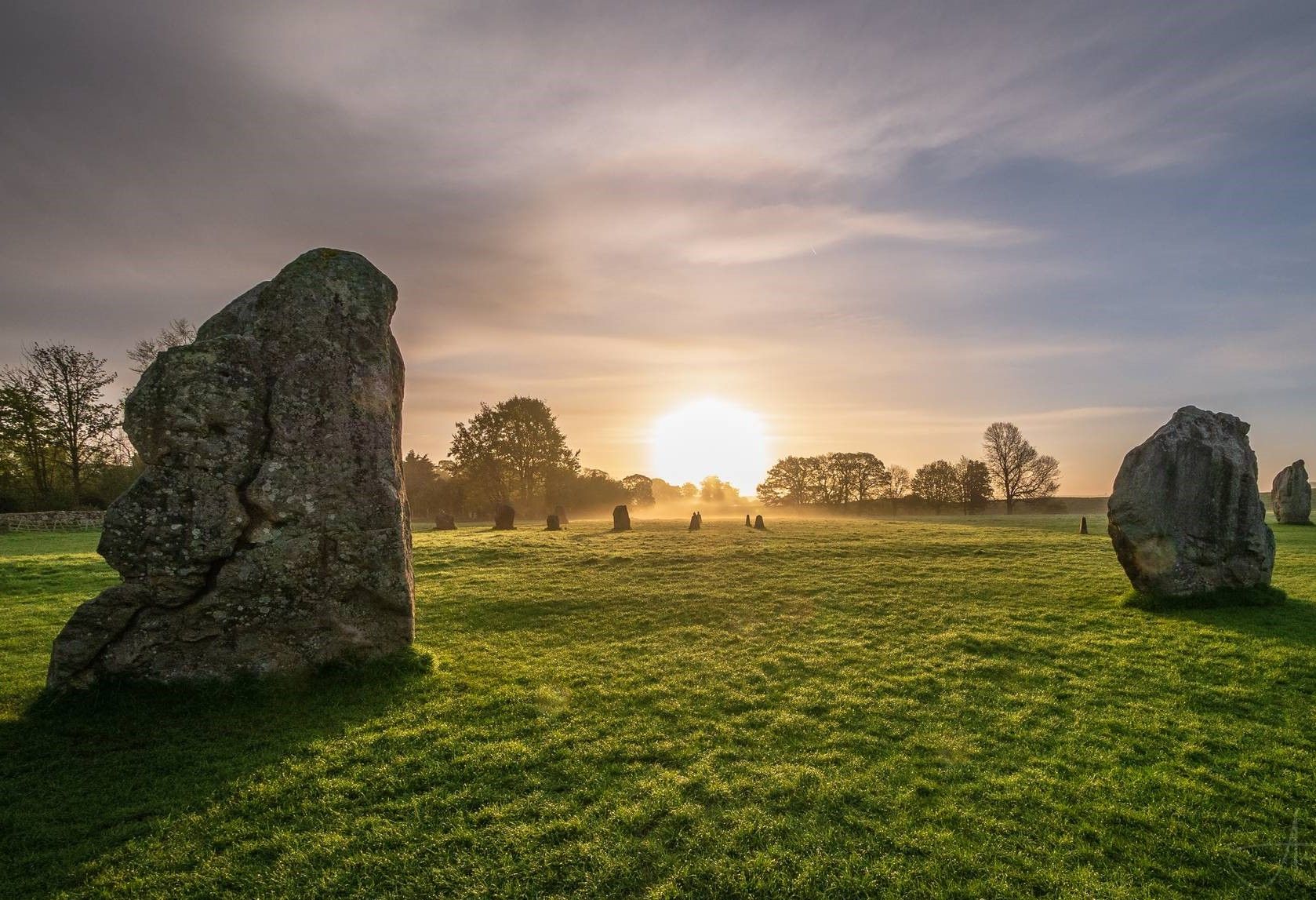
Celtic Way — An epic pilgrimage through prehistory and wild beauty
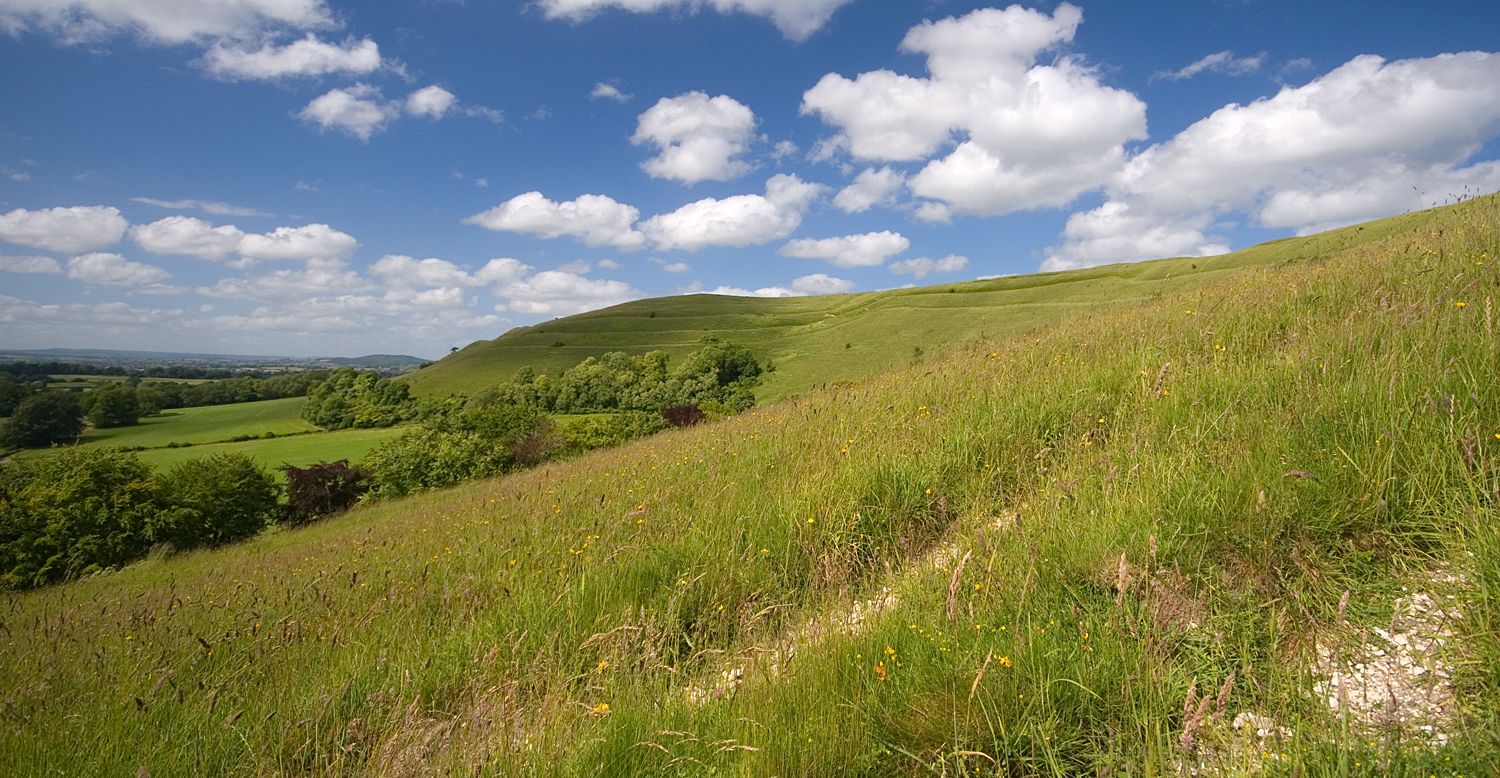
Roaming the ramparts of Dorset's hillforts — National Trust
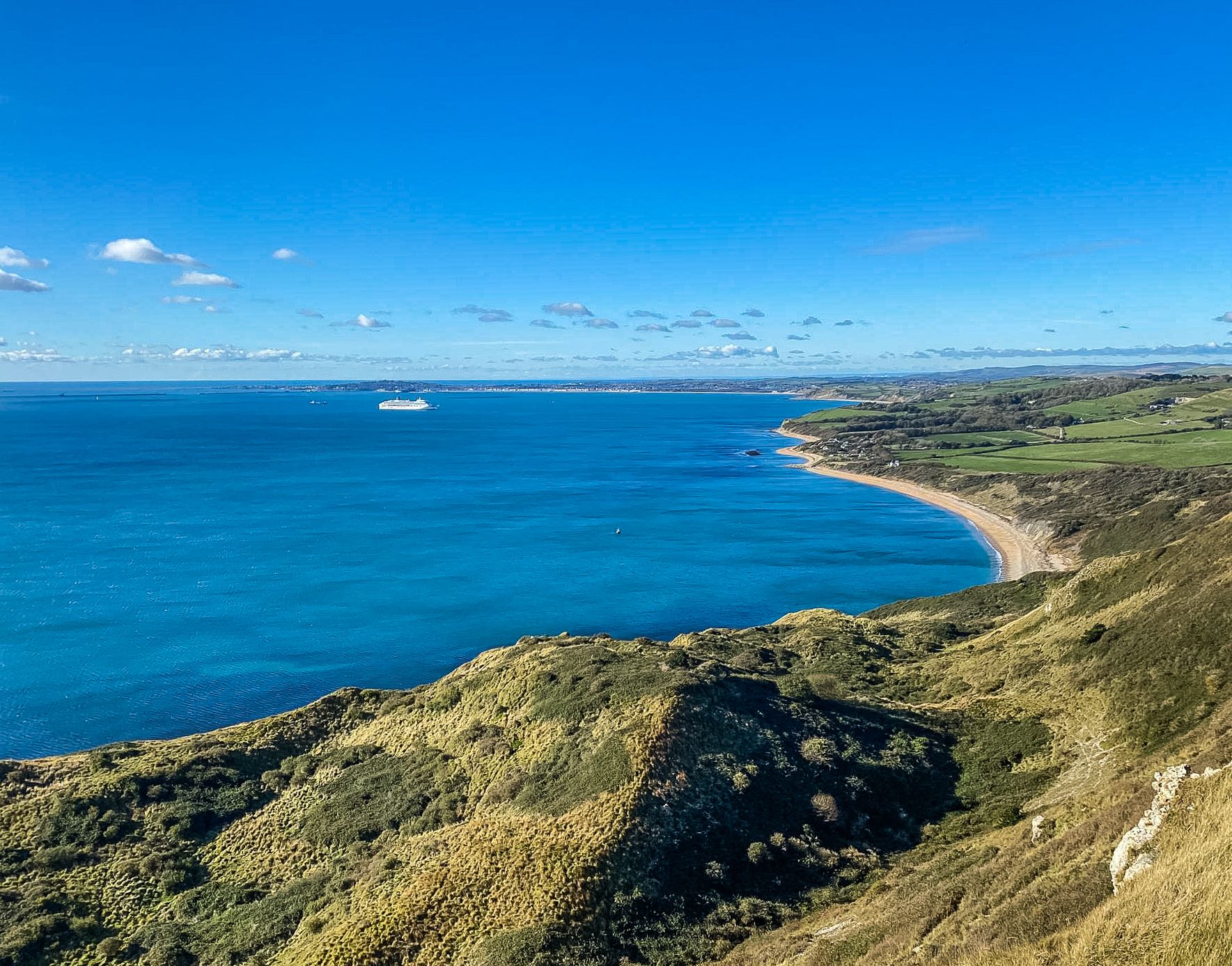
20 fantastic trails in North & West Dorset — National Trust
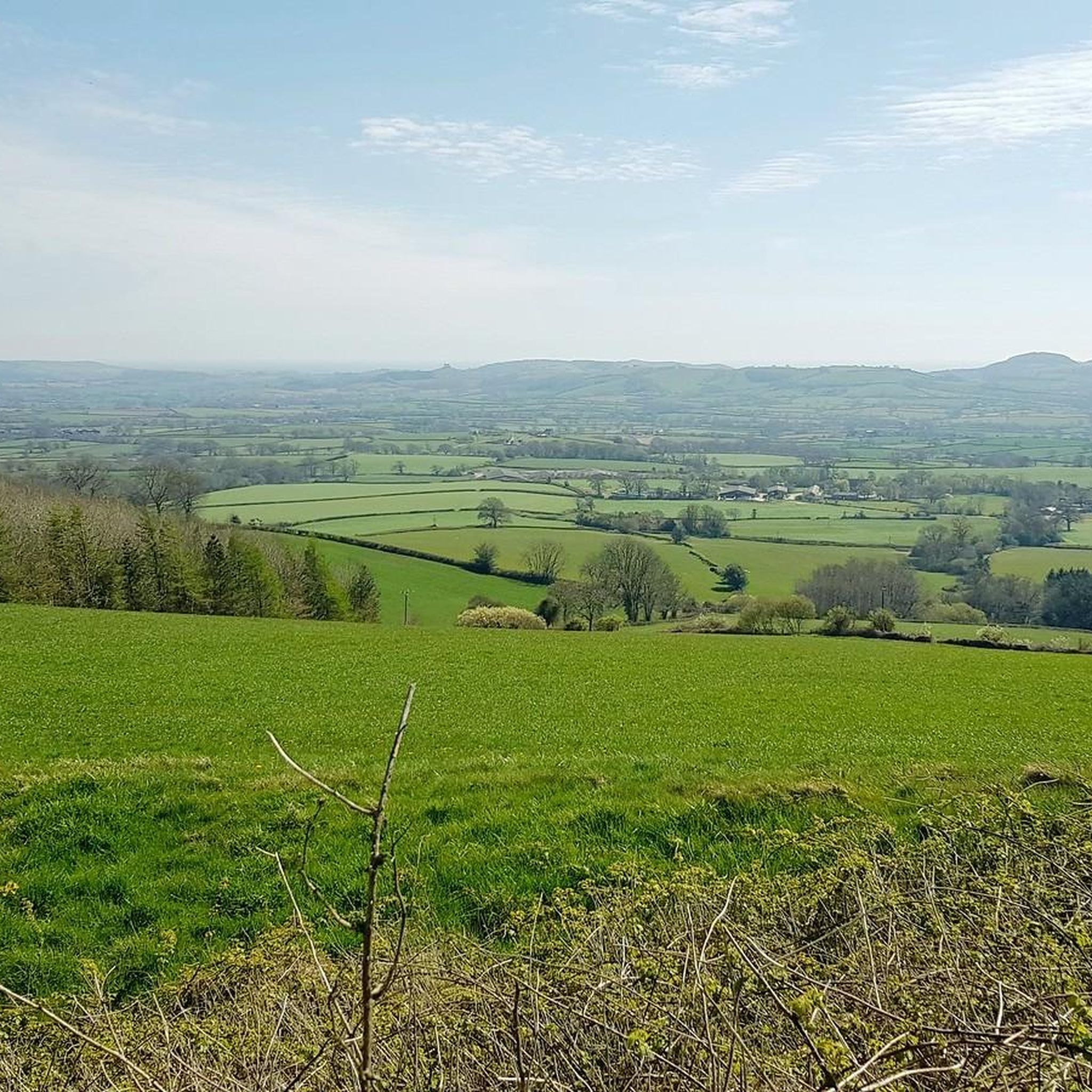
MTB Trails around Marshwood
Road Cycling Routes around Marshwood
Running Trails around Marshwood
Cycling around Marshwood
Other adventures around Marshwood


Tips from the Community

St Stephen’s Church in Bettiscombe is a beautiful, rural country church nestled in the heart of West Dorset's Marshwood Vale, tucked just below the high ridge of Pilsdon Pen. Here are the key things to know about it:Architecture & HistoryWhile the setting feels ancient, much of the building you see today is the result of a sensitive Victorian restoration completed in 1862. It was rebuilt in the early Perpendicular style by John Hicks, a prominent Dorchester architect whose office notably employed a young apprentice named Thomas Hardy—the future world-renowned author. Hicks left the medieval west tower intact and incorporated a few 14th-century elements into his design, including original medieval windows in the chancel. Inside, the church features an exquisite font carved by the noted Victorian craftsman Benjamin Grassby. The Pinney Family & The "Screaming Skull"The church is deeply tied to the history of nearby Bettiscombe Manor and the Pinney family, who served as manorial lords. Underneath the nave's stone floor-slabs lie several 17th- and 18th-century memorials to the family. The churchyard is also the legendary starting point for Dorset's famous "Screaming Skull" ghost story. According to local lore: In the 18th or 19th century, a Pinney family member returned from their West Indies plantation with an enslaved African servant. On his deathbed, the man swore his spirit would never rest unless his body was returned to his homeland. Instead, he was buried here in St Stephen’s churchyard. Legend has it that terrifying screams and moans immediately began emitting from the grave. The body was eventually exhumed and moved into the manor house to stop the hauntings, where the skull remains to this day. (Modern forensic analysis actually revealed the skull belonged to a prehistoric European woman, though the legend persists!) Community Life TodayToday, St Stephen's is a peaceful focal point for the tiny, close-knit hamlet of Bettiscombe. It is part of the Golden Cap Benefice and holds regular monthly services, including traditional countryside celebrations like "blessing the tractors" during harvest festivals.
0
0
Located on the southern edge of Pilsdon Pen, Lob Gate serves as the primary gateway for exploring Dorset’s historic landscape. It is home to the main National Trust car park on the B3164, providing the easiest and most popular trail up to the ancient Iron Age hillfort. Before ascending the 909-foot peak, walkers at Lob Gate can enjoy panoramic views that stretch across the rolling Marshwood Vale all the way to the coast.
0
0
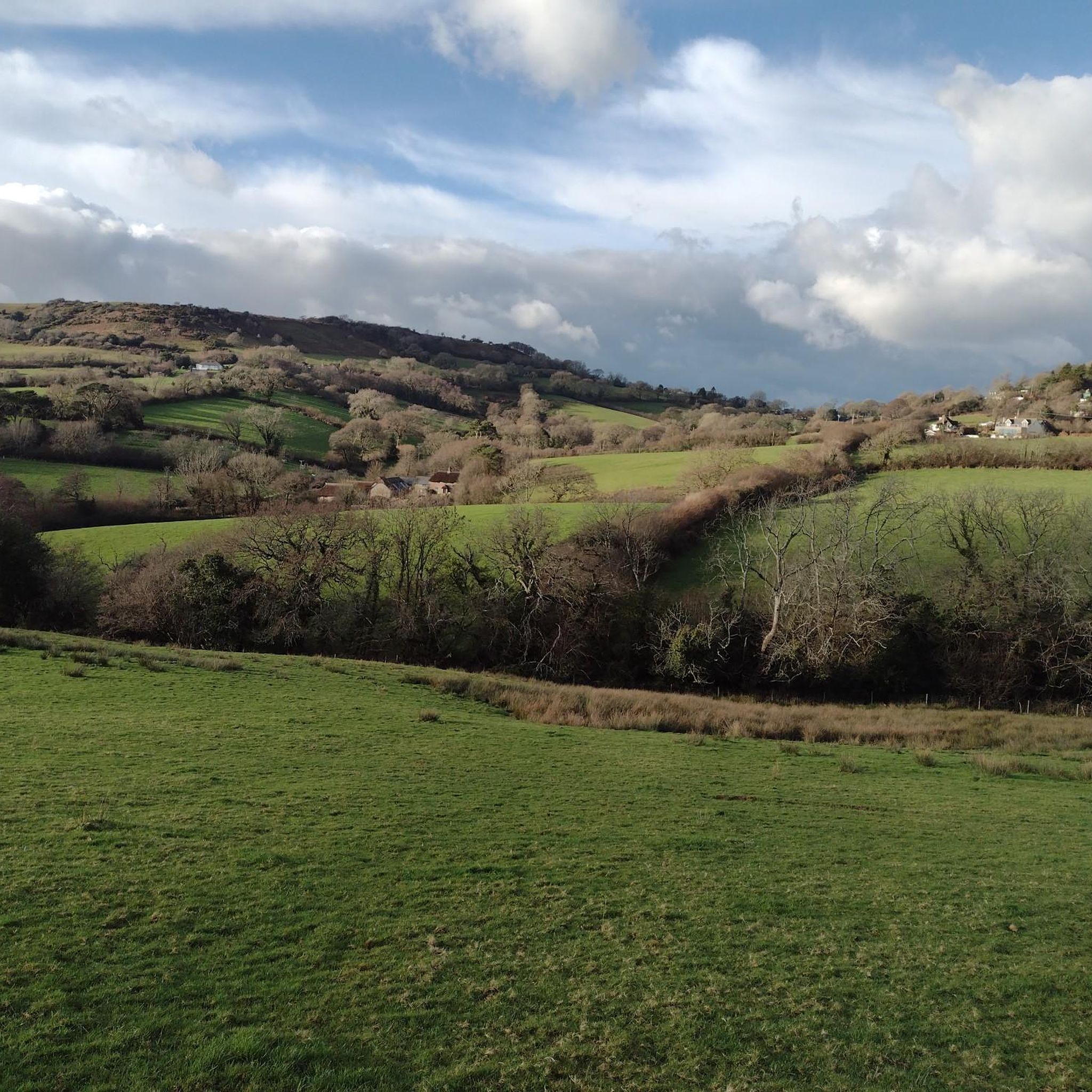
Gazing south from the high ridges of Pilsdon Pen, the lush Dorset countryside rolls out toward Symondsbury in a vibrant patchwork of green hills and deep dales. Punctuating the horizon is the unmistakable, tree-crowned peak of Colmer’s Hill, guiding the eye across spectacular views that reach all the way to the coast.
0
0
Nestled at the foot of Pilsdon Pen, Bettiscombe Manor is a striking 17th-century brick house famous for its haunting legend of the "Screaming Skull". Today, the historic estate is celebrated for its enchanting, flower-filled gardens evolving beautifully under the creative eye of British fashion designer Jasper Conran.
0
0
Tucked away in the peaceful hamlet of Pilsdon, a mythical resident quietly keeps watch. Hidden within a private cottage garden, a charming stone unicorn sculpture peeks out from beneath trailing ivy and vibrant foxgloves. It adds a touch of pure magic and whimsy to this ancient, historic Dorset landscape.
0
0
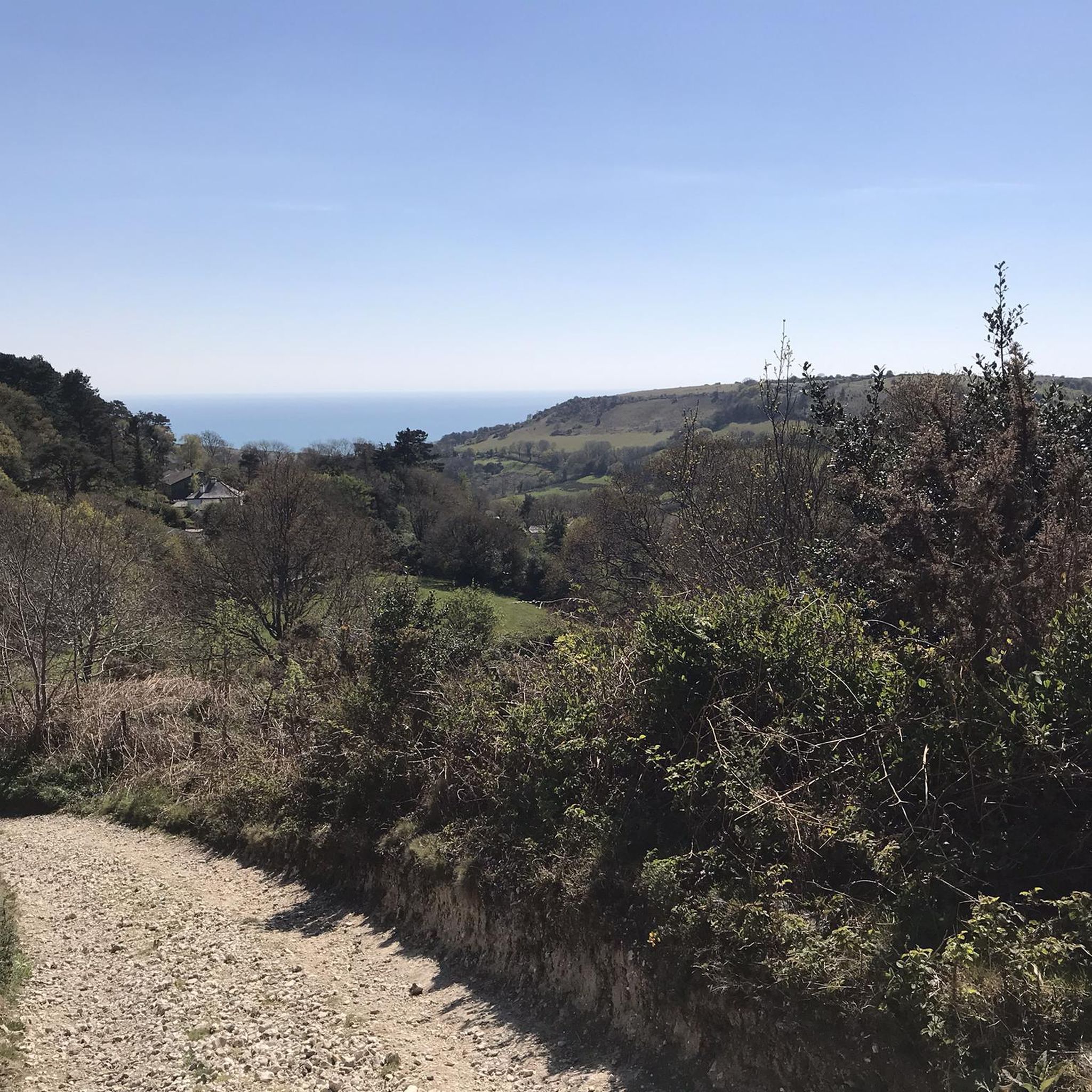
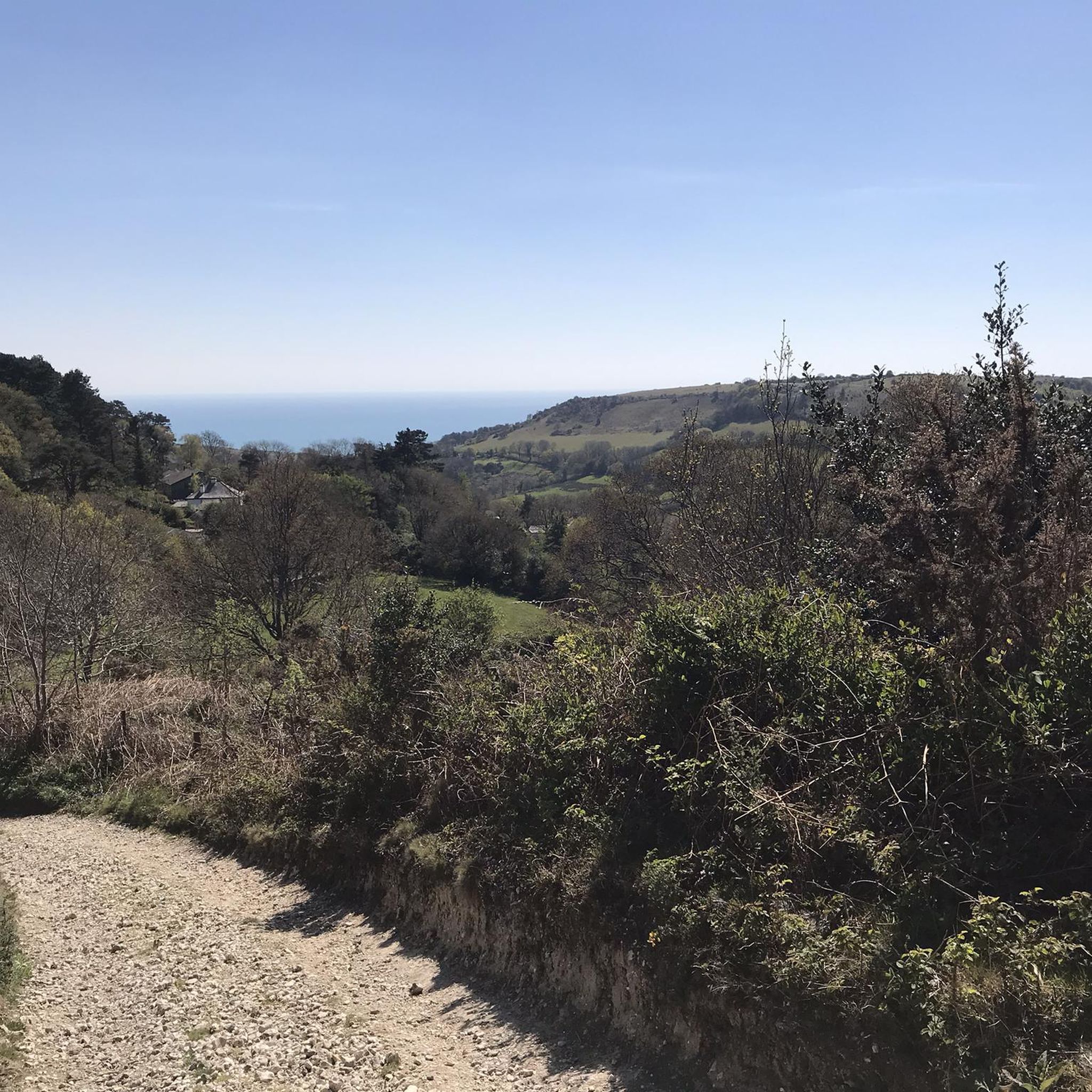
From the Pilsdon Pen car park, you are treated to a stunning, sweeping panorama of West Dorset’s rolling hills. Looking south, the lush Marshwood Vale opens up dramatically, framed by distant coastal ridges near Charmouth. It is an expansive, breathtaking introduction to the landscape before you even begin the hill climb.
0
0
From the trig point at Pilsdon Pen summit, you get spectacular, wide-open views across Dorset. Looking south, the eye sweeps over the lush farmlands and rolling hills of the Marshwood Vale, extending all the way down to Bridport and the dramatic cliffs of the Jurassic Coast.
0
0
If you look toward the southeast from the ramparts of Lambert’s Castle, you’ll spot a strange, grey shape tethered to the horizon like a giant stone ship trying to escape into the Channel. That’s the Isle of Portland! Here is why that view is a total showstopper: The Floating Pebble: From this distance, Portland looks less like a peninsula and more like a massive, flat-topped "block" of limestone floating on the water. It’s the full stop at the end of the Jurassic Coast sentence. The Chesil Connection: On a super-clear day, you can just make out the thin, golden thread of Chesil Beach stretching toward it. It looks like a delicate tightrope connecting the island to the mainland. The "Giant’s Breadcrumb": Because Portland is made of that famous white stone (the same stuff used to build St. Paul’s Cathedral), it often catches the light and glows like a beacon against the dark blue of Lyme Bay. It’s roughly 20 miles away as the crow flies, so if you can see the lighthouse at Portland Bill, you’ve basically got superhero vision!
0
1
Frequently Asked Questions
How many hiking trails are available around Marshwood?
Marshwood offers a diverse selection of over 15 hiking trails, ranging from easy strolls to more moderate climbs. These routes explore varied landscapes, including wetlands, woodlands, and historical hillforts.
What types of landscapes can I expect to see while hiking in Marshwood?
Hiking in Marshwood allows you to experience a blend of natural beauty and historical significance. The region is characterized by varied marshlands, dense woodlands, and ancient hillforts. You might encounter ecosystems similar to Appalachian oak-pine forests, wetlands, and areas with historical stone walls, offering a glimpse into the region's past agricultural landscape.
Are there any easy or beginner-friendly hiking routes in Marshwood?
Yes, Marshwood has several easy routes suitable for beginners or those looking for a relaxed walk. There are 7 easy trails available. A good option is Lambert's Castle — National Trust North and West Dorset, a 0.9-mile (1.5 km) trail that leads through historical grounds.
What do other hikers enjoy most about the trails in Marshwood?
The hiking routes in Marshwood are highly rated by the komoot community, with an average score of 4.5 stars from over 970 reviews. Hikers often praise the varied terrain, the blend of natural beauty with historical sites like the hillforts, and the opportunities to explore different ecosystems.
What kind of wildlife can I expect to see on Marshwood's hiking paths?
Marshwood's diverse ecosystems support a variety of wildlife. Depending on the specific trail and time of year, you might spot animals such as turtles, frogs, deer, and moose. The area is also excellent for birdwatching, with species like blackbirds, ducks, herons, and marsh wrens commonly observed.
Are there any notable viewpoints or landmarks along the hiking trails?
Yes, Marshwood offers several scenic viewpoints and historical landmarks. You can find stunning views from locations like Golden Cap Summit, Pilsdon Pen Summit and Trig Point, and Colmer's Hill. Many trails also pass by ancient hillforts, such as those found on the Lambert and Coney's Castles route.
Are there any circular hiking routes in Marshwood?
Yes, many of the trails in Marshwood are designed as loops, allowing you to start and end at the same point. An example is the Wootton Hill, Lambert's and Coney's Castle loop, which combines scenic hills with ancient castle sites.
Are the hiking trails in Marshwood suitable for families with children?
Many of Marshwood's trails are suitable for families, especially the easier routes that offer gentle paths through woodlands and marshlands. These trails provide opportunities for children to observe nature and explore historical sites. Consider routes with shorter distances and less elevation gain for younger hikers.
Is Marshwood a dog-friendly hiking destination?
Marshwood is generally a dog-friendly area, with many trails suitable for walking with your canine companion. However, it's always recommended to keep dogs on a leash, especially in areas with livestock or sensitive wildlife habitats, and to check specific trail regulations before you go.
What is the best time of year to hike in Marshwood?
Marshwood offers enjoyable hiking experiences throughout the year. Spring and autumn provide pleasant temperatures and vibrant scenery, with spring bringing new growth and autumn showcasing colorful foliage. Early to late spring is particularly good for birdwatching in wetland areas like Ladd Marsh (Oregon), which shares similar characteristics with Marshwood's ecosystems. Summers are generally warm, while winters can offer a different, quieter perspective of the landscape.
Are there any historical sites or remnants of past settlements to explore?
Yes, Marshwood and similar marshland regions often hold historical significance. You can find remnants of past agricultural landscapes, such as historical stone walls, along trails. Some areas, like Marsh Creek State Park (Pennsylvania), even have submerged villages or colonial settlement remnants, offering a unique historical context to your hike.
What should I bring for a hike in Marshwood?
For hiking in Marshwood, it's advisable to wear appropriate footwear for varied terrain, including potentially muddy or uneven paths. Bring water, snacks, and layers of clothing to adapt to changing weather conditions. Binoculars are recommended for birdwatching, and a camera to capture the scenic views and wildlife.
Most popular attractions around Marshwood

Get inspired with the komoot mobile app


Explore more
Browse the best Hikes in other regions.
