Top 14 Natural Monuments around Clyst St George
Best natural monuments around Clyst St George include significant natural attractions within a rich ecological landscape. The area features the Otter Estuary Nature Reserve, the River Clyst and its floodplains, and ancient hedgerows. These elements contribute to the parish's rural character and provide diverse habitats for wildlife. The region offers opportunities to explore varied natural features, from coastal formations to riverine environments.
Best natural monuments around Clyst St George
- The most popular natural monuments is Otter Estuary Nature Reserve,…
Last updated: October 13, 2026
Otter Estuary Nature Reserve
Highlight (Segment) • Natural Monument
Tip by

Orcombe Point and the Geoneedle
Highlight • Viewpoint
Tip by

Sign up now to discover places like this
Get recommendations on the best single tracks, peaks, & plenty of other exciting outdoor places.
Cockwood Harbour
Highlight • Viewpoint
Tip by

Woodbury Castle — Iron Age hillfort
Highlight • Forest
Tip by
Langstone Rock
Highlight • Viewpoint
Tip by
Sign up for free to discover even more natural monuments around Clyst St George.
Already have an account?
Start today with a free account
Your next adventure awaits.

Tips from the Community

Beautiful view of the famous Langstone Rock.
0
0

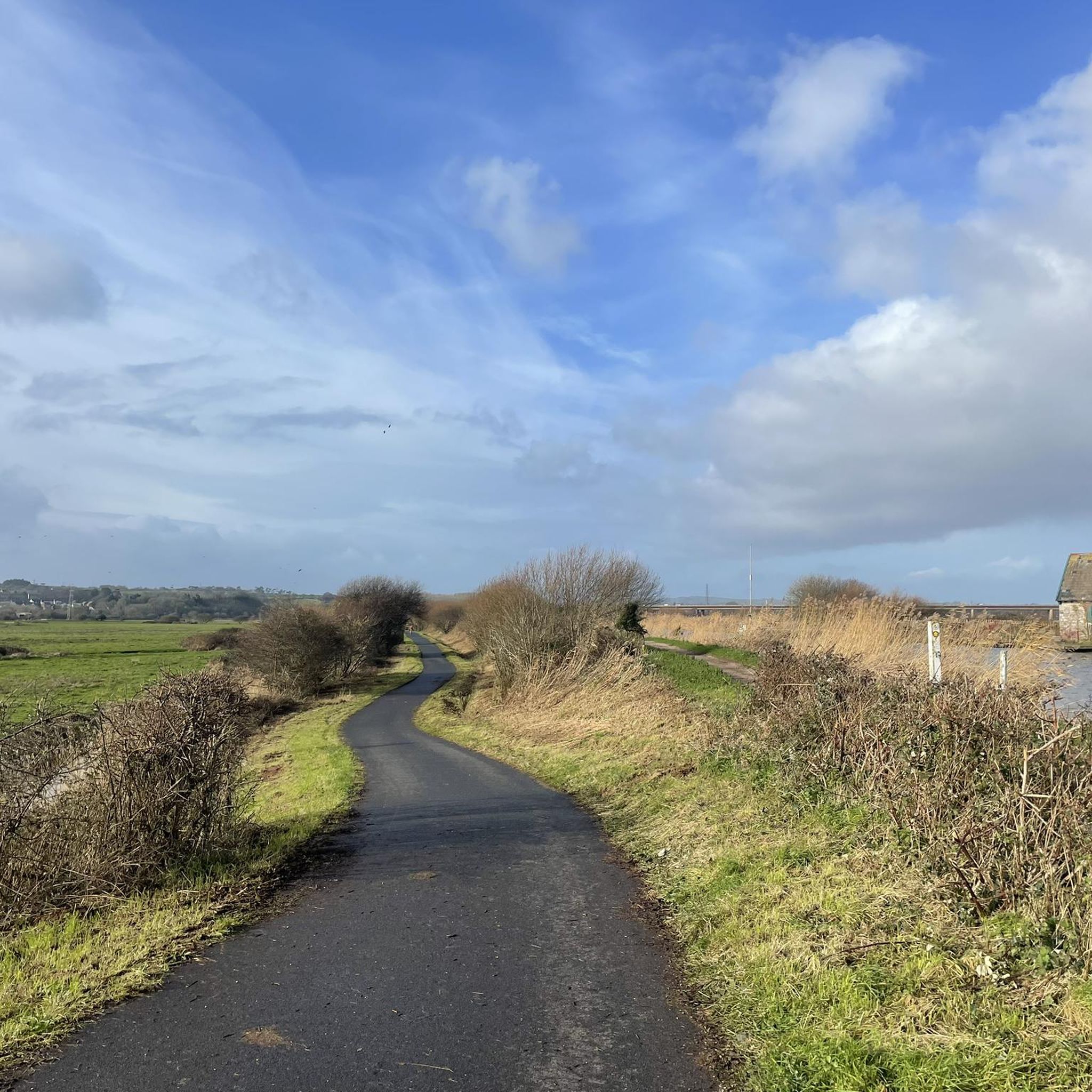
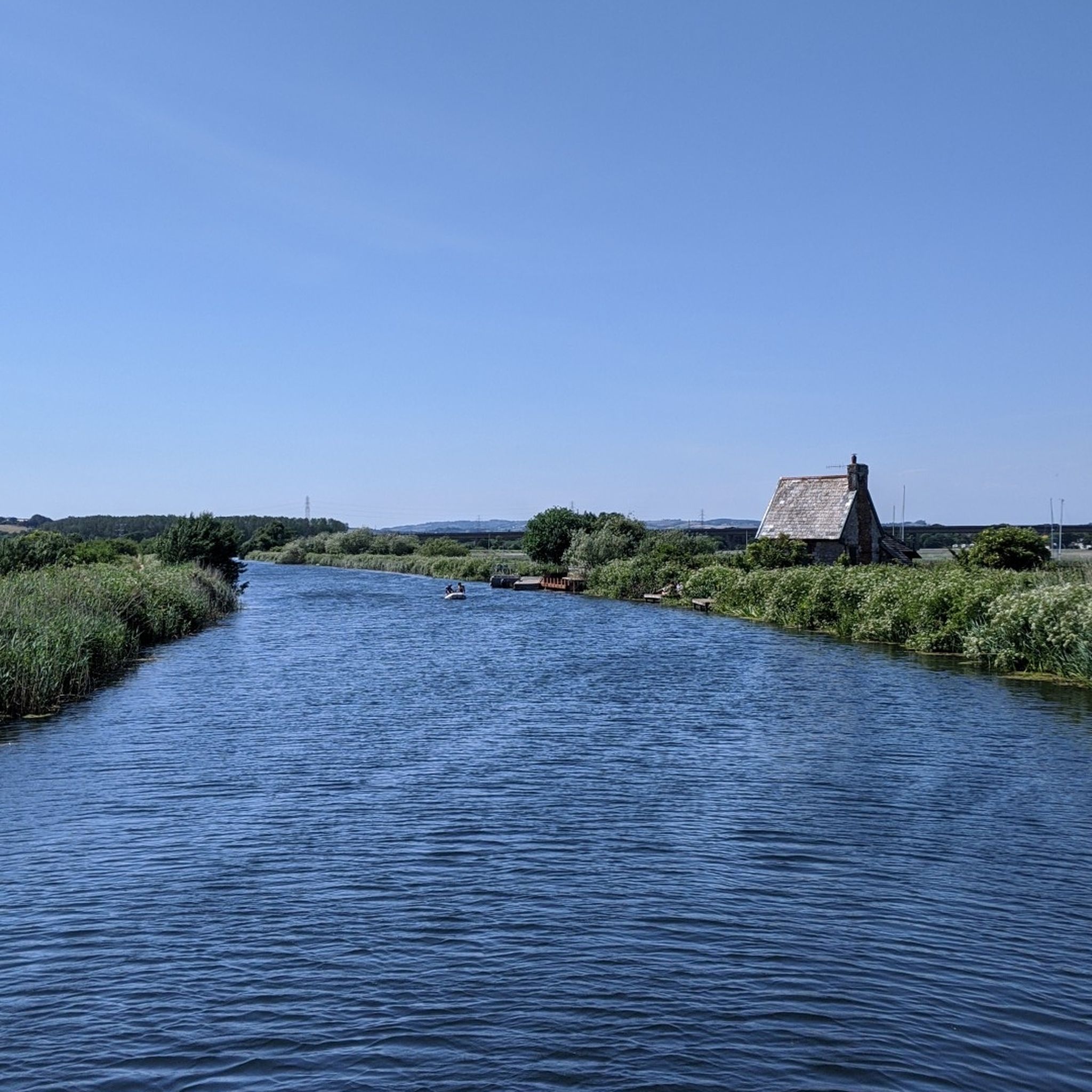
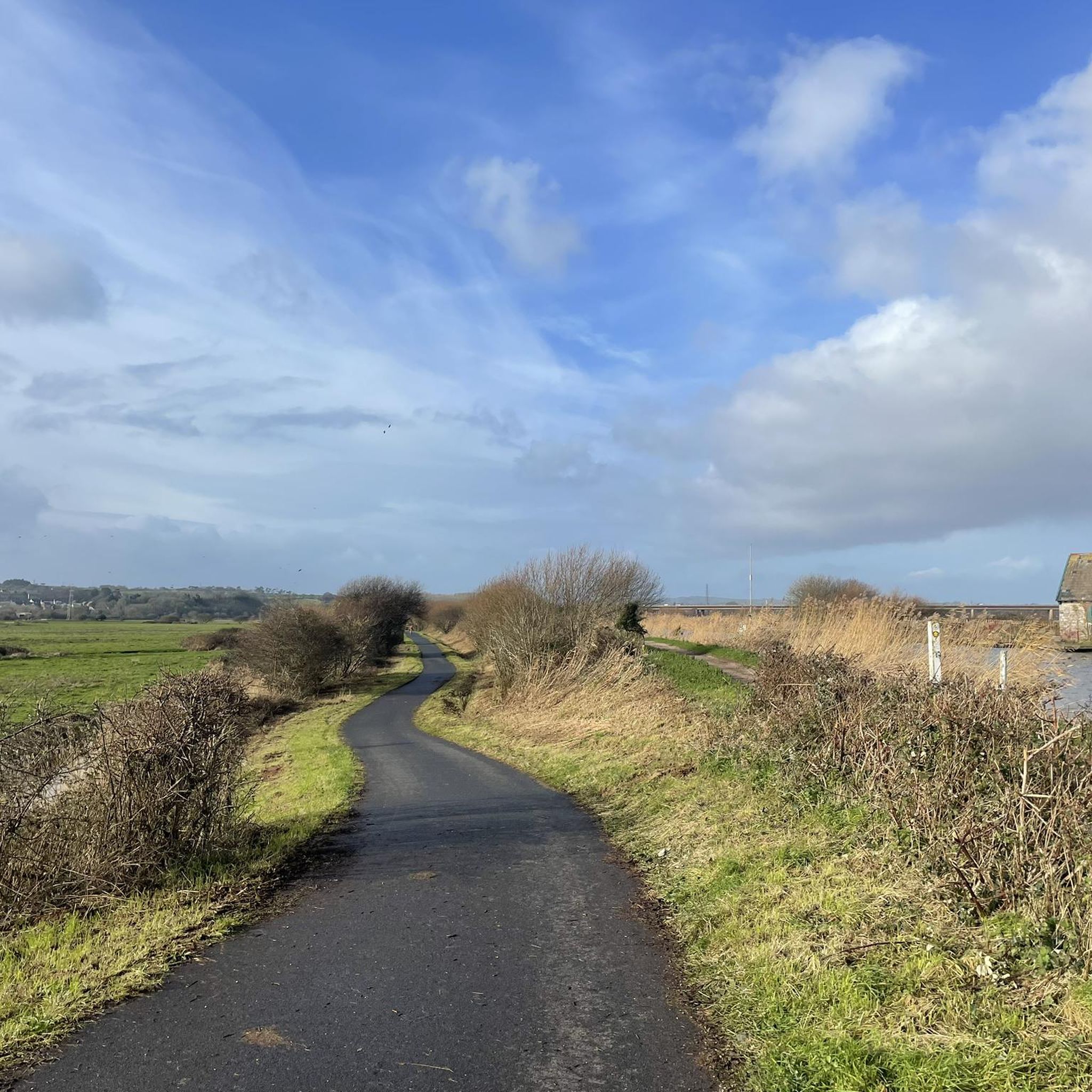
Beautiful walk and perfect opportunity to see wildlife
0
0

If you plan ahead, or if you are lucky, you can walk along the beach around Orcombe point when it is low tide. And from down here you are given a different perspective of the red cliffs of the jurrasic coast. The red sandstone cliif tower above you and boulders lay strewn across the beach from landslides in decades gone by. Continue walking the beach, being wedged between the sea and cliffs, but with plenty of space not to scare you, until you reach the slope up to Sandy bay park. Lots of refreshments await you, and the firework sound of gun fire, on a day when the troops test their rifles.
2
0

check the tide. If it's low you can walk back along the. beach. Nice cliffs with plenty of caves and boulders to explore and scramble over.
2
0

Devon, England that marks the start of the Jurassic Coast World Heritage Site. The Geoneedle represents the rock types found along the Jurassic Coast. It was commissioned from artist Michael Fairfax and unveiled by the Prince of Wales in 2002.
2
0
Orcombe Point is a coastal feature near Exmouth, The two beaches are part of a long strip of sand and are connected to each other below Orcombe Point at low tide. Sited high upon the hill, Orcombe Point is marked by the "Geoneedle", which was unveiled by Prince Charles, in 2002. The Geoneedle is constructed from a variety of different stones, representing both the major building stones to be found on the Jurassic Coast and the sequence of rocks that form this part of the coastline.
2
0

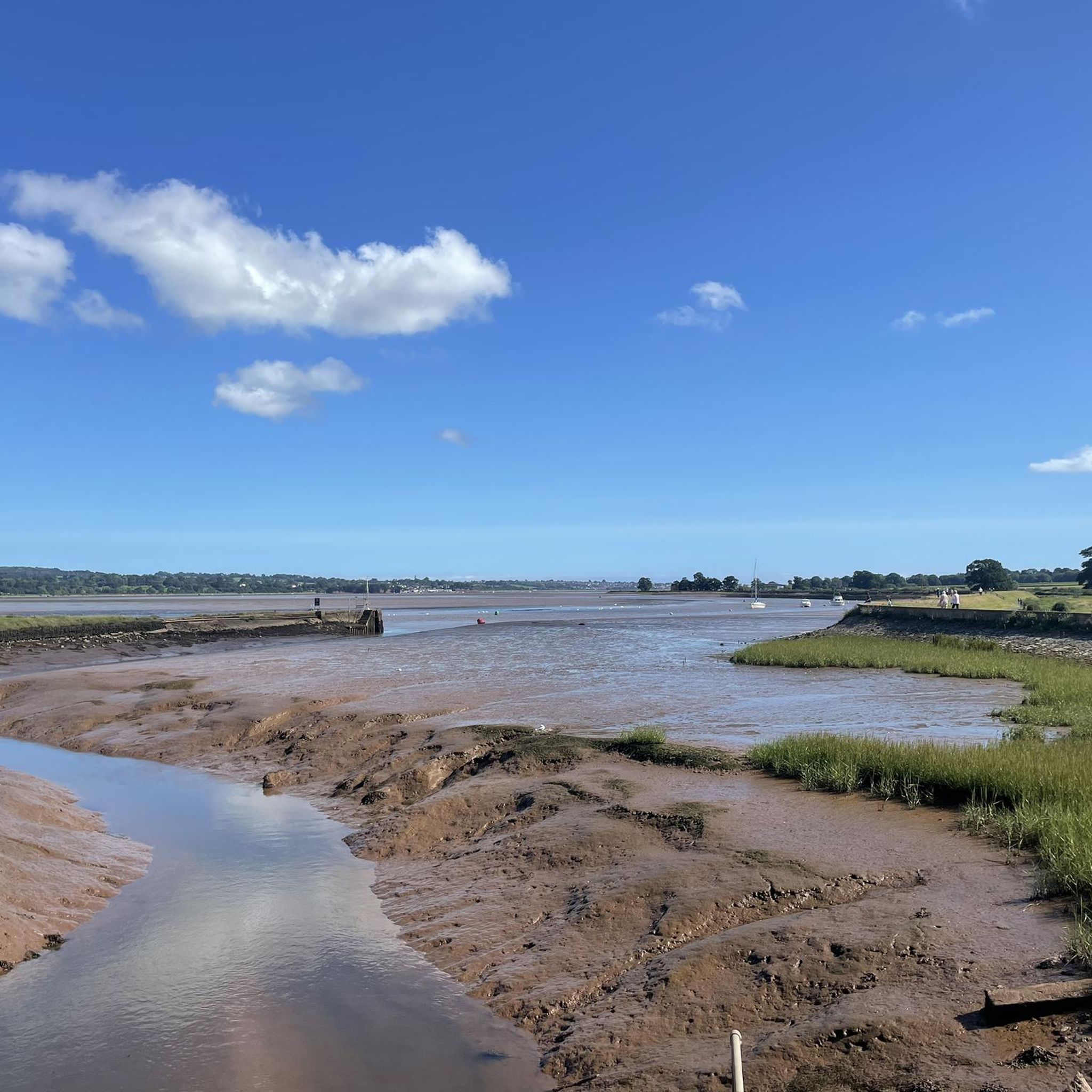
With over 120 species of bird recorded on the site, the River Otter Estuary Nature Reserve is the perfect place for bird watching. The estuary covers around 33 hectares and is a designated site of Special Scientific Interest. The Otter Estuary has an intertidal habitat of mudflats and saltmarshes, making it an ideal home for a number of fish, birds and other marine life. If you have a keen eye, you can often spot things such as mud shrimps and a host of wading birds like the Ringed Plover, Curlew, Black tailed Godwit, Dunlin, Common Sandpiper, Redshank and Brent Goose. Occasionally, you’ll find rarer birds including avocet and glossy ibis. Whatever time of year you visit, you’ll spot something new depending on the birds migratory habits, so every trip is a unique experience. As well as birds, the estuary is a great place for spotting otters and is home to England’s first population of native wild beavers. Around ten years ago, beavers reappeared on the River Otter and now there is a happy and healthy colony of beavers living at the estuary. While visiting, be sure to follow these guidelines: Be considerate of other users, make way when paths are narrow and be quiet and respectful when exploring Take all your litter with you Do not approach any wildlife Keep dogs under control, especially around other people and wildlife Always bag and bin dog waste Cycling is not permitted Watersports are only for the beach, not the estuary to protect wildlife, so please launch any boards or paddles from the beach. Only use the designated areas for BBQs and picnics
2
0
Frequently Asked Questions
What are some of the most significant natural monuments to visit near Clyst St George?
Beyond the well-known Otter Estuary Nature Reserve, which is a nationally important wildlife habitat, you can explore Orcombe Point and the Geoneedle, marking the westernmost point of the Jurassic Coast. Another notable spot is Budleigh Salterton Beach, a beautiful pebble beach flanked by red sandstone cliffs, also part of the Jurassic Coast World Heritage Site.
What makes the Otter Estuary Nature Reserve a significant natural monument?
The Otter Estuary Nature Reserve is a nationally important wildlife habitat and a Site of Special Scientific Interest (SSSI). It features fine saltmarsh, mudflats, reed beds, and scrub, supporting diverse plants and animals. It's particularly renowned for birdwatching, especially between October and March, and is home to various mammals including otters and beavers. The area offers over 5 km of footpaths, connecting with the South West Coast Path.
Are there any geological natural monuments in the area?
Yes, the area is rich in geological features. Orcombe Point and the Geoneedle is a prime example, showcasing imposing red-colored steep cliffs and the Geoneedle monument itself, which represents the geology of the Jurassic Coast. Budleigh Salterton Beach also features stunning red sandstone cliffs, forming part of this ancient coastline.
What is the best time of year to visit the natural monuments around Clyst St George?
The best time to visit depends on your interests. For birdwatching at the Otter Estuary Nature Reserve, October to March is ideal for overwintering birds. In spring and early summer, the ancient hedgerows are vibrant with wildflowers like primrose and bluebell. The coastal areas, like Budleigh Salterton Beach, are enjoyable during warmer months for walks and views.
Are there family-friendly natural monuments around Clyst St George?
Absolutely! Many natural monuments in the area are suitable for families. The Otter Estuary Nature Reserve offers easy footpaths for exploring wildlife. Orcombe Point and the Geoneedle provides an engaging historical and geological experience. Budleigh Salterton Beach is also a great family spot with a flat beachside road and amenities.
Can I bring my dog to the natural monuments in Clyst St George?
Many outdoor areas around Clyst St George are dog-friendly, but it's always best to check specific regulations for each site, especially nature reserves, where dogs may need to be on a lead to protect wildlife. The Exe Estuary Trail, which runs along the western boundary of the parish, is generally dog-friendly for walks and cycles.
What outdoor activities can I do near these natural monuments?
The region offers a variety of outdoor activities. You can enjoy running on trails like the 'Exe Estuary Trail – View over the Exe Estuary loop' or cycling routes such as 'Exe Estuary Trail – Exe Estuary Trail loop'. For more adventurous cyclists, there are gravel biking routes like 'Topsham to Woodbury Common'. You can find more details on these activities in the Running Trails around Clyst St George, Cycling around Clyst St George, and Gravel biking around Clyst St George guides.
Are there historical sites among the natural monuments?
Yes, Woodbury Castle — Iron Age hillfort is a significant historical site. This ancient hillfort, now covered in beech trees, features exceptional earthworks and interpretation boards explaining its archaeological importance. It's located within the Pebblebed Heaths Conservation Area, blending natural beauty with rich history.
What kind of wildlife can I expect to see?
The region is a haven for wildlife. At the Otter Estuary Nature Reserve, you can spot various wildfowl and waders, including redshank, curlew, and red-breasted merganser, along with elusive cetti's warblers and kingfishers. Mammals like dormice, bats, and otters inhabit the lower Otter Valley. The ancient hedgerows and mature trees also support diverse birds, small mammals, and insects, including buzzards, ravens, owls, and woodpeckers.
What are the easiest natural monument walks near Clyst St George?
For easy walks, consider the footpaths around the Otter Estuary Nature Reserve, which offer over 5 km of trails. The Exe Estuary Trail, running along the western boundary of the parish, is also predominantly flat and provides accessible walking and cycling opportunities with scenic views.
Are there any coastal natural monuments or viewpoints?
Definitely. Orcombe Point and the Geoneedle offers panoramic views and marks the start of the Jurassic Coast. Budleigh Salterton Beach provides stunning views of red sandstone cliffs and the sea. Additionally, Cockwood Harbour, a small tidal harbour on the Exe Estuary, offers picturesque views of boats and the railway line along the coast.
What do visitors enjoy most about the natural monuments around Clyst St George?
Visitors frequently appreciate the diverse natural beauty, from the rich birdlife at the Otter Estuary Nature Reserve to the dramatic geological formations of the Jurassic Coast at Orcombe Point. The tranquility of the River Clyst's floodplains and the historical significance of sites like Woodbury Castle are also highly valued. The opportunities for walking, cycling, and observing wildlife in a peaceful setting are often highlighted.
Where can I find information about the ancient hedgerows in the area?
Clyst St George features important boundary hedges and mature trees, integral to the parish's rural character and ecological value. Devon is known for having more hedgerows than any other county, with many being over 800 years old. These hedgerows form crucial habitats and wildlife corridors. For more general information on hedgerows in Devon, you can visit devon.gov.uk.
Most popular routes around Clyst St George
Most popular attractions around Clyst St George

Get inspired with the komoot mobile app


Explore more
Extend your search for the best caves by checking out these guides of the top ones around Clyst St George:
