Attractions and Places To See around Bicester - Top 20
Best attractions and places to see around Bicester include a diverse range of historical sites, cultural landmarks, and natural areas. This historic market town in Oxfordshire blends historical charm with modern appeal, offering access to both urban and natural attractions. The surrounding countryside features green fields, meadows, and nature reserves, providing tranquil green spaces and scenic trails. Visitors can explore a variety of sites, from ancient churches to unique historical motoring hubs.
Best attractions and places to see around Bicester
- The most popular attractions is Brill Windmill, a viewpoint that offers spectacular views across Oxfordshire. This 17th-century mill is one of the oldest still standing in the UK.
- Another must-see spot is St Mary’s Church, Hampton Poyle, a religious building situated on the edge of a village amidst fields. Built of local stone, it features 13th-century architecture and historical effigies.
- Visitors also love Tusmore House, a man-made monument known for its classical architecture. This grand estate is recognized for its scale and craftsmanship.
- Bicester is known for historical sites, religious buildings, and viewpoints. The area offers a variety of attractions to see and explore, from ancient structures to natural landscapes.
- The attractions around Bicester are appreciated by the komoot community, with more than 260 upvotes and 91 photos shared by visitors.
Last updated: October 5, 2026
Brill Windmill
Highlight • Viewpoint
Tip by

St Mary’s Church, Hampton Poyle
Highlight • Religious Site
Small and simple
Two stone corbels greet you at the large oak entrance door, which opens into the south aisle. The core of the church is a simple 13th-century chapel, consisting of a nave and chancel. The north and south aisles were added in the 14th century and the double bellcote at the west end is thought to date from the early 18th century.
The chancel
The chancel contains some fine features from the 13th-century ‘Early English’ period, including a lancet window and a priest’s door on the south side. The three-light east window, with its geometric tracery, dates from the late 13th century. The glass was renewed in the Victorian period. Medieval stained glass from about 1400 survives in the lights at the top of the window in the north side. They represent the symbols of the four Evangelists. The ornate marble reredos behind the altar, and the tiles at the side, were added in the Victorian period.
The north aisle
The two recumbent effigies in the north aisle are said to represent Walter de la Poyle, who became Lord of the Manor in 1267, and Catherine, Lady of the Manor, who died in 1489. The window on the left of the north wall shows the arms of Walter de la Poyle, and the brass fixed to the wall represents John Poyle (d. 1424) and his wife Elizabeth. Low down towards the east end of the wall there is a niche containing what is thought to be a ‘heart-stone’ for the separate burial of a heart.
Interlocking arms
Between the nave and north aisle is an octagonal pillar with a capital showing the upper halves of four figures with their arms linked. This style of 14th-century sculpture is more common in churches further north in Oxfordshire, including Adderbury and Bloxham.
The Parish
Previously a parish in its own right, Hampton Poyle has been served by the Kidlington Team Ministry for a number of years and was united with the Parish in 1997.
Condemned clergy
Hampton Poyle’s 16th-century priest Richard Thomason was allegedly condemned to hang in chains from Duns Tew steeple for his opposition to the first prayer book of Edward VI. The 17th-century rector Edward Fulham was forced to resign and flee abroad on account of his strong Royalist views and his opposition to Puritanism.
Tip by

Sign up now to discover places like this
Get recommendations on the best single tracks, peaks, & plenty of other exciting outdoor places.
Diamond Jubilee Obelisk, Tusmore Park
Highlight • Historical Site
Tip by

Tusmore House
Highlight • Monument
The house is on the scale of the great houses of the 18th century. Its portico of solid stone rivals that of the church of St Martin-in-the-Fields in London.
The quality of the scagliola columns in the central rotunda has been compared with the finest craftsmanship of the imperial palaces of St Petersburg.
The owner and architects refused to be drawn on costs but the house has been valued at £35 million.
telegraph.co.uk/news/uknews/1475634/The-English-country-house-rises-once-more.html
Tip by

Flora Thompson's Childhood Home
Highlight • Historical Site
Tip by
Sign up for free to discover even more attractions around Bicester.
Already have an account?
Start today with a free account
Your next adventure awaits.
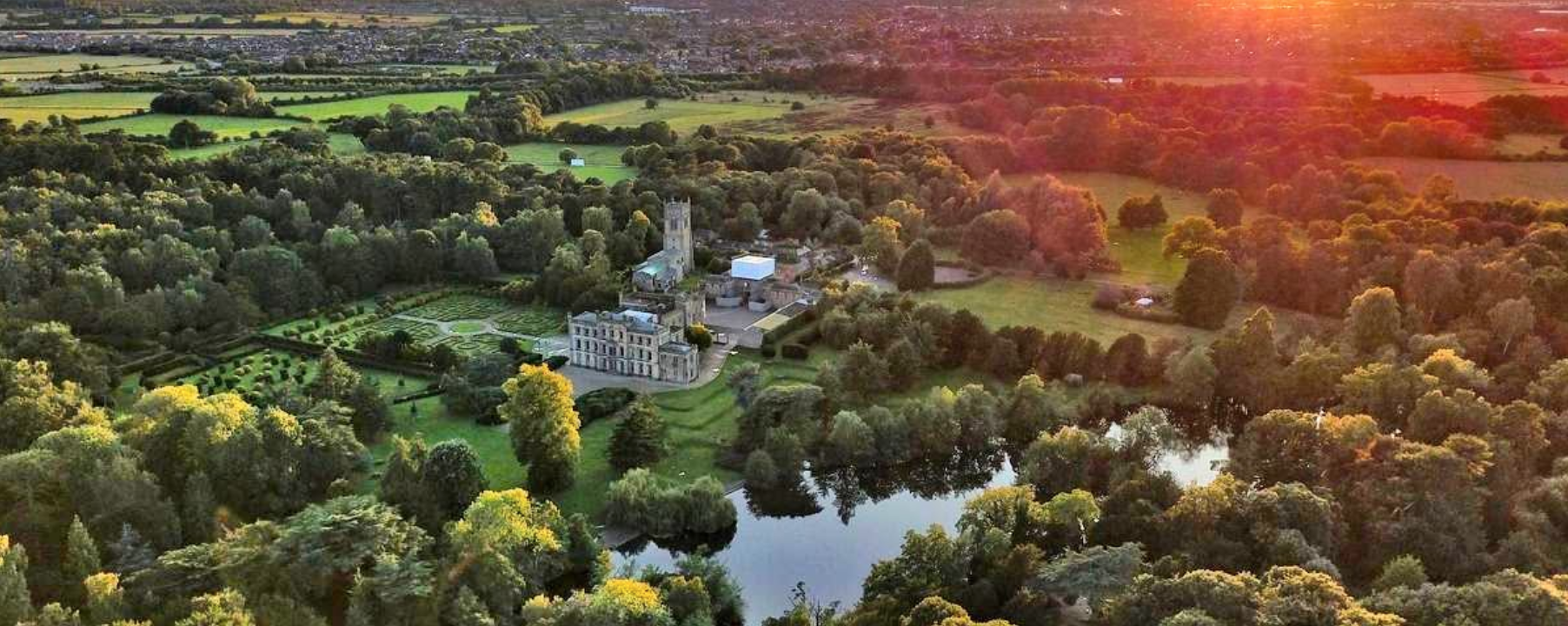
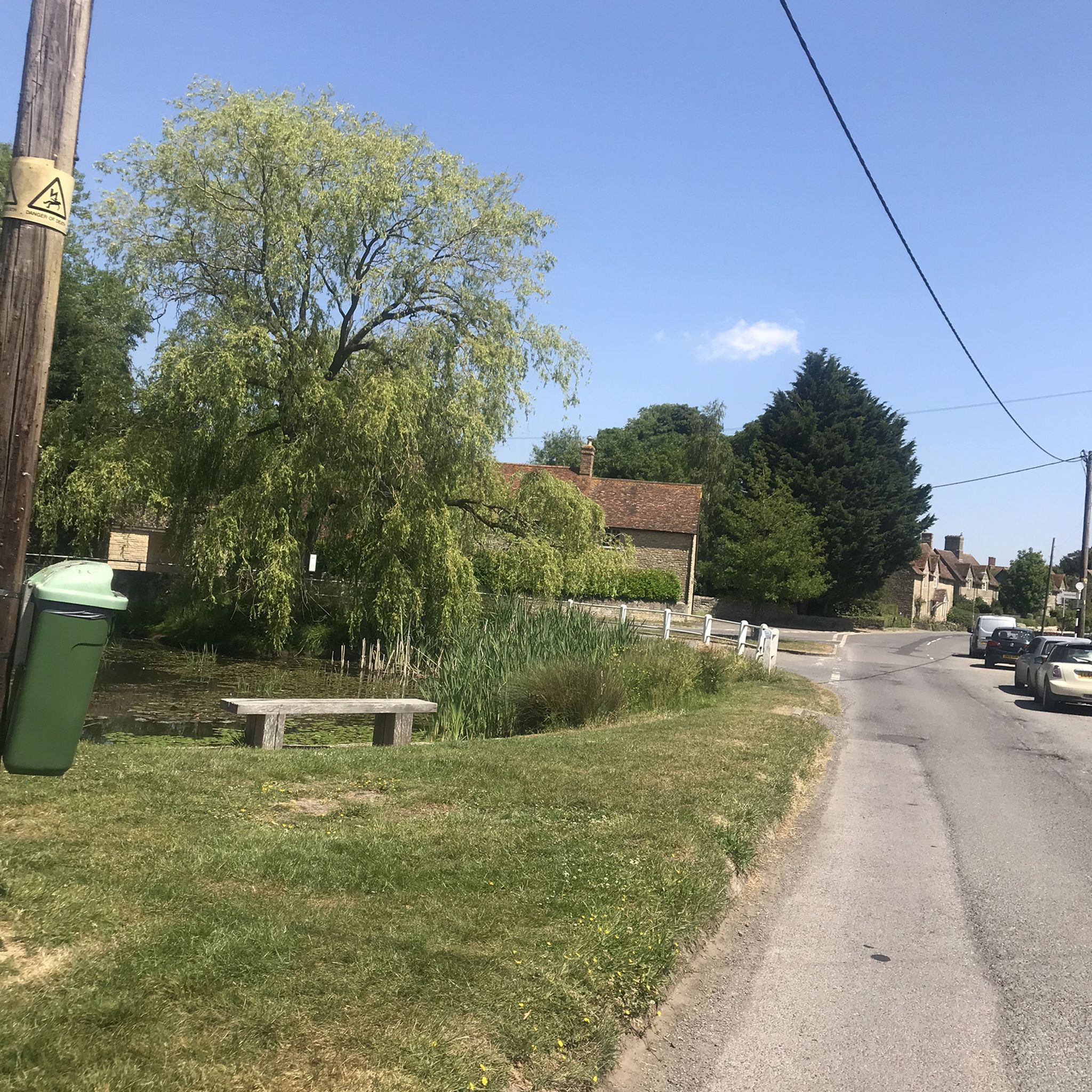

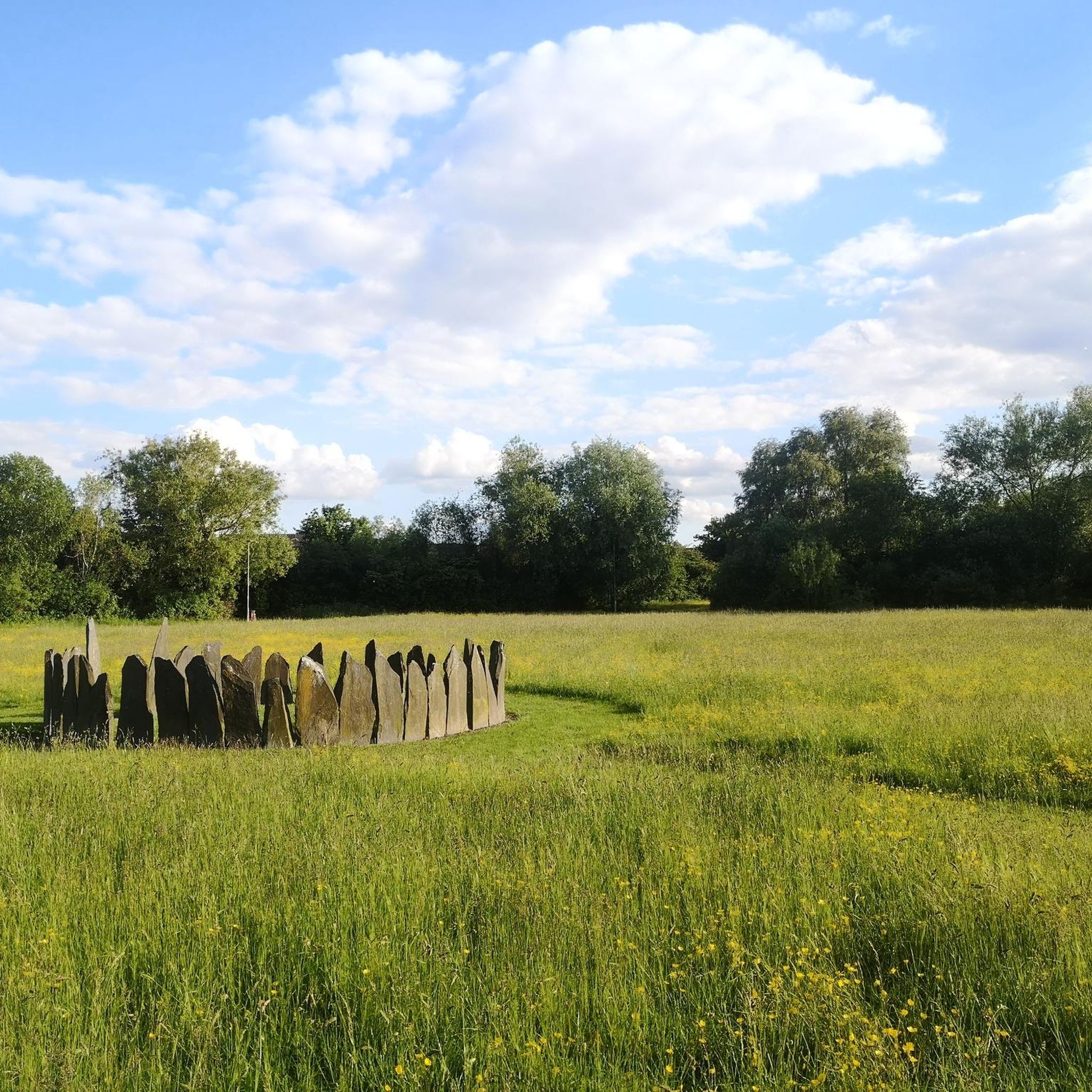
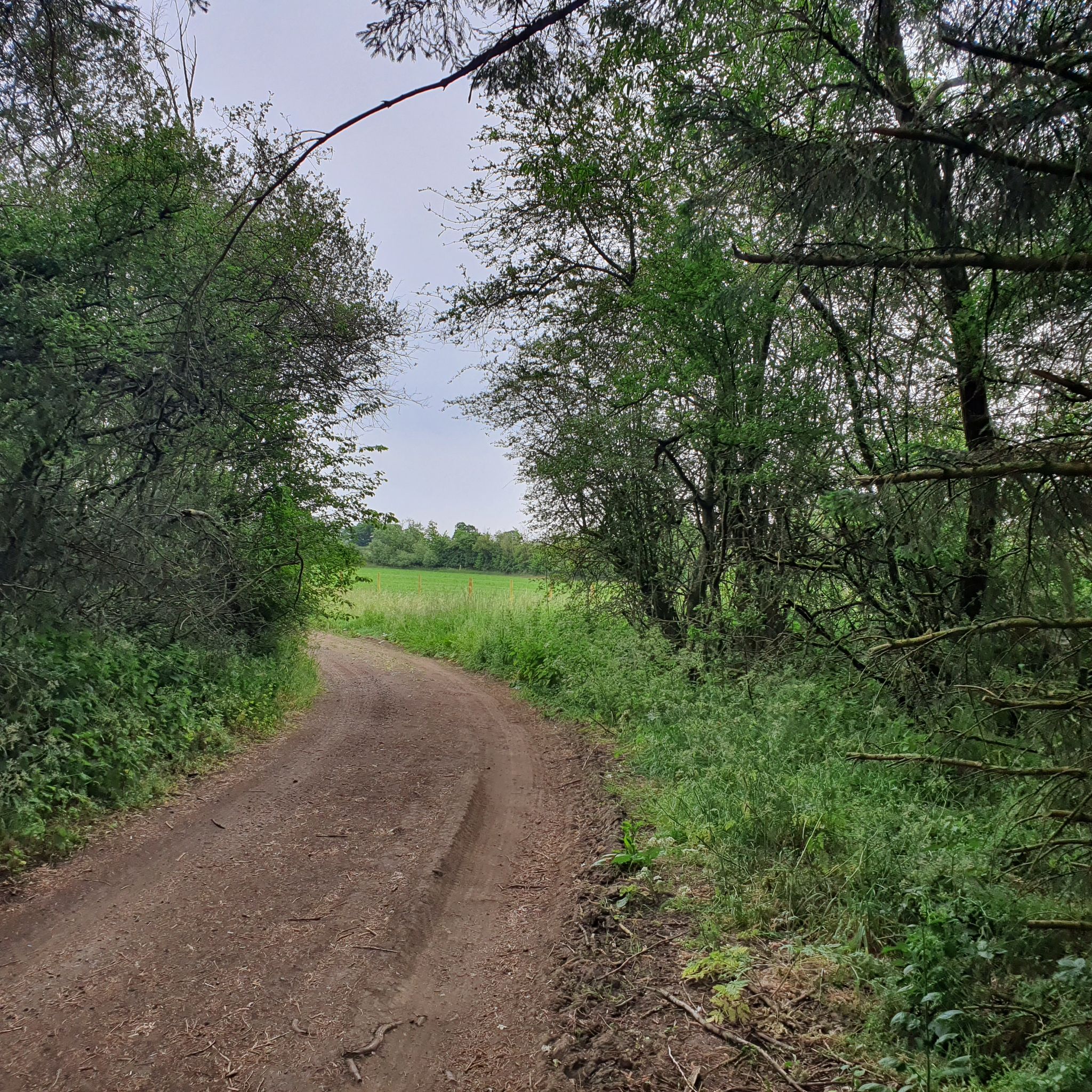

Other adventures around Bicester

Tips from the Community

J. R . R. Tolkien often visited Brill when he lived in Oxford, and used it as his basis of Bree where beloved character Frodo Baggins meets Aragorn for the first time.
0
0

A beautiful park with an obelisk as the centrefold, built in 2012 to mark the Queen's Diamond Jubilee.
3
0
If you know the English novelist Flora Thompson, you may enjoy this stop at her childhood home.
3
0

The roads on the west of the Mill are the easiest to ascent, the steepest is for descending is to the south towards Oakley
1
1

On the edge of the village, surrounded by fields grazed by sheep and horses, St Mary’s Hampton Poyle enjoys one of the loveliest settings of any church in Oxfordshire. Built of local stone around the same time as St Mary’s Kidlington, it has many interesting features inside and out. Small and simple Two stone corbels greet you at the large oak entrance door, which opens into the south aisle. The core of the church is a simple 13th-century chapel, consisting of a nave and chancel. The north and south aisles were added in the 14th century and the double bellcote at the west end is thought to date from the early 18th century. The chancel The chancel contains some fine features from the 13th-century ‘Early English’ period, including a lancet window and a priest’s door on the south side. The three-light east window, with its geometric tracery, dates from the late 13th century. The glass was renewed in the Victorian period. Medieval stained glass from about 1400 survives in the lights at the top of the window in the north side. They represent the symbols of the four Evangelists. The ornate marble reredos behind the altar, and the tiles at the side, were added in the Victorian period. The north aisle The two recumbent effigies in the north aisle are said to represent Walter de la Poyle, who became Lord of the Manor in 1267, and Catherine, Lady of the Manor, who died in 1489. The window on the left of the north wall shows the arms of Walter de la Poyle, and the brass fixed to the wall represents John Poyle (d. 1424) and his wife Elizabeth. Low down towards the east end of the wall there is a niche containing what is thought to be a ‘heart-stone’ for the separate burial of a heart. Interlocking arms Between the nave and north aisle is an octagonal pillar with a capital showing the upper halves of four figures with their arms linked. This style of 14th-century sculpture is more common in churches further north in Oxfordshire, including Adderbury and Bloxham. The Parish Previously a parish in its own right, Hampton Poyle has been served by the Kidlington Team Ministry for a number of years and was united with the Parish in 1997. Condemned clergy Hampton Poyle’s 16th-century priest Richard Thomason was allegedly condemned to hang in chains from Duns Tew steeple for his opposition to the first prayer book of Edward VI. The 17th-century rector Edward Fulham was forced to resign and flee abroad on account of his strong Royalist views and his opposition to Puritanism.
1
0

Great spot to stop, lovely views and quite a few benches to have a rest.
2
0

Flora Thompson (née Timms) (1876 – 1947) was a self-taught English novelist, who wrote about the decay of Victorian agrarian England. She is best known for her semi-autobiographical trilogy "Lark Rise to Candleford". "Laura's parents ... thought the house was well worth the rent, for it was two small thatched cottages made into one, with two bedrooms and a good garden. Of course, as they said, it had not the conveniences of a town house. Until they themselves had bought an oven grate and put it in the second cottage downstairs room, known as 'the wash-house', there was nowhere to bake the Sunday joint, and it was tiresome to have to draw water up from a well and irritating in wet weather to have to walk under an umbrella half way down the garden to the earth closet. But the cottage living-room was a pleasant place, with its well-polished furniture, shelves of bright crockery, and red-and-black rugs laid down to 'take the tread' on the raddled tile floor. In summer the window stood permanently open and hollyhocks and other tall flowers would push their way in and mingle with the geraniums and fuchsias on the window-sill. This room was the children's nursery ... [and ] had one advantage over most nurseries. The door opened straight out on to the garden path and in fine weather the children were allowed to run in and out as they would. Even when it rained and a board was slipped, country fashion, into grooves in the doorposts to keep them in, they could still lean out over it and feel the rain splash on their hands and see the birds flicking their wings in the puddles and smell the flowers and wet earth while they sang: 'Rain, rain, go away, Come again another day.'" From Flora Thompson's "Lark Rise to Candleford"
2
0

The nearest building 60 yards away is a nice pub - The Pheasant.
3
0
Frequently Asked Questions
What historical sites can I explore in and around Bicester?
Bicester and its surroundings offer a rich history. You can visit St Mary’s Church, Hampton Poyle, a 13th-century religious building set amidst fields. The town itself features Flora Thompson's Childhood Home, offering a glimpse into the life of the famous novelist. Further afield, the majestic Blenheim Palace, a UNESCO World Heritage Site, is a short drive away, and St. Edburg's Church in Bicester is the town's oldest building, with parts dating back to the 12th century.
Are there any natural areas or parks for outdoor activities in Bicester?
Yes, Bicester offers several green spaces. Garth Park is a popular public park in the heart of Bicester with formal gardens, a playground, and an outdoor gym. For more natural settings, Bure Park Nature Reserve and Island Pond Wood nature reserve provide tranquil green spaces, diverse wildlife, and scenic trails perfect for leisurely strolls.
What family-friendly attractions are available in the Bicester area?
Families can enjoy several spots. Brill Windmill is a family-friendly viewpoint offering spectacular views. Garth Park in Bicester has a children's playground and hosts summer events. Whitelands Farm Sports Ground also offers a children's play area and a skate park, alongside nature trails.
Where can I find unique shopping experiences near Bicester?
Bicester is well-known for its shopping. Bicester Village is a renowned luxury shopping destination featuring over 150 designer boutiques. For a more local experience, the Bicester Market is held every Friday in Market Square, offering fresh produce, flowers, baked goods, and local crafts. A monthly farmers' market also takes place.
Are there opportunities for walking or hiking near Bicester's attractions?
Absolutely. The countryside around Bicester is ideal for walking. You can find numerous routes, including easy hikes like the 'Langford Mini Henge – Standing Stones loop' or the 'Jubilee Lake – Standing Stones loop'. For more options, explore the Hiking around Bicester guide.
What cultural landmarks are worth visiting near Bicester?
Beyond the historical sites, Bicester has cultural points of interest. The Market Square, with its Georgian and Victorian architecture, is the vibrant heart of the town. Bicester Heritage is a unique hub dedicated to historic motoring, located on a former World War II RAF site, hosting events and home to Sky Wave Distilling Co. for tours and tastings.
Can I visit a historic windmill near Bicester?
Yes, you can visit Brill Windmill. This 17th-century mill is one of the oldest still standing in the UK and offers spectacular views across Oxfordshire. It is typically open to visitors on Sundays from Easter to the end of September.
Are there any notable stately homes or gardens to visit?
Just outside Bicester, you'll find Rousham House and Gardens, an 18th-century stately home renowned for its stunning gardens designed by William Kent. A short drive away is Blenheim Palace, famous for its majestic grounds and formal gardens. You can also see Tusmore House, known for its classical architecture and grand scale.
What is the best time of year to visit Bicester's attractions?
The best time to visit Bicester's attractions largely depends on your interests. Spring and summer (April to September) are ideal for enjoying outdoor activities, parks, and gardens like Rousham House, and for attending events at Garth Park or Bicester Heritage. The Bicester Market is a weekly event, and Bicester Village is open year-round for shopping.
Are there cycling routes available near Bicester's attractions?
Yes, the area around Bicester offers various cycling routes. You can explore easy rides like 'The Milk Shed Café loop' or more challenging ones such as the 'Furzton Lake – Oxford Canal loop'. For a comprehensive list of routes, check out the Cycling around Bicester guide.
Are there any attractions around Bicester that are wheelchair accessible?
While specific accessibility details for all attractions vary, many public parks like Garth Park offer paved paths. Bicester Village is designed with accessibility in mind. For historical sites, it's advisable to check individual venue websites for the most up-to-date information on accessibility features.
Where can I find local markets in Bicester?
The main Bicester Market is held every Friday in the Market Square, offering a variety of local produce, flowers, and crafts. Additionally, a monthly farmers' market provides local meats, cheeses, and organic vegetables, also in the Market Square.
What are some lesser-known or 'hidden gem' attractions in the Bicester countryside?
Beyond the main highlights, the Bicester countryside holds charming spots. Consider exploring the peaceful Island Pond Wood nature reserve for a pleasant circular walk. The historic Market Square itself, with its Georgian and Victorian architecture, offers a glimpse into the town's past away from the more prominent attractions. Also, Diamond Jubilee Obelisk, Tusmore Park is a unique, grand monument in a beautiful park setting.
What kind of outdoor activities can I do in winter near Bicester?
Even in winter, the Bicester area offers outdoor enjoyment. The nature reserves like Bure Park and Island Pond Wood are suitable for crisp winter walks. Many of the hiking and cycling routes, such as those found in the Hiking around Bicester guide, remain accessible, offering a chance to experience the serene winter landscape. Bernwood Forest, a significant butterfly habitat, also provides winter walking opportunities.
What do visitors enjoy the most about Bicester's attractions?
Visitors frequently praise the spectacular views from places like Brill Windmill. The historical charm of sites like St Mary’s Church, Hampton Poyle, with its picturesque setting, is also highly appreciated. The blend of historical landmarks, natural beauty, and unique experiences like those at Bicester Heritage makes the area appealing to a wide range of visitors.
Most popular routes around Bicester

Get inspired with the komoot mobile app


Explore more
Still not found the Highlight you’re looking for? See guides of the top attractions in other regions:
