The 5 Most Amazing Peaks around St. Juliot
Best mountain peaks around St. Juliot are found in a rural civil parish in north-east Cornwall, England, characterized by its coastal location and proximity to significant moorland. The area features dramatic cliffs and notable hills rather than towering mountains. While no mountains are directly within St. Juliot, the surrounding region offers impressive natural elevated features. These include high coastal cliffs and the granite tors of Bodmin Moor.
Best mountain peaks around St. Juliot
- The most popular mountain peaks is High…
Last updated: June 29, 2026
Brown Willy Summit
Highlight • Natural Monument
Tip by

Rough Tor
Highlight • Summit
Tip by
Sign up now to discover places like this
Get recommendations on the best single tracks, peaks, & plenty of other exciting outdoor places.
Sign up for free
High Cliff
Highlight • Viewpoint
Tip by

Cambeak Cairn and Coastal View
Highlight • Natural Monument
Tip by

Start today with a free account
Your next adventure awaits.
Login or Signup
Tips from the Community

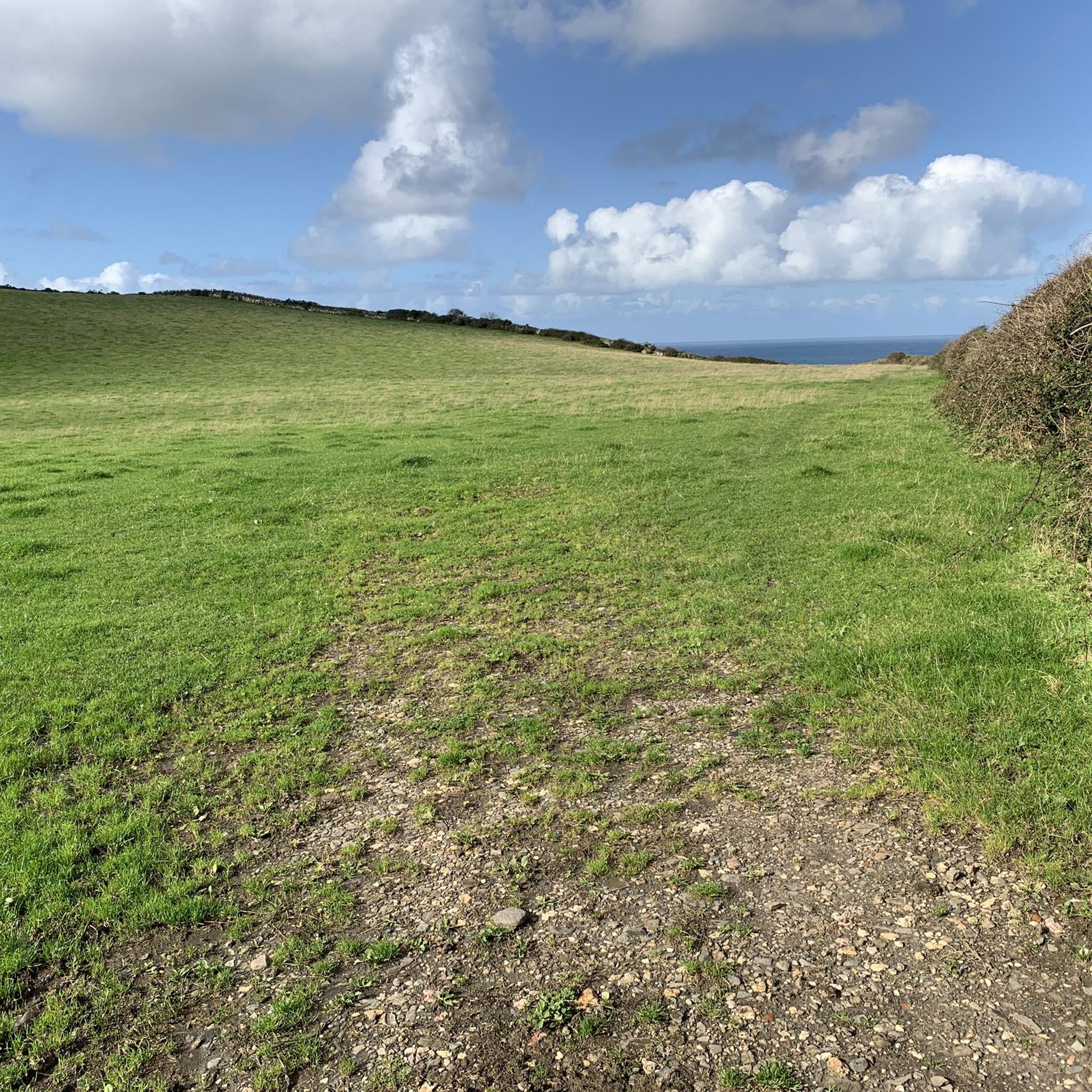
Good footwear as some of coastal path is uneven. Also plenty of fluids on a hot day as not much shelter.
0
0


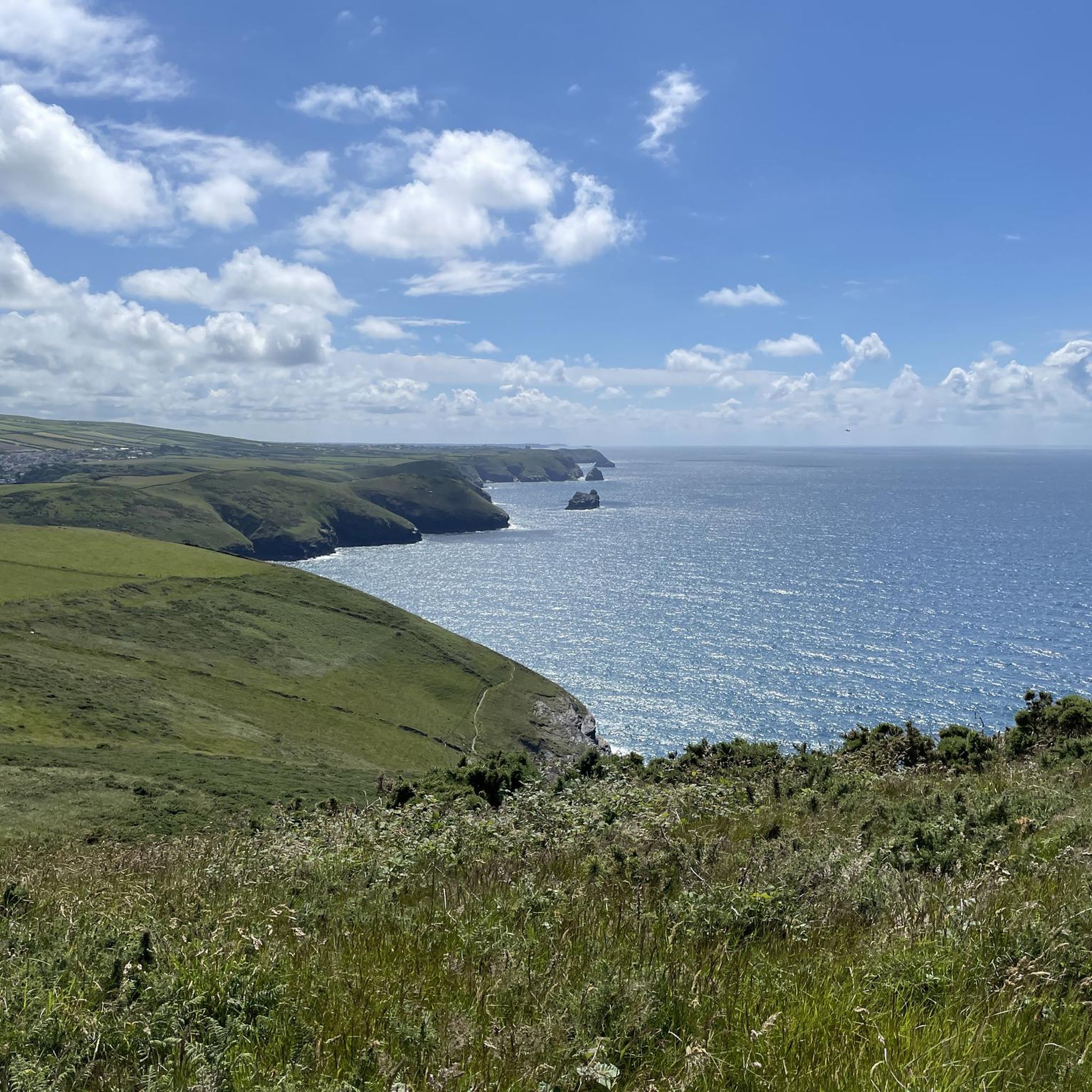
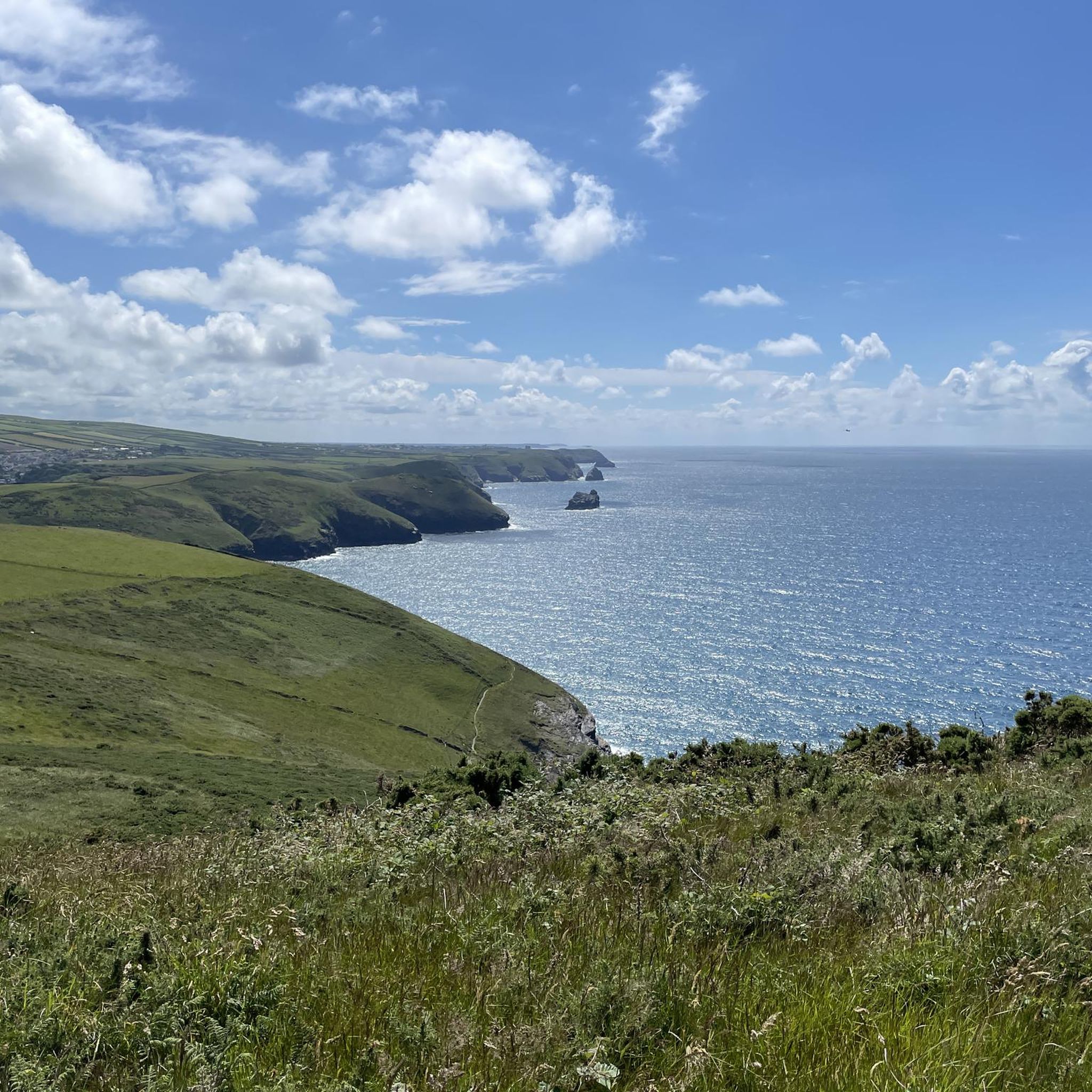
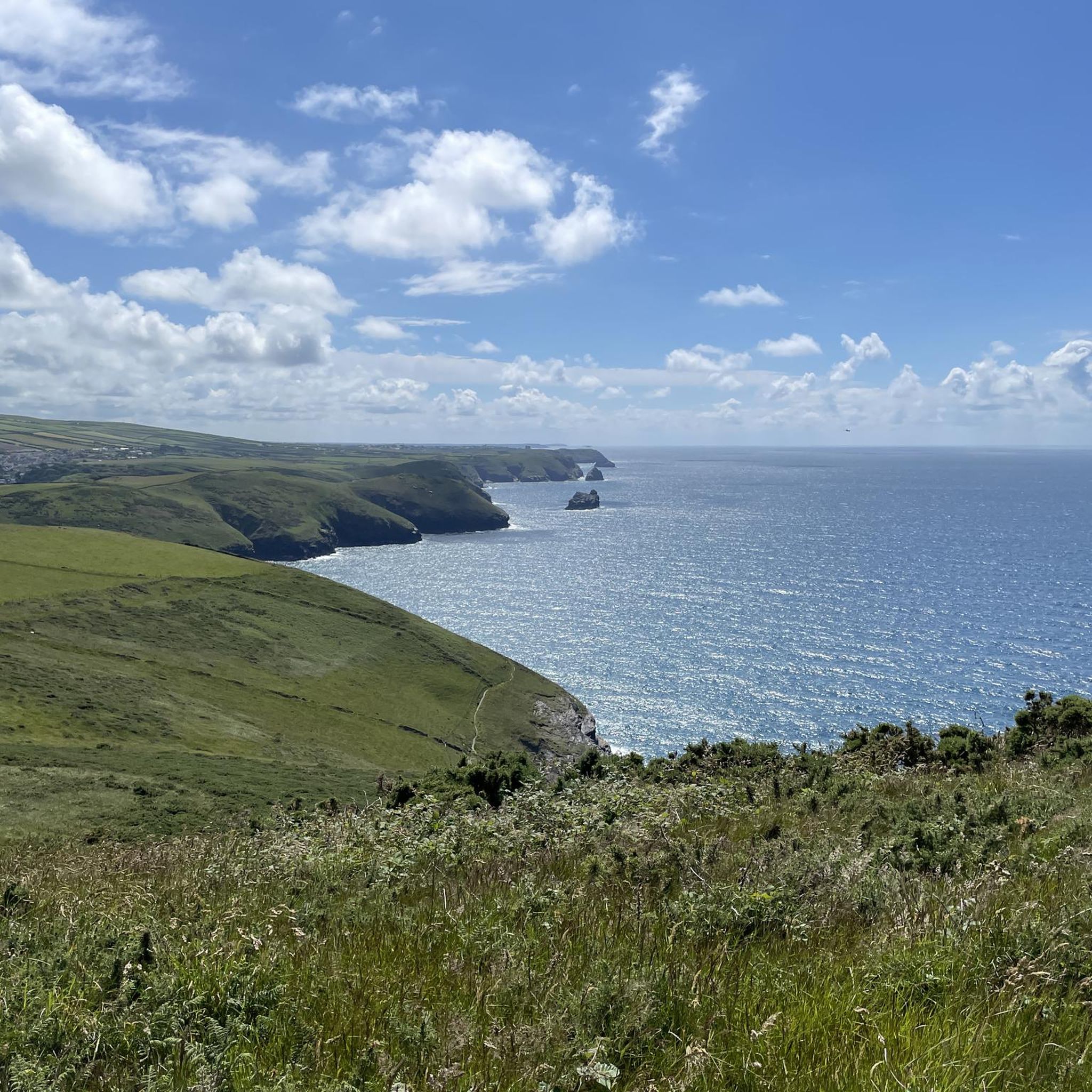
A glorious headland marked by a small cairn. Accessing it requires a tricky little scramble and quite a narrow ridge, which adds to the excitement. There are superb views south along the coast towards Tintagel and north towards Bude.
0
0

Brown Willy at 420 m is the highest point in Cornwall. The rocky granite summit offers great views across Bodmin and over Rough Tor out to sea.
0
0

Stunning views over Bodmin Moor. Easy to climb up with good physical condition and appropriate footwear.
0
0
The ascent is ok, easier than I feared after some reports. If you follow the path and are sure-footed, no problem. Sturdy shoes are recommended. Have fun, the view of the moor and the sea is awesome.
0
0

Frequently Asked Questions
What are the most notable elevated features around St. Juliot?
While St. Juliot itself is not known for towering mountains, the surrounding area offers impressive elevated features. These include Cornwall's highest cliff, High Cliff, which stands at 223 m. Inland, on Bodmin Moor, you'll find Cornwall's highest point, Brown Willy Summit (420m), and the striking granite summit of Rough Tor.
What kind of views can I expect from the elevated areas near St. Juliot?
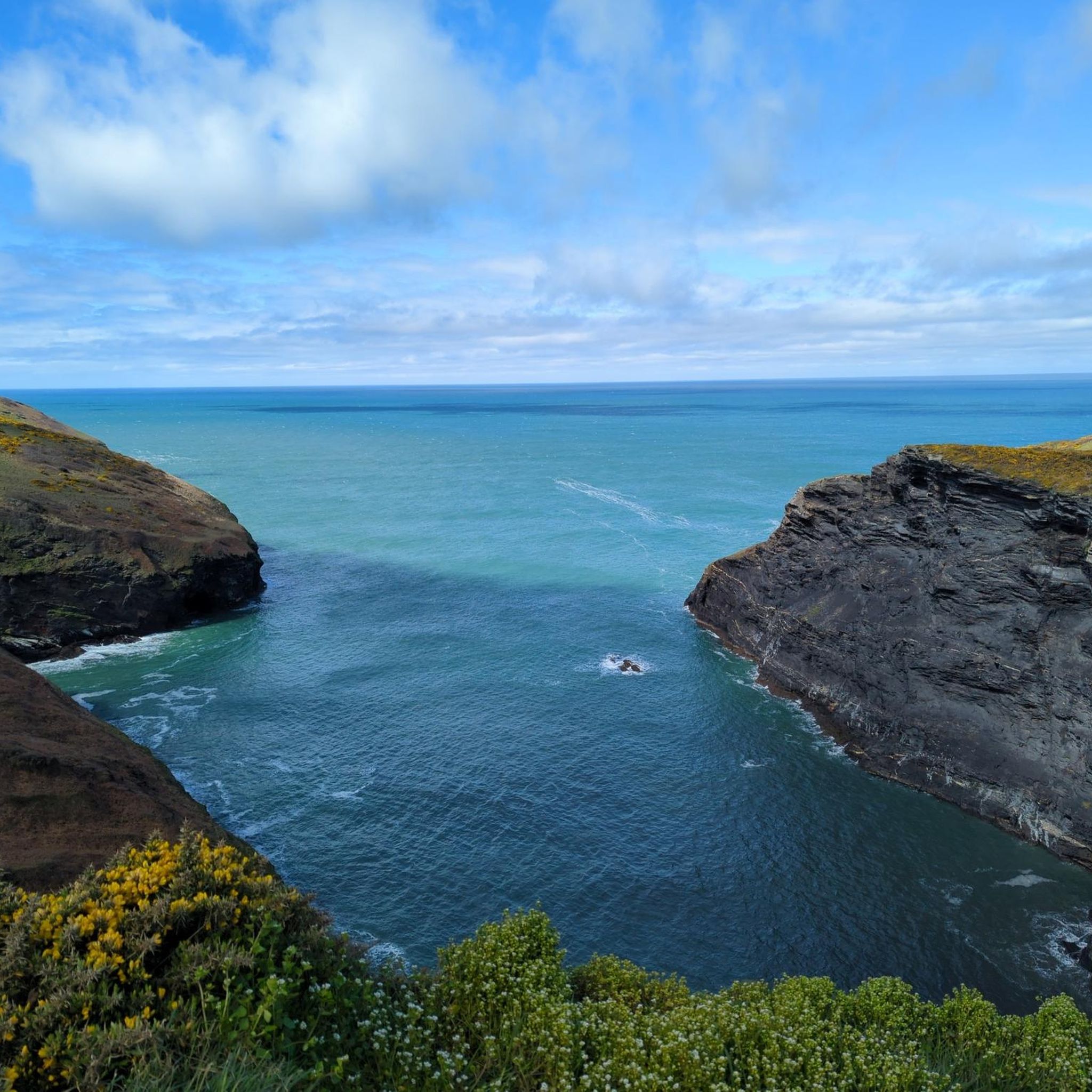
From coastal features like High Cliff and Cambeak Cairn and Coastal View, you can expect awe-inspiring views over the Cornish coastline and far out to sea. From the granite tors of Bodmin Moor, such as Brown Willy Summit and Rough Tor, you'll get panoramic views across the moorland and often both the North and South coasts of Cornwall on a clear day.
Are there family-friendly walks among the elevated areas near St. Juliot?
Many coastal paths and moorland trails offer varying difficulties. While some sections can be challenging, there are easier options. For instance, parts of the South West Coast Path offer less strenuous walks with stunning views. When exploring Bodmin Moor, consider routes that are well-marked and shorter for younger family members. Always check specific route details for elevation and terrain before heading out.
Are the trails around St. Juliot's elevated features dog-friendly?
Yes, many trails around St. Juliot's elevated features, including coastal paths and moorland routes, are dog-friendly. However, it's essential to keep dogs on leads, especially near cliff edges, livestock (like the Soay sheep on High Cliff), and ground-nesting birds, particularly during breeding season. Always carry water for your dog and be mindful of other walkers.
What is the best time of year to visit the elevated areas around St. Juliot?
The best time to visit is generally from late spring to early autumn (May to September) when the weather is milder and days are longer, offering clearer views. However, the coastal paths and moorland can be enjoyed year-round. Be prepared for changeable weather conditions, especially on exposed areas like Brown Willy Summit and Rough Tor, where fog can descend quickly.
Are there challenging routes for experienced hikers near St. Juliot?
Yes, experienced hikers can find challenging routes. The ascent to Brown Willy Summit, especially as part of a loop including Rough Tor, can be a demanding hike. Coastal paths around High Cliff also involve steep ascents and descents with uneven terrain. The scramble required to access Cambeak Cairn and Coastal View also adds to the challenge.
What natural features define the elevated landscapes around St. Juliot?
The elevated landscapes are primarily defined by dramatic coastal cliffs, such as High Cliff, offering breathtaking sea views. Inland, Bodmin Moor features distinctive granite tors like Brown Willy Summit and Rough Tor, characterized by impressive rock formations and open moorland. You can also find ancient sites and unique flora and fauna in these areas.
Can I see any wildlife while exploring the elevated areas?
Yes, the elevated coastal areas are excellent for wildlife spotting. Along the North Cornish coast, you can often spot seals basking on rocks or swimming in the sea. High Cliff is known for herds of Soay sheep or goats grazing the cliffs. On Bodmin Moor, you might encounter various bird species and wild ponies.
Are there any historical sites or legends associated with the elevated areas?
Bodmin Moor, home to Brown Willy Summit and Rough Tor, is rich in history and legend. You can find ancient sites like the Fernacre Stone Circle near Brown Willy. The area also holds connections to local legends, including those of King Arthur, adding a layer of intrigue to your exploration.
What other outdoor activities can I do near the elevated areas around St. Juliot?
Beyond hiking, the region offers a variety of outdoor activities. You can find excellent MTB trails and cycling routes. The nearby coast is also popular for water sports, and there are numerous opportunities for scenic walks beyond the highest points. For specific hiking routes, check out the hiking guide for St. Juliot.
Are there specific hiking routes recommended for exploring these elevated features?
Yes, there are several recommended hiking routes. For instance, a popular loop combines Brown Willy Summit and Rough Tor. Along the coast, you can explore routes that take you past High Cliff and the dramatic Pentargon Cliff. For more detailed options, refer to the hiking guide for St. Juliot, which includes routes like the 'Pentargon Cliff and Waterfall – Rocky Valley loop'.
Where can I find parking for walks to these elevated features?
For walks to Brown Willy Summit and Rough Tor on Bodmin Moor, there is often a car park specifically for Rough Tor, providing convenient access. For coastal walks, parking is usually available in nearby villages like Boscastle or at designated car parks along the South West Coast Path access points. Always check local signage for parking restrictions and fees.
Are there less crowded options for exploring the elevated areas around St. Juliot?
While popular spots like Brown Willy Summit and High Cliff can attract visitors, exploring during off-peak seasons (outside of school holidays) or early mornings/late afternoons can offer a quieter experience. Additionally, Bodmin Moor is vast, and venturing slightly off the main paths can lead to more secluded spots. The coastal path also has many stretches where you can find solitude.
Most popular attractions around St. Juliot

Get inspired with the komoot mobile app


Explore more
See even more amazing summits around St. Juliot with these guides:
