The best walks and hikes around Castle Cary
4.4
(219)
973
hikers
116
hikes
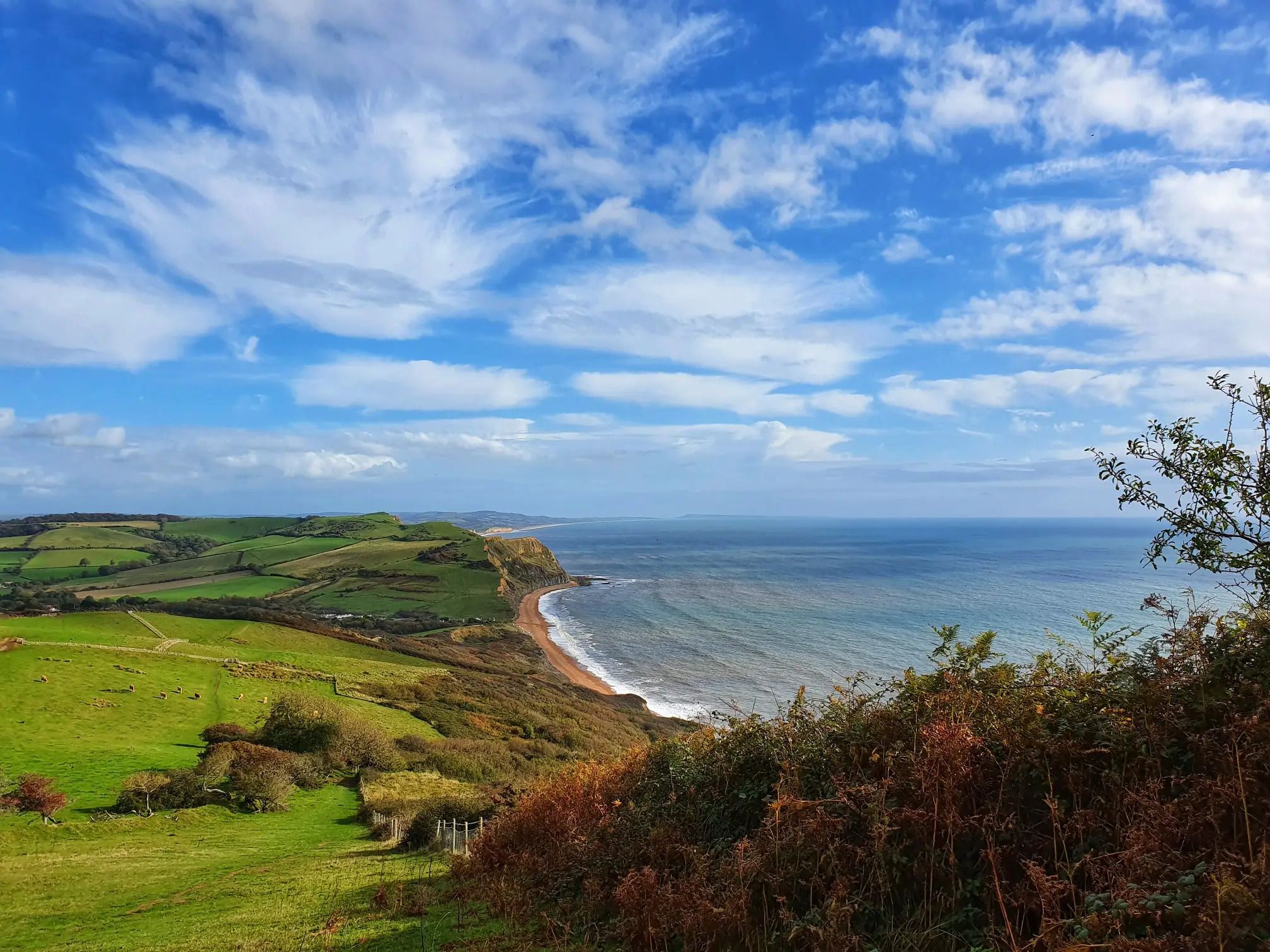
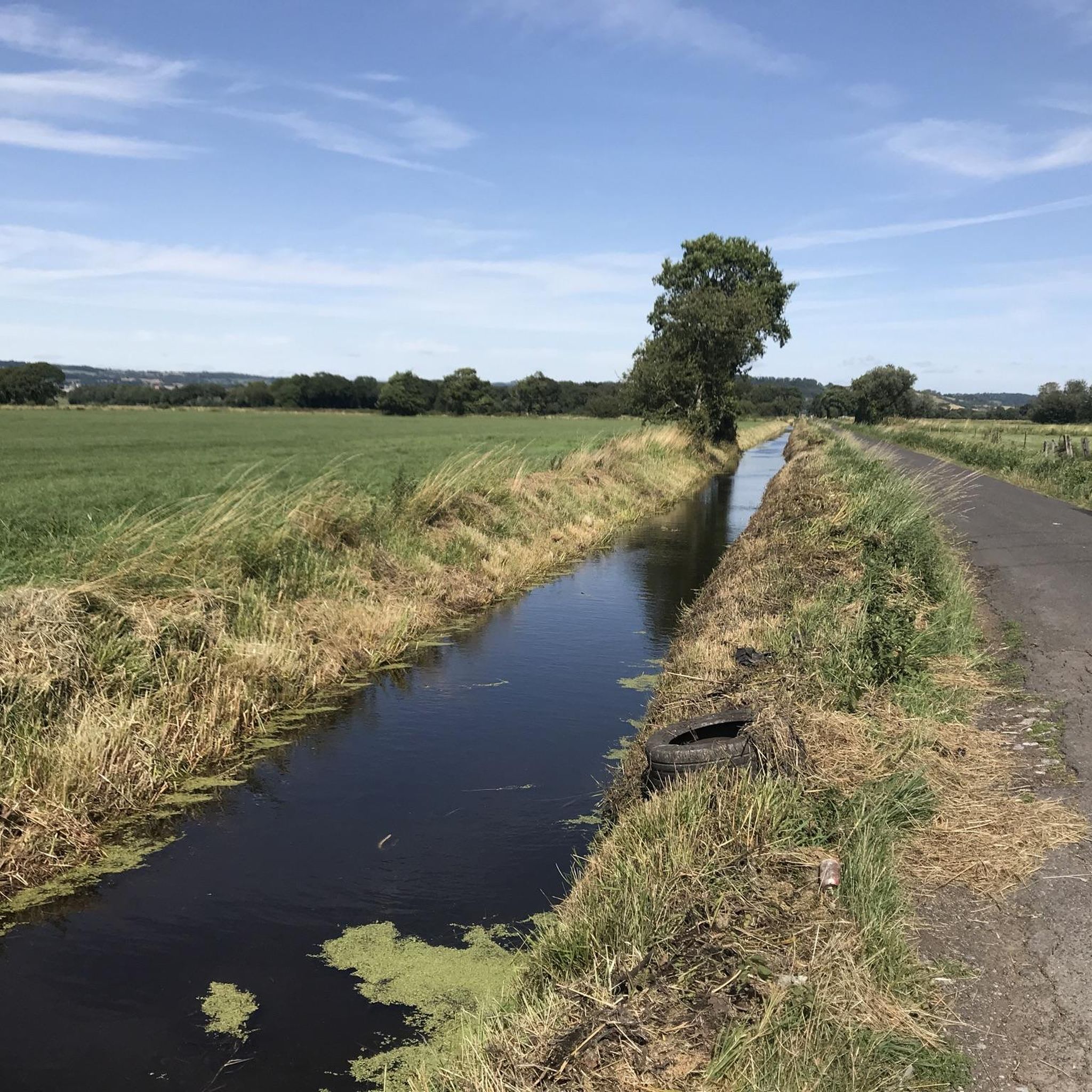
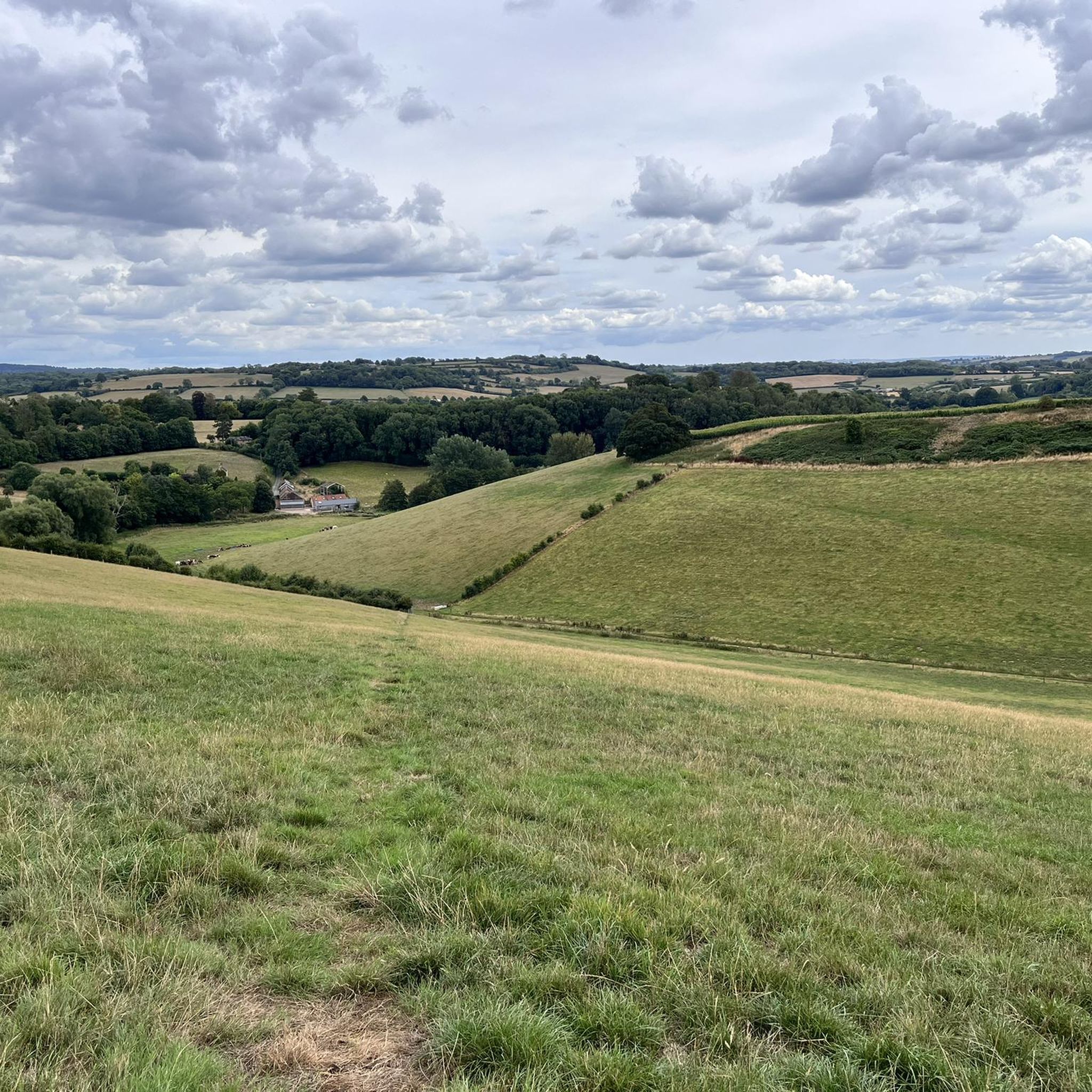
Hiking around Castle Cary offers diverse landscapes characterized by gently rolling hills, serene farmland, and scattered woodlands. The region features the meandering River Cary, with footpaths tracing its course, and ancient sunken paths known as "deep lanes." Lodge Hill provides elevated views, often incorporated into local hiking routes. This varied terrain provides options for different hiking preferences.
Best hiking trails around Castle Cary
- The most popular hiking route is The Round House – Castle Cary Market Hall loop from Castle Cary, a 3.4 miles (5.5 km) trail that takes 1 hour 32 minutes to complete. This easy route explores local landmarks within the town.
- Another top favourite among local hikers is View of Pitcombe – The Round House loop from Castle Cary, a moderate 5.5 miles (8.9 km) path. This route offers views of the surrounding countryside and takes approximately 2 hours 27 minutes.
- Local hikers also love the All Saints Church, Castle Cary – View of the Three Crosses loop from Castle Cary, a 2.0 miles (3.2 km) trail leading through local fields, often completed in about 53 minutes.
- Hiking around Castle Cary is defined by rolling hills, farmland, and pockets of woodland, with trails often following the River Cary or ancient deep lanes. The network offers options for different ability levels, from easy strolls to more demanding countryside circuits.
- The routes in Castle Cary are highly rated by the komoot community with an average score of 4.5 stars from over 190 reviews. More than 900 hikers have used komoot to explore Castle Cary's varied terrain.
Last updated: October 13, 2026
5.0
(1)
7
hikers
5.51km
01:33
110m
110m
Easy hike. Great for any fitness level. Easily-accessible paths. Suitable for all skill levels.
4.5
(2)
9
hikers
8.61km
02:23
150m
150m
Moderate hike. Good fitness required. Easily-accessible paths. Suitable for all skill levels.

8
hikers
Easy hike. Great for any fitness level. Easily-accessible paths. Suitable for all skill levels.
4
hikers
8.20km
02:16
140m
140m
Moderate hike. Good fitness required. Easily-accessible paths. Suitable for all skill levels.
5
hikers
Easy hike. Great for any fitness level. Easily-accessible paths. Suitable for all skill levels.
Get access to more routes and recommendations from other explorers.
Already have an account?
Our route recommendations are based on thousands of hikes, rides, and runs completed by other people on komoot.
Start today with a free account
Your next adventure awaits.

Other adventures around Castle Cary

Tips from the Community

The Round House, a historic lock-up located in Castle Cary, Somerset, England. It is considered one of the best-preserved examples of an old town lock-up in the country. The building was constructed in 1779 and was used to temporarily hold "drunkards and miscreants Source: https://www.sleeps12.com/content/the-round-house-castle-cary-somerset
0
0

Lovely walk above Castle Cary with a fantastic view without too much effort.
0
0

Dates from 1470 notable for its high steeple. During the English Civil War the church was damaged and the organ destroyed. The life of the local church was described by James Woodforde in his The Diary of a Country Parson. Born in Ansford where his father was the vicar. A display about his life and writings is available in the Castle Cary and District Museum. Restored by Benjamin Ferrey in the 1880s.
0
0
Dates from 1470 and is notable for its high steeple. The life of the local church was described by James Woodforde in his The Diary of a Country Parson. The Cosenes monument in the churchyard, which dates from the 16th century, is on the Heritage at Risk Register
0
0

Frequently Asked Questions
Are there any good circular walks that start and end in Castle Cary?
Yes, the area is well-suited for circular hikes. While many popular routes start from nearby villages, you can easily explore the immediate surroundings of Castle Cary. A short but rewarding walk takes you up Lodge Hill, the site of a former castle, for panoramic views. For a longer day out, you can follow sections of the Leland Trail or piece together local footpaths to create your own loop through the characteristic 'deep lanes' and rolling fields.
What are the trails around Castle Cary like for dog walking?
The countryside around Castle Cary offers many opportunities for walking with a dog. You'll find numerous public footpaths crossing fields and through woodlands. However, be aware that this is active farmland, so you will likely encounter livestock. It's essential to keep your dog on a lead, especially near sheep and cattle. Routes that stick to enclosed tracks or bridleways can be more relaxing.
Are there any family-friendly or easy hikes in the area?
Definitely. For a short, accessible walk with great views, the View from Cadbury Castle loop from South Cadbury is an excellent choice. It's just over 2 miles (3.4 km) and leads directly to the impressive hillfort, which is a fantastic place for kids to explore. The paths are generally clear, making it a manageable adventure for the whole family.
Can I get to the hiking trails using public transport?
Castle Cary has a mainline train station, making it relatively accessible. The 'Station to Market House' walk is a well-marked 2-mile route that connects the station to the town centre, from where you can access a network of local footpaths. For trails starting further afield, like those around Cadbury Castle, you may need to supplement your journey with a local bus or taxi service, as rural bus routes can be infrequent.
Where can I find a good walk with a pub stop?
Many routes in the region pass through charming villages with traditional pubs. The Compton Pauncefoot to North Cadbury loop is a great example, taking you through picturesque countryside with opportunities to stop for refreshments in the villages it connects. Always check pub opening times in advance, especially on weekdays.
What historical landmarks can I see while hiking near Castle Cary?
The area is rich in history. The most significant landmark is Cadbury Castle, a massive Iron Age hillfort reputed to be the site of King Arthur's Camelot. In Castle Cary itself, you can walk to the earthwork remains of the 12th-century Cary Castle on Lodge Hill. The 28-mile Leland Trail also passes through the town, following the route of a 16th-century antiquarian and connecting many historical sites.
What are the views like from Lodge Hill?
The short, steep climb up Lodge Hill is rewarded with fantastic panoramic views over the town of Castle Cary and the surrounding Somerset countryside. From the Millennium Viewpoint at the summit, you can see a patchwork of fields and hedgerows. On a clear day, the vista can stretch as far as Glastonbury Tor.
Are there any long-distance footpaths that pass through Castle Cary?
Yes, Castle Cary is located directly on the Leland Trail. This 28-mile (45 km) path runs from Alfred's Tower near Stourhead to Ham Hill Country Park, following the 16th-century journey of John Leland. You can walk sections of the trail from Castle Cary, heading south towards Cadbury Castle or north through scenic farmland.
What do other hikers say about the trails around Castle Cary?
The trails are highly regarded by the komoot community. Hikers often praise the beautiful rolling countryside, the sense of history, and the network of quiet paths. The views from the top of hillforts like Cadbury Castle are a frequently mentioned highlight, offering a rewarding experience after a good walk.
Is there a walking route along the River Cary?
Yes, you can follow the course of the River Cary on local footpaths. A dedicated walking route traces the river from its source at Park Pond within the town. The path meanders through the gentle landscape, offering a peaceful and relatively flat walking experience compared to the hillier routes in the region.
What kind of terrain should I expect on the trails?
The terrain is classic English countryside. Expect gently rolling hills, open farmland connected by public footpaths, and some sections through small woodlands. A characteristic feature of the area is the 'deep lanes'—ancient, sunken paths with high banks. After rain, paths, particularly across fields and in the lanes, can become very muddy, so waterproof footwear is recommended.
Where are the best places for parking when starting a hike?
In Castle Cary town, there are several public car parks which are convenient for walks starting from the centre. For routes beginning in smaller villages like South Cadbury, there is often limited on-street parking available near the church or village hall. Please park considerately, ensuring you do not block access for local residents.
Most popular attractions around Castle Cary

Get inspired with the komoot mobile app


Explore more
Browse the best Hikes in other regions.
