Attractions and Places To See around Argoed - Top 20
Best attractions and places to see around Argoed include a mix of historical sites, natural features, and outdoor activity spots in South Wales. The area is characterized by its significant archaeological sites, such as Iron Age hillforts, and its rich industrial heritage. Visitors can explore scenic landscapes, including parts of the Brecon Beacons National Park, and engage in various outdoor pursuits. Argoed offers diverse points of interest for those seeking both historical insight and natural exploration.
Best attractions and places…
Last updated: June 22, 2026
Twmbarlwm Hill and Iron Age hillfort
Highlight • Historical Site
Tip by

Keeper's Pond (Pen-Ffordd-Goch Pond)
Highlight • Natural Monument
Tip by
Sign up now to discover places like this
Get recommendations on the best single tracks, peaks, & plenty of other exciting outdoor places.
Sign up for free
Cwmcarn — Twrch Mountain Bike Trail
Highlight • Parking
Both the singletrack trails contain lots of long technical climbs as well as some …
Tip by

The Tumble Climb from Govilon
Highlight (Segment) • Climb
A word of warning though don't start out too …
Tip by

Taff Trail Tramroad Section
Highlight • Cycleway
Tip by

Sign up for free to discover even more attractions around Argoed.
Sign up for free
Already have an account?
Start today with a free account
Your next adventure awaits.
Login or Signup

Tips from the Community

This area is also great for some technical trail running. Plenty of footpaths meander around the hills.
0
0

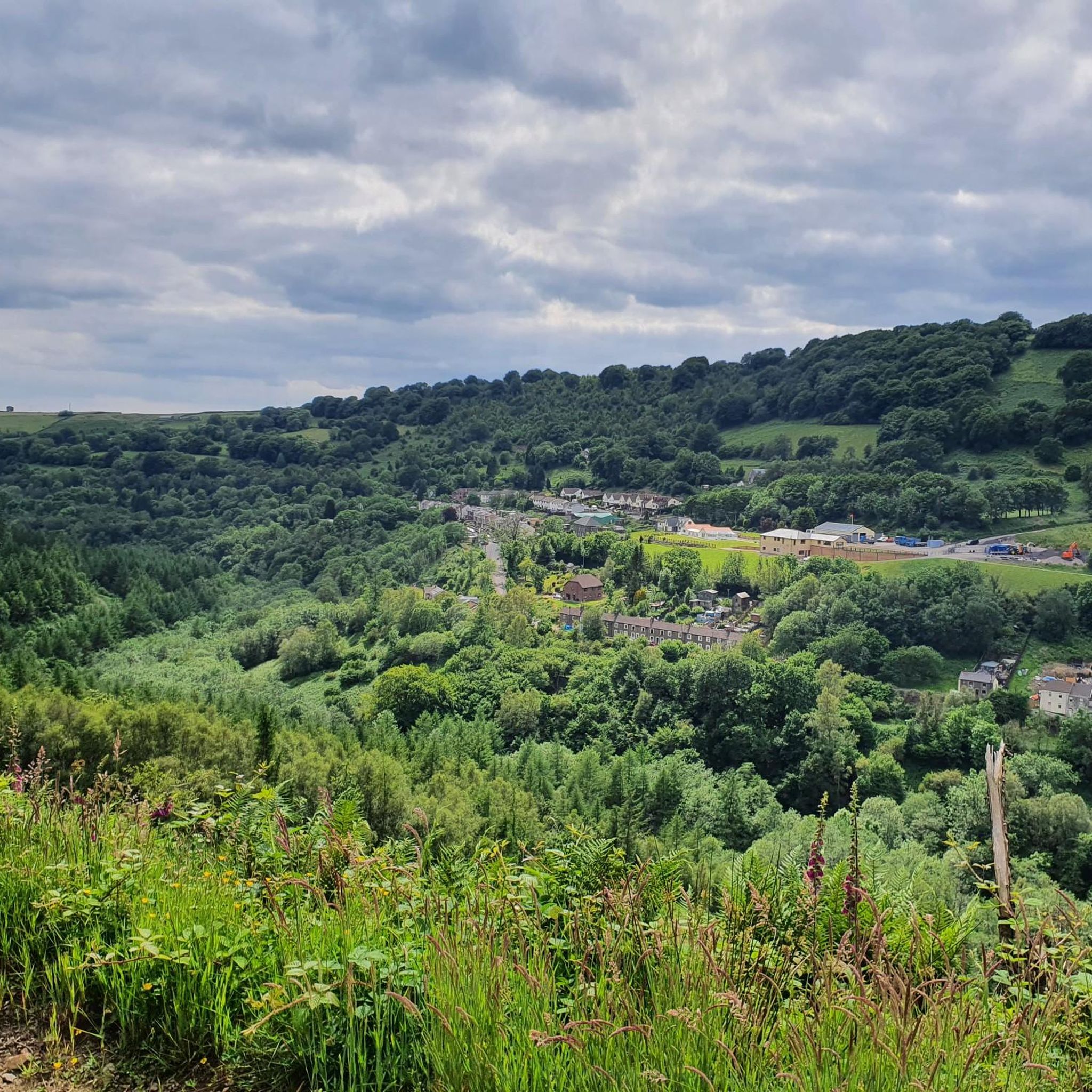
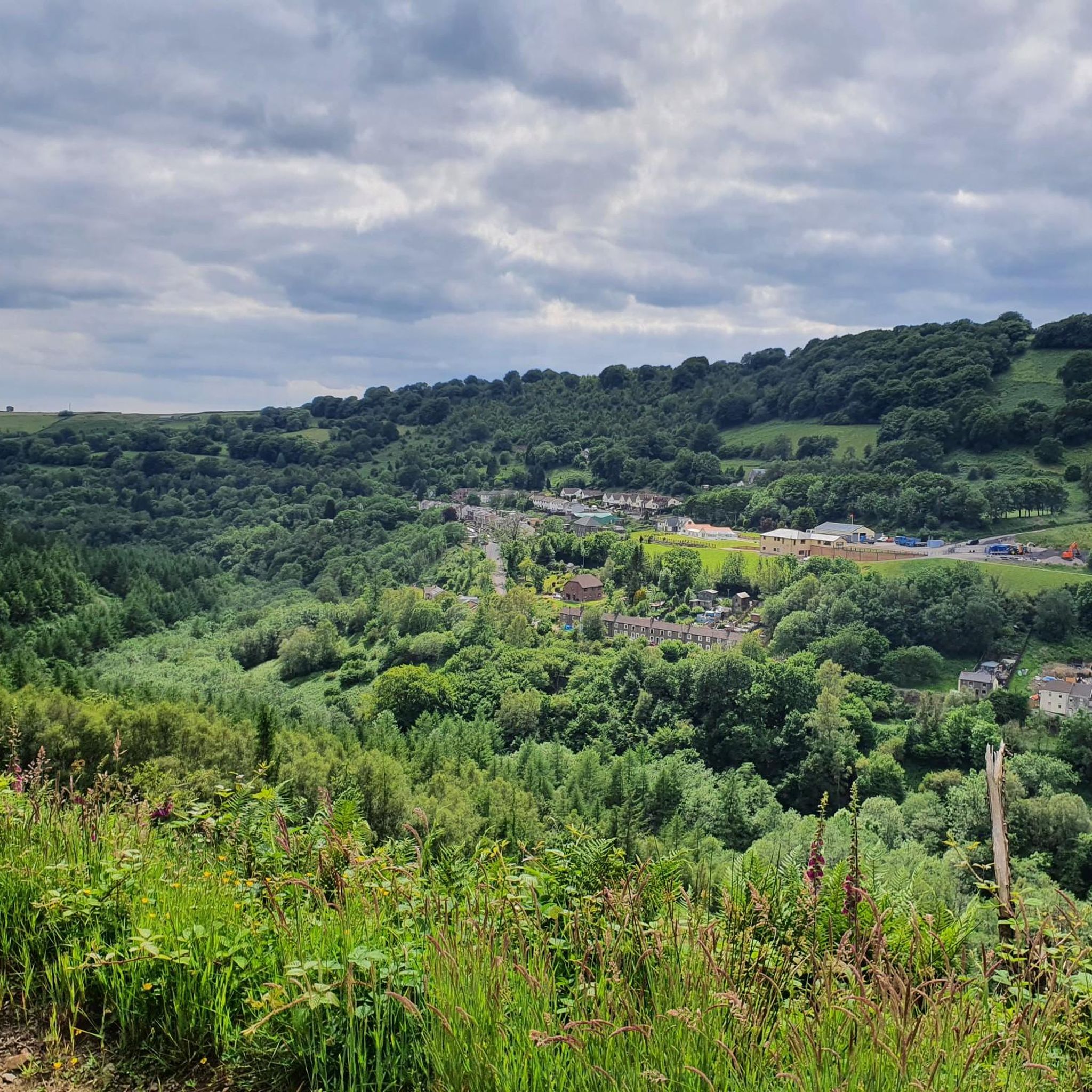
Twmbarlwm is a prominent hill and archaeological site located near the town of Cwmcarn in South Wales. It is part of the Caerphilly County Borough and is known for both its natural beauty and historical significance. Here are some key points about Twmbarlwm: Key Features: Hillfort: Twmbarlwm is home to the remains of an ancient hillfort, dating back to the Iron Age. The fortifications, which include earthworks and ramparts, suggest it was a significant settlement during that period. Celtic Connections: The name "Twmbarlwm" is thought to derive from Welsh, with "Twm" being a diminutive of "Tudur" and "barlwm" referring to a mound or hill. The site is associated with Celtic history and mythology. Natural Beauty: The hill offers stunning views of the surrounding landscape, including the nearby valleys and mountains. It is a popular destination for walkers, hikers, and outdoor enthusiasts. Archaeological Significance: Twmbarlwm has been the subject of various archaeological studies, which have revealed insights into ancient settlement patterns, defensive strategies, and daily life in prehistoric Wales. Access: The hill is accessible via footpaths, making it a popular spot for local residents and visitors. There are several trails that lead to the summit, offering a rewarding hike. Cultural Heritage: The site is connected to local folklore and legends, contributing to its cultural significance in the region. Visiting: If you plan to visit Twmbarlwm, it’s a good idea to check local resources or hiking guides for specific trails and information about the area. The site is a great way to experience the natural beauty and historical richness of South Wales.
1
0

Easy walk, bit rocky at the top, very enjoyable walk
0
0

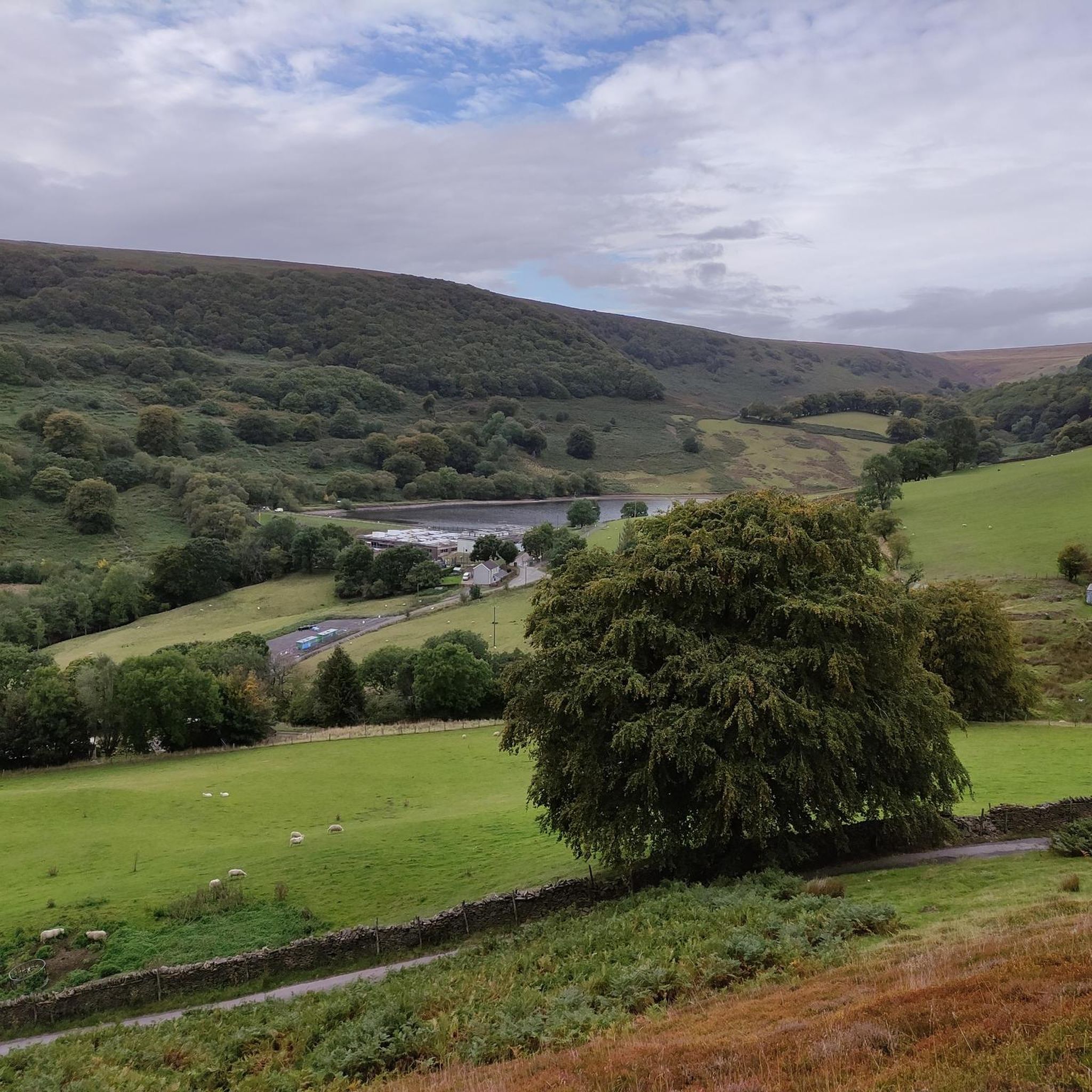
Keeper’s Pond is an amazing pond, outstanding beauty with great views of the Usk valley 🤩
0
2

Very helpful staff who kindly refilled our water bottles - also pointed out that on entering the main carpark there is a public tap next to the unit/toilets on the left.
0
0

A small summit above Risca. Known locally as the "Twmp" (the hump), the pimple or the nipple, due to the shape of the mound on the summit.
1
0

Nice little pond, good place to park to do the circular route of Blorenge.
1
2

This is a section of the Taff Trail NCR8 that is unpaved and muddy. Long may this last as the trail has important industrial archeological history. You can still see the stone seats that held the wooden rails of the old tramway in place. For more on the significance, Google Richard "Richard Trevithick (13 April 1771 – 22 April 1833) was a British inventor and mining engineer. The son of a mining captain, and born in the mining heartland of Cornwall, Trevithick was immersed in mining and engineering from an early age. He was an early pioneer of steam-powered road and rail transport, and his most significant contributions were the development of the first high-pressure steam engine and the first working railway steam locomotive.[1] The world's first locomotive-hauled railway journey took place on 21 February 1804, when Trevithick's unnamed steam locomotive hauled a train along the tramway of the Penydarren Ironworks, in Merthyr Tydfil, Wales.[2][3] Turning his interests abroad Trevithick also worked as a mining consultant in Peru and later explored parts of Costa Rica. Throughout his professional career he went through many ups and downs and at one point faced financial ruin, also suffering from the strong rivalry of many mining and steam engineers of the day. During the prime of his career he was a well-known and highly respected figure in mining and engineering, but near the end of his life he fell out of the public eye." - from wikipedia. - https://en.wikipedia.org/wiki/Richard_Trevithick
0
0
Frequently Asked Questions
What natural features can I explore around Argoed?
Argoed is surrounded by diverse natural landscapes. You can visit Keeper's Pond (Pen-Ffordd-Goch Pond), a popular spot for picnics and wildlife watching with views across the Usk Valley. The prominent Twmbarlwm Hill offers extensive views of the Severn Estuary. Additionally, the area provides access to parts of the Brecon Beacons National Park, known for its rolling hills, forests, and waterfalls.
Are there good hiking opportunities near Argoed?
Yes, there are several hiking opportunities. You can hike up Twmbarlwm Hill to explore its Iron Age hillfort and enjoy panoramic views. The Argoed Walk is a circular route showcasing nature's reclamation of old industrial areas. For more options, you can find various running and hiking trails, including easy hikes, in the area. Explore more at the Easy hikes around Argoed guide.
Where can I go mountain biking in the Argoed area?
For mountain biking enthusiasts, Cwmcarn — Twrch Mountain Bike Trail is a prime destination. It features two red-graded singletrack trails and two downhill tracks, offering challenging climbs and flowing descents. The facility also includes a bike shop, cafe, and bike wash.
What historical sites can I visit near Argoed?
The region is rich in history. You can explore the Iron Age hillfort remains on Twmbarlwm Hill. The Taff Trail Tramroad Section offers insight into the area's industrial archaeological past with visible stone seats from an old tramway. Further afield, the Big Pit National Coal Museum provides a deep dive into the region's coal mining heritage, and Cyfarthfa Castle Museum and Art Gallery showcases 2,000 years of Merthyr's history.
Are there any cultural attractions or museums in the vicinity?
Beyond the historical sites, you can visit the Big Pit National Coal Museum, which offers free entry and is a highly-rated cultural site. Cyfarthfa Castle Museum and Art Gallery in Merthyr Tydfil is another significant cultural attraction. The Brecon Mountain Railway also offers a unique cultural experience with its narrow-gauge steam railway journey through the national park.
What are some family-friendly attractions around Argoed?
Families can enjoy a visit to Keeper's Pond (Pen-Ffordd-Goch Pond) for picnics and wildlife watching. The Brecon Mountain Railway offers a fun and scenic ride for all ages. The Big Pit National Coal Museum is also a great educational and engaging experience for families.
Can I find easy walking routes suitable for a leisurely stroll?
Yes, there are easy walking routes available. The Argoed Walk is a circular path that is suitable for a leisurely stroll, allowing you to observe diverse fungi and birdlife. For more options, you can explore the Easy hikes around Argoed guide, which lists several routes with an 'easy' difficulty grade.
What kind of cycling routes are available for road bikes near Argoed?
Road cyclists can challenge themselves on The Tumble Climb from Govilon, a popular and challenging ascent with an average gradient of 8.5% over 4.1 km, offering extensive views from the summit. For more road cycling options, check out the Road Cycling Routes around Argoed guide, which includes routes of varying difficulties.
What do visitors enjoy most about the attractions around Argoed?
Visitors particularly appreciate the stunning views and historical significance of sites like Twmbarlwm Hill. The natural beauty and picnic opportunities at Keeper's Pond are also highly rated. For cyclists, the challenging yet rewarding trails at Cwmcarn — Twrch Mountain Bike Trail and the scenic The Tumble Climb are community favorites.
Are there any notable historic houses or gardens to visit?
Yes, The Argoed, a Victorian country house in Penallt, is a Grade II* listed building with gardens listed on the Cadw/ICOMOS Register. The gardens, primarily from the 19th century, include 17th-century terraces and offer views over the Wye Valley. You can find more information about its history on Wikipedia.
What is the best time to visit Argoed attractions?
The best time to visit Argoed attractions generally depends on your preferred activities. Spring and summer offer pleasant weather for hiking and outdoor activities, with lush greenery. Autumn provides beautiful foliage, while winter can be serene for those who enjoy crisp, quiet landscapes. Always check local weather forecasts before your visit.
Are there opportunities for wildlife watching in the area?
Yes, Keeper's Pond (Pen-Ffordd-Goch Pond) is a popular spot for wildlife watching. The Argoed Walk also offers opportunities to observe diverse fungi and birdlife, such as Goldcrests. Mynydd Illtud Common is known for sightings of red kites.
Can I find places to eat or cafes near the walking routes?
While specific cafes directly on every walking route are not detailed, Cwmcarn Forest, a popular mountain biking hub, has a cafe on-site. For other routes, it's advisable to check local amenities in nearby villages or towns before heading out, or pack your own refreshments for picnics at scenic spots like Keeper's Pond.
Most popular attractions around Argoed

Get inspired with the komoot mobile app


Explore more
Still not found the Highlight you’re looking for? See guides of the top attractions in other regions:
