Attractions and Places To See around Caverswall - Top 20
Best attractions and places to see around Caverswall include a blend of historical landmarks, cultural sites, and natural features within Staffordshire. The village itself is home to significant historical structures like Caverswall Castle and St. Peter's Church. Surrounding areas offer access to the tranquil Churnet Valley and other points of interest. This region provides a variety of sites for exploration.
Best attractions and places to see around Caverswall
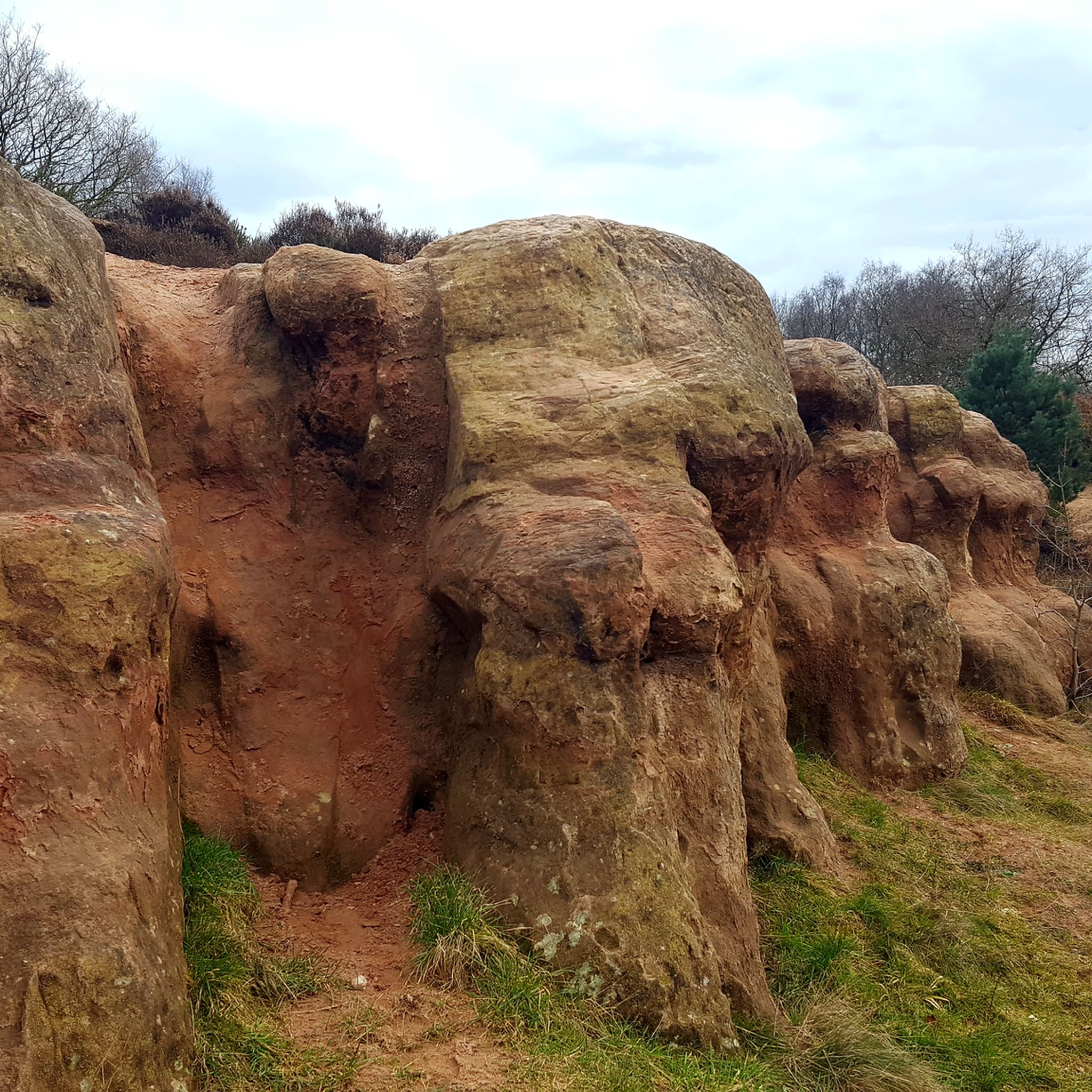
- The most popular attractions is Gawton's Cave, a natural monument known for its unique rock formations. Local legend attributes healing powers to this dolmen, where the hermit Gawton is said to have resided.
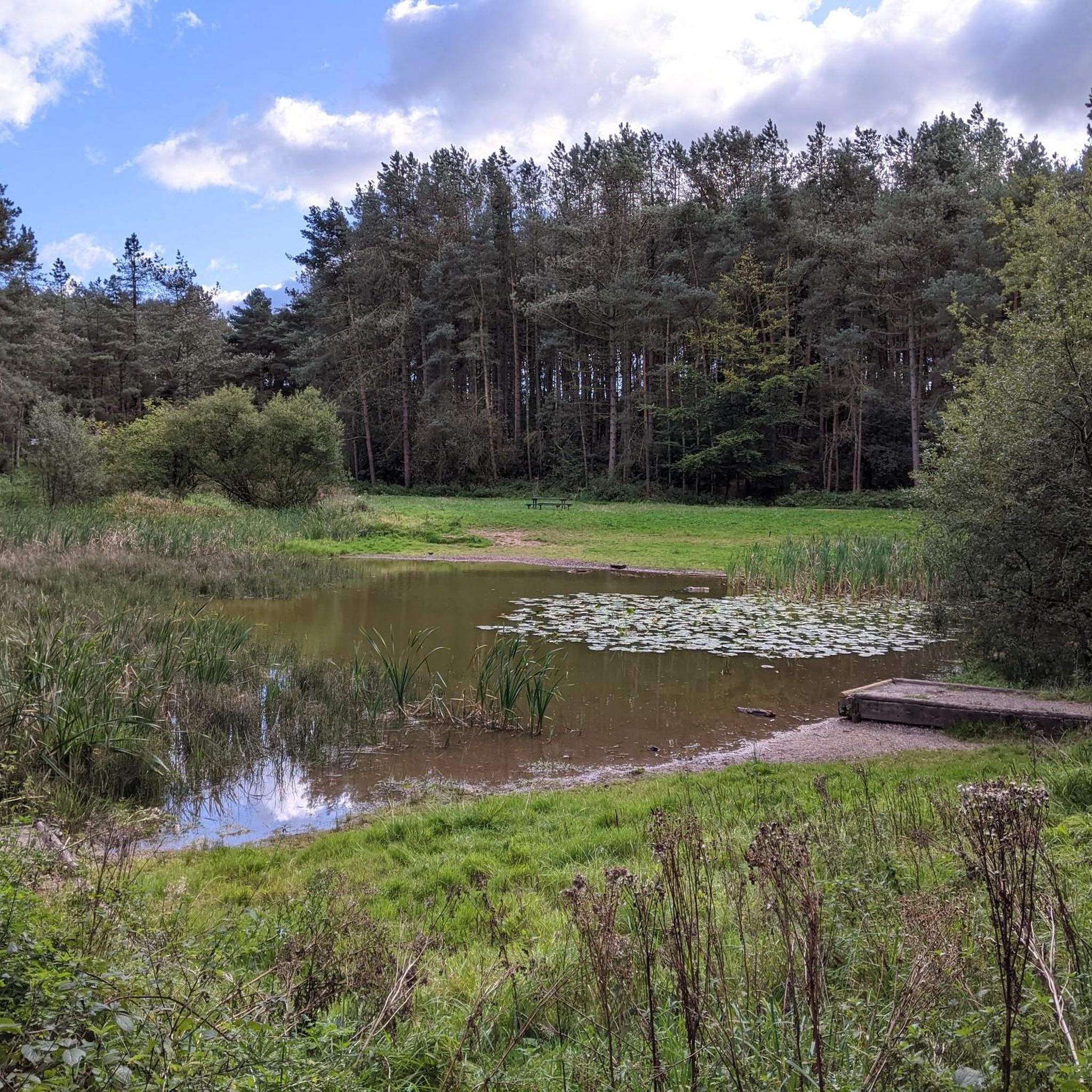
- Another must-see spot is King's Wood, Trentham Estate, a trail bordering Trentham Gardens. This area, historically part of the King's estate, offers free access and is home to wild Black Fallow Deer.
- Visitors also love Black Lion Pub, Consall Forge, a pub situated near lime kilns. It offers outdoor seating with views of passing steam trains and the tranquil surroundings of the Churnet Valley and Caldon Canal.
- Caverswall is known for its natural monuments, historical trails, and local pubs. The area offers a variety of attractions to see and explore, from unique geological features to historical sites and places for refreshment.
- The attractions around Caverswall are appreciated by the komoot community, with more than 40 upvotes and over 40 photos shared by visitors.
Last updated: June 22, 2026
Gawton's Cave
Highlight • Natural Monument
I was looking for Gawton's Stone (after briefly reading a couple of weeks ago that one could enter into it and cures have been claimed) and my eyes drew me to the rock forms on a bank on the opposite side to this.
I hastily began ascending and I pulled a muscle in my right calf so I limped up and limped back down in frustration.
I saw this formation on the other side so I thought I might as well get to it before I have to abort the circuit and go home.
I was 100% convinced this was the rock.
I sat inside it in awe and enjoyed the sounds of the strong winds that only seemed to be there and then I descended.
It was a few strides later that I realised I was walking normally. With amazement I continued my walk in complete comfort.
When I got home and looked at pictures of Gawton's Stone, I realised that this awesome rock was not the one.
Tip by

Black Lion Pub, Consall Forge
Highlight • Pub
Inside it has an open log fire (always a plus!).
We didn't try the food but when we finally got near to the bar (it is very popular and maybe a little understaffed?) next to the ales were samples of each.
Outside are plenty of benches you can rest on and watch the steam trains pass by or just to take in the tranquil surroundings of the Churnet Valley and the Caldon Canal.
Tip by
Sign up now to discover places like this
Get recommendations on the best single tracks, peaks, & plenty of other exciting outdoor places.
Sign up for free
King's Wood, Trentham Estate
Highlight • Trail
"When William of Normandy ordered an inventory of his English domains in around 1086 (now known as the ‘Domesday Book’) it noted that the ‘king holds Trentham’.
The King’s estate is said to include land big enough for three and a half ploughs, managed by a Reeve who had 6 people in his service. Trentham also included an area of 3 ploughs and woodland"
Tip by
St Edward the Confessor Church, Cheddleton
Highlight • Religious Site
The church at is dedicated to St. Edward the Confessor. The earliest church here was built in the last decade of the twelfth century. Much of the existing building dates from the thirteenth and fourteenth centuries with the tower and porch being completed in the late sixteenth century. Major restorations were undertaken in the 1770s and particularly in the 1860s. It is particularly noted for its fine stained glass windows by William Morris and Edward Burne Jones.
St Edward's was formerly a chapel-of-ease for St. Edward's at Leek but became a parish church in 1450.
The church is in the Diocese of Lichfield and is now part of the United Benefice of St Edward's Cheddleton, St. Michael's Horton, St. Chad's Longsdon and St. Lawrence Rushton Spencer.
The churchyard surrounds the church and has been extended to the rear for newer graves. Sir Thomas Wardle (1831–1909), who owned a dyeworks in Leek and was a friend of the architect George Gilbert Scott, Jr. and the artist William Morris, is buried in the churchyard.
There is also a cross in the churchyard that is an ancient monument. The base is medieval; the upper part is by George Gilbert Scott Jr. and features Instruments of the Passion designed by William Morris.
Source: waymarking
Tip by
Cherryeye Bridge No. 53
Highlight • Bridge
In its 1730 heyday, the Churnet Valley's works produced an annual 150,000 tonnes of ironstone. The Consall Nature Park is full of vestiges from this booming era.
Tip by

Sign up for free to discover even more attractions around Caverswall.
Sign up for free
Already have an account?
Start today with a free account
Your next adventure awaits.
Login or Signup
Tips from the Community


A very pleasant walk with a certain degree of hills
0
0

After this point we went to a tea room, which was nice and quaint. The next part of the route then takes you across some fields. Unfortunately, there was cows and bulls loose in the field and we didn’t feel confident walking through them. We chose to take a side road near the tea room and Komoot redirected us another way.
0
0

Amazing little find whilst on the walk... makes you wonder!
0
0

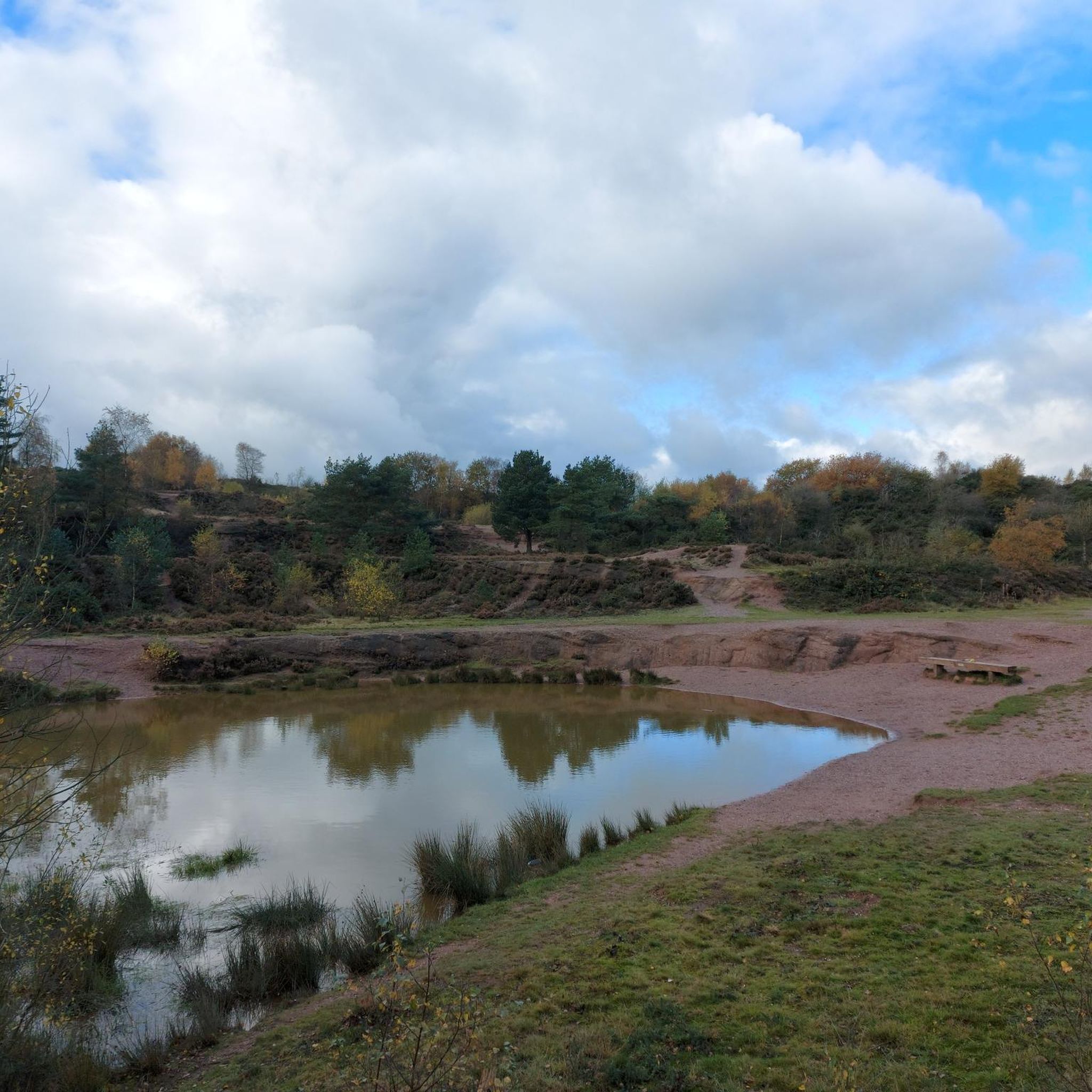
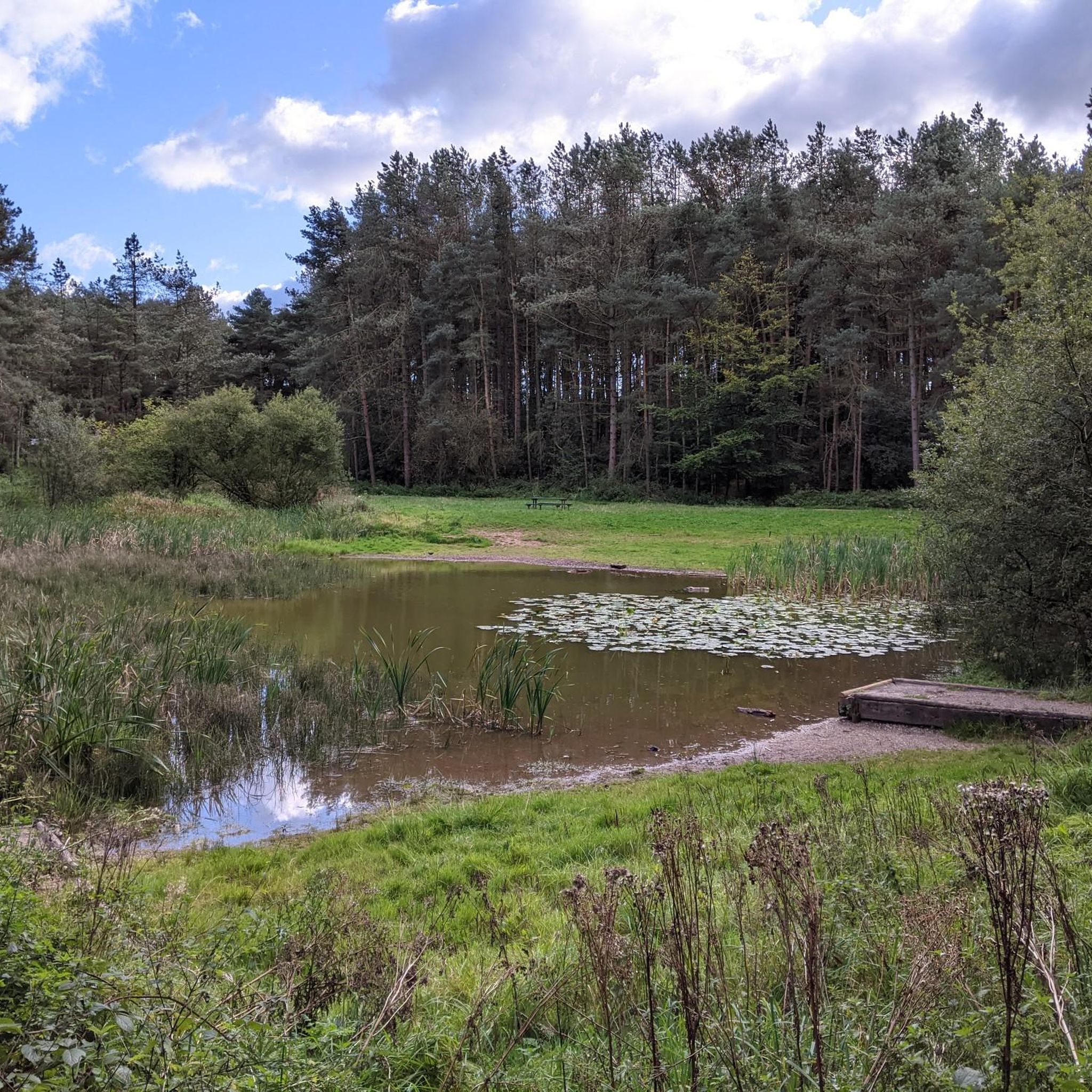
Bordering Trentham Gardens, this section of Trentham Park is free to access without an admission charge. The Two Saints Way runs along the ridgeline.
2
0

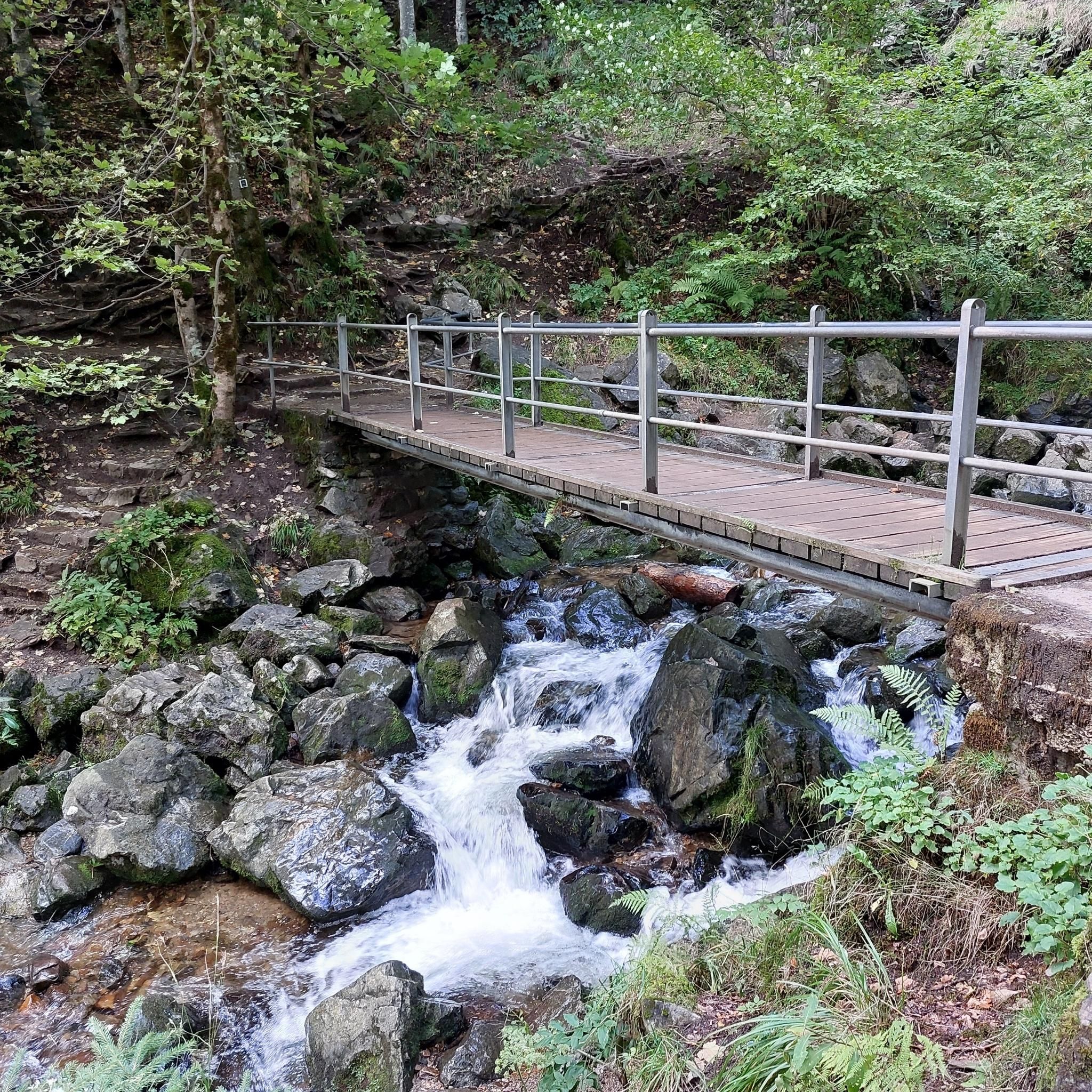
The gothic arch of Cherry Eye Bridge is a splendid sight, but it is its name that gives a hint to this now tranquil region's industrial past. It is named after the red eye that the 18th-century iron workers suffered from dust particles thrown into the air by the various industrial processes. In its 1730 heyday, the Churnet Valley's works produced an annual 150,000 tonnes of ironstone. The Consall Nature Park is full of vestiges from this booming era.
0
0

Edward the Confessor church is a Grade II* listed building and dates back to the 13th century. (visit link) The church at is dedicated to St. Edward the Confessor. The earliest church here was built in the last decade of the twelfth century. Much of the existing building dates from the thirteenth and fourteenth centuries with the tower and porch being completed in the late sixteenth century. Major restorations were undertaken in the 1770s and particularly in the 1860s. It is particularly noted for its fine stained glass windows by William Morris and Edward Burne Jones. St Edward's was formerly a chapel-of-ease for St. Edward's at Leek but became a parish church in 1450. The church is in the Diocese of Lichfield and is now part of the United Benefice of St Edward's Cheddleton, St. Michael's Horton, St. Chad's Longsdon and St. Lawrence Rushton Spencer. The churchyard surrounds the church and has been extended to the rear for newer graves. Sir Thomas Wardle (1831–1909), who owned a dyeworks in Leek and was a friend of the architect George Gilbert Scott, Jr. and the artist William Morris, is buried in the churchyard. There is also a cross in the churchyard that is an ancient monument. The base is medieval; the upper part is by George Gilbert Scott Jr. and features Instruments of the Passion designed by William Morris. Source: waymarking
13
0
Frequently Asked Questions
What historical sites can I explore in and around Caverswall?
Caverswall is rich in history. You can visit the 13th-century moated Caverswall Castle, the historic St. Peter's Church with its notable stained glass, and The Stone House, one of the village's oldest properties. Slightly further afield, Foxfield Railway offers a glimpse into industrial heritage with steam train rides. Don't miss St Edward the Confessor Church, Cheddleton, a Grade II* listed building with 13th-century origins and fine stained glass by William Morris and Edward Burne-Jones. The gothic arch of Cherryeye Bridge No. 53 also tells a story of the region's industrial past.
Are there natural attractions or scenic spots near Caverswall?
Yes, the area offers several natural highlights. The tranquil Churnet Valley is perfect for outdoor activities, retaining vestiges of its industrial past. You can also discover Gawton's Cave, a natural monument with unique rock formations and local legends of healing powers. For a peaceful forest experience, explore King's Wood, Trentham Estate, where you might spot wild Black Fallow Deer. The Consall Nature Park within the Churnet Valley is another excellent spot for nature lovers.
What outdoor activities and walking routes are available near Caverswall?
The region around Caverswall is ideal for outdoor enthusiasts. You can find various hiking and running routes. For example, there are easy hikes like the Park Hall Country Park loop via Hulme Quarry / Play Canyon, or the Berryhill Fields Stone Circle loop from Longton. For more options, explore the hiking guide for Caverswall or the running trails guide for routes like the Village Well (1879) – Wetley Moor Trig Point loop.
Are there any family-friendly attractions or activities in the area?
Families can enjoy several spots. The Foxfield Railway, located near the village, offers steam train rides which are often a hit with children. The Black Lion Pub, Consall Forge, is family-friendly, offering outdoor seating with views of passing steam trains and the tranquil surroundings of the Churnet Valley. The historic Cherryeye Bridge No. 53 is also a pleasant spot for a family stroll along the canal.
Where can I find unique local experiences or 'hidden gems' around Caverswall?
For a unique experience, seek out Gawton's Cave, a natural monument shrouded in local legend about healing powers. The Caverswall Village Square, with its large tree and historic stocks, offers a charming glimpse into local life. The Churnet Valley itself, with its blend of industrial history and natural beauty, holds many hidden corners to explore, such as the vestiges of the booming industrial era in Consall Nature Park.
What is the significance of the Churnet Valley near Caverswall?
The Churnet Valley is significant for its rich industrial past, particularly its role in 18th-century iron production. Today, it offers tranquil surroundings for outdoor activities and retains many historical remnants. The gothic arch of Cherryeye Bridge No. 53, for instance, is a visual highlight and a reminder of this heritage, named after an affliction suffered by iron workers.
Can I see wildlife in the natural areas around Caverswall?
Yes, wildlife spotting is possible. King's Wood, Trentham Estate, is home to wild Black Fallow Deer, introduced centuries ago. The various walking routes through forests and natural parks in the Churnet Valley and surrounding areas also provide opportunities to observe local flora and fauna.
Are there any pubs or places to eat near the attractions?
Yes, the Black Lion Pub, Consall Forge, is a popular spot situated near lime kilns. It offers outdoor seating with views of passing steam trains and the tranquil surroundings of the Churnet Valley and Caldon Canal. In Caverswall village, the Red House pub is located in the historic village square.
What is the history behind Caverswall Castle?
Caverswall Castle is a 13th-century moated castle with a rich history. Originally a stronghold, it was rebuilt in the 17th century as a fortified manor house. It has connections to the Wedgwood family and even served as a nunnery at one point. It is a Grade I listed building, offering insights into centuries of local nobility and architectural evolution.
What are The Roaches and Lud's Church, and how far are they from Caverswall?
The Roaches and Lud's Church are dramatic natural features located slightly further afield in the Peak District. The Roaches are a dominant gritstone escarpment offering superb views and popular walking routes. Lud's Church is a deep chasm with an intriguing past. While not directly in Caverswall, they are popular destinations for those willing to venture a bit further for impressive natural landscapes.
What do visitors enjoy most about the attractions around Caverswall?
Visitors particularly enjoy the blend of historical significance and natural beauty. The unique rock formations and legends of Gawton's Cave are a highlight. The peaceful atmosphere and wildlife spotting opportunities in King's Wood, Trentham Estate are also highly appreciated. Many also love the unique experience of watching steam trains pass by from the outdoor seating of the Black Lion Pub, Consall Forge, enjoying the tranquil Churnet Valley surroundings.
Most popular attractions around Caverswall

Get inspired with the komoot mobile app


Explore more
Still not found the Highlight you’re looking for? See guides of the top attractions in other regions:
