The best road cycling routes around Lake Graniczne
4.8
(25)
796
riders
74
rides
Road cycling routes around Lake Graniczne traverse diverse landscapes characteristic of Poland's lake districts. The terrain varies from relatively flat plains, ideal for leisurely rides, to areas with gently-sloping hills and undulating sections. Cyclists can expect routes that wind through dense forests, alongside expansive lakes, and across charming countryside. The region's natural features provide varied scenery for road cyclists.
Best road cycling routes around Lake Graniczne
- The most popular road cycling route is New Marina – Hotel Jordan loop from…
Last updated: July 8, 2026
19
riders
68.6km
02:57
410m
410m
Moderate road ride. Good fitness required. Mostly well-paved surfaces and easy to ride.
4
riders
110km
04:53
720m
720m
Moderate road ride. Good fitness required. Some segments of this route may be unpaved and difficult to ride.

Sign up for free
4.0
(3)
49
riders
78.7km
03:14
360m
360m
Moderate road ride. Good fitness required. Some segments of this route may be unpaved and difficult to ride.
12
riders
15.9km
00:48
110m
110m
Moderate road ride. Great for any fitness level. Some segments of this route may be unpaved and difficult to ride.
5.0
(1)
4
riders
52.5km
02:18
300m
300m
Moderate road ride. Good fitness required. Some segments of this route may be unpaved and difficult to ride.
Get access to more routes and recommendations from other explorers.
Sign up for free
Already have an account?
Our route recommendations are based on thousands of hikes, rides, and runs completed by other people on komoot.
Start today with a free account
Your next adventure awaits.
Login or Signup

Tips from the Community

A wonderful place. Here you can admire ancient buildings from Kashubia, Kociewie, and the Tuchola Forest. There are wooden cottages, windmills, an inn, churches, and entire old farmsteads. Travel back in time to see what people did when there was no internet! A truly interesting place, such living, fascinating history. You can peek into each building and see what it was like. Don't forget to buy tickets! http://www.muzeum-wdzydze.gda.pl/
1
0

It's about Jews. In the interwar period, there were only a few of them in Kościerzyna, though in 1886 there were 468, in 1920 – 95, and a year later, after the lands were incorporated into Poland, only 18 people of Jewish nationality lived in Kościerzyna. Before the outbreak of the war, only two families remained. Where did they go? During this period, Jews from Kashubia emigrated en masse to Germany, with which they were culturally and mentally more aligned. Herman and Rozalia were therefore among the last to remain in Kościerzyna.
1
0

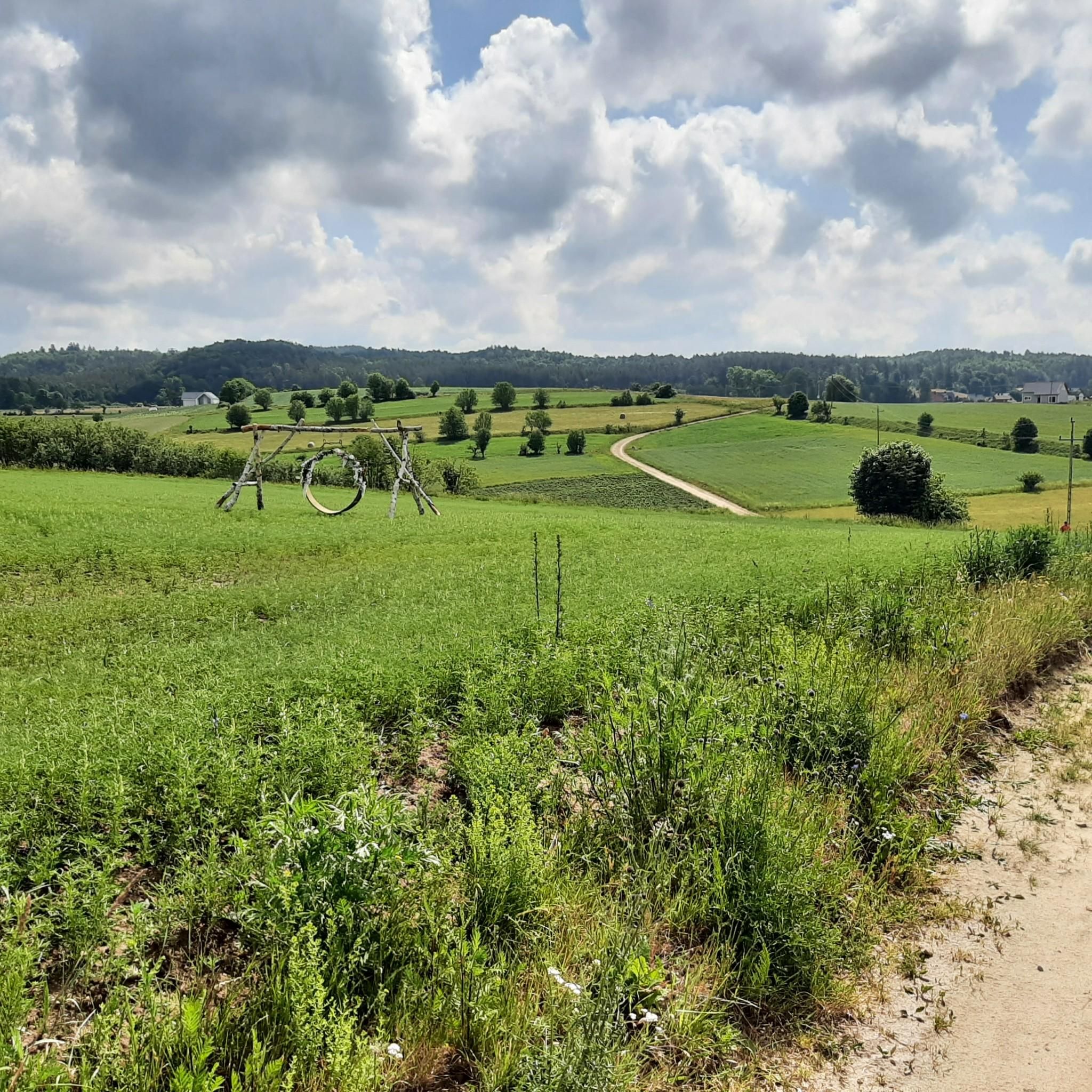
The bike goes well with the flowers.
0
0

Once a year, the open-air museum hosts the Wdzydzki Fair, which lasts two days and is worth seeing
1
1

At the very beginning, it is worth mentioning the dedication ceremony of the Lutheran Church in Kościerzyna (Berent), which took place on Wednesday, April 18, 1894, as stated in the holiday program of the ceremony, printed especially for this occasion. This temple served the local faithful of the Evangelical faith until 1945. After World War II, this post-Evangelical church under the invocation of St. John of Nepomuk was designated for youth as a school church. The Resurrectionists came to Kościerzyna at the request of the then Ordinary of the Chełmno Diocese, Bishop Kazimierz Józef Kowalski, who wanted to entrust them with the care of the abandoned post-Evangelical church and the children and school youth in Kościerzyna. The Resurrectionists arrived in the city on July 4, 1947. https://parafiakoscierzyna.pl/index.php/historia-parafii
3
0
The Museum – Teodora and Izydor Gulgowski Kashubian Ethnographic Park in Wdzydze Kiszewskie is located on the picturesque shores of Lake Gołuń. There are over 50 buildings characteristic of the rural landscape of Kashubia, Kociewie and Tuchola Forest from the 17th to the 20th century. Visitors can admire the wealth of old wooden architecture of Pomerania with its equipment: cottages, manors, a school, windmills, churches, inns, farm buildings and craft workshops. The farmsteads present: methods of grinding snuff and grinding grain, washing, mangling, tailoring, weaving, the work of a blacksmith, wheelwright and forest worker. The museum offers various workshops and shows, both for individual visitors and for groups. For the youngest visitors, an interactive exhibition has been prepared “Museum for fun?” - where children can experience the past and plan a museum of the future. This is an exhibition where you are allowed to touch the exhibits: check what it is like to sleep under a duvet, look inside a cast iron waffle iron and rummage through a kitchen cupboard. It tells about various museums that exist in the world; explains why we need museum collections in the first place; shows what kind of exhibits can be collected, for example, in open-air museums. It asks children and adults the question: "What matters to people?" In this way, the exhibition makes visitors aware that research never ends, and that history and tradition are constantly being created. https://wdzydzkipark.pl/o-parku-4/dziedzictwo-kulturowe-6/muzea/kaszubski-park-etnograficzny/
3
1

At the beginning, the asphalt is poor, but the further you go, the better it gets!
0
0
Branch Church of St. Barbara in Wdzydze Kiszewskie Built around 1700 in the village of Swornegacie. In 1740, a tower was added. Originally dedicated to St. John the Baptist and St. Bartholomew. Expanded in 1740, 1744 and 1812. At the beginning of the 20th century, it was in a deplorable state. In 1916, the first Holy Mass was celebrated in the new church, and the old one was to be demolished. However, the residents saved the monument, which was renovated in 1947. In 1980, the Chełmno Curia transferred the then inactive temple to the open-air museum in Wdzydze. The church was moved to the open-air museum in the years 1980-1987.
2
0
Frequently Asked Questions
How many road cycling routes are available around Lake Graniczne?
There are over 65 road cycling routes around Lake Graniczne listed on komoot, offering a wide range of options for different skill levels. This includes 12 easy routes, 51 moderate routes, and 2 more challenging options.
What kind of terrain can I expect when road cycling around Lake Graniczne?
The terrain around Lake Graniczne is characteristic of Poland's lake districts, featuring diverse landscapes. You can expect a mix of relatively flat plains, ideal for leisurely rides, and areas with gently-sloping hills and undulating sections. Routes often wind through dense forests, alongside expansive lakes, and across charming countryside, providing varied scenery.
What is the best time of year for road cycling around Lake Graniczne?
The best time for road cycling around Lake Graniczne is generally from late spring to early autumn (May to September). During these months, the weather is typically mild and pleasant, with less rainfall, making for comfortable riding conditions. The natural scenery, including forests and lakes, is also at its most vibrant.
Are there options for less experienced road cyclists or beginners?
Yes, there are several options suitable for less experienced road cyclists. The region offers 12 easy routes, perfect for those looking for a more relaxed ride. An example is the Gravel Pit Pond – New Marina loop from Łubiana, an easy 20.0 miles (32.2 km) path that provides a less challenging ride through natural settings.
Are there any challenging road cycling routes for experienced riders?
While the majority of routes are moderate, there are 2 routes classified as difficult for experienced riders seeking a greater challenge. These routes typically feature more significant elevation changes or longer distances. For a moderate but longer ride, consider the Wooden Church in Sominy – Hotel Jordan loop from Łubiana, which is 68.6 miles (110.4 km) and leads through forests and past local landmarks.
What do other cyclists say about road cycling in the Lake Graniczne area?
The road cycling routes around Lake Graniczne are highly rated by the komoot community, with an average score of 4.6 stars from over 26 reviews. Cyclists often praise the varied terrain, the tranquility of the natural settings, and the opportunity to explore dense forests and expansive lakes.
Are there any circular road cycling routes around Lake Graniczne?
Yes, many of the routes around Lake Graniczne are designed as loops, allowing you to start and finish in the same location. Popular examples include the New Marina – Hotel Jordan loop from Łubiana, a 42.3 miles (68.1 km) moderate route, and the Kashubian Ethnographic Park – Kaszuby River loop from Garczyn, which is 78.7 miles (126.6 km).
Can I find places to eat or stay along the road cycling routes?
Yes, the regions surrounding Lake Graniczne, particularly areas like Kashubia, feature smaller towns and villages along cycling routes. These often provide opportunities for stops to experience local culture, find cafes, pubs, and various accommodation options, from holiday homes to hotels, allowing for refreshment and overnight stays.
Is it possible to rent bikes near Lake Graniczne?
While specific rental shops directly at Lake Graniczne are not detailed, the broader Kashubia region, which includes areas near some of the lakes named Graniczne, is known to offer bike rental services. It's advisable to check local tourism information for specific rental locations in the vicinity of your chosen starting point.
What are the parking options for road cyclists visiting Lake Graniczne?
Parking options for road cyclists typically include designated parking areas in nearby towns or villages, especially those serving recreational areas or trailheads. Given the renovation of roads leading to some Lake Graniczne locations, accessibility and parking facilities are likely to be improved. Always check local signage for specific parking regulations.
Are there scenic viewpoints or natural features to see along the routes?
Absolutely. The road cycling routes around Lake Graniczne are rich in natural beauty. You'll cycle through dense forests, alongside expansive lakes, and across undulating plains, offering numerous scenic vistas. The Tuchola Forest region, for instance, is a UNESCO Biosphere Reserve known for its preserved natural beauty and countless forest paths, providing visually engaging routes.
Are there any specific landmarks or points of interest I can visit while cycling?
While specific attractions directly on every route are not listed, the region's character includes charming countryside and local landmarks. For example, the Wooden Church in Sominy – Hotel Jordan loop from Łubiana passes by the Wooden Church in Sominy. The broader Kashubia area also features ethnographic parks and other cultural points of interest.
Are the road cycling routes around Lake Graniczne suitable for families?
Yes, the region offers routes suitable for families, particularly the 12 easy-rated routes. The relatively flat plains and tranquil natural settings make for a pleasant experience for all ages. The presence of renovated roads and dedicated bike paths in some areas further enhances safety and enjoyment for family rides.
Most popular routes around Lake Graniczne

Get inspired with the komoot mobile app


Explore more
Browse the best Road cycling routes in other regions.
