Top 4 Caves around Quarnford
Caves around Quarnford are situated within the Peak District National Park, an area known for its diverse geological formations and natural landscapes. This region offers a variety of cave systems, from deep chasms to historical mining sites. The terrain surrounding Quarnford features limestone gorges and hills, providing a rich environment for cave exploration. Many of these natural features are easily accessible from Quarnford, making it a central point for discovering the area's underground wonders.
Best caves around Quarnford
- The most…
Last updated: June 29, 2026
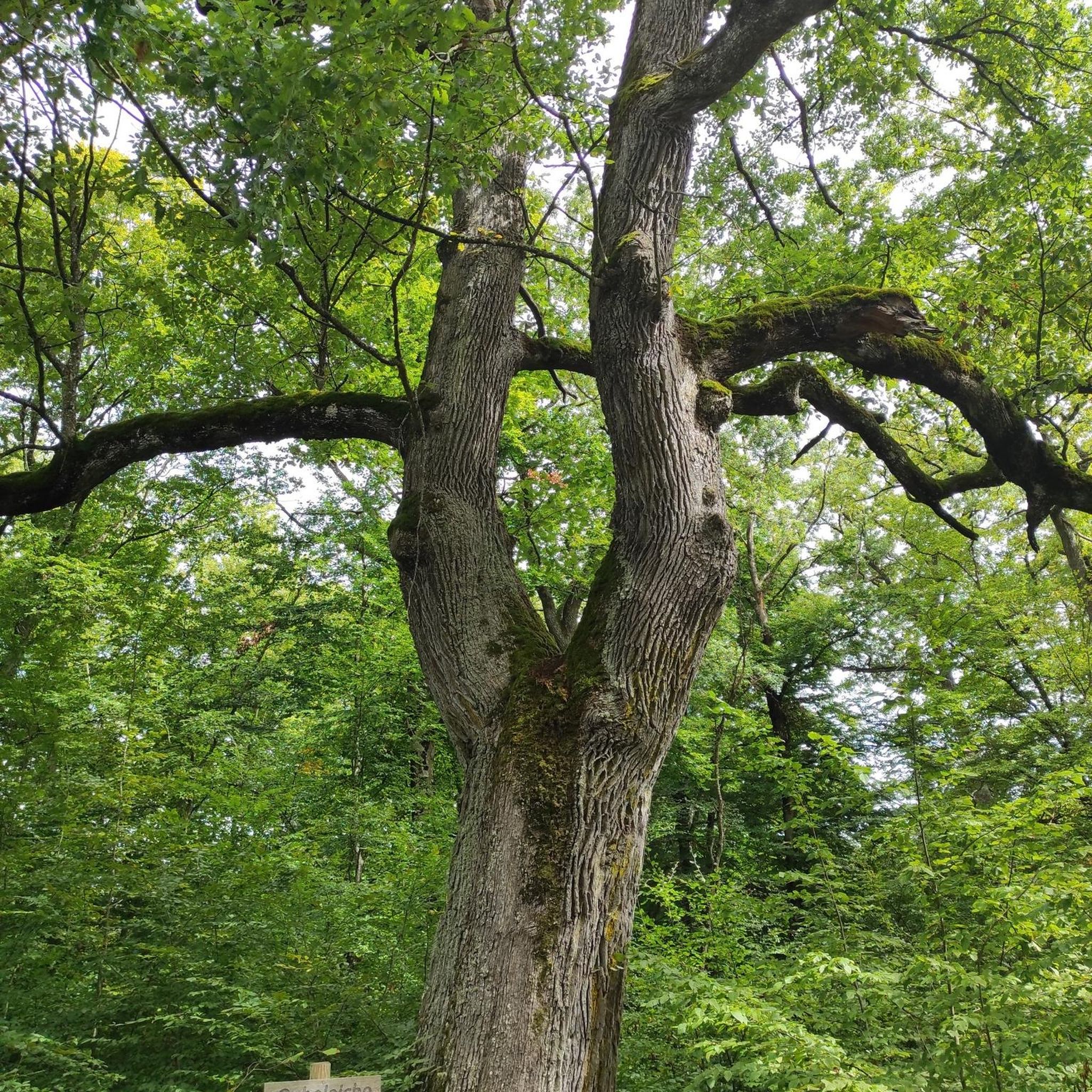
Lud's Church
Highlight • Gorge
Tip by

Thirst House Cave, Deep Dale
Highlight • Historical Site
Tip by

Sign up now to discover places like this
Get recommendations on the best single tracks, peaks, & plenty of other exciting outdoor places.
Sign up for free
Thirst House Cave
Highlight • Natural Monument
It's not the path in the immediate vicinity but the routes available to get there.
1) …
Tip by

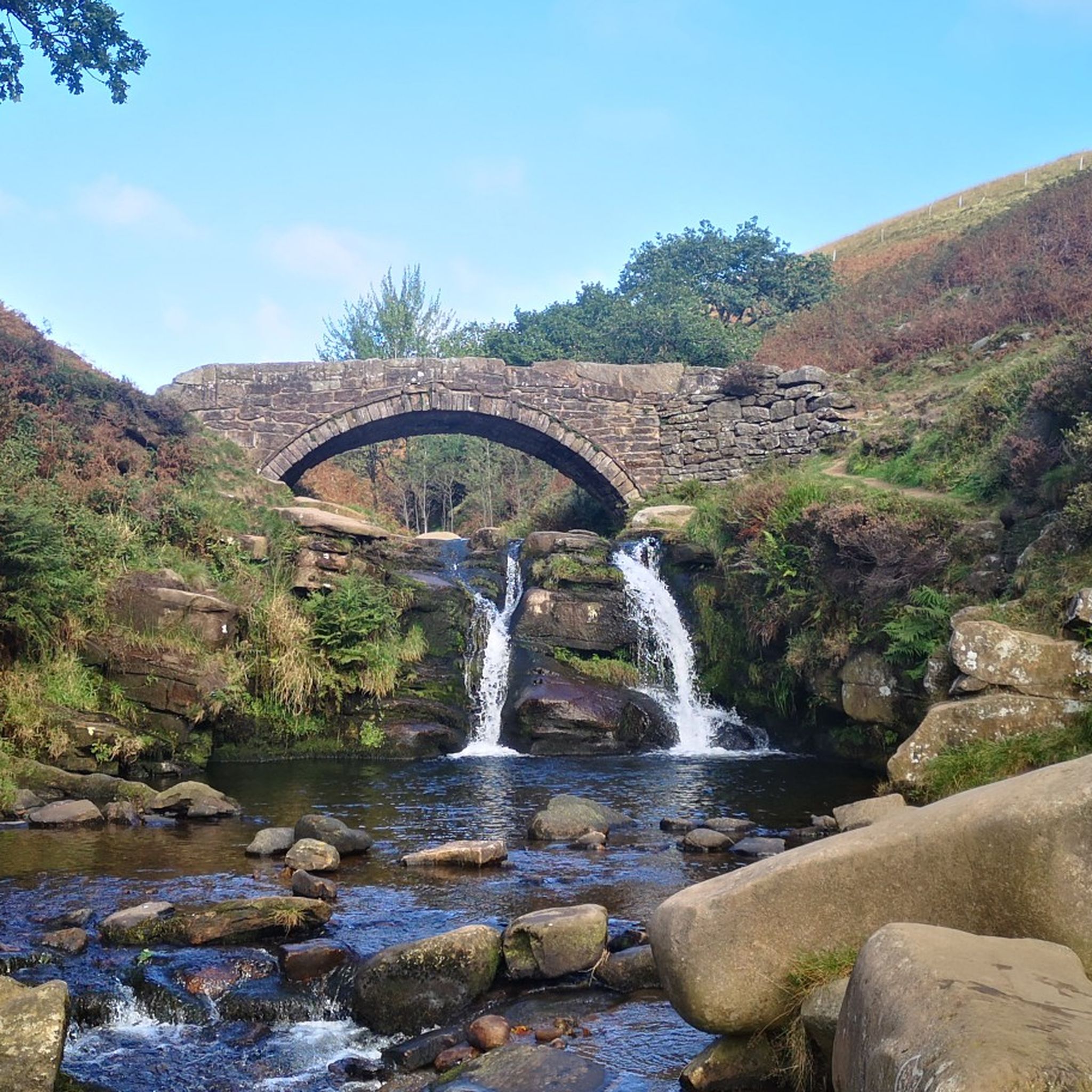
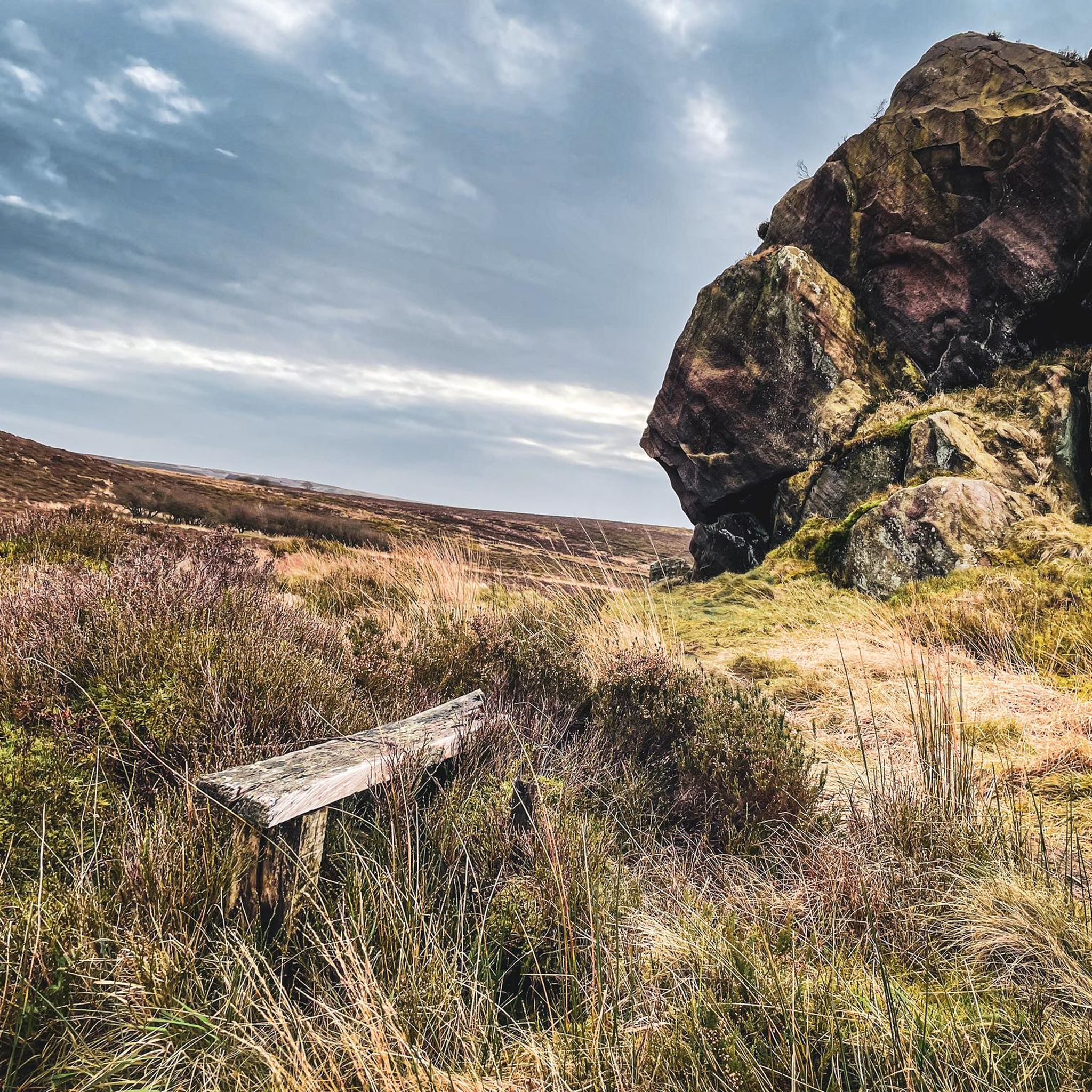
Stone Arch and Cave on Chrome Hill
Highlight • Natural Monument
Tip by

Start today with a free account
Your next adventure awaits.
Login or Signup
Tips from the Community

Usually pretty muddy during the winter, although there's been a mini board walk placed within luds church because it gets pretty swampy so is an easy walk through there, it's a pretty mystical place so definitely take your camera for a few snaps. Parking carefully as the road is used by large tractors as well as brewery visitors and hikers/walkers.
0
0

nice veiws can be slippery after rain especially in the winter months
0
0

I would respectfully note that this cave is not the easiest to access. https://delta-exploits.net/
0
1

Beautiful to pass through, this place holds a lot of history. Be sure to take a walk on the Roaches Trail. You won't be disappointed by the naturally awe-inspiring, moist, moss-filled little ecosystem.
0
0


A must see of in the area. Warm on top ground and you can see your breath in the "Church".
0
0

You’d never know this existed unless I had it on map, beautiful place hidden in the trees
0
0
Frequently Asked Questions
What are some popular caves to visit near Quarnford?
Beyond the local highlights like Lud's Church and Thirst House Cave, Deep Dale, the wider Peak District area offers renowned show caves. These include Blue John Cavern and Treak Cliff Cavern in Castleton, famous for the rare Blue John stone, and Poole's Cavern in Buxton, known for its impressive stalactites.
Are there any caves near Quarnford with historical or archaeological significance?
Yes, several caves in the vicinity offer a glimpse into history. Thirst House Cave, Deep Dale, for example, has yielded Roman artifacts and a bear's skull. Poole's Cavern in Buxton has archaeological evidence of prehistoric human shelter, while Creswell Crags is a globally significant site with Ice Age cave art and Neanderthal tools.
Can I see the rare Blue John stone in any caves near Quarnford?
Yes, you can. Blue John Cavern and Treak Cliff Cavern, both located in Castleton, are two of the only places in the world where the semi-precious Blue John stone is found. Treak Cliff Cavern even displays 'The Pillar,' the largest piece of Blue John ever discovered.
Are there family-friendly caves to explore near Quarnford?
Many of the show caves in the Peak District are suitable for families. Poole's Cavern offers guided tours through its well-lit chambers, and the Heights of Abraham provides a unique experience with a cable car ride to two caverns, Great Masson and Rutland, along with a hilltop park.
What kind of unique cave experiences are available near Quarnford?
For a truly unique experience, Speedwell Cavern in Castleton offers an underground boat trip through an 18th-century flooded lead mine, leading to a vast subterranean lake. The Heights of Abraham provides a scenic cable car ascent before exploring its caverns.
Which caves near Quarnford offer insights into ancient human history?
Creswell Crags, located on the Nottinghamshire/Derbyshire border, is a site of immense prehistoric significance. It features caves with Britain's only known Ice Age cave art, dating back 13,000 years, and evidence of Neanderthal and early modern human occupation.
What outdoor activities can I combine with a visit to the caves near Quarnford?
The area around Quarnford is excellent for hiking. You can find numerous trails, including easy routes like the 'Three Shire Heads circular from Flash' or more moderate options such as 'Lud's Church – Luds Church Gorge loop from Roaches Gradbach'. For more ideas, explore the hiking guide for Quarnford.
Are there any caves near Quarnford that were once old mining sites?
Yes, several caves have a mining history. Speedwell Cavern is an old lead mine, and the Heights of Abraham features Great Masson Cavern and Rutland Cavern, both former lead mines. Blue John Cavern and Treak Cliff Cavern are also active mining sites for the rare Blue John stone.
Which cave near Quarnford has the largest natural entrance?
Peak Cavern, also known as 'The Devil's Arse,' located in Castleton, is notable for having the largest natural cave entrance in Britain. It's an almost entirely natural cave system with a rich history of rope-making and folklore.
What kind of geological formations can I expect to see in the caves near Quarnford?
The caves in the region, being primarily limestone, feature a variety of formations. You can expect to see impressive stalactites, stalagmites, flowstone, and helictites. Poole's Cavern is particularly known for its crystal stalactites, while Blue John Cavern and Treak Cliff Cavern showcase the unique Blue John fluorite.
What is the best time to visit the caves around Quarnford?
Most show caves near Quarnford are open year-round, making them a good option regardless of the season. However, the surrounding Peak District landscape is particularly beautiful in spring and autumn. Always check individual cave opening times and conditions before planning your visit.
Are there any caves near Quarnford that offer panoramic views?
While not a cave itself, the Stone Arch and Cave on Chrome Hill offers stunning views overlooking the landscape from its natural ridge. The Heights of Abraham also provides panoramic views of the Derwent Valley from its cable car and hilltop park, which gives access to its caverns.
Most popular routes around Quarnford
Most popular attractions around Quarnford

Get inspired with the komoot mobile app


Explore more
Extend your search for the best caves by checking out these guides of the top ones around Quarnford:
