The best running trails around Whitestaunton
4.0
(13)
1,440
runners
159
runs
Jogging around Whitestaunton offers access to diverse natural landscapes within the Blackdown Hills National Landscape. This region features rolling hills, ancient woodlands, and open fields, providing varied terrain for running. Historical sites like Castle Neroche, an Iron Age hill fort, also offer woodland tracks and bridleways. The area's network of public footpaths and bridleways caters to different running preferences.
Best jogging routes around Whitestaunton
- The most popular jogging route is Combe St Nicholas Church loop from Combe St Nicholas,…
Last updated: June 26, 2026
9
runners
9.40km
01:00
150m
150m
Moderate run. Good fitness required. Mostly paved surfaces. Suitable for all skill levels.
9
runners
Hard run. Very good fitness required. Mostly paved surfaces. Suitable for all skill levels.

Sign up for free
4
runners
Moderate run. Good fitness required. Mostly paved surfaces. Suitable for all skill levels.
3
runners
11.6km
01:21
260m
260m
Moderate run. Good fitness required. Mostly paved surfaces. Suitable for all skill levels.
3
runners
9.63km
01:03
190m
190m
Moderate run. Good fitness required. Mostly paved surfaces. Suitable for all skill levels.
Get access to more routes and recommendations from other explorers.
Sign up for free
Already have an account?
Our route recommendations are based on thousands of hikes, rides, and runs completed by other people on komoot.
Start today with a free account
Your next adventure awaits.
Login or Signup
Tips from the Community

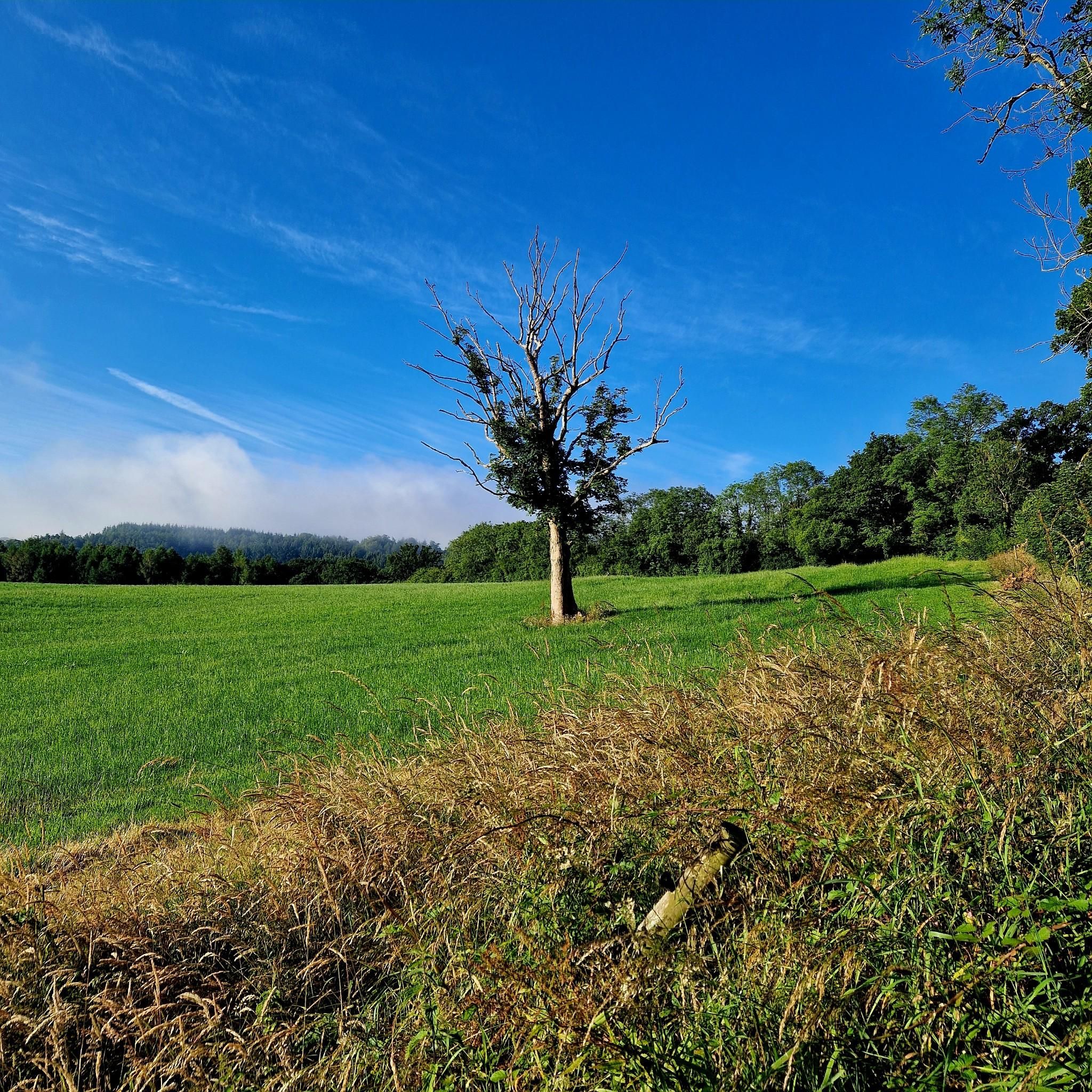
Castle Neroche is a significant historical site in Somerset, England, located on the northern escarpment of the Blackdown Hills. It is not a standing stone castle today, but rather a complex of impressive earthworks that reveal a long history of use.
1
0
Came across a section of old wall, after going to inspect it, beyond it were ruinous buildings and foundations. there were so many just hidden in bushes and trees. No signs to say what they were, and nothing found online. I wonder what was here and when these buildings were from?
1
0
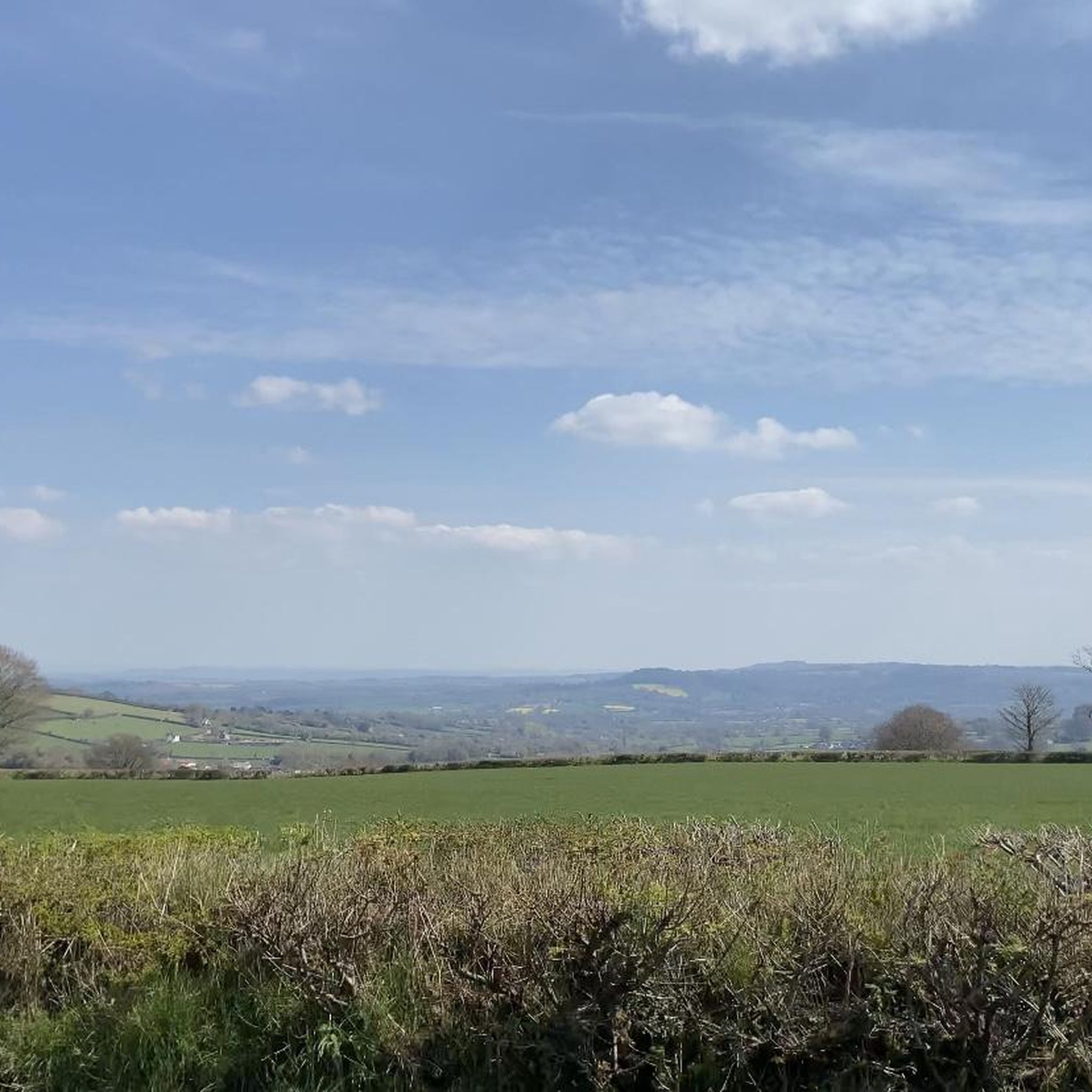
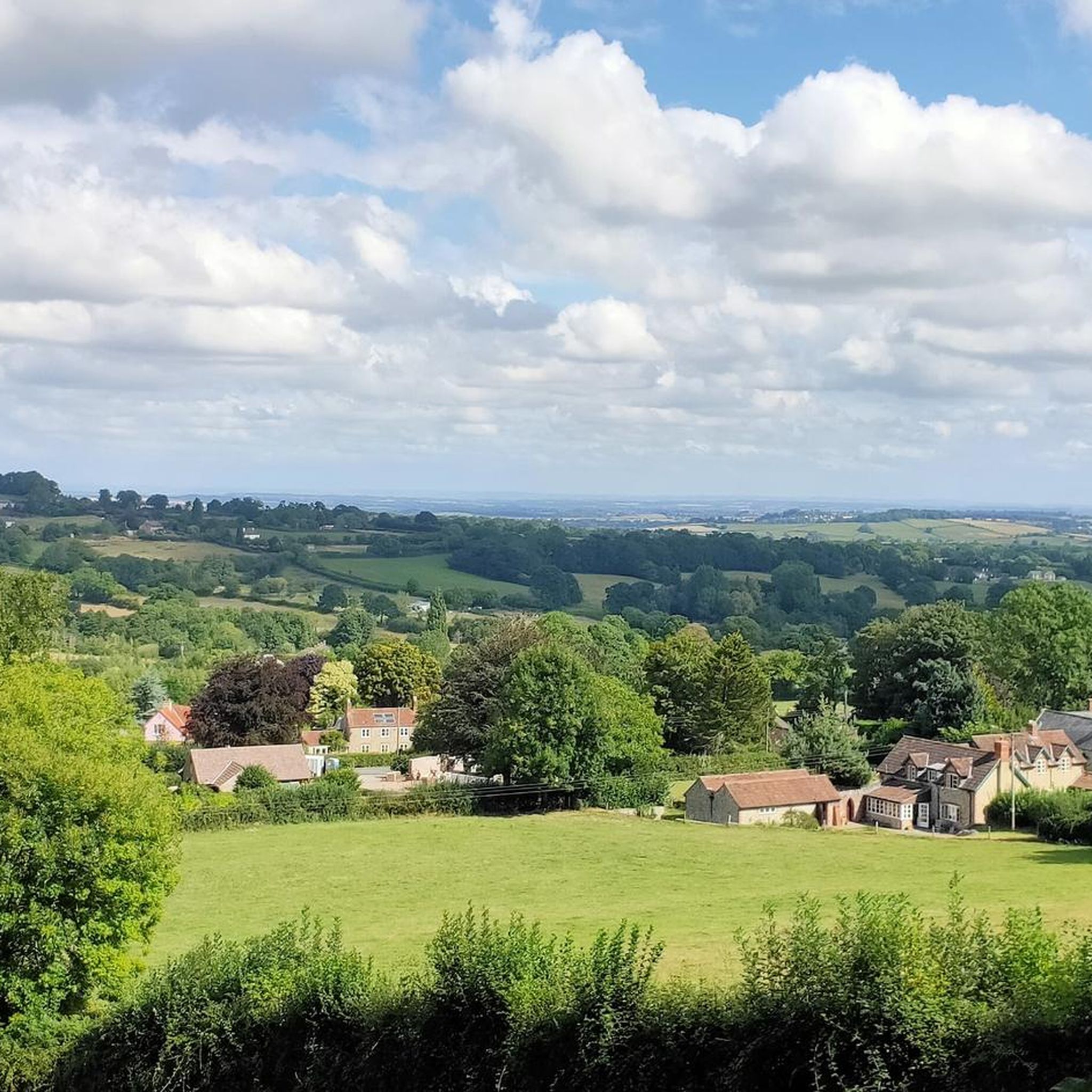
Beautiful panoramic views across miles upon miles of countryside.
2
0
Norman castle The earthworks at the site are larger than would normally be found in a castle from the Norman period, raising speculation that it reused previously developed features. The castle was probably built by Robert, Count of Mortain in the 11th century. Archaeological evidence suggests it was built in several stages. During the first a rampart enclosing 7.5 acres (3.0 ha) was built. Soon after the Norman Conquest a smaller inner ringwork was constructed. The site was later converted into a motte and bailey, with a corner of the 20 feet (6.1 m) high motte serving as a barbican. By the early 12th century the castle was no longer in regular use. However, its use was resumed during The Anarchy, a period of civil war and unsettled government during a succession dispute between the supporters of King Stephen (1135–1154) and those of his cousin, the Empress Matilda. Continued use in the later 12th century may have been by administrators of the surrounding royal forest as a base for operations against poachers.
2
1
Castle Neroche is a Norman motte-and-bailey castle on the site of an earlier hill fort in the parish of Curland, near Staple Fitzpaine, Somerset, England. It is a Scheduled Ancient Monument. The origin of the term Neroche is believed to be a contraction of the Old English words nierra and rechich or rachich for Rache, a type of hunting-dog used in Britain in the Middle Ages, giving a meaning of the camp where hunting dogs were kept. This also gives the site its alternative name of Castle Rache. Iron Age The reason for the construction of Iron Age hill forts has been a subject of debate. It has been argued that they could have been military sites constructed in response to invasion from continental Europe, sites built by invaders, or a military reaction to social tensions caused by an increasing population and consequent pressure on agriculture. The dominant view since the 1960s has been that the increasing use of iron led to social changes in Britain. Deposits of iron ore were separated from the sources of tin and copper necessary to make bronze, and as a result trading patterns shifted and the old elites lost their economic and social status. Archaeologist Barry Cunliffe believes that population increase played a role and has stated "[the forts] provided defensive possibilities for the community at those times when the stress [of an increasing population] burst out into open warfare. But I wouldn't see them as having been built because there was a state of war. They would be functional as defensive strongholds when there were tensions and undoubtedly some of them were attacked and destroyed, but this was not the only, or even the most significant, factor in their construction.
2
0

Take this right to avoid the main road. Much prettier
0
0
Lots of great woody tracks - part of the HereTrail
0
0

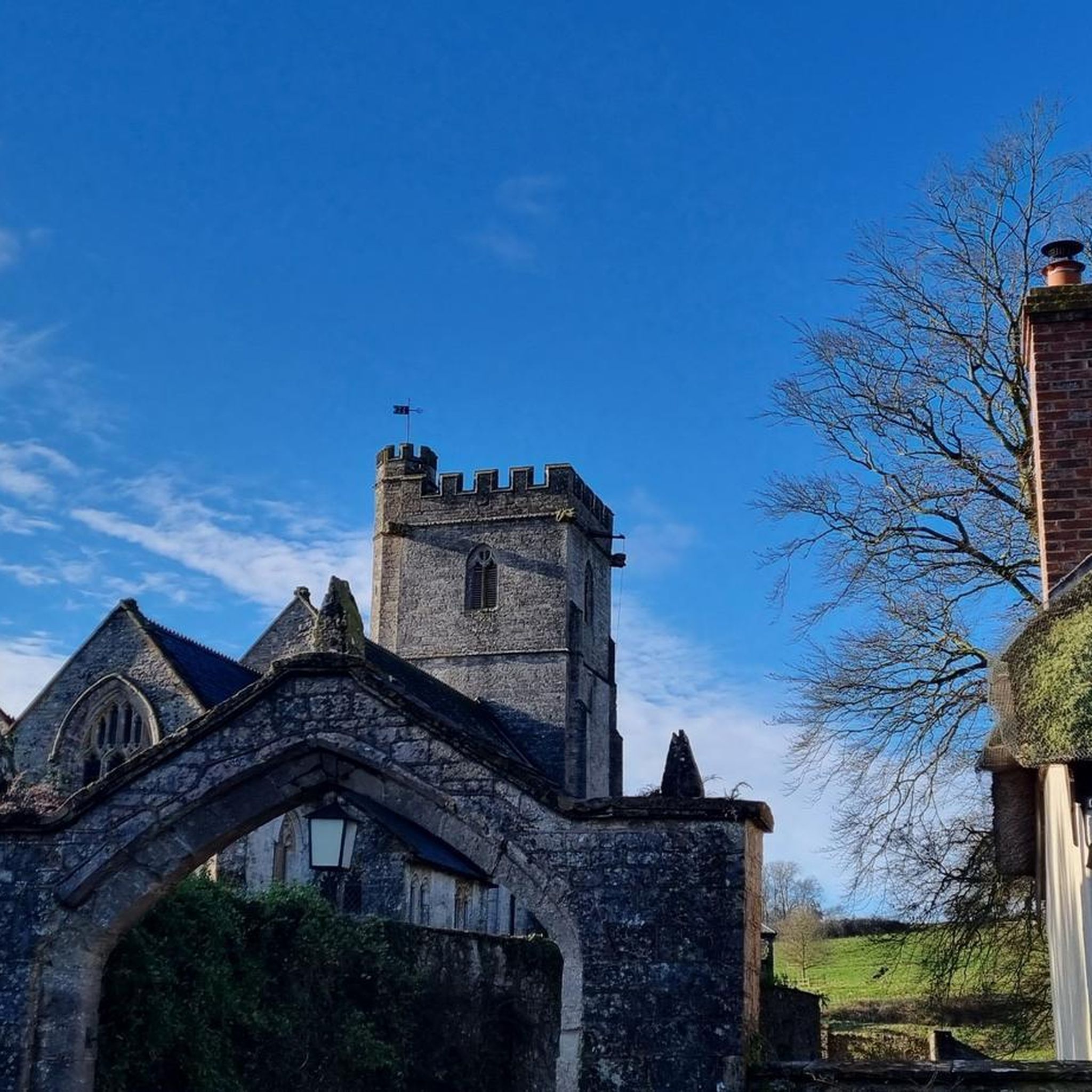
Combe St Nicholas is a picturesque village surrounded by rolling hills and meadows and featuring an ancient church and traditional thatched cottages.
3
0
Frequently Asked Questions
How many running routes are available around Whitestaunton?
Whitestaunton offers a wide selection of running routes, with over 160 options available. These routes cater to various fitness levels, including 12 easy, 126 moderate, and 25 difficult trails.
What kind of terrain can I expect on the running trails in Whitestaunton?
The running trails around Whitestaunton, particularly within the Blackdown Hills National Landscape, feature diverse terrain. You can expect rolling hills, ancient woodlands, wildflower meadows, and open fields. Some routes offer gentle paths, while others present more demanding inclines and descents, such as those found around Castle Neroche Iron Age Hill Fort.
Are there any challenging running routes for experienced runners?
Yes, for experienced runners seeking a challenge, Whitestaunton offers several difficult routes. One notable option is the Chard War Memorial Cross – Stone Railway Bridge loop from Combe St Nicholas. This difficult 12.8-mile (20.6 km) path features significant elevation gain through rural landscapes, providing a demanding workout.
Are there family-friendly running routes in the Whitestaunton area?
While specific 'family-friendly' routes are not explicitly categorized, many of the easier and moderate trails are suitable for families. The area's network of public footpaths and bridleways, especially those with gentler gradients in the Blackdown Hills, can be enjoyed by families. For example, the View of the Blackdown Hills – Castle Neroche Woods loop from Buckland St Mary is a moderate 3.9-mile (6.3 km) trail that could be a good option.
Can I bring my dog on the running trails around Whitestaunton?
Many of the public footpaths and bridleways in the Blackdown Hills National Landscape are dog-friendly. However, it's always recommended to keep dogs under control, especially near livestock, and to check for any specific local restrictions or signage on individual trails. Always carry waste bags and ensure your dog is well-behaved around other trail users.
What are some interesting landmarks or attractions I might see while running?
You can encounter several interesting landmarks. The Castle Neroche Iron Age Hill Fort offers woodland tracks and views between trees. Additionally, Forde Abbey and Gardens, a historic Grade I-listed building, is known for its beautiful grounds and hosts running events, with trails winding through woodlands and meadows.
Are there circular running routes available?
Yes, many of the running routes around Whitestaunton are circular, allowing you to start and finish at the same point. An example is the popular Combe St Nicholas Church loop from Combe St Nicholas, a 5.8-mile (9.4 km) trail with varied terrain through the local countryside.
What do other runners say about the trails in Whitestaunton?
The running routes in Whitestaunton are highly regarded by the komoot community, with an average rating of 4.4 stars from over 9 reviews. More than 1400 runners have explored the varied terrain, often praising the scenic beauty of the Blackdown Hills and the diverse options available for different skill levels.
Are there any long-distance running opportunities near Whitestaunton?
While Whitestaunton itself offers routes up to 12.8 miles, the nearby Quantock Hills National Landscape, a short distance away, features the 51-mile Coleridge Way. This path traverses stunning Somerset countryside, providing excellent opportunities for long-distance running or multi-day trail adventures.
Where can I find parking for the running trails?
Parking is generally available at common starting points for trails, such as near villages like Combe St Nicholas or Buckland St Mary, and at specific sites like Castle Neroche Iron Age Hill Fort. It's advisable to check specific route details for recommended parking locations.
What is the best time of year to go running in Whitestaunton?
The Blackdown Hills, where Whitestaunton is located, are beautiful year-round. Spring and autumn offer pleasant temperatures and vibrant scenery with wildflowers or changing leaves. Summer is also popular, though trails can be busier. Winter running is possible, but be prepared for potentially muddy conditions and shorter daylight hours.
Are there any easy running routes suitable for beginners?
Yes, Whitestaunton offers 12 easy running routes perfect for beginners or those looking for a less strenuous run. These trails typically feature gentler gradients and well-maintained paths, allowing for a comfortable introduction to trail running in the area.
Most popular routes around Whitestaunton
Most popular attractions around Whitestaunton

Get inspired with the komoot mobile app


Explore more
Browse the best Running Trails & Routes in other regions.
