Top 8 Castles around Welsh Newton
Best castles around Welsh Newton are found in a village situated on the border of Herefordshire and Monmouthshire. This area is characterized by its medieval border history and proximity to the scenic Wye Valley. The landscape features numerous historical sites, including a variety of castles. Visitors can explore ancient fortifications and their architectural evolution.
Best castles around Welsh Newton
- The most popular castles is The Kymin Roundhouse and view over Monmouth, a man-made monument that features an 18th-century round…
Last updated: June 29, 2026
Skenfrith Castle
Highlight • Castle
Tip by

Monmouth Town Centre
Highlight • Settlement
Tip by

Sign up now to discover places like this
Get recommendations on the best single tracks, peaks, & plenty of other exciting outdoor places.
Sign up for free
Grosmont Castle Ruins
Highlight • Historical Site
The original earth-and-timber stronghold was built on a "gros mont" …
Tip by
Kentchurch Court and St. Mary's Church
Highlight • Historical Site
Tip by
The Kymin Roundhouse and view over Monmouth
Highlight • Monument
Tip by

Sign up for free to discover even more castles around Welsh Newton.
Sign up for free
Already have an account?
Start today with a free account
Your next adventure awaits.
Login or Signup
Tips from the Community

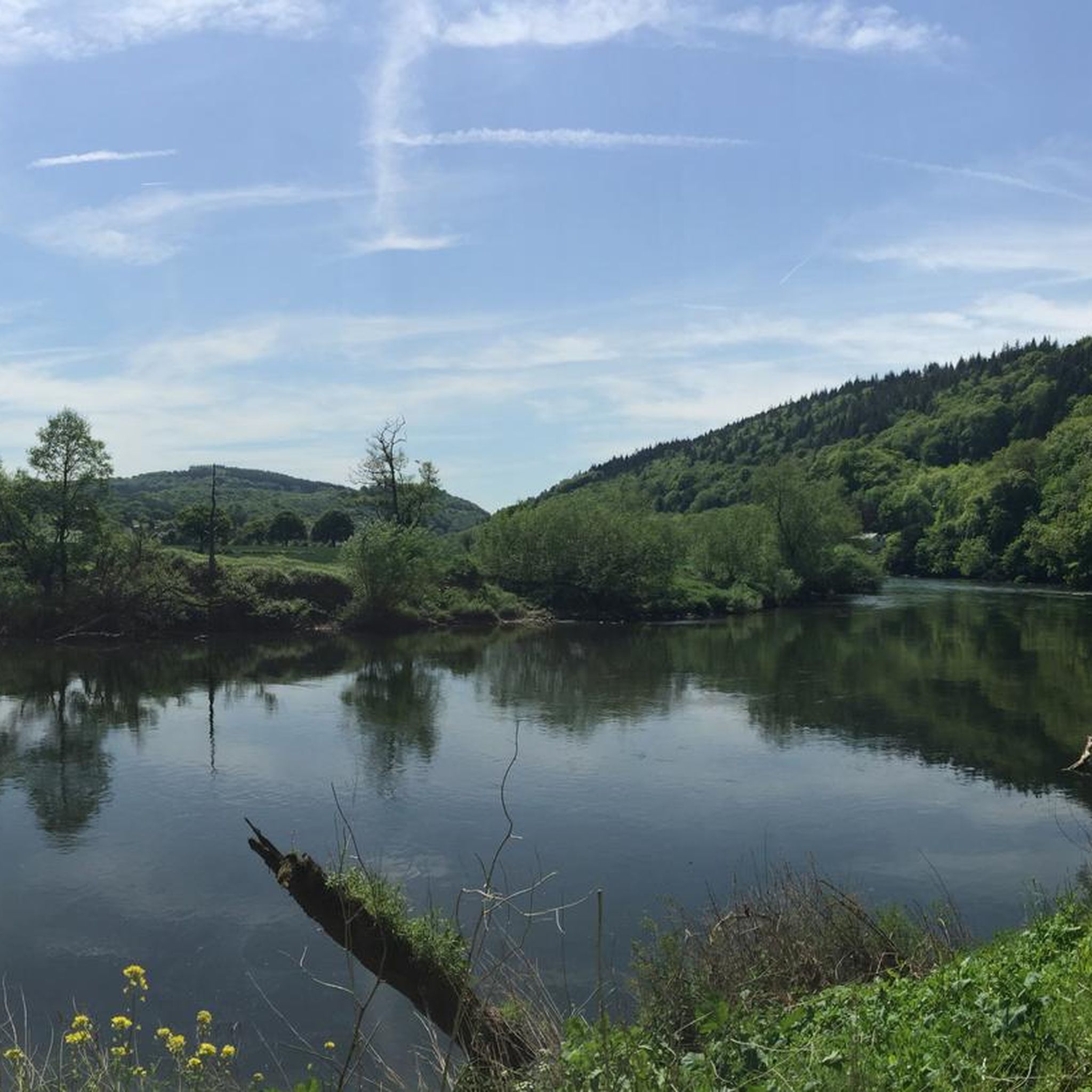
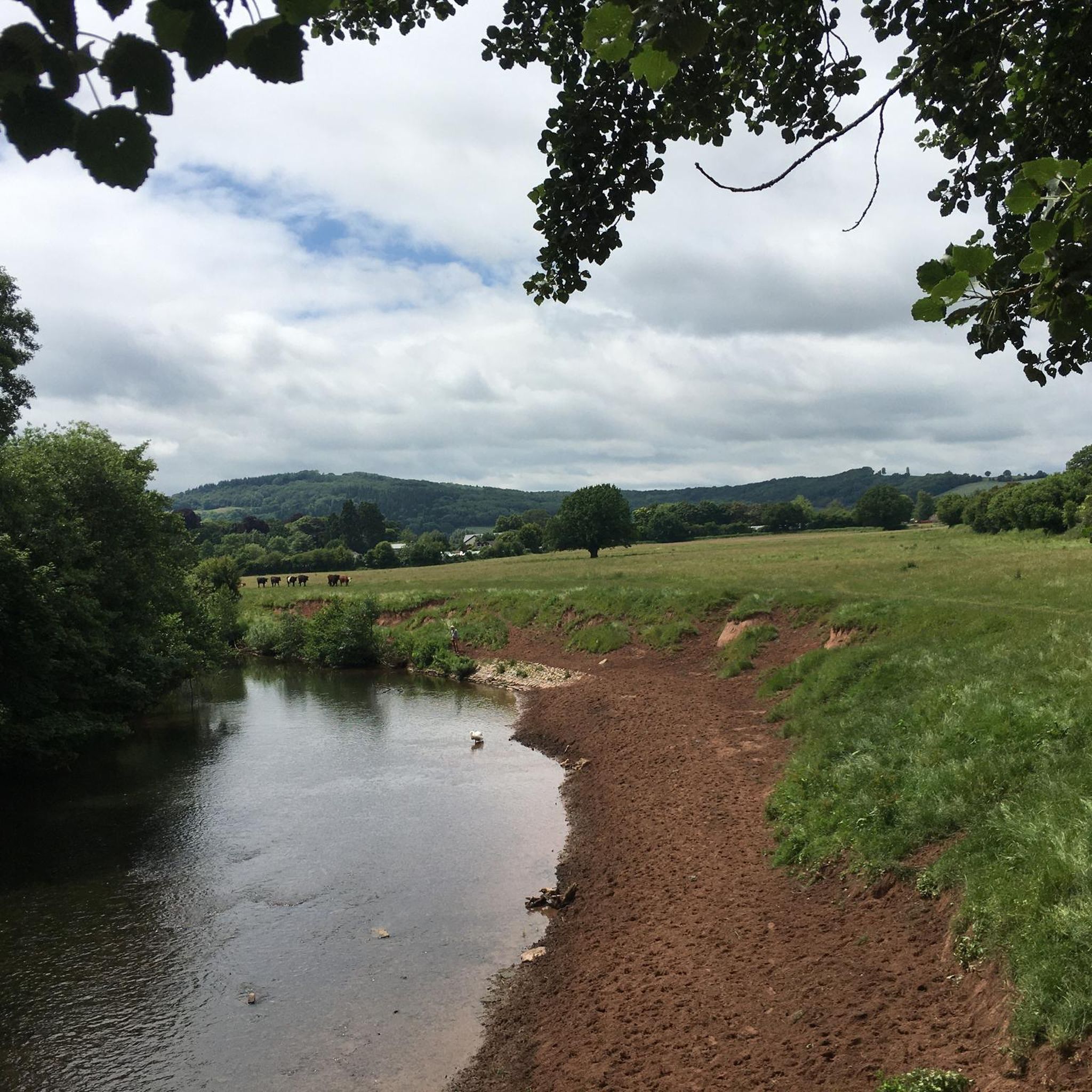
Monmouth is a charming historic market town that sits right on the confluence of Rivers Wye and Monnow. It's noted for its 13th-century gated bridge and being the birthplace of Henry V. The River Wye separates the town of Monmouth to the east from Wyesham to the west and provides a scenic wonderland for many river activities. I have finished many a DOE gold award canoe trip at this point.
0
0
Grosmont Castle is maintained by Cadw, and at the moment there is a lot of work going on with the refurbishment of the timber footbridge spanning the castle ditch, i.e., the entrance. Therefore, the castle is closed between February 2026 and September 2026. It is still worth a visit as you can still walk around it and get some impression of mediaeval life from viewing this grand structure.
0
0
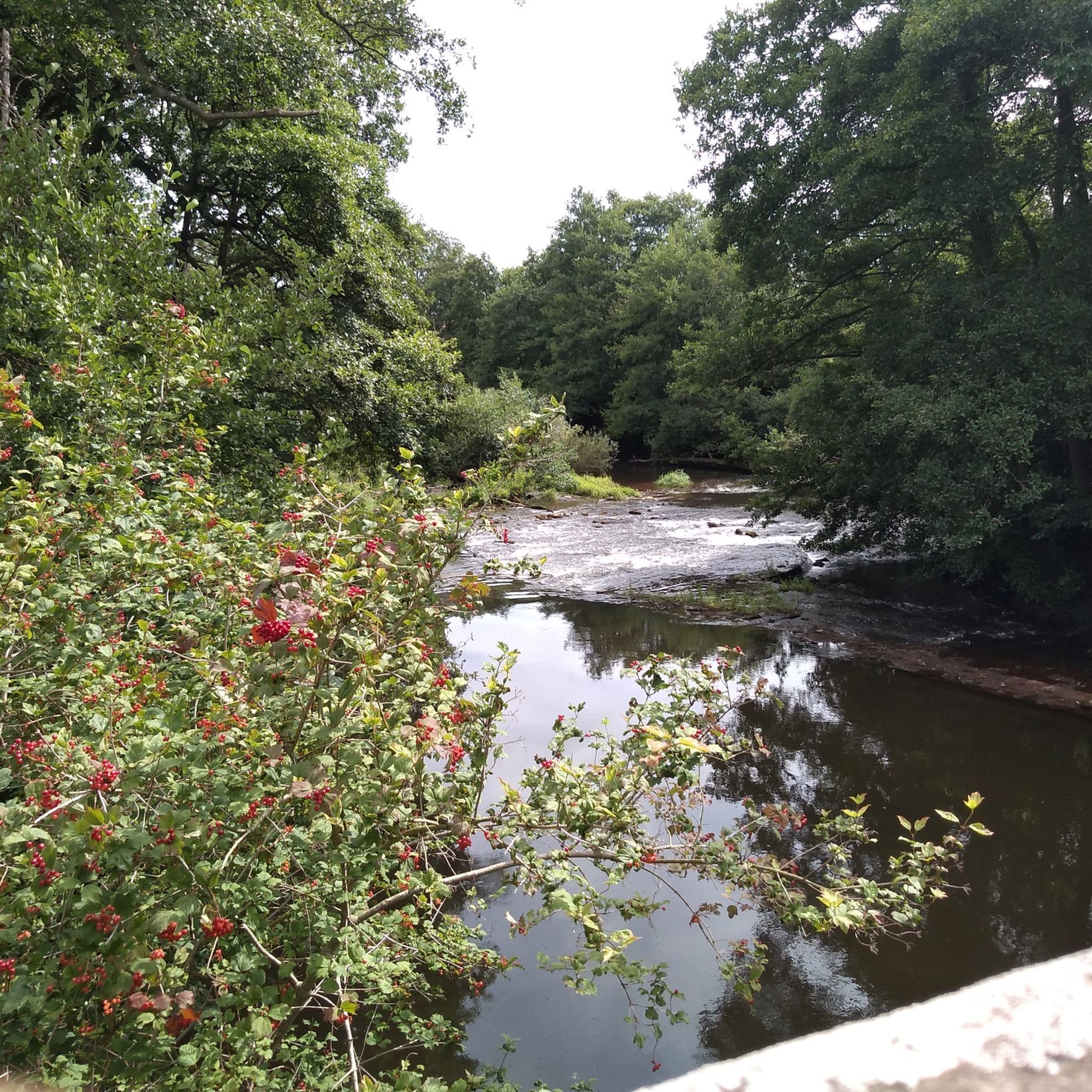
Skenfrith Castle is a beautiful ruined castle owned and run by the National Trust in the quaint village of Skenfrith. It's a lovely valley setting next to the River Monnow, and right next door is the equally charming St Bridget's Church. The castle was originally established by the Normans in the wake of the invasion of England in 1066 to protect the route from Wales to Hereford. In 1135, a major Welsh revolt took place, and in response, King Stephen brought together Skenfrith Castle and its sister fortifications of Grosmont and White Castle to form a lordship known as the "Three Castles", which continued to play a role in defending the region from Welsh attack for several centuries. It is obviously a ruin now, but the walls are still substantial, and the fulcrum of the place is the imposing, commanding keep. This is a three-storey, 12-metre-high circular keep built around 1219–1244 by Hubert de Burgh. There is good parking there and plenty of green space for picnics and parking. There is also no charge for entry. A great place to visit, along with nearby Grosmont and White Castle.
0
0

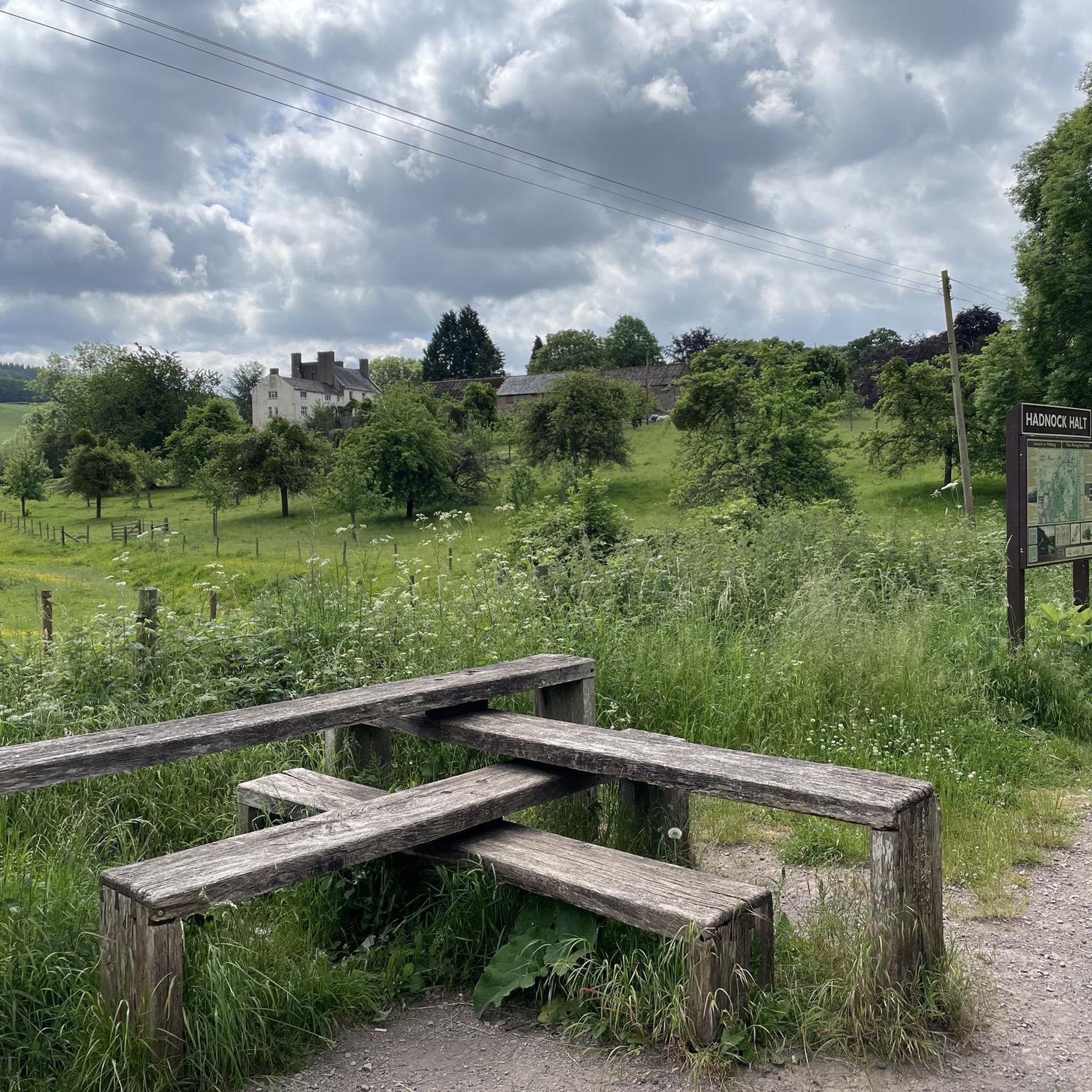
A very fine church is beautiful surroundings. More info here - https://stmaryskentchurch.org/
0
0

This 13th century Norman Castle is set in a beautiful riverside location. It's managed by the National Trust and has free parking and free entry. It's also a good starting point for exploring the area.
1
0
A temple that was inspired by Britain’s naval supremacy at the height of the British Empire and built in 1800. This was inspired by Nelson's victory in the Battle of the Nile in 1798. Nelson came to see it in 1802 with Lady Hamilton and her husband Sir William. That must have been an interesting weekend!
1
0


Interesting C13th castle. Beautiful setting by river. Well worth a visit. Free parking. I used it as a starting point.
0
0
Frequently Asked Questions
What historical castles can I visit around Welsh Newton?
The Welsh Newton area is rich in medieval history. You can explore the 13th-century Norman Skenfrith Castle, which is a National Trust property with free entry. Another significant site is Grosmont Castle Ruins, one of the 'Three Castles of Gwent', offering free access year-round. While not always publicly accessible, Pembridge Castle, originally Newland Castle, is a notable former border castle now functioning as a farmhouse, showcasing a late 12th-century keep and 13th-century foundations.
Are there any castles with significant historical events associated with them?
Yes, the area boasts sites with rich histories. Monmouth Town Centre is home to Monmouth Castle, famously known as the birthplace of King Henry V in 1386. Pembridge Castle, though now a private residence, has a history stretching back to the late 12th or early 13th century, evolving from a defensive stronghold to a domestic dwelling.
Where can I find scenic views near castles in the Welsh Newton area?
For breathtaking views, visit The Kymin Roundhouse and view over Monmouth. This 18th-century monument, owned by the National Trust, offers wonderful panoramic views over the Wye Valley and the town of Monmouth below. It's a rewarding climb with benches to enjoy the scenery.
Are there hiking trails that include castles around Welsh Newton?
Yes, the region offers various hiking opportunities that can incorporate castle visits. You can find several routes in the area, such as the 'River Wye – Biblins Suspension Bridge loop from Wye Valley National Landscape' or the 'King Arthur's Cave loop from Wye Valley National Landscape'. For more details and specific routes, check the Hiking around Welsh Newton guide.
What other outdoor activities can I do near the castles?
Beyond hiking, the Welsh Newton area is excellent for cycling. You can explore options like gravel biking with routes such as the 'Forest of Dean Family Trail – Colliers Trail, Forest of Dean loop from Monmouth'. For mountain biking enthusiasts, there are trails like the 'Launch Pad Downhill Trail – Colliers Trail, Forest of Dean loop from Monmouth'. Discover more in the Gravel biking around Welsh Newton and MTB Trails around Welsh Newton guides.
Are there family-friendly castles to visit around Welsh Newton?
Absolutely. Skenfrith Castle is a great option, being a National Trust property with free entry and a beautiful riverside setting. Grosmont Castle Ruins also welcomes families with free, year-round access. Additionally, Kentchurch Court and St. Mary's Church, a historic site with a 14th-century court, offers a family-friendly experience.
Are there easy walking routes near castles suitable for beginners?
Yes, there are easy walking routes available. For instance, the 'King Arthur's Cave – Biblins Suspension Bridge loop from Wye Valley National Landscape' is rated as easy. These routes can be a good starting point for exploring the natural beauty and historical sites at a relaxed pace. More options can be found in the Hiking around Welsh Newton guide.
What kind of architectural features can I expect to see at the castles?
The castles in this region showcase a range of medieval architectural styles. At Pembridge Castle, you can observe a late 12th or early 13th-century keep, along with 13th-century foundations for its gatehouse and curtain walls. Skenfrith Castle is a classic 13th-century Norman castle. Grosmont Castle Ruins evolved from an earth-and-timber stronghold to a stone structure, featuring an elegant 14th-century chimney. Kentchurch Court, while a court rather than a traditional castle, is a Grade I-listed building with a 14th-century origin and a late 18th-century gothic remodelling.
What do visitors enjoy most about the castles around Welsh Newton?
Visitors frequently appreciate the tangible link to the region's medieval border history and the architectural evolution of these sites. The free entry and beautiful riverside setting of Skenfrith Castle are often highlighted. The stunning views from The Kymin Roundhouse over the Wye Valley are also a major draw. The area's castles are valued for their historical significance and the insights they provide into the past.
Are there any lesser-known castles worth exploring in the area?
Beyond the more prominent sites, Pembridge Castle, though privately owned and operating as a farmhouse, is a fascinating example of a border castle with a history dating back to the late 12th century. Its transformation from a defensive stronghold to a domestic dwelling makes it historically significant. While access may be limited, its surviving elements offer valuable insights. Kentchurch Court, a Grade I-listed building with a 14th-century origin and gothic remodelling, also offers a unique historical experience.
What is the best time of year to visit castles around Welsh Newton?
The castles and surrounding natural areas are enjoyable throughout the year. Spring and summer offer pleasant weather for exploring the grounds and nearby walking trails. Autumn provides beautiful foliage, especially around the Wye Valley. Even in winter, sites like Grosmont Castle Ruins and Skenfrith Castle, with their free and year-round access, can be atmospheric for a visit, especially if you're prepared for cooler weather.
Most popular routes around Welsh Newton
Most popular attractions around Welsh Newton

Get inspired with the komoot mobile app


Explore more
Looking for the best castles somewhere else? Discover other guides around Welsh Newton:
