The best road cycling routes around Fillongley
4.4
(237)
5,162
riders
403
rides
Road cycling routes around Fillongley feature quiet country lanes and rolling hills, providing a varied landscape for cyclists. The area is characterized by a mix of open countryside, historical sites, and waterways like the Birmingham & Fazeley Canal. Paved surfaces are common, making the region well-suited for road bikes. This North Warwickshire village offers routes with both gentle gradients and opportunities for challenging climbs.
Best road cycling routes around Fillongley
- The most popular road cycling route is Winding Country Road…
Last updated: July 12, 2026
15
riders
36.6km
01:37
350m
350m
Moderate road ride. Good fitness required. Mostly well-paved surfaces and easy to ride.
7
riders
28.5km
01:14
200m
200m
Easy road ride. Great for any fitness level. Mostly well-paved surfaces and easy to ride.

Sign up for free
5.0
(2)
8
riders
24.3km
01:19
180m
180m
Easy road ride. Great for any fitness level. Mostly well-paved surfaces and easy to ride.
4.5
(2)
6
riders
31.3km
01:32
280m
280m
Easy road ride. Great for any fitness level. Mostly well-paved surfaces and easy to ride.
6
riders
18.6km
00:57
170m
170m
Easy road ride. Great for any fitness level. Mostly well-paved surfaces and easy to ride.
Get access to more routes and recommendations from other explorers.
Sign up for free
Already have an account?
Our route recommendations are based on thousands of hikes, rides, and runs completed by other people on komoot.
Start today with a free account
Your next adventure awaits.
Login or Signup

Tips from the Community

In private hands and can only be glimpsed from the road. Church adjacent is "doors locked". Which is a shame.
0
0


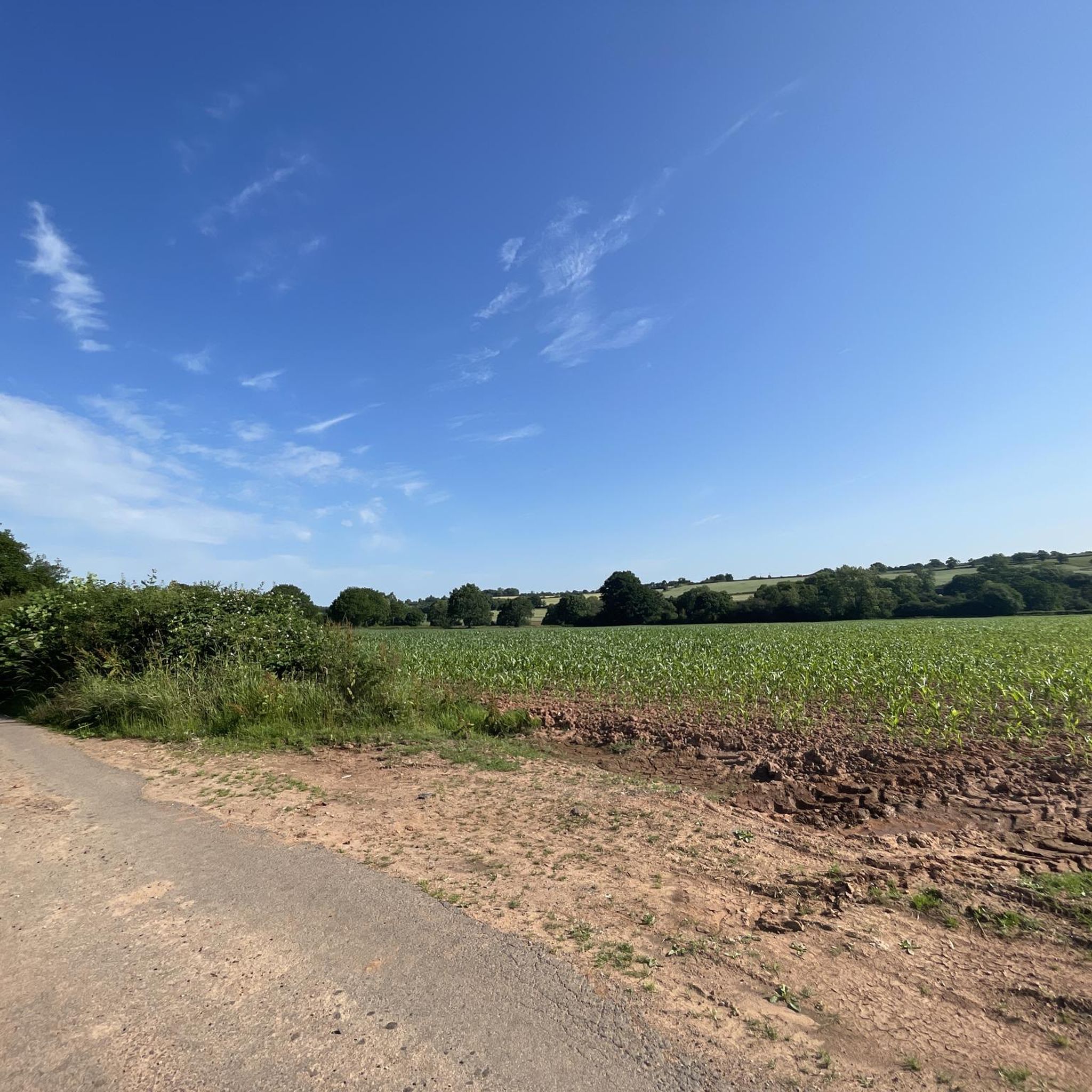
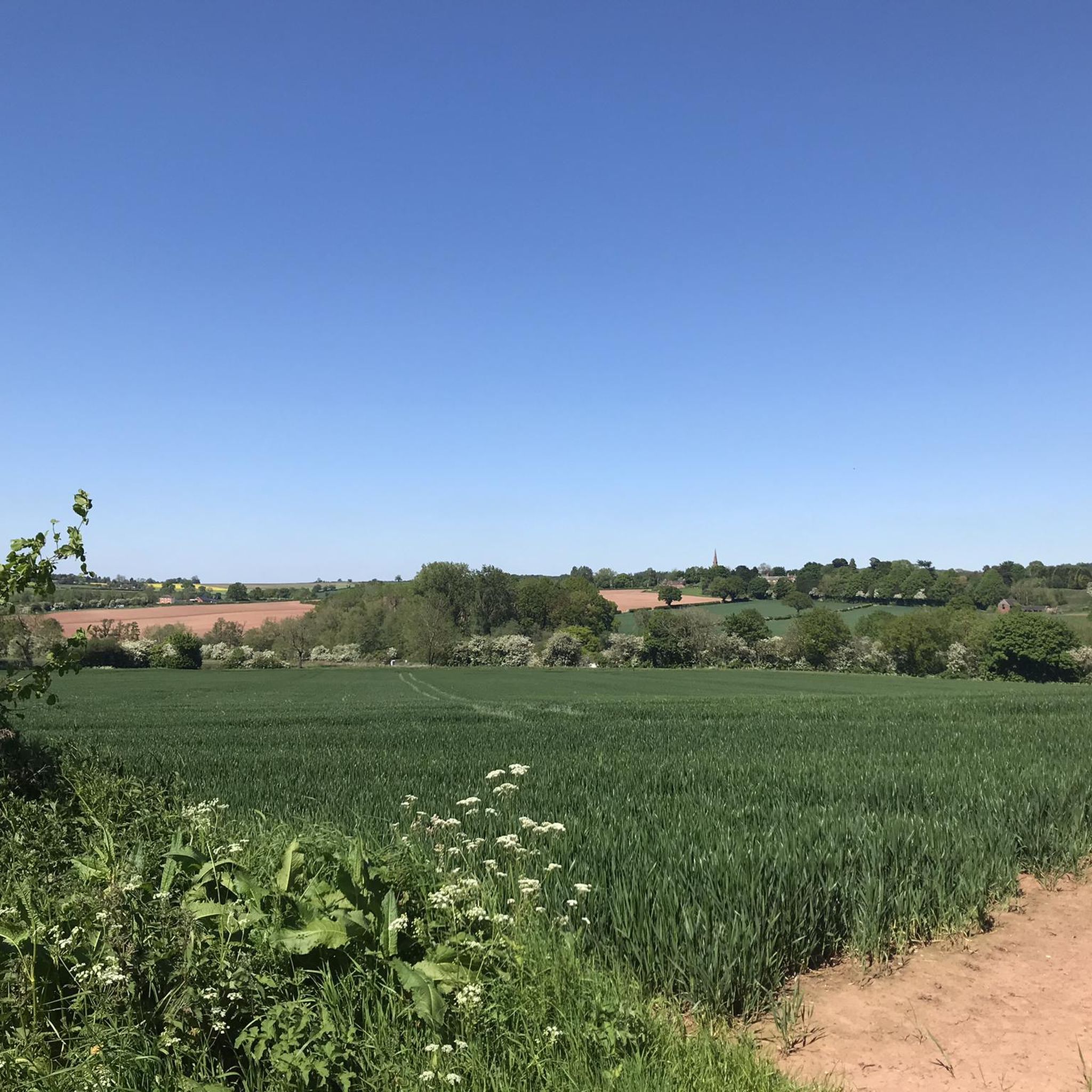
This charming country road offers scenic views of rolling hills and surrounding farmland, especially beautiful in spring when the flowers are in full bloom.
1
0

Fast downhill section towards Maxstoke.
0
0

The church, dating from 1766, was built early in the reign of George III in an Italian classical style typical of the period. However, this was not the first church building on the site. Over Whitacre church certainly dates from Norman times and may be of earlier foundation. Although no evidence of this early church building survives above ground, an item of the old church’s furniture is now to be found in Holy Trinity church at Sutton Coldfield. The 12th-century stone font from Over Whitacre was thrown out when the church was rebuilt. The font was taken to a local pub, either the nearby Owl Inn (now gone) or downhill to the Bull at Furnace End. It was rediscovered in 1856 and presented to Holy Trinity. Documentary evidence of the church here is available from the early 13th century. The advowson of Over Whitacre was given in 1203 by Jordan de Witacre to Christine, prioress of Markyate, Bedfordshire. This gave the priory, amongst other things, the right to appoint a priest to Over Whitacre. Nether Whitacre and Lea Marston were also similarly subject to Markyate Priory. I n a document of 1280 confirming the agreement the church is referred to as the ‘chapel’ of Over Whitacre, suggesting that it was subsidiary to Coleshill at that time. Whitacre was still appropriated to Markyate at the time of Henry VIII’s valuation, the Valor Ecclesiasticus of 1535, but no vicarage had been endowed and the chapel was probably served by a priest from Coleshill. Over Whitacre had probably become a parish church in its own right by the end of the 16th century. The earliest evidence on the site is the stump of a medieval churchyard cross which dates from c1500. In 1766 the church was completely rebuilt. The architect builder/s are thought to have been either or both William and David Hiorn of Warwick. They were neo-classical architects of some local repute having worked in Warwick, on west midland country houses and on churches including Holy Trinity church in Sutton Coldfield in 1760. It may be that the new church was built on the foundations of the old. It is possible too that between the internal plaster and the external sandstone ashlar remains of the medieval building survive. The church originally had a dome on the top of the tower, but this was replaced by a spire in 1850. There are two bells here, which are perfectly ringable. They are hung on one level in a modern lowside metal frame, side by side and both swinging east-west. The treble sounds note E and the tenor Bb. Frame and fittings by Taylors, 1933 at which time the treble was retuned. They have cast iron, canon-retaining, headstocks. Effectively, they are hung as would be any ring at that time. Tilley and Walters give the inscriptions in their book, “The Church Bells of Warwickshire” Source: warksbells.co.uk
0
0

Maxstoke Hill Challenge The Maxstoke Hill Challenge is a cycling time trial measured from the bottom of Maxstoke Hill (where the road does a 90-degree turn) to the very top of the hill (past the water works – first lay by on the left). The long-standing record held by Mr N Wiggin was beaten by Mr J House on his return to the United Kingdom in April 2012. The record now stands at 4 minutes 37 seconds. From Wikipedia
1
0
The old priory was established in 1331 it was expanded several times over the next 100 or so years and then disbanded in 1536. Since then the buildings have fallen into ruin except what was once the inner gate house and is now a B&B. The village church is the same age as the priory.
0
0
Shustoke Reservoir is managed by Severn Trent. The reservoir was completed in 1884 to provide water for Birmingham. Nowerdays the reservoir supplies Nuneaton and the surrounding area.
1
0
Frequently Asked Questions
How many road cycling routes are available around Fillongley, and what are their difficulty levels?
There are over 400 road cycling routes around Fillongley on komoot. You'll find a wide range of options, including over 170 easy routes, more than 230 moderate routes, and about 15 challenging routes for experienced cyclists.
What kind of terrain and scenery can I expect on road cycling routes near Fillongley?
Fillongley's road cycling routes feature picturesque rolling hills and quiet country lanes, offering a mix of open countryside, historic sites, and stretches alongside waterways like the Birmingham & Fazeley Canal. The area is well-suited for road bikes due to its predominantly paved surfaces.
Are there any routes that offer significant elevation gain for a challenge?
Yes, while many routes feature gentle gradients, the rolling hills around Fillongley provide opportunities for challenging climbs. For example, the region is known for ascents like the 'Furnace End Climb to Church' with a 3.0% gradient, offering a good test for your fitness.
What historical landmarks or natural features can I see along the cycling routes?
Many routes pass by historical sites and natural features. You can explore places like the Maxstoke Priory Ruins, or cycle past the peaceful Shustoke Reservoir. The area also has historic churches and charming villages like Meriden and Corley.
Are there any family-friendly road cycling routes in the Fillongley area?
Yes, Fillongley offers several easy routes that are suitable for families. These routes often utilize quiet country lanes, providing a safer and more enjoyable experience away from heavy traffic. Look for routes marked as 'easy' on komoot for suitable options.
Where can I find parking when planning a road cycling trip to Fillongley?
Many routes start from villages or designated car parks that offer convenient parking for cyclists. For example, the route Winding Country Road – Bluebell Meadows loop starts from Over Whitacre CP, and other routes may begin near village centers or local amenities where parking is available.
Can I access Fillongley's cycling routes using public transport?
Fillongley is situated within Warwickshire, which benefits from the National Cycle Network. While direct public transport links to specific trailheads might vary, the wider region's network of quiet lanes and paths can often be accessed from nearby towns with public transport connections. It's advisable to check local bus or train services for access points.
What do other road cyclists enjoy most about cycling in Fillongley?
The area is highly rated by the komoot community, with an average score of 4.4 stars from over 200 reviews. Cyclists often praise the quiet country lanes, the varied landscape of rolling hills and open countryside, and the opportunities to combine rides with visits to historical sites and charming villages.
Are there any circular road cycling routes around Fillongley?
Yes, many of the road cycling routes around Fillongley are designed as loops, allowing you to start and finish in the same location. Examples include the Winding Country Road – Bluebell Meadows loop and The Plough Inn – Shustoke Reservoir loop, offering convenient circular journeys.
Are there any routes that pass by pubs or cafes for a refreshment stop?
Yes, several routes are designed to pass through charming villages or near local establishments. For instance, The Plough Inn – Shustoke Reservoir loop is named after a local pub, suggesting opportunities for refreshment. The region's villages often have pubs and cafes popular with cyclists.
What is the best time of year to go road cycling in Fillongley?
The spring and summer months generally offer the most pleasant conditions for road cycling in Fillongley, with milder weather and longer daylight hours. However, the quiet country lanes can be enjoyable in autumn with changing foliage, and even in winter, provided the roads are clear and you are prepared for cooler temperatures.
Are there any long-distance road cycling routes available?
While many routes are moderate in length, Fillongley's extensive network allows for longer rides by combining sections or choosing routes like the Winding Country Road – Bluebell Meadows loop, which covers nearly 37 km. You can also explore the wider National Cycle Network in Warwickshire for extended journeys.
Most popular attractions around Fillongley

Get inspired with the komoot mobile app


Explore more
Browse the best Road cycling routes in other regions.
