Attractions and Places To See around Stanford With Orleton - Top 20
Best attractions and places to see around Stanford With Orleton, a civil parish in Worcestershire, England, offers a blend of historical landmarks, cultural sites, and natural beauty. Situated in the Teme Valley, the area provides picturesque views and opportunities for exploration. Visitors can discover significant architectural heritage and enjoy scenic landscapes, including the nearby Abberley and Woodbury Hills. The region is recognized for its numerous places to explore, making it suitable for those interested in history and the outdoors.
Best…
Last updated: July 2, 2026
St Peter's Church, Martley
Highlight • Religious Site
Tip by

Dick Brook
Highlight • Historical Site
Tip by
Sign up now to discover places like this
Get recommendations on the best single tracks, peaks, & plenty of other exciting outdoor places.
Sign up for free
The Talbot, Knightwick
Highlight • Settlement
Tip by

Tenbury Wells Town Centre
Highlight • Pub
there are a large number of listed buildings in Tenbury including several of the iconic 17th century half timber construction.
Tip by

Kingswood Common
Highlight • Forest
Tip by
Sign up for free to discover even more attractions around Stanford With Orleton.
Sign up for free
Already have an account?
Start today with a free account
Your next adventure awaits.
Login or Signup

Tips from the Community

Fine church with lovely grounds, made from the local sandstone.
0
0
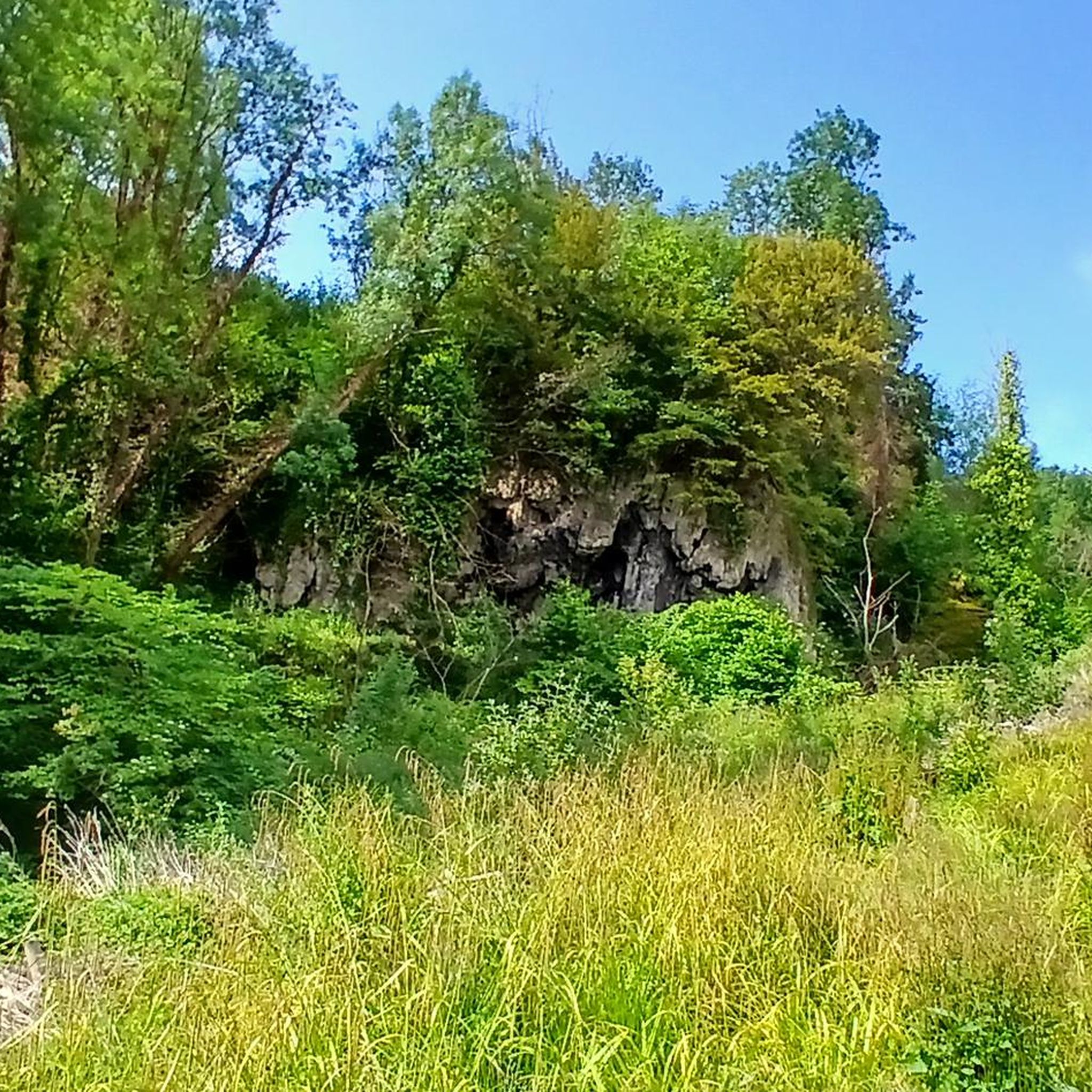
A secluded nature reserve alongside the Teme, quite open at one end and enclosed and overgrown at the Martley end.
0
0
The Talbot is a particular favourite, they brew their own selection of excellent beers, and the food is superb too! It is also in a great location alongside the River Teme and below Ankerdine Hill. The little chapel in the photo above is actually the Knightwick Mortuary Chapel, and it is up a nearby hill, about 3/4 of a mile from the Talbot.
0
0

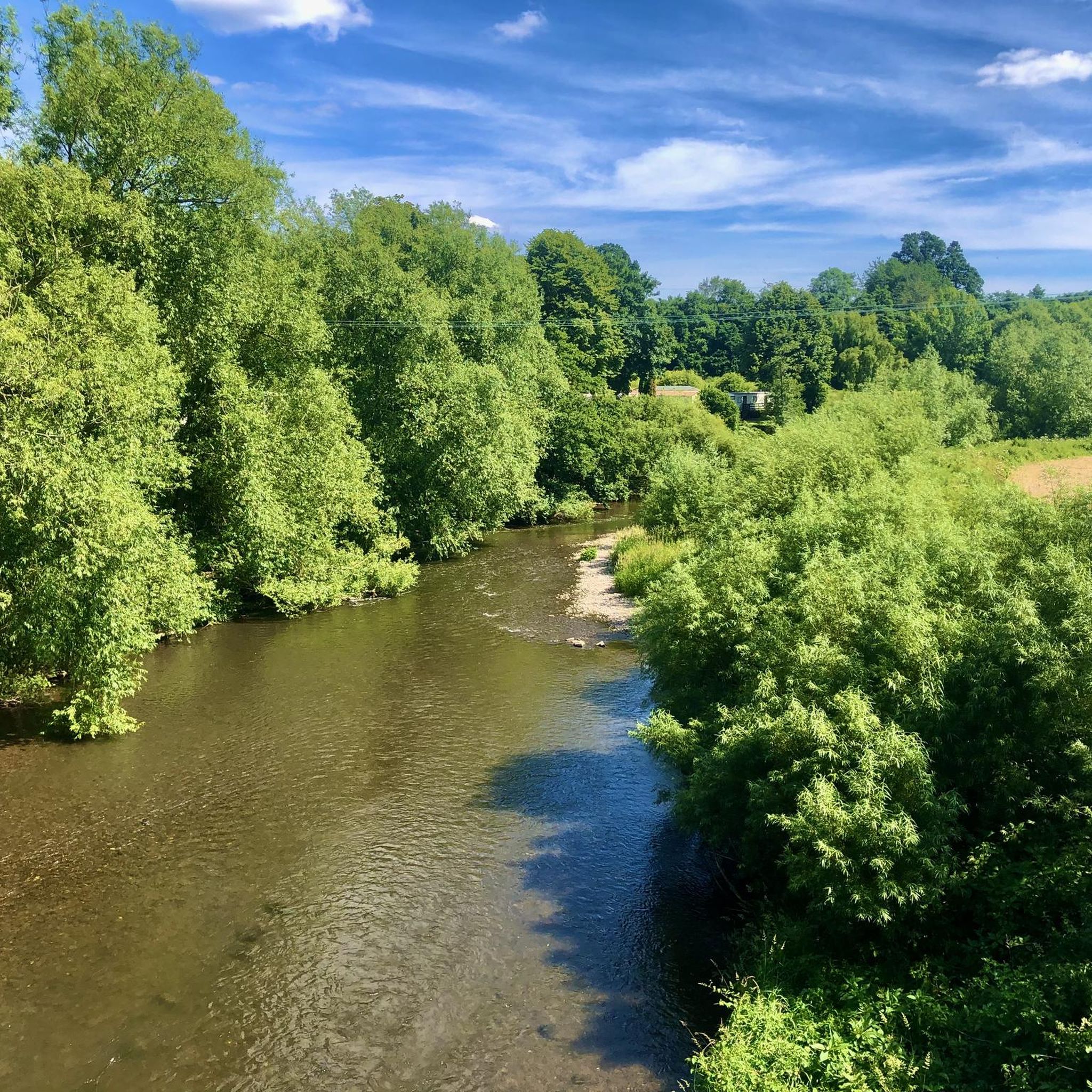
Well kept footpaths through the woods. Trail along the Teme bank, or higher up the valley. Off road shoes essential, mind your step for some tree roots.
0
0

Little, though lovely town, on the border of Shropshire and Worcestershire counties. Very beautiful high street with some cafés
0
0

Great to stop for a coffee or lunch, plenty of pubs and little cafes on the high street. Pembroke House or the Fountain Inn have some really good lunch menus. If you fancy a hill challenge you can take the road from Tenbury to Clee Hill.
1
0

A large village church with 12th century Norman origins and work from several later periods. The tower is 15th century. The church was restored in 1909 by Sir Charles Nicholson. There is an excellent west window by Tom Denny, 1999. Parish church. Early C12, early C13 and circa 1315, restored 1875, 1884 and 1909. Last restoration by Sir Charles Nicholson. Ashlar, plain tile roof. Nave and chancel continuous, west tower, north vestry of 1875, south porch of 1184. Chancel: three bays, north wall early C13 with two lancets, north vestry; east window: restored Decorated of early C14, three trefoiled lights; south wall: eastern window Decorated with two trefoiled lights, other two larger each with two ogee trefoiled lights, formerly looked into Mortimer chapel (consecrated 1315, demolished), they flank a three-centred-headed priest's door; stepped right angle buttresses to corners. Nave: three bays, all windows restored: decorated each with two trefoiled lights in both walls. Restored early C12 south door with timber porch of 1884; blocked north door more complete and similar in design; doorway projects c150mm from wall face, with decorated semicircular head and consecration cross; wall has five bays defined by a series of early C12 pilasters, top four courses of naves walls are of alternate bands of red and white sandstone. West tower: C15 in three stages divided by moulded string, moulded plinth, embattled parapet with pinnacles of 1909 to diagonal corner buttresses. C15 Perpendicular west window with three cinquefoiled lights; first stage has single trefoiled lights, bell chamber has windows with two cinquefoiled lights under two-centred head. INTERIOR: chancel: double aumbry in north wall, piscina in south wall with priests head to label stop; nave: entrance to rood stairs and above rood left door, stairs were in an external projection, now lost; tower arch of two chamfered orders with moulded abaci at springing. Roofs: similar over nave and chancel, slightly lower pitch to chancel, collar-rafter roof with straight braces from rafter to collar and ashlar pieces, five tie beams in nave, two in chancel, probably early C14. A framed tympanum divides the nave from the chancel roof, probably C17. Fittings: wall paintings in nave of C15 including St Martin on horseback dividing his cloak for the beggar; in chancel wall paintings of late C13 and C15, including C15 canopy design on east wall, and a C15 Annunciation group on the south wall. A few late C15 Malvern tiles in chancel floor; early C20 screen, font, pulpit and organ. Late C15 recumbent effigy of alabaster against north wall of chancel, ridged coffin lid to south with traces of incised cross and pastoral staff. The two eastern windows in the south wall of the nave and central window in north wall are of circa 1915 by Walter E Tower. Source: britishlistedbuildings
0
0
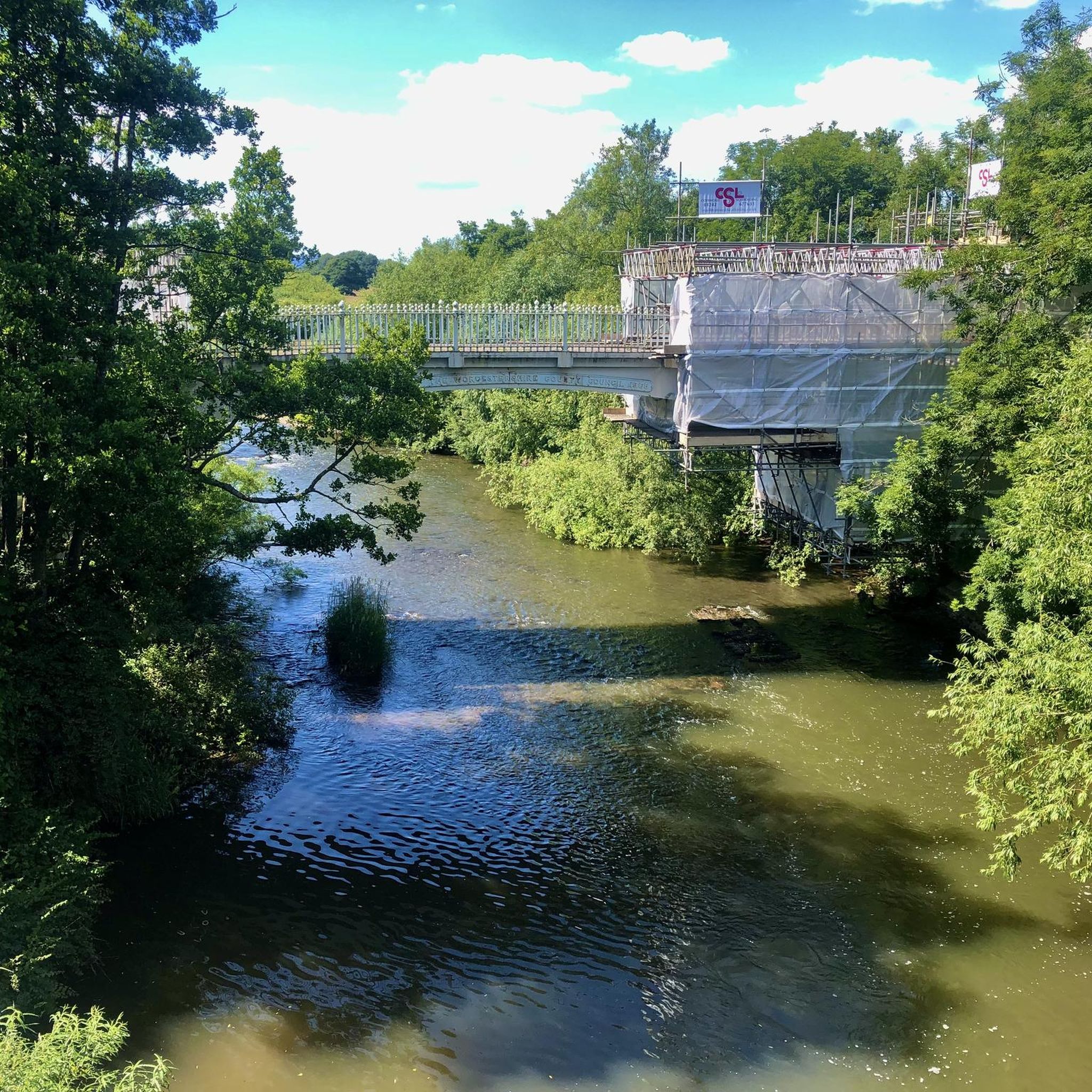
Dick Brook is thought to be the first canalised brook in England, engineered by Andrew Yarranton, a local pioneer of the industrial revolution. He did this in the mid-17th century, 100 years before James Brindley embarked on the canal-building revolution. The brook was dredged and locks built to enable boats to carry iron ore from the River Severn up Dick Brook to a blast furnace. 500m along the path, marked by a way-marker post, you reach the site of a former iron forge. There are some building remains and the area is being studied by local historians. As you continue westwards, to the right of the path there are the earthworks of the leat which fed water to turn the wheels at the forge. The furnace site was 100m up the valley to the south of the path as you go towards Glasshampton. Source: Geopark guide
0
0
Frequently Asked Questions
What historical landmarks can I visit in Stanford With Orleton?
The area is rich in history. You can explore St Peter's Church, Martley, a large village church with 12th-century Norman origins and a 15th-century tower. Another significant site is Dick Brook, thought to be England's first canalised brook, with remnants of an iron forge. Additionally, St Mary's Church in Stanford with Orleton offers Georgian Gothic architecture and splendid monuments, while Stanford Court is an 18th-century stately home set within a landscaped park.
What natural features can I explore around Stanford With Orleton?
The region is nestled in the picturesque Teme Valley, offering tranquil experiences with woodlands and streams. You can visit Kingswood Common, a forest with well-kept footpaths and views of the Teme Valley. From Orleton, there are also scenic views of the Abberley and Woodbury Hills, ideal for enjoying the natural landscape.
Are there family-friendly attractions around Stanford With Orleton?
Yes, several attractions are suitable for families. Kingswood Common offers easy rambles through woodlands. Tenbury Wells Town Centre provides a charming settlement with pubs and cafes, and its historical buildings can be interesting for a family stroll. The area's numerous walking and cycling routes are also great for active families.
Where can I find scenic viewpoints in the area?
For scenic views, head to Kingswood Common, which offers beautiful vistas of the Teme Valley. St Mary's Church in Stanford with Orleton is also beautifully situated on a hill, providing wonderful views of the Teme Valley, especially when its churchyard is adorned with daffodils in spring. The Abberley and Woodbury Hills also offer picturesque panoramas.
What outdoor activities can I do near these attractions?
The area is excellent for outdoor enthusiasts. You can find various routes for gravel biking, mountain biking, and general cycling. Explore options like the 'Wyre Forest Blue Route' for mountain biking or the 'Martley & Holt Heath loop' for cycling. For more details on routes, visit the Gravel biking around Stanford With Orleton, MTB Trails around Stanford With Orleton, and Cycling around Stanford With Orleton guides.
Are there walking routes suitable for different difficulty levels?
Yes, the area around Stanford With Orleton is recognized for its numerous places to explore, making it suitable for various walking abilities. Kingswood Common offers well-kept footpaths for easy rambles. Many trails cater to different difficulty levels, from gentle strolls along the Teme Valley to more challenging routes in the surrounding hills.
What is the best time to visit Stanford With Orleton?
The Teme Valley and surrounding areas are particularly beautiful in spring when the fruit trees and flowers are at their most colourful, and the churchyard of St Mary's Church is adorned with daffodils. However, the natural beauty and historical sites can be enjoyed throughout the year, with each season offering a different charm for walking and exploring.
Are there places to eat and drink in the vicinity?
Yes, you'll find options for refreshments. Tenbury Wells Town Centre is known for its various pubs and cafes, with Pembroke House or the Fountain Inn offering good lunch menus. Additionally, The Talbot, Knightwick, is a 15th-century coaching inn that serves excellent food and brews its own beers, making it a popular spot after a hike.
Is Stanford Court open to the public?
Stanford Court, an 18th-century stately home, is a Grade II listed building set within a landscaped park. While historically significant, it now serves as offices and is not generally open for public tours or access.
What do visitors enjoy most about Stanford With Orleton?
Visitors particularly appreciate the blend of historical sites and natural beauty. The well-kept footpaths through woodlands like Kingswood Common, the charm of historic settlements like Tenbury Wells Town Centre, and the peaceful atmosphere of ancient churches are frequently highlighted. The picturesque views of the Teme Valley and the opportunities for walking and cycling are also highly valued.
Are there any notable listed buildings besides the churches and Stanford Court?
Yes, the area features several other listed buildings that contribute to its historical character. These include Orleton House, Middle House, and Orleton Cottage, with Orleton House specifically noted for its Jacobean style and a 17th-century core. Noverton Farmhouse, a mid-18th-century building, also adds to the rich architectural heritage of the parish.
Most popular routes around Stanford With Orleton
Most popular attractions around Stanford With Orleton

Get inspired with the komoot mobile app


Explore more
Still not found the Highlight you’re looking for? See guides of the top attractions in other regions:
