Attractions and Places To See around How Caple - Top 20
Best attractions and places to see around How Caple include a blend of historical sites, natural features, and cultural interests. This village, nestled in the Herefordshire countryside, offers views across the River Wye towards the Welsh hills and the Forest of Dean. Visitors can explore ancient landmarks and enjoy scenic natural features, making it a base for discovering the wider region.
Best attractions and places to see around How Caple
- The most popular attractions is Ross-on-Wye Market Town and St Mary’s Church, a historical site that played a significant role in nature tourism's history. Perched above the River Wye, this market town is a gateway to the Wye Valley and the Forest of Dean.
- Another must-see spot is Ross-on-Wye Market House, a settlement featuring independent stores and colorful homes cascading down to the River Wye. This historic market town is known for its 19th-century mock-Gothic walls and a Gazebo Tower folly.
- Visitors also love Haugh Woods Butterfly Trails, a natural monument offering two short trails through ancient woodland. This site provides an excellent habitat for numerous butterflies and moths, making it an important location for UK butterfly conservation.
- How Caple is known for its historical sites, natural features, and charming market towns. The area offers a variety of attractions to see and explore, from medieval churches to scenic river views and ancient hillforts.
- The attractions around How Caple are appreciated by the komoot community, with more than 50 upvotes and 19 photos shared by visitors.
Last updated: June 22, 2026
Ross-on-Wye Market House
Highlight • Settlement
Originating from the first travel guidebook by William Gilpin in 1782, it inspired picturesque tourism.
It has independent stores, 19th-century mock-Gothic walls, a Gazebo Tower folly, and colourful homes cascading down the hillside to the river.
Tip by

Sellack Suspension Bridge
Highlight • Historical Site
Before the bridge was built, a ferry would take residents from bank to bank. However, it has been said that the boatmen could often be cantankerous and refuse passage. This caused one vicar to defiantly cross the Wye on stilts, or so the story goes...
Tip by

Sign up now to discover places like this
Get recommendations on the best single tracks, peaks, & plenty of other exciting outdoor places.
Sign up for free
Foy Suspension Bridge
Highlight • Monument
Tip by

Ross-on-Wye Market Town and St Mary’s Church
Highlight • Historical Site
Ross has a lot to offer the hiker. Gateway to the Wye Valley and the Forest of Dean, it is also within easy driving distance of the Brecon Beacons, the Cotswolds and the Malverns.
Tip by
Haugh Woods Butterfly Trails
Highlight • Natural Monument
Tip by

Sign up for free to discover even more attractions around How Caple.
Sign up for free
Already have an account?
Start today with a free account
Your next adventure awaits.
Login or Signup
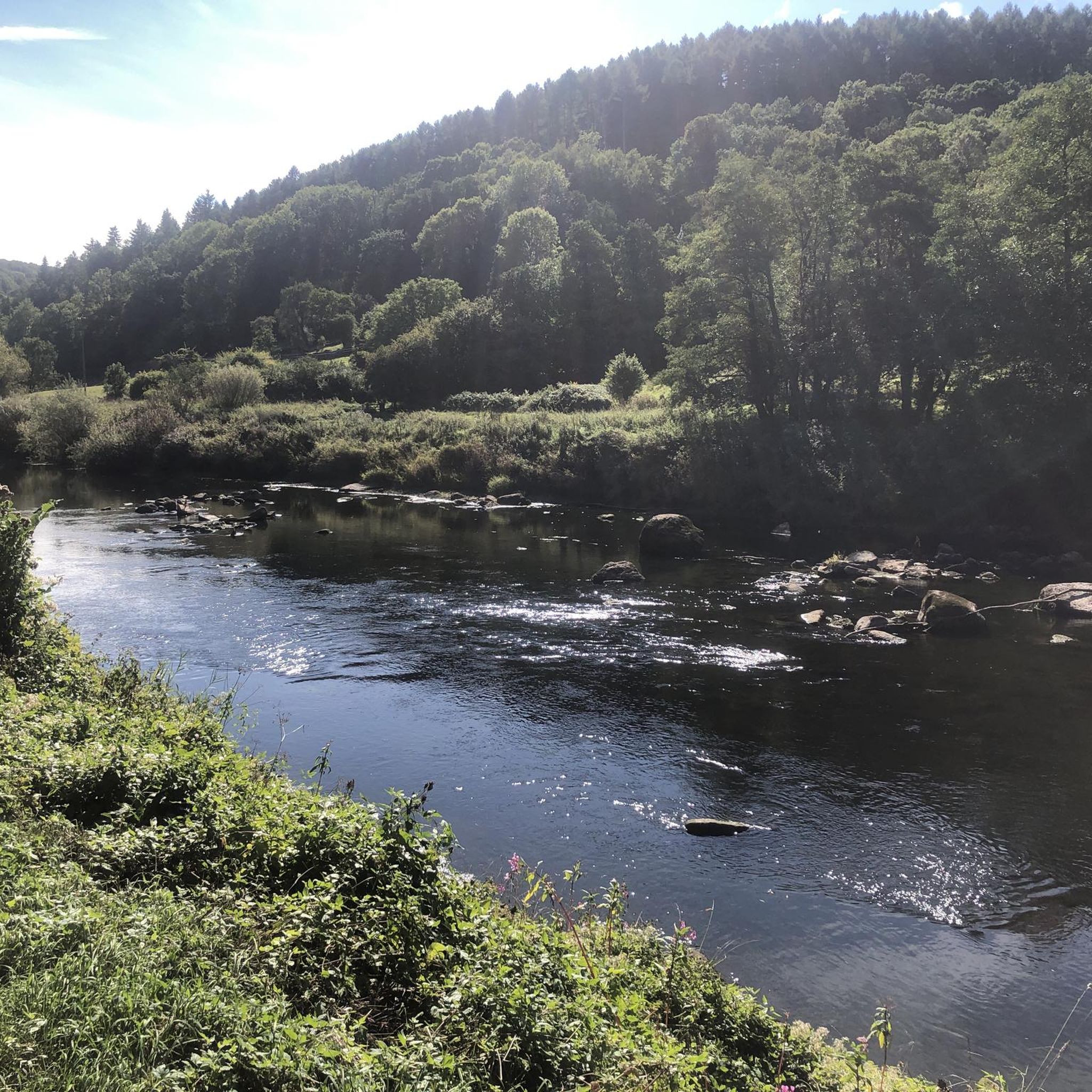
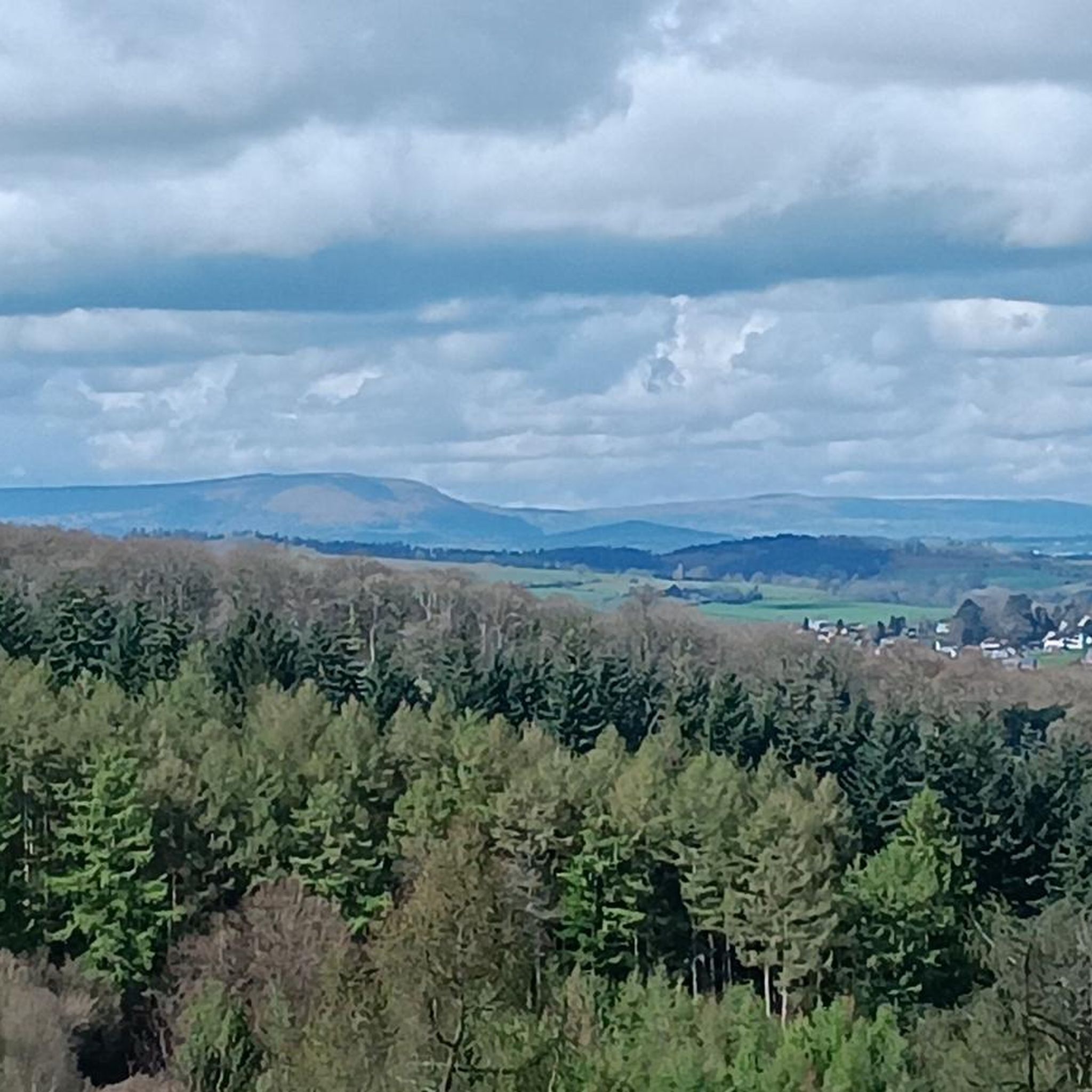
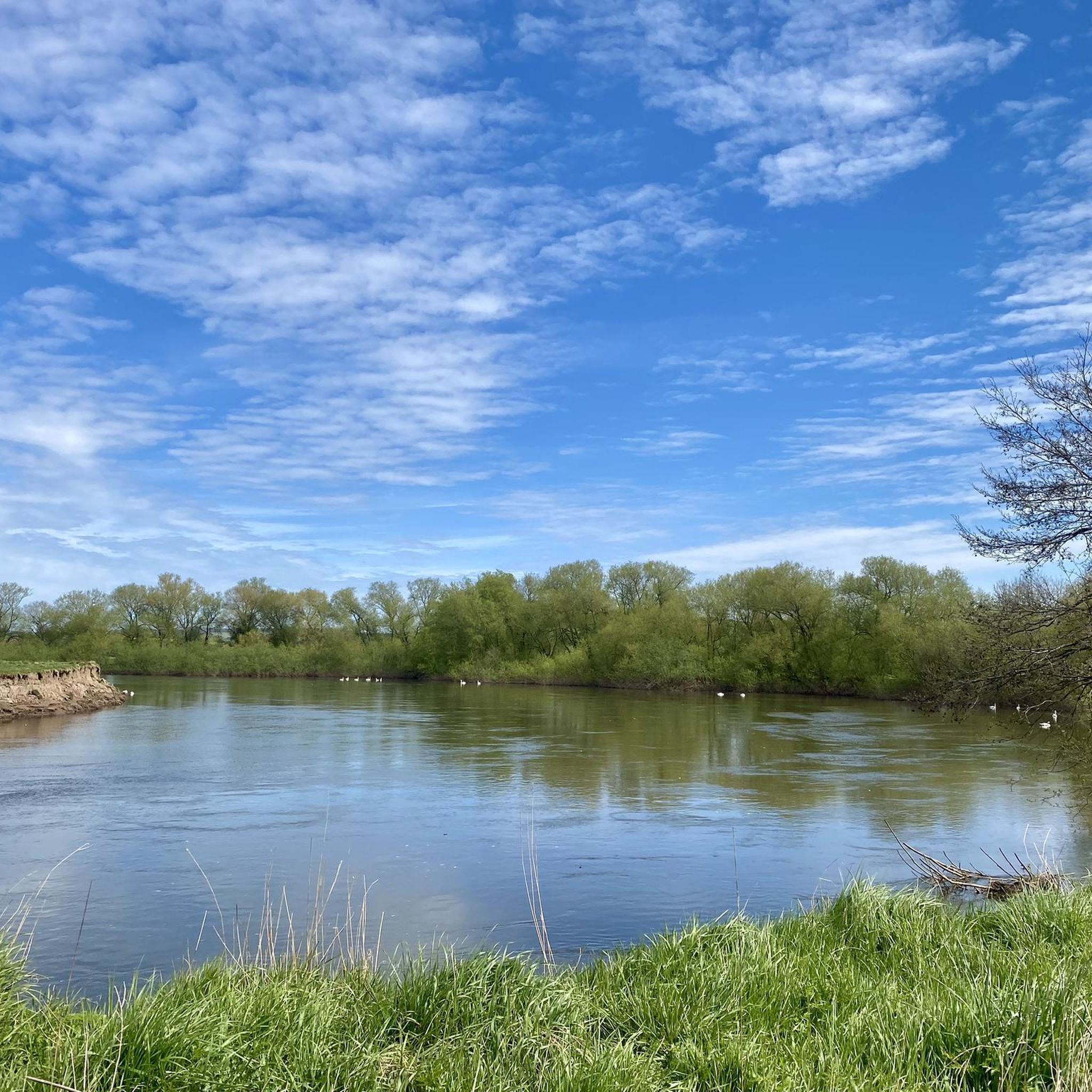

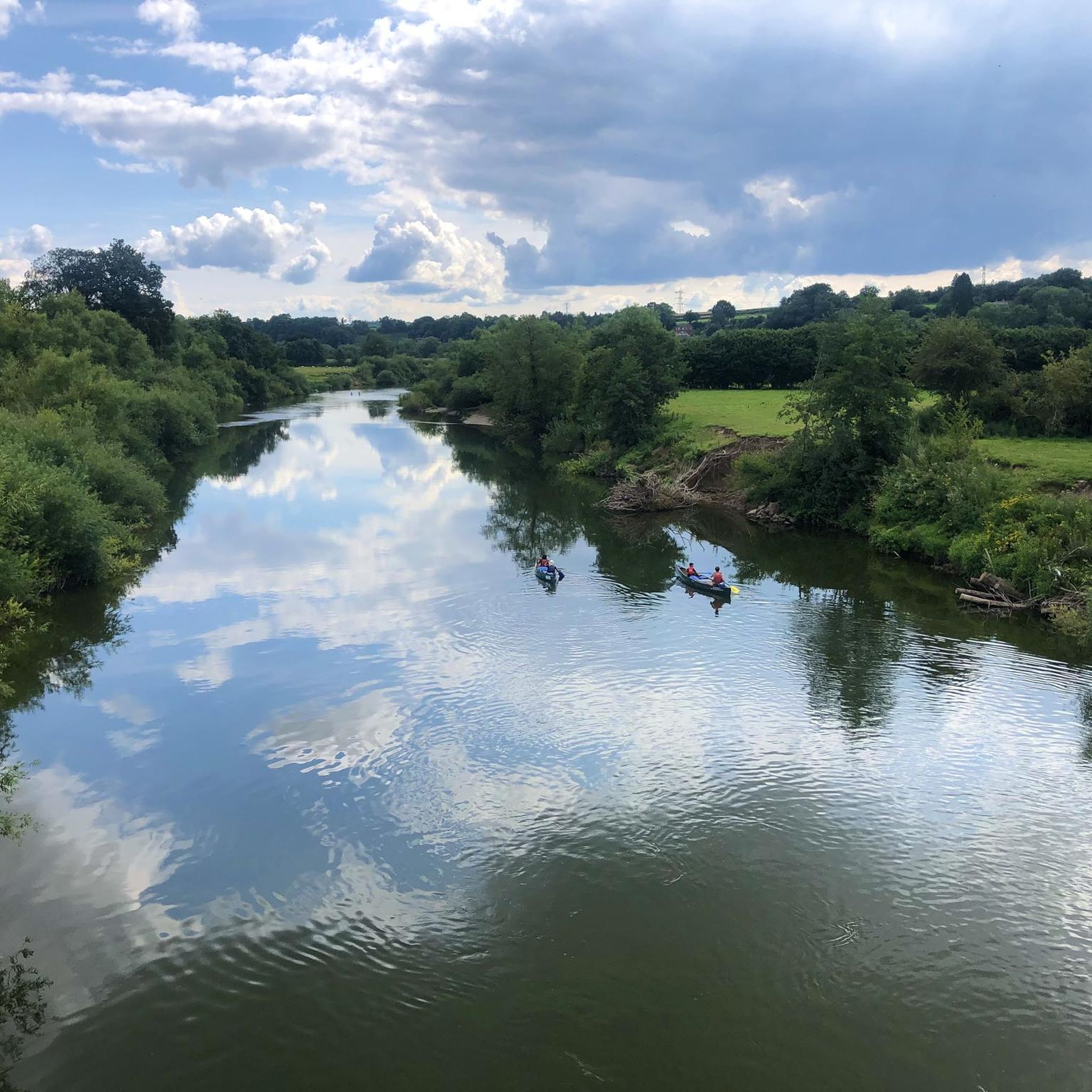
Tips from the Community

Fabulous and iconic Sandstone building, centrepiece of Ross on Wye.
0
0
According to Harper Bridges - This bridge was commissioned by the congregations of the churches of Sellack Boat and King’s Caple and built in 1895. The towers are of tubular cast iron, with nameplate transoms embossed “Louis Harper AIMCE, Maker, Aberdeen”. The original cables to common anchorages are still in place, as are their hangers. However, at some stage (nobody seems to know when or why) further short cables were clamped to the original, presumably to support areas of wear and avoid cable replacement. This has led to crowding at the saddles. However, the bridge is still used and the local churches continue to hold their ‘Bridge Thanksgiving’ ceremony each year. This area is noted for its flooding but so far the bridge has held since the arched deck remains above the flow, although the approaches are inundated. It lacks the original longitudinal deck boarding but the original camber is well maintained. This bridge is the best illustration of the method of attachment of hangars to main cable employed by John and Louis Harper
0
0
A lovely little town built on hilly ground so the streets go up and down, with the Market Hall on stilts in a prominant location.
0
0

Great stopping point and a hub for rides in all directions. Plenty of coffee shops
0
0

Nestled by the River Wye, Ross-on-Wye is a charming market town. Originating from the first travel guidebook by William Gilpin in 1782, it inspired picturesque tourism. It has independent stores, 19th-century mock-Gothic walls, a Gazebo Tower folly, and colourful homes cascading down the hillside to the river.
1
0

Foy and Hole-in-the-Wall are two villages near Ross-on-Wye that are actually split by the River Wye. Foy is on one side and Hole-in-the-Wall is on the other. In times gone by crossing from one part to the other was only possible by ferry or ford but in 1876 a suspension bridge was built and a very pretty one it is too.
0
0

Perched above the River Wye, Ross is a pretty market town that played a significant role in nature tourism's history. In 1770, William Gilpin started organising boat trips down the Wye. Some believe that this was the very origin of the Picturesque Movement, leading people to appreciate the natural world and its beauty. Ross has a lot to offer the hiker. Gateway to the Wye Valley and the Forest of Dean, it is also within easy driving distance of the Brecon Beacons, the Cotswolds and the Malverns.
0
0
Haugh Woods Butterfly Trails are two short trails that meander the ancient woodland of Haugh Woods. The trails have been set up by Forestry England to allow everyone to enjoy the numerous butterflies and moths that live here. This is an important site for UK butterflies (we are in short supply!) and this woodland gives nearly 350 hectares or 850 acres for them to breed. There are about over 600 of both species living here!
0
0
Frequently Asked Questions
What natural features can I explore around How Caple?
How Caple is nestled overlooking the River Wye, offering beautiful southerly views towards the Welsh hills and the Forest of Dean. You can explore the picturesque Wye Valley through various walking and cycling routes. A notable natural attraction is Haugh Woods Butterfly Trails, which provides excellent routes through ancient woodland, showcasing a rich habitat for numerous butterflies and moths.
Are there historical sites to visit in How Caple?
Yes, How Caple and its surroundings are rich in history. You can visit the historic How Caple Court Gardens, known for its extensive formal designs and views. Within the grounds is St. Andrew and St. Mary's Church, a medieval church with parts dating back to the 13th century, featuring intricate stained-glass windows. Additionally, the Capler Camp Hillfort, an Iron Age hillfort, offers historical insight and scenic views over the Wye Valley.
What walking and hiking routes are available near How Caple?
The area around How Caple is ideal for walking and hiking. You can find numerous routes exploring the Wye Valley, leading to ancient hillforts, through woodlands, and along the riverbanks. For easy hikes, consider routes like the Fownhope Parish Stocks – River Wye Walk loop or the River Wye and Mansell's Ferry loop. You can find more details on these and other trails in the Easy hikes around How Caple guide.
Are there any family-friendly attractions in the How Caple area?
Yes, several attractions are suitable for families. Ross-on-Wye Market Town and St Mary’s Church is a charming place to explore with its independent stores and colorful homes. Haugh Woods Butterfly Trails offers two short, accessible trails through ancient woodland, perfect for children to spot butterflies and moths. The Sellack Suspension Bridge is also a fun historical footbridge to visit across the River Wye.
Where can I find good views or viewpoints around How Caple?
How Caple itself offers beautiful southerly views across the River Wye valley towards the Welsh hills and the Forest of Dean. The Capler Camp Hillfort on Capler Hill provides excellent panoramic views. Additionally, the charming market town of Ross-on-Wye Market House, perched above the River Wye, offers picturesque scenes of the town cascading down to the river.
What is Ross-on-Wye, and what can I see there?
Ross-on-Wye is a charming market town situated near How Caple, known for its historical significance in nature tourism. It features independent stores, 19th-century mock-Gothic walls, a Gazebo Tower folly, and colorful homes cascading down to the River Wye. The Ross-on-Wye Market House is a notable sandstone building in the town center, and the town serves as a gateway to the Wye Valley and the Forest of Dean.
Can I find cycling routes near How Caple?
Yes, there are various cycling routes available. For road cycling, you can explore routes like the Hoarwithy Bridge – Ross-on-Wye Market House loop or the St Mary's Priory Church – Ross-on-Wye Market House loop. If you prefer gravel biking, options include the Peregrine Path to Symonds Yat or the Kensley Ridge Gravel Road. More details can be found in the Road Cycling Routes around How Caple guide and the Gravel biking around How Caple guide.
What is the best time of year to visit How Caple?
The best time to visit How Caple largely depends on your interests. Spring and summer are ideal for enjoying the gardens at How Caple Court, exploring the butterfly trails at Haugh Woods, and engaging in outdoor activities along the River Wye. The vibrant colors of autumn also offer beautiful scenery for walks. While winter can be tranquil, some outdoor attractions might have reduced hours or be less accessible.
Are there any unique or less-known attractions near How Caple?
Beyond the main highlights, you might enjoy discovering Wobage Farm Pottery, which is often mentioned in connection with local walks and offers an opportunity to observe local crafts. The Sellack Suspension Bridge, built in 1895, also has an interesting local story about its construction and the vicar who crossed the Wye on stilts.
What kind of wildlife can I expect to see, especially butterflies?
The area is rich in wildlife, particularly at Haugh Woods Butterfly Trails. This ancient woodland is a significant site for UK butterfly conservation, providing a habitat for nearly 350 hectares of land. You can expect to see a wide variety of butterflies and moths, with over 600 species recorded here, making it a prime spot for nature enthusiasts.
Are there dog-friendly walking options around How Caple?
Many of the walking routes in the Wye Valley and surrounding woodlands are dog-friendly, allowing you to explore the picturesque countryside with your canine companion. Always ensure dogs are kept under control, especially near livestock, and check for any specific local restrictions or lead requirements, particularly in nature reserves or sensitive wildlife areas like Haugh Woods.
Where can I find local crafts or unique shops?
For local crafts, Wobage Farm Pottery is a point of interest often linked with local walks, providing an opportunity to see and potentially purchase local artisan work. In the nearby market town of Ross-on-Wye Market House, you'll find a variety of independent stores offering unique items and local produce.
What is the significance of Wilton Bridge?
Wilton Bridge, located just outside Ross-on-Wye, is an impressive red sandstone bridge constructed between 1597 and 1599. It replaced an earlier wooden bridge and is notable for its historical architecture, featuring five semi-circular arches and massive cutwaters. It's a fine example of 16th-century engineering that has withstood centuries of floods.
Are there easy walks suitable for all abilities near How Caple?
Yes, there are several easy walks in the area. The Haugh Woods Butterfly Trails offer two short routes with good paths underfoot, suitable for a leisurely stroll. Additionally, the Easy hikes around How Caple guide lists several routes, such as the Fownhope Parish Stocks – River Wye Walk loop, which are graded as easy and generally suitable for most abilities.
Where can I find refreshments like cafes or pubs near the attractions?
The charming market town of Ross-on-Wye Market House, a short distance from How Caple, offers a good selection of cafes, pubs, and shops where you can find refreshments and meals. Many of the local walking routes also pass by or near establishments where you can stop for a break.
Most popular attractions around How Caple

Get inspired with the komoot mobile app


Explore more
Still not found the Highlight you’re looking for? See guides of the top attractions in other regions:
